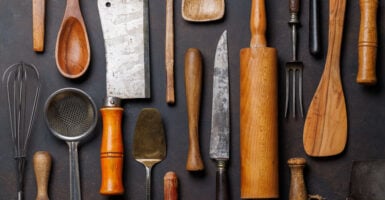
29 Mechanical Kitchen Gadgets From Before Plug-In Appliances
Before outlets reached every countertop, kitchen work ran on muscle, gears, springs, and a surprising amount of cast iron. Cooks cranked, squeezed, clamped, and wound their way through meals that now take a single button.
These tools were built to last generations, and many still turn up in drawers and flea markets, fully functional. Each one solved a specific kitchen problem with nothing more than clever mechanics.
Rotary Egg Beater
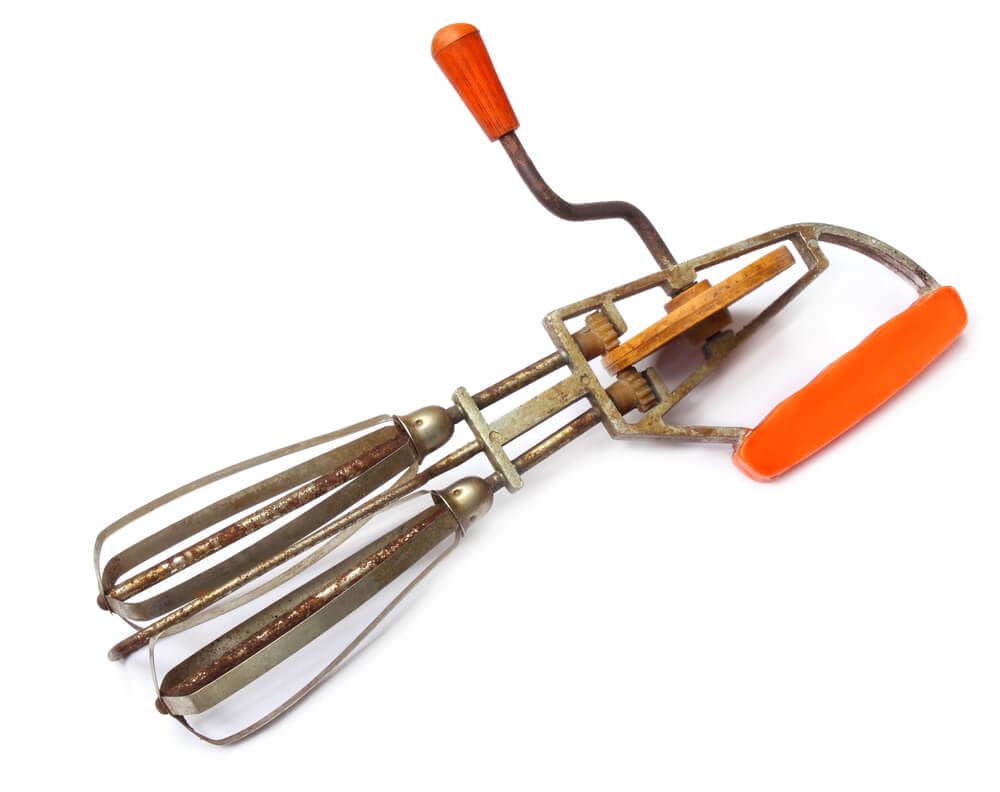
Two interlocking beaters were driven by a hand crank and a small gear wheel. One turn of the handle spun the beaters many times over, which made whipping egg whites a matter of minutes instead of an aching wrist.
Wooden handles were common, and the gears were exposed so the entire mechanism could be admired mid-whip.
Hand-Crank Flour Sifter
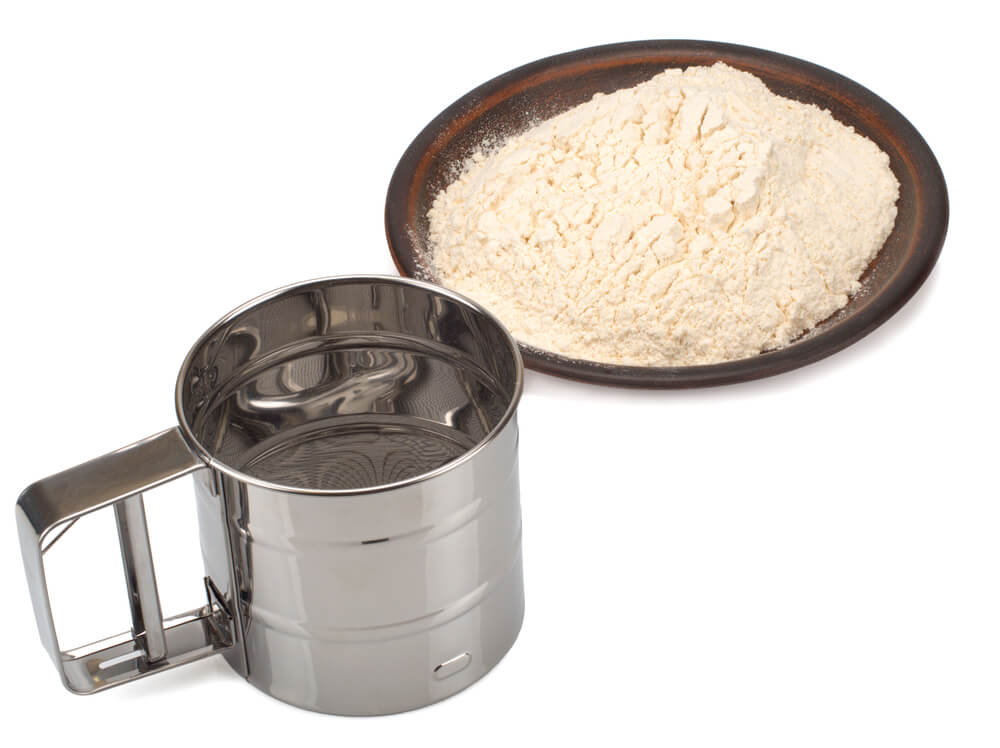
A canister with a mesh bottom held the flour, and a crank swept a paddle across the screen to push it through. The result was lump-free flour that baked lighter, a real advantage when flour was coarser and more likely to carry bits of bran or debris.
Squeeze-handle versions did the same job with one hand.
Wall-Mounted Coffee Mill
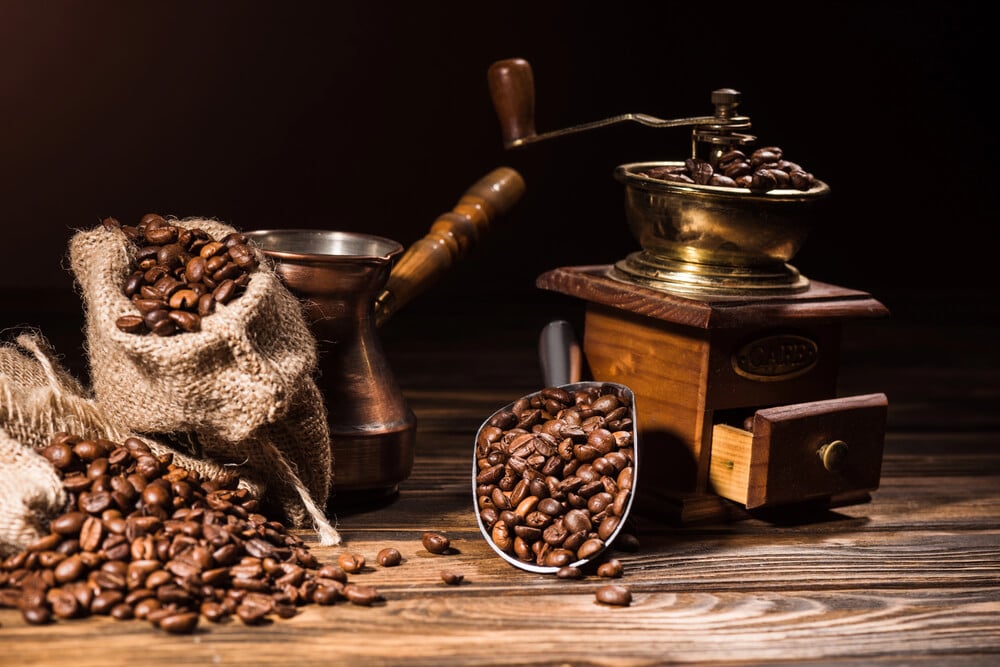
Mounted to a kitchen wall, this mill kept its grinding burrs in a metal housing fed from a hopper on top. Some models caught the grounds in a glass jar below, so the cook could see exactly how much had been ground.
Fresh coffee required effort, and every cup began with a few dozen turns of the crank.
Cast-Iron Apple Peeler
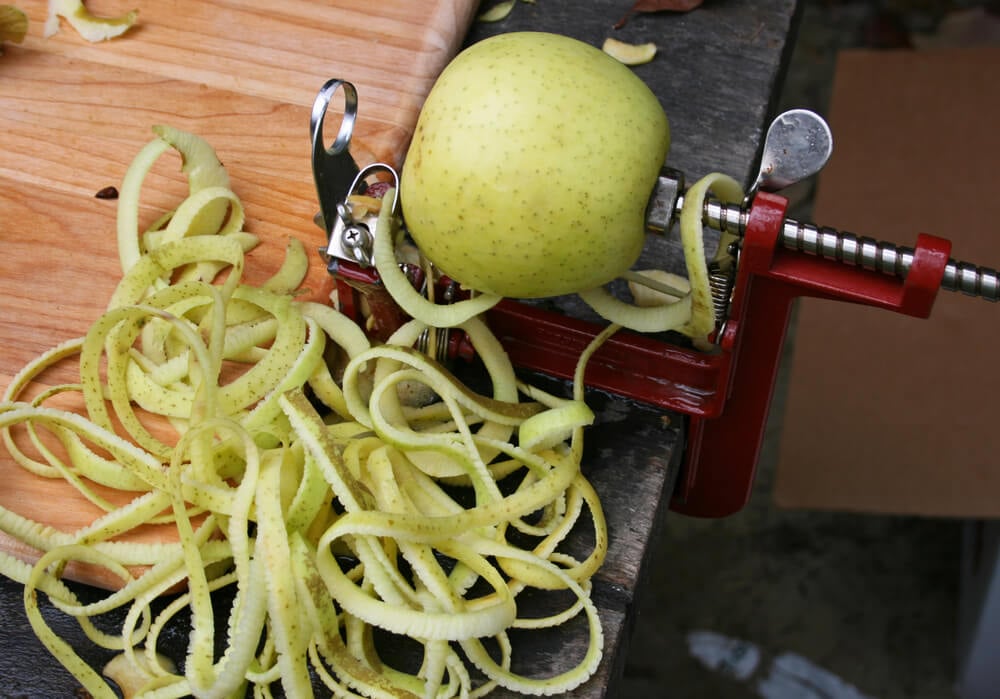
Clamped to a tabletop, this crank-driven peeler spun an apple against a blade while a second blade cut it into one continuous spiral. Many models also cored the fruit in the same pass.
A bushel of apples headed for pie or canning could be processed in a fraction of the time it took with a paring knife.
Hand-Crank Ice Cream Freezer
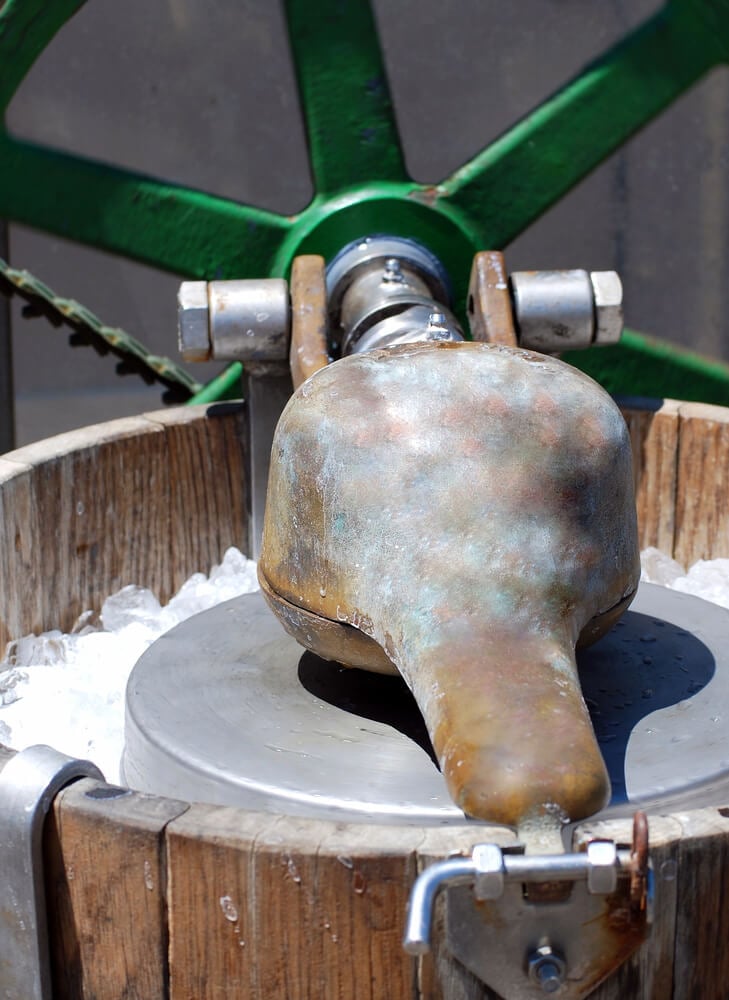
Nancy M. Johnson of Philadelphia received a patent in 1843 for an “artificial freezer,” a tub of ice with a metal cylinder inside and a crank-driven dasher. The cranking kept the mixture moving as it froze against the chilled wall.
The basic design stayed nearly unchanged for well over a century of summer afternoons.
Warner’s Bayonet Can Opener
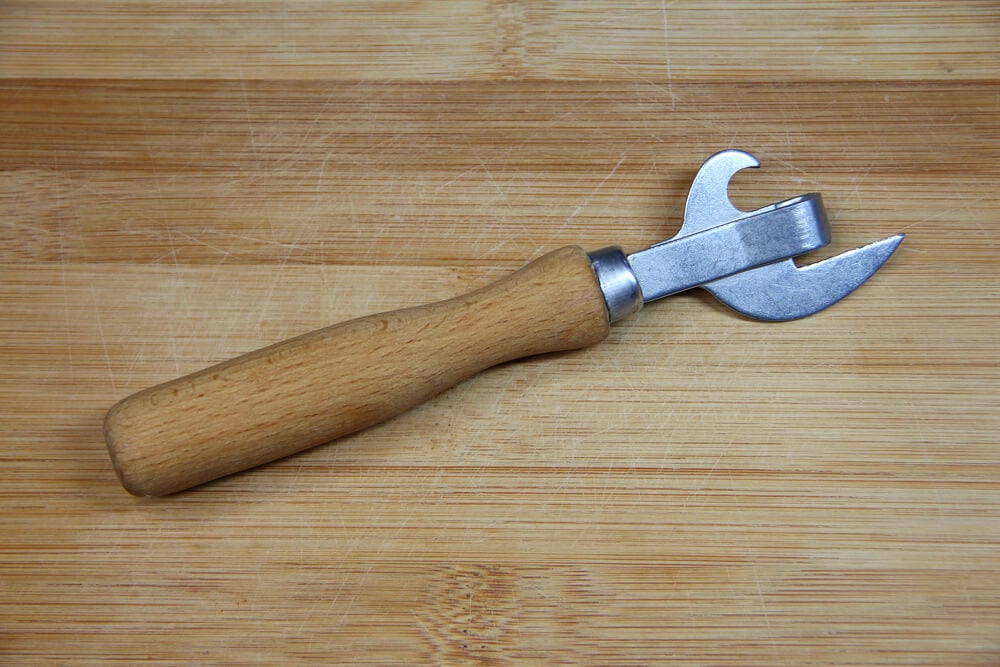
Ezra J. Warner of Waterbury, Connecticut, patented the first American can opener on January 5, 1858. It combined a bayonet-like blade for piercing the lid with a curved cutting edge, and it was considered too dangerous for casual use.
Grocers reportedly opened cans for customers before they left the store.
Lyman’s Cutting-Wheel Can Opener
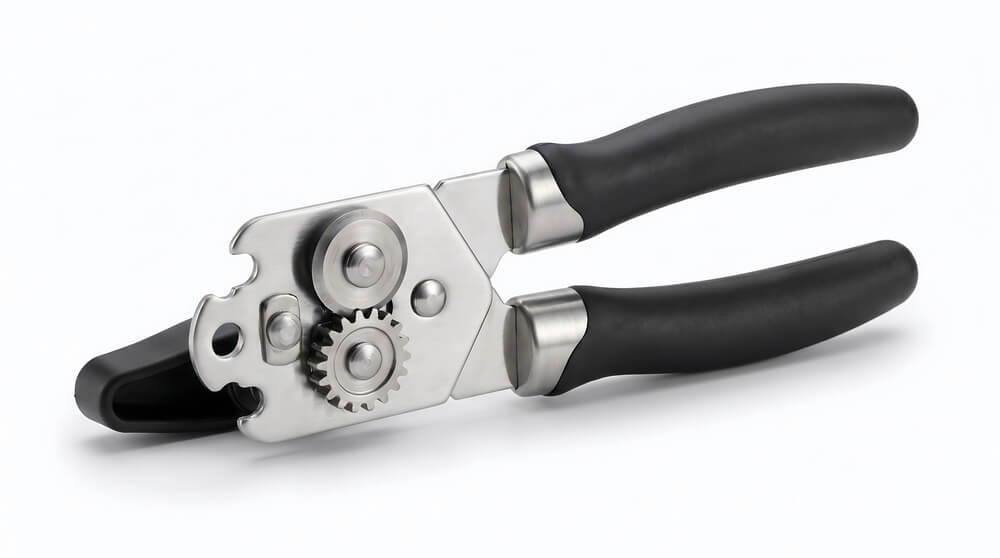
William Lyman of West Meriden, Connecticut, patented a design in 1870 that introduced a rotating cutting wheel. It was a surprisingly modern approach, even though early versions had drawbacks.
The principle of a wheel riding the rim of the can is still how many openers work today.
Alfred Cralle’s One-Handed Ice Cream Scoop
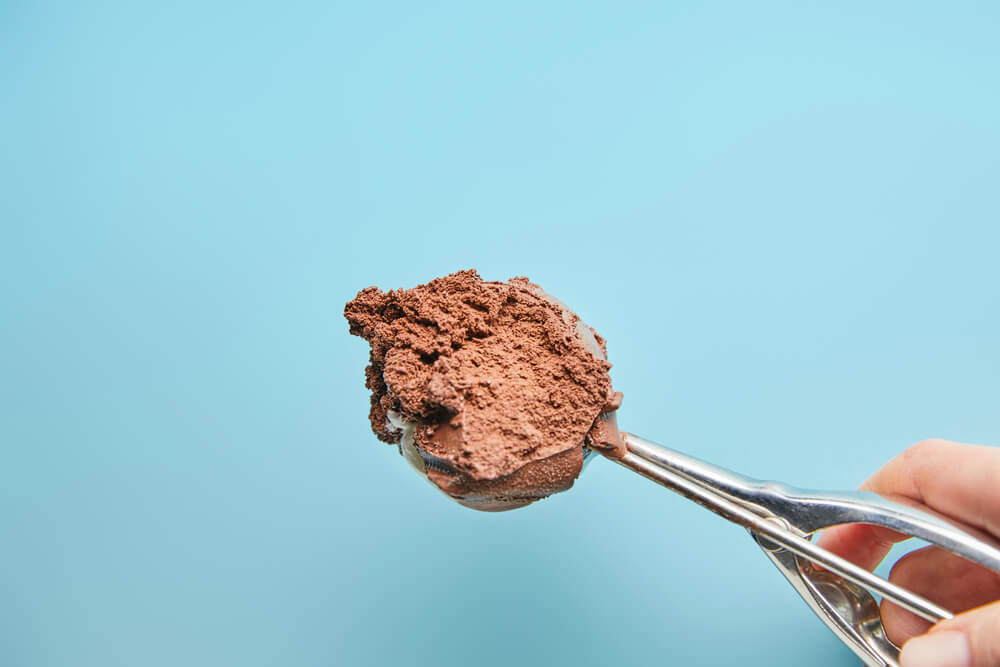
Alfred L. Cralle received a patent on February 2, 1897, for an “ice cream mold and disher” with a built-in scraper operated by one hand. Contemporary newspaper coverage said it could fill 40 to 50 dishes in a minute without soiling the server’s hands.
He had developed it while working as a porter in Pittsburgh, where ice cream kept sticking to serving spoons.
Clamp-On Meat Grinder
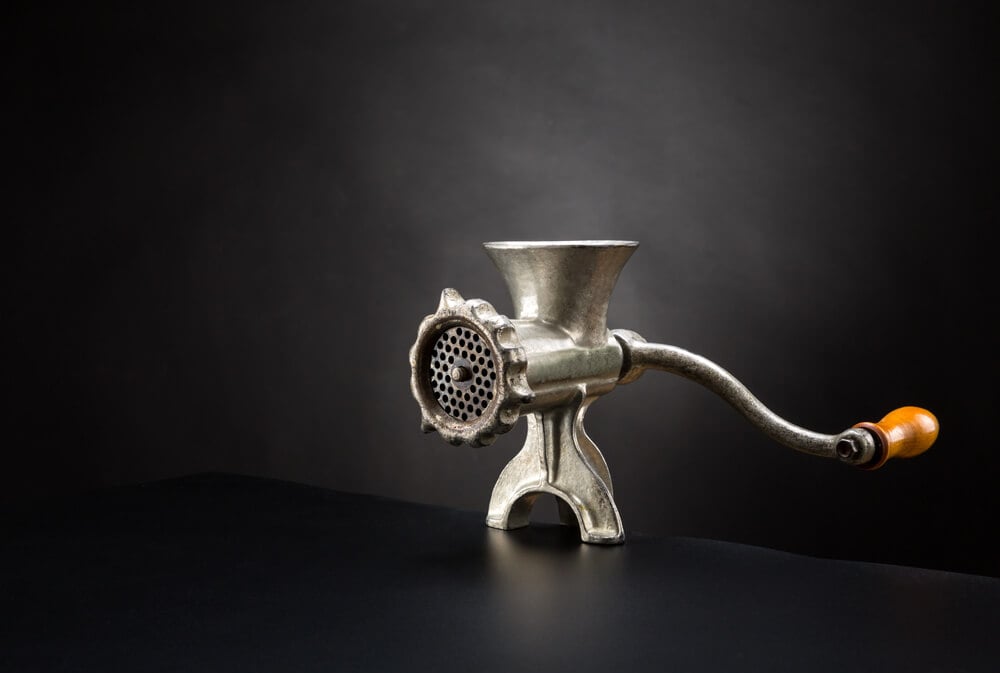
A cast-iron body clamped to the table edge and a crank turned an auger that pushed meat toward a perforated cutting plate. Swapping plates changed the coarseness from chunky to fine.
Cooks used it for sausage, hash, and the filling for dumplings, and the complete machine could be taken apart for washing.
Lever Sausage Stuffer
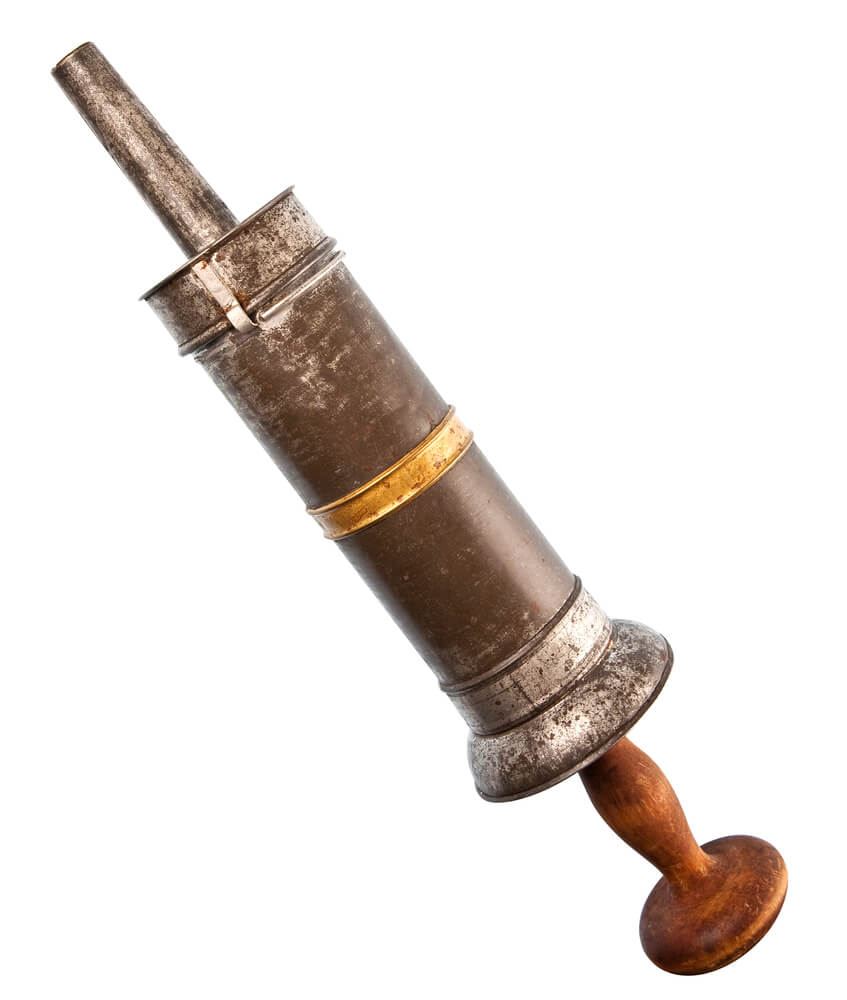
A metal cylinder held the seasoned meat, and a lever-driven plunger forced it out through a spout fitted with a casing. Home butchers relied on it during hog-killing season, when a family might produce a winter’s worth of sausage in a day.
The tool saved hours compared with stuffing by hand through a funnel.
Spring-Plunger Cherry Pitter
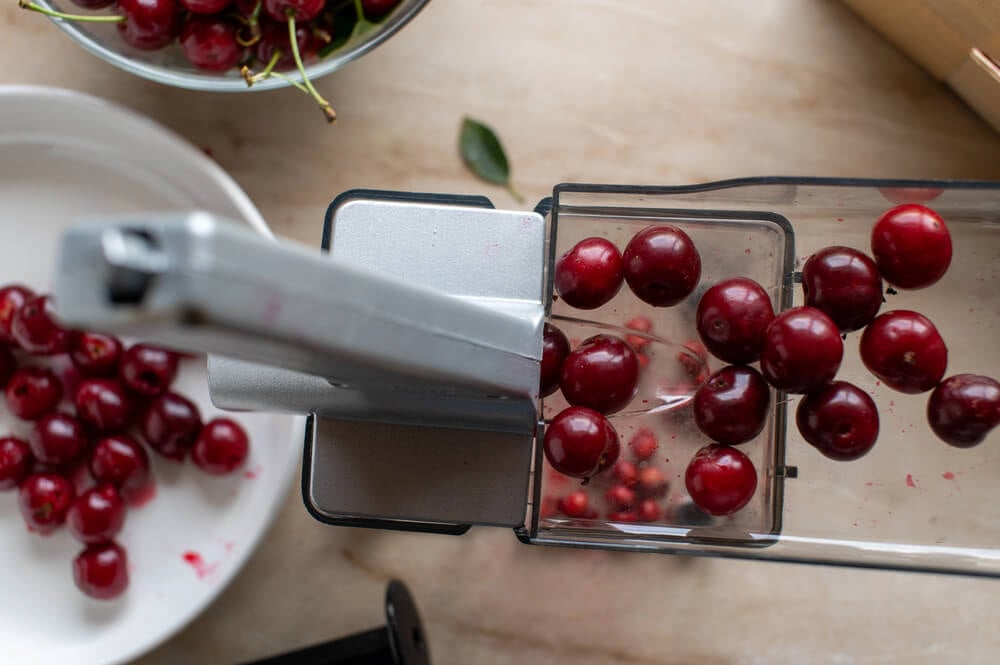
A cherry was placed in a small cup, and squeezing the handles drove a plunger through it, pushing the pit out the bottom. A season’s worth of fruit for jam or pie could be pitted without stained fingers or a knife.
Some models held several cherries at a time on a single base.
Lever Potato Ricer
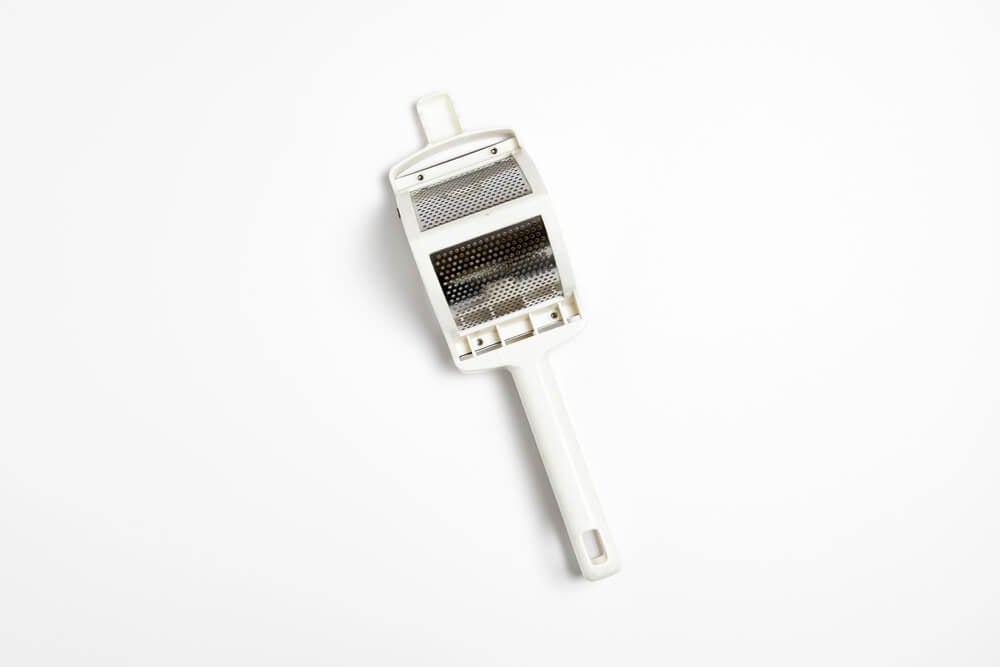
Cooked potatoes were loaded into a cup lined with a perforated basket, and a hinged lever pressed them through in thin strands. The result was fluffier than mashing with a fork, with no lumps left behind.
It was also used for squeezing moisture out of boiled spinach.
Ratcheting Cookie Press
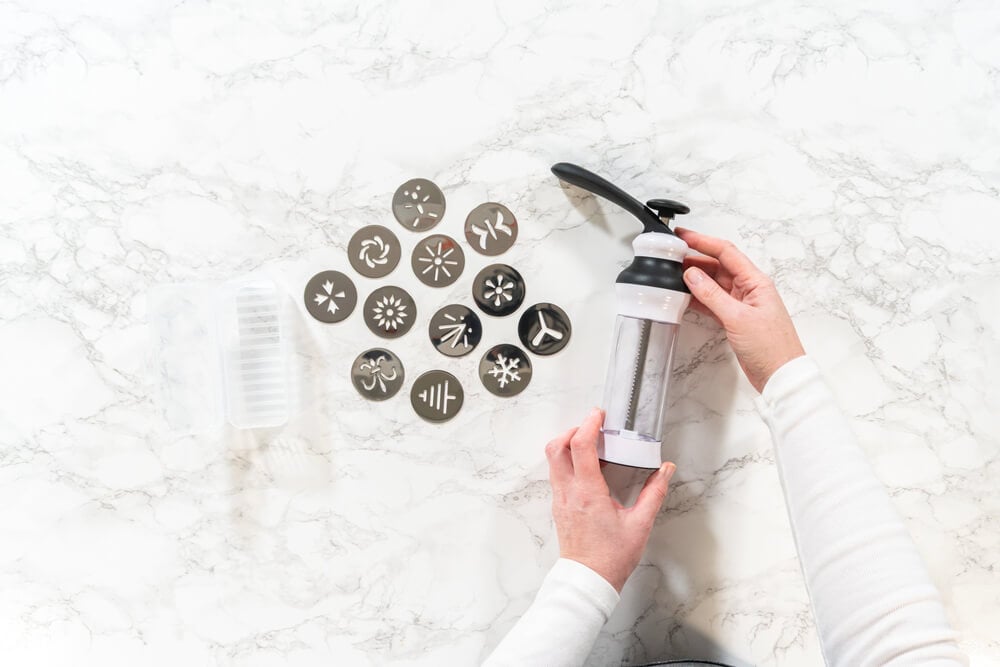
A hollow barrel held the dough, and each pull of the trigger advanced a plunger by a measured amount, pushing a portion through a decorative disc. Swapping the disc changed the shape from a wreath to a star or a flower.
Spritz cookies at the holidays depended on this tool.
Wire Pastry Blender
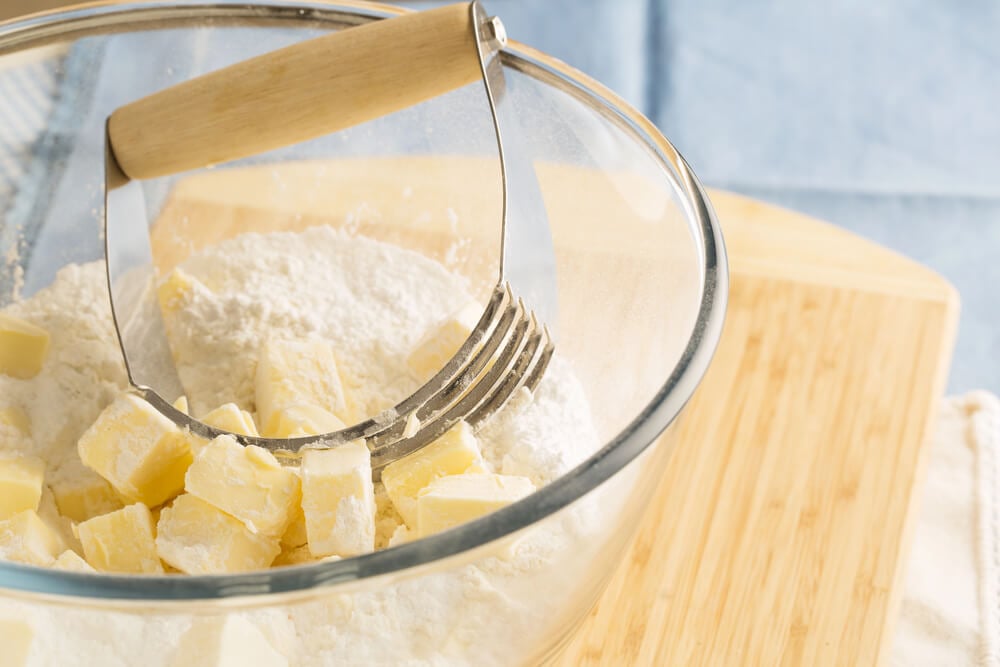
A handful of curved wires attached to a handle cut cold butter into flour with a rocking motion. Keeping the butter in small cold pieces is what produced flaky crusts, and warm fingers worked against that.
Nothing plugged in has improved on the simplicity of the design.
Spring-Loaded Nutmeg Grater
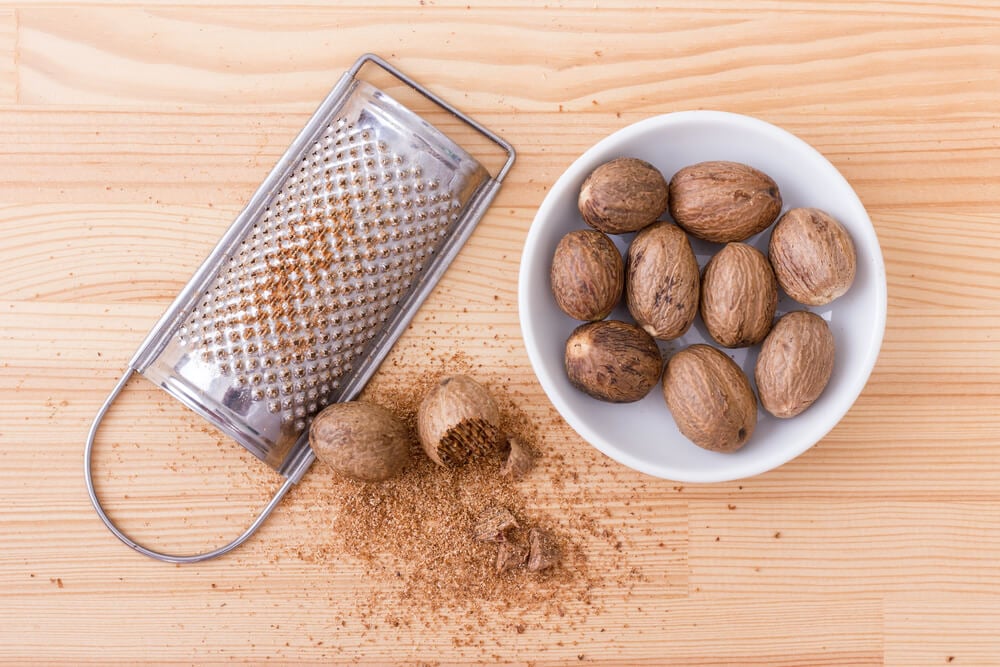
A small cylinder held a unground nutmeg against a grating surface with a spring, so the cook could grate the spice without scraping knuckles. The nutmeg was stored inside the device itself, which kept it close at hand.
It was a tiny tool for a spice that was once considered precious.
Balance-Pan Kitchen Scale
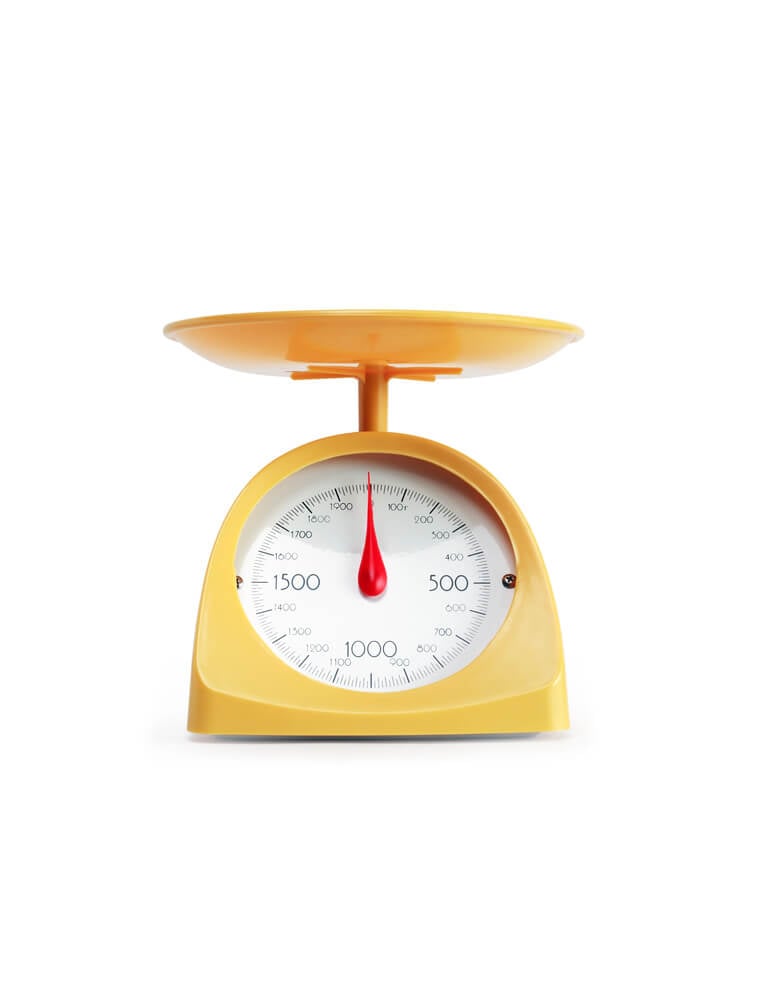
Recipes that called for precise weights relied on a pan scale with a set of brass counterweights. Ingredients went on one side and weights on the other, and the cook added or removed pieces until the beam sat level.
No batteries were required, and a well-kept scale could stay accurate for decades.
Wind-Up Kitchen Timer
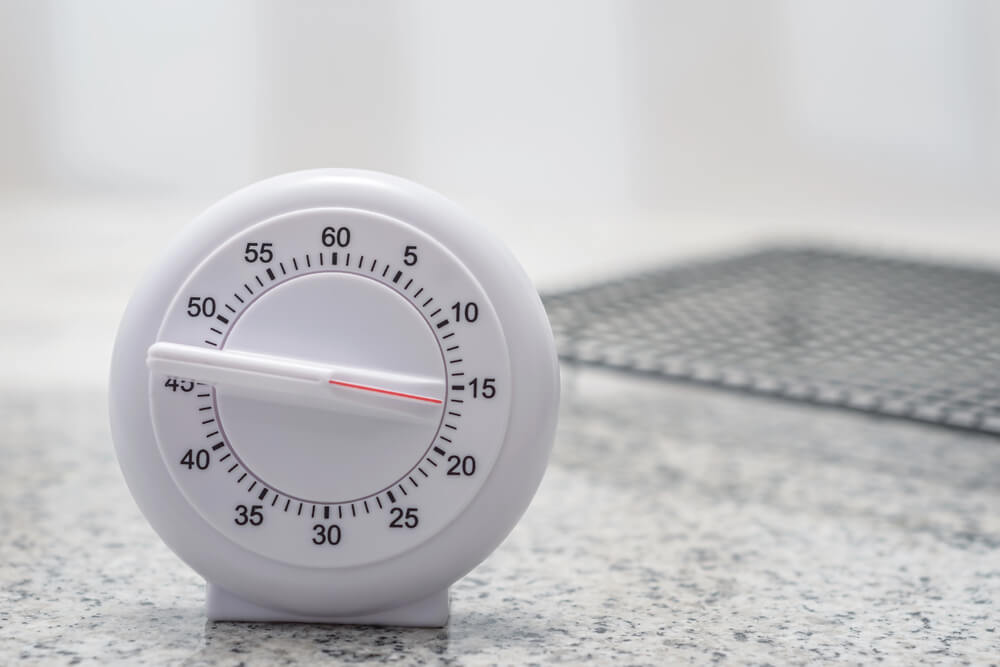
A spring wound by twisting the dial drove a gear train, and a bell rang when it unwound to zero. The ticking was part of the sound of the kitchen, and the bell was loud enough to be heard in the next room.
Simpler sand-filled hourglass egg timers measured a fixed three minutes.
Glass-Jar Butter Churn
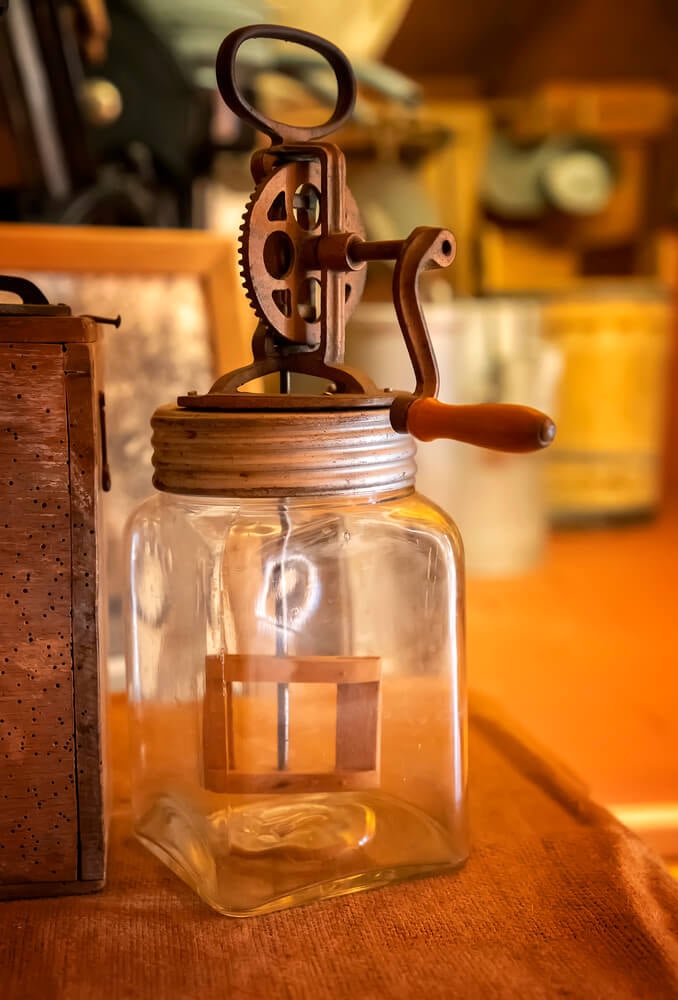
A glass jar with paddles inside was topped by a gear assembly and a hand crank. Turning the crank agitated cream until the fat separated from the buttermilk, usually within a quarter hour of steady effort.
The glass body let the cook watch the cream thicken and break.
Hand-Crank Pasta Machine
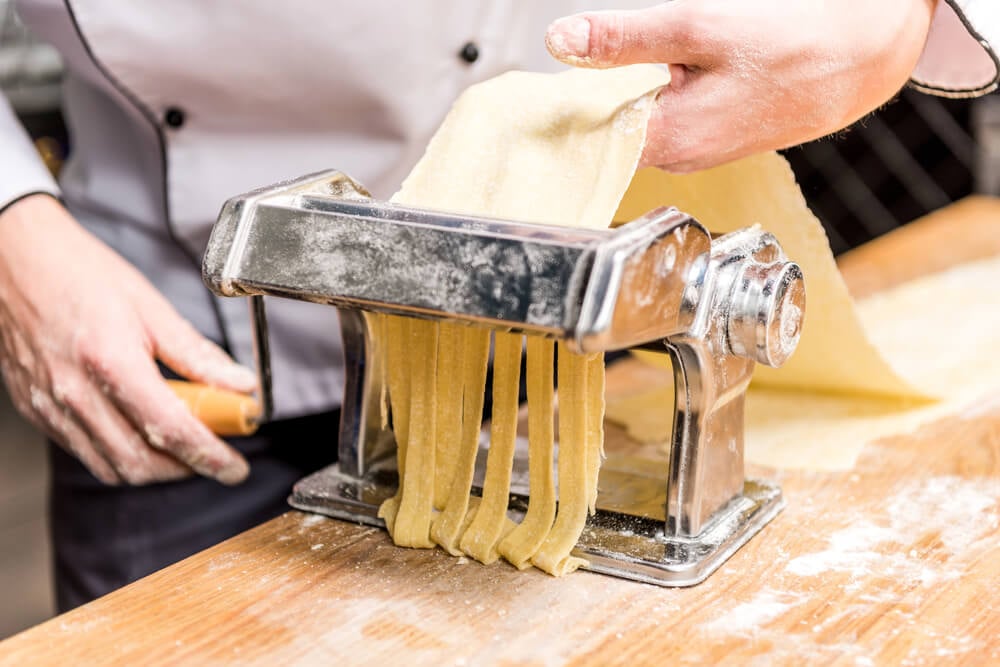
Dough was fed between smooth steel rollers that could be adjusted to progressively thinner settings, then cut into noodles by a second set of rollers. The machine clamped to a counter, and the crank was turned with one hand while the other guided the sheet.
Fresh pasta did not require electricity, only patience and a floured surface.
Cast-Iron Grain Mill
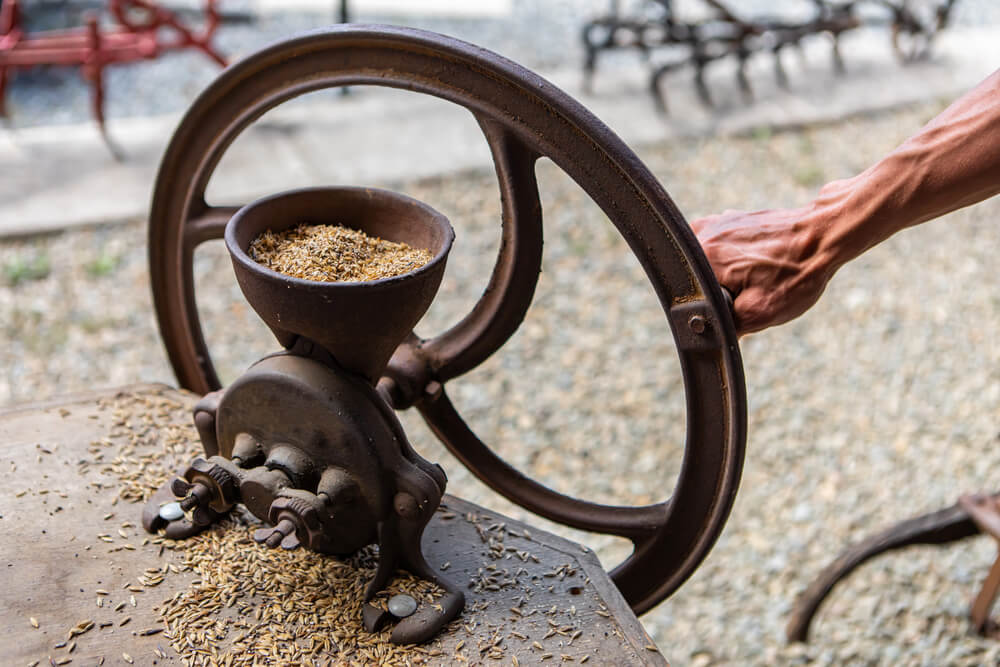
Hand-cranked mills ground wheat berries, corn, and other grains between steel burrs, with an adjustment for coarse or fine flour. A household that bought grain by the sack could produce fresh meal for each baking.
The mills were heavy, usually clamped to a bench, and could be fitted with other attachments.
Stovetop Toaster Rack
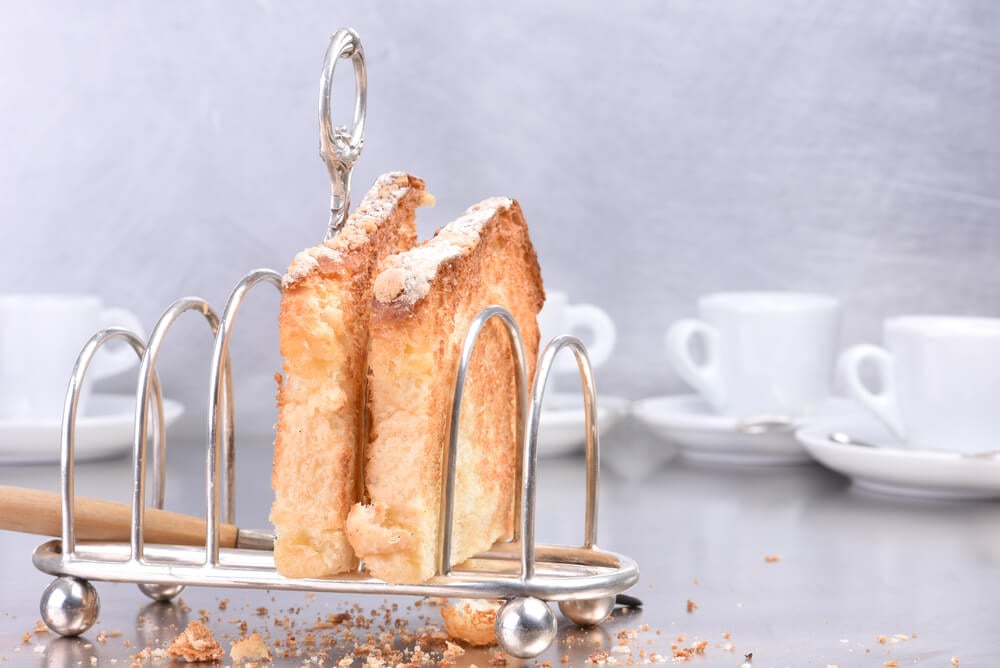
A wire or perforated metal frame sat directly over the burner, and bread was turned by hand to brown both sides. Attention was required, since a moment of distraction produced charcoal.
The tool is still sold, and some campers prefer it to anything electric.
Swivel Cast-Iron Waffle Iron
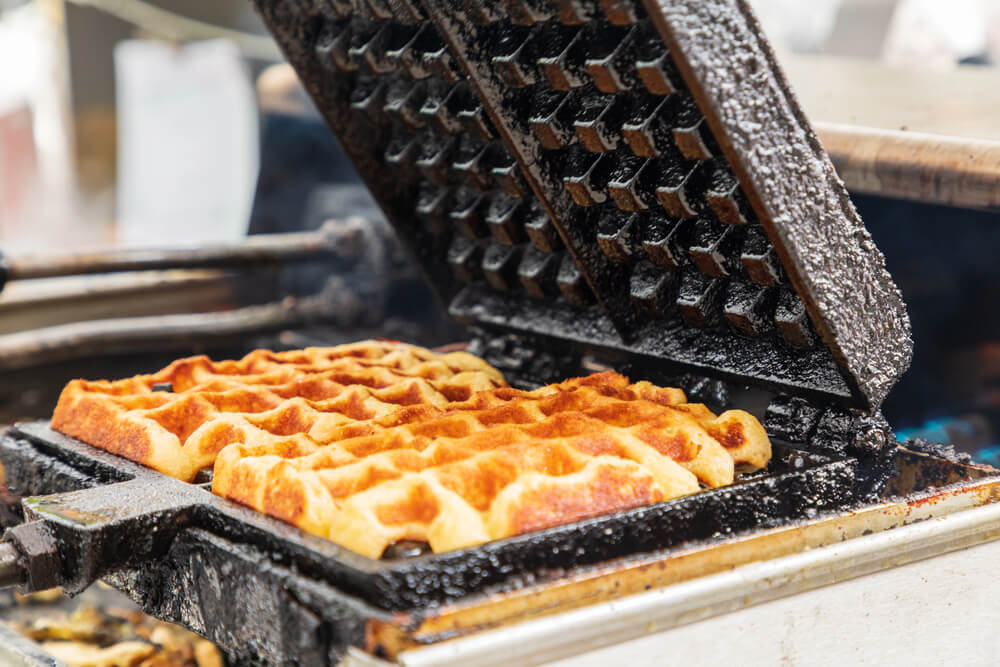
Two hinged plates with a grid pattern were set on the stove and flipped midway through cooking, so each side browned evenly. A swiveling base held the plates in a ring, allowing a cook to turn the entire assembly with one motion.
The iron needed seasoning like a skillet and lasted for generations.
Wire Egg Slicer
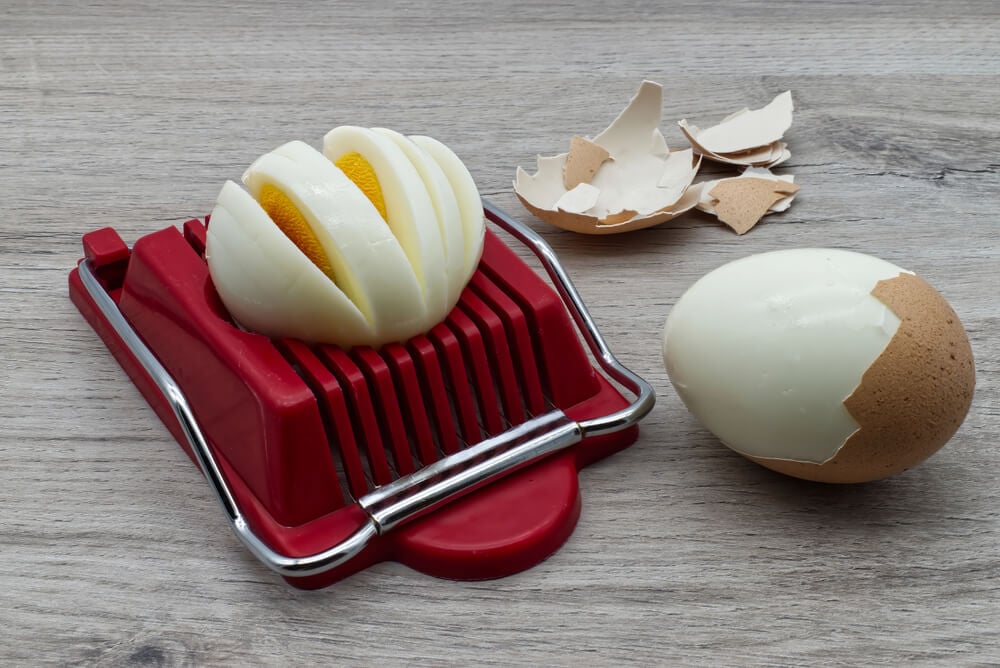
A shallow cradle held a hard-boiled egg, and a hinged frame of fine wires sliced it into even rounds in one motion. The result was uniform slices for salads and sandwiches.
The idea is simple enough that it has not meaningfully changed.
Crank-Driven Bean Slicer
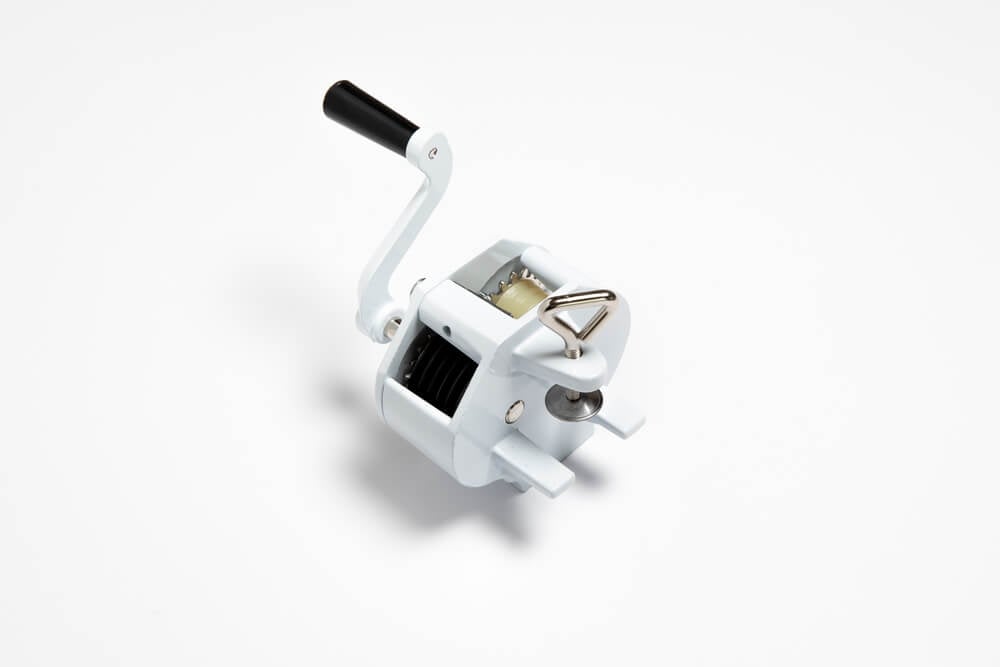
Green beans were pushed into a hopper, and a crank turned blades that cut them into thin lengthwise strips. Canning season produced buckets of beans, and the tool saved hours of hand slicing.
Many were clamped to a table edge for stability.
Slaw-Board Cabbage Shredder
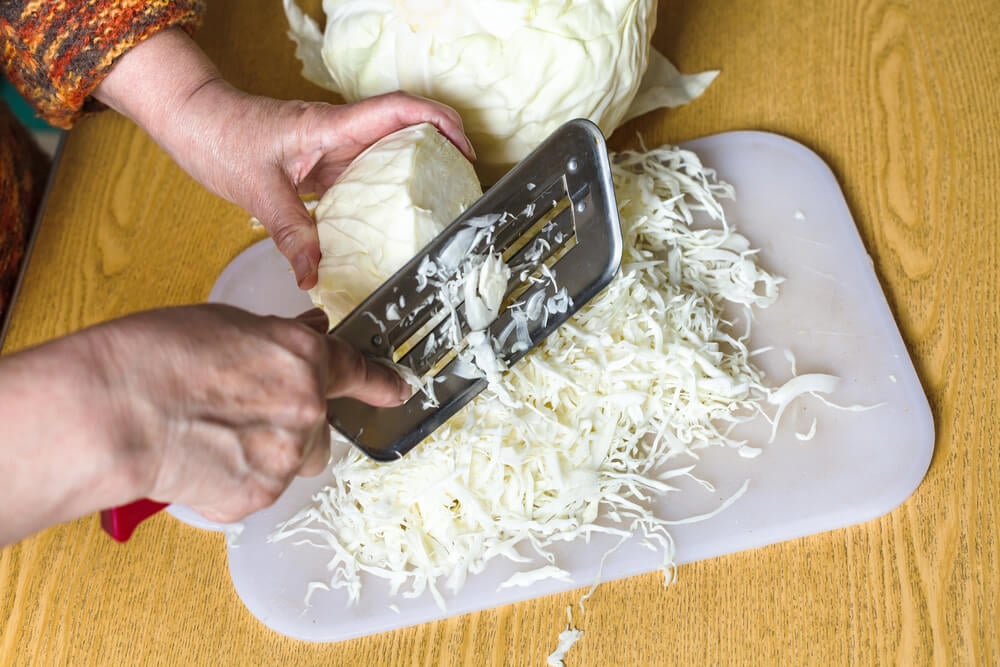
A wooden board with an angled blade let a cook slide a halved cabbage back and forth to produce fine shreds. Larger households used the same method for sauerkraut by the crock.
The board was often rubbed with oil to keep the wood from drying out.
Lever-Arm Citrus Press
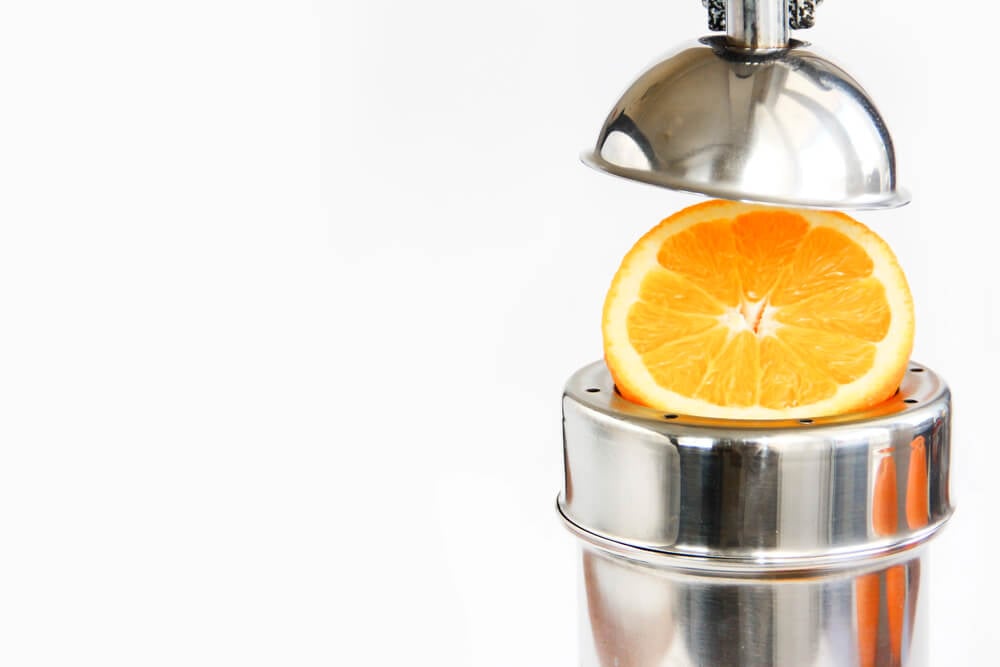
Half a lemon or orange sat in a cup while a hinged arm with a matching dome pressed down on it, squeezing the juice through a strainer. The mechanical advantage of the lever meant even a small hand could extract nearly everything.
Enameled and cast-iron versions were found in many kitchens.
Pressurized Seltzer Siphon
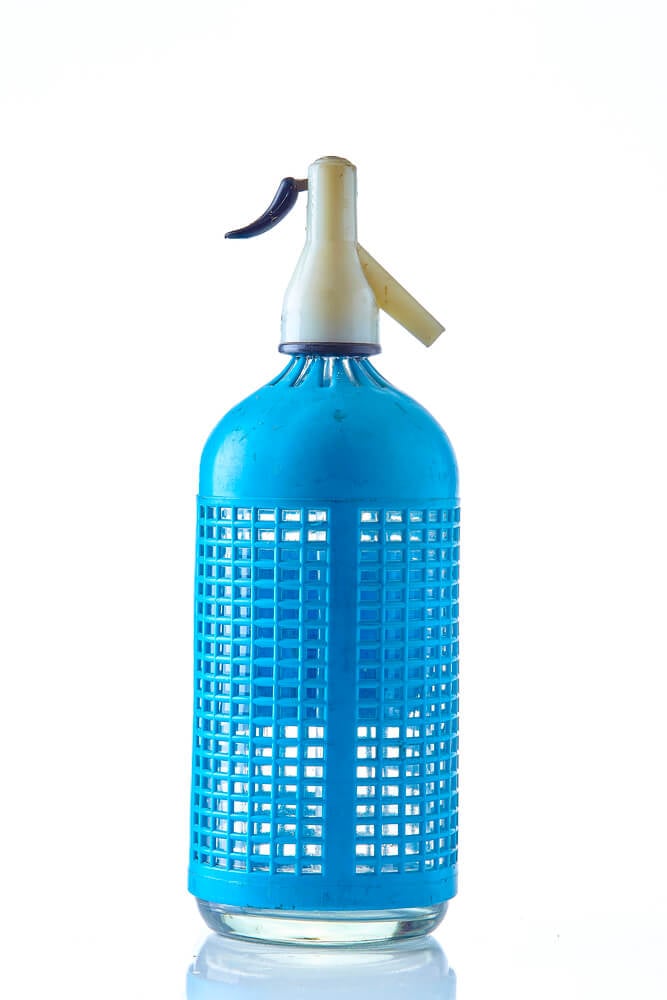
A heavy glass bottle was fitted with a spring-loaded valve, and pressing the lever pushed carbonated water out through a spout. Seltzer was delivered in these bottles to homes in some cities.
The pressure came from the dissolved carbon dioxide itself, with no pump needed.
Crank-Turned Bread Mixer
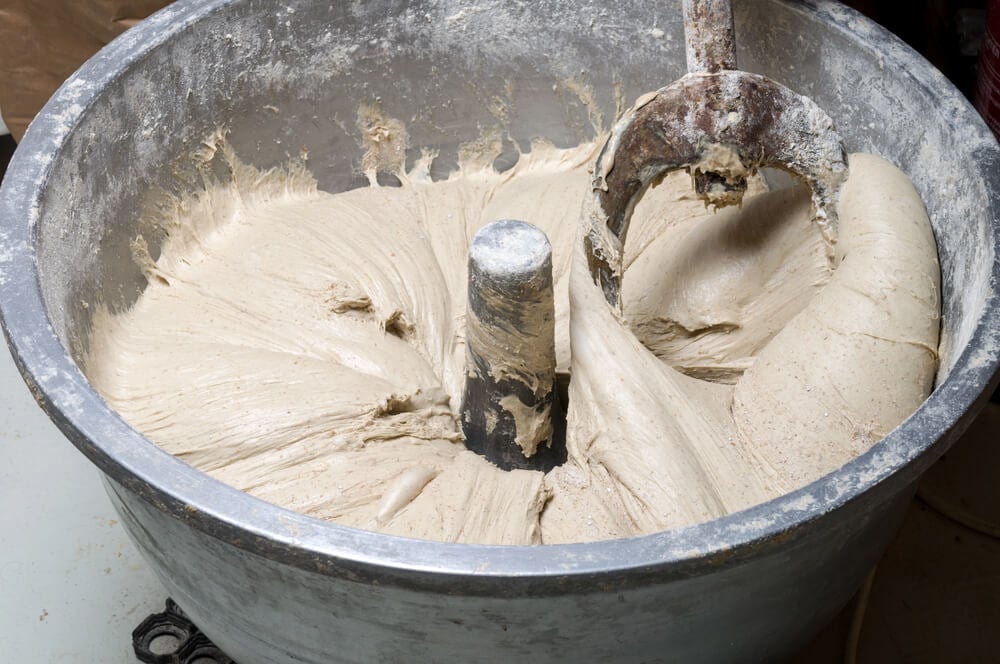
A tall metal bucket held flour, water, and yeast, and a crank turned a kneading blade through the dough. A home baker could knead a heavy batch without sore forearms.
The bucket was usually clamped to the table, and the dough could be left to rise inside it.
Long-Handled Stovetop Popcorn Popper
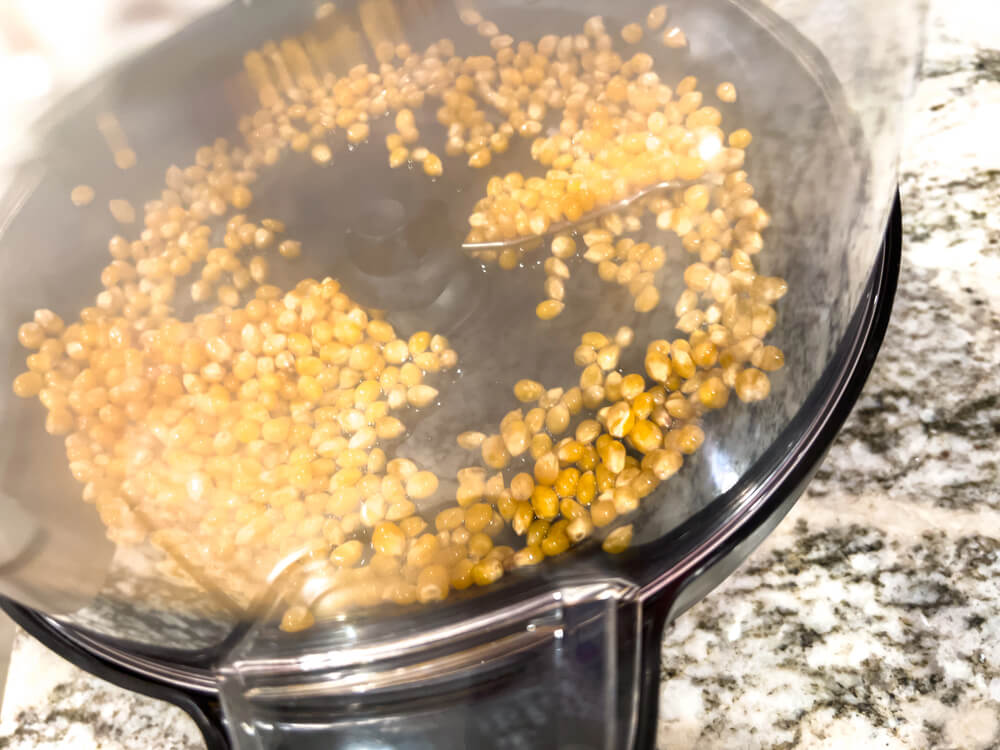
A pan with a lid and a crank-turned stirring arm kept kernels moving over the burner so they would not scorch. Hand cranking made for evenly popped batches.
The long handle kept the cook’s hand well back from the heat.
When the Machine Was the Cook
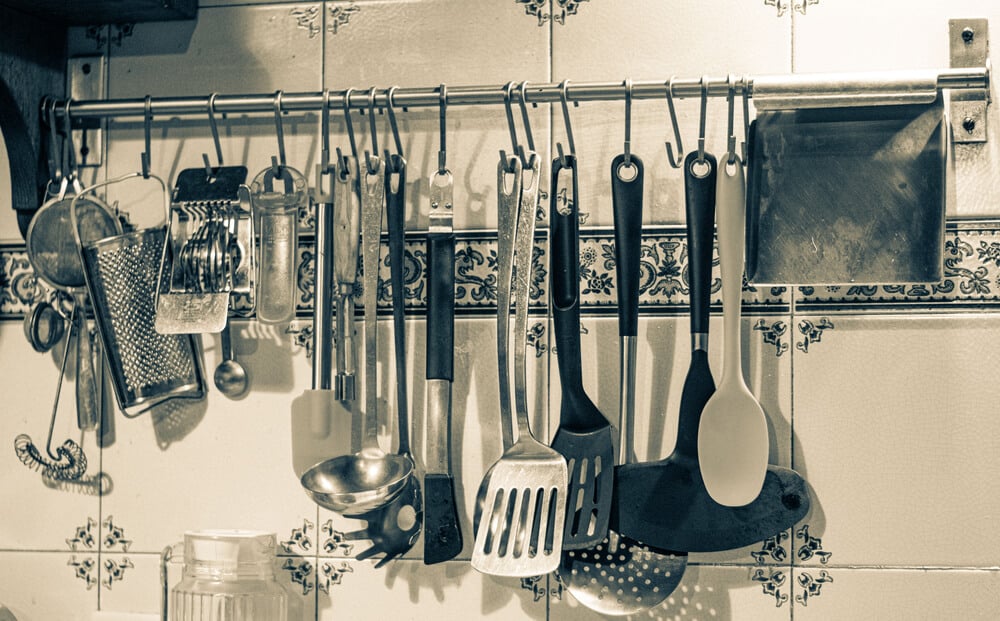
Looked at together, these tools reveal how much of kitchen work was once an act of physical coordination. Every pull of a lever and every turn of a crank gave the cook direct feedback about texture and progress.
Cooks could feel when cream was about to turn to butter, or when a dough had finally come together.
Modern appliances trade that feedback for speed and convenience, and few people would give up the convenience. But the mechanical gadgets persist because they never needed anything but the hand that held them, and they never broke down when the power went out.
Is this conversation helpful so far?
More from Go2Tutors!

- 27 Silver Dollars and Half Dollars Worth Keeping
- 28 Restaurant Menu Items Nobody Orders Anymore
- 17 Places Built in Seemingly Impossible Spots
- 27 Vintage Rings Worth More Than They Look
- 25 Restricted Sites Tourists Can’t Enter
Like Go2Tutors’s content? Follow us on MSN.