17 Bizarre Bird Nests Found Around the World

Birds are some of the most creative builders on the planet. While most people think of nests as simple piles of twigs, the truth is that some birds take things to a whole new level. From nests that hang like ornaments to ones built inside moving objects, birds prove that nature never runs out of ideas.
Let’s take a trip around the world and check out the strangest, wildest, and most unexpected places birds have decided to call home.
Sociable Weaver
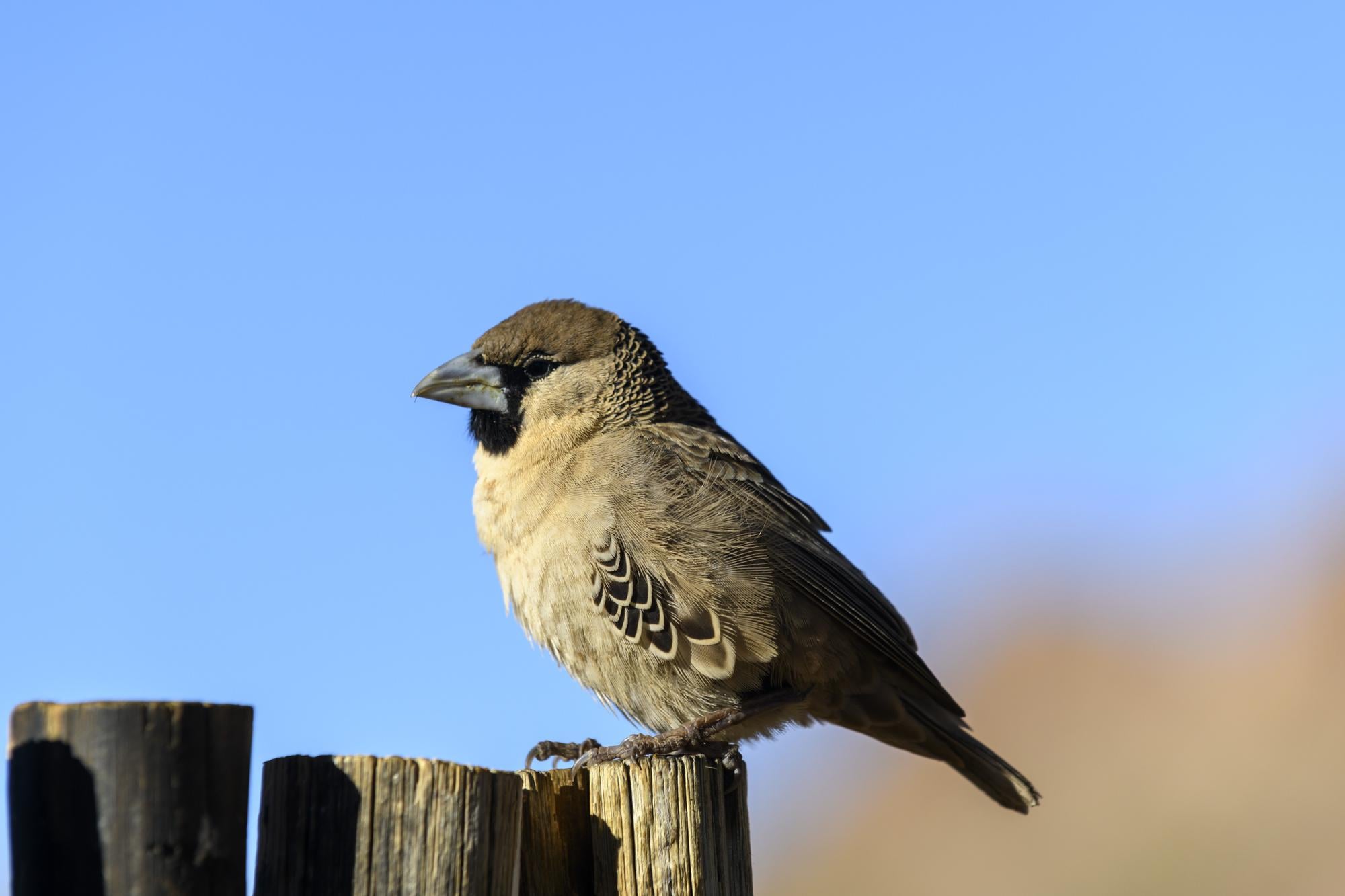
Found in southern Africa, sociable weavers build what might be the biggest bird nest in the world. These nests look like huge haystacks stuck to trees or telephone poles and can weigh over a ton. But the really strange part is that they’re not just for one pair of birds. Dozens or even hundreds of weavers live together, with each family having its own little chamber. It’s like a giant apartment building made out of sticks and grass. Some nests are used for generations.
Bowerbird
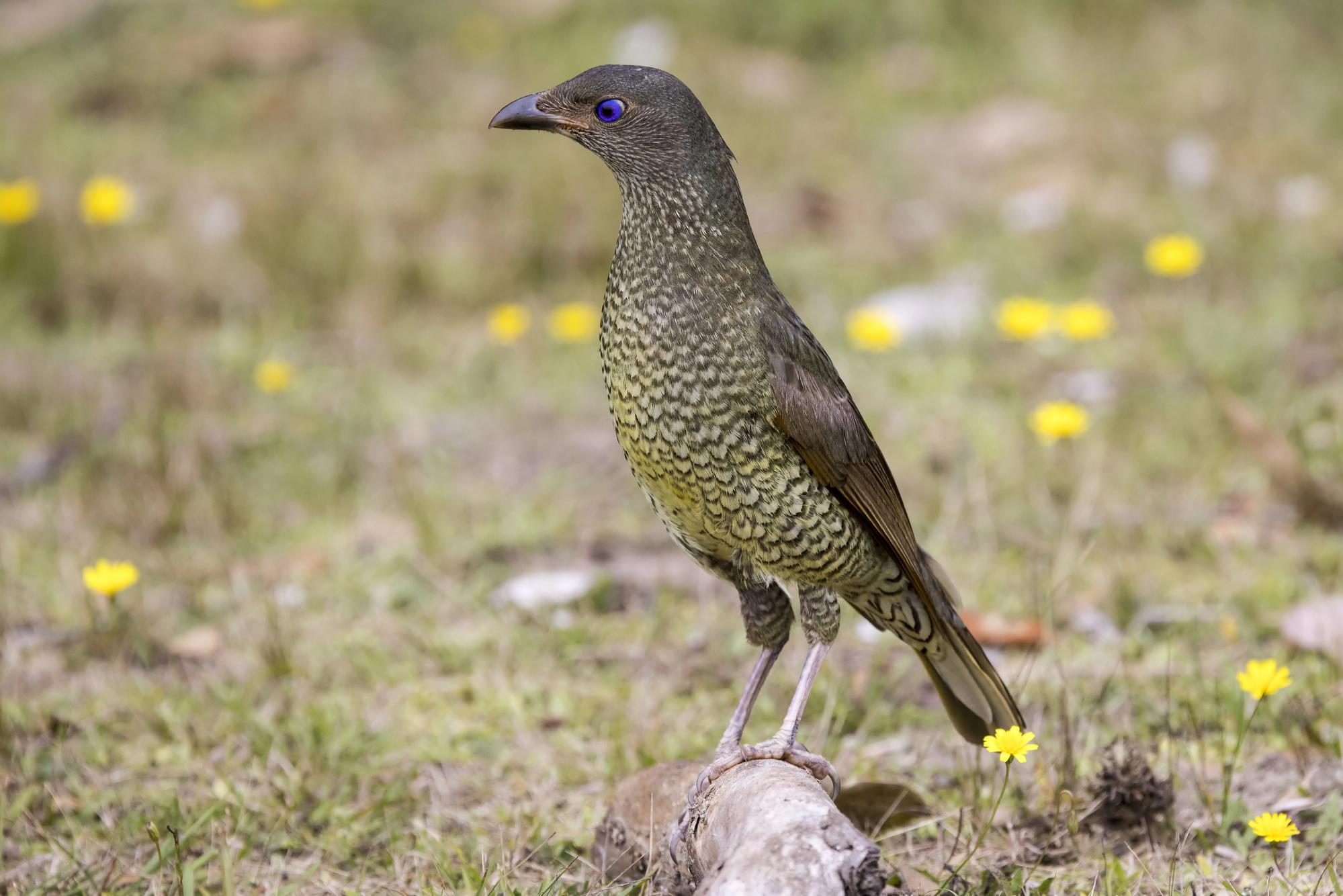
The male bowerbird doesn’t build a nest for raising chicks, but rather a structure just to impress females. That alone makes it pretty unusual. They collect bright objects like bottle caps, berries, or even pieces of plastic and arrange them carefully. The goal is to make their little display area as eye-catching as possible. It’s more of a bachelor pad than a home, but it’s definitely one of the most bizarre nesting behaviors out there.
Edible-Nest Swiftlet
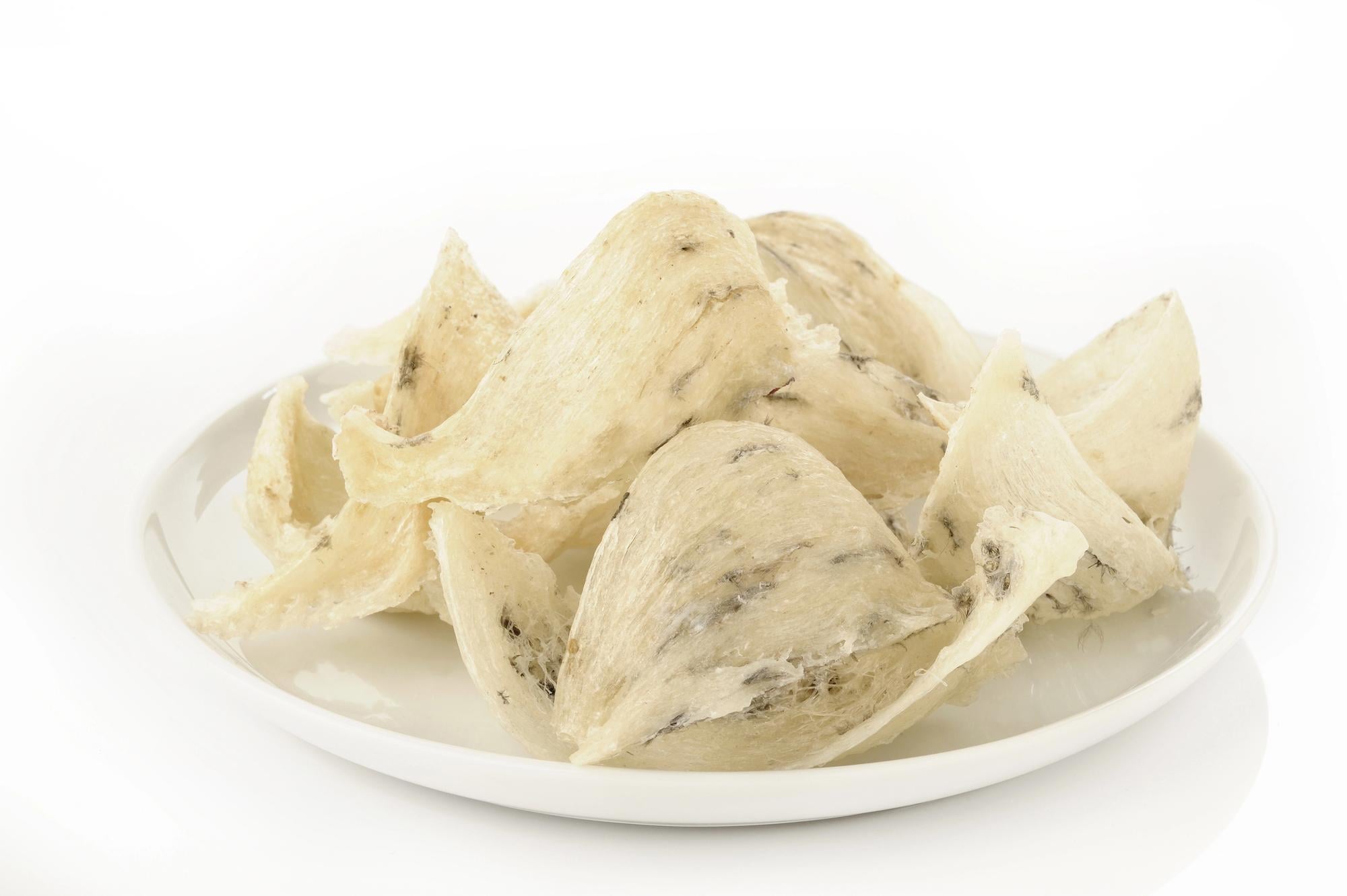
These small birds from Southeast Asia build their nests almost entirely out of their own spit. No twigs, no leaves, just hardened saliva. And here’s the strange part — people actually harvest and eat them. Bird’s nest soup is a delicacy in some cultures, and it’s made from these very nests. It’s one of the rare cases where a bird’s home becomes someone’s meal.
Megapode
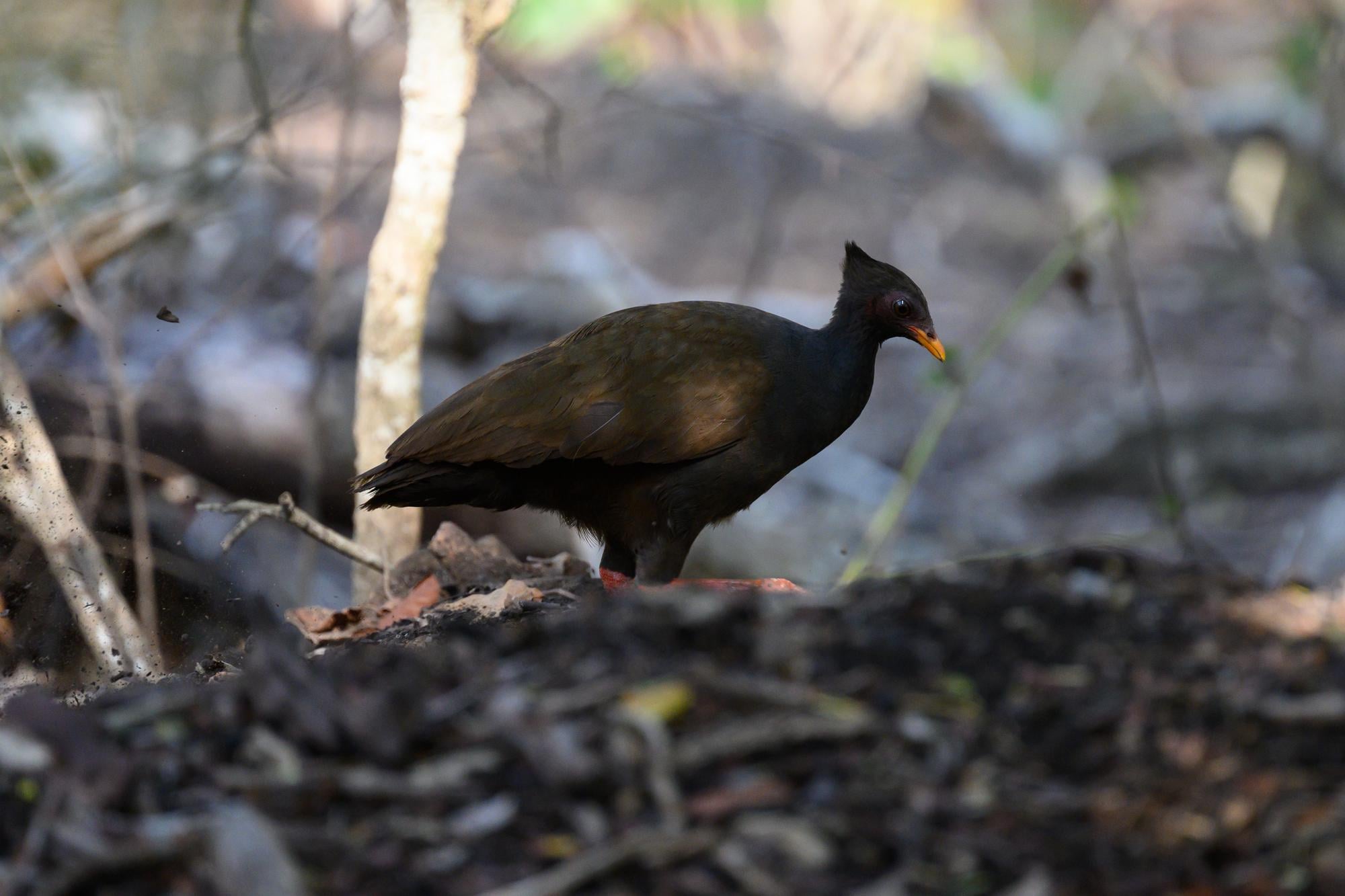
Instead of sitting on their eggs, megapodes bury them. These birds, mostly found in Australia and nearby islands, build giant mounds out of leaves and sand. The heat from the rotting material inside the mound warms the eggs. The parents check the temperature by sticking their beaks into the pile and adjust the material to keep things just right. It’s basically a natural oven.
Montezuma Oropendola
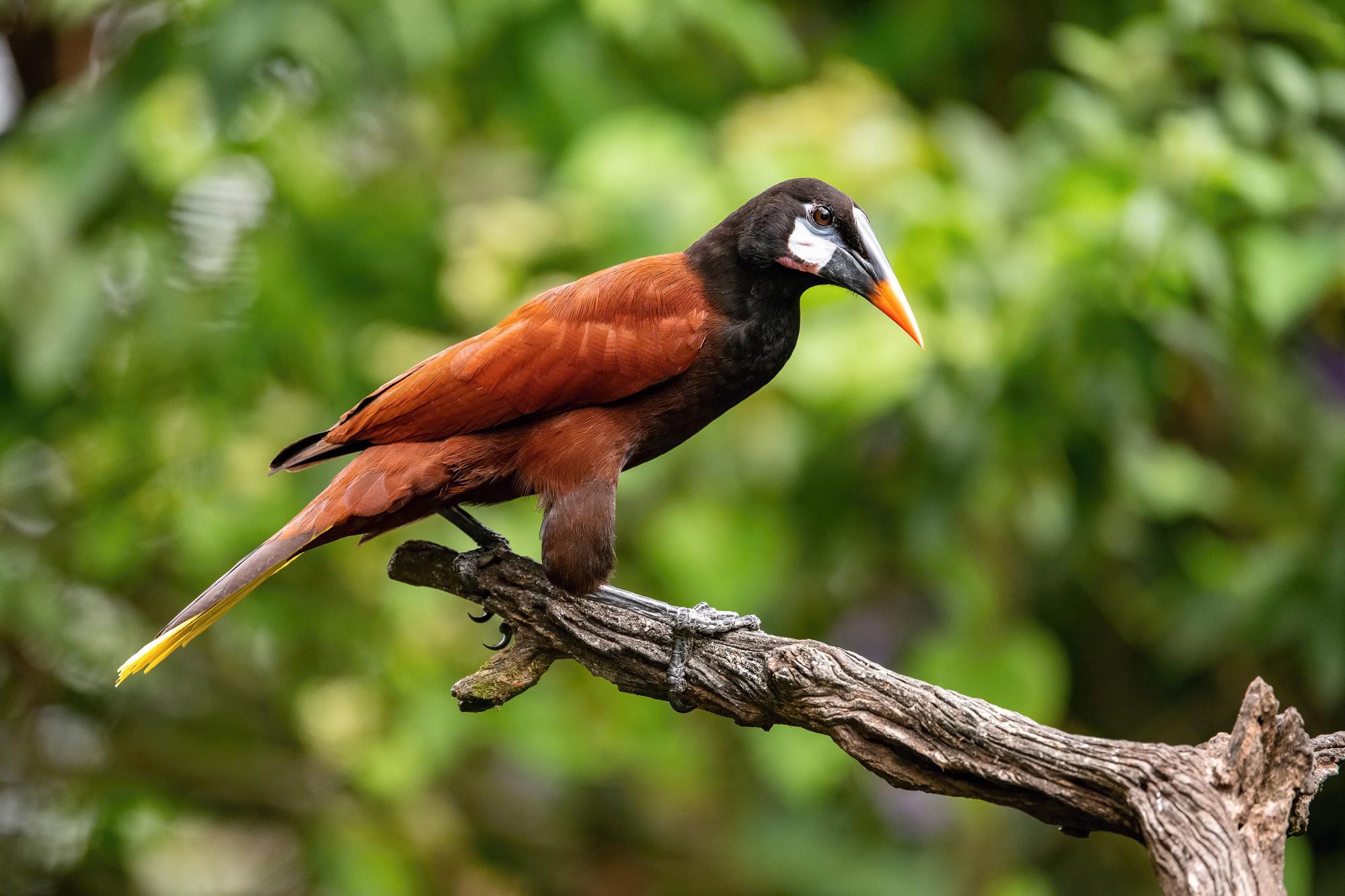
These tropical birds from Central and South America hang their nests from trees like long socks or woven purses. They swing in the wind and can reach over three feet in length. Dozens of these hanging nests might dangle from one single tree, looking like decorations. Predators have a hard time reaching them, which is exactly the point.
Tailorbird
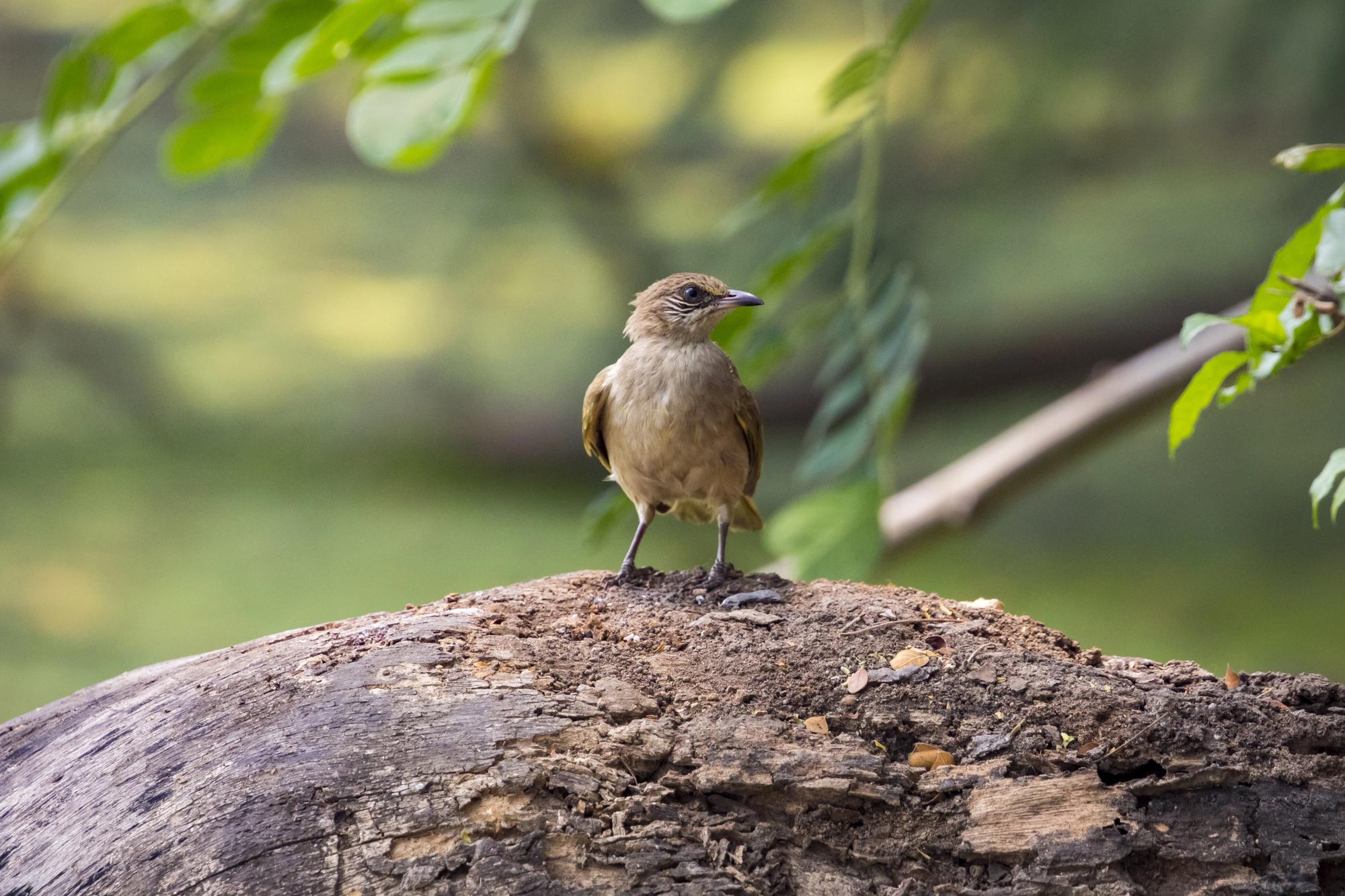
The tailorbird is like a tiny sewing machine. It makes its nest by stitching leaves together using plant fibers or spider silk. It punches tiny openings in the edges of the leaves and threads the fibers through to tie them. The result is a green pouch hidden among the foliage. It’s clever, sneaky, and very hard for predators to spot.
Horned Coot
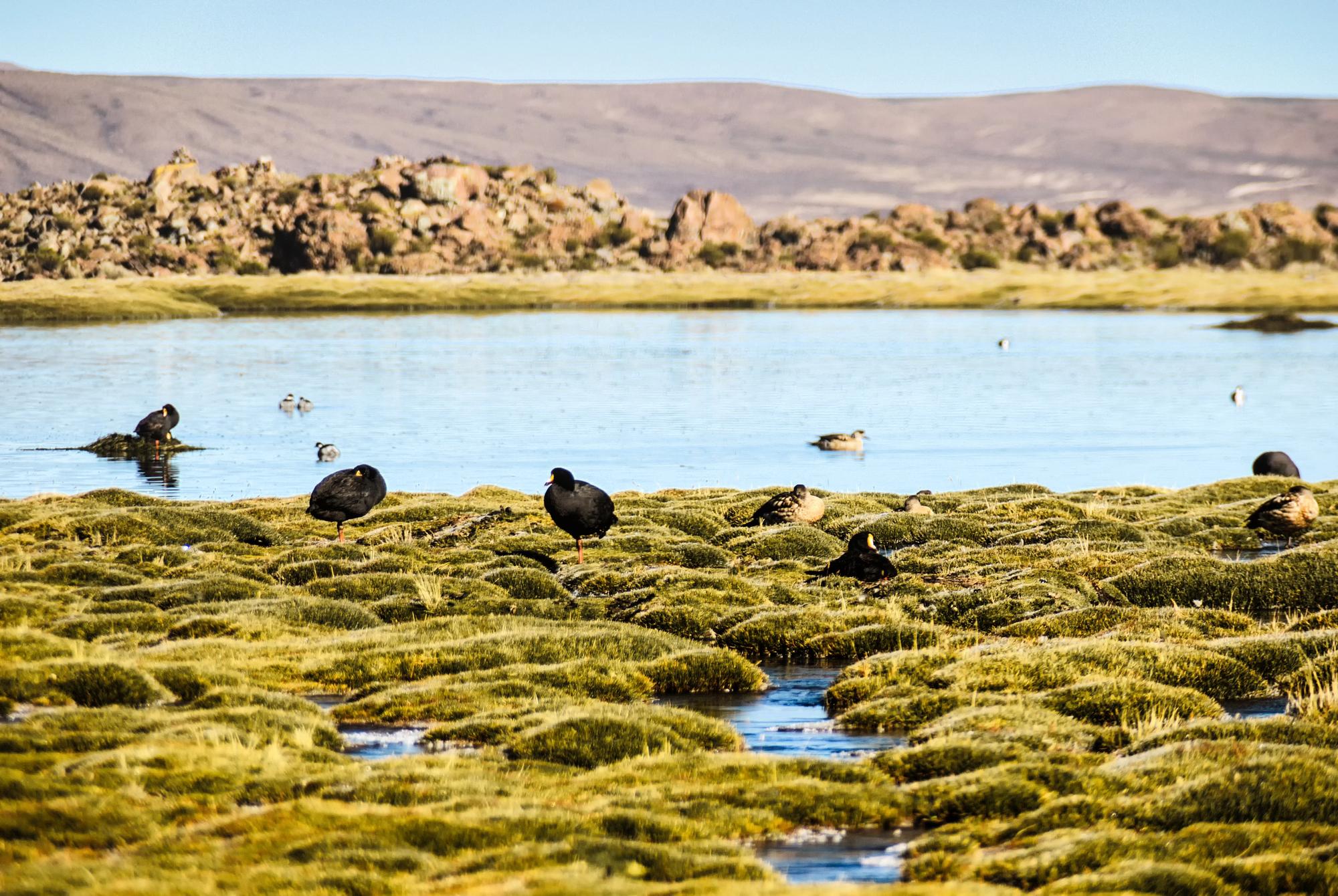
These birds, found in South America, build their nests in the middle of high-altitude lakes. But instead of floating nests like other water birds, horned coots stack stones into giant mounds that rise above the water. Then they build a nest on top. It can take hundreds of trips to carry enough rocks. It’s like building an island just to lay your eggs.
Cactus Wren
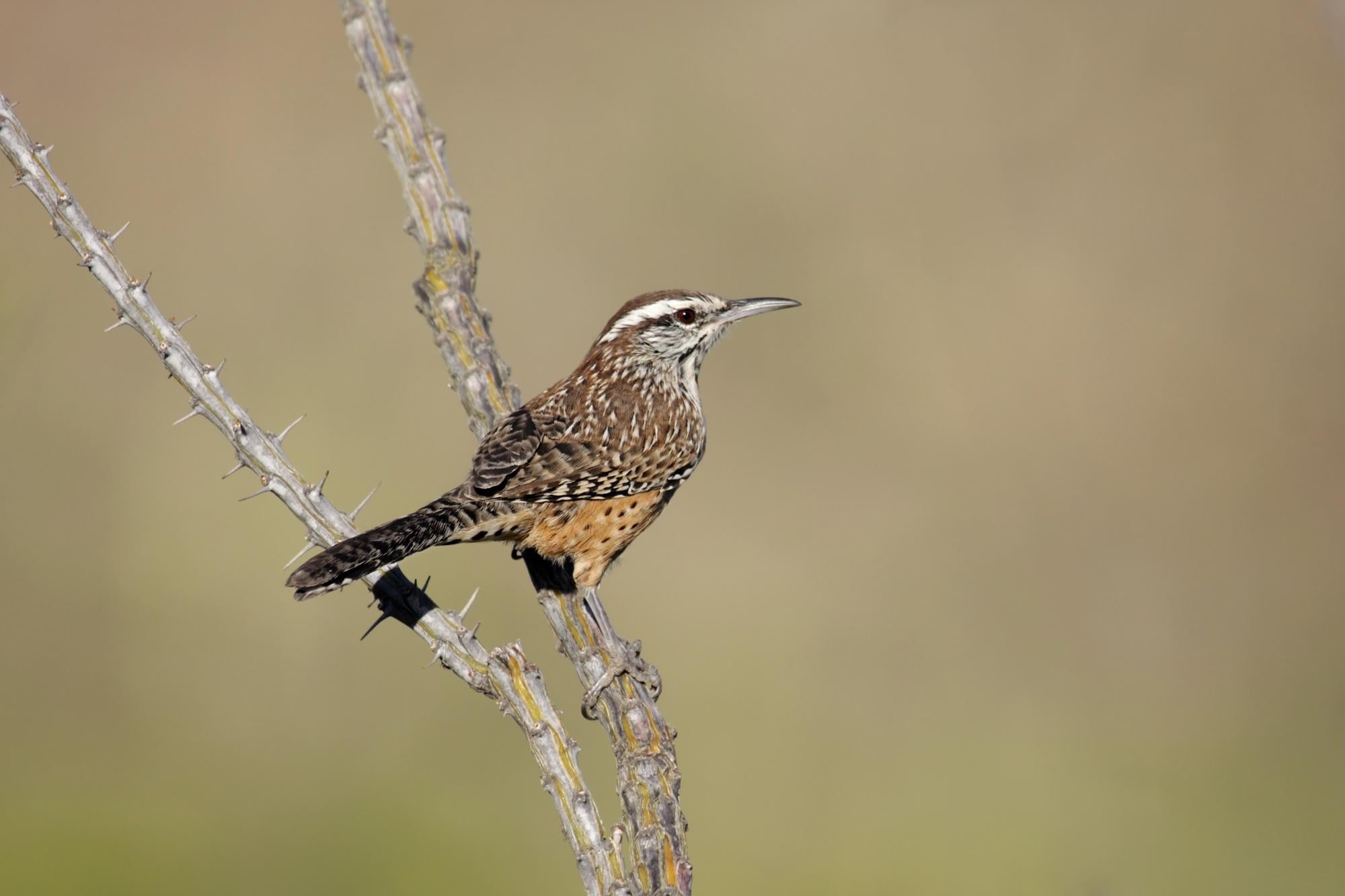
As the name suggests, this desert bird likes to nest inside cacti. The sharp spines protect the birds from snakes and other predators. The wren makes a football-shaped nest with a tunnel entrance, usually deep inside the arms of a cholla or saguaro cactus. It’s not the most comfortable spot, but it’s safe and surprisingly cool in the heat.
Kingfisher
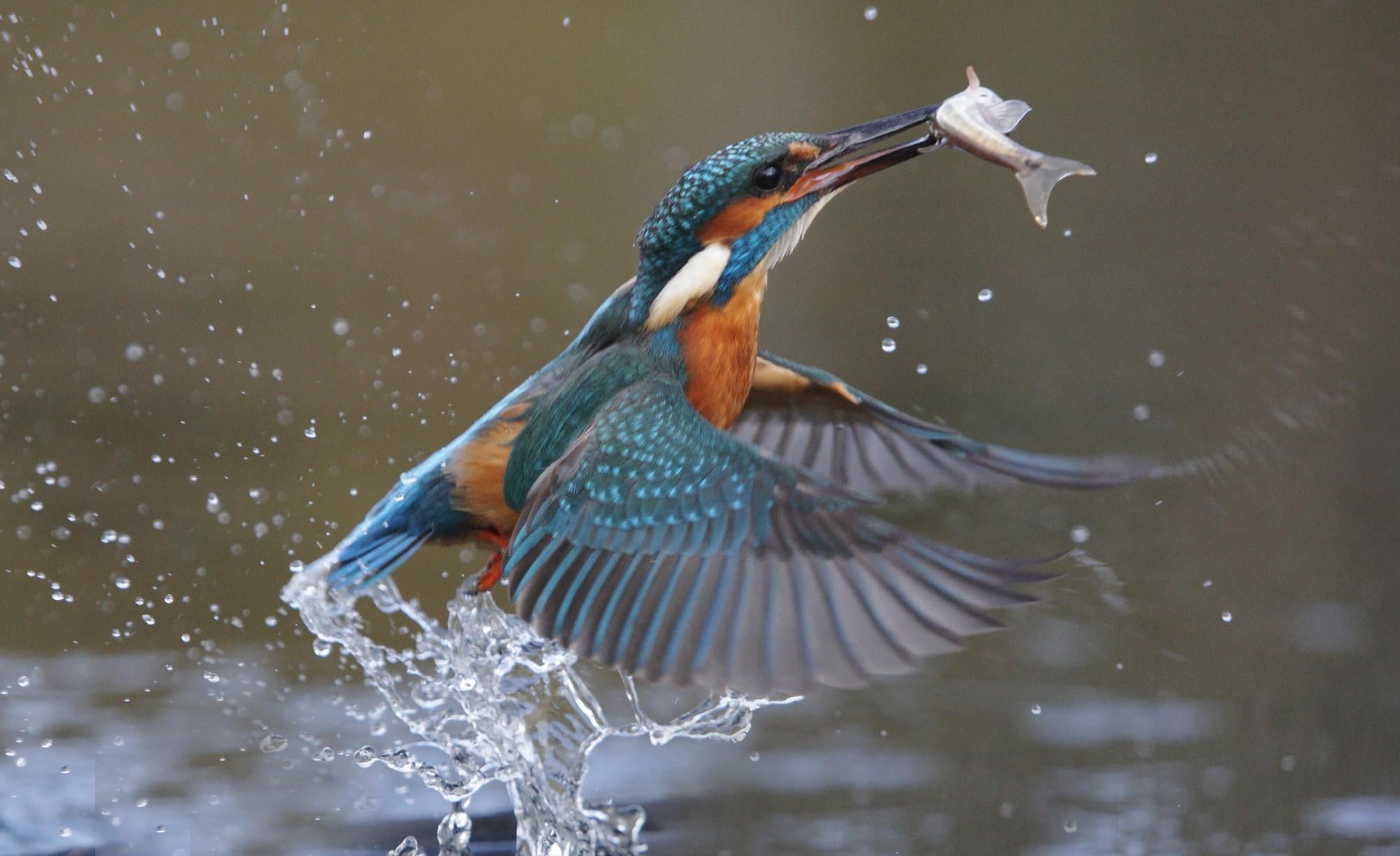
Kingfishers dig tunnels instead of building above-ground nests. They pick riverbanks or dirt cliffs and use their strong beaks to carve out deep pits. At the end of the tunnel is a nesting chamber where they lay their eggs. Sometimes the tunnels are over six feet long. It’s like having a bird-sized bunker.
White-Winged Chough
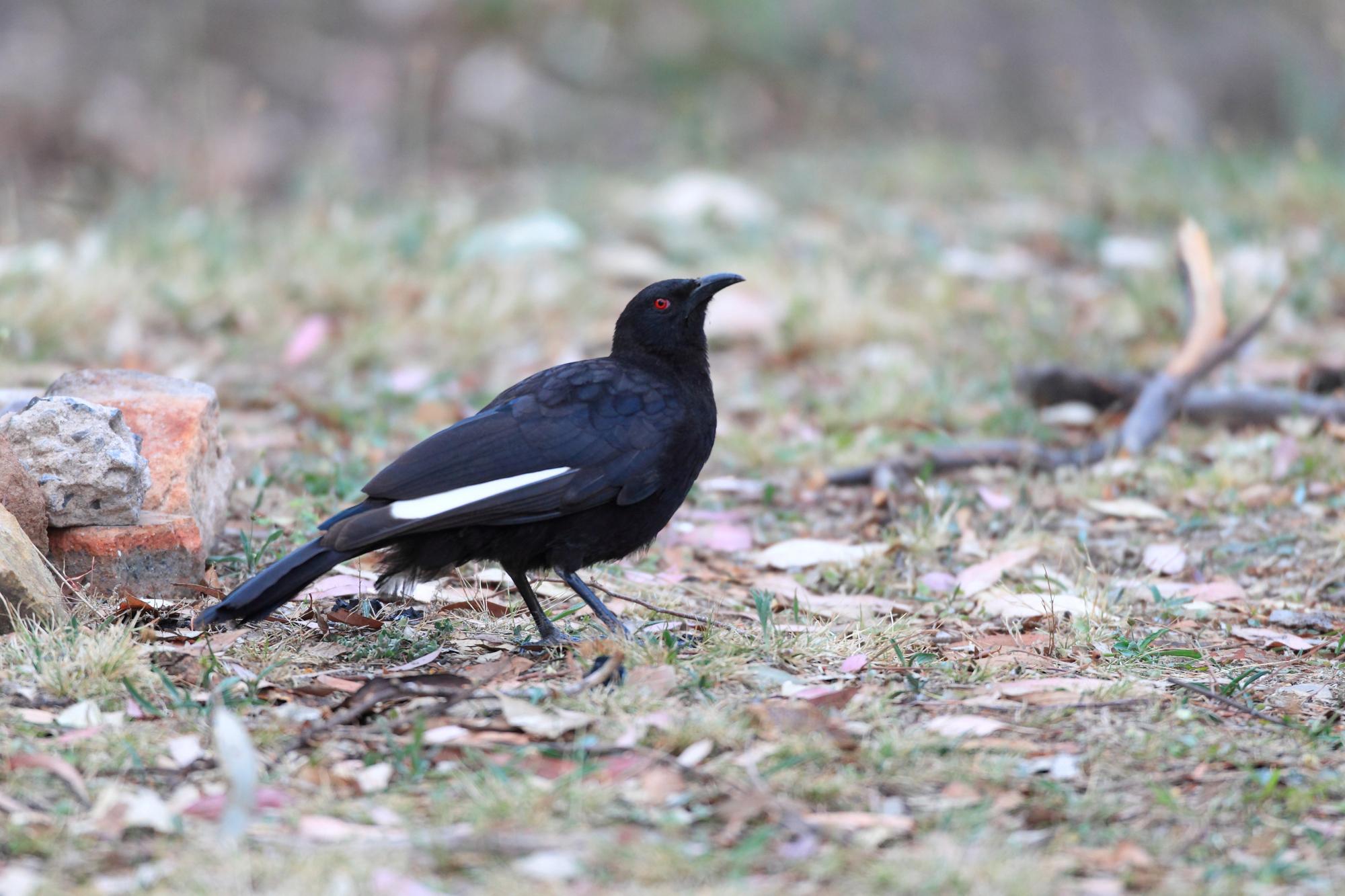
These birds live in Australia and build their nests out of mud, like little birds making pottery. The nest looks like a bowl and hardens like cement. It takes a lot of teamwork — whole groups help gather mud and build together. When the dry season kicks in, the nest turns rock solid, and it can be reused year after year.
Flamingo
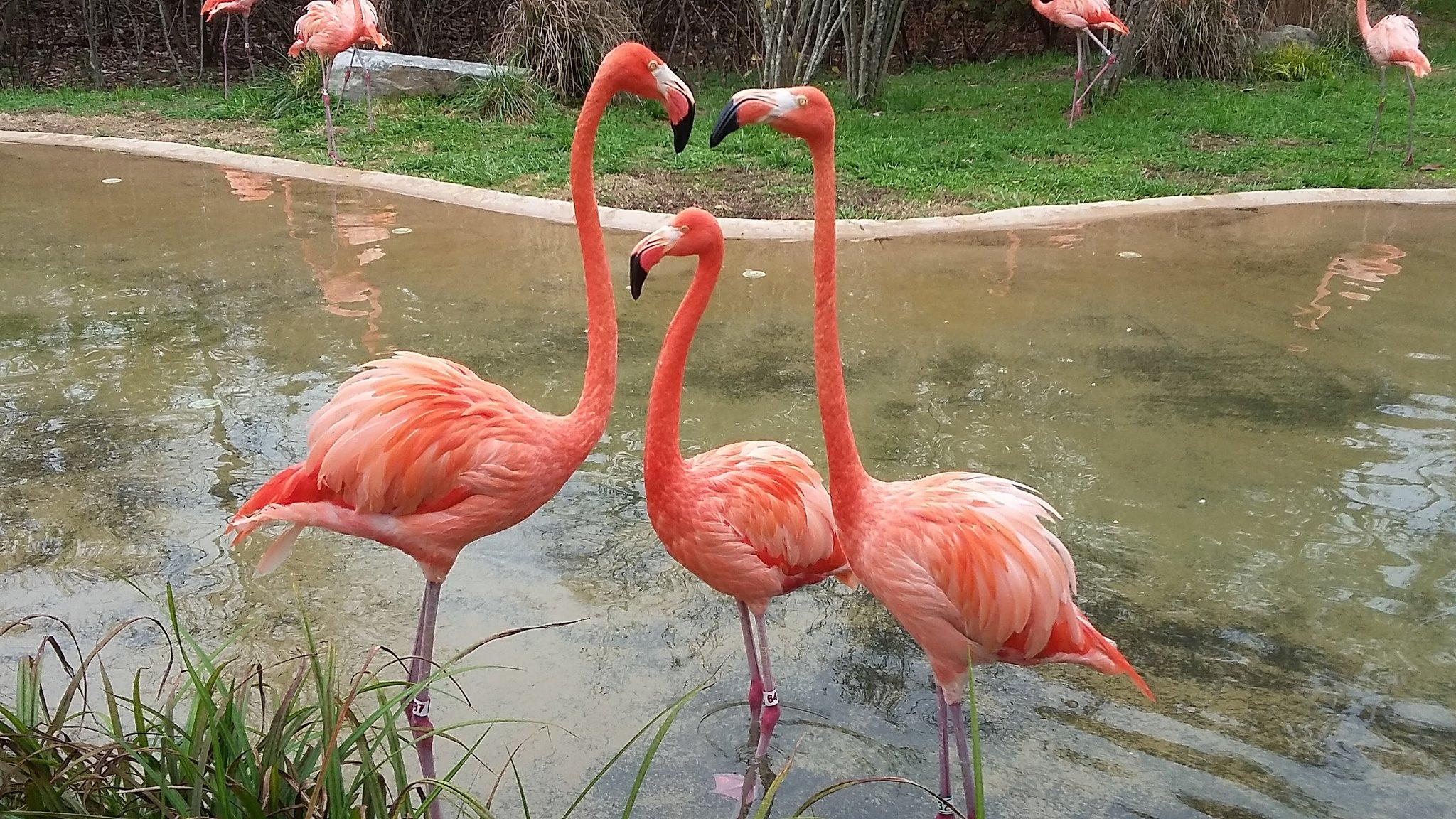
Flamingos build mud towers to raise their chicks above water. Each pair builds a cone-shaped nest that can stand up to a foot high. The top has a small dip where the egg rests. These nests are often packed together in large groups, looking like little mud volcanoes. It helps keep the eggs safe from rising water and flooding.
Burrowing Owl
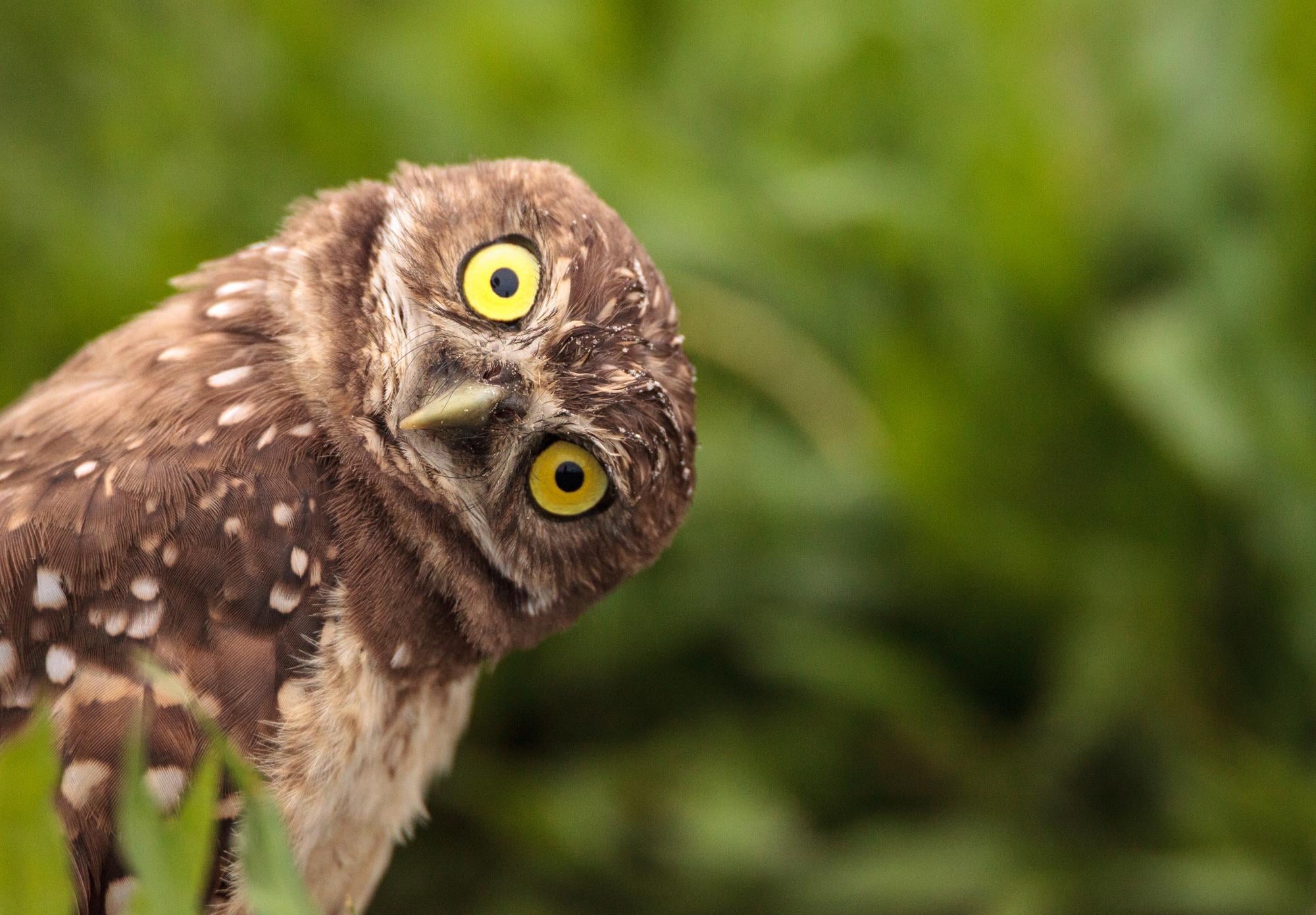
Instead of building a nest, burrowing owls take over old ground squirrel or prairie dog pits. They live underground, which is rare for birds. Inside, they line the tunnel with feathers, grass, and even animal dung — not for decoration, but to mask the smell and keep insects away. It might sound gross, but it works.
Weaverbird
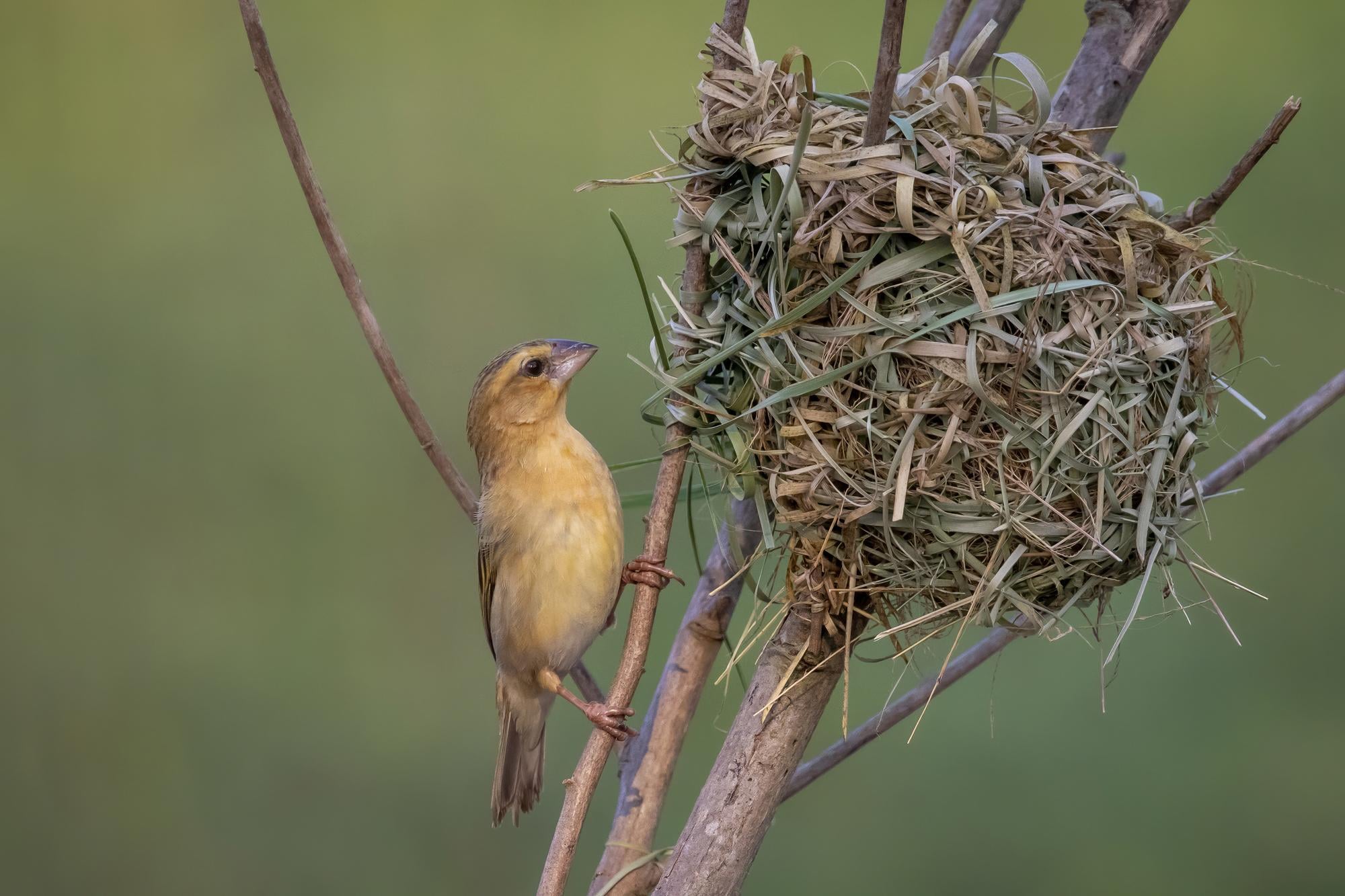
Weaverbirds are named for a reason — they weave like pros. Their nests are like little hanging baskets, made by tying grass and twigs together. The males do most of the work, sometimes building multiple nests to impress females. A messy or poorly made nest gets rejected, so there’s a lot of pressure to get it right. Some trees hold dozens of these tiny woven homes.
Osprey
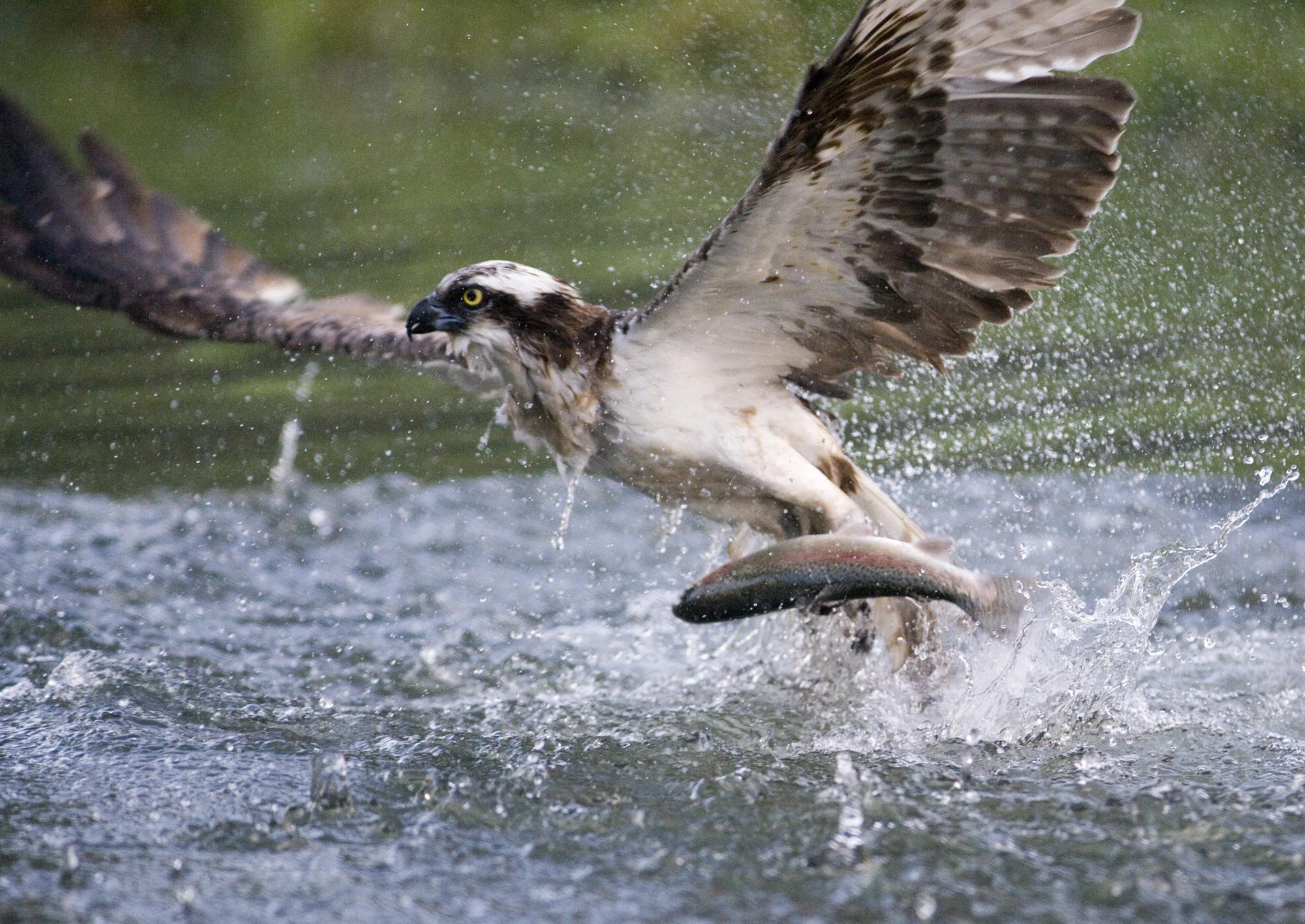
Ospreys build huge nests, sometimes bigger than a car tire, usually high on poles, treetops, or cliffs. What makes their nests bizarre is what they use. They add random objects like rope, plastic, and even stuffed animals. Anything they find useful gets mixed in with sticks and seaweed. These nests are reused and added to every year, becoming enormous over time.
Penguin

Penguins don’t use sticks or mud — they use rocks. Some species, like the Adélie penguin, collect pebbles to build simple nests on the icy ground. What’s even stranger is that pebbles are like currency. Penguins will steal rocks from each other’s nests if they get the chance. It leads to a lot of drama in the colony during the breeding season.
Common Swift
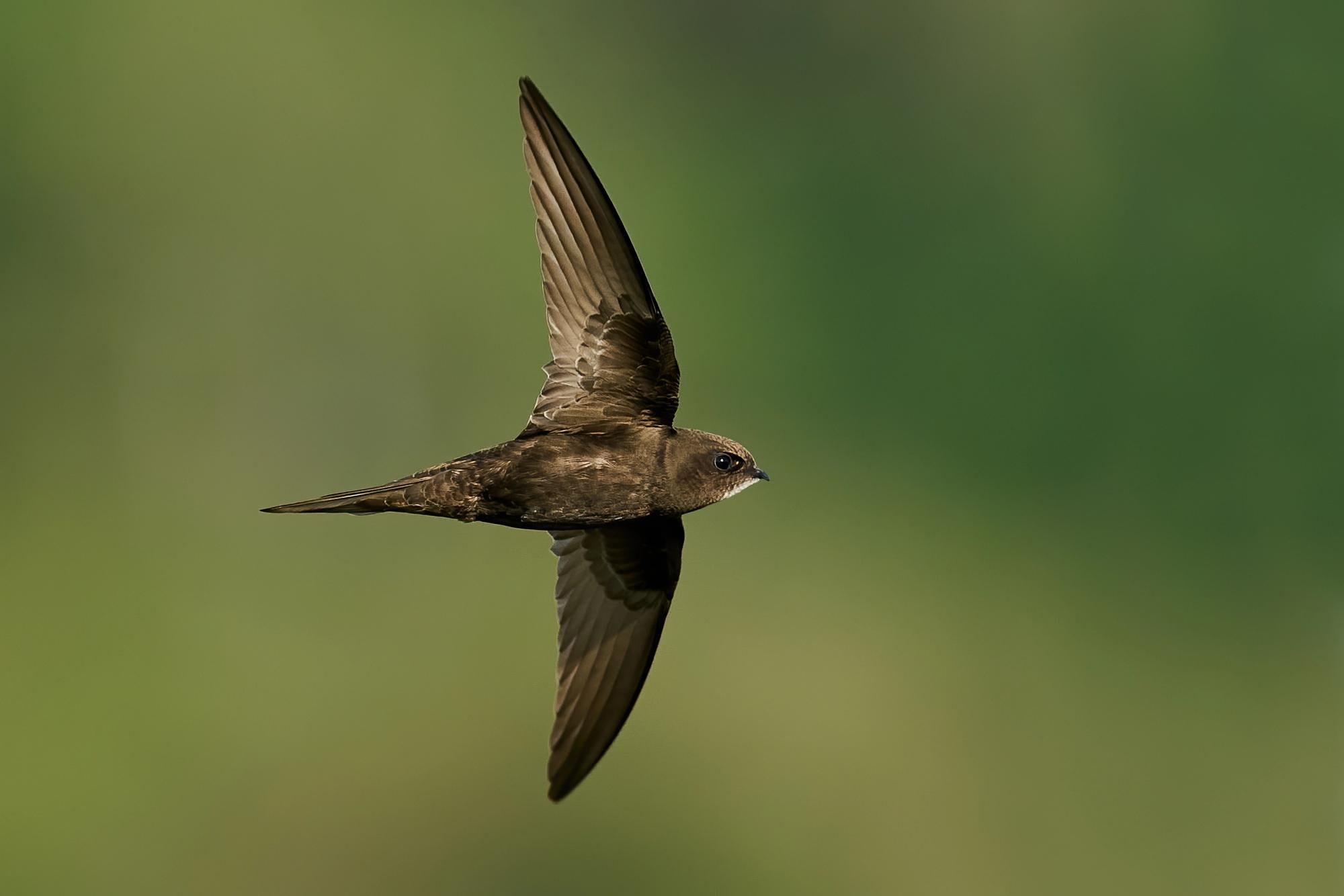
Swifts are hardly ever seen standing still, and their nesting habits are just as unique. They often nest inside buildings, high up in crevices, church towers, or even behind billboards. But the oddest part? They build their nests while flying. Using their saliva, they glue together bits of airborne fluff or feathers. It’s like construction on the go.
House Sparrow
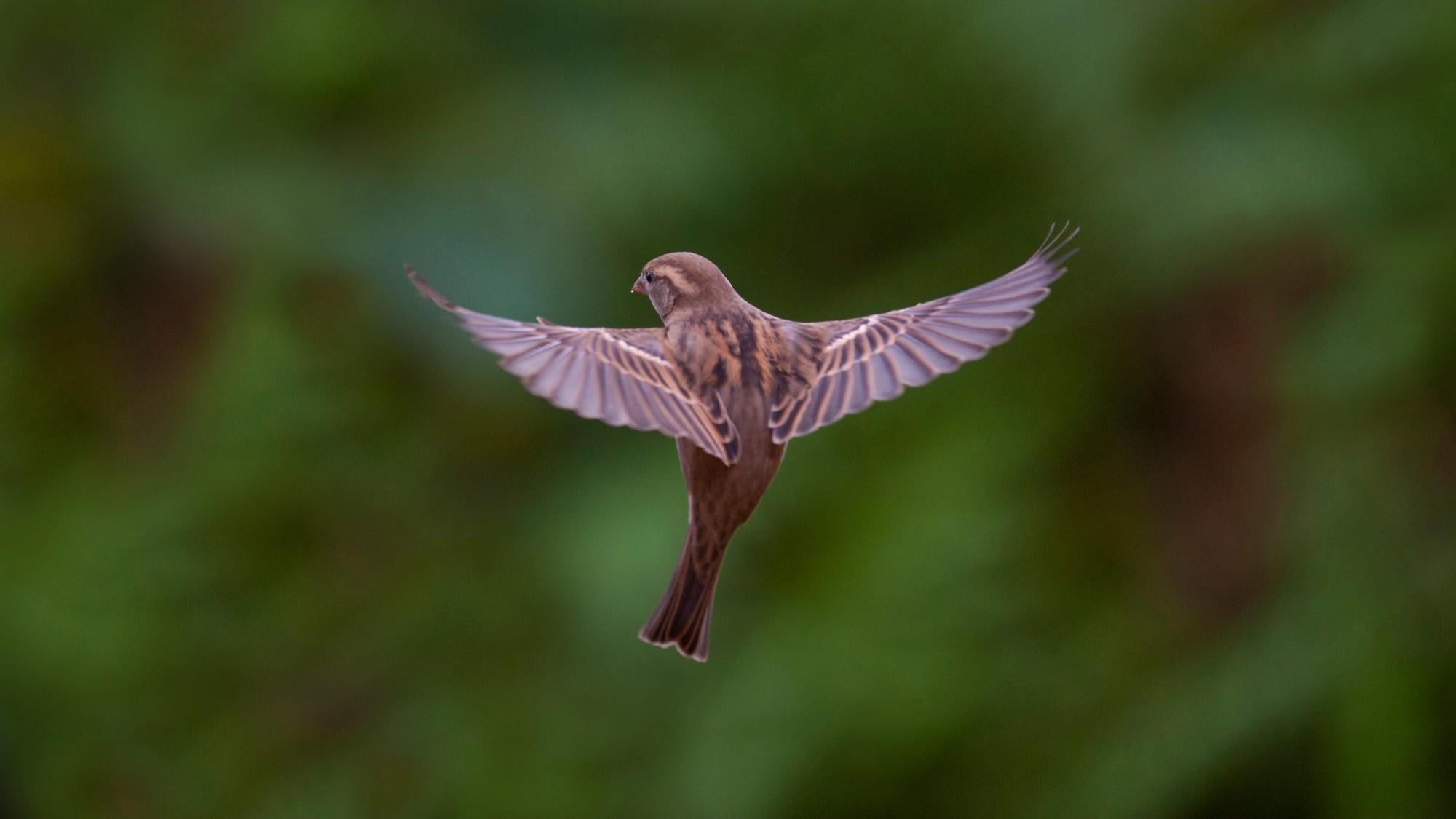
What makes the house sparrow’s nest strange isn’t the shape or location — it’s the content. These birds will stuff their nests with everything: nicotine butts, plastic wrappers, string, even hair. They build inside signs, traffic lights, or anywhere with a small gap. The strange materials may help repel parasites, but they also show how much birds adapt to city life.
When Nature Gets Creative
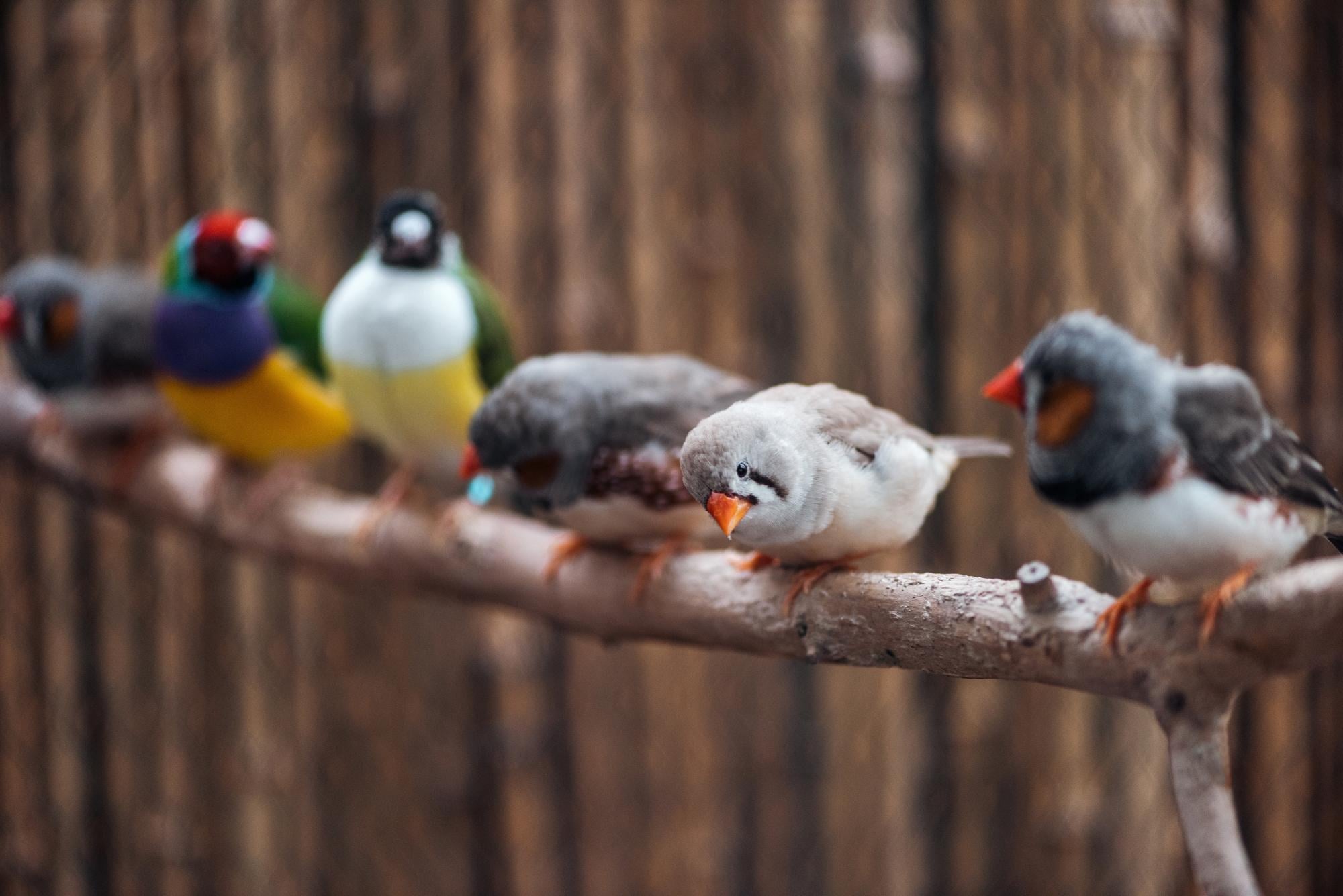
All around the world, birds have figured out how to build homes in the most unexpected ways. From mud and spit to plastic bags and pebbles, their nests tell a story about adaptation, survival, and instinct. Some build high in trees, others dig underground. A few hang their homes like ornaments, while others build floating rafts.
These bizarre nests are more than just places to lay eggs. They’re proof that birds have their own way of solving problems and making life work wherever they are. In every corner of the globe, these tiny architects remind us that even the smallest creatures can be full of surprises.
More from Go2Tutors!

- 16 Historical Figures Who Were Nothing Like You Think
- 12 Things Sold in the 80s That Are Now Illegal
- 15 VHS Tapes That Could Be Worth Thousands
Like Go2Tutors’ content? Follow us on MSN.



