16 Times Patent Applications Were Rejected Wrongly
Patent offices have always faced the impossible task of predicting the future. Every day, examiners must decide which inventions deserve protection and which ones are too ridiculous, impractical, or impossible to warrant a patent. Sometimes they get it spectacularly wrong—rejecting ideas that would go on to change the world and make their inventors incredibly wealthy.
These shortsighted decisions reveal something fascinating about human nature. We’re often terrible at recognizing revolutionary ideas when they’re right in front of us. What seems impossible today might be powering tomorrow’s economy. Here is a list of 16 times patent applications were wrongly rejected.
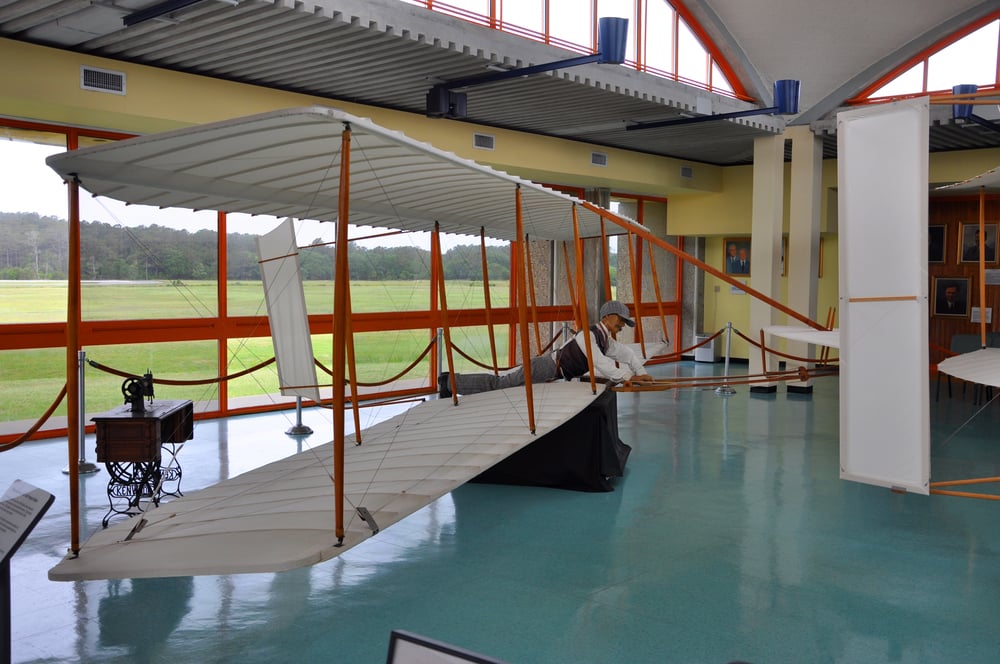
The Wright Brothers’ Flying Machine
— Photo by jiawangkun
Orville and Wilbur Wright first applied for a patent on their flying machine in 1903, yet the U.S. Patent Office initially rejected it as ‘impossible and impractical.’ Patent examiners had witnessed countless failed attempts at human flight—they dismissed the Wright brothers as just another pair of dreamers. The brothers didn’t receive their patent until 1906, three years after they’d already proven powered flight was possible at Kitty Hawk.
Alexander Graham Bell’s Telephone

— Vector by Simplyamazing
The U.S. Patent Office initially rejected Bell’s telephone application in 1876. Their reasoning? It was merely an improvement on the telegraph rather than a genuinely new invention. Examiners couldn’t envision why anyone would want to transmit voices over long distances when the telegraph already handled written messages perfectly well. Bell persisted though—he eventually received his patent, but the initial rejection nearly cost him the chance to revolutionize human communication.
Chester Carlson’s Photocopying Process
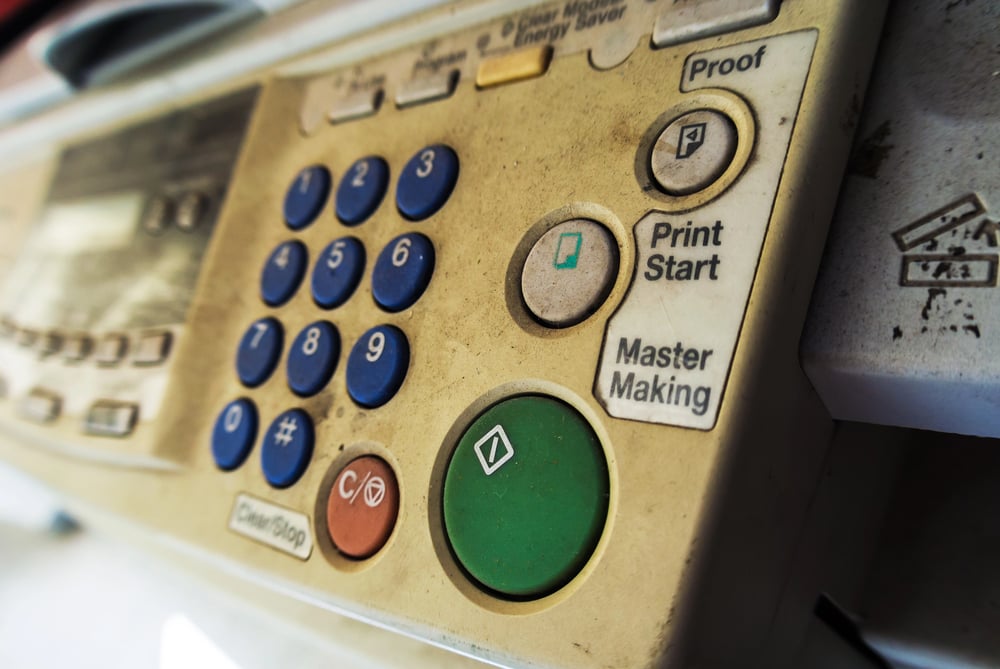
Carlson spent years trying to patent his xerographic copying process, facing rejection after rejection from patent offices and potential investors alike. Patent examiners couldn’t understand why anyone would need to make copies of documents when carbon paper and mimeograph machines already existed. Major companies like IBM and General Electric also passed on the invention—considering it unnecessary and commercially unviable.
Philo Farnsworth’s Electronic Television

Farnsworth’s patent application for electronic television was initially rejected because examiners believed mechanical television systems were the future. The patent office couldn’t grasp how electronic scanning could produce better images than the spinning disk systems that dominated early television development. Farnsworth eventually won his patent battle, though the initial rejection delayed the development of modern television by several years.
Thomas Edison’s Electric Light Bulb

Even Thomas Edison faced patent rejection for his incandescent light bulb design. Patent examiners argued that gas lighting was already perfectly adequate—electric lighting would never be practical for home use, they claimed. They also questioned whether Edison’s carbon filament design was sufficiently different from existing arc lighting systems to warrant patent protection.
Robert Goddard’s Rocket Engine

— Photo by Moonb007
Goddard’s patent applications for liquid-fueled rockets were repeatedly rejected by skeptical examiners. They believed rockets couldn’t work in the vacuum of space. The prevailing scientific opinion was that rockets needed air to push against—making space travel fundamentally impossible. Goddard’s patents were eventually approved, though the delays hampered early rocket development in the United States.
Josephine Cochrane’s Dishwashing Machine
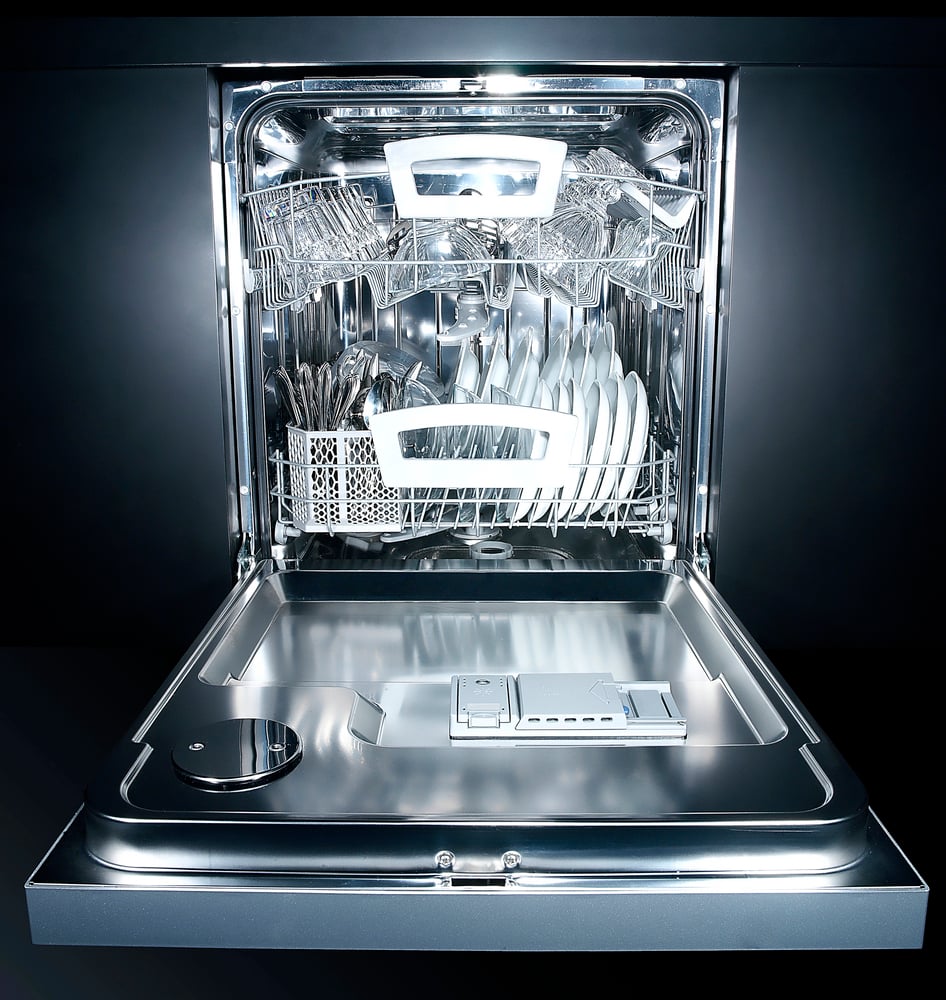
Patent examiners initially rejected Cochrane’s dishwasher design as unnecessary. Washing dishes by hand was efficient, they argued, and mechanical washing would break delicate china. They couldn’t envision a market for automated dish cleaning—especially since most households employed domestic servants to handle such tasks. Cochrane eventually received her patent in 1886, yet the rejection reflected society’s limited vision of household automation.
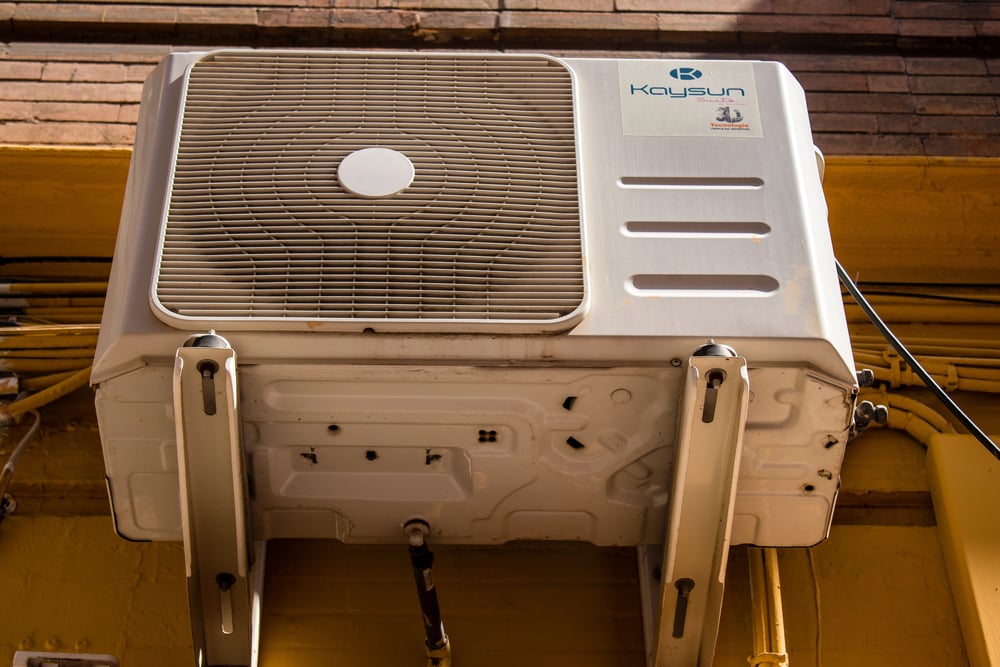
Willis Carrier’s Air Conditioning System
— Photo by jomahepu@gmail.com
Carrier’s patent application for mechanical air conditioning faced rejection because examiners believed that controlling indoor humidity and temperature was impossible on a practical scale. Natural ventilation and fans were sufficient for cooling buildings, they maintained—there was no commercial need for artificial climate control. The rejection nearly prevented the development of modern air conditioning systems.
Percy Spencer’s Microwave Oven
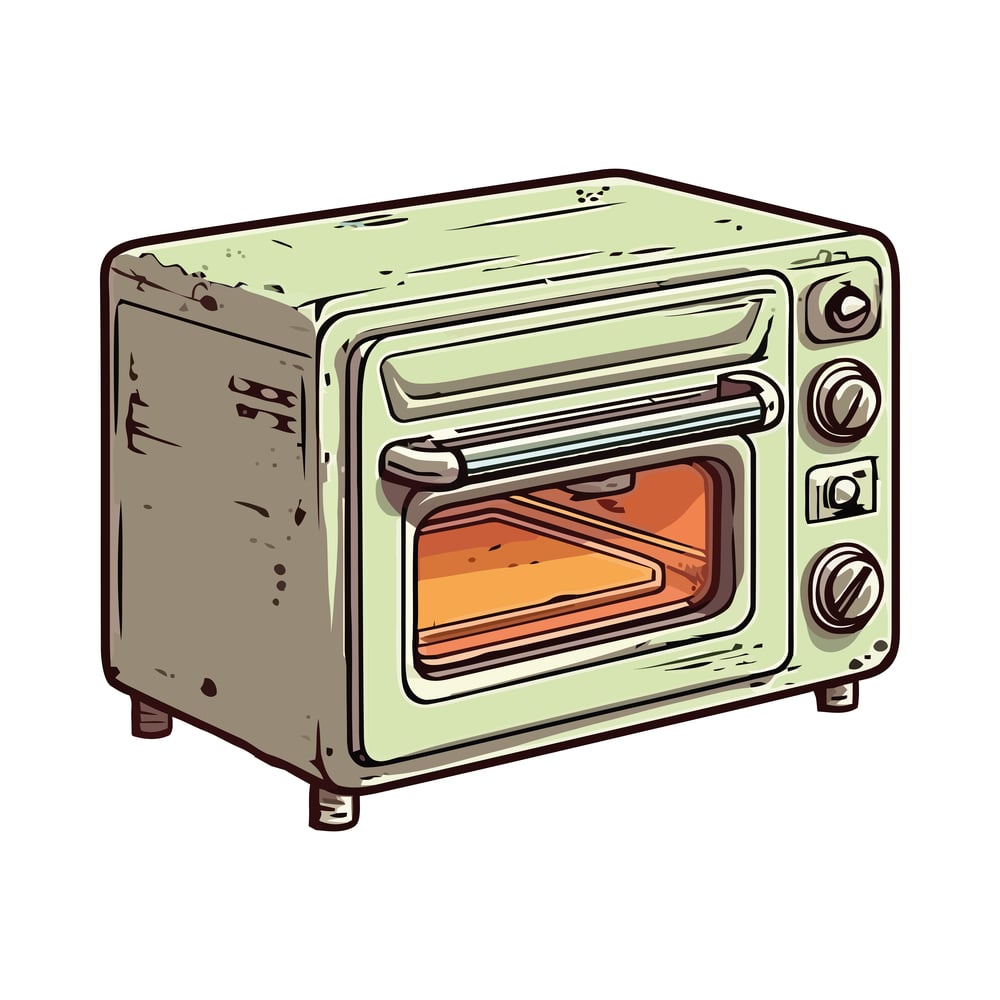
Spencer’s patent application for microwave cooking was initially rejected as too dangerous and impractical for home use. Patent examiners worried that microwave radiation would harm users. They couldn’t imagine why anyone would want to cook food with radio waves when conventional ovens worked perfectly well. The rejection delayed the introduction of microwave ovens by several years.
Stephanie Kwolek’s Kevlar Fiber

Kwolek’s patent application for aramid fibers was initially rejected because the resulting material seemed too unusual—the applications weren’t immediately obvious. Patent examiners couldn’t envision uses for a fiber that was stronger than steel but lighter than nylon. The rejection nearly prevented the development of bulletproof vests, cut-resistant gloves, and countless other protective applications.
Mary Anderson’s Windshield Wiper

Anderson’s patent application for windshield wipers was rejected in 1903 because examiners believed the device would distract drivers and create more safety hazards than it solved. They argued that drivers could simply stop their vehicles to clean windshields manually when visibility became poor. The patent office couldn’t foresee how essential windshield wipers would become as automobiles grew more popular.
Hedy Lamarr’s Frequency Hopping

— Photo by sharafmaksumov
Lamarr and George Antheil’s patent application for frequency-hopping spread spectrum technology was initially classified by the U.S. Navy, then rejected for civilian use. Military officials couldn’t understand how the technology would work practically. They dismissed it as too complex for real-world applications. The rejection delayed the development of technologies that would later become essential for WiFi, Bluetooth, and GPS systems.
Wilson Greatbatch’s Pacemaker
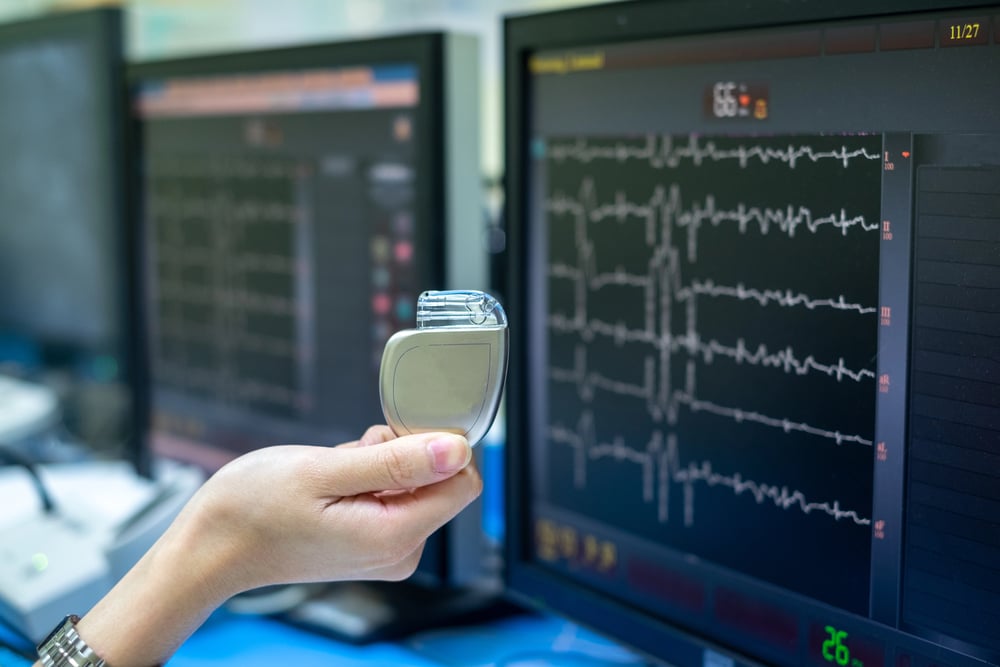
Greatbatch’s patent application for the implantable cardiac pacemaker faced initial rejection because medical authorities believed it was too dangerous to implant electronic devices in the human body. Patent examiners worried about electrical interference while questioning whether patients would accept having machines regulate their heartbeats. The rejection nearly prevented the development of modern cardiac care.
Art Fry’s Post-it Notes

Fry’s patent application for repositionable adhesive notes was initially rejected because 3M’s patent attorneys couldn’t see a commercial market for temporary sticky paper. They argued that permanent adhesives were superior and that consumers wouldn’t pay for notes that were designed to fall off surfaces. The rejection nearly prevented one of the most successful office products ever created.
Eli Whitney’s Cotton Gin
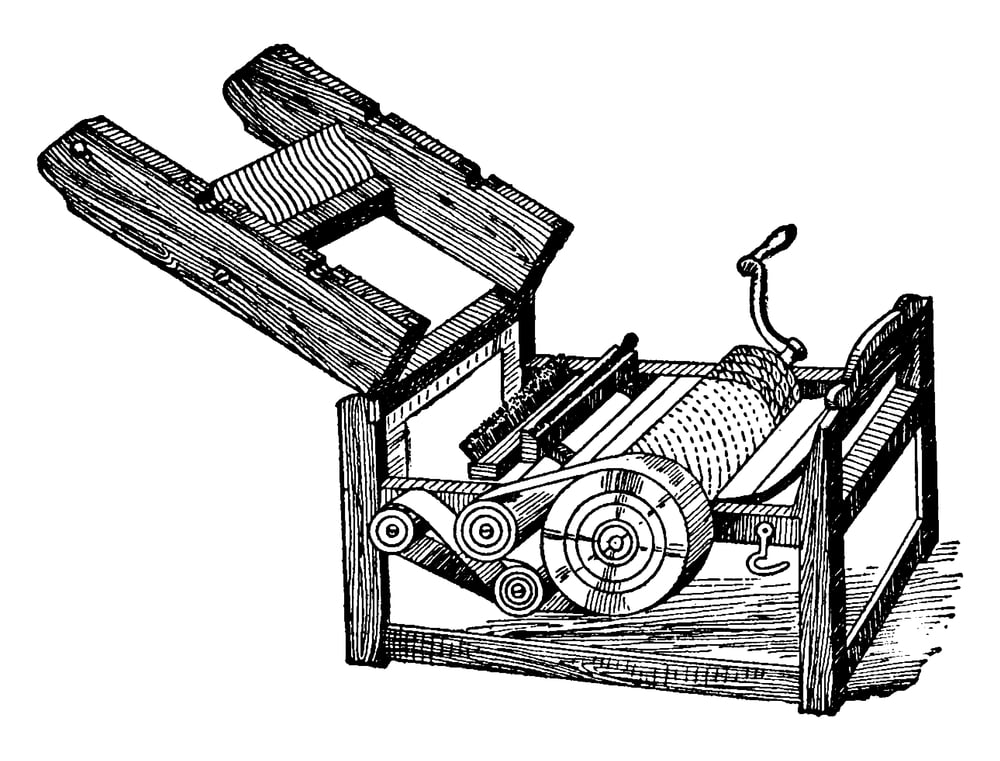
Whitney’s patent application for the cotton gin faced rejection because examiners believed mechanical cotton processing was unnecessary and wouldn’t significantly improve upon hand-picking methods. They couldn’t envision how dramatically the device would increase cotton production efficiency. The initial rejection contributed to widespread patent infringement as others copied Whitney’s unprotected design.
Samuel Morse’s Telegraph System
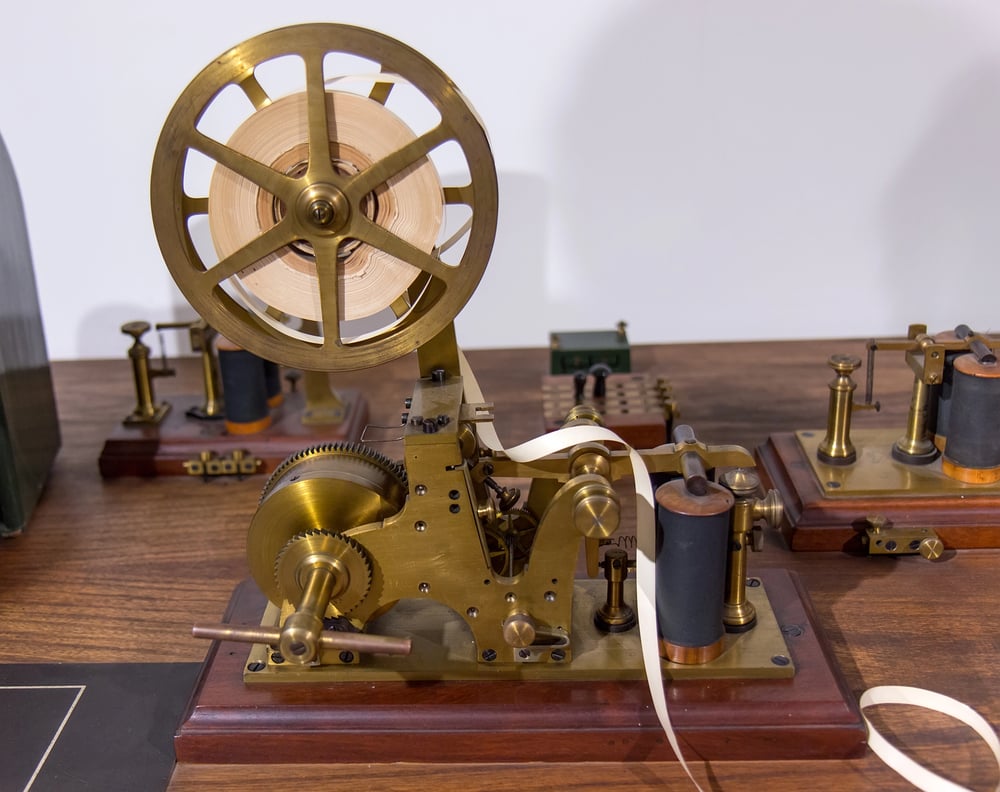
Morse’s patent applications for telegraphy faced multiple rejections from examiners who couldn’t understand how electrical signals could reliably transmit information over long distances. They questioned whether the technology would work better than existing communication methods like semaphore towers and messenger services. The rejections delayed the development of long-distance electrical communication by several years.
Innovation’s Blind Spots

These patent rejections reveal a consistent pattern in human thinking. We tend to judge new ideas based on existing frameworks rather than imagining entirely new possibilities. Patent examiners, like most of us, struggled to envision how emerging technologies might create markets that didn’t yet exist or solve problems people didn’t yet know they had. Today’s patent offices undoubtedly face the same challenge while trying to distinguish between genuinely revolutionary ideas and elaborate fantasies. The next world-changing invention might be sitting in someone’s rejection pile right now, waiting for a second chance to prove the experts wrong.
More from Go2Tutors!

- 16 Historical Figures Who Were Nothing Like You Think
- 12 Things Sold in the 80s That Are Now Illegal
- 15 VHS Tapes That Could Be Worth Thousands
- 17 Historical “What Ifs” That Would Have Changed Everything
- 18 TV Shows That Vanished Without a Finale
Like Go2Tutors’s content? Follow us on MSN.



