17 Fashion Trends That Started as Work Uniforms
Fashion has a funny way of taking the most practical, no-nonsense clothing and turning it into runway gold. What started as purely functional gear designed to keep workers safe, comfortable, or simply identifiable has somehow ended up in our closets as style statements.
From construction sites to military bases, the workplace has been fashion’s most unlikely source of inspiration. The transformation from utility to trendy happens more often than you’d think.
Here is a list of 17 fashion trends that began their lives as practical work uniforms.
Denim Jeans
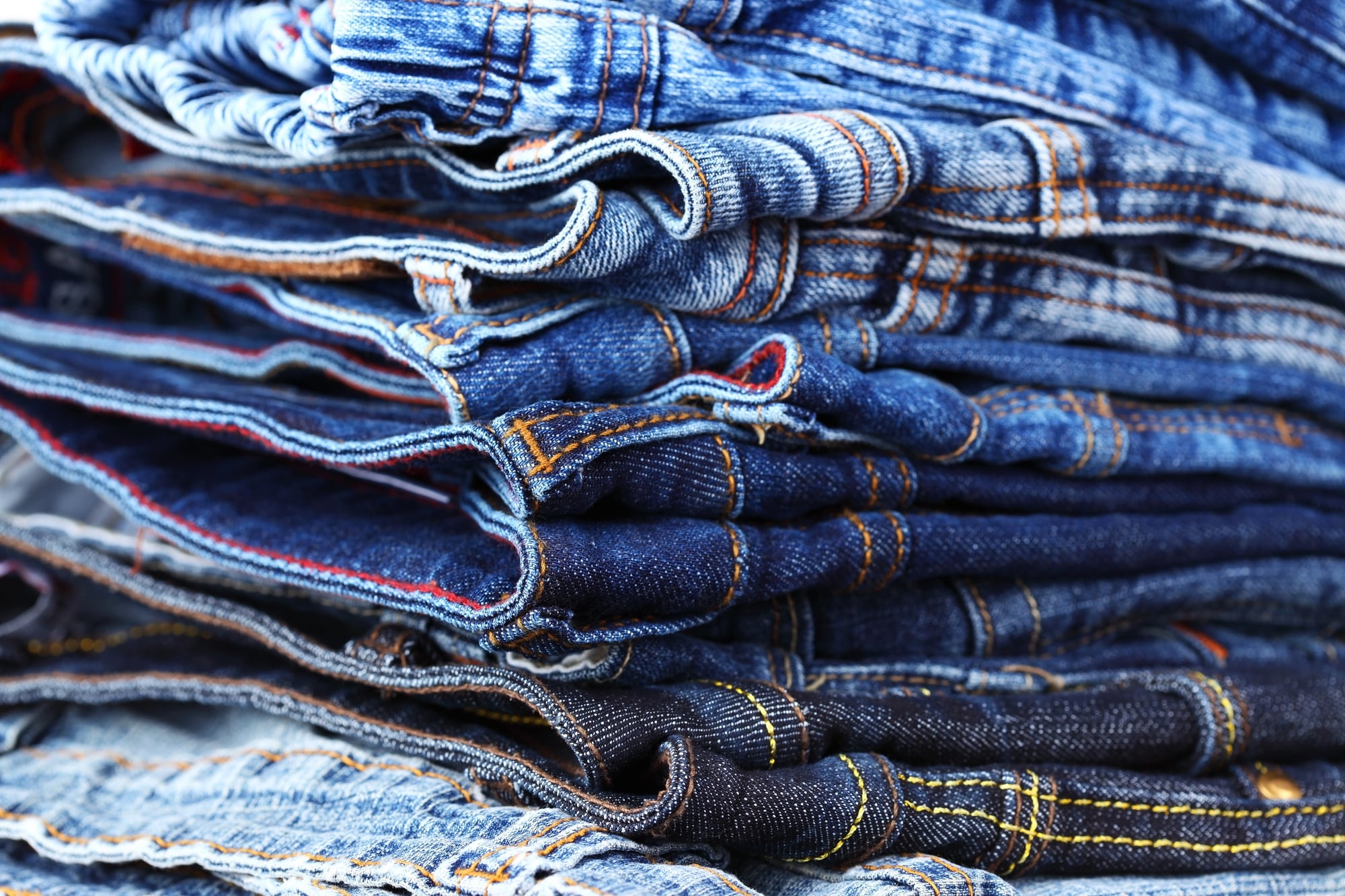
Jacob Davis and Levi Strauss created the first riveted denim pants in 1873 specifically for miners, railroad workers, and cowboys who needed durable clothing that could withstand rough physical labor. The heavy cotton fabric and metal rivets at stress points made these pants nearly indestructible, which was exactly what gold rush workers needed.
It took nearly a century before jeans transitioned from workwear to casual fashion, eventually becoming one of the most universal clothing items in the world.
Cargo Pants

British forces during World War II developed cargo pants with multiple large pockets to carry ammunition, maps, and other essential supplies without needing additional gear. The design proved so practical that it spread to other military units and eventually to civilian workers who needed to carry tools and equipment.
Today’s cargo pants might hold smartphones and wallets instead of military supplies, but they still serve the same basic function of convenient storage.
Like Go2Tutors’s content? Follow us on MSN.
High-Visibility Vests
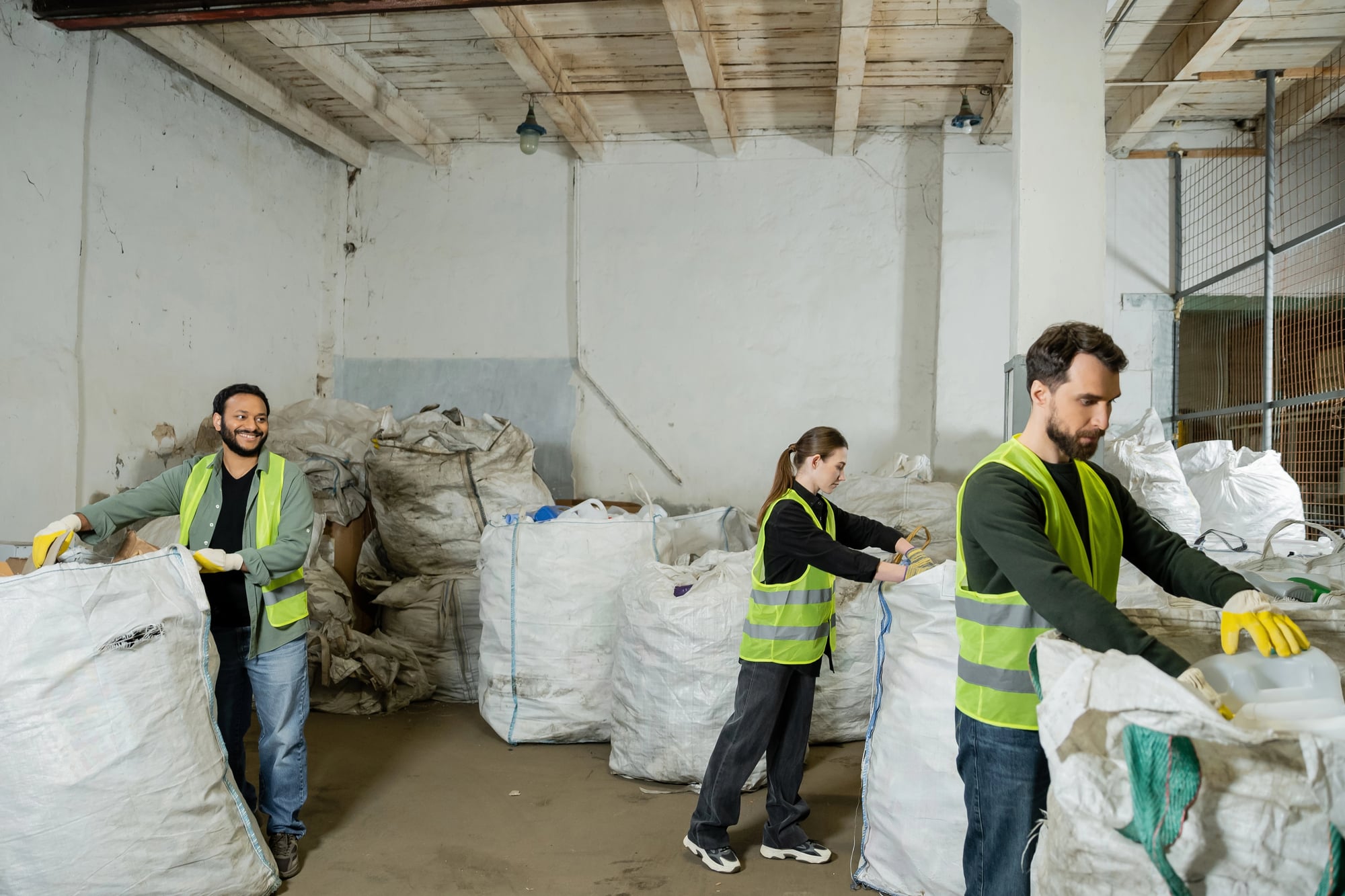
Railroad workers in the early 1900s wore bright yellow and orange vests to remain visible to train operators and prevent accidents on the tracks. The reflective strips and neon colors were purely about safety, not style.
These vests have since been adopted by construction workers, airport ground crews, and traffic controllers, while also making their way into streetwear as a bold fashion statement that prioritizes visibility in urban environments.
Steel-Toed Boots
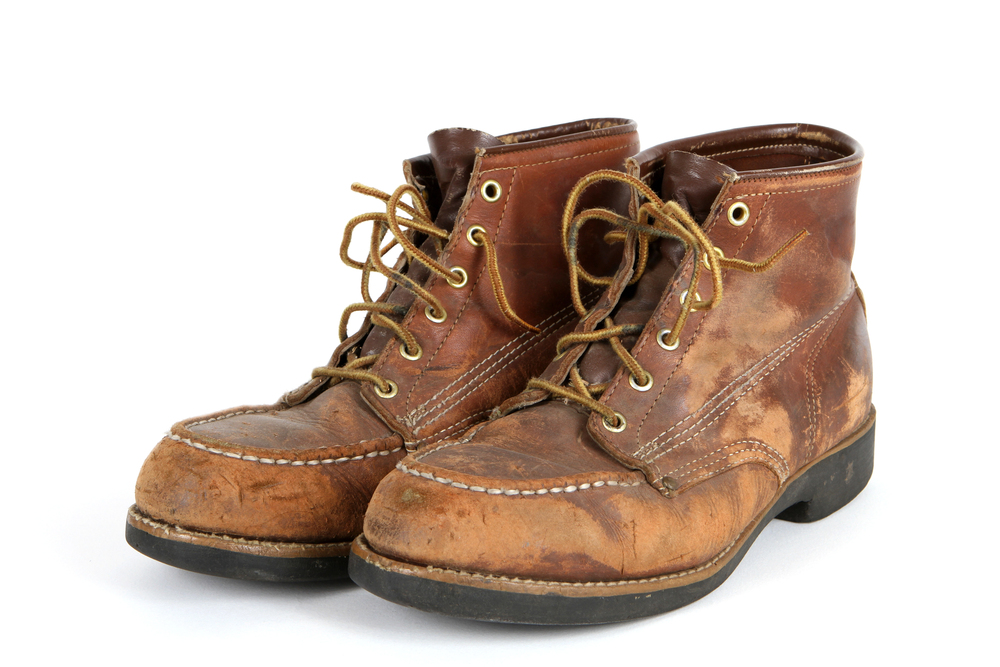
Industrial workers needed protection from heavy machinery, falling objects, and sharp materials, leading to the development of boots with reinforced steel caps in the toe area. These boots were designed purely for safety in factories, construction sites, and warehouses.
The sturdy construction and distinctive look eventually appealed to people outside industrial work, becoming popular in punk and alternative fashion scenes before entering mainstream casual wear.
Flannel Shirts

Lumberjacks and outdoor workers in the Pacific Northwest wore flannel shirts because the thick, woven cotton provided warmth and durability in harsh weather conditions. The checkered patterns helped workers spot each other in dense forests, while the material could withstand snagging on branches and tools.
Flannel made the jump to mainstream fashion in the 1990s, becoming synonymous with grunge music and casual comfort wear.
Like Go2Tutors’s content? Follow us on MSN.
Overalls
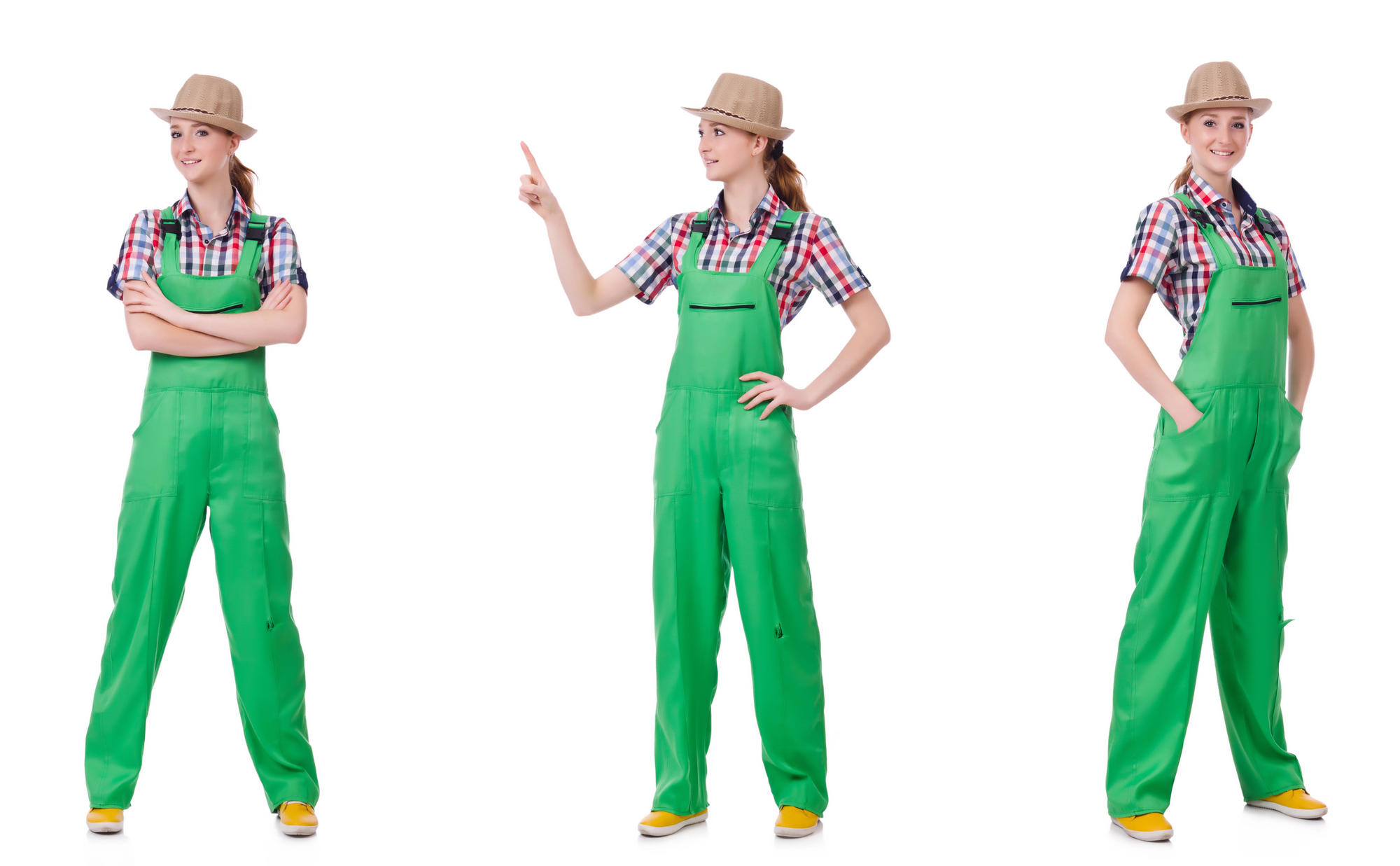
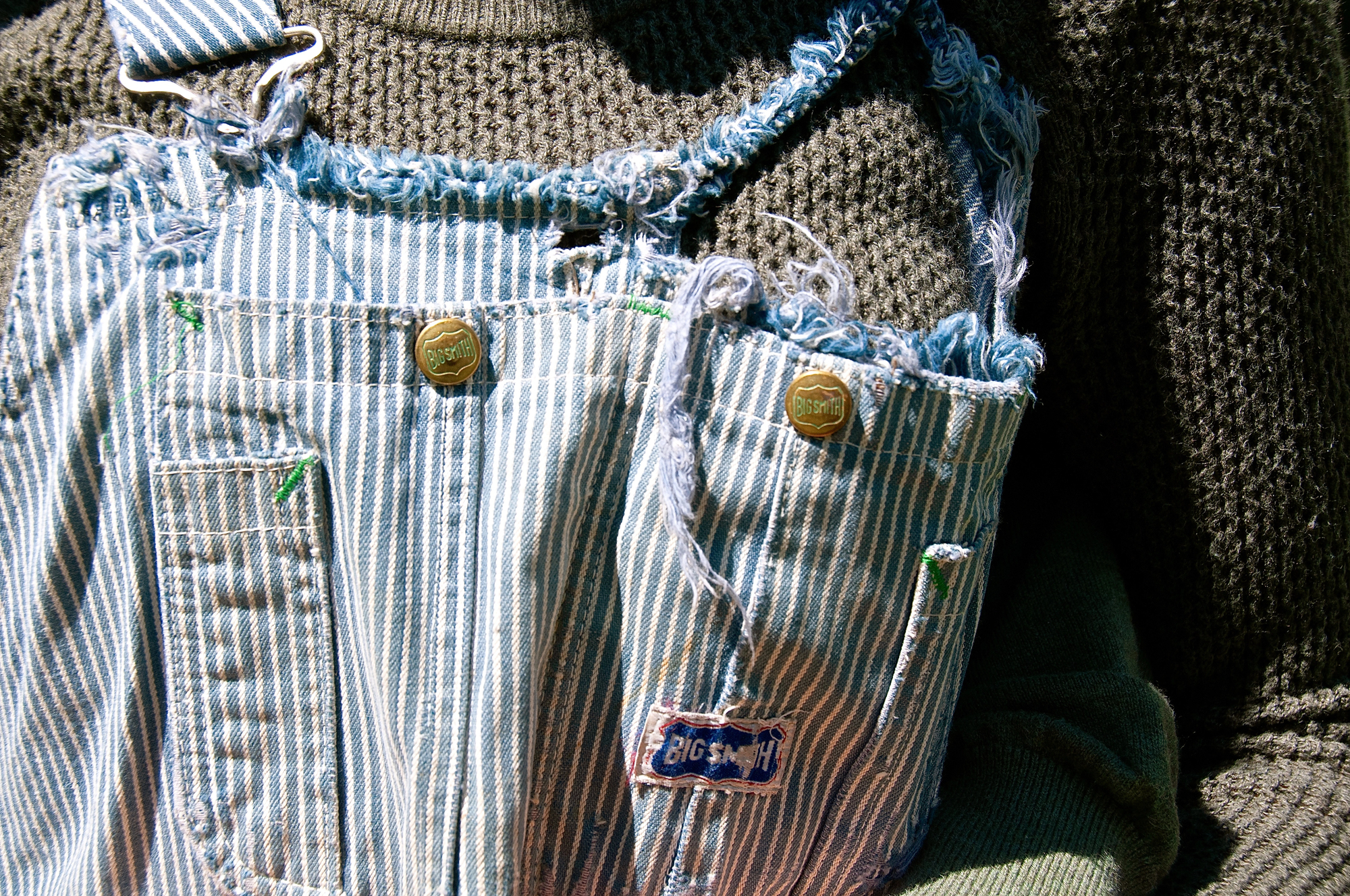
Farm workers and mechanics needed clothing that would protect their regular clothes from dirt, grease, and wear while providing easy access to tools through strategically placed pockets. The bib-front design kept the chest protected, while the sturdy straps distributed weight evenly across the shoulders.
Fashion designers later reimagined overalls in different materials and cuts, turning this practical garment into everything from casual weekend wear to high-fashion runway pieces.
Polo Shirts
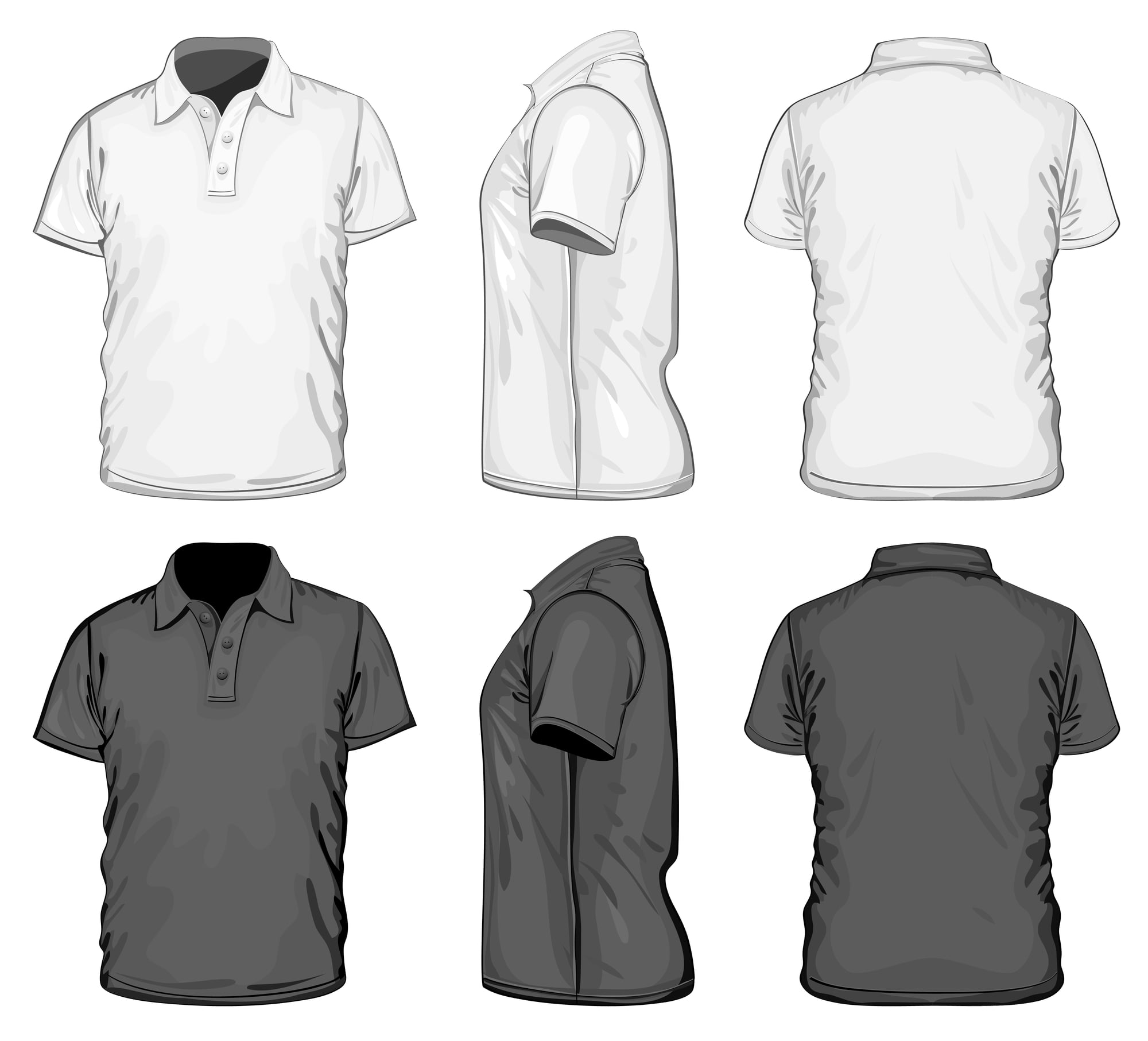
Tennis players in the 1920s needed shirts that allowed for full range of motion while maintaining a neat appearance on the court. The knit cotton fabric stretched with movement, while the collar kept players looking presentable even during intense matches.
René Lacoste, a tennis champion, created the modern polo shirt design that was later adopted by other athletes and eventually became a staple of both sports and business casual wardrobes.
Peacoats

Naval officers wore double-breasted wool coats designed to provide warmth and wind protection during long voyages at sea. The thick wool fabric repelled water, while the double-breasted design offered extra insulation and could be buttoned in different ways depending on wind direction.
The classic navy blue color helped hide stains from shipboard work, and the short length allowed for easy movement around deck equipment.
Like Go2Tutors’s content? Follow us on MSN.
Khaki Pants
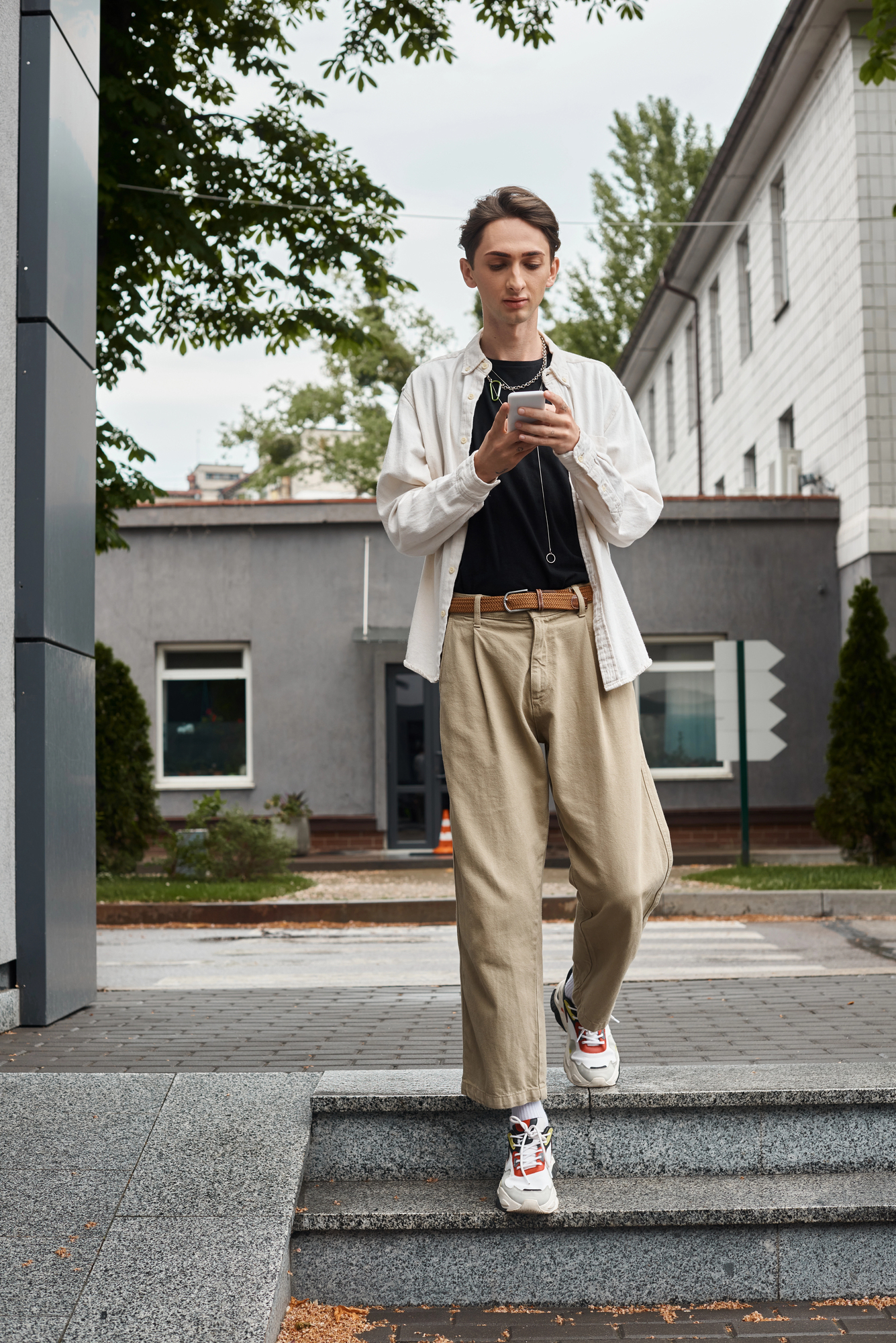
British colonial troops in India adopted lightweight, dust-colored cotton pants that blended with the local terrain and provided comfort in hot climates. The neutral tan color was practical for military operations, while the cotton fabric breathed better than traditional wool uniforms.
After World War II, returning soldiers continued wearing khakis in civilian life, eventually making them a cornerstone of business casual and preppy fashion styles.
Bomber Jackets

Military pilots needed jackets that provided warmth at high altitudes while being lightweight enough not to interfere with cockpit controls. The MA-1 flight jacket, introduced in the 1950s, featured a distinctive orange lining that served as a rescue signal if the jacket was worn inside-out after a crash.
The sleek design and practical features made bomber jackets popular with civilians, becoming a symbol of cool, effortless style.
Turtlenecks
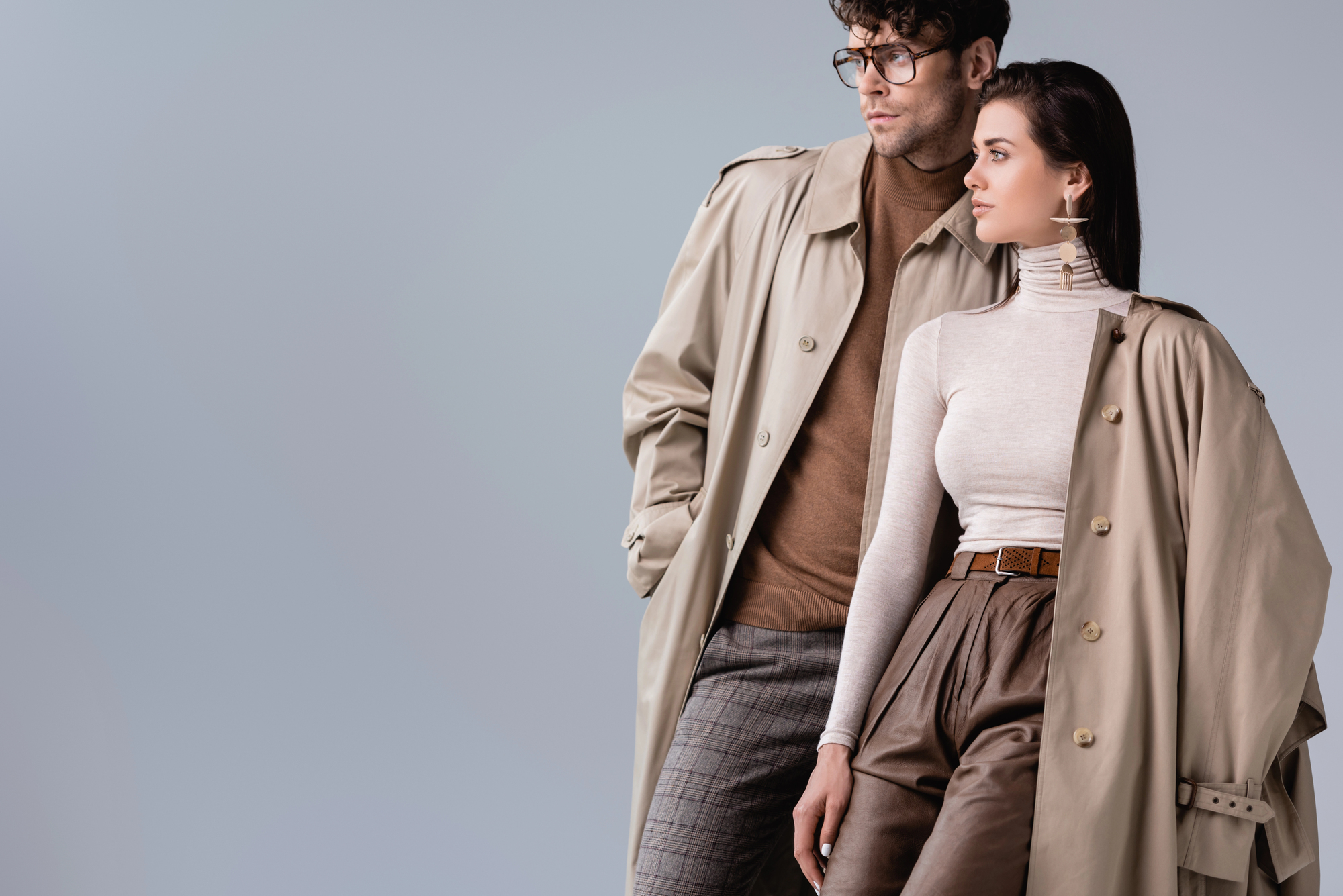
Fishermen and sailors wore high-necked sweaters to protect against cold winds and spray while working on deck. The snug fit around the neck prevented cold air from entering, while the wool material provided insulation even when wet.
French sailors particularly favored this style, which later became associated with intellectuals and artists before entering mainstream fashion as a sophisticated alternative to traditional collared shirts.
Like Go2Tutors’s content? Follow us on MSN.
Work Boots
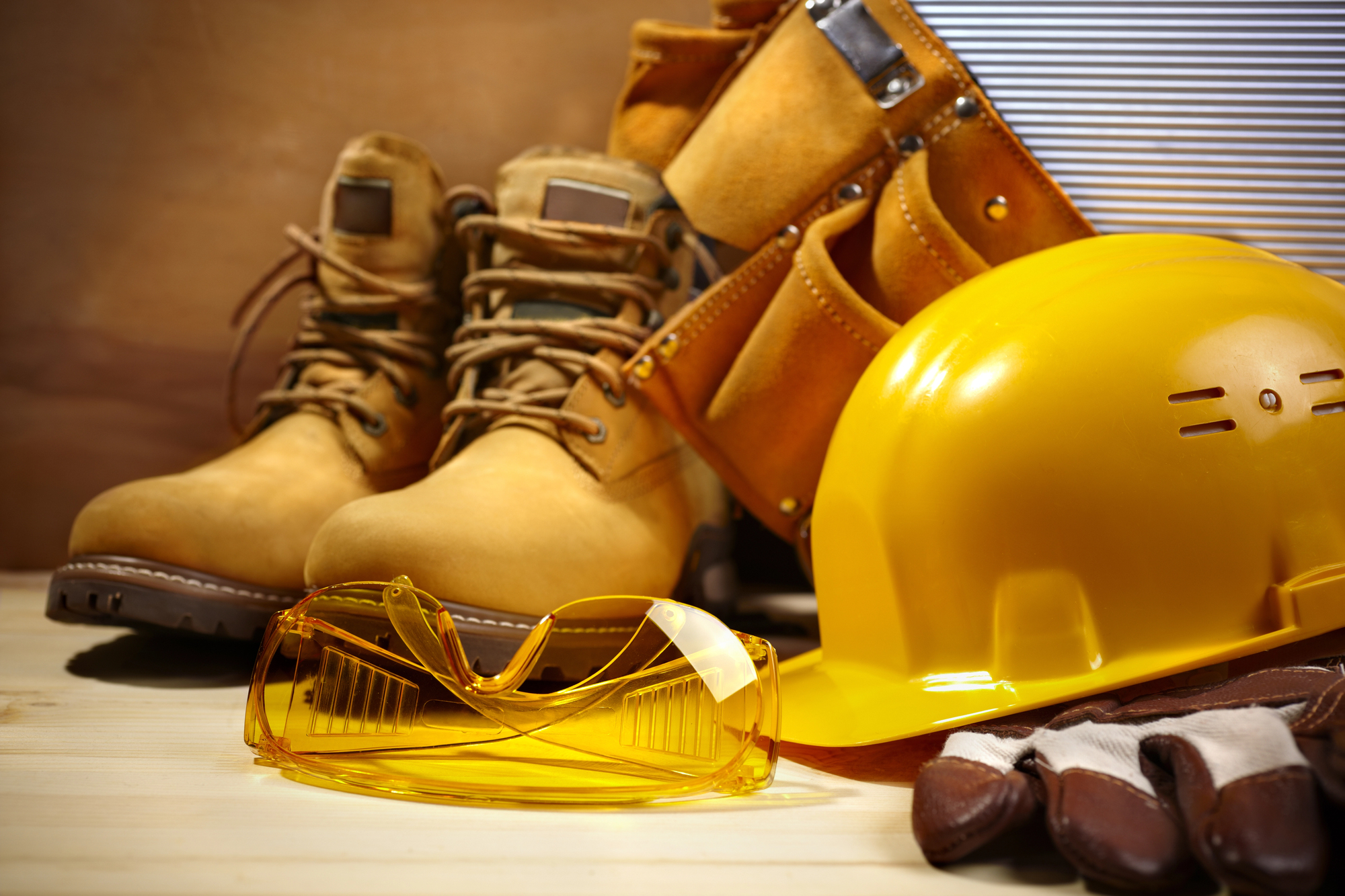
Loggers, miners, and construction workers needed footwear that could withstand harsh conditions, sharp objects, and heavy use. These boots featured thick leather, aggressive tread patterns for traction, and reinforced construction to last through demanding physical labor.
The rugged appearance and durability of work boots appealed to people seeking authentic, long-lasting footwear, leading to their adoption in fashion circles that valued both style and substance.
Suspenders
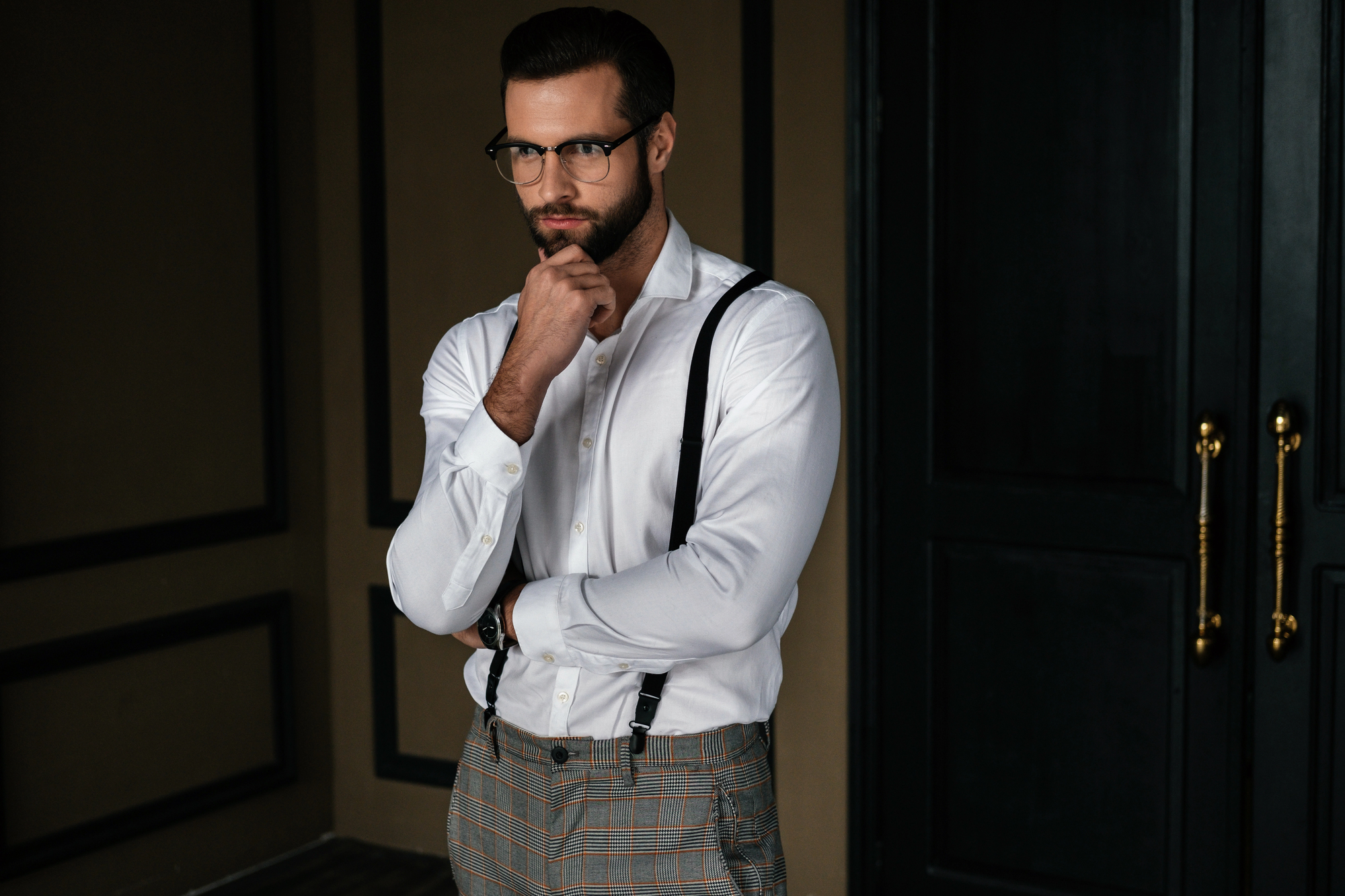
Manual laborers used suspenders to keep their pants secure while bending, lifting, and moving throughout their workday. Unlike belts, suspenders distributed weight evenly and didn’t dig into the waist during physical activity, making them ideal for people who wore heavy tool belts or worked in positions requiring constant movement.
Fashion eventually embraced suspenders as both a practical accessory and a distinctive style element that added character to formal and casual outfits.
Hooded Sweatshirts
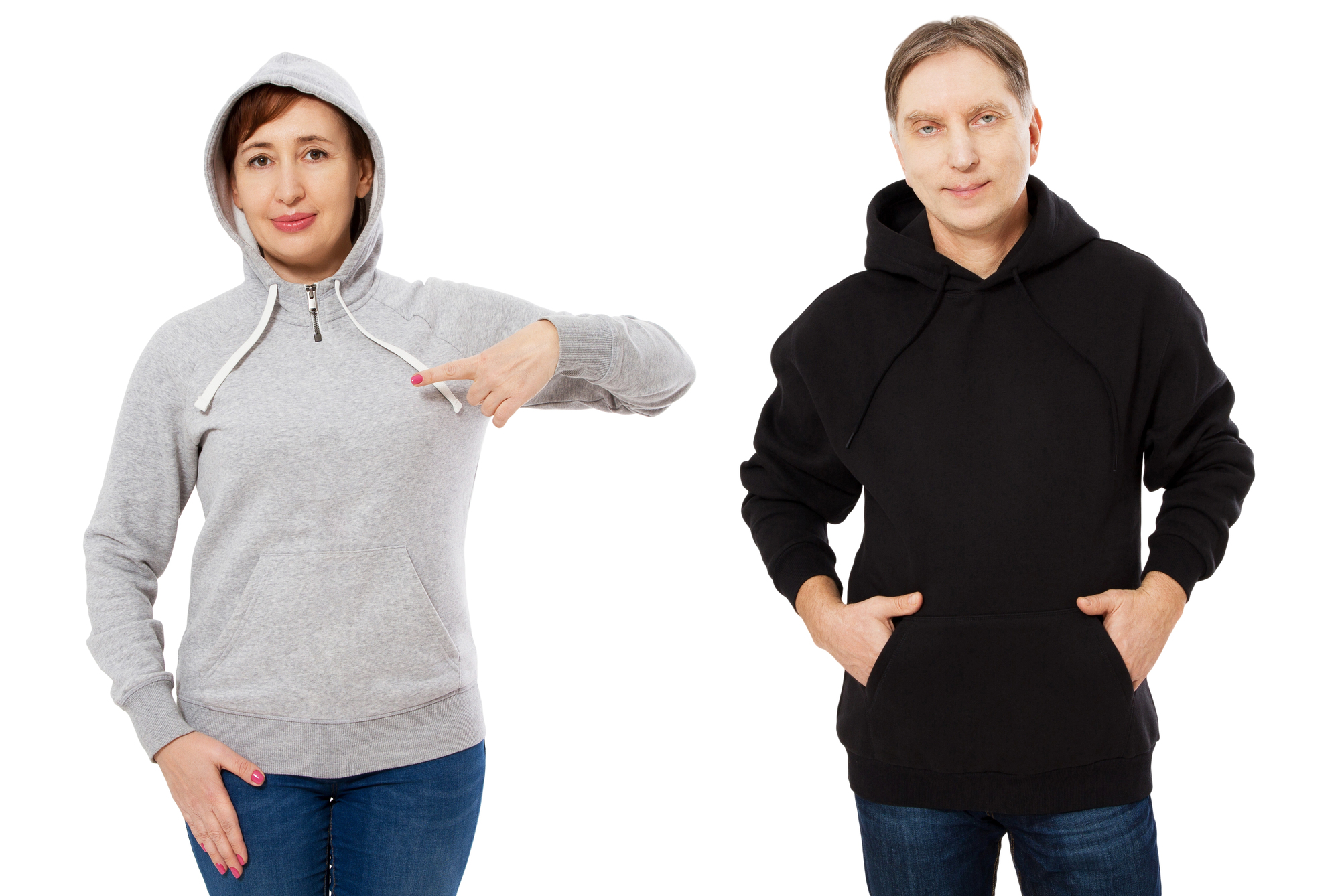
Champion Knitting Mills created the first hooded sweatshirt in the 1930s specifically for workers in freezing warehouses and outdoor laborers who needed warm, practical clothing. The hood provided extra protection for the head and neck, while the cotton-polyester blend offered warmth without excessive weight.
Athletes later adopted hoodies for training in cold weather, eventually leading to their widespread acceptance as comfortable casual wear for people of all ages.
Like Go2Tutors’s content? Follow us on MSN.
Dickies Work Pants
C.N. Williamson and E.E. Dickie founded their company in 1922 to make durable work clothes for laborers who needed pants that could withstand daily wear in demanding environments. The sturdy cotton-polyester blend, reinforced stitching, and practical design made these pants favorites among mechanics, farmers, and factory workers.
The clean lines and reliable construction eventually caught the attention of skaters, musicians, and young people who appreciated both the quality and the authentic working-class aesthetic.
Bandanas

Railroad workers and cowboys used bandanas to protect their faces from dust, wipe sweat, and filter drinking water during long days outdoors. The square cotton cloth was versatile enough to serve multiple functions, from makeshift first aid to signaling other workers across distances.
Different colors and patterns sometimes indicated specific railroad lines or ranch affiliations, creating an early form of workplace identification that later became a fashion accessory with its own cultural meanings.
Canvas Sneakers
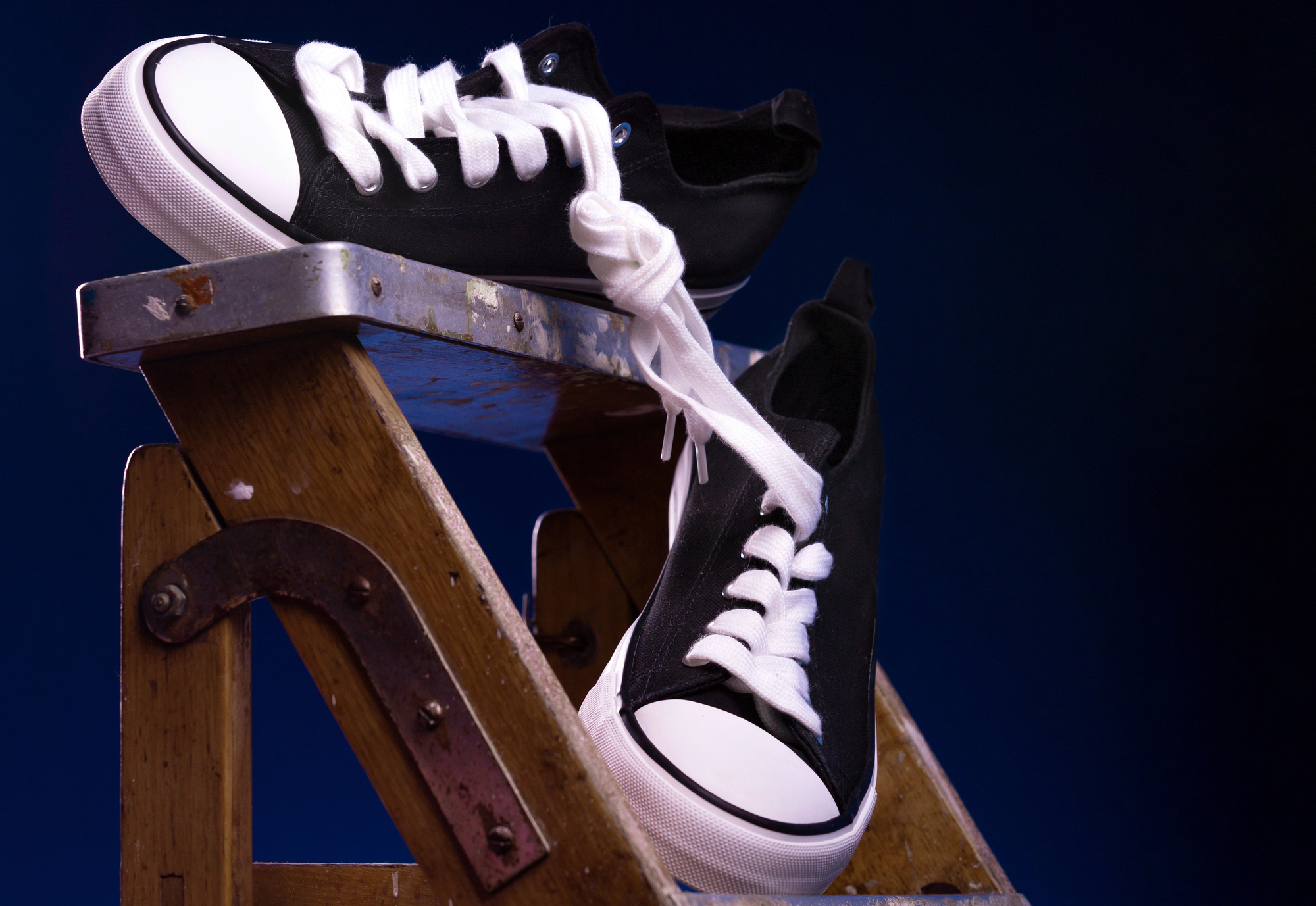
Basketball players in the early 1900s needed shoes with better grip and ankle support than regular street shoes provided. The Converse All Star, introduced in 1917, featured a canvas upper and rubber sole that offered the traction and flexibility athletes needed on the court.
These practical athletic shoes gradually moved from sports into everyday wear, becoming one of the most enduring and versatile footwear styles in casual fashion.
Like Go2Tutors’s content? Follow us on MSN.
From Function to Fashion
The journey from workplace necessity to wardrobe staple shows how practical design often creates the most enduring style. These garments succeeded in their original purpose because they solved real problems for working people, and those same qualities make them appealing to anyone seeking authentic, functional clothing.
What started as protection, identification, or pure utility has become the foundation of modern casual wear, proving that the best fashion often comes from the most honest intentions.
More from Go2Tutors!

- 16 Historical Figures Who Were Nothing Like You Think
- 12 Things Sold in the 80s That Are Now Illegal
- 15 VHS Tapes That Could Be Worth Thousands
- 17 Historical “What Ifs” That Would Have Changed Everything
- 18 TV Shows That Vanished Without a Finale
Like Go2Tutors’s content? Follow us on MSN.