Kitchen Advertising Jingles Families Could Sing From Memory
For several decades, the loudest voice in an American kitchen belonged to the radio or television in the corner. Short tunes written to sell hot dogs, coffee, rice, and cleaning products drifted through the room until entire households knew every note.
The best of those jingles outlived the campaigns that created them and stayed in memory long after the products changed. The examples below are tied to real brands, real years, and the real people who wrote them.
The Oscar Mayer Wiener Song
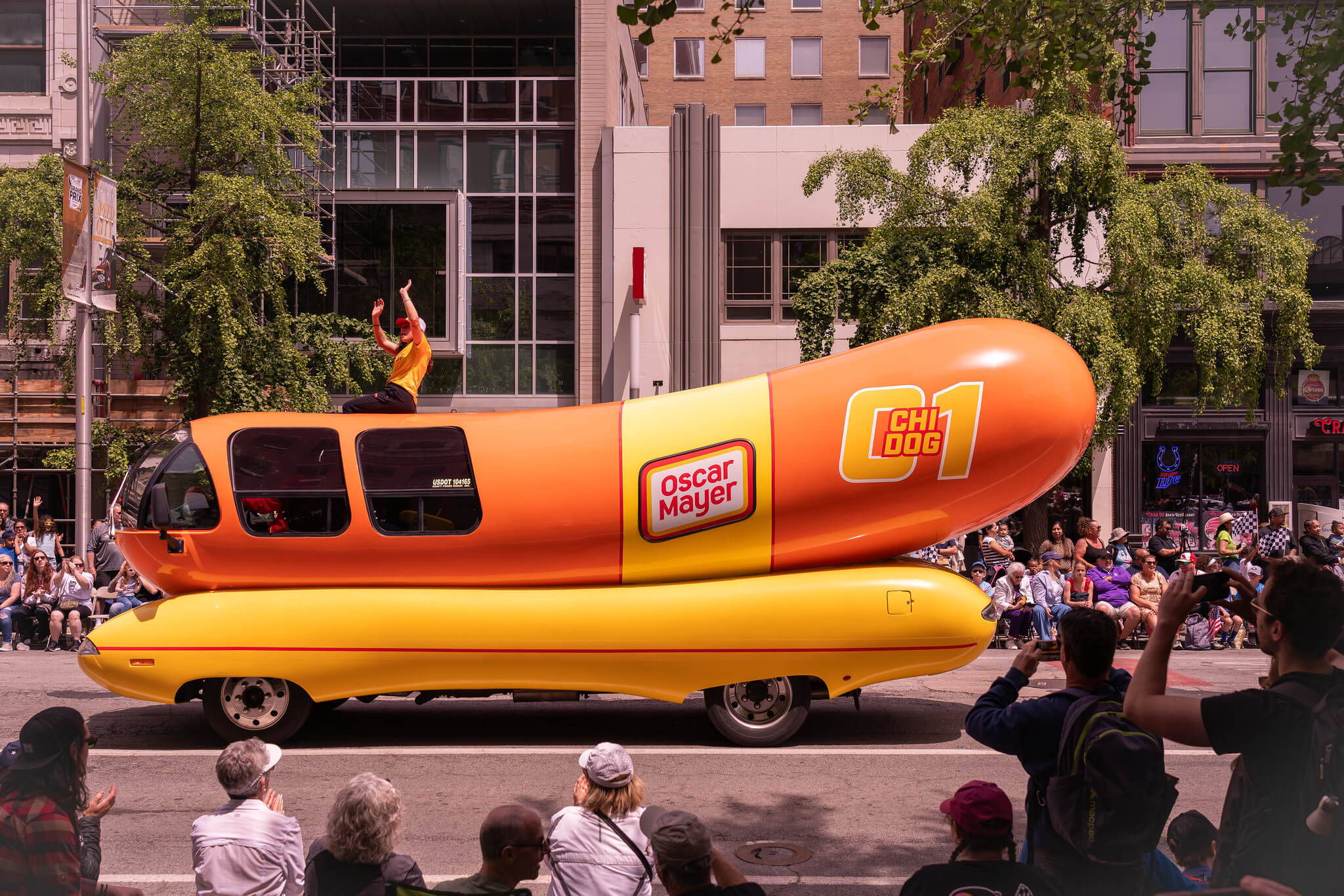
Advertising agency J. Walter Thompson ran a contest in 1962 to find a jingle for Oscar Mayer hot dogs. Richard Trentlage, a Chicago jingle writer, entered after hearing about the contest only a day before the deadline and produced the winner in about an hour.
The song, first heard in 1963, was sung on the recording by his own two children and was chosen from more than 100 entries.
The Oscar Mayer Bologna Song
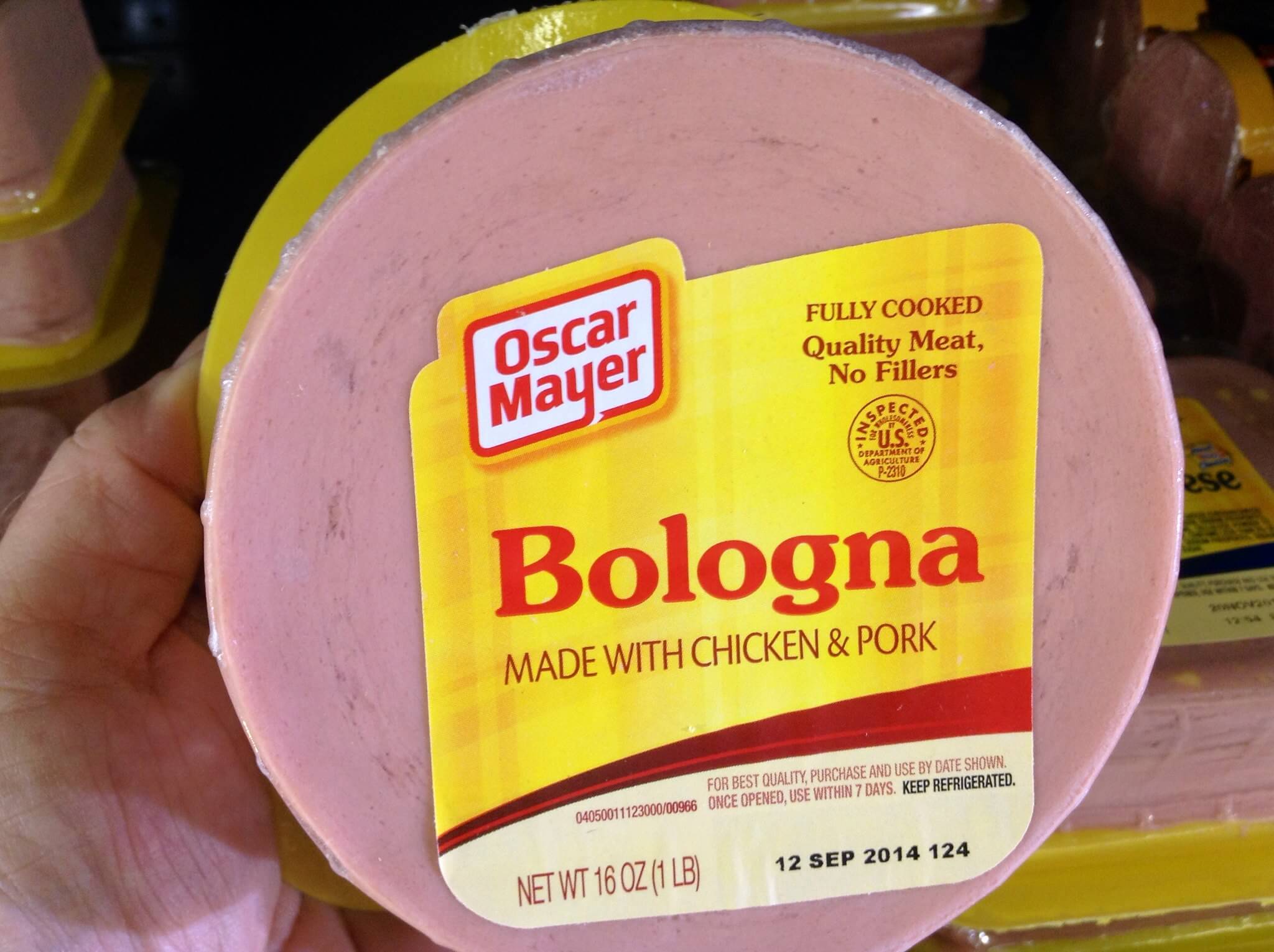
About ten years after the wiener tune, Oscar Mayer returned with a second kid-focused jingle, this one built around spelling out the brand name for its bologna. The campaign dated to the mid-1970s and relied on the same strategy of a simple, singable hook aimed at children.
For many families, it became a table-side chant that outlasted the commercials.
Chiquita Banana
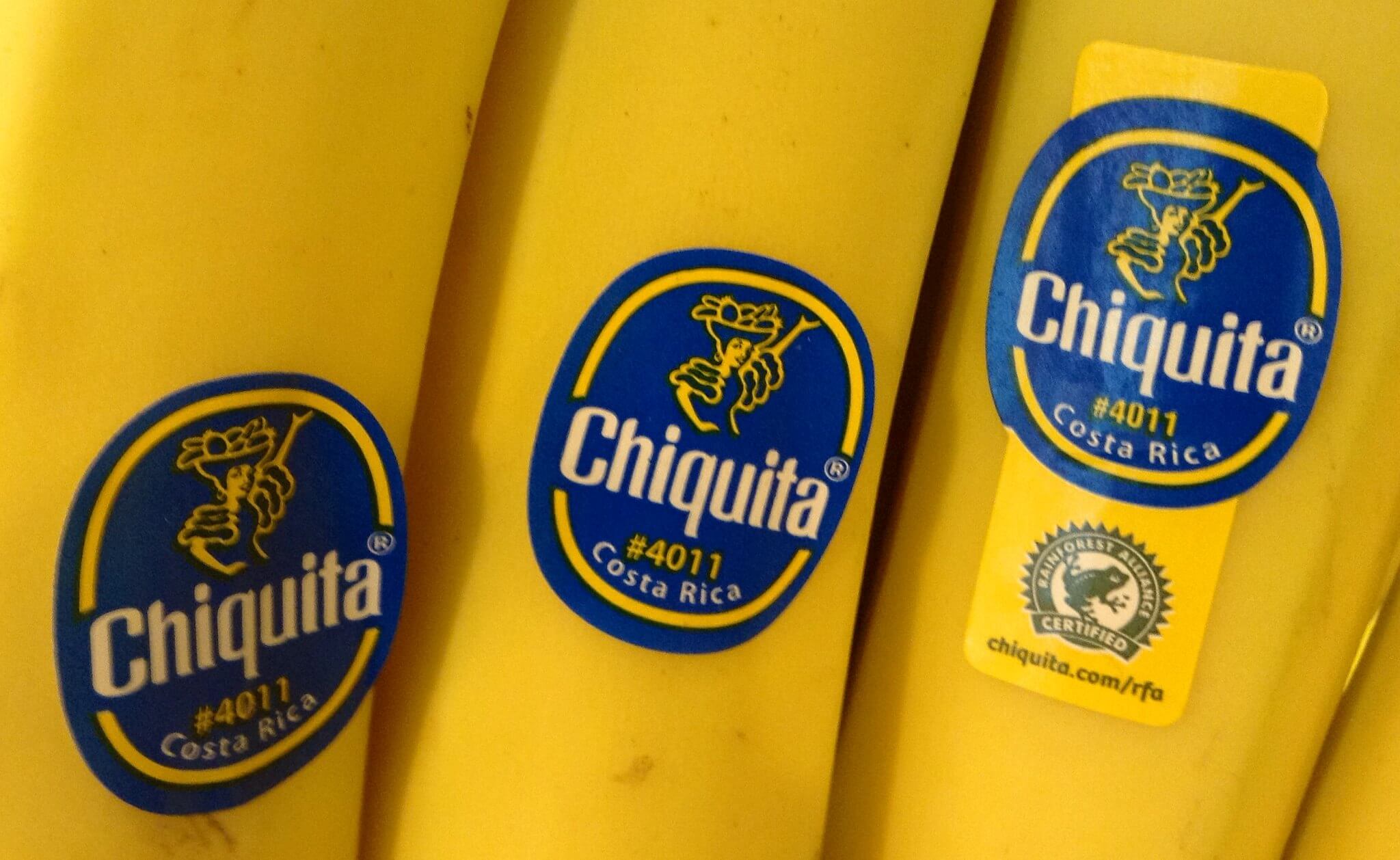
The cartoon banana character Miss Chiquita debuted in 1944 together with a calypso-flavored jingle that taught consumers how to ripen bananas. At the time, bananas were still unfamiliar enough to many households that the instructions served a practical purpose.
The song received heavy radio exposure, with plays numbering in the hundreds each day.
Rice-A-Roni
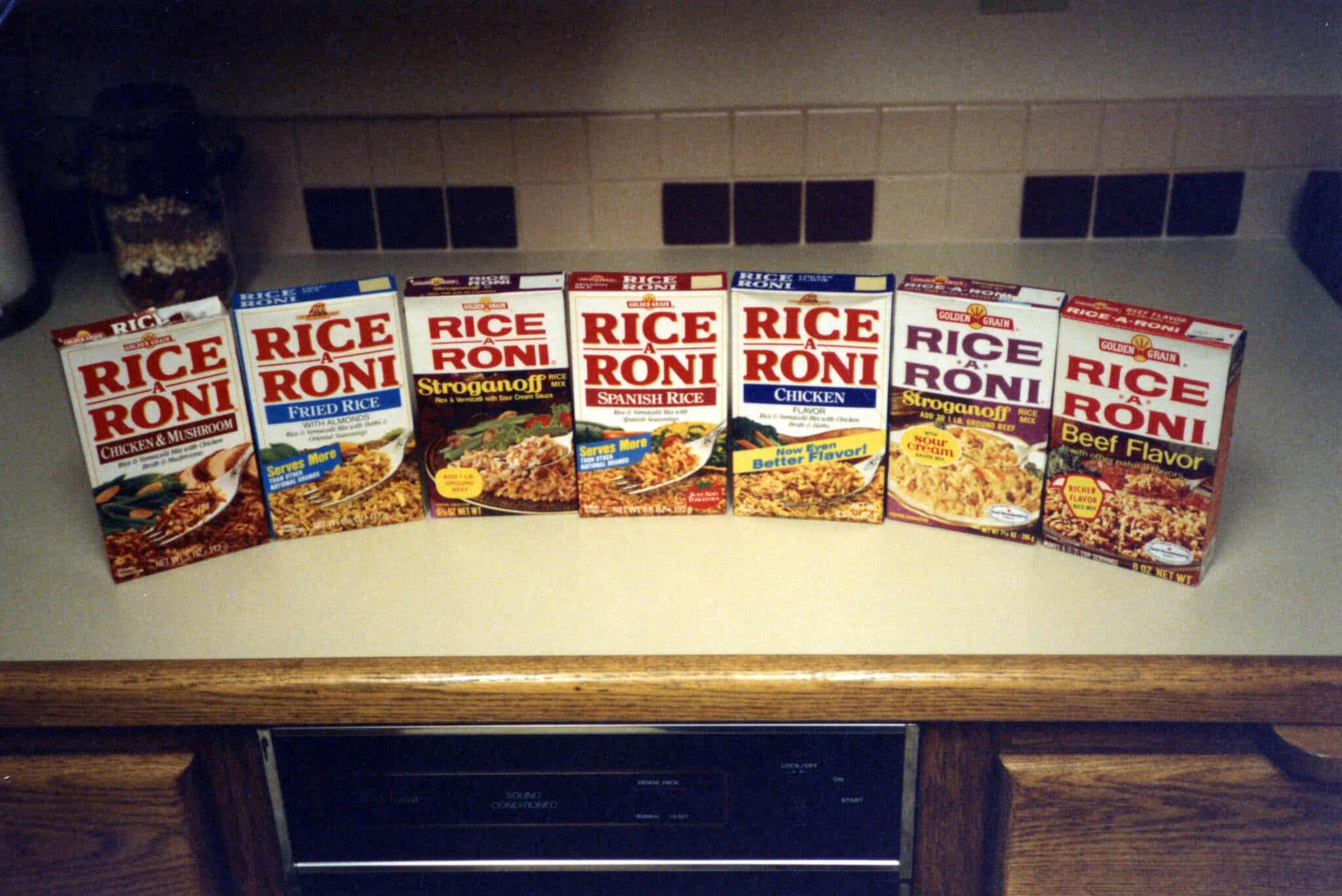
Rice-A-Roni, the boxed rice and pasta mix, reached stores in 1958 and became a national name in the early 1960s through a jingle built around San Francisco imagery. Television ads featured the city’s cable cars and a repeated melody that families could hum without effort.
The tune stayed in use for decades with only minor updates.
The Big Mac Ingredient Chant
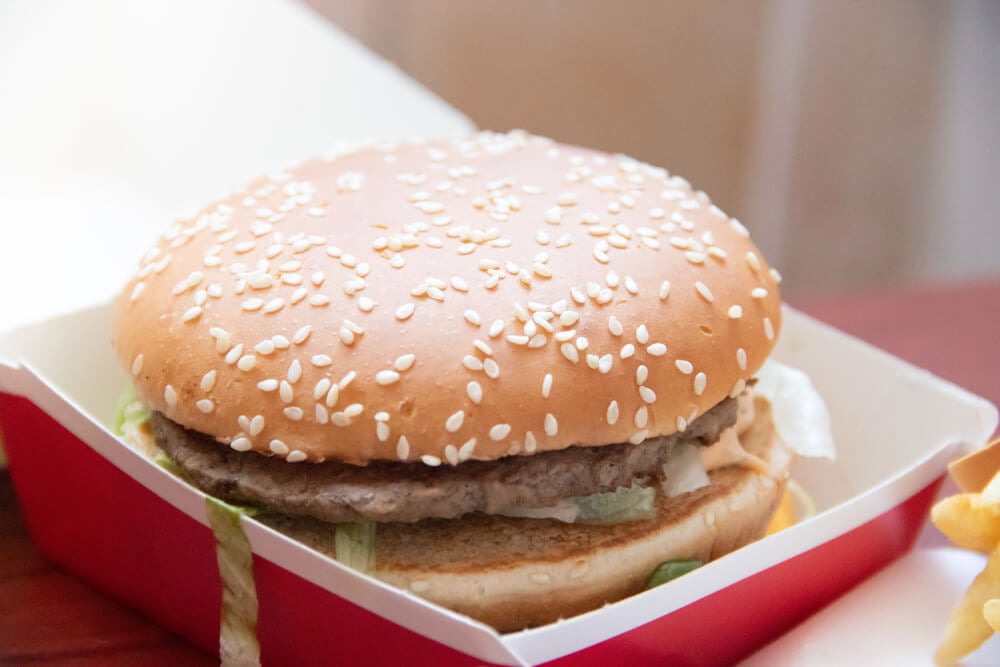
McDonald’s turned the ingredient list of its Big Mac into a rapid-fire chant in the mid-1970s. The sandwich itself had debuted in Uniontown, Pennsylvania, in 1967 at 45 cents and went national the following year.
Contests soon followed in which children tried to recite the full list in a single breath.
The Mr. Clean Theme
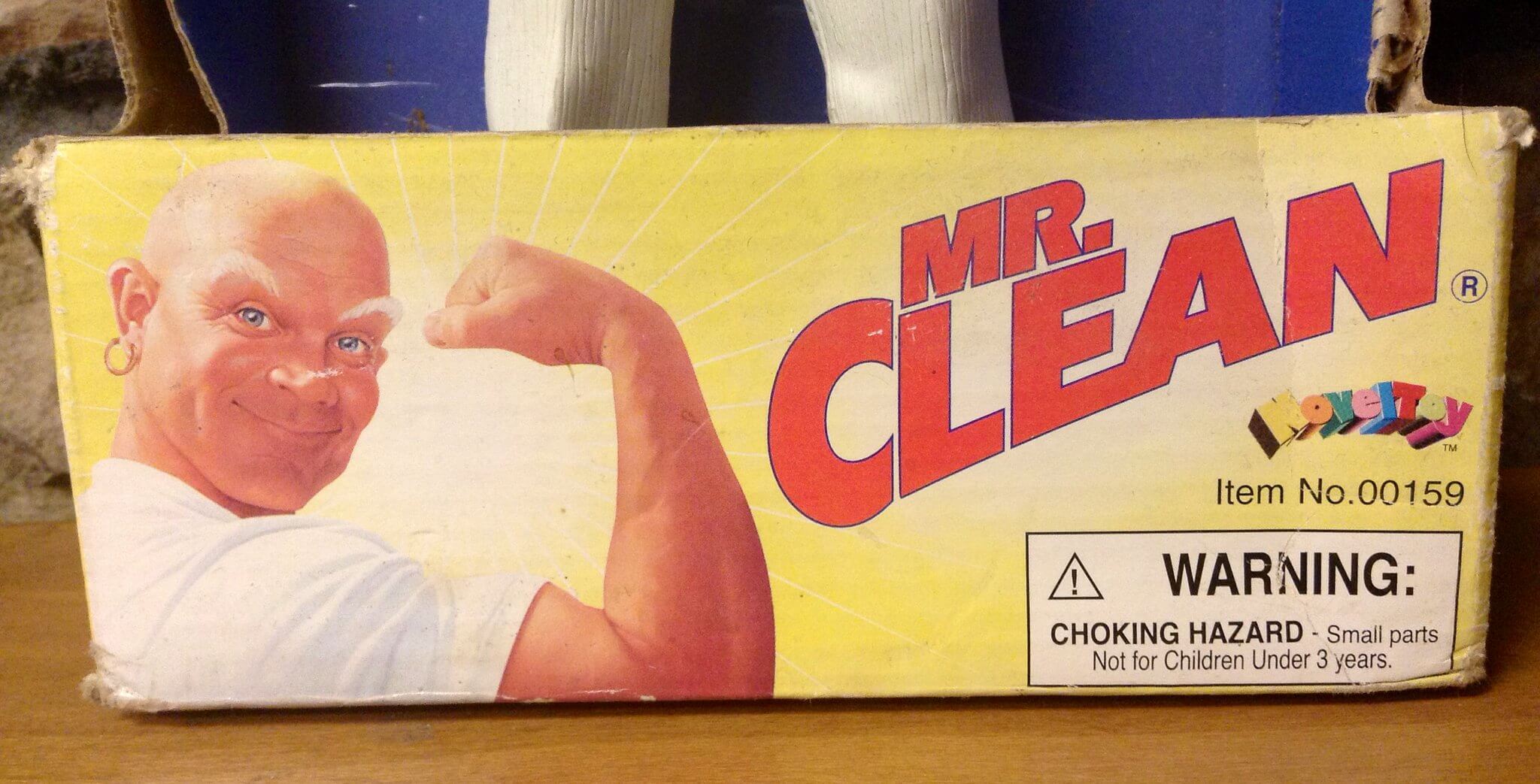
Procter and Gamble introduced Mr. Clean in 1958, and the muscular bald mascot arrived together with a jingle. The melody was designed to be repeated, with the product name placed where children could sing along.
It remained linked to kitchen and floor cleaning long after the original commercials ended.
The Roto-Rooter Jingle
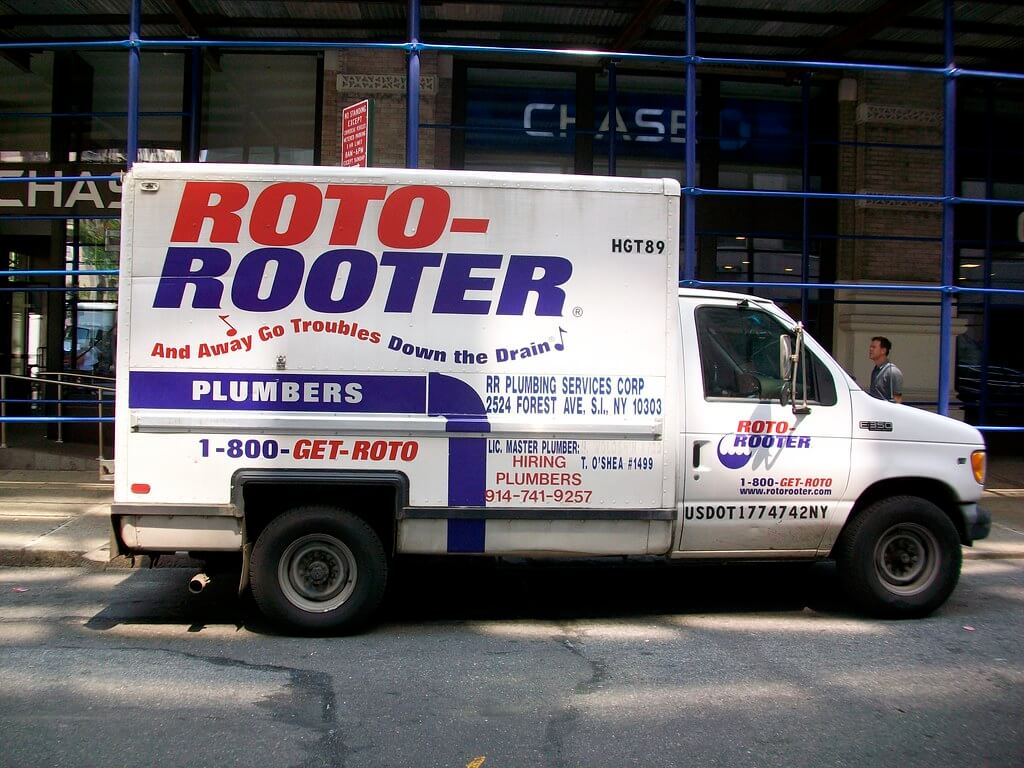
Roto-Rooter’s jingle dates to 1956 and promised that troubles would go away through the plumbing. The tune turned a clogged kitchen drain, a topic most households preferred not to discuss, into something cheerful and easy to remember.
It ranks among the most recognized jingles for a service rather than a food.
The Maxwell House Percolator Theme
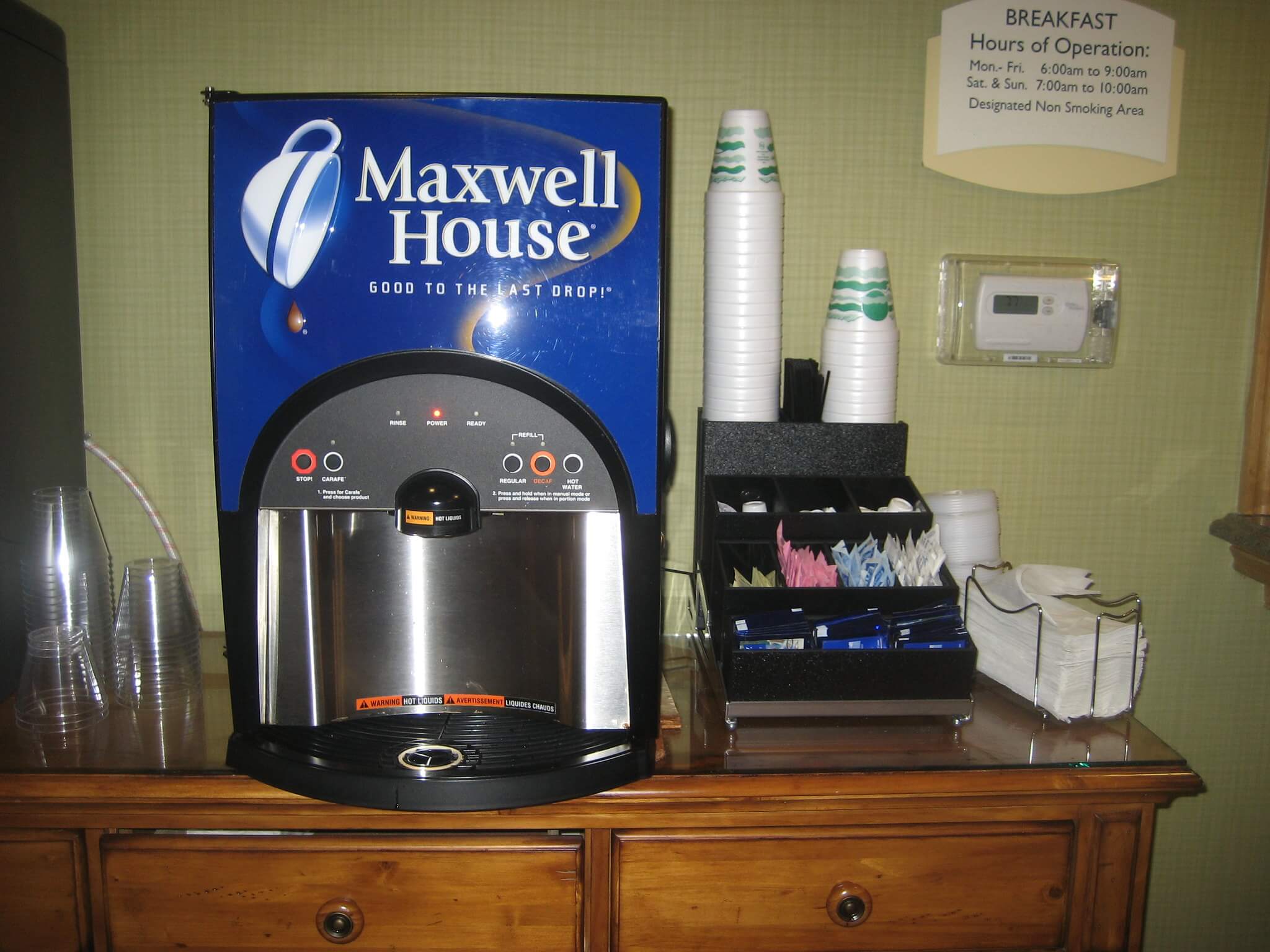
Maxwell House introduced a musical theme in the early 1960s designed to imitate the bubbling sounds of coffee brewing in a percolator. The rhythm was meant to evoke the exact noise a family heard on a weekday morning.
Few jingles tied a product so closely to the sound of the kitchen itself.
Nestlé’s Danny O’Day and Farfel
Nestlé chocolate advertising in the 1950s featured a ventriloquist dummy named Danny O’Day and a floppy-eared puppet dog named Farfel. Danny spelled out the brand name in a sing-song voice, and Farfel answered with a long, drawn-out version of the flavor word.
Children copied the exchange at home, usually at the snack table.
The Almond Joy and Mounds Pitch
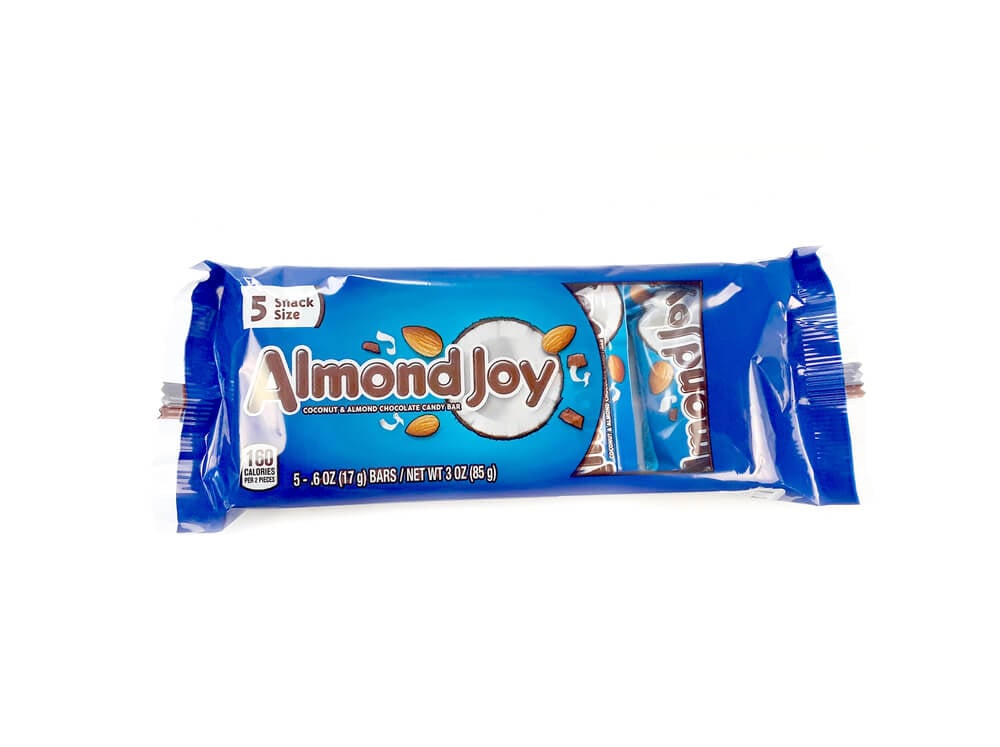
Peter Paul introduced a 1953 jingle for its Mounds and Almond Joy candy bars that played on the idea of choosing between two moods. The tune was so successful that it was soon repeated in ads for years afterward.
Many kitchens kept one of those bars in a cabinet because of it.
Coca-Cola’s Hilltop Song
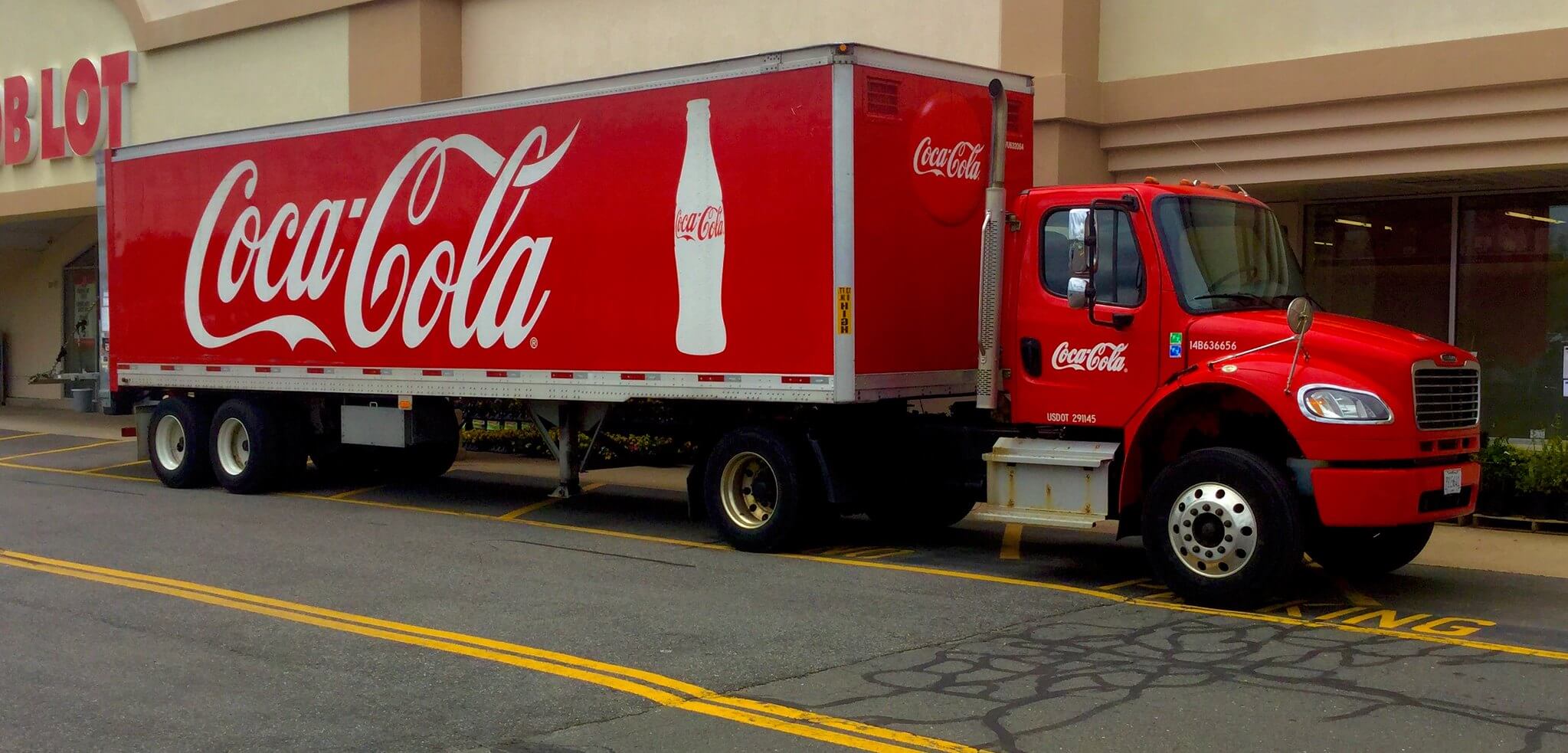
Coca-Cola aired a television commercial in the summer of 1971 featuring young singers on an Italian hilltop. The song was so popular that two different recorded versions, one by The New Seekers and one by The Hillside Singers, entered the Billboard Hot 100.
Few jingles ever crossed into the pop charts so successfully.
Armour Hot Dogs
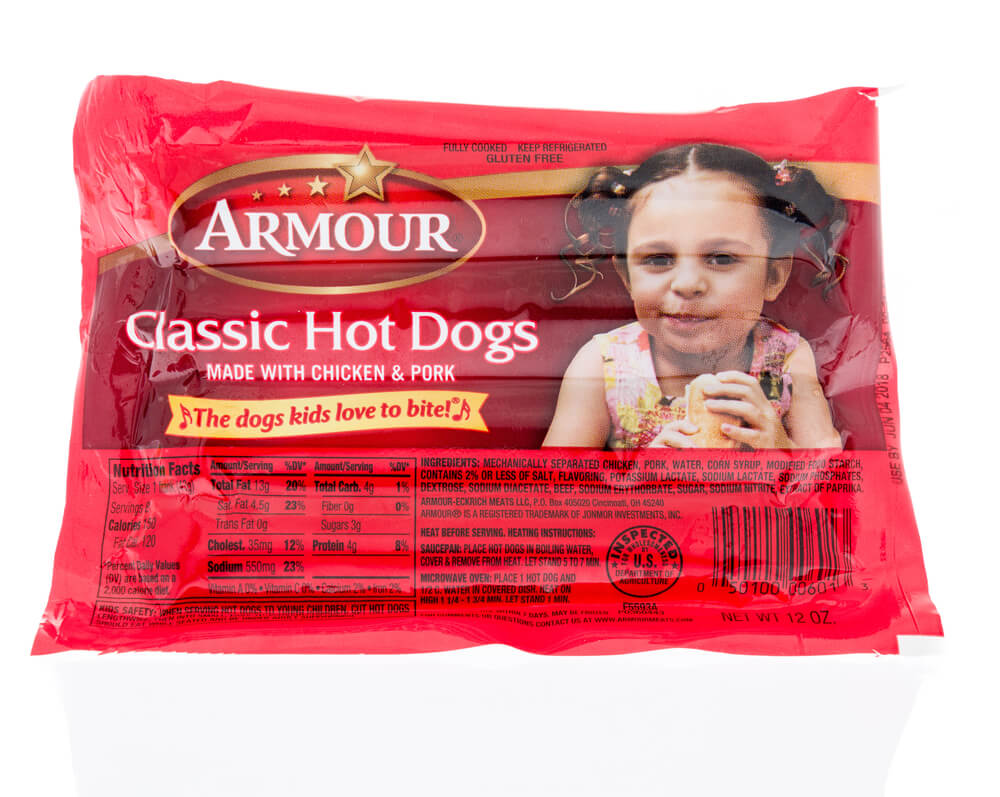
Armour hot dogs ran a 1960s jingle that listed the brand name over and over in a bouncing rhythm and included a line about children who loved to bite them. The lyrics later became a favorite subject of retro advertising lists because of how plainly they said what they meant.
It stood as a direct rival to the Oscar Mayer tune of the same decade.
Alka-Seltzer
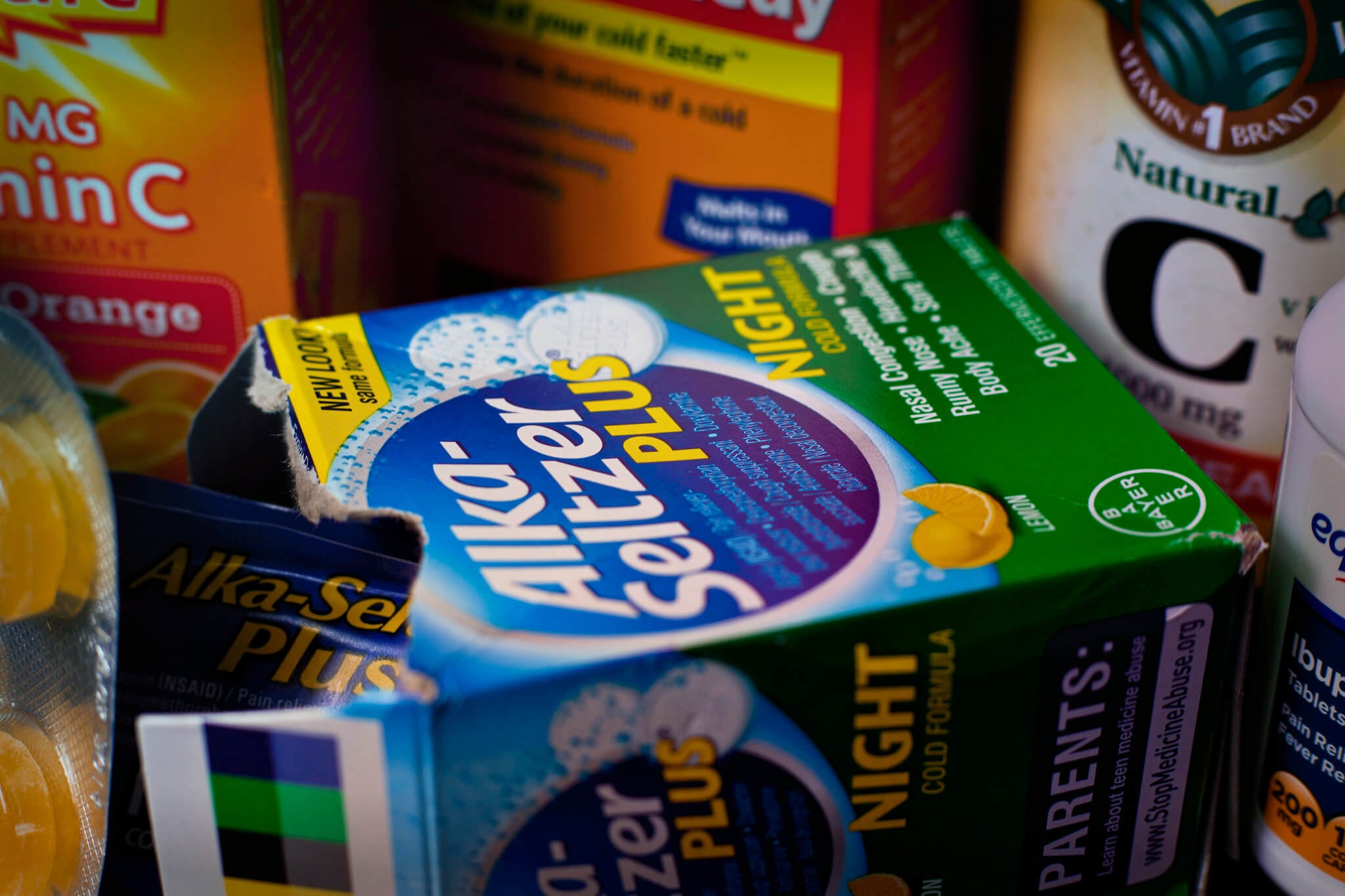
Alka-Seltzer ran a series of jingles beginning in the 1960s that were credited with helping to double the product’s sales. A 1965 commercial tune was re-recorded as an instrumental by studio musicians known as The Wrecking Crew under the name The T-Bones.
That record reached number three on the charts in 1966, an unusual outcome for a stomach remedy.
Meow Mix
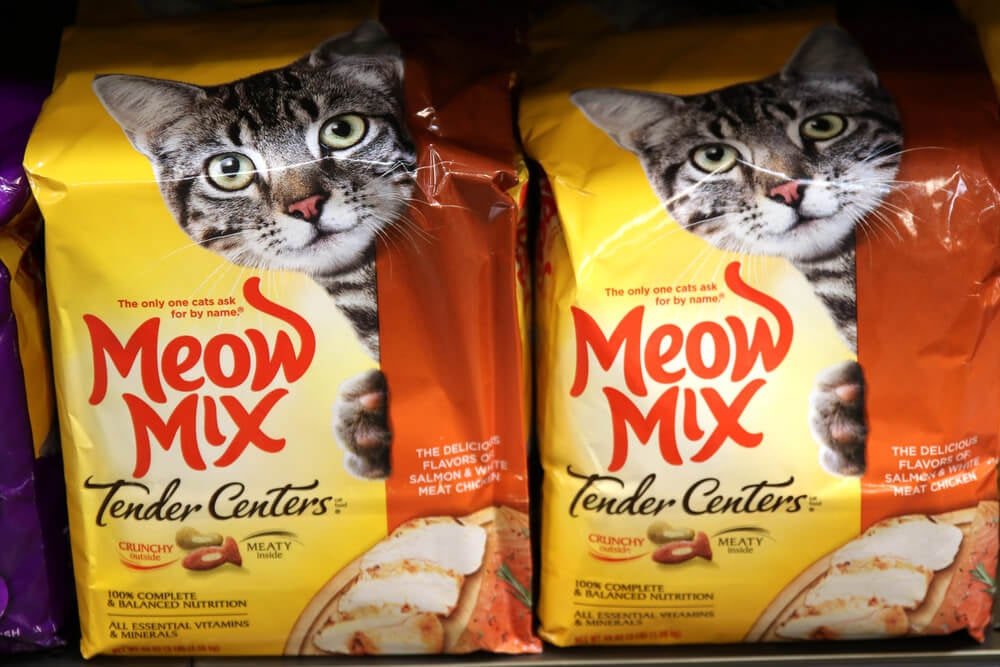
Meow Mix introduced its cat food jingle in 1974, and the song built a short chant around the brand name and the cat’s meow. The company added subtitles to the commercials so that viewers could tell exactly what the cat was supposedly saying.
Kit Kat
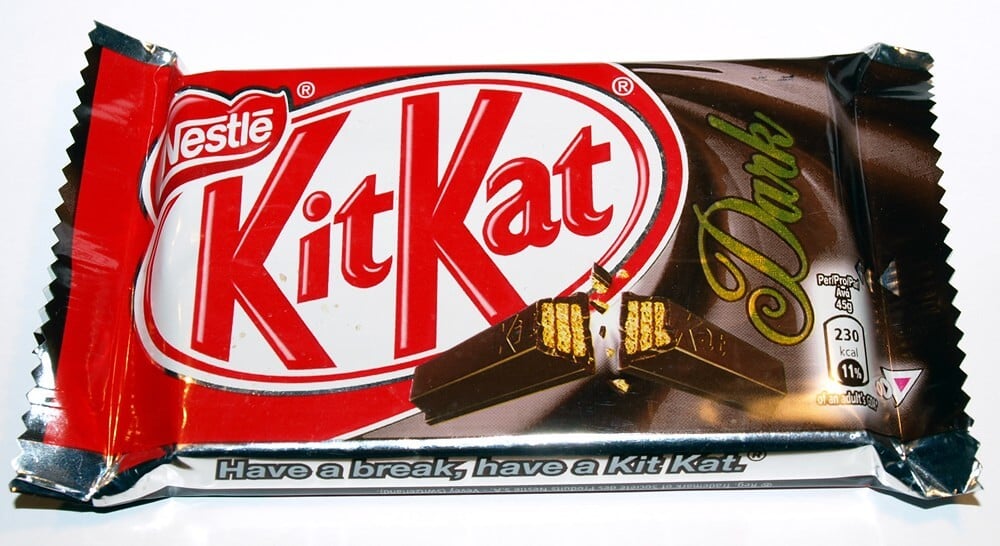
Kit Kat launched a jingle in 1986 built around the idea of taking a break and snapping off a piece of the bar. The melody was simple enough to hum after a single hearing.
For many families, it became the soundtrack of a snack break at the kitchen counter.
Folgers
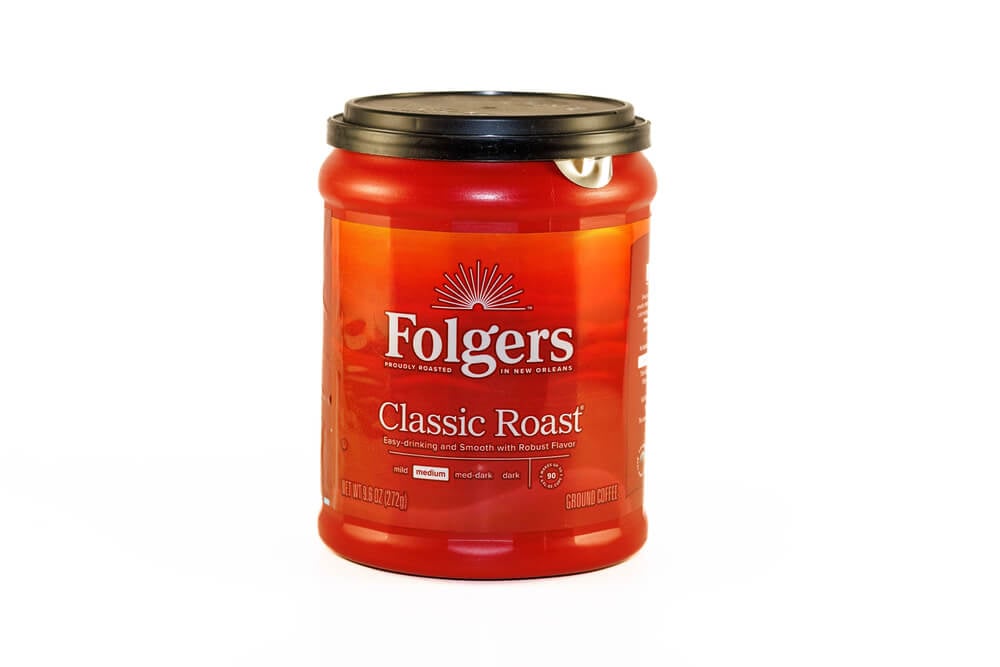
Folgers turned its slogan about waking up into a full jingle in 1984. The tune appeared in holiday commercials for decades and became part of the cultural memory of morning coffee.
It stands as one of the longest-running jingles tied to a specific time of day.
Chef Boyardee Beefaroni
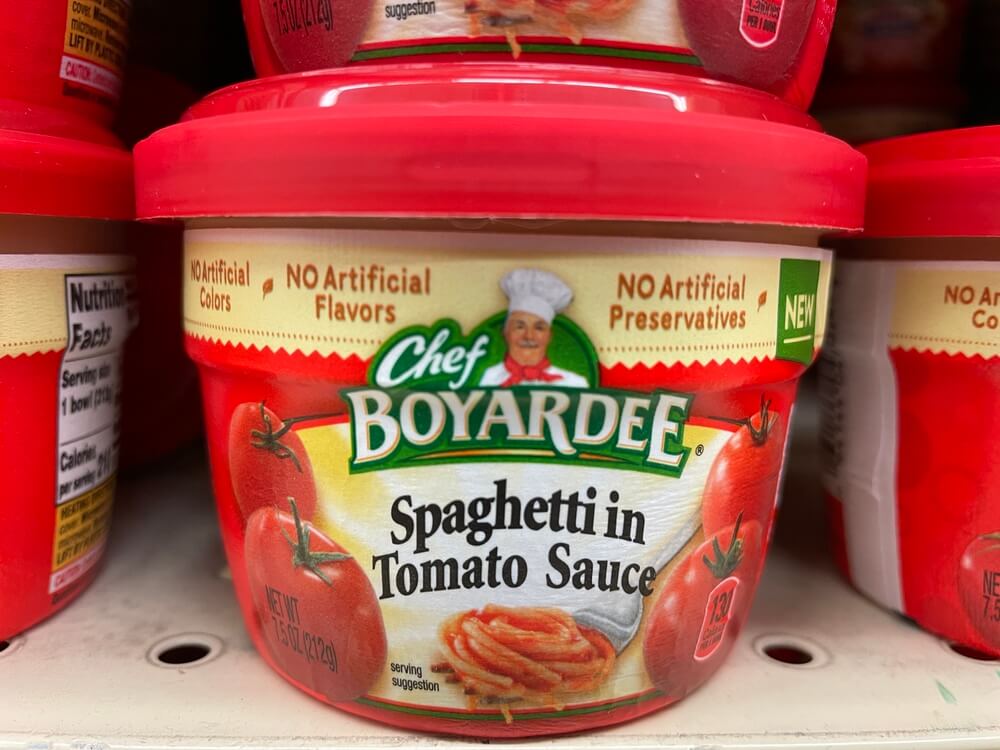
Roy Eaton, an Advertising Hall of Fame member, wrote the jingle for Beefaroni, the canned pasta from Chef Boyardee. He also wrote the famous Texaco jingle of 1962.
The tune was meant to appeal to children and parents who shared a quick meal at the kitchen table.
Good and Plenty’s Choo-Choo Charlie
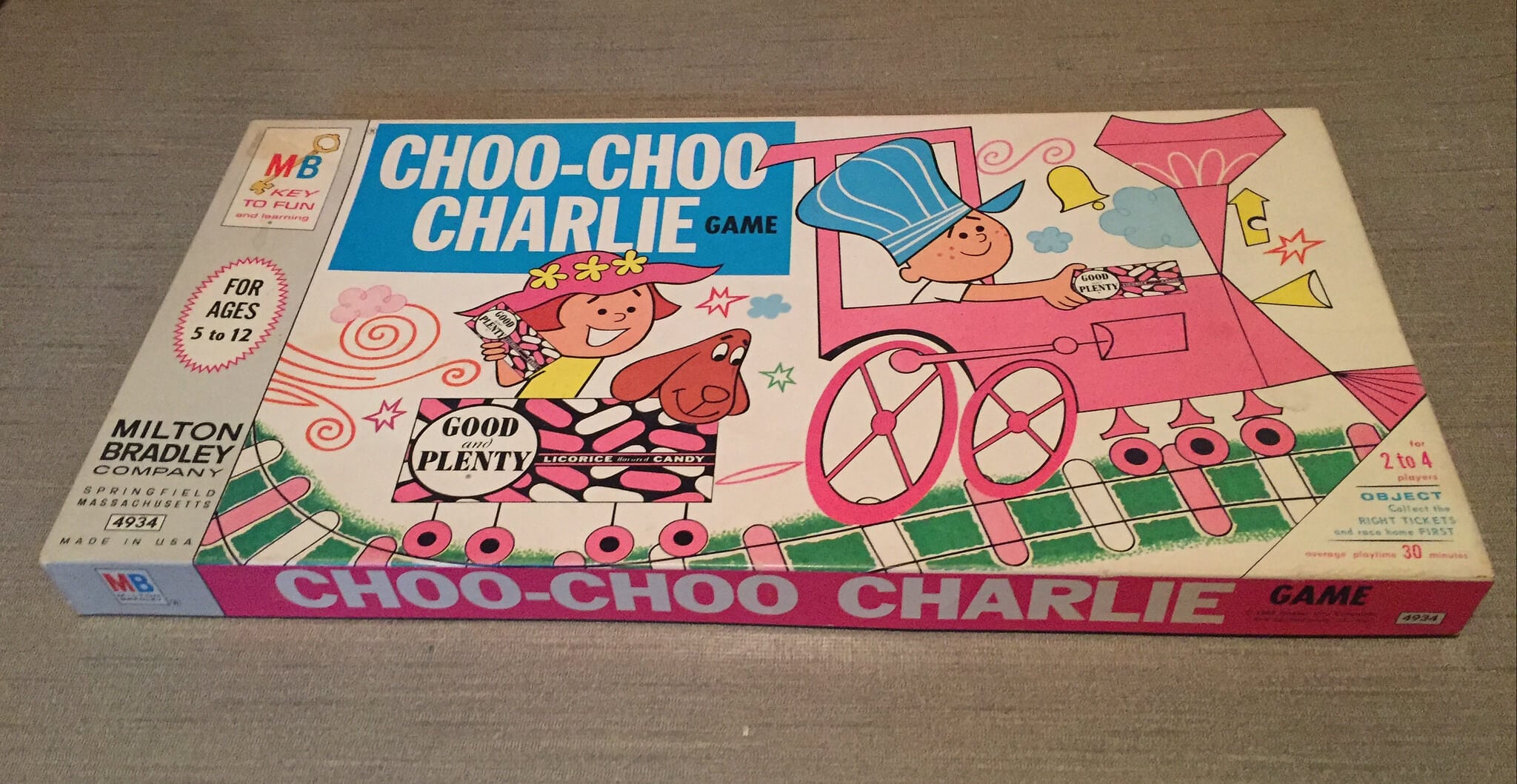
In 1950, Good and Plenty introduced an animated character named Choo-Choo Charlie along with a jingle. The candy, a pink-and-white licorice treat, was a pantry staple for many families.
The character and the tune became so closely linked that the pair were remembered together for decades.
Why a Jingle Outlasts a Product
A well-made jingle works because it attaches a product to a feeling and a rhythm instead of a claim. The best of them gave families a shared tune to sing together, often during meals, snack times, or chores, which made the brand part of the household routine.
In that sense a jingle was less an advertisement than a small piece of family folklore. Today, advertising rarely depends on a melody that an entire household can sing from memory.
Streaming, targeted marketing, and shorter attention spans have changed the way products reach the kitchen. The old tunes remain a useful record of what each decade wanted to hear while the dishes were being done.
More from Go2Tutors!

- 27 Silver Dollars and Half Dollars Worth Keeping
- 28 Restaurant Menu Items Nobody Orders Anymore
- 17 Places Built in Seemingly Impossible Spots
- 27 Vintage Rings Worth More Than They Look
- 25 Restricted Sites Tourists Can’t Enter
Like Go2Tutors’s content? Follow us on MSN.