14 Stadiums With Forgotten Disaster Histories
Sports venues are meant to be places of joy, excitement, and community celebration, where fans gather to cheer on their favorite teams and create lasting memories. However, some stadiums carry darker chapters in their history books — marked by tragic incidents that changed how we think about crowd safety, structural integrity, and emergency preparedness. These disasters, while often overshadowed by the glory of games played within their walls, led to important safety improvements that protect millions of fans today.
From structural collapses to deadly stampedes, these tragic events served as wake-up calls for the sports industry. Here is a list of 14 stadiums whose disaster histories have largely faded from public memory but whose lessons continue to shape modern venue design.
Hillsborough Stadium

Sheffield’s Hillsborough Stadium became synonymous with one of football’s darkest days when 96 Liverpool fans died in a crush during the 1989 FA Cup semifinal. Poor crowd control, inadequate safety barriers, and delayed emergency response turned what should’ve been a celebration into a nightmare.
The disaster exposed serious flaws in British stadium design — particularly the dangerous combination of perimeter fencing and standing terraces. The tragedy led to the complete transformation of English football stadiums, mandating all-seater venues and comprehensive safety reforms that became the global standard for sports facility management.
Bradford City Stadium
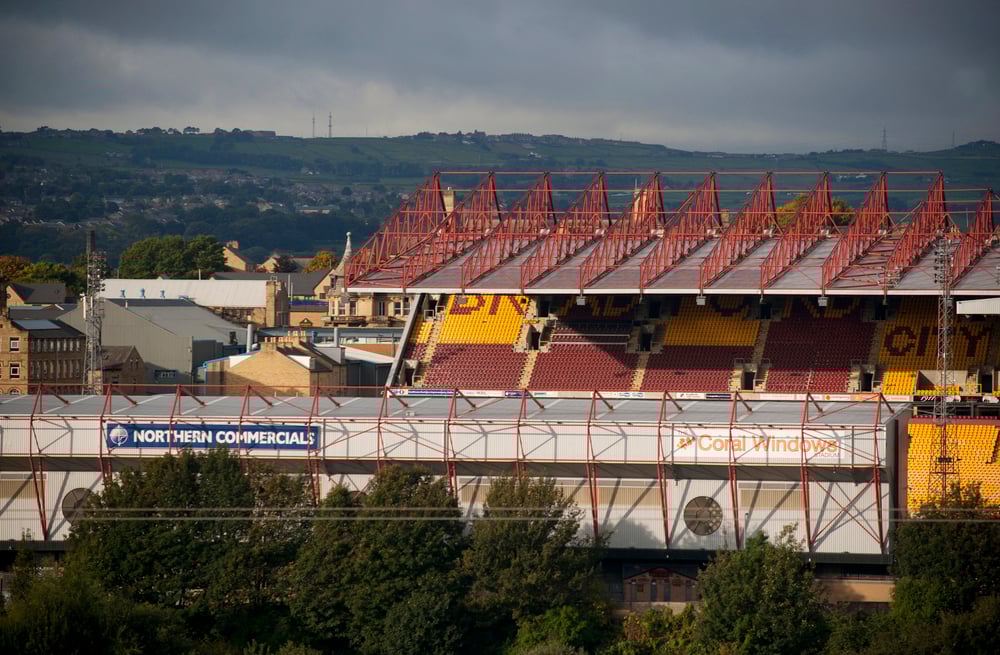
Valley Parade in Bradford witnessed a horrific fire in 1985 when the main wooden stand burst into flames during a match, killing 56 people while injuring over 250 others. The blaze started from what investigators believe was a dropped match or lit piece of paper that ignited decades of accumulated rubbish beneath the wooden structure.
Within minutes, the entire stand was engulfed — trapping spectators who couldn’t escape quickly enough through inadequate exits. This disaster revolutionized stadium construction standards, leading to the elimination of wooden stands and the implementation of strict fire safety regulations that transformed sports venue design worldwide.
Heysel Stadium

Brussels’ Heysel Stadium hosted the tragic 1985 European Cup Final where 39 fans died and 600 were injured when a retaining wall collapsed during crowd violence. The aging concrete structure couldn’t withstand the pressure when panicked spectators were pushed against it during pre-match clashes between Liverpool and Juventus supporters.
Poor crowd segregation, inadequate policing, and the stadium’s deteriorating infrastructure created a perfect storm for disaster. The tragedy led to significant improvements in crowd control measures — stadium maintenance standards, and international cooperation on football safety, while also resulting in English clubs being banned from European competition for five years.
Ibrox Stadium
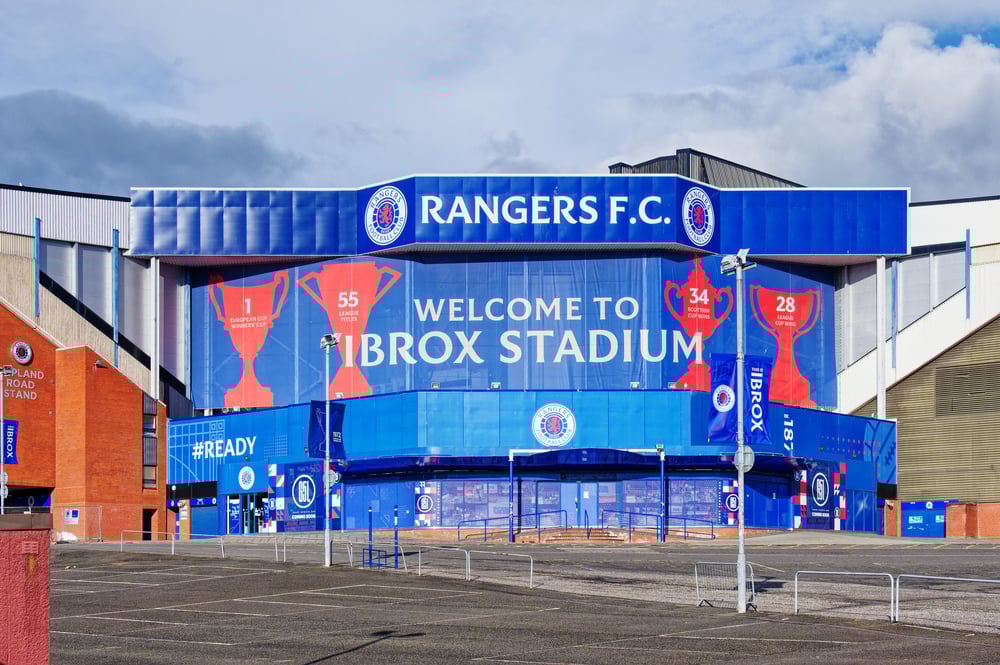
Glasgow Rangers’ Ibrox Stadium has experienced multiple disasters, with the most devastating occurring in 1971 when 66 people died in a stairway crush following an Old Firm derby against Celtic. The tragedy happened when fans leaving early heard a late goal and tried to return — colliding with those still exiting down the narrow concrete steps.
Earlier incidents at the same venue in 1902 and 1961 had already highlighted safety concerns, yet it took the 1971 disaster to prompt meaningful change. The tragedy led to comprehensive stadium redesign, improved crowd flow management, and the development of modern safety standards that influenced stadium construction across Britain and beyond.
Estadio Nacional (Peru)

Lima’s Estadio Nacional witnessed Peru’s worst sporting disaster in 1964 when 328 people died during riots following a disallowed goal in a match against Argentina. Police response included tear gas deployment in the crowded stadium — causing mass panic as fans rushed toward locked exits.
The combination of poor crowd control, inadequate emergency exits, and heavy-handed policing created a deadly situation that could’ve been prevented. This disaster highlighted the importance of proper emergency planning, appropriate security responses, and the need for multiple accessible exits in large venues, influencing stadium safety protocols throughout South America.
Luzhniki Stadium

Moscow’s Luzhniki Stadium experienced a deadly crush in 1982 when fans tried to leave during a UEFA Cup match against Dutch club Haarlem, resulting in 66 official deaths — though some estimates suggest higher casualties. The Soviet government initially covered up the incident, claiming only a few people were injured, but the truth eventually emerged years later.
Poor lighting, icy conditions, and narrow exits contributed to the tragedy when departing fans slipped and fell — creating a domino effect. The disaster led to improved stadium lighting, better maintenance of walkways, and enhanced emergency procedures, though reforms were delayed by the initial government cover-up.
Ellis Park Stadium

Johannesburg’s Ellis Park Stadium suffered a deadly crush in 2001 during a match between Orlando Pirates and Kaizer Chiefs — killing 43 people when too many fans were allowed into an already full venue. Overcrowding resulted from poor ticket control and inadequate crowd monitoring, with thousands of additional supporters entering through various means.
The tragedy occurred when panic spread through the overcrowded stands — causing a human crush near the exits. This disaster prompted significant improvements in South African stadium management, including better crowd control systems, improved communication between security personnel, and stricter enforcement of capacity limits.
Accra Sports Stadium

Ghana’s Accra Sports Stadium witnessed the country’s worst sporting disaster in 2001 when 127 people died during crowd violence following a match between Hearts of Oak and Asante Kotoko. Police fired tear gas into the packed stadium to control fighting fans — triggering a massive stampede toward exits that were either locked or too few in number.
The combination of rival team tensions, inappropriate crowd control methods, and inadequate emergency planning created a perfect storm for tragedy. The disaster led to comprehensive reforms in Ghanaian football, including improved crowd management training — better emergency procedures, and enhanced security protocols at sporting venues.
Estadio Mateo Flores

Guatemala City’s Estadio Mateo Flores became the site of tragedy in 1996 when 84 people died and over 100 were injured during a stampede before a World Cup qualifying match against Costa Rica. The disaster occurred when fans without tickets tried to force their way into the already packed stadium — causing those inside to panic and rush toward exits.
Inadequate crowd control outside the venue and overselling of tickets contributed to the dangerous overcrowding situation. This tragedy prompted significant changes in Central American football organization, including better pre-match planning — improved ticket distribution systems, and enhanced coordination between stadium management and local authorities.
Estadio Nacional Doroteo Guamuch Flores

Another Guatemalan venue, this stadium in Guatemala City experienced disaster during a 1996 World Cup qualifier when structural failure and overcrowding combined to create deadly conditions. Poor maintenance of the aging concrete structure — combined with far more spectators than the venue could safely handle, led to partial collapse and panic.
The incident highlighted widespread problems with stadium infrastructure throughout Central America, where many venues lacked proper engineering oversight and regular safety inspections. The disaster spurred regional efforts to improve stadium construction standards, implement regular structural assessments, and establish better oversight of sporting venue safety.
Kanjuruhan Stadium

Indonesia’s Kanjuruhan Stadium in Malang became the site of one of football’s deadliest disasters in 2022 when 135 people died following crowd violence after a match between Arema FC and Persebaya Surabaya. Police fired tear gas into the packed stadium to control pitch invasions, causing mass panic as fans rushed toward exits in a venue where many gates remained locked.
The tragedy exposed serious problems with Indonesian football security, including inappropriate use of crowd control methods and inadequate emergency planning. This recent disaster has prompted renewed global discussions about stadium safety protocols and the proper training of security personnel at sporting events.
Dasarath Rangasala Stadium

Nepal’s national stadium in Kathmandu experienced disaster in 1988 when a sudden hailstorm during a football match caused spectators to rush for cover, resulting in a deadly stampede that killed 93 people. The aging stadium’s limited covered areas and narrow exits couldn’t accommodate the sudden mass movement of fans seeking shelter from the severe weather.
Poor weather monitoring and lack of emergency procedures for natural events contributed to the tragedy. This disaster led to improved weather monitoring systems at outdoor venues, better emergency shelter protocols, and enhanced crowd management procedures for dealing with unexpected natural phenomena.
Estadio Cuscatlán

El Salvador’s largest stadium witnessed tragedy in 1982 during a match when overcrowding and poor crowd control led to a deadly crush that killed multiple spectators. The incident occurred when far more fans were allowed into the venue than it could safely accommodate, creating dangerous conditions throughout the stands.
Limited exits and inadequate crowd management training for security personnel made the situation worse when panic began to spread. The disaster prompted improvements in Central American stadium safety, including better capacity management, enhanced security training, and improved coordination between different agencies responsible for event safety.
Estadio Nacional (Honduras)
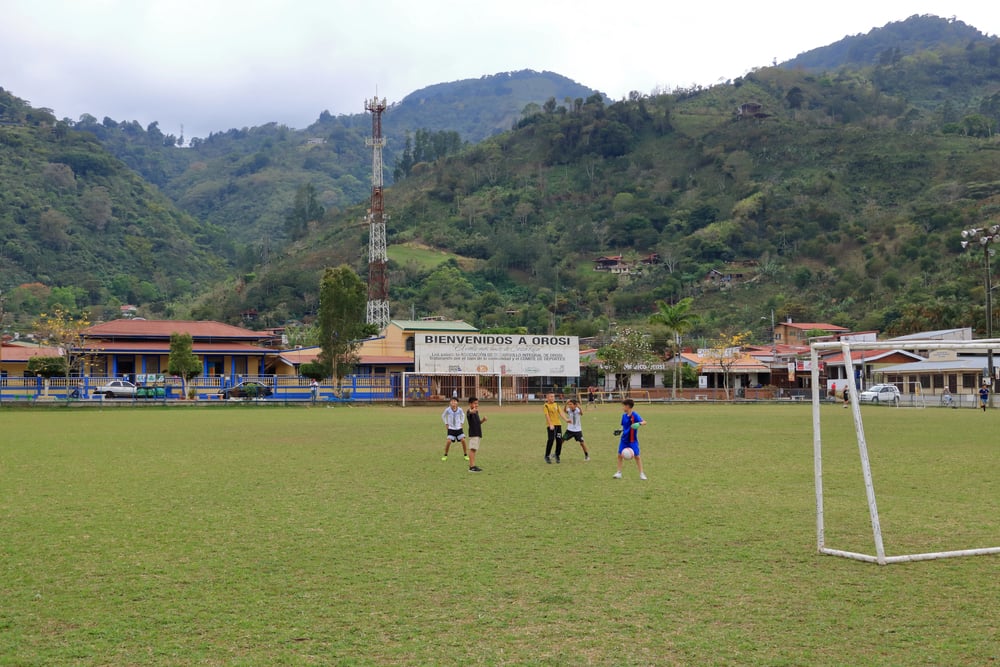
Honduras’ national stadium in Tegucigalpa has experienced multiple incidents related to overcrowding and crowd violence, with the most serious occurring during high-profile matches when inadequate security and poor crowd control created dangerous conditions. The aging infrastructure and limited emergency exits have been ongoing concerns for safety officials.
Problems with ticket distribution and crowd management have repeatedly led to situations where the venue becomes dangerously overcrowded. These recurring issues have highlighted the need for comprehensive stadium renovation, improved security training, and better coordination between various agencies responsible for event safety in Honduras.
Echoes of Tragedy, Foundations of Safety
These 14 stadiums serve as sobering reminders that the joy of sports can quickly turn to tragedy when safety takes a back seat to excitement and tradition. Each disaster taught the sporting world valuable lessons about crowd psychology, structural integrity, and emergency preparedness that continue to protect fans today.
The regulations governing modern stadium design — from capacity limits to exit requirements — exist because previous generations learned these lessons through heartbreak and loss. While we can never completely eliminate risk from large public gatherings, the safety measures born from these tragedies help ensure that going to the game remains one of life’s great pleasures rather than a dangerous gamble.
More from Go2Tutors!

- The Romanov Crown Jewels and Their Tragic Fate
- 13 Historical Mysteries That Science Still Can’t Solve
- Famous Hoaxes That Fooled the World for Years
- 15 Child Stars with Tragic Adult Lives
- 16 Famous Jewelry Pieces in History
Like Go2Tutors’s content? Follow us on MSN.