16 Vintage Luggage Stickers That Preserve Defunct Airline Brands
Before boarding passes lived on phones, an airline announced itself on the side of a suitcase. Gummed paper labels turned every trunk and valise into a small rolling billboard, and travelers wore them like badges.
Labels peaked from the 1920s through the Second World War, when they were designed to be admired as much as to advertise.
Many of the carriers behind these labels no longer exist. That makes the paper scraps some of the last printed evidence of their branding, and some of the sharpest records of how airlines wanted to be seen.
Pan Am’s Winged Globe
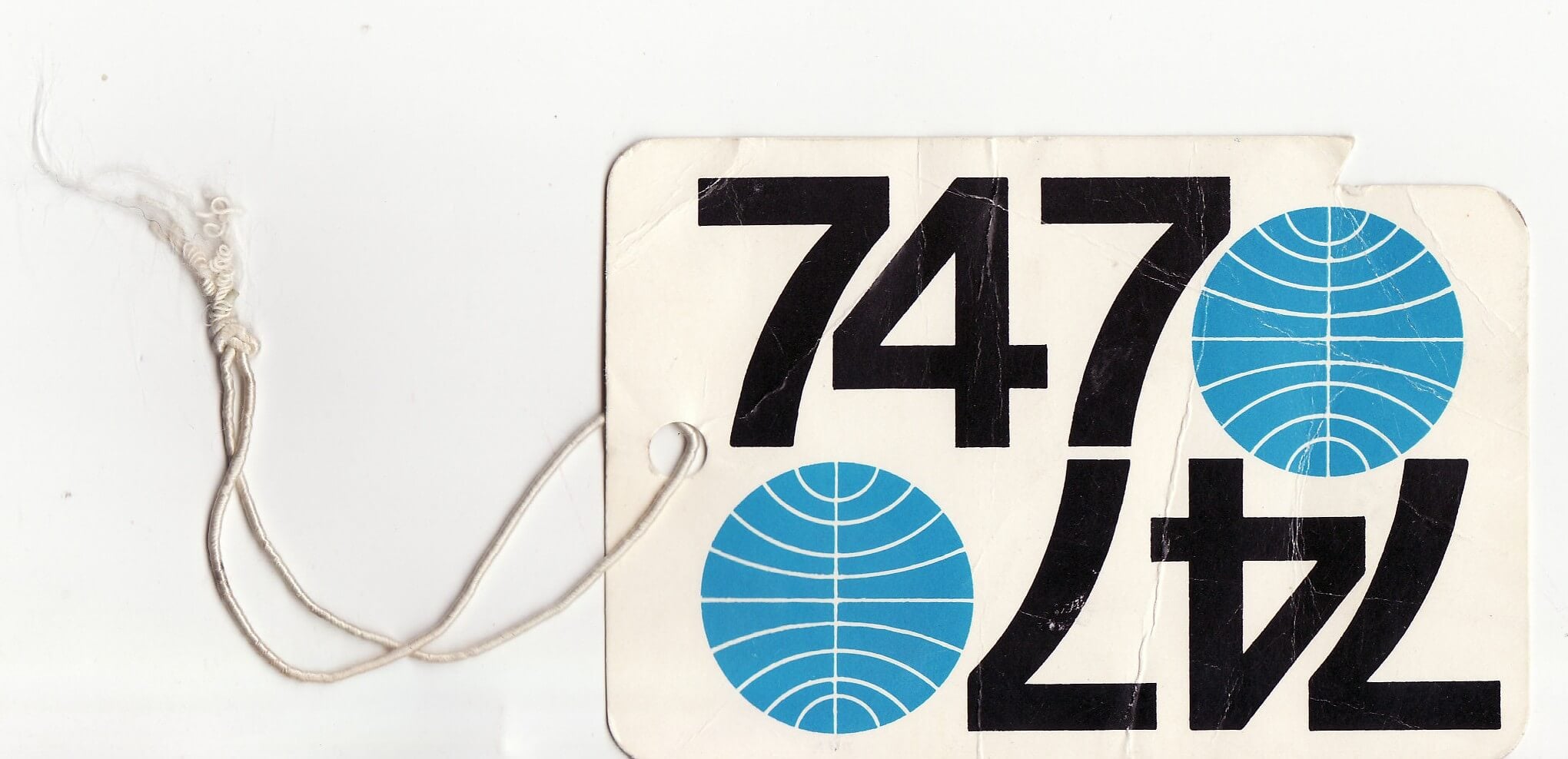
Pan American labels from the 1940s carried a winged globe and the claim that it was the world’s most experienced airline. A separate label from the Pan American Airways System used the Spanish phrase “Enlazando Las Americas,” meaning linking the Americas, aimed at travelers in Latin America.
Pan Am ceased operations on December 4, 1991, so both labels now describe a company no one can book.
TWA’s Red and White Globe
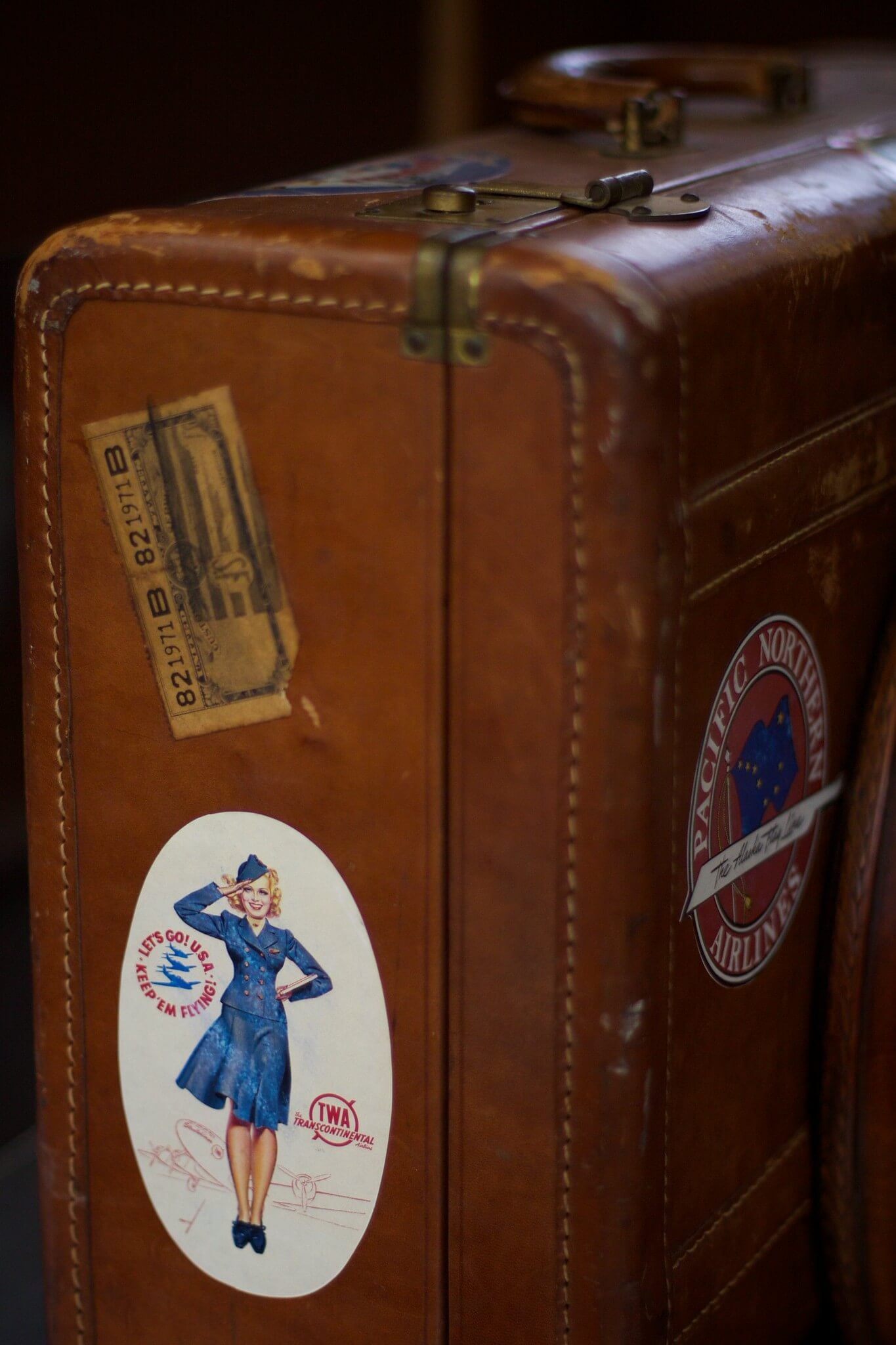
Trans World Airlines labels used a red and white globe, a design that read clearly from across a crowded baggage hall. American Airlines bought the carrier out of bankruptcy in 2001 and retired the name.
Every surviving globe therefore records a brand with no successor carrying it forward.
Braniff’s Red and White Labels
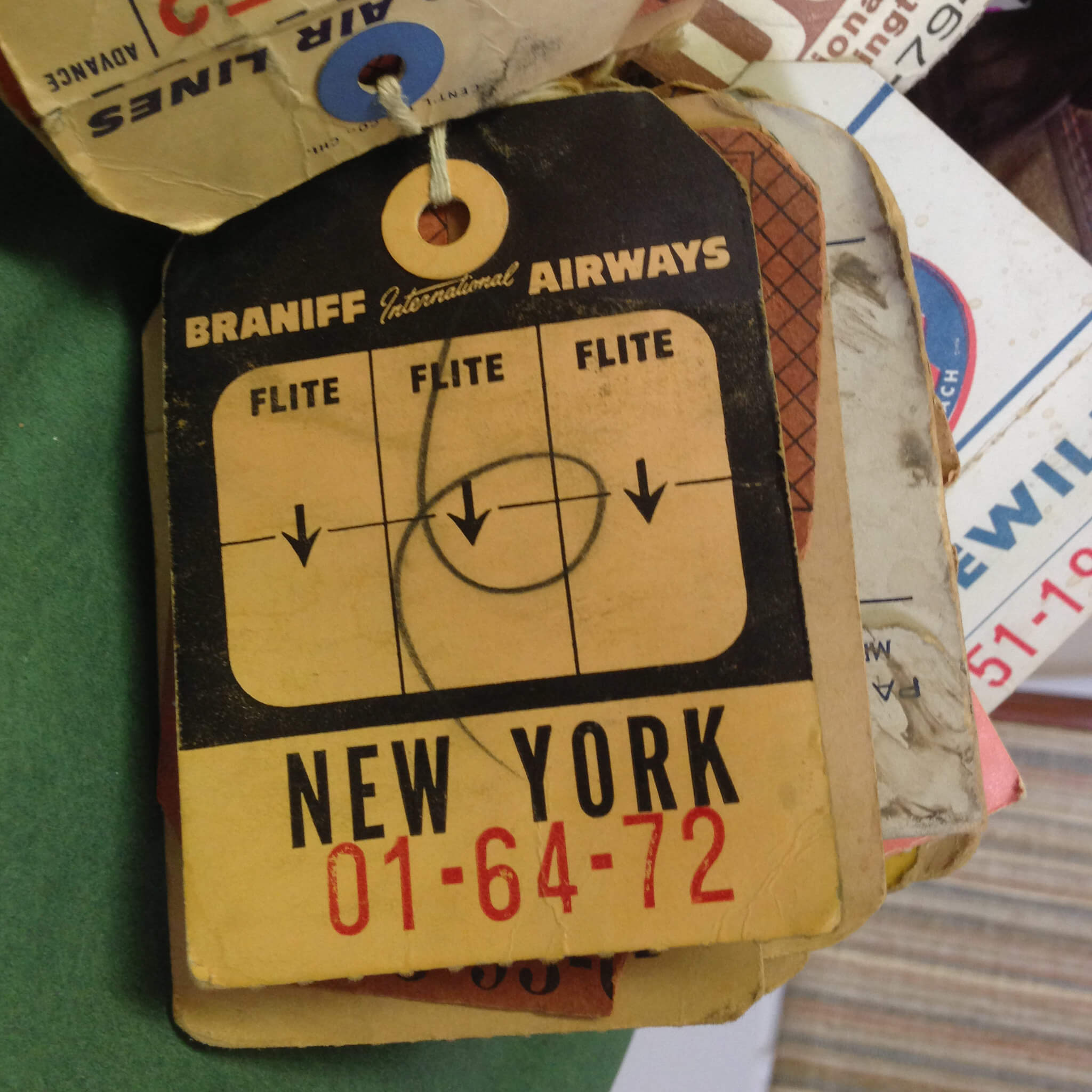
Braniff labels from the 1940s and 1950s often appear in red and white, a palette that now signals mid-century air travel at a glance. Mid-Continent Airlines merged with Braniff in 1952, so labels from before and after that year reflect two quite different route networks.
The airline stopped flying in May 1982.
Eastern Air Lines and a World’s Fair
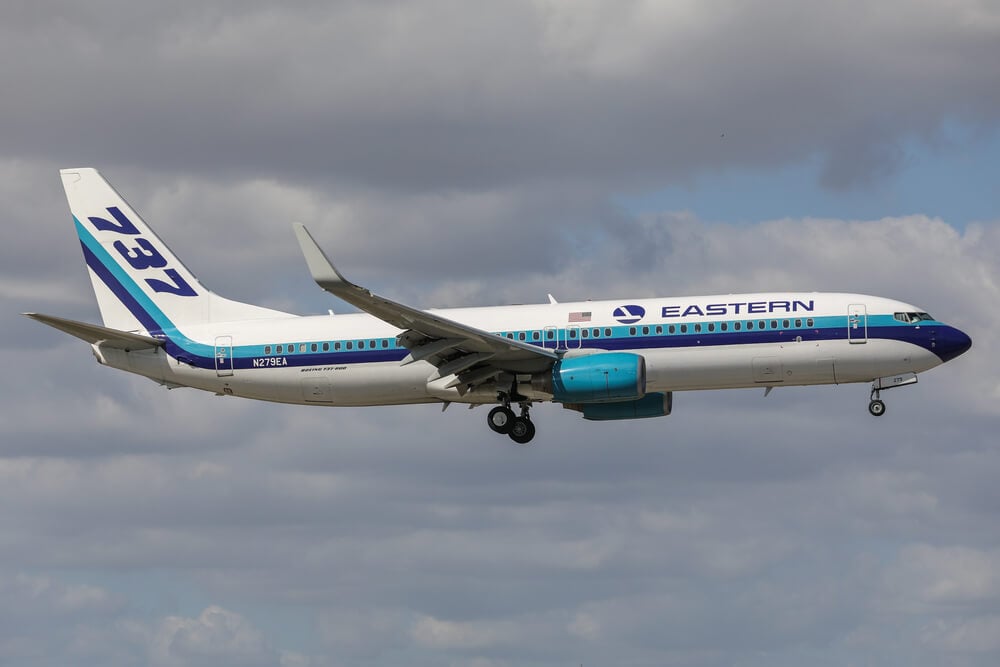
Eastern Air Lines ceased operations on January 18, 1991. Among its surviving labels is one produced for a New York World’s Fair, a reminder that fairs were prime places to put an airline’s name in front of crowds.
A label tied to a specific event is easier to date than most, which collectors tend to appreciate.
Sabena’s Deco and Rocket Designs
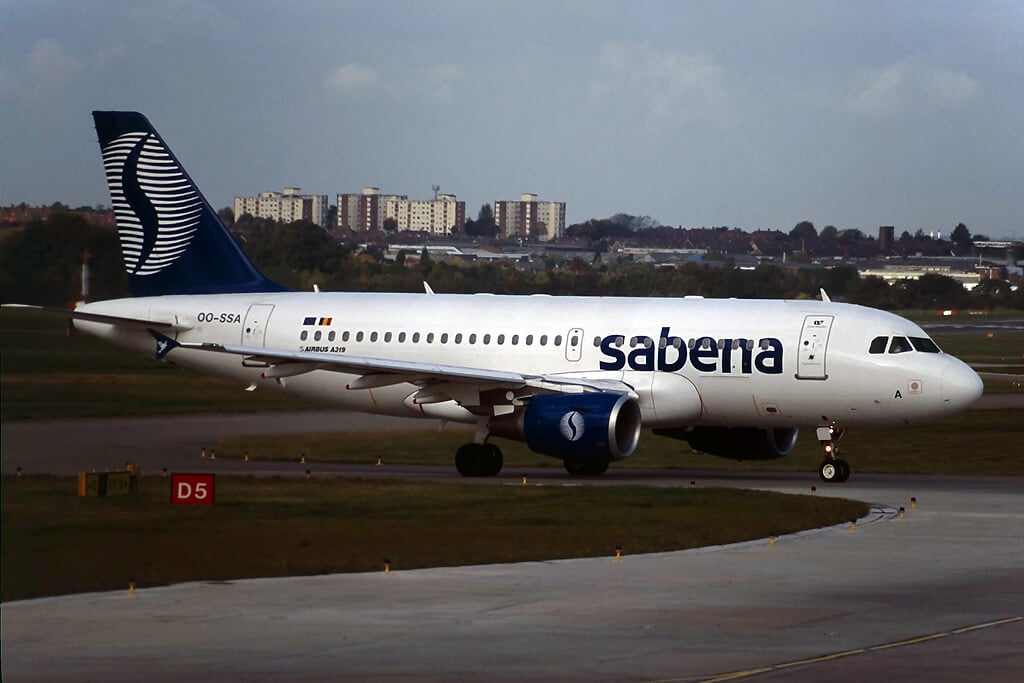
Sabena, the Belgian carrier founded in 1923, issued labels in Art Deco styling and others built around a rocket motif. The airline went bankrupt on November 7, 2001, ending a 78-year history.
The labels outlived it by decades of collecting.
Swissair’s Grounded Fleet
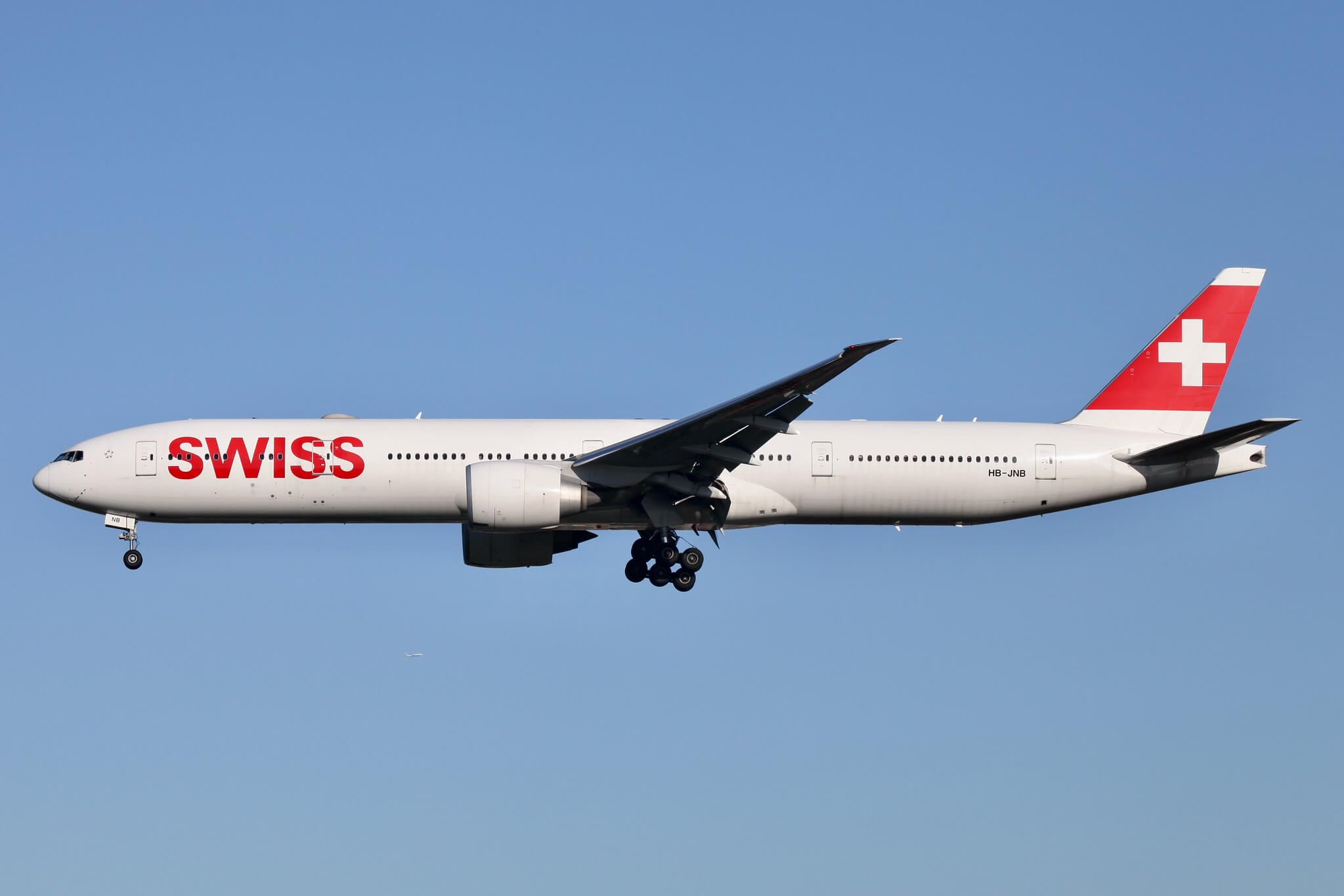
Swissair was grounded on October 2, 2001, and ceased operations in March 2002. Swiss International Air Lines launched in 2002 as a successor, so the old labels belong to a brand that was replaced rather than simply abandoned.
Few carriers have gone from a trusted national symbol to a historical artifact in so short a span.
Imperial Airways Before the Speedbird Era
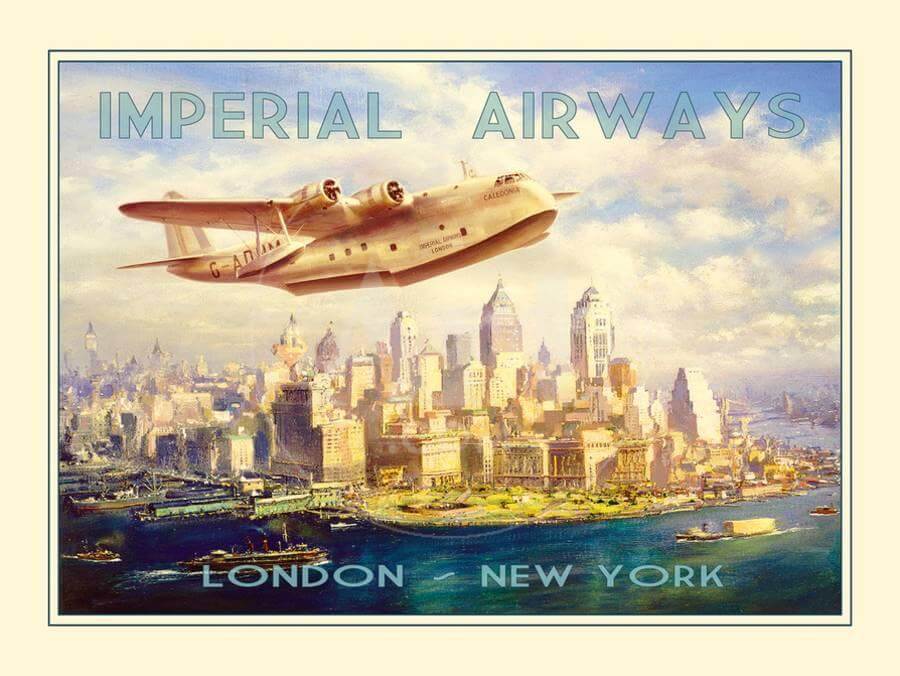
Imperial Airways flew from 1924 to 1939 and merged into BOAC on November 24, 1939. BOAC adopted the Speedbird logo that Imperial Airways had used, so the emblem outlived the company that created it.
Labels from the Imperial years capture the earliest era of long-distance passenger flying.
Olympic Airways
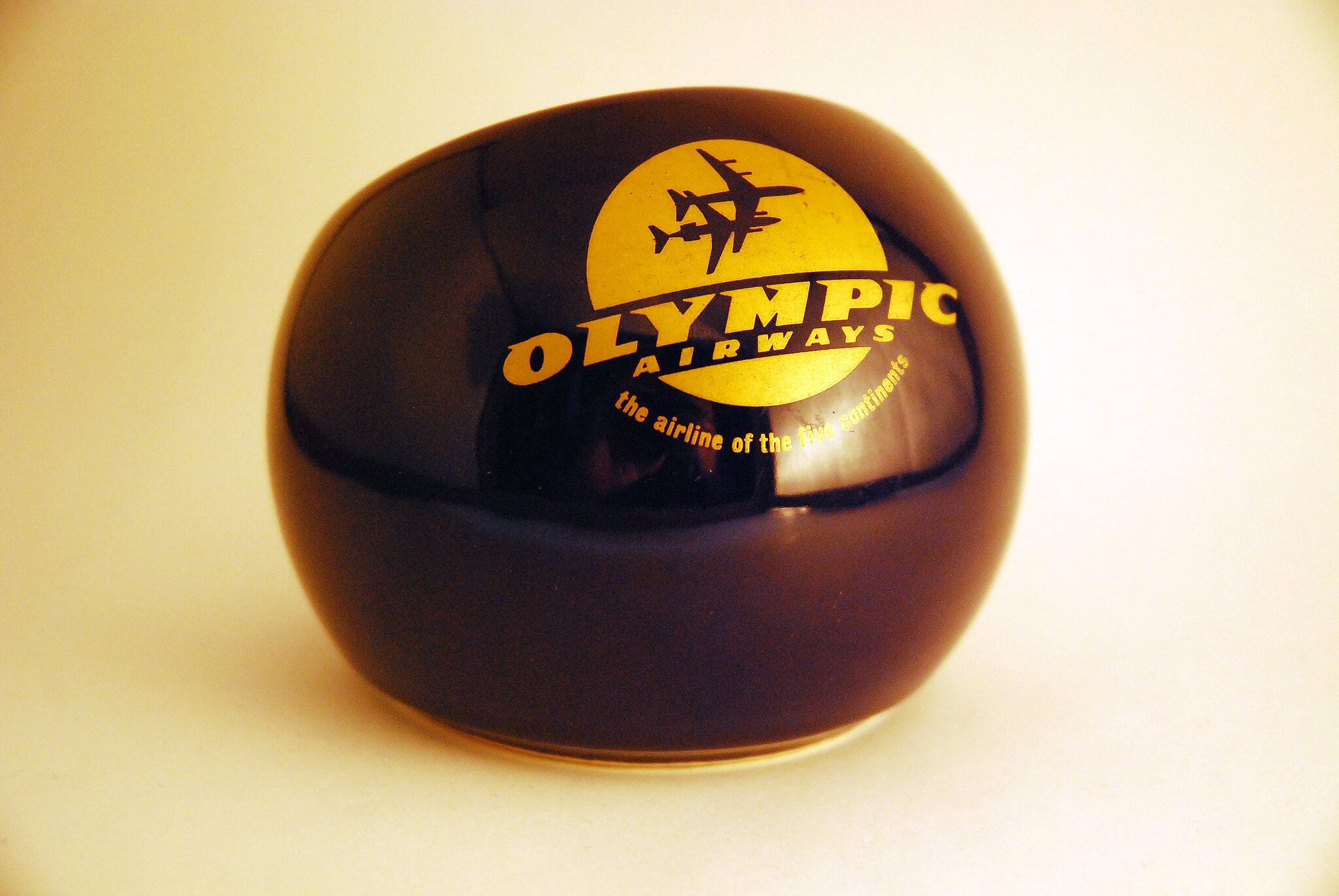
Olympic Airways flew from 1957 until 2009, a run of more than five decades as Greece’s flag carrier. Its labels preserve a name that vanished from airport departure boards after the airline’s operations ended.
For travelers who flew it, the label is often the only physical souvenir left.
Malév of Hungary
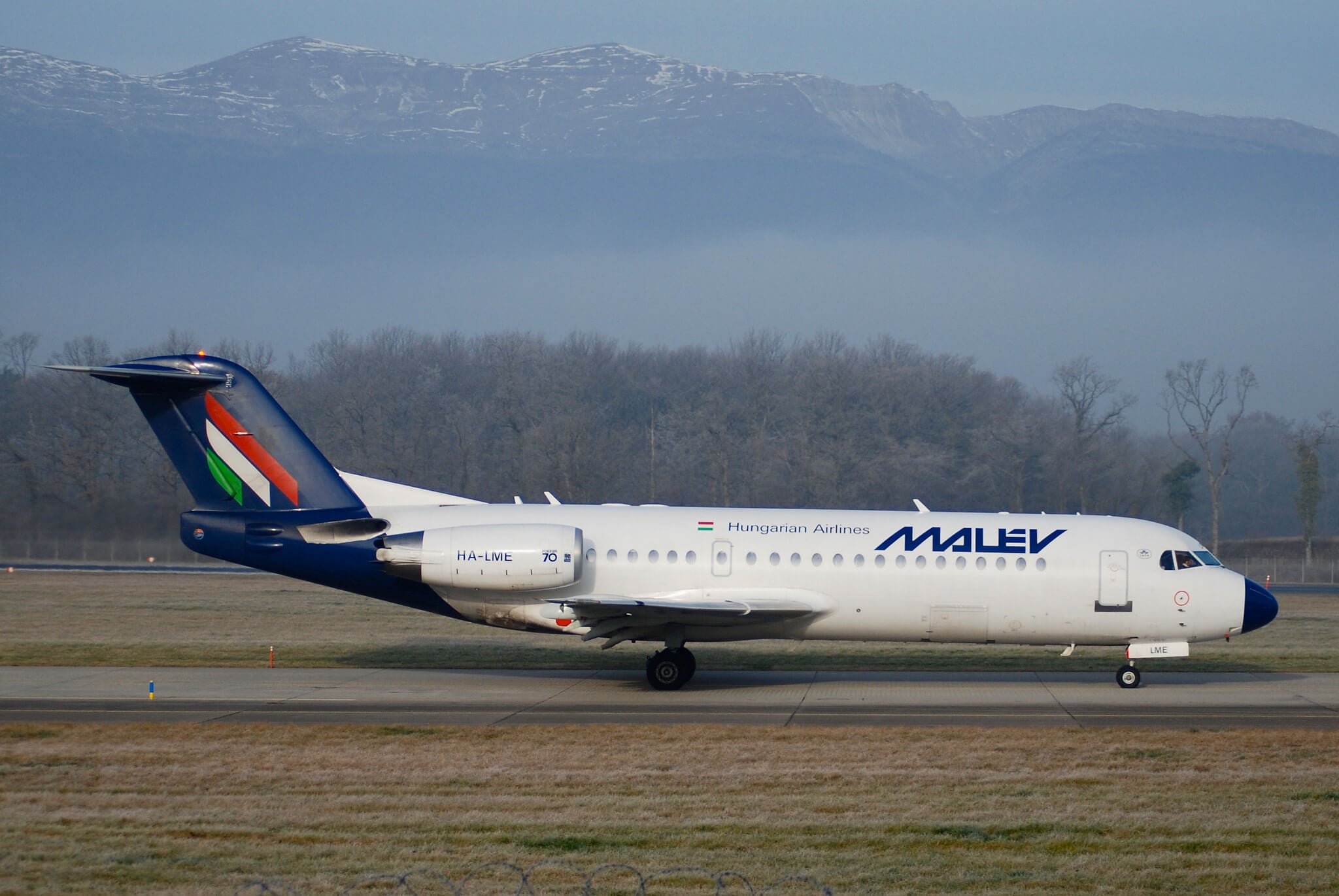
Malév was founded in 1946 and ceased operations in February 2012. Labels from the Hungarian airline span the Cold War and the years that followed, when its network reached across a divided Europe.
The collapse left a gap in Budapest’s air connections that other carriers had to fill.
Ansett Australia
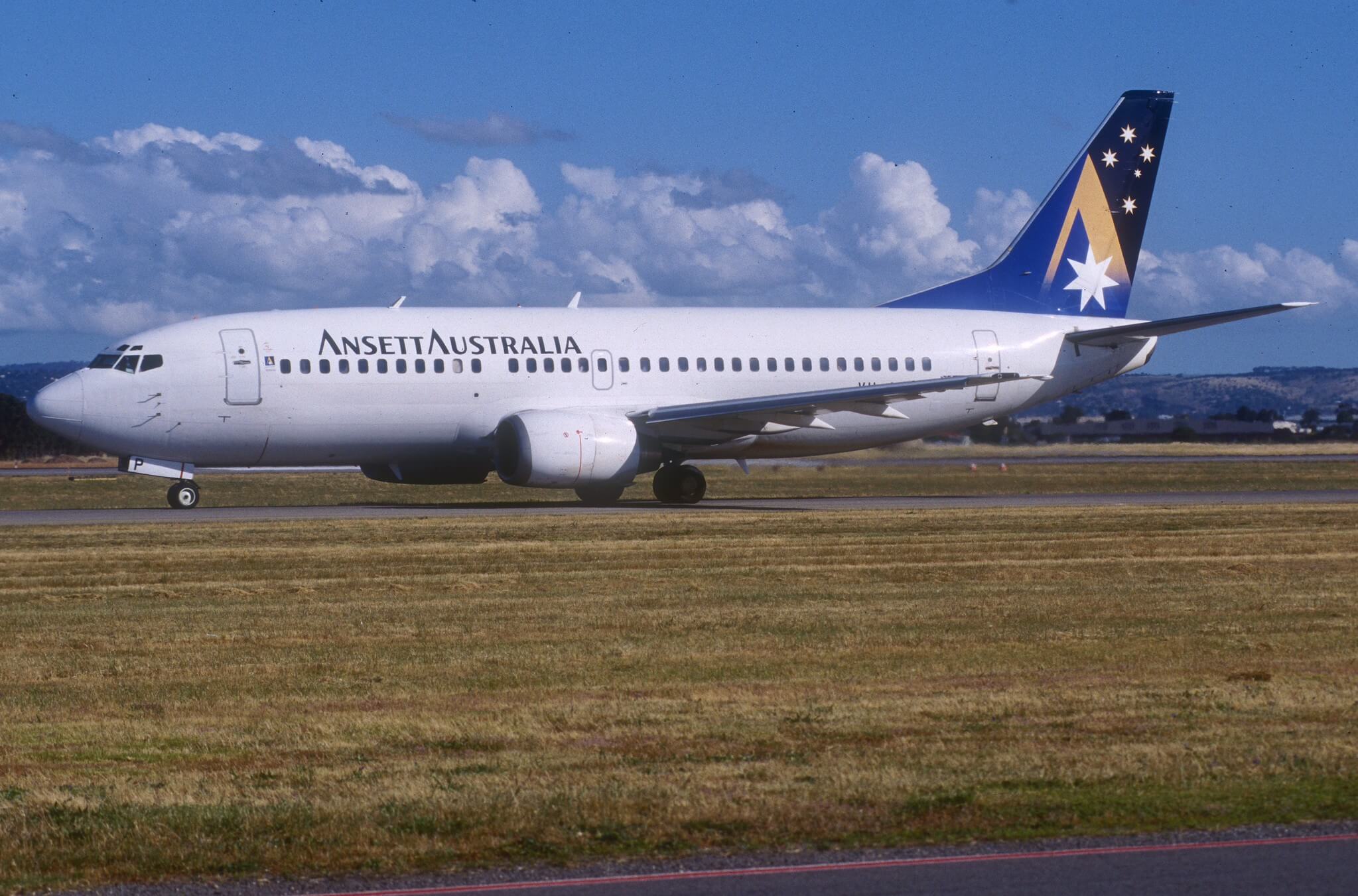
Ansett began in 1936 and shut down in September 2001, bringing a 65-year run to an abrupt end. The airline had been one of the most recognizable names in Australian aviation.
Its labels now stand in for a brand many Australians remember from childhood trips.
SCADTA of Colombia
A 1927 label from SCADTA, the Colombian airline, is considered rare among collectors. Its age puts it among the earliest airline labels a collector can realistically hope to find.
Pieces from the 1920s are typically harder to locate in good condition than those from the postwar boom.
Allegheny Airlines
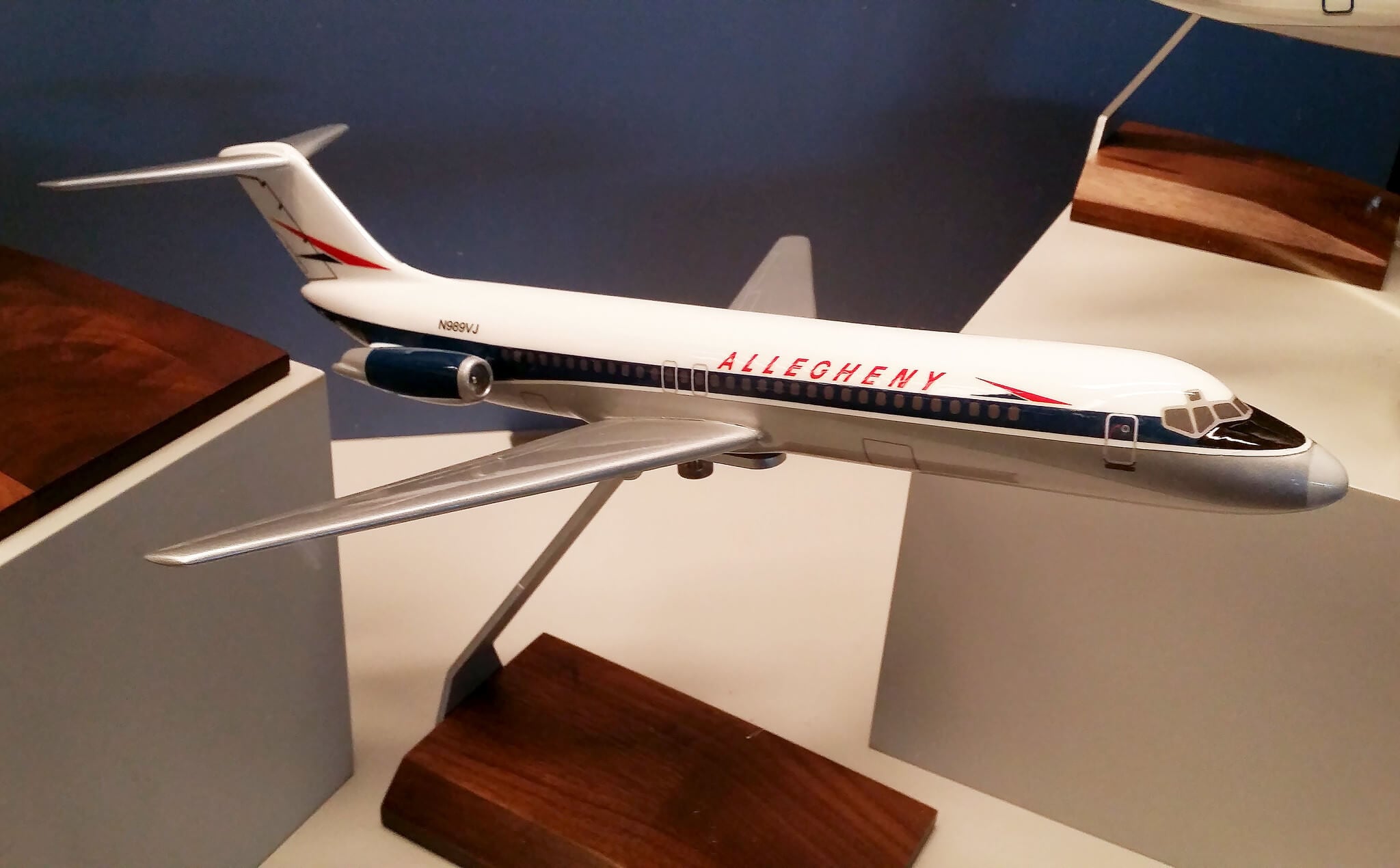
The San Diego Air & Space Museum holds a luggage-label collection covering 1920 to 1960, mostly from before the Second World War. One label from Allegheny Airlines carries the slogan “Airline of the Executives,” a pitch aimed squarely at business travelers.
The slogan shows how early carriers already segmented their audiences.
Bonanza Airlines
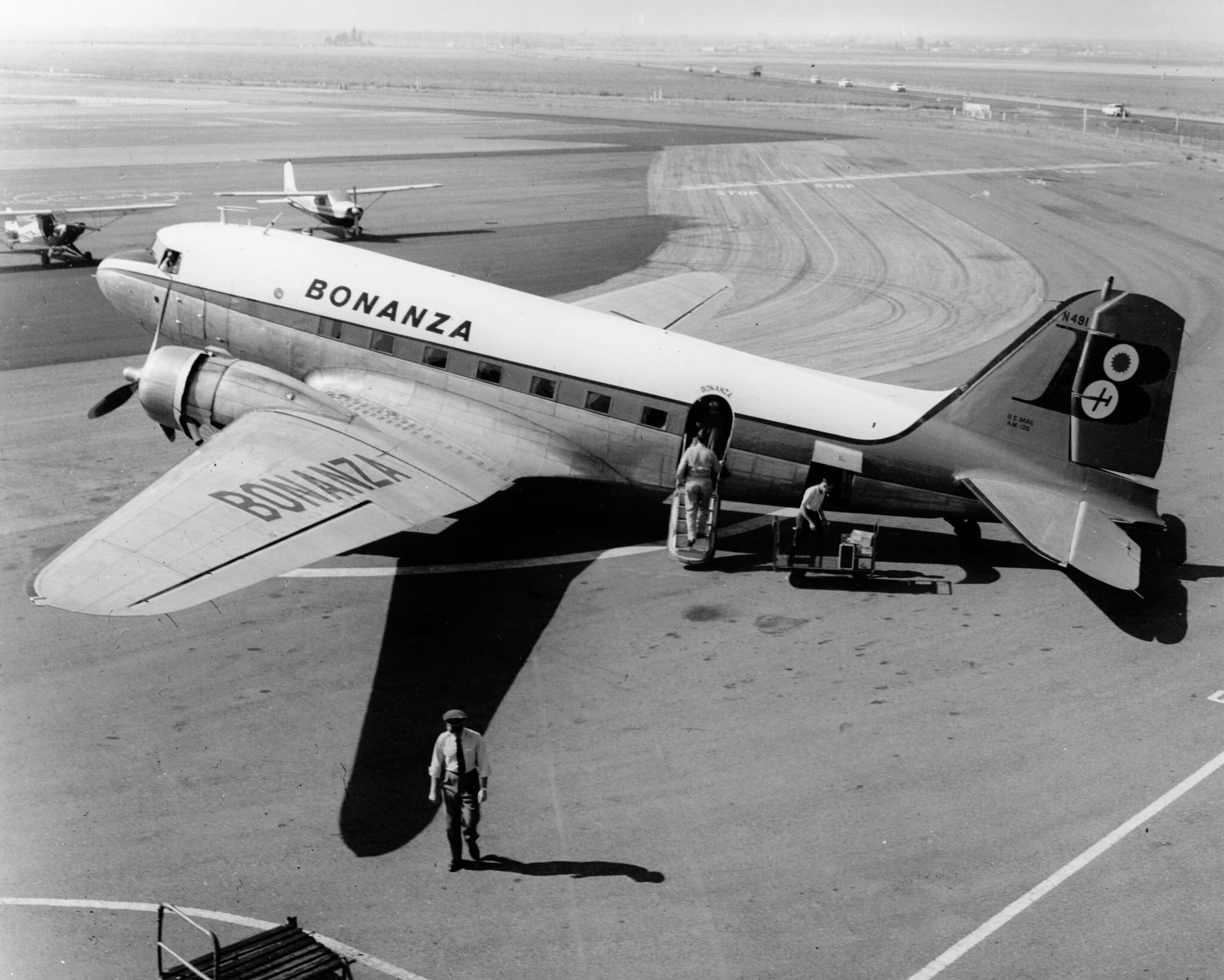
Another label in the San Diego collection comes from Bonanza Airlines and promotes “BonanzaLand U.S.A.” The name leaned on a western, prospecting theme to make the destination sound like an adventure.
It is the kind of branding that modern carriers rarely attempt.
Robertson Airline Labels
A Robertson label in the same museum collection advertises “Mail, passenger, express,” a three-part service list that reflects how early airlines survived on cargo as much as on seats. Early carriers often depended on mail contracts to stay solvent.
The label’s plain wording makes the business model easy to read.
Stout Airlines
Stout Airlines is represented in the San Diego collection by a label from the pre-war period, when small carriers competed for scarce passengers. These early labels were often produced in modest quantities.
That scarcity is part of what makes surviving examples interesting.
Gilpin Airlines
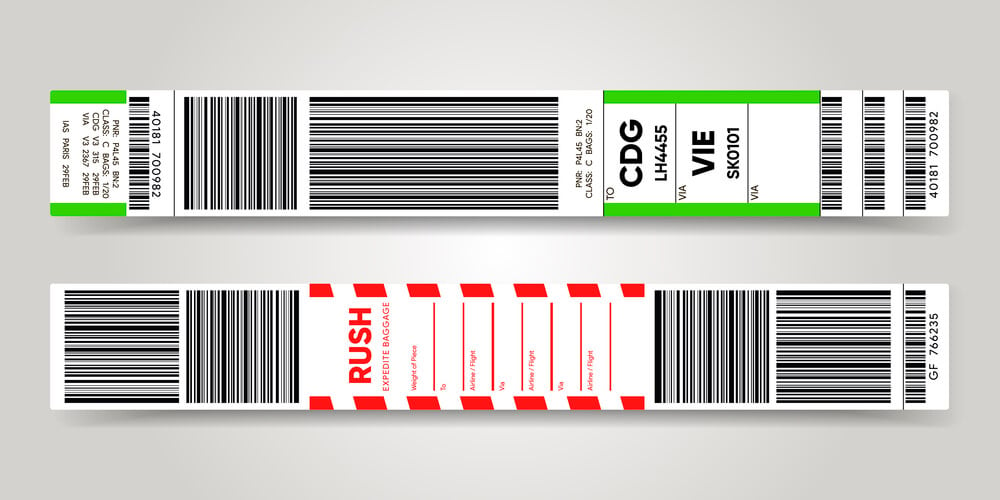
A Gilpin Airlines label in the collection lists destinations that include Los Angeles, Agua Caliente and Long Beach. A route printed straight onto the label turned a piece of luggage into a travel itinerary.
It also pins the carrier to a specific stretch of the California coast.
Paper That Outlived the Planes
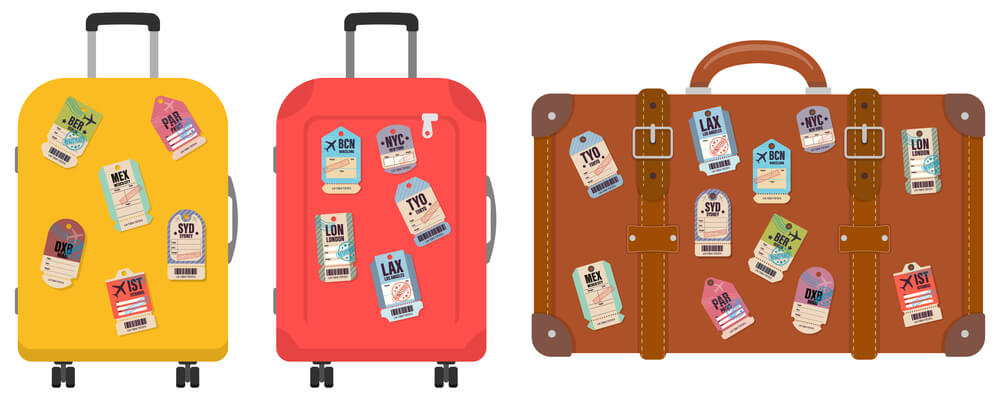
A luggage label was never meant to last. It was meant to survive a trip, then peel off or fade with the suitcase it was stuck to.
That so many have survived is a quiet argument that people kept what they found beautiful. Condition drives the value of any collectible label, and prices vary widely with tears, fading, glue stains and whether the label was ever applied.
A clean, unused example from a vanished airline preserves both a design and a story that no timetable ever captured.
More from Go2Tutors!

- 27 Silver Dollars and Half Dollars Worth Keeping
- 28 Restaurant Menu Items Nobody Orders Anymore
- 17 Places Built in Seemingly Impossible Spots
- 27 Vintage Rings Worth More Than They Look
- 25 Restricted Sites Tourists Can’t Enter
Like Go2Tutors’s content? Follow us on MSN.