30 Forgotten Toy Brands Found in Mixed Boxes
Every estate sale and attic cleanout produces the same kind of box: a jumble of plastic figures, tin vehicles, and dolls with faded faces. Buried among the famous names are the marks of companies that once filled toy aisles and later vanished.
Learning to read those marks turns a box of clutter into a small museum. The brands below were real, widely sold, and now mostly forgotten outside collector circles.
Mego
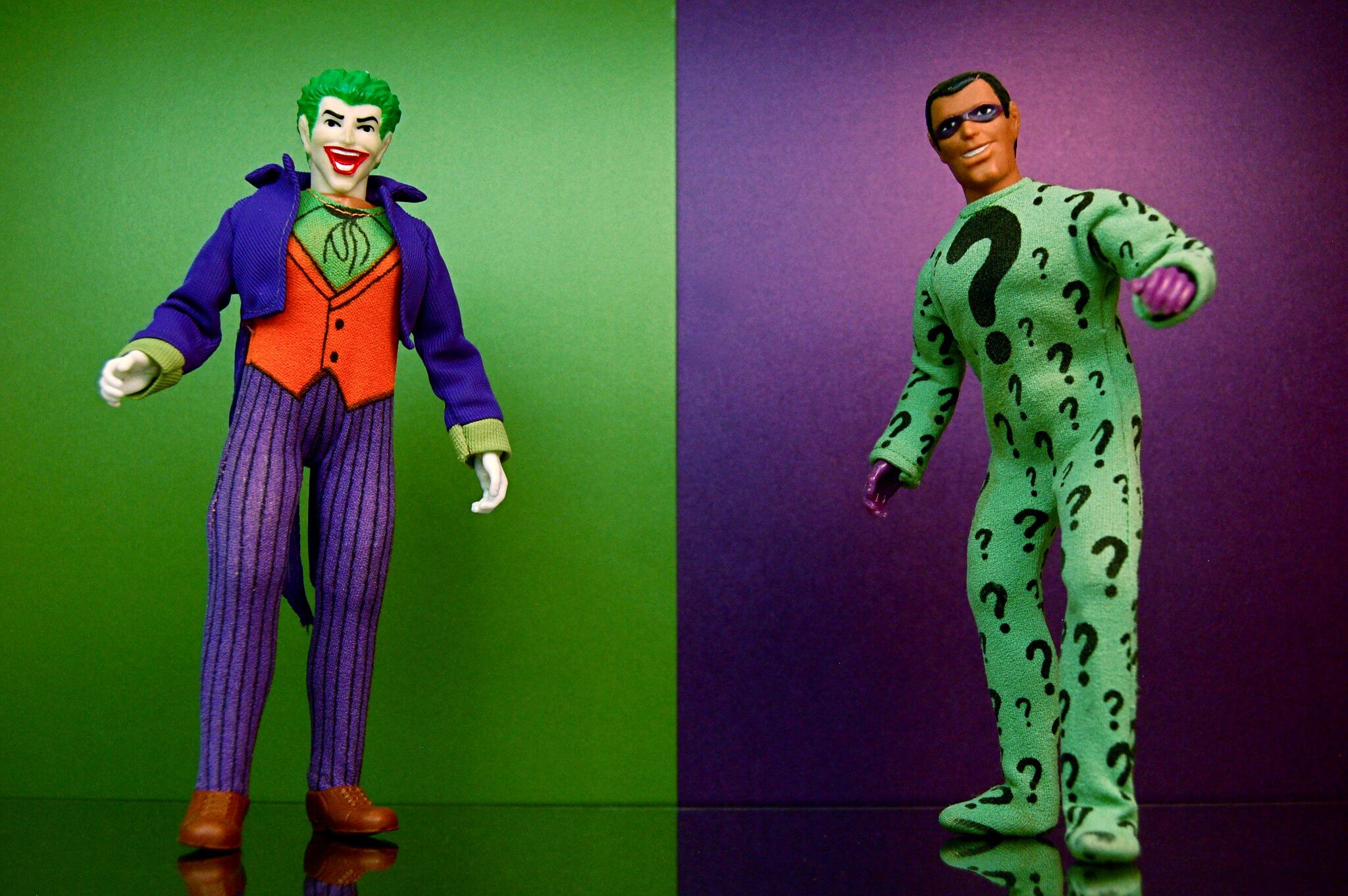
Mego was founded in 1954 by D. David Abrams and Madeline Abrams as a seller of inexpensive dime-store toys. In the 1970s, it became the leading maker of eight-inch licensed action figures, including superheroes from both DC and Marvel.
Mego filed for bankruptcy in 1982 and ceased to exist in 1983.
Mego’s World’s Greatest Super Heroes
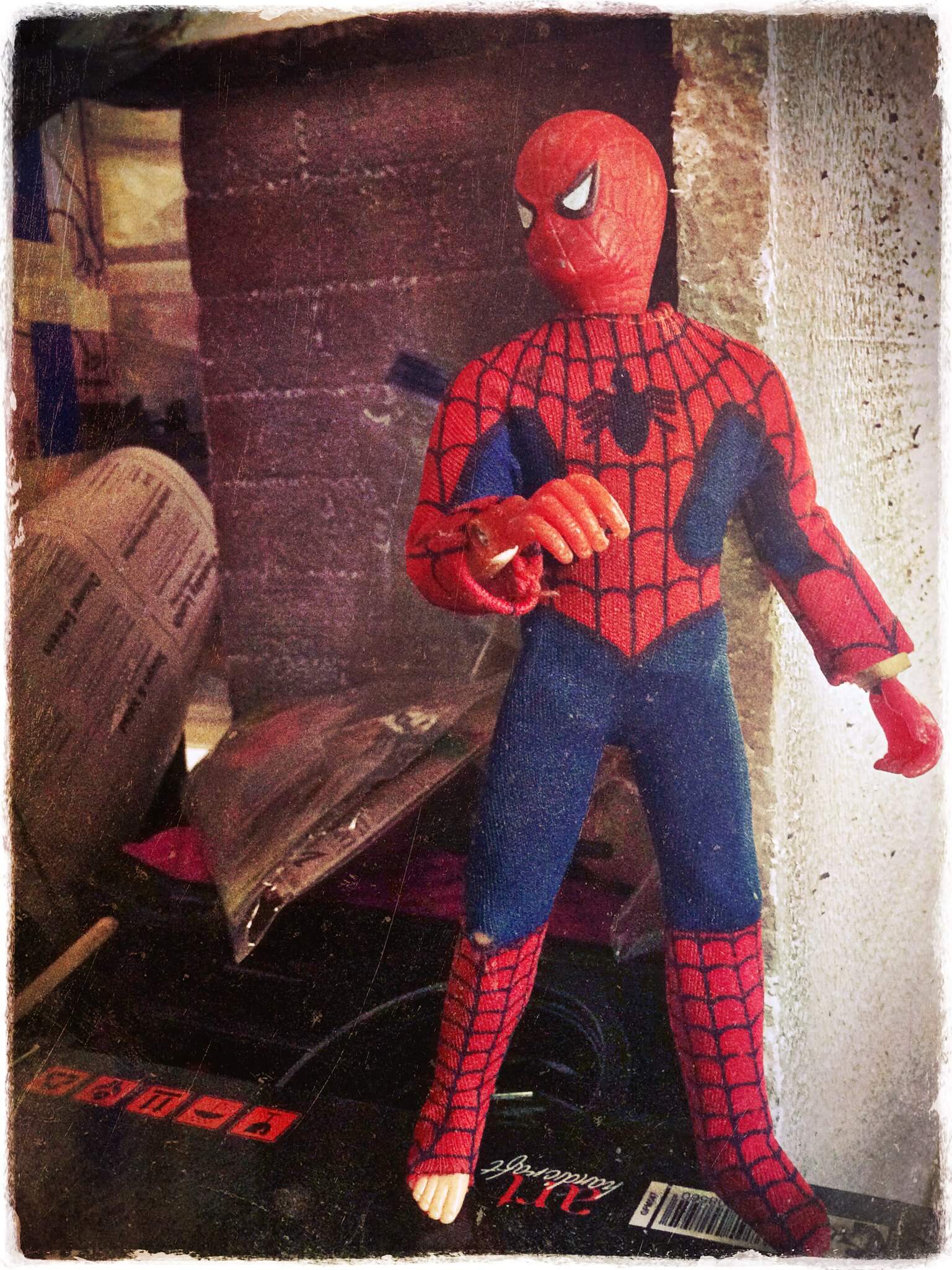
Mego began its World’s Greatest Super Heroes line in 1972 and continued it until the company closed in 1983. The figures wore cloth costumes and shared interchangeable bodies.
They are among the most sought-after vintage action figures today.
Mego’s Micronauts
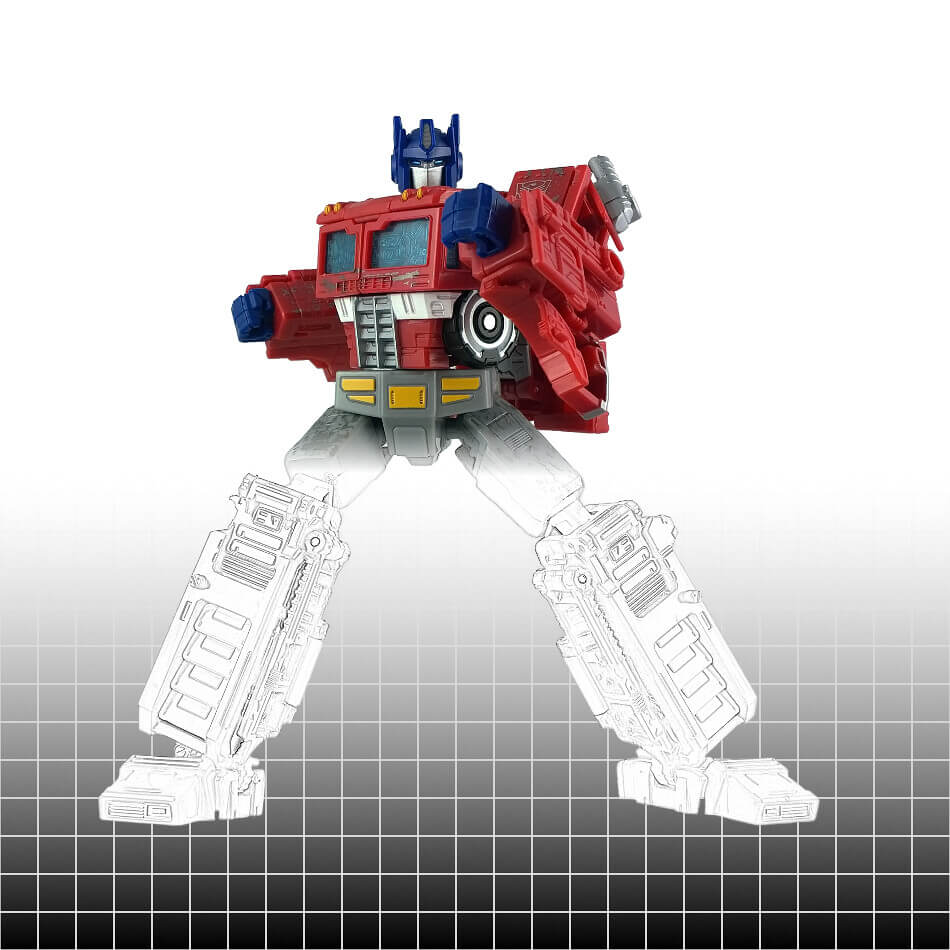
The Micronauts line brought small robot toys from the Japanese company Takara to American children under the Mego name. The line stayed central to the Mego story long afterward, including the company’s 2018 relaunch.
Finding a boxed figure in a mixed lot is a significant discovery.
Topper Toys
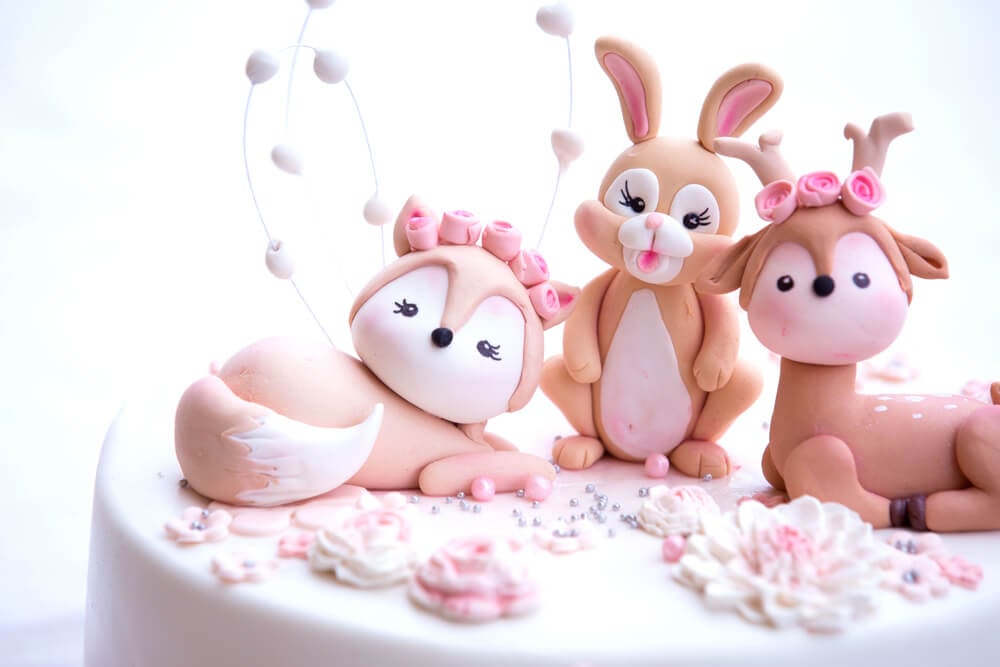
Topper Corporation, founded by Henry Orenstein, began in 1951 as Deluxe Toy Creations and later became Deluxe Reading and then Topper Toys. It produced toys under many brand names, including Johnny Lightning, Dawn dolls, and Suzy Homemaker.
The company closed in 1971 and went into bankruptcy in 1973.
Topper’s Dawn Dolls
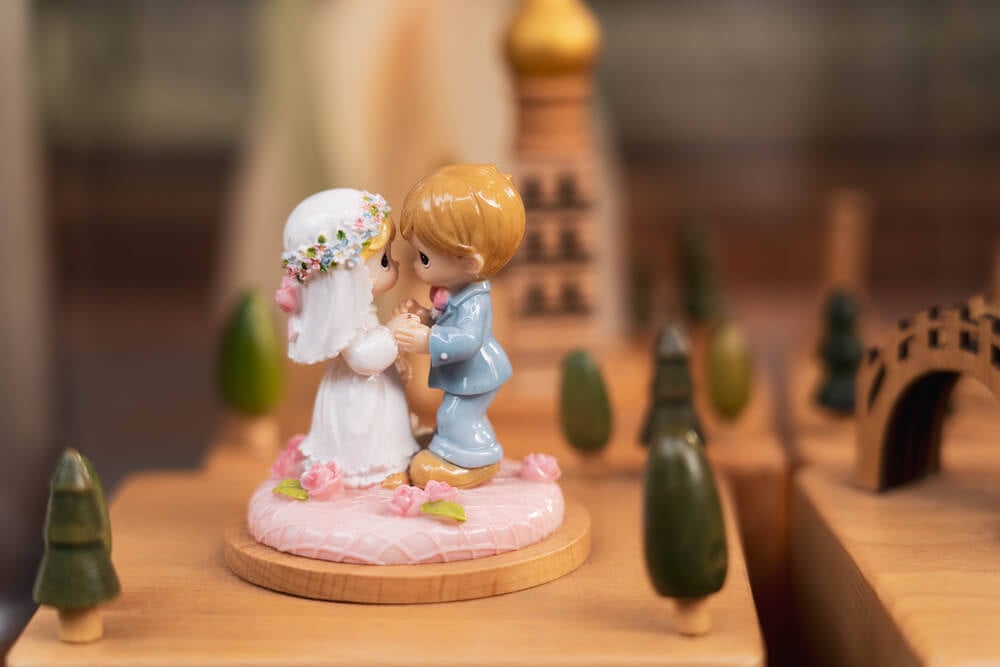
Dawn dolls were small fashion dolls introduced by Topper in 1970 and aimed at girls who wanted something more portable than larger dolls. The line included many outfits and accessories that fit in a tiny case.
A loose Dawn in a mixed box often points to a nearby set of clothes.
Topper’s Suzy Homemaker
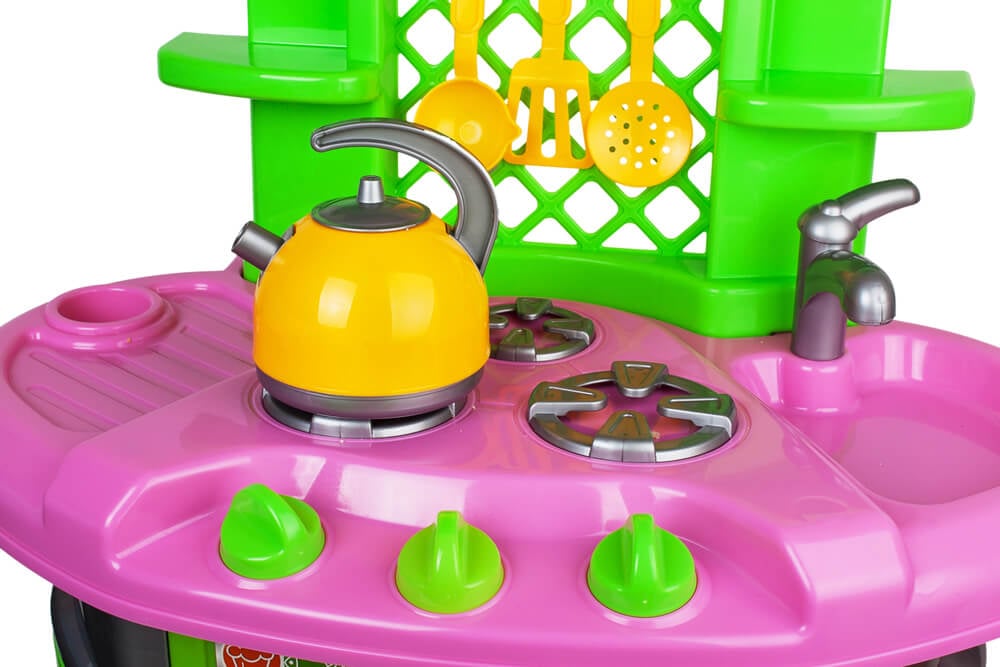
Suzy Homemaker was one of the brand names under which Topper sold toys for girls in the 1960s, built around miniature household items. The line let children copy the chores of the adults around them.
A small Suzy Homemaker piece in a mixed box points to a Topper childhood.
Topper’s Johnny Lightning Cars

Johnny Lightning scale model cars were released by Topper in 1969 as a competitor to Mattel’s Hot Wheels. The cars had smooth, fast wheels and bold colors.
The brand became a respected line among collectors long after Topper’s demise.
Deluxe Reading Grocery Store Dolls
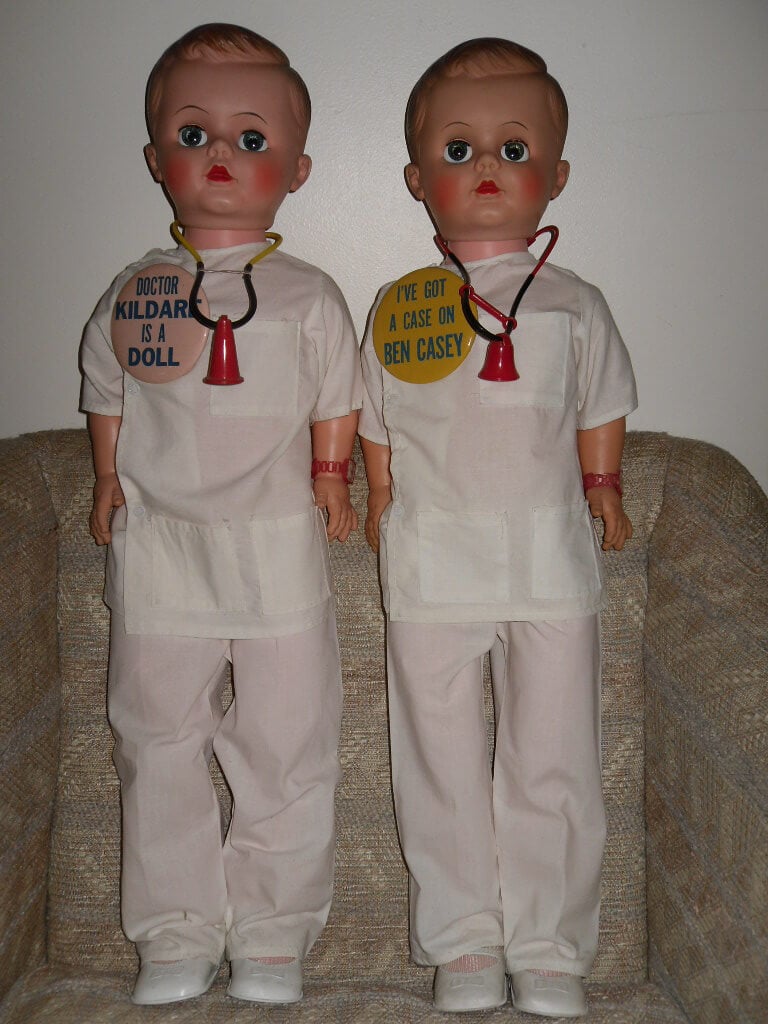
Deluxe Reading dolls were sold in supermarkets from the 1950s through the 1970s and are often called grocery store dolls. Their accessible price and location made them a regular household purchase.
A box of mixed dolls from the era often includes at least one.
Coleco
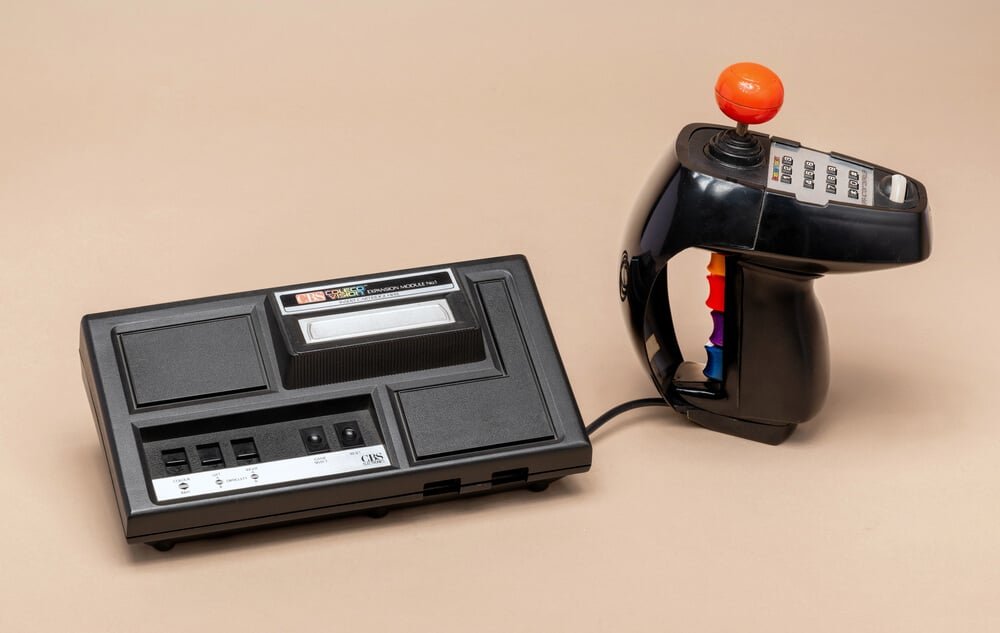
Coleco began in 1932 as the Connecticut Leather Company, selling shoe repair supplies and leather craft kits in West Hartford. The company shifted to plastics and toys in the 1950s, known especially for above-ground swimming pools.
It filed for bankruptcy in 1988 after the failure of its Adam computer and a drop in video game sales.
Louis Marx and Company
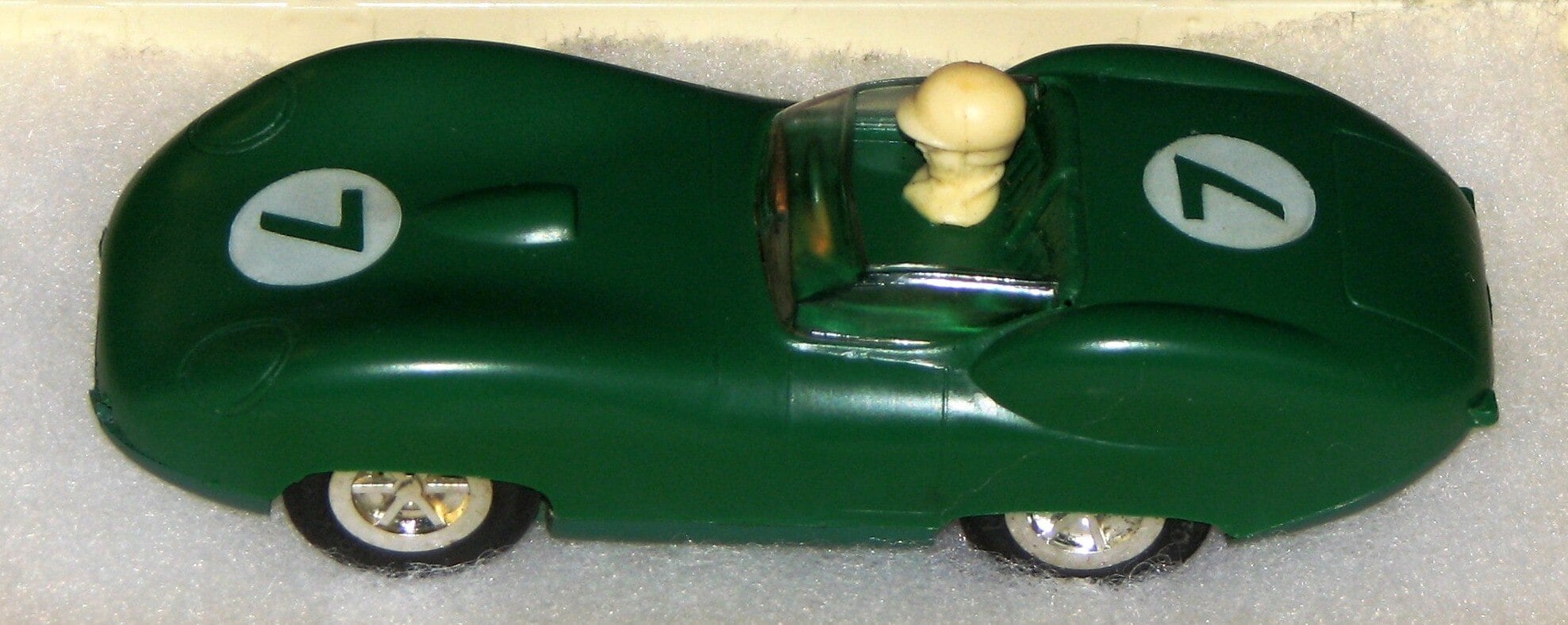
Louis Marx and his brother David founded their company in 1919, and it grew into one of the largest toy manufacturers in the world. The firm made tin windups, plastic playsets, Big Wheel tricycles, and Rock ‘Em Sock ‘Em Robots in 1964.
Marx sold the company to Quaker Oats in 1972, and the last factory closed in 1980.
Plastimarx
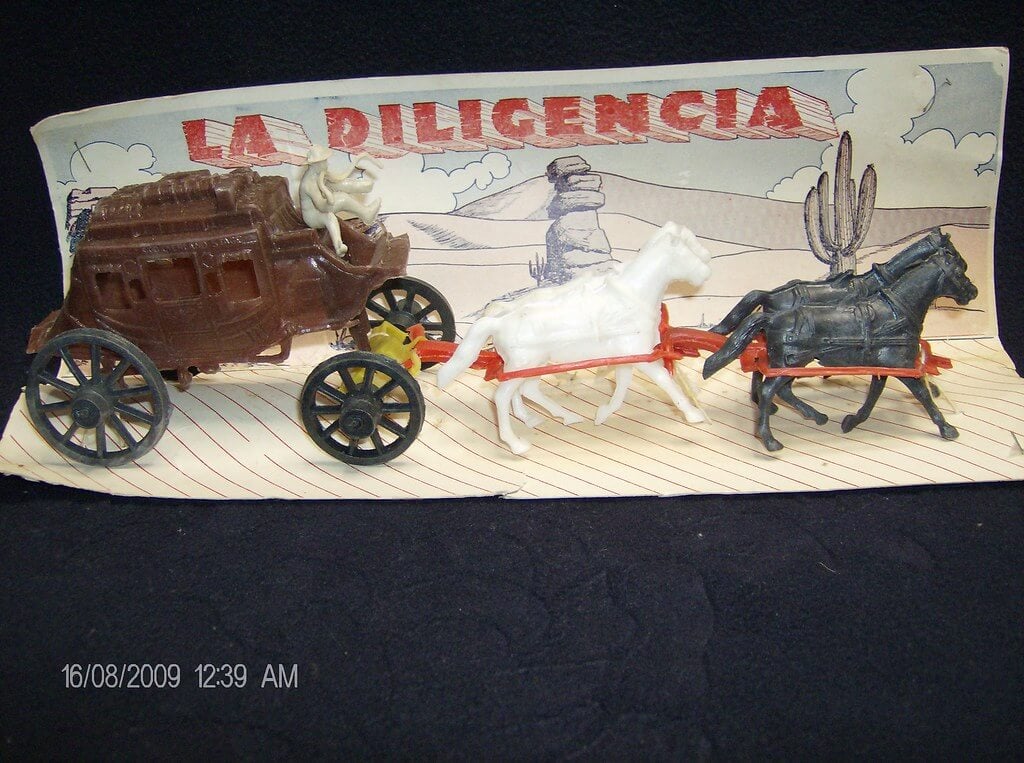
Plastimarx was the Mexican subsidiary of Marx, and it made toys for both Marx and Fisher-Price. After the 1972 sale, Fisher-Price took control of the subsidiary, since Quaker Oats owned both companies.
A toy marked with the name suggests a mid-century origin south of the border.
Dunbee-Combex-Marx
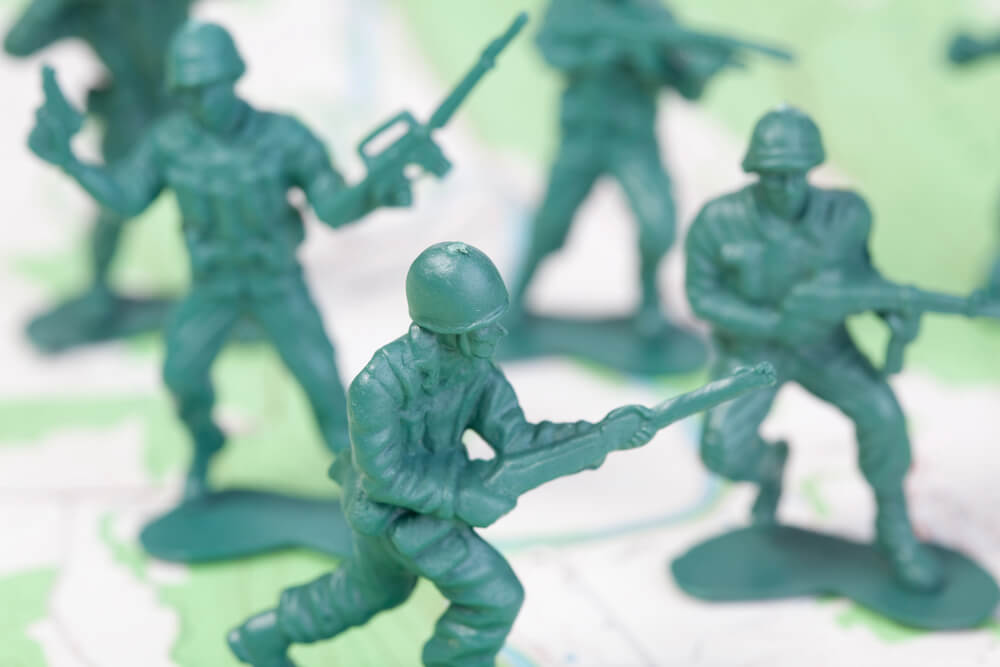
By 1976, Quaker Oats had divested most of its Marx holdings, and the properties joined the British conglomerate Dunbee-Combex-Marx. The company had already bought Marx’s UK subsidiary in 1967.
A toy bearing that triple name dates from the final stretch of the Marx legacy.
Aurora Plastics
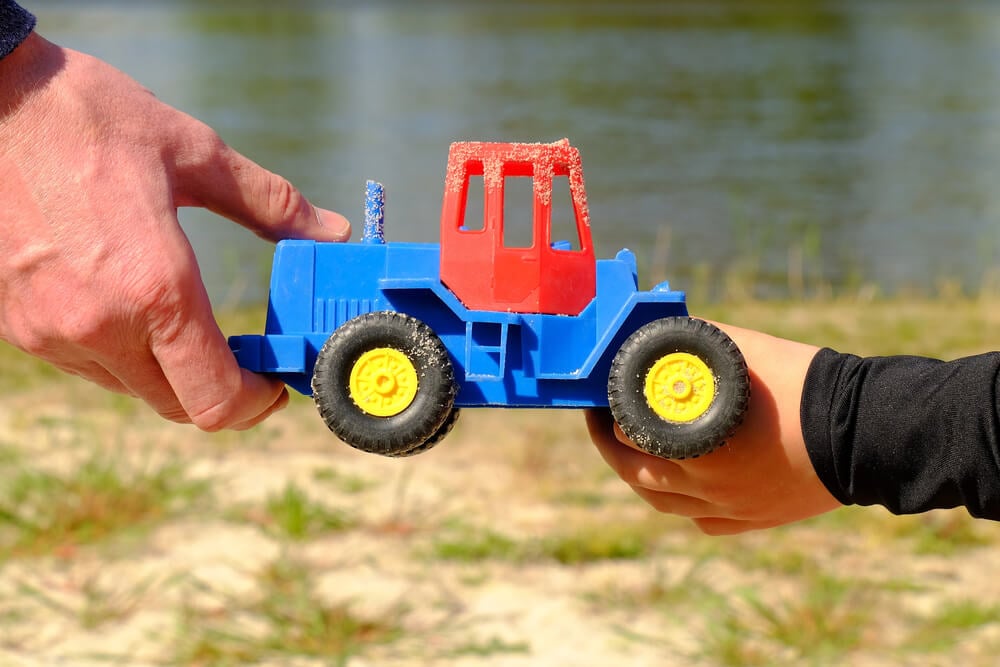
Aurora Plastics Corporation was founded in March 1950 by Joseph Giammarino and Abe Shikes and became famous for its plastic model kits. In 1961, the company licensed the Universal monsters and produced a Frankenstein kit that sold in huge numbers.
Aurora closed in 1977 after nearly three decades.
Ideal Toy Company
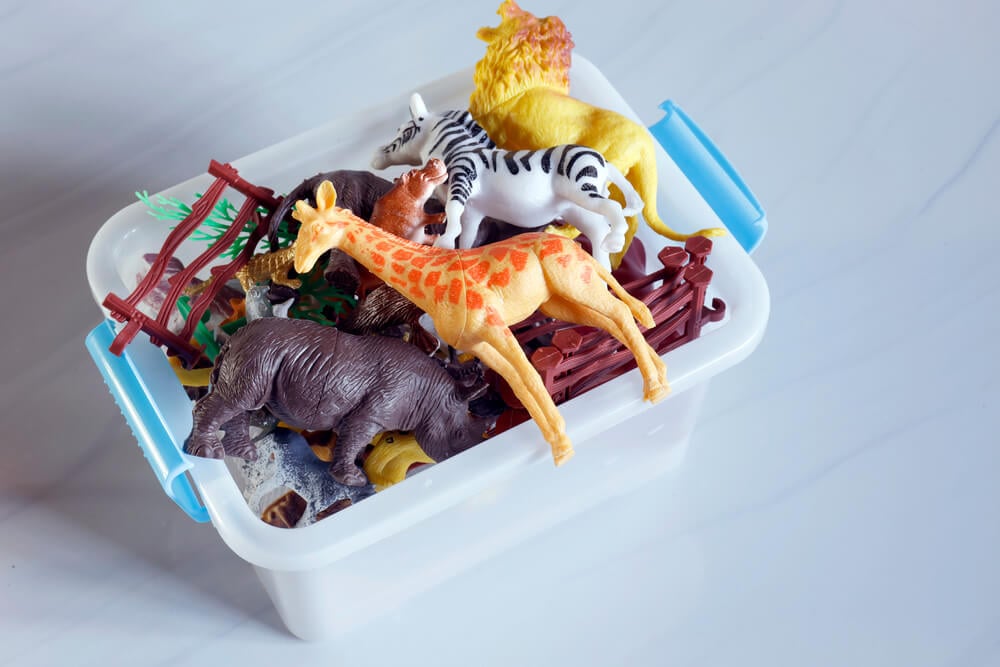
Ideal grew out of the business of Morris and Rose Michtom, who made teddy bears from 1903. The company became the largest doll maker in the United States during the postwar baby boom.
It later brought the Rubik’s Cube to American shelves, became part of View-Master Ideal, and disappeared as a company in 1997.
American Character Doll Company
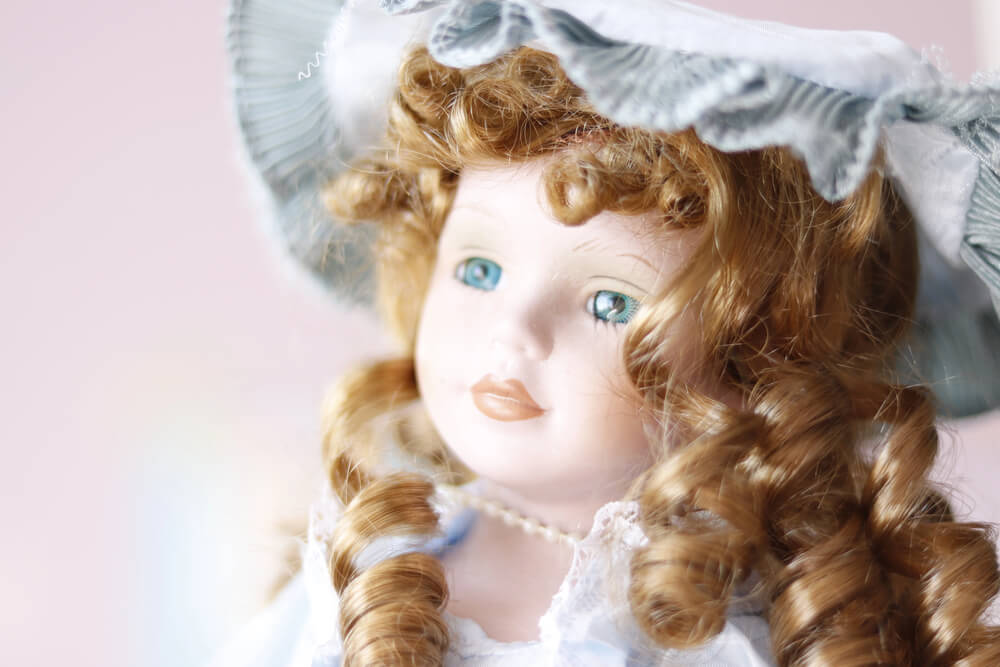
American Character was a doll maker known for Tiny Tears, introduced around 1950. The company filed for bankruptcy in 1968.
A doll with the marking turns up regularly in mixed boxes of baby dolls.
The United States-Israeli Toy and Plastic Corporation
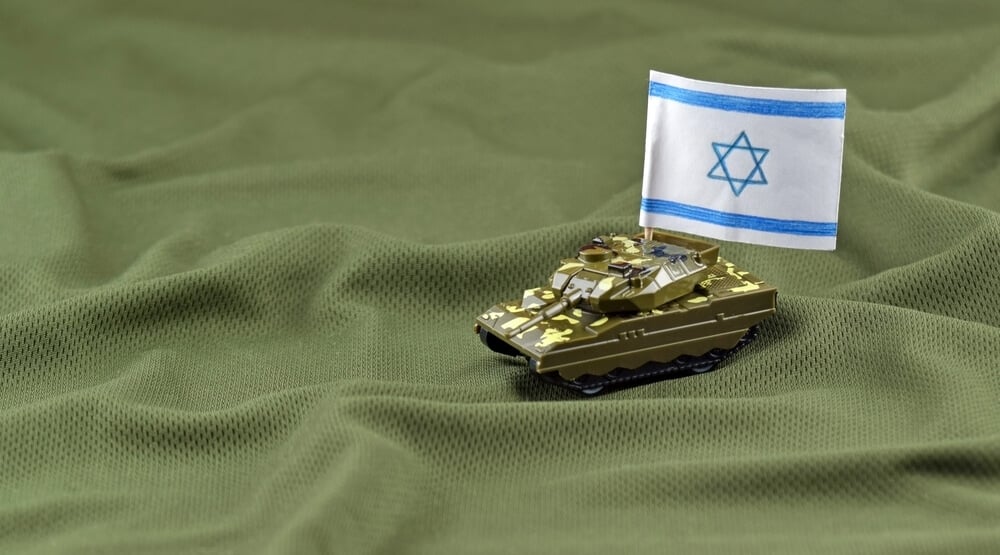
In 1951, Ideal teamed with competitors American Character and the Alexander Doll Company to form the United States-Israeli Toy and Plastic Corporation. The venture was designed to produce toy materials in Israel and the United States.
A rare piece bearing this joint name is a footnote to postwar toy history.
Knickerbocker Toy Company
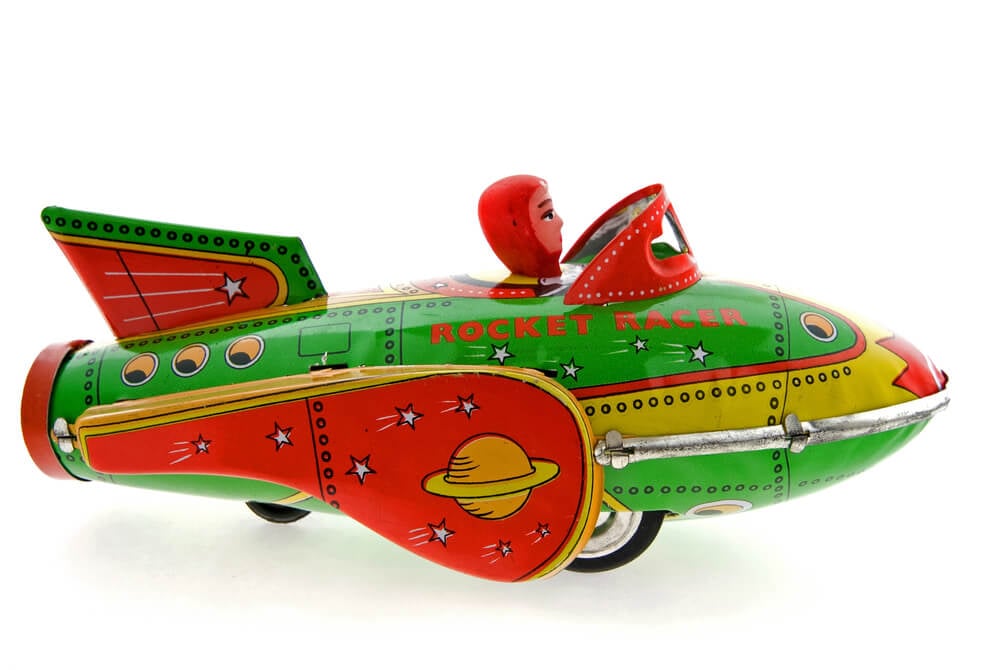
Knickerbocker took over the Smokey Bear toy license from Ideal in 1968, when the U.S. Forest Service switched manufacturers. Ideal had held the license since 1953.
A Smokey Bear doll in a mixed box may carry either company’s tag, and the difference can date the toy.
Kenner
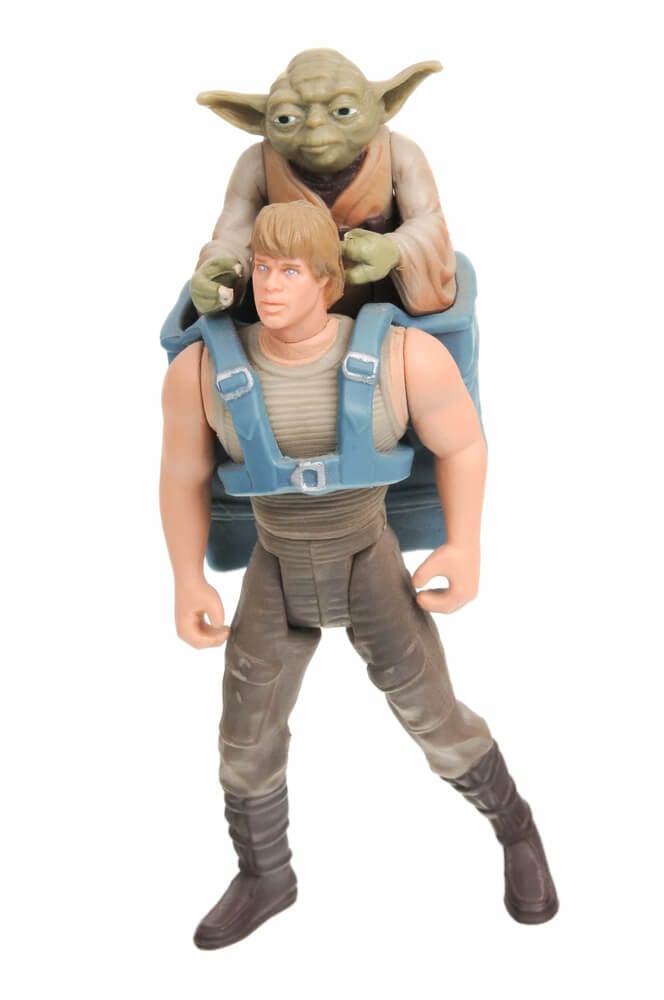
Kenner of Cincinnati made the Star Wars action figures of the late 1970s and early 1980s, outcompeting Mego in the same market. The brand was later folded into Hasbro.
The name remains visible on the packaging and feet of many surviving figures.
Shindana Toys
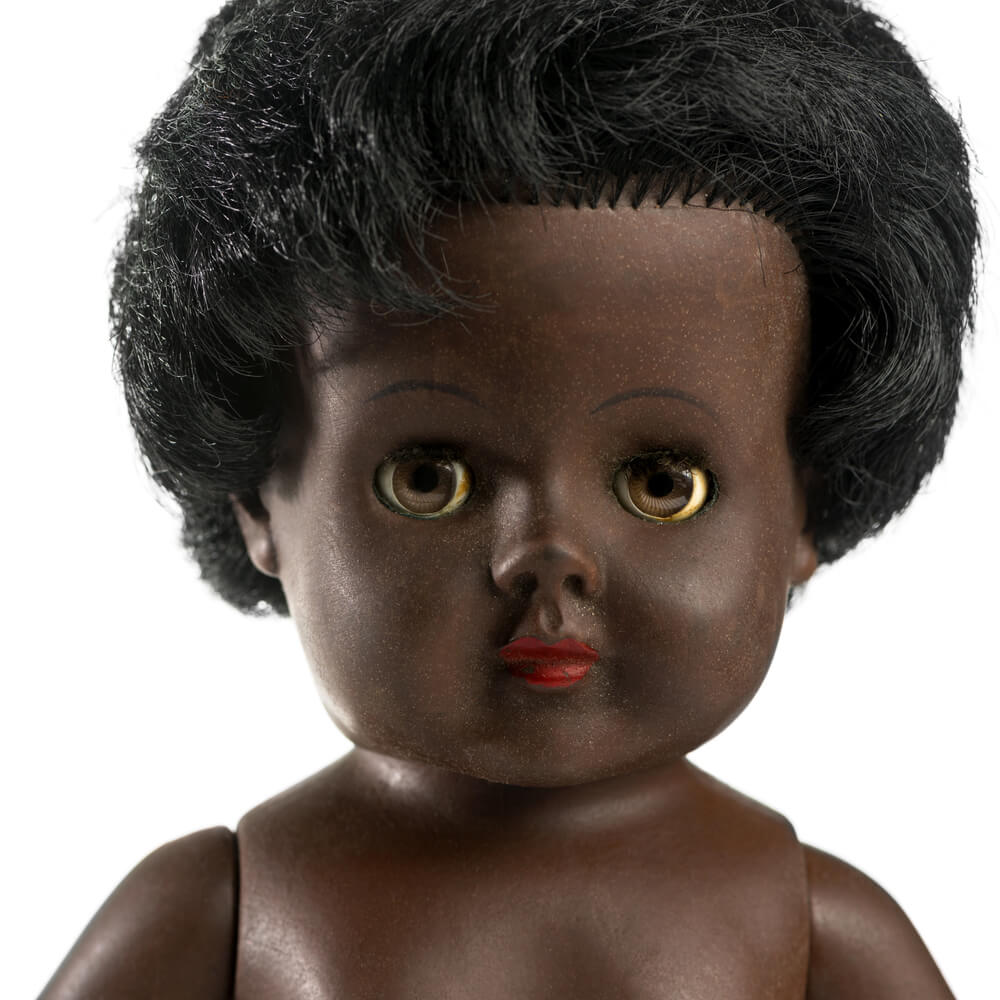
Shindana Toys was created in 1968 in Los Angeles’s Watts neighborhood to make dolls and toys that reflected Black children. The company advertised in national catalogs, including a Sears Christmas ad in 1970.
A Shindana doll in a mixed box is a significant find for collectors.
Lesney and Matchbox
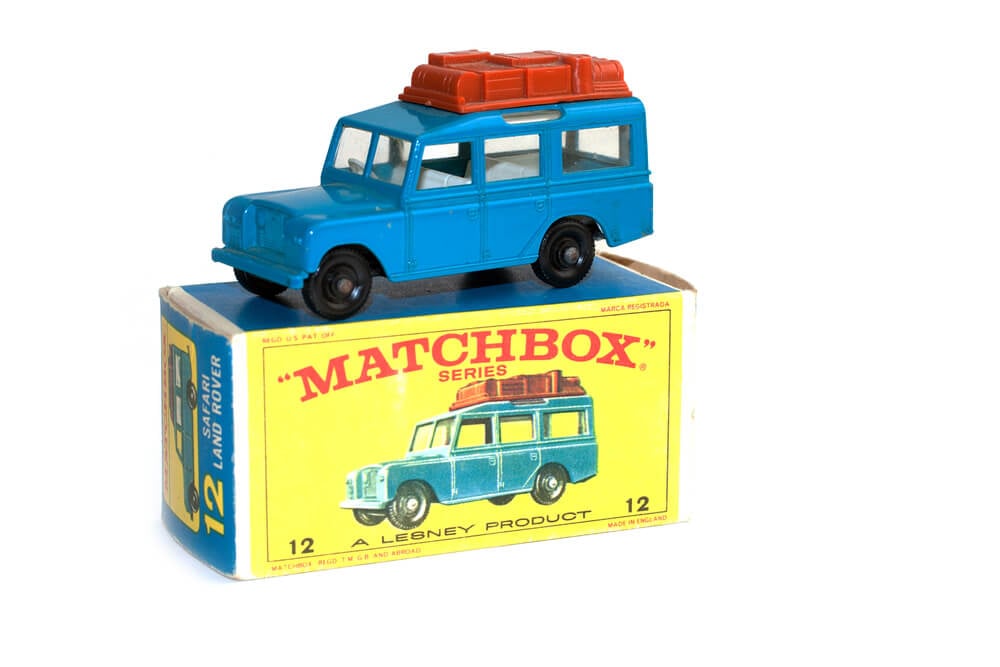
Lesney Products introduced the Matchbox series of die-cast miniature vehicles in 1953, named for the matchbox-sized packaging. The cars were an enormous success worldwide.
Lesney went into bankruptcy in 1982, and the Matchbox name later passed to other owners.
Dinky Toys
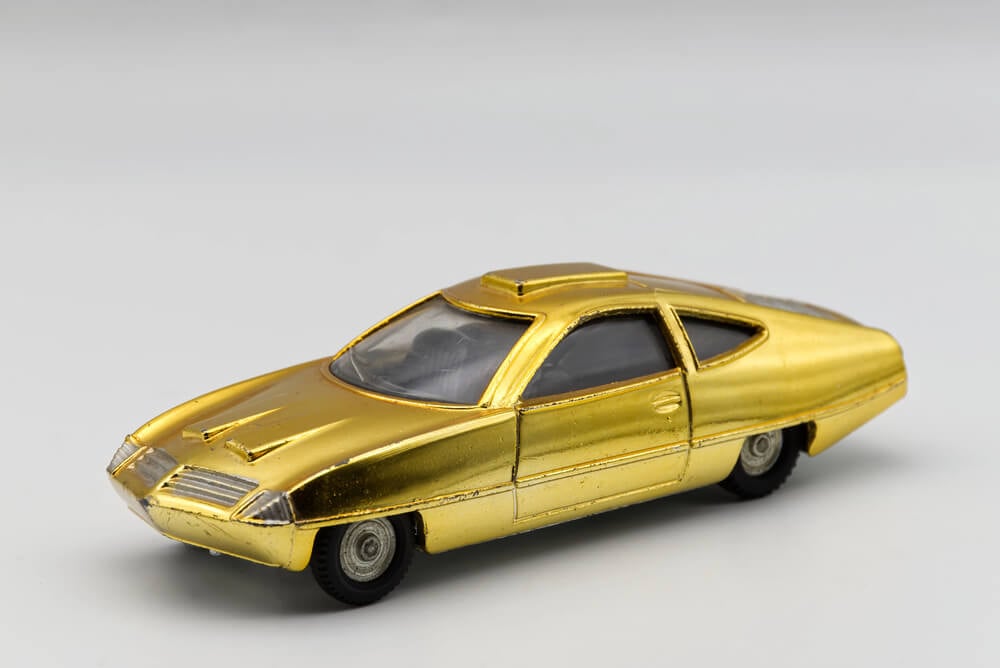
Meccano Ltd. introduced Dinky Toys in the 1930s as die-cast miniatures to accompany its model railways and construction sets. The brand ended in 1979 after decades of production.
A boxed Dinky in a mixed lot is often among the most valuable items.
Corgi Toys
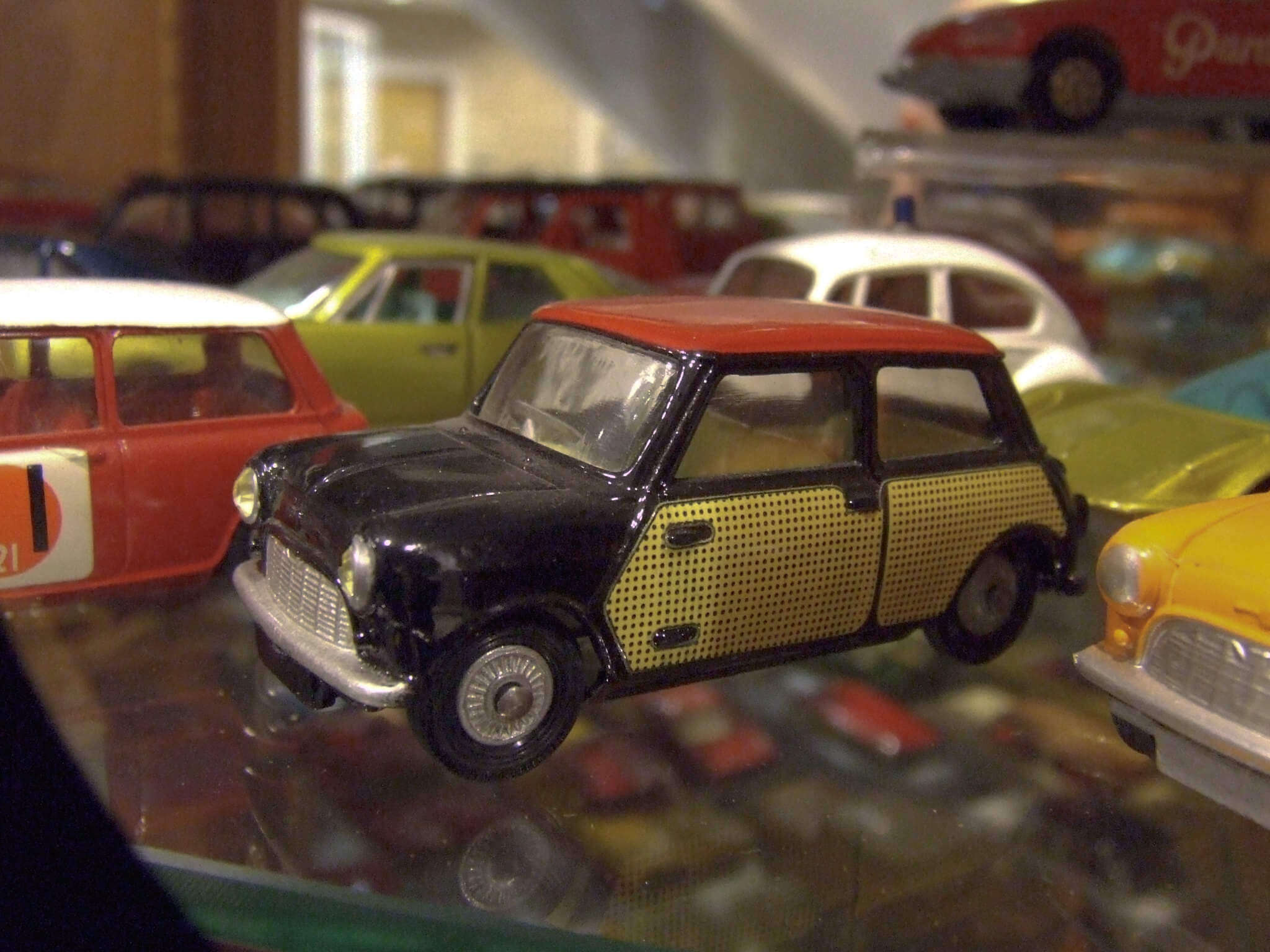
Corgi was launched in 1956 by Mettoy, and its cars were the first die-cast models to include glass windows. The brand competed head to head with Dinky and Matchbox.
Mettoy fell into receivership in 1983.
A. C. Gilbert Company
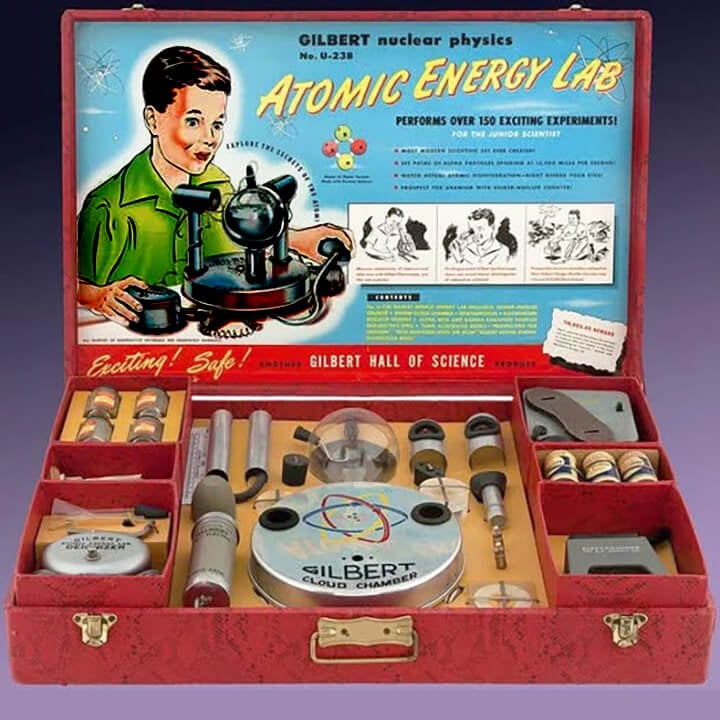
A. C. Gilbert produced the Erector set, introduced in 1913, along with chemistry sets and American Flyer trains. The company struggled after its founder died in 1961 and closed in 1967.
Erector pieces with the Gilbert name remain common in mixed boxes of metal toys.
Hubley
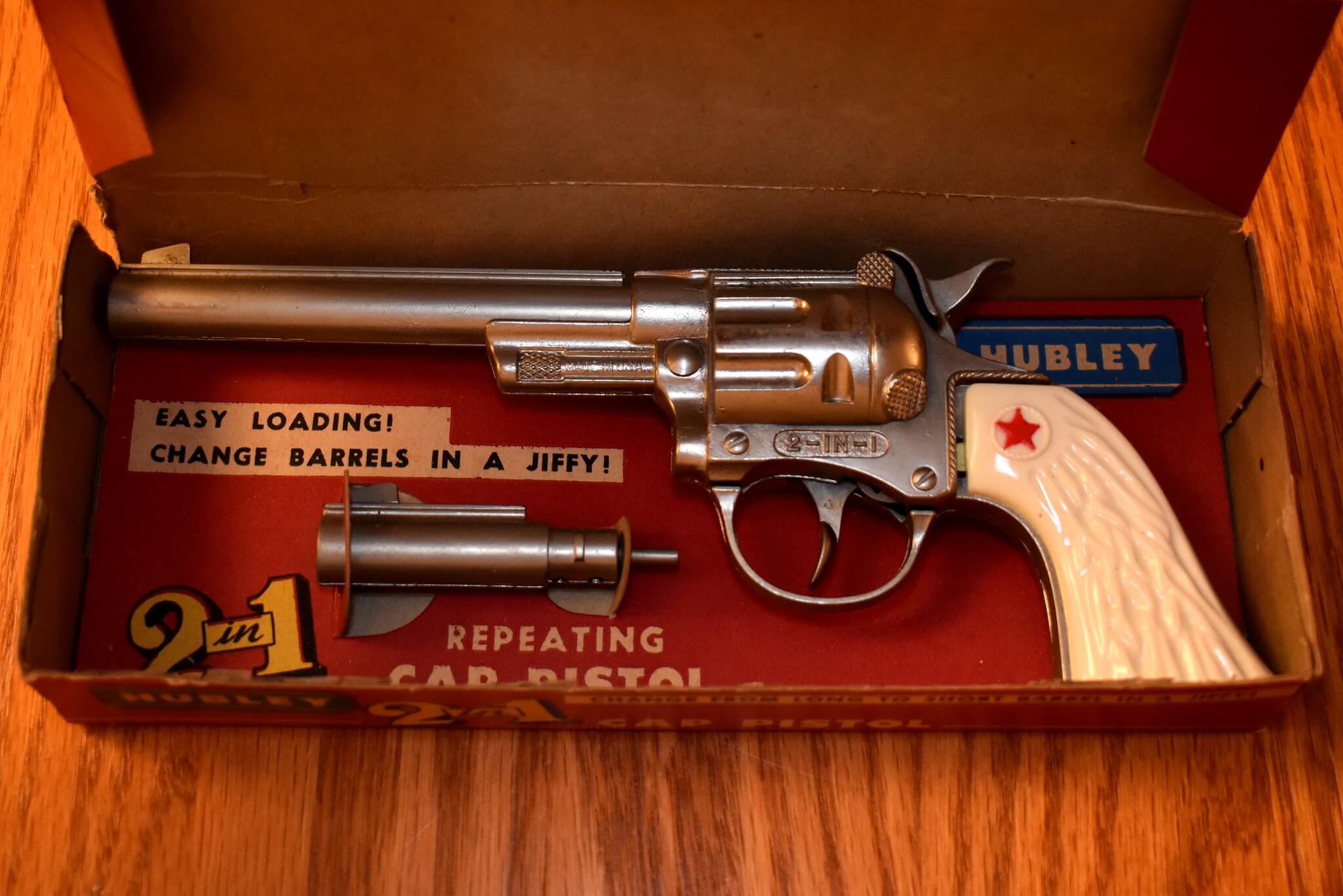
Hubley Manufacturing Company, based in Lancaster, Pennsylvania, made cast iron and later die-cast toy vehicles from the 1890s. The firm later changed hands in the 1960s.
Heavy cast iron Hubley toys are valued for their detail and weight.
Larami
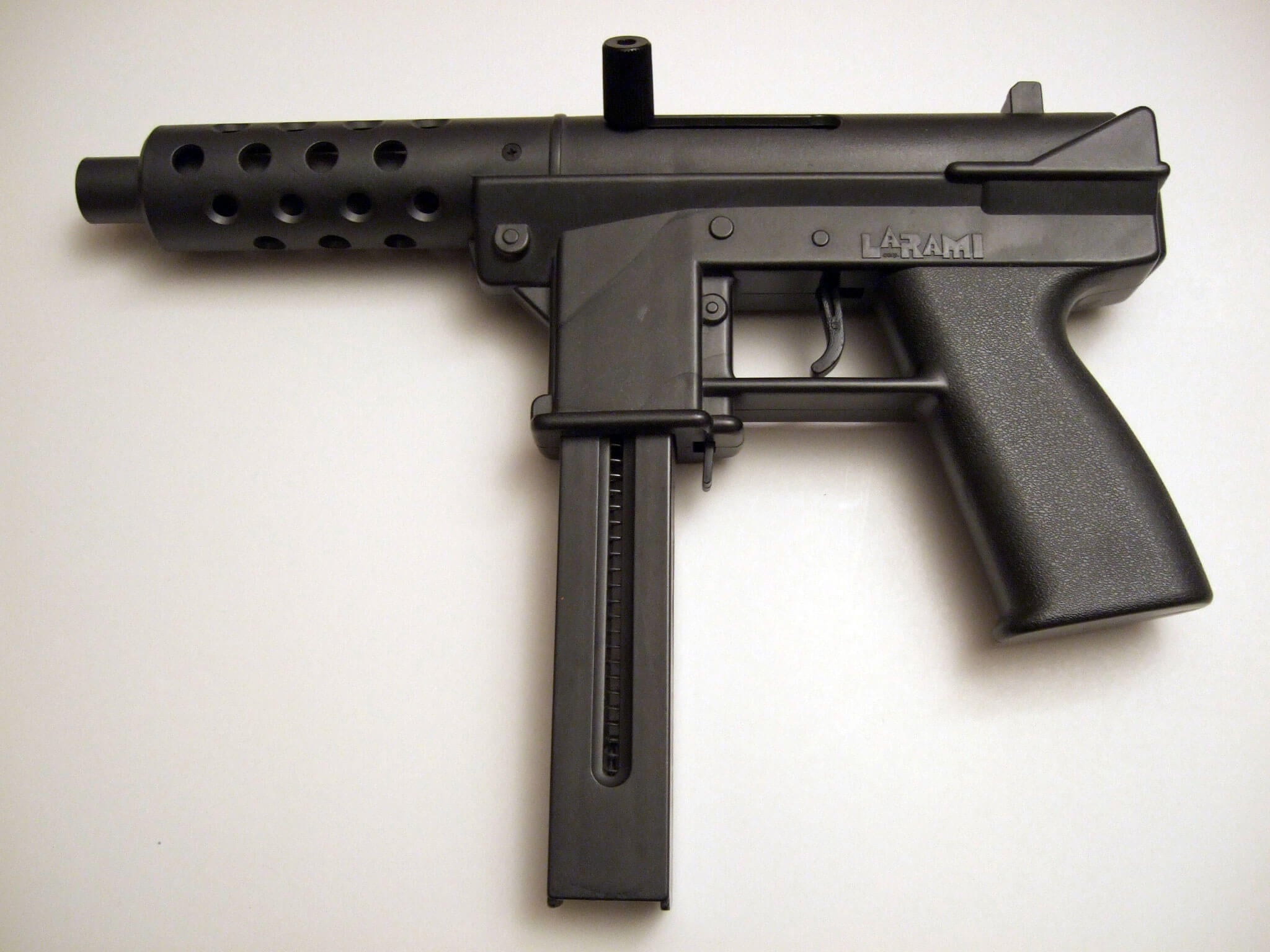
Larami was a Philadelphia-area toy maker best known for the Super Soaker water blaster, which debuted in 1990 and was designed by engineer Lonnie Johnson. Hasbro bought the company in 1995.
The Larami name appears on packaging and on many small novelty items from the 1980s and 1990s.
Effanbee
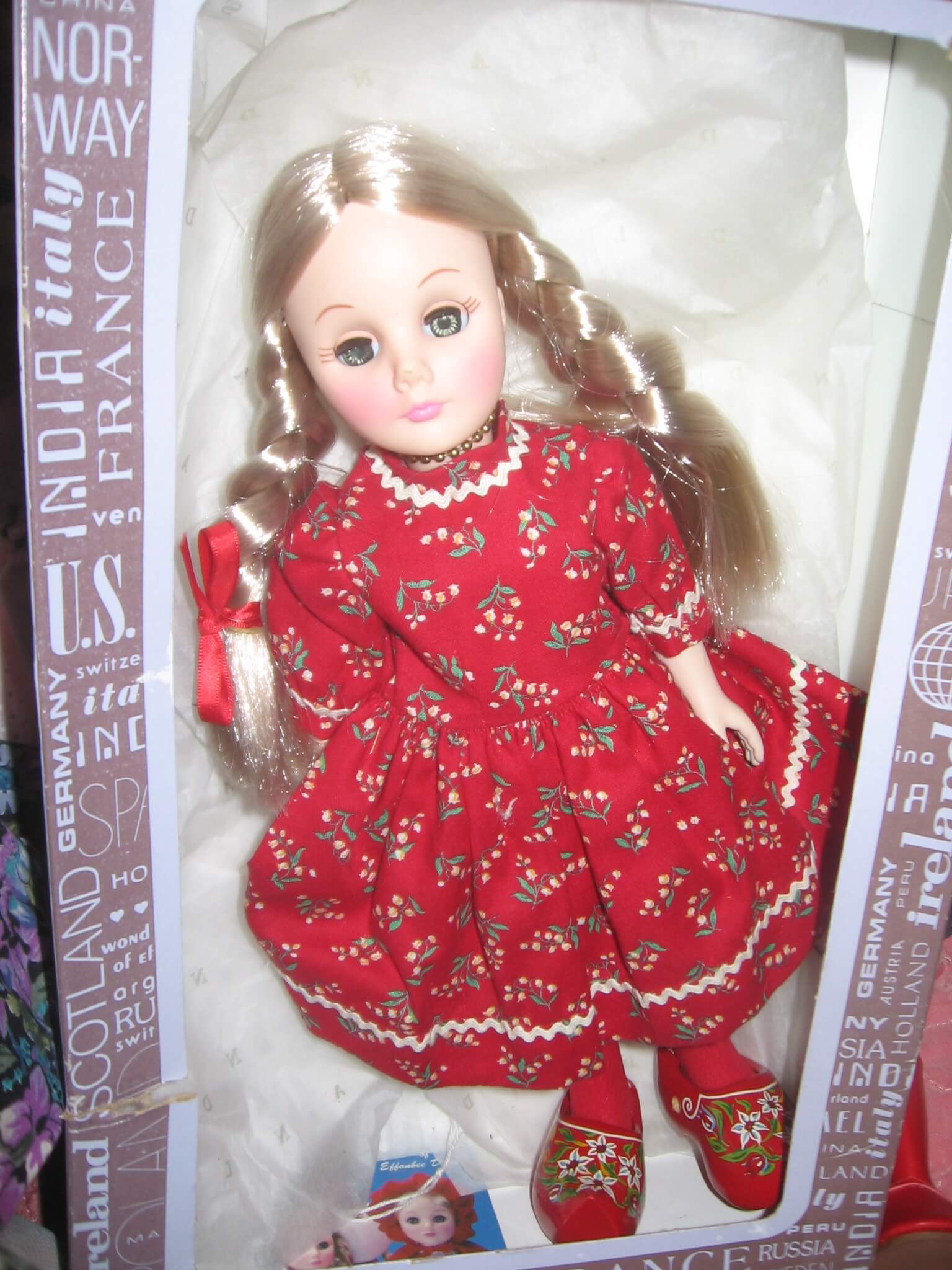
Effanbee was founded in 1910 and became famous for its Patsy doll, introduced in 1928. The company made high-quality dolls for decades.
The logo on the neck or back of a doll is an important clue to its origin.
Vogue Dolls
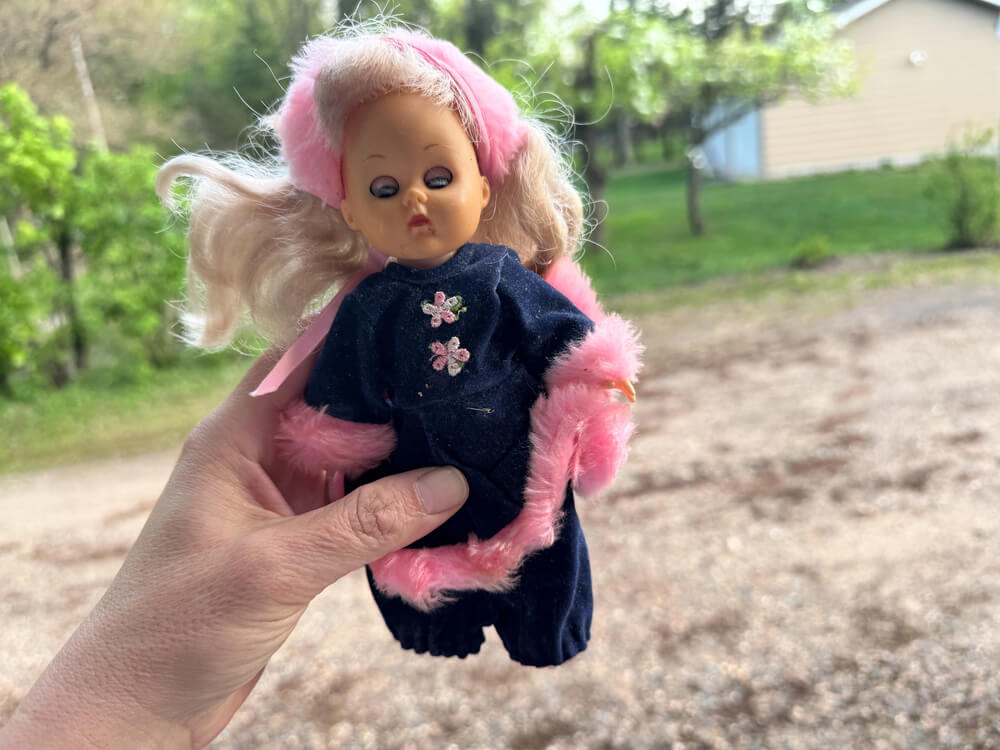
Vogue Dolls introduced Ginny in 1948, a small plastic doll designed to be dressed in many different outfits. The line was popular for years and spawned a collector following.
A Ginny in a box of dolls usually arrives with several outfits.
Milton Bradley
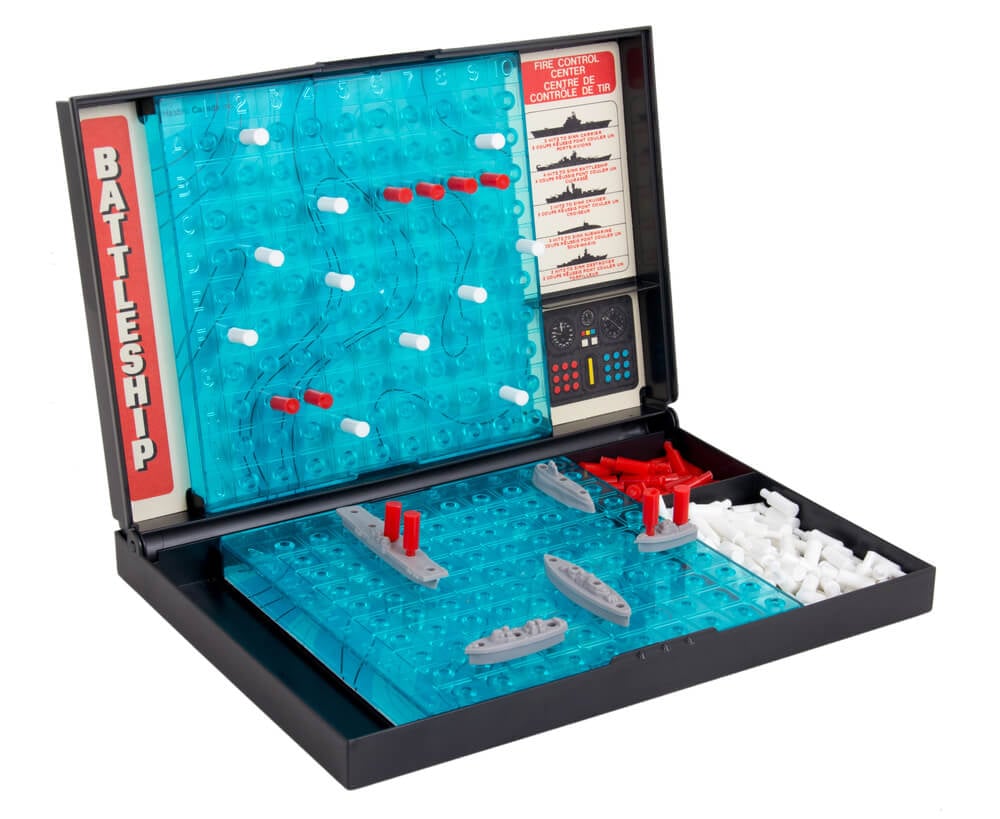
Milton Bradley began in 1860 as a maker of games and merged into Hasbro in 1984. The company produced board games and puzzles that filled American closets for decades.
The company name on a battered game box is a reliable sign of a vintage find.
Schuco
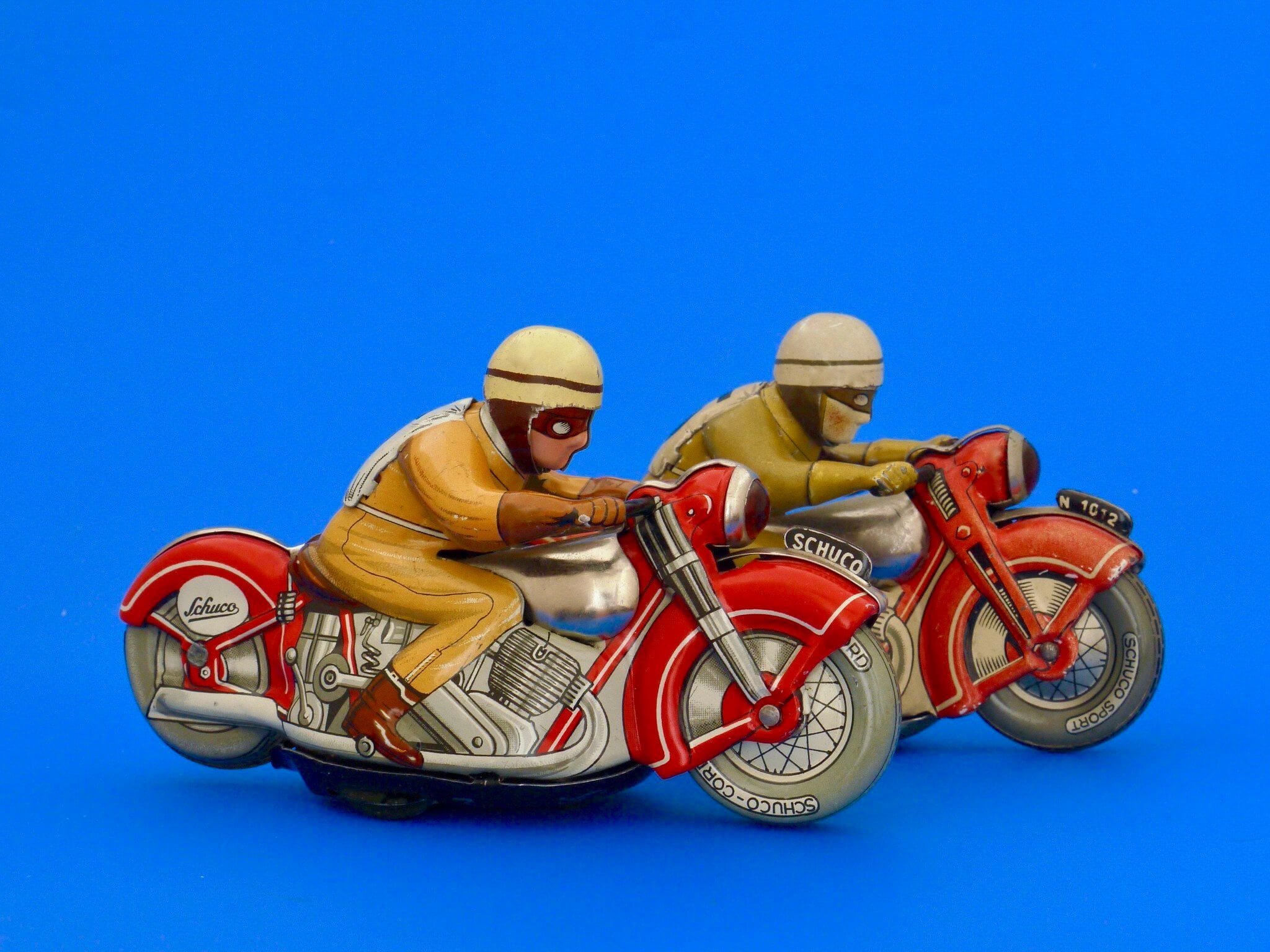
Schuco was a German toy maker based in Nuremberg, known for tinplate cars, mechanical animals, and teddy bear novelties. The firm was founded in 1912 and produced charming toys for decades.
A small Schuco bear with a hidden compartment is a prize in any box.
Tyco
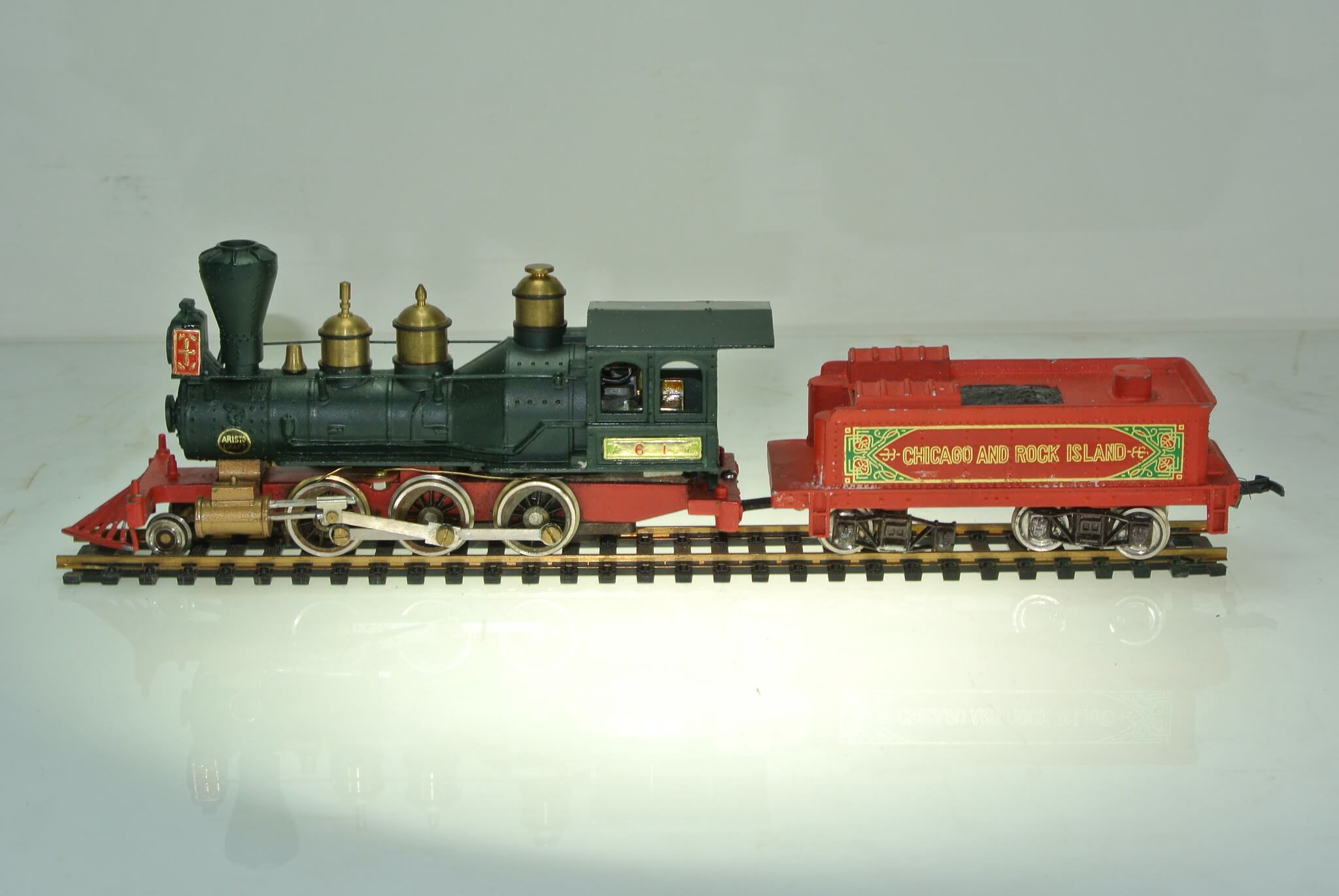
Tyco made electric trains and slot cars, and later became known for a range of toy brands. Mattel acquired Tyco in 1997.
A vintage Tyco track set in a mixed lot suggests a mid-century childhood.
What a Mixed Box Remembers

Each of these brands mattered in its time, selling to millions of children and employing thousands of workers. When they disappeared through bankruptcy, merger, or changing taste, the toys remained scattered in homes across the country.
A single mixed box can hold several decades of corporate history. The way to read such a box is to look for names, dates, and small marks stamped into the plastic or tin.
Those details turn a pile of odd toys into a timeline of a vanished industry. The marks are small, but they are often the only record that a brand ever existed.
More from Go2Tutors!

- 27 Silver Dollars and Half Dollars Worth Keeping
- 28 Restaurant Menu Items Nobody Orders Anymore
- 17 Places Built in Seemingly Impossible Spots
- 27 Vintage Rings Worth More Than They Look
- 25 Restricted Sites Tourists Can’t Enter
Like Go2Tutors’s content? Follow us on MSN.