Essential Facts About the Space Shuttle Program
The space shuttle was humanity’s most ambitious attempt to make space travel a regular occurrence from 1972 to 2011.
Reusable spacecraft that could take off like rockets and land like airplanes were promised by the program, changing orbital access from disposable capsules to something more akin to commercial aviation.
While learning painful lessons about the disconnect between aspiration and reality, NASA partially realized that vision.
More than 800 astronauts were transported outside of Earth’s atmosphere by the shuttles, which also repaired the Hubble Space Telescope and constructed the International Space Station.
Additionally, they took 14 lives in two catastrophes that made the country face the real consequences of pushing the boundaries of technology.
The shuttle era ended with the bittersweet realization that spaceflight is still dangerous despite its lofty beginnings.
Nevertheless, those winged orbiters achieved feats that no other spacecraft could match, leaving a legacy that still influences how we get into orbit today.
A closer look at the key details that characterized the space shuttle program and its significance is provided here.
Five Orbiters Carried the Dream
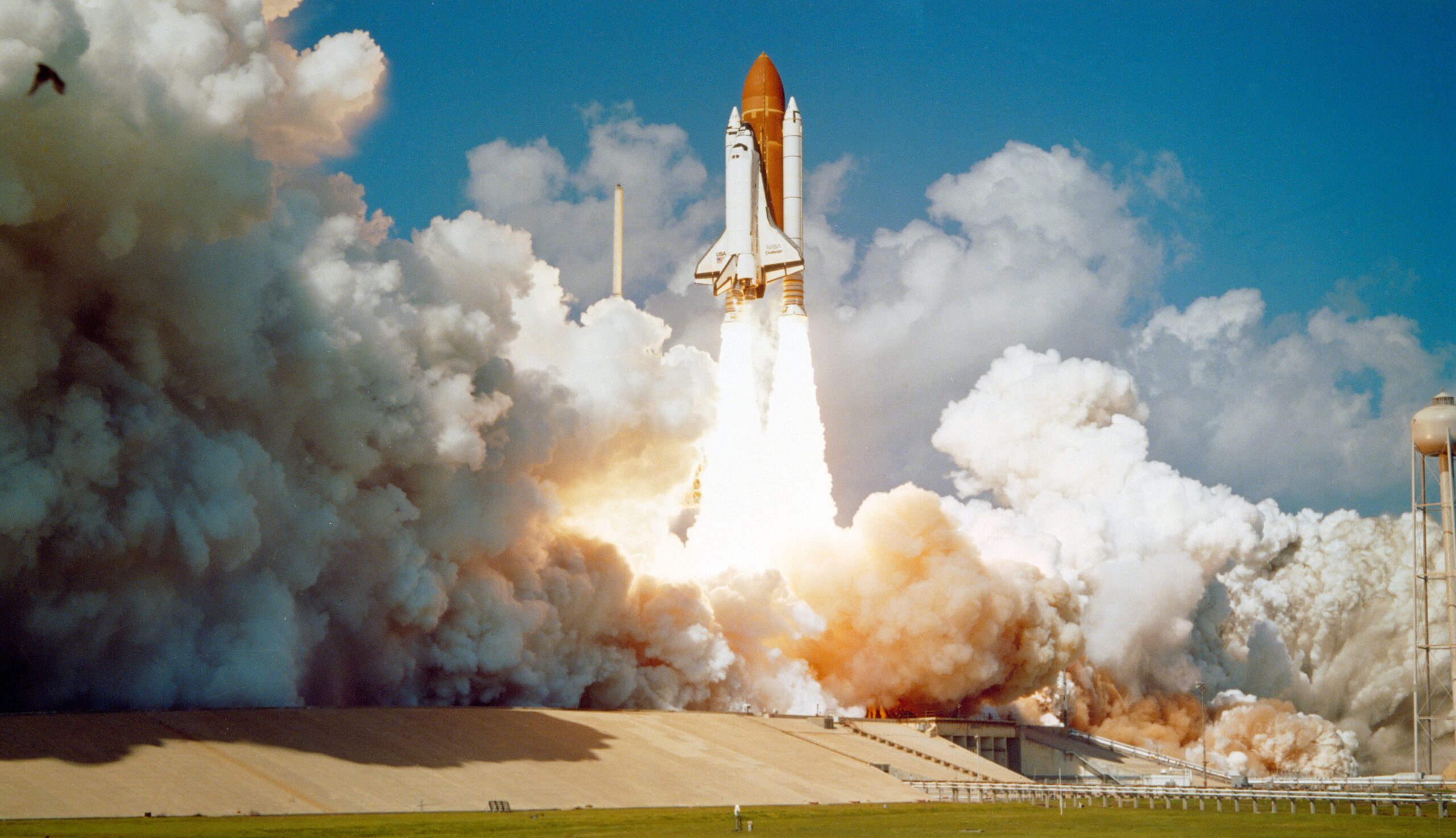
NASA built six space shuttles, though only five ever flew to space.
Enterprise served as a test vehicle for atmospheric flights but never reached orbit.
The operational fleet consisted of Columbia, Challenger, Discovery, Atlantis, and Endeavour.
Each orbiter weighed roughly 165,000 pounds empty and could carry payloads up to 53,600 pounds to low Earth orbit.
The vehicles measured 122 feet long with a wingspan of 78 feet, roughly the size of a DC-9 airliner.
Columbia flew the first shuttle mission in April 1981, proving the concept could work.
Discovery became the workhorse of the fleet, flying 39 missions over 27 years.
Atlantis flew seven missions to the Russian space station Mir between 1995 and 1997, then specialized in flights to the International Space Station before flying the final shuttle mission, STS-135, in July 2011.
Endeavour arrived in 1992 as a replacement for Challenger, built partially from spare parts originally intended for the other orbiters.
Each shuttle had its quirks and personality, and astronauts developed preferences the way pilots favor certain aircraft.
The Main Engines Pushed Engineering Limits
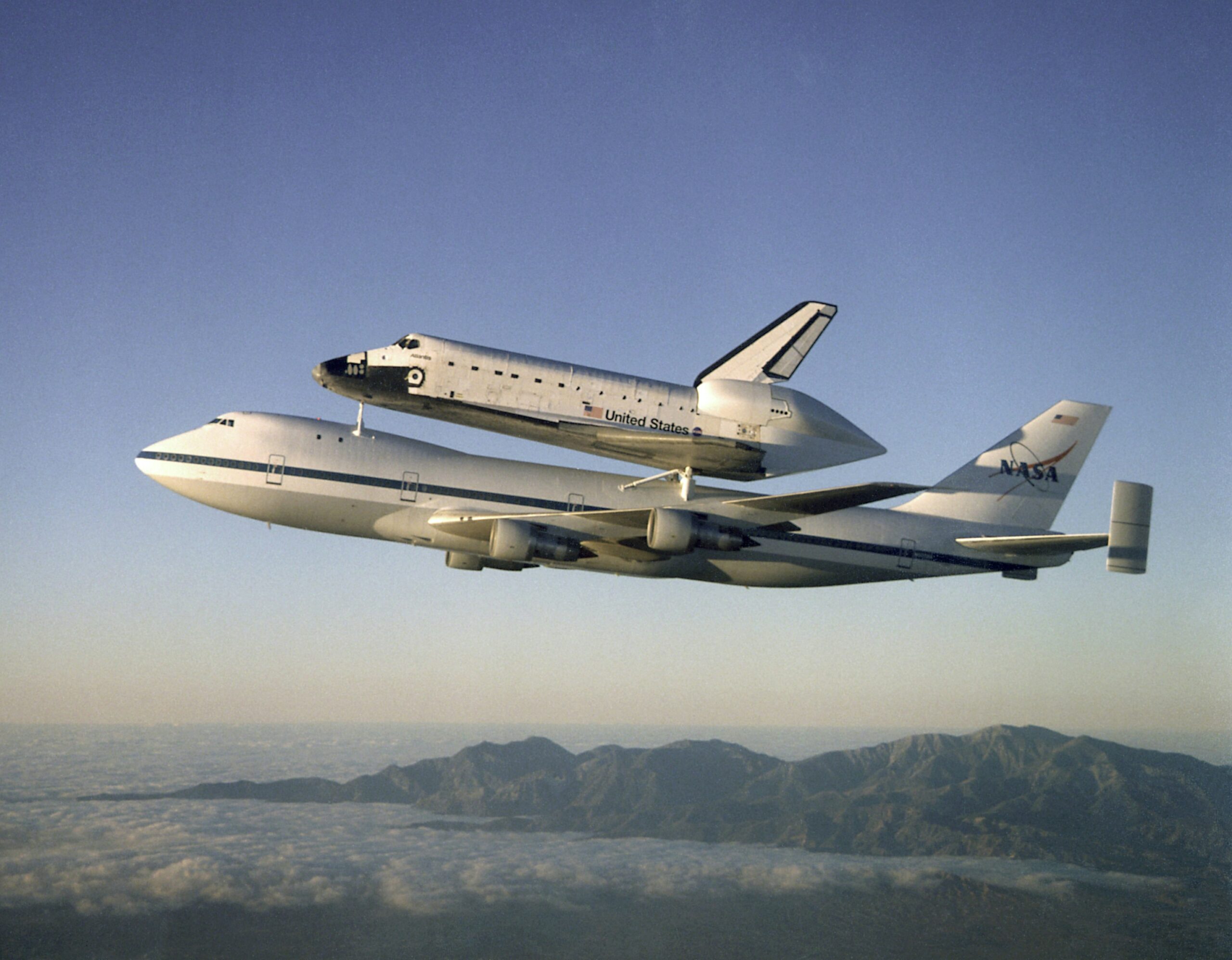
The three main engines mounted on each orbiter’s tail represented some of the most advanced rocket technology ever created.
Each engine generated approximately 470,000 pounds of thrust in the vacuum of space, burning a mixture of liquid hydrogen and liquid oxygen fed from the massive external tank.
The engines could throttle between 67 and 109 percent of rated power, a capability that allowed precise control during ascent.
They operated at temperatures reaching 6,000 degrees Fahrenheit and pressures exceeding 3,000 pounds per square inch.
Those engines were designed for reuse, a revolutionary concept in rocket propulsion.
After each flight, technicians inspected and refurbished the engines for the next mission.
The engines fired for approximately eight and a half minutes during launch, consuming nearly 500,000 gallons of propellant from the external tank to push the shuttle toward orbital velocity.
The engineering achievement becomes clearer when you realize these engines had to work flawlessly every single time—there was no room for partial failure when astronauts were aboard.
Two Tragedies Shaped the Program
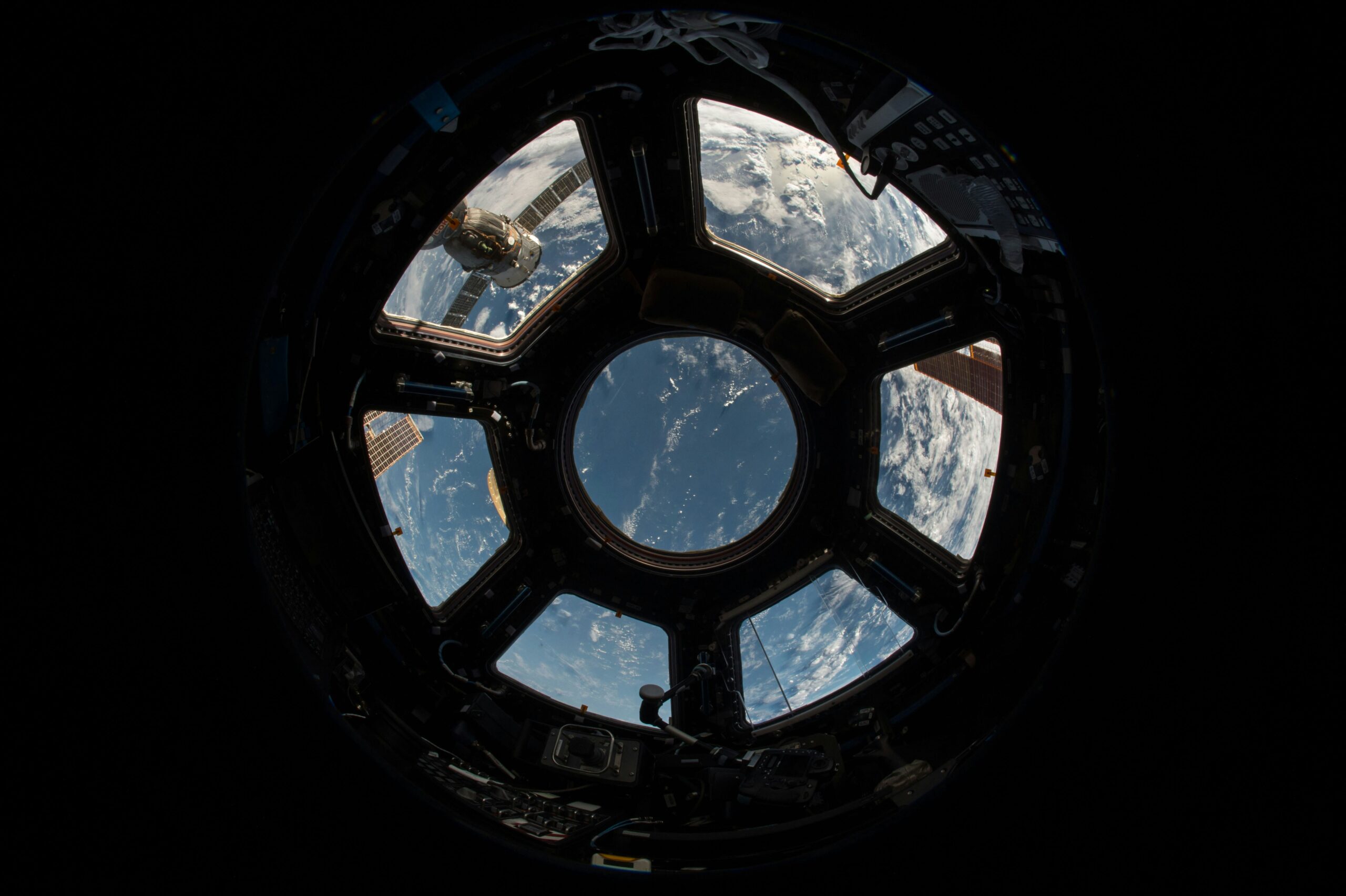
Challenger exploded 73 seconds after launch on January 28, 1986, claiming seven lives including teacher Christa McAuliffe.
The disaster resulted from a failed O-ring seal in one of the solid rocket boosters, a problem engineers had warned about but managers dismissed.
The accident grounded the shuttle fleet for 32 months, from 1986 to 1988, while NASA redesigned components and overhauled its decision-making processes.
The nation watched the tragedy unfold live on television, making it one of the defining moments of the 1980s.
Columbia disintegrated during reentry on February 1, 2003, after a 16-day science mission.
A piece of foam insulation had broken off during launch and struck the orbiter’s left wing, creating a breach that allowed superheated gas to penetrate the wing structure during reentry.
All seven crew members perished.
The accident forced another 29-month hiatus from 2003 to 2005 and ultimately contributed to NASA’s decision to retire the shuttle fleet.
Both disasters revealed organizational failures alongside technical ones, showing that human judgment remained as critical as engineering prowess.
The Shuttles Built the Space Station
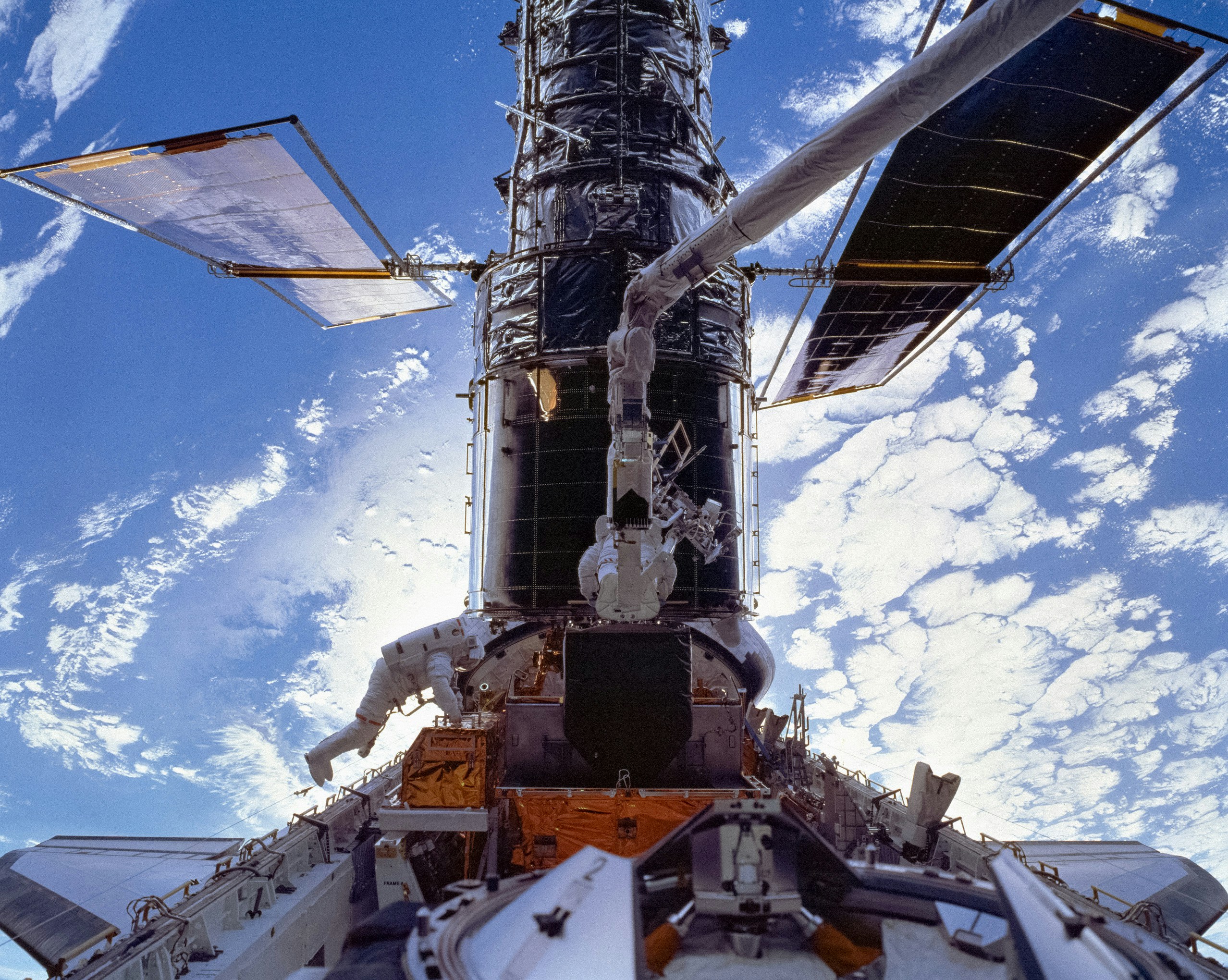
The International Space Station exists because space shuttles could haul massive components to orbit and provide the construction platform needed for assembly.
Between 1998 and 2011, shuttles flew 37 missions dedicated to ISS construction and servicing.
The orbiters carried modules weighing up to 35,000 pounds, including the Unity node, the Destiny laboratory, and the massive solar arrays that power the station.
Astronauts conducted more than 160 spacewalks from shuttle airlocks during construction, connecting cables, installing equipment, and assembling the outpost piece by piece.
The shuttle’s robotic arm, capable of lifting 65,000 pounds in orbit, proved essential for maneuvering components into position.
Without the shuttle’s unique combination of payload capacity, crew space, and on-orbit endurance, the ISS would have remained impossible to build.
The station stands as the shuttle program’s most tangible legacy—a football-field-sized laboratory that continues operating more than a decade after the last shuttle mission.
Hubble Repairs Showcased the Shuttle’s Versatility
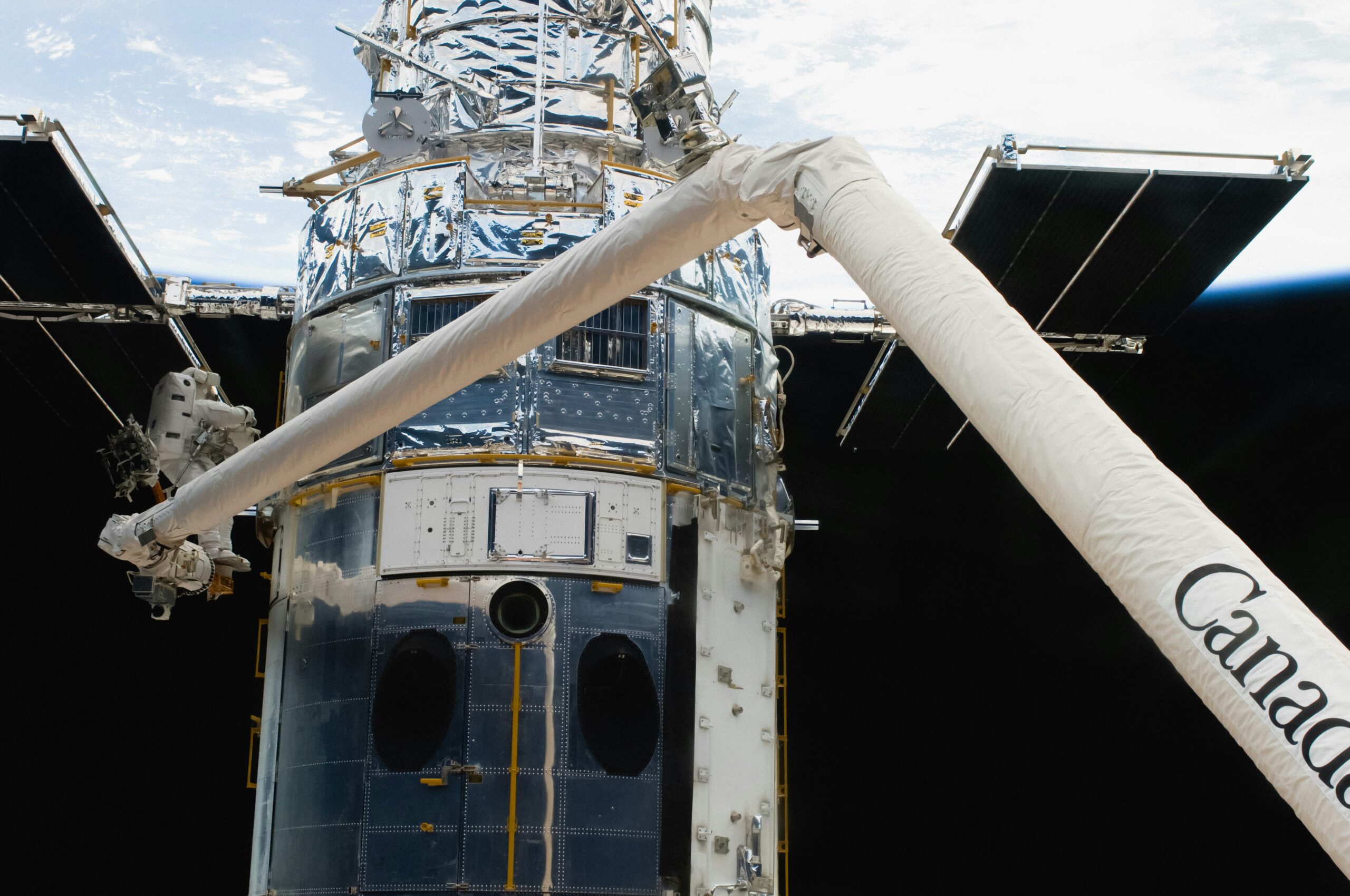
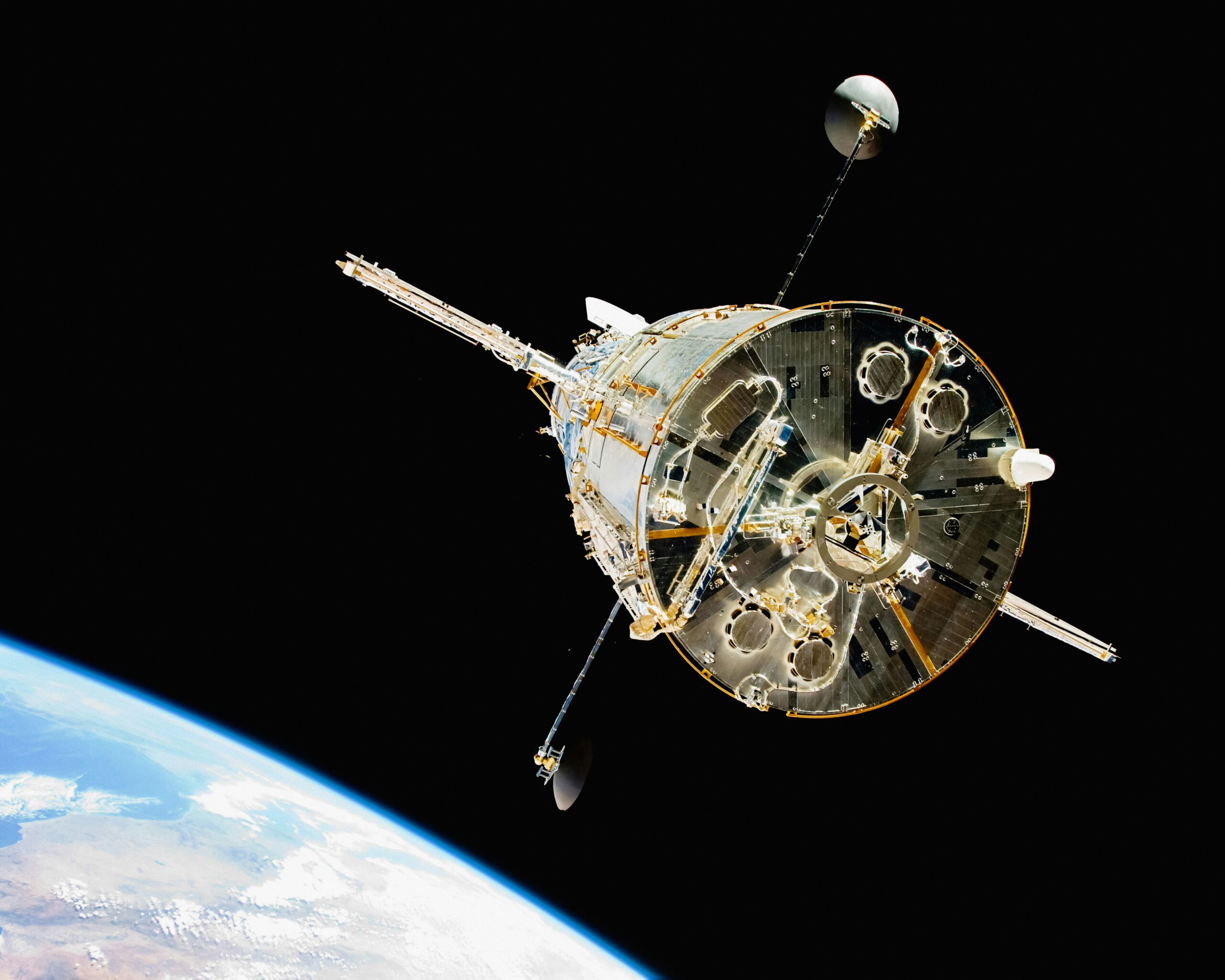
The Hubble Space Telescope launched aboard Discovery in 1990, but a flawed mirror threatened to make the $2 billion observatory nearly worthless.
In December 1993, Endeavour carried a crew on the first Hubble servicing mission, installing corrective optics that restored the telescope’s vision.
Astronauts conducted five spacewalks totaling more than 35 hours to complete the repairs.
The mission demonstrated the shuttle’s ability to service satellites in orbit, something no other spacecraft could attempt.
Shuttles returned to Hubble four more times—in 1997, 1999, 2002, and 2009—upgrading instruments, replacing gyroscopes, and installing new cameras that increased the telescope’s capabilities far beyond its original design.
These missions required precision flying and nerve-wracking spacewalks where astronauts worked on delicate equipment while traveling 17,500 miles per hour.
The servicing missions transformed Hubble from a near-failure into arguably the most productive scientific instrument ever built, revolutionizing astronomy and producing images that changed how the public sees the cosmos.
135 Missions Over 30 Years
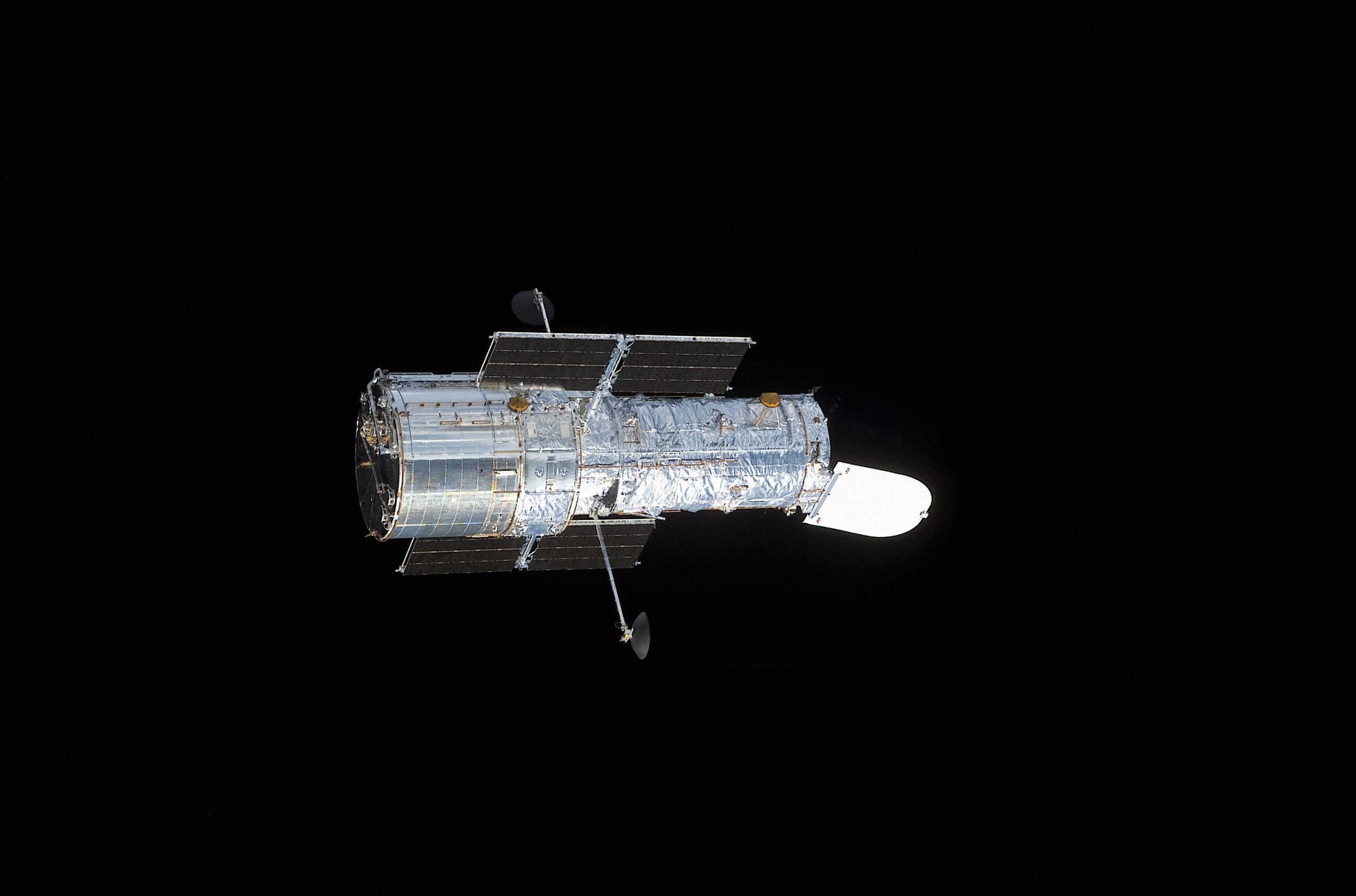
The shuttle program flew 135 missions between April 1981 and July 2011.
Those flights carried 355 individual people to space, though some astronauts flew multiple times, bringing the total number of crew members across all missions to 852.
The shuttles spent a combined 1,332 days in orbit, circling Earth more than 21,000 times and traveling roughly 542 million miles.
Crews deployed satellites, conducted scientific experiments, serviced existing spacecraft, and trained generations of astronauts in orbital operations.
The final mission, STS-135, launched on July 8, 2011, with Atlantis carrying four crew members to the International Space Station.
The 13-day flight delivered supplies and equipment before landing at Kennedy Space Center on July 21, marking the end of the shuttle era.
The program cost approximately $209 billion over its lifetime when adjusted for inflation, averaging around $1.6 billion per launch.
That figure exceeded original projections by substantial margins, but it funded technology development, manufacturing jobs, and capabilities that no other system could match.
What Came After
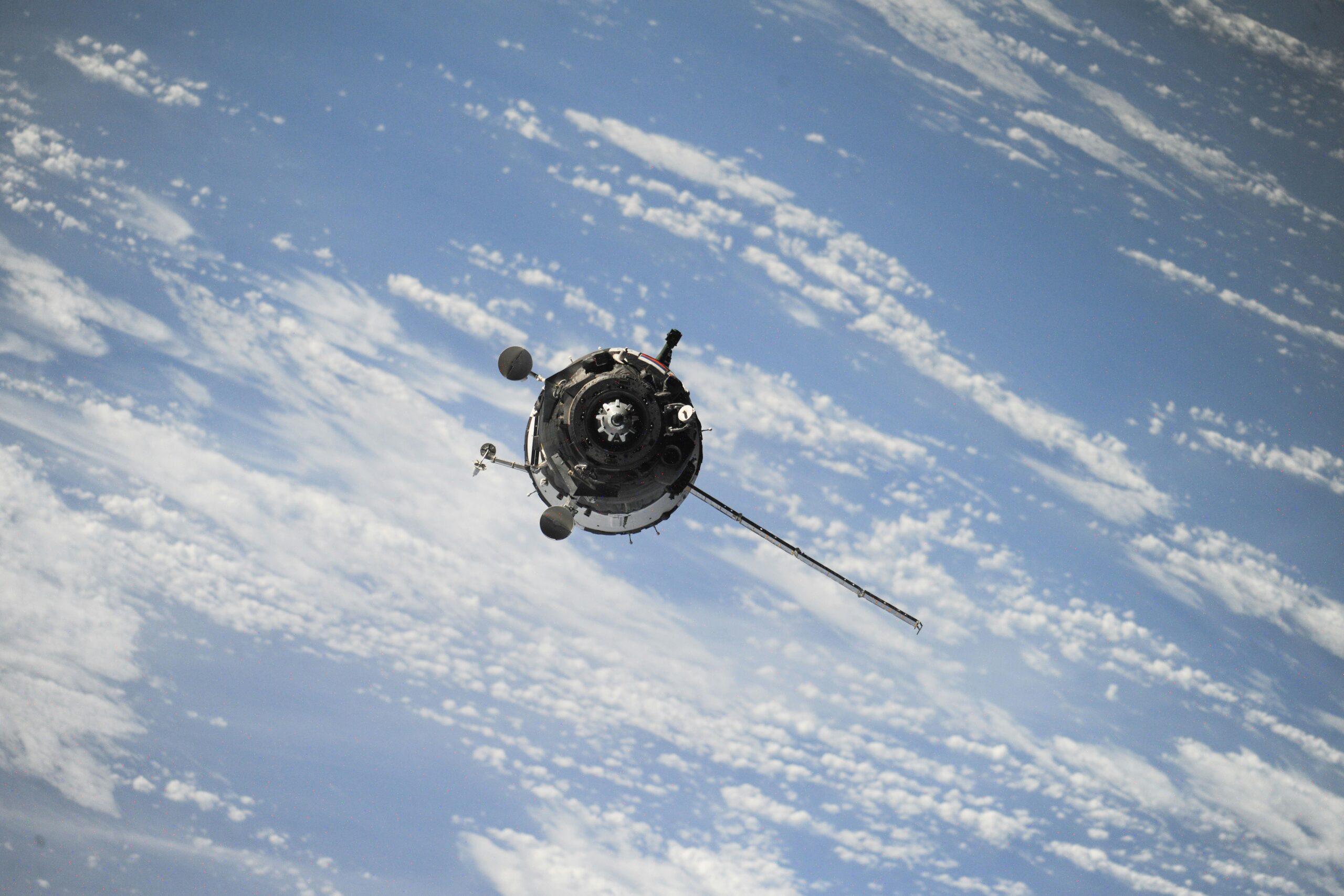
NASA retired the shuttle fleet in 2011, leaving the United States dependent on Russian Soyuz spacecraft for crew transport to the ISS until SpaceX’s Crew Dragon began flying astronauts in 2020.
The decision reflected changing priorities and recognition that the shuttle’s complexity and cost made it unsustainable for routine crew rotation.
Discovery, Endeavour, and Atlantis now reside in museums where millions of visitors marvel at their size and examine their heat-scarred tiles.
Enterprise rests at the Intrepid Museum in New York, while Columbia and Challenger are memorialized through recovered artifacts and tributes to their lost crews.
The lessons learned from the shuttle program influenced everything that followed.
Commercial crew vehicles from SpaceX and Boeing incorporate shuttle-era safety improvements while returning to capsule designs that eliminate some of the shuttle’s vulnerabilities.
NASA’s new Space Launch System draws on shuttle main engine technology and solid rocket booster designs.
The shuttles demonstrated partial reusability—recovering and refurbishing the orbiters, engines, and solid rocket boosters after each flight—though the extensive refurbishment required between missions meant the system never achieved the airline-like turnaround times originally envisioned.
Why It Still Resonates
In ways that capsules could never, the space shuttle captivated people’s attention.
Those sleek orbiters appeared to be the spacecraft that science fiction had promised—vehicles that could take off and orbit before landing on runways like regular airplanes.
Kids grew up watching shuttles fly through the air on flame pillars and then land gracefully in Florida or California.
Even though the reality was much more complex than the dream, the program gave the impression that space was accessible.
Despite our best engineering efforts, spaceflight is still costly and risky, as the shuttles taught us.
They demonstrated for us what happens when organizational pressures take precedence over engineering judgment and what is feasible when countries dedicate resources to lofty objectives.
Most significantly, they demonstrated that people could live and work in space for extended periods of time by constructing buildings and carrying out cutting-edge research.
Although the space shuttle era came to an end, the lessons and capabilities it imparted continue to influence how we aim for the stars.
More from Go2Tutors!

- The Romanov Crown Jewels and Their Tragic Fate
- 17 Halloween Costumes Once Considered Taboo
- Famous Hoaxes That Fooled the World for Years
- 15 Child Stars with Tragic Adult Lives
- 16 Famous Jewelry Pieces in History
Like Go2Tutors’s content? Follow us on MSN.