Images of Abandoned Cities and Ghost Towns Worldwide
There’s something magnetic about places where life used to be. Maybe it’s the silence that feels too complete, or the way nature slowly reclaims what humans built with such certainty.
These abandoned cities and ghost towns scattered across the globe tell stories without words — of dreams that faded, disasters that struck, or simply the relentless march of time that leaves some places behind.
Pripyat, Ukraine
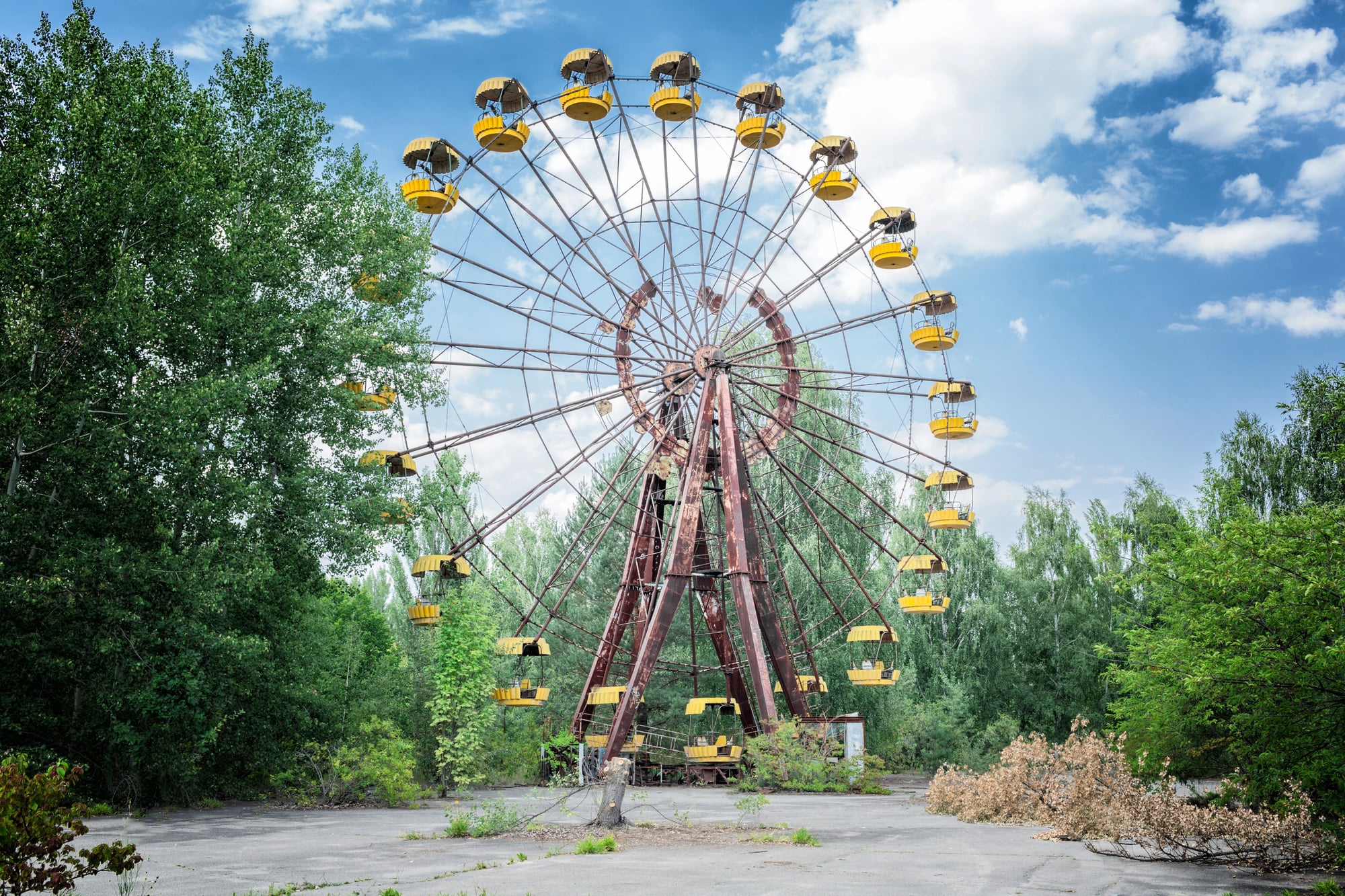
The amusement park ferris wheel stands frozen against the sky. Pripyat died in a single day when Chernobyl’s reactor melted down in 1986, leaving behind a perfectly preserved snapshot of Soviet life.
School desks still hold children’s notebooks, and gas masks litter kindergarten floors where evacuation drills became reality.
Kolmanskop, Namibia
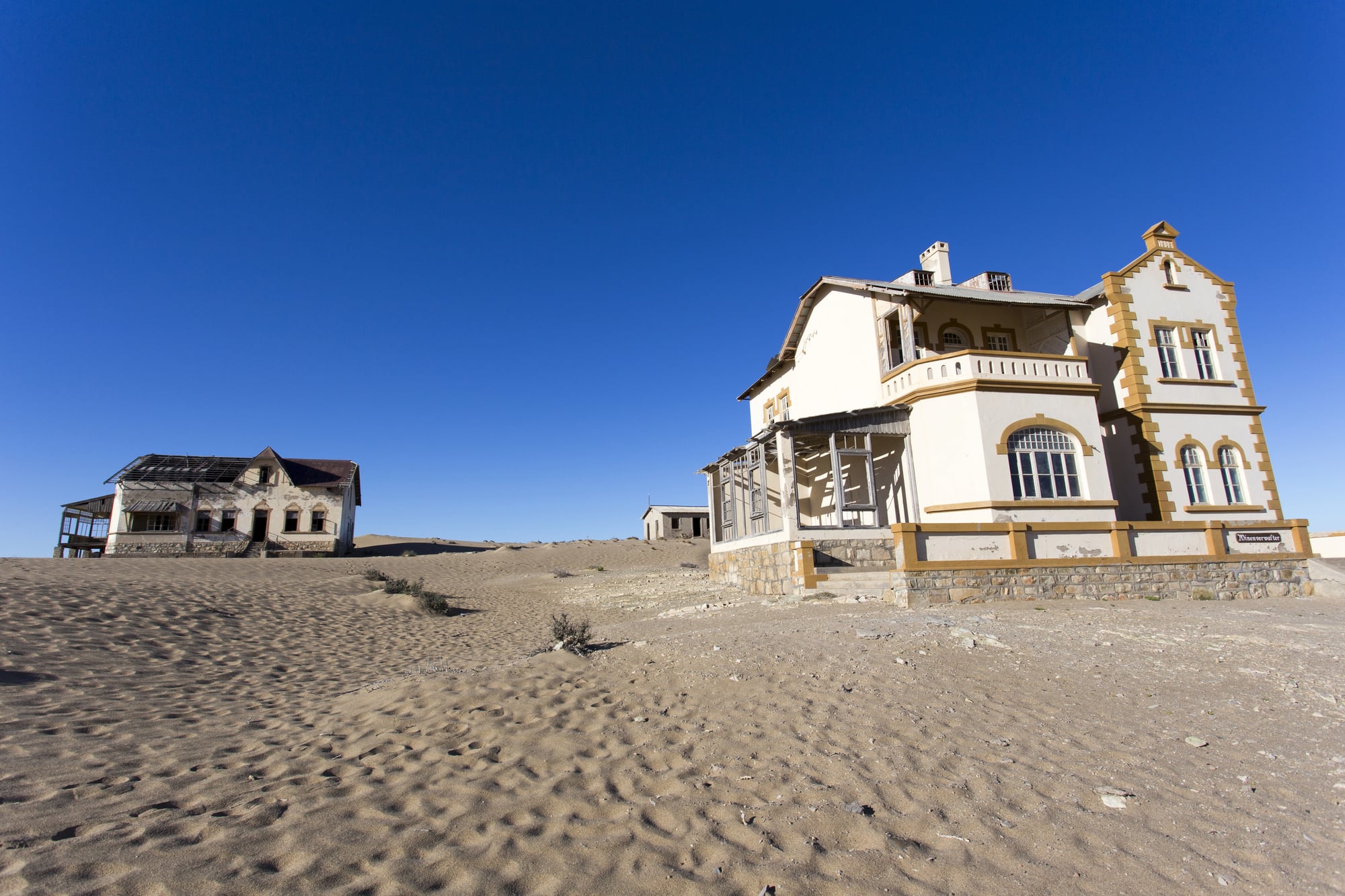
Sand doesn’t ask permission before it moves in. This former diamond mining town in the Namib Desert thrived for barely two decades before the gems ran out and the residents packed up, leaving behind ornate German colonial architecture that the desert has been steadily devouring ever since.
Walking through these half-buried mansions feels like archaeology in reverse — watching civilization disappear rather than emerge.
The sand creeps through broken windows and settles in corners where families once gathered for dinner, and there’s something oddly comforting about how completely indifferent nature remains to human ambition. Rooms that once hosted elegant parties now serve as repositories for dunes that shift and reshape themselves with each wind, creating an interior landscape that changes constantly yet feels timeless.
Hashima Island, Japan
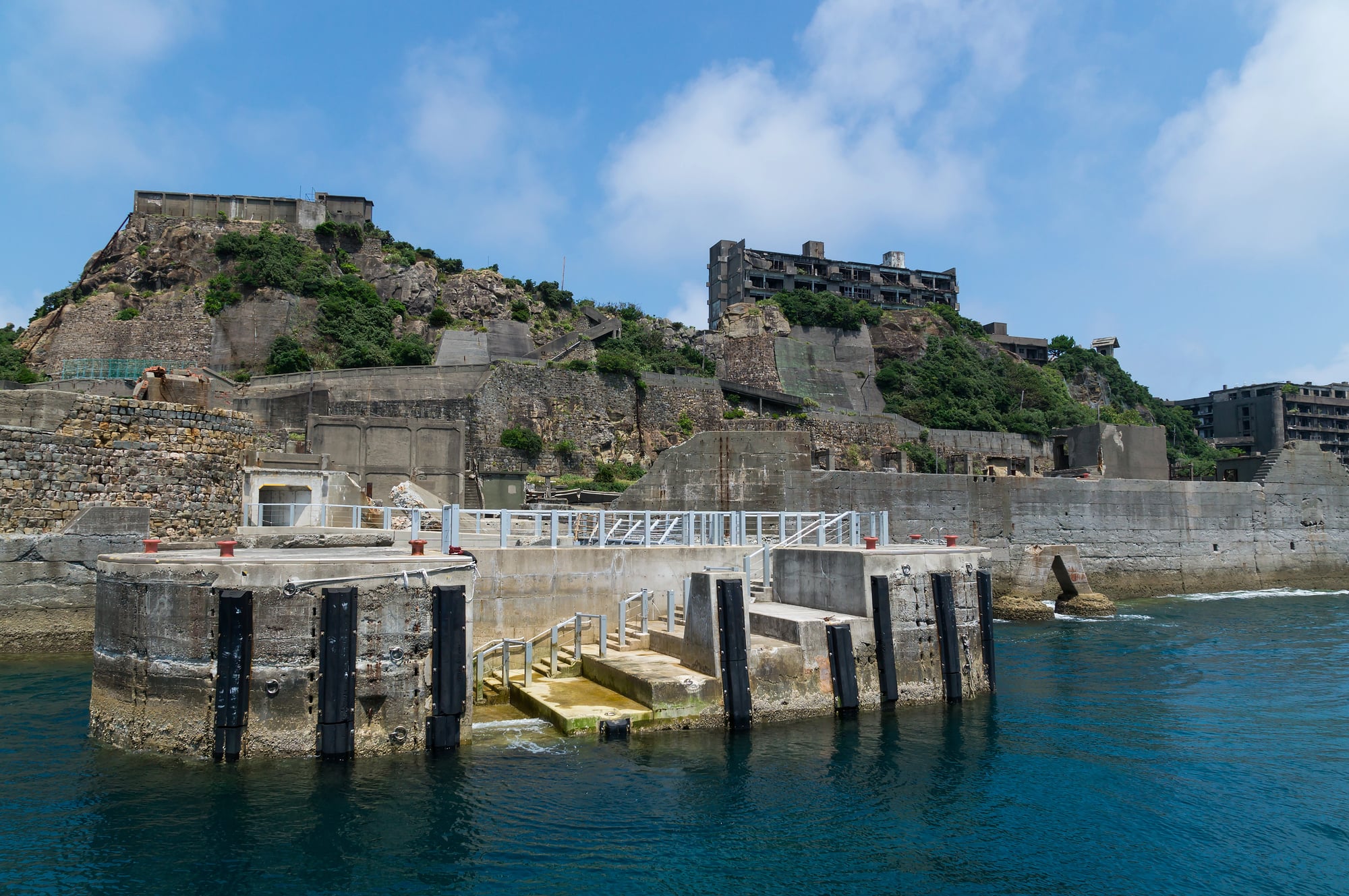
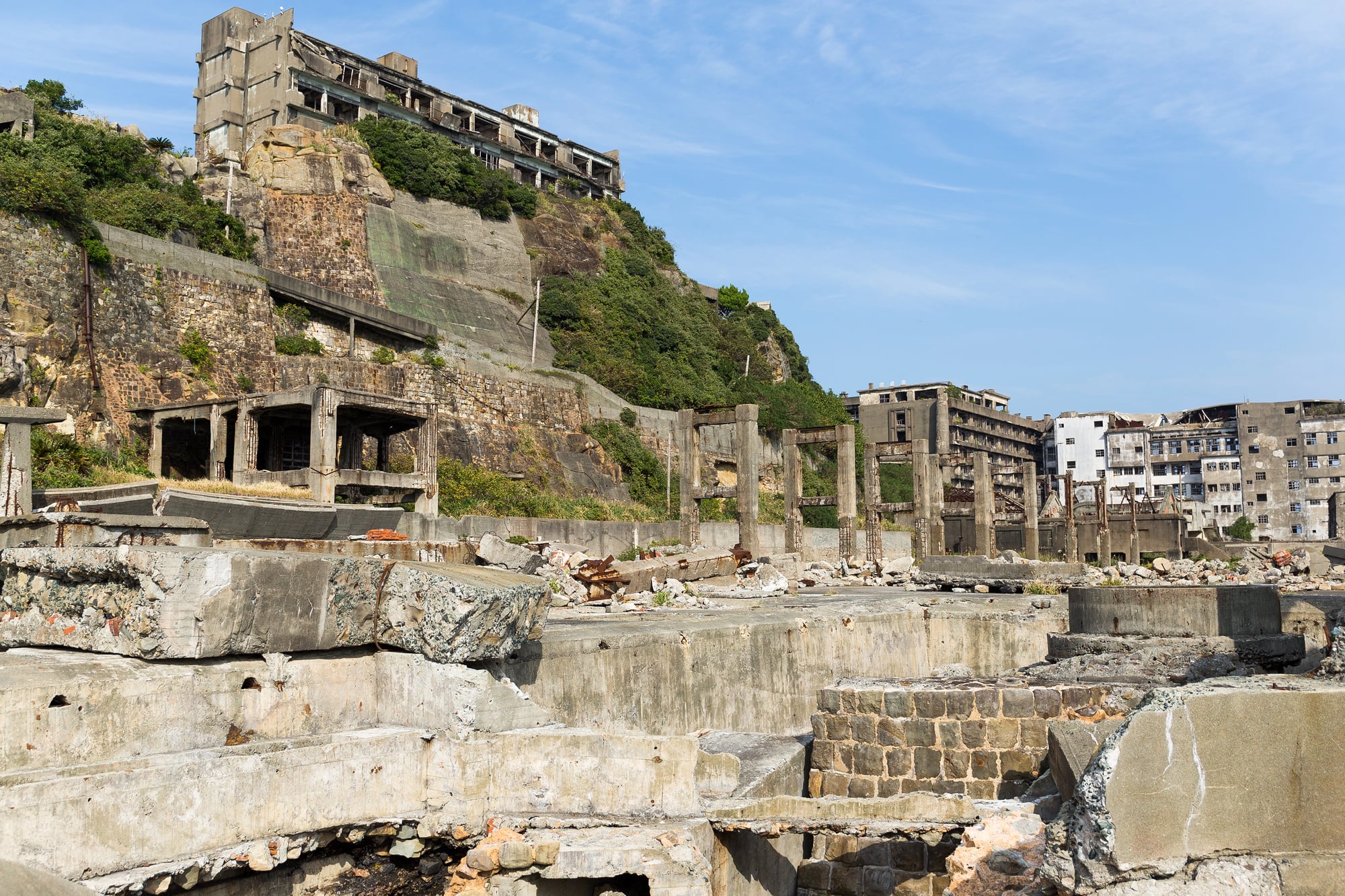
This place earned the nickname “Battleship Island” for good reason. The concrete apartment blocks rise from the ocean like a fortress, built to house coal miners on what became the most densely populated place on earth for a brief moment in history.
When petroleum replaced coal, everyone left within months, abandoning their entire world to the salt air.
Bodie, California
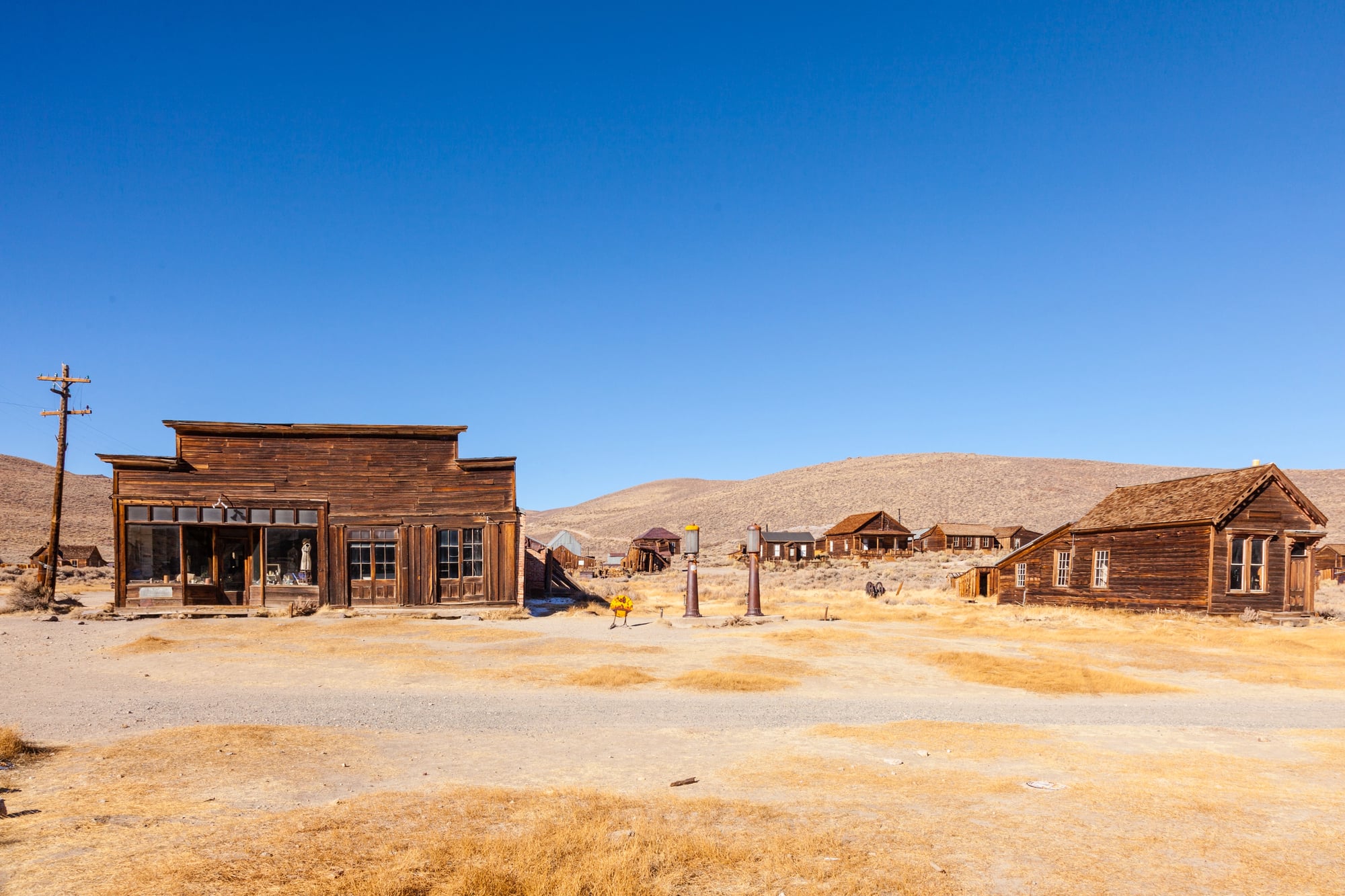
Gold rush towns knew how to die dramatically. Bodie went from 10,000 residents to zero in what felt like a heartbeat when the gold played out, leaving behind saloons with bottles still on the bar and homes with dinner plates on the table.
The California State Park system maintains it in “arrested decay” — nothing gets restored, but nothing gets removed either.
Centralia, Pennsylvania
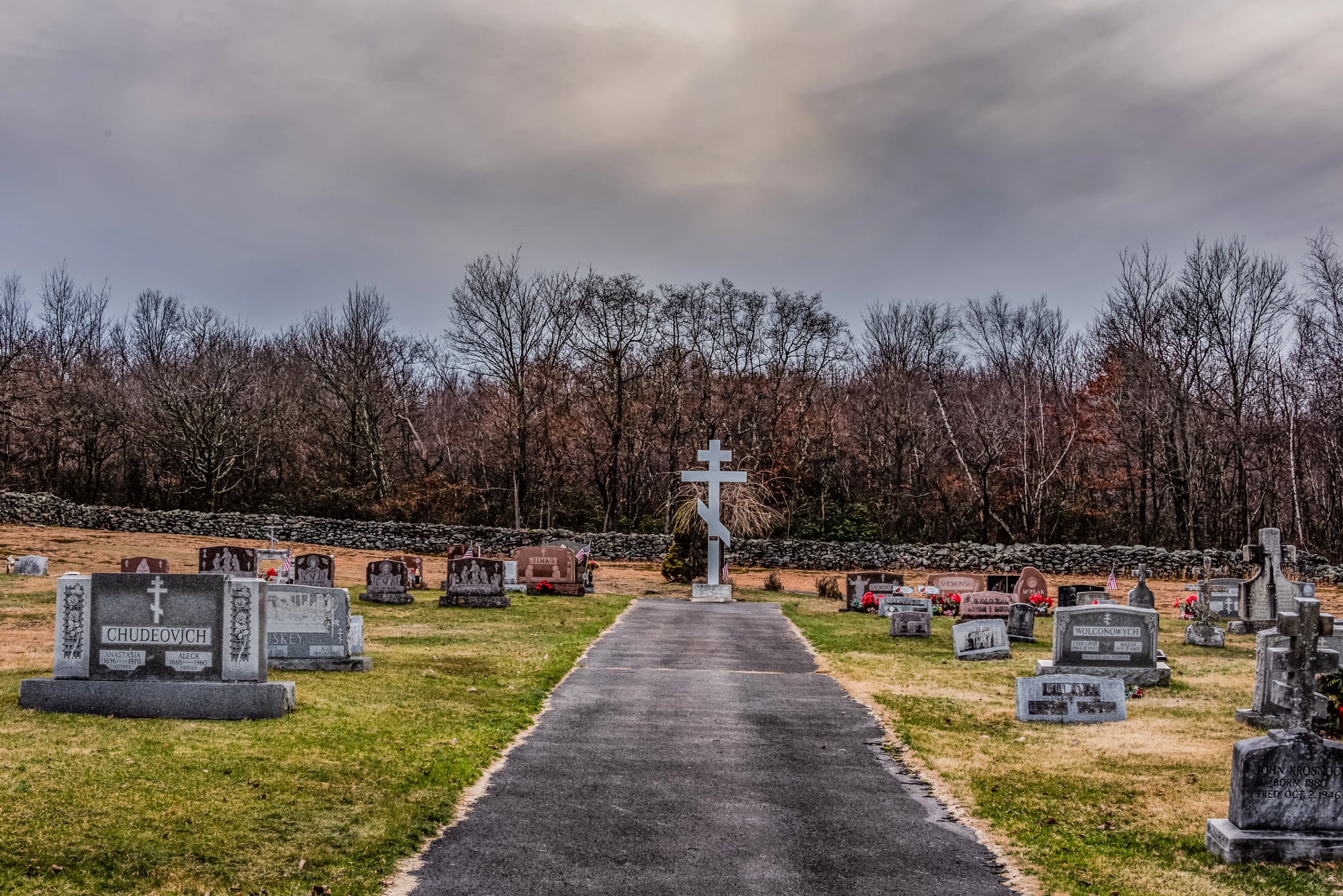
Underground coal fires have a stubborn streak that puts human persistence to shame. When the coal seam beneath this town caught fire in 1962, nobody expected it would still be burning sixty years later, forcing almost everyone to relocate as toxic gases seeped through basement floors and the ground itself became unstable.
The few remaining residents continue their lives above what amounts to a slow-motion volcanic eruption that could burn for centuries more.
Most people moved on decades ago, but the ones who stayed (and there are still a handful) have developed an almost casual relationship with living above an inferno — they know which streets to avoid when the ground gets too hot, and they’ve learned to read the landscape for signs of new fissures that might release dangerous gases.
Kayaköy, Turkey
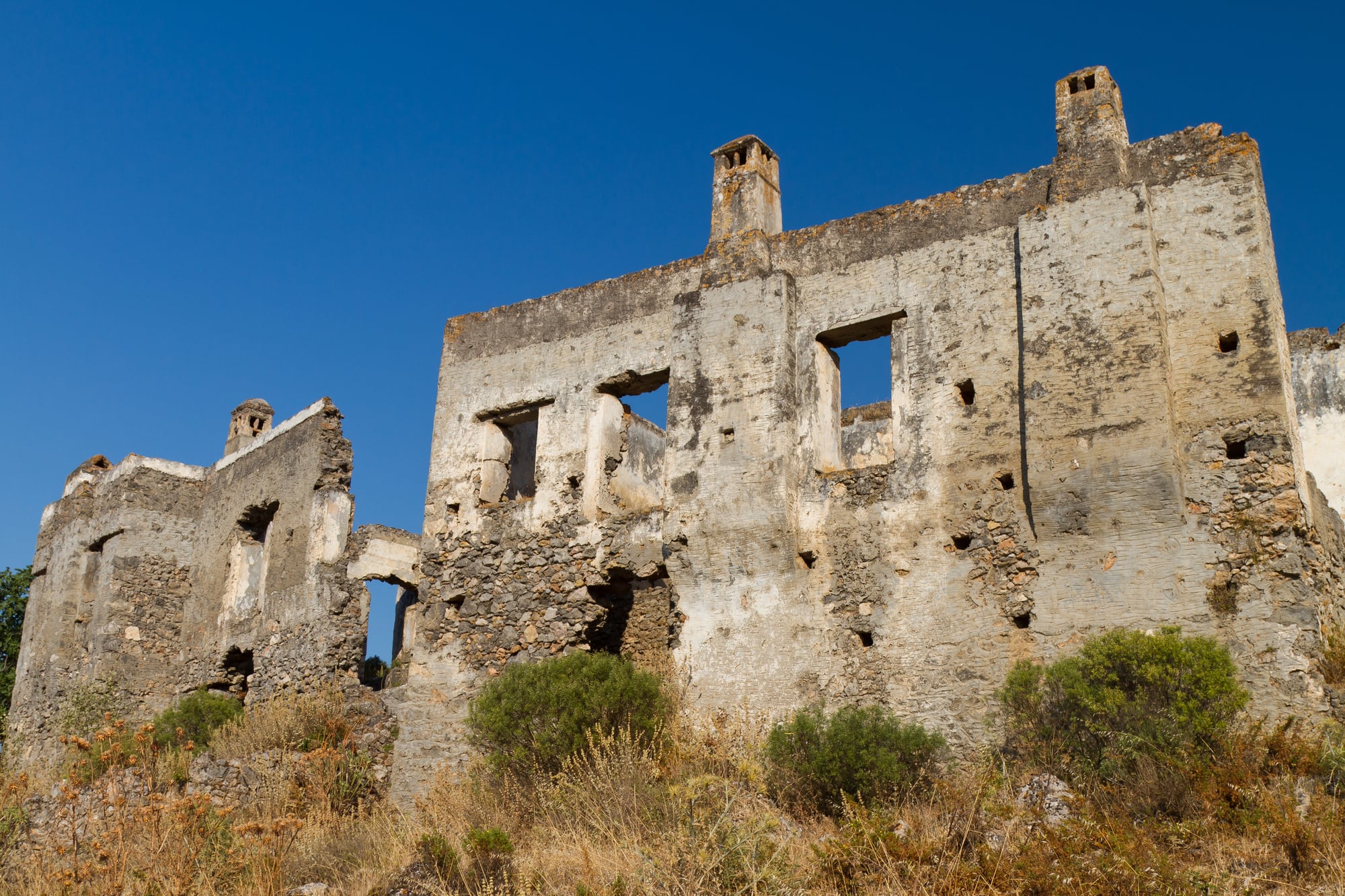
Religious tensions create ghost towns differently than natural disasters do. This former Greek Orthodox village in southwestern Turkey was abandoned during the 1923 population exchange between Greece and Turkey, leaving behind approximately 350-500 stone houses and multiple churches that have stood empty for a century.
The architecture remains largely intact, creating an entire hillside community frozen in time.
Grytviken, South Georgia Island
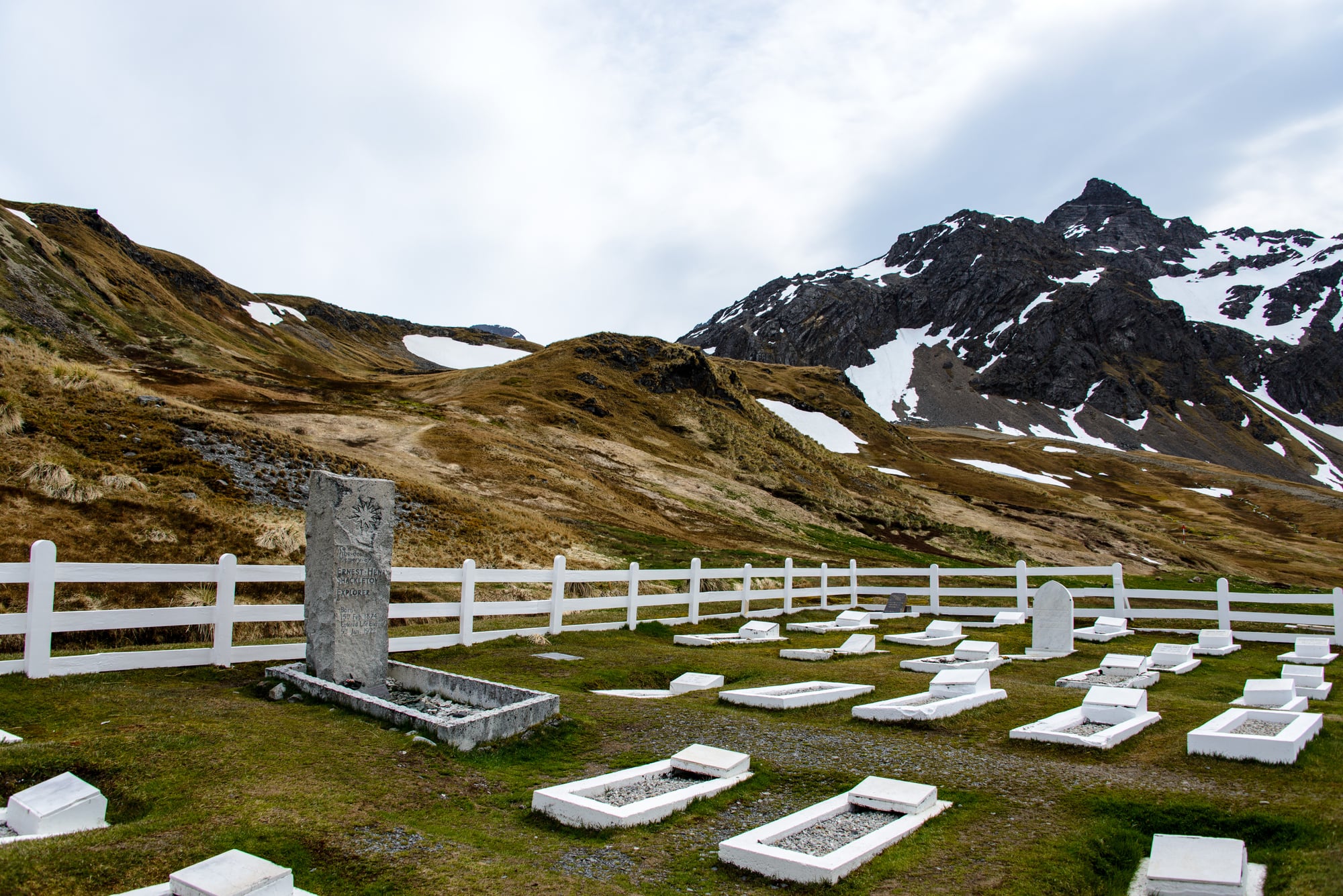
Whaling stations occupy a particular category of abandonment — places that existed solely to process massive sea creatures into oil and bone meal until the world moved on to petroleum. The rusted processing equipment and collapsed buildings sit against one of the most spectacular landscapes on earth, where Antarctic winds howl through machinery that once turned whale carcasses into profitable commodities.
The contrast between the brutal industrial purpose this place once served and the pristine wilderness that surrounds it creates an almost surreal disconnect — elephant seals now haul out on beaches where whale bones once piled thirty feet high.
Craco, Italy
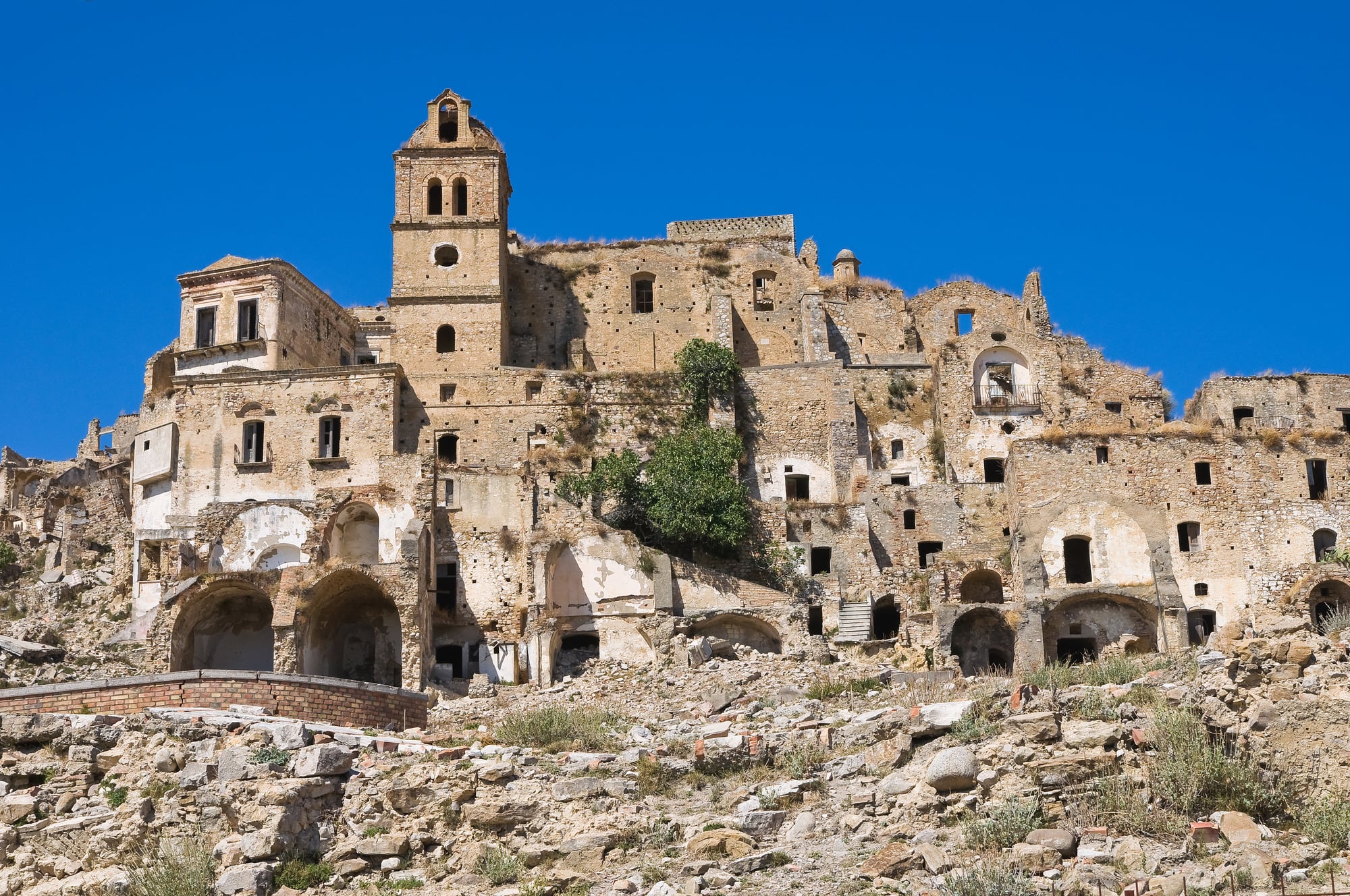
Medieval hilltop towns weren’t built with geological surveys in mind. Craco’s residents gradually abandoned their ancient village as landslides made staying increasingly dangerous, leaving behind a maze of stone buildings that cling to an unstable cliff face.
The town looks like a movie set — which it has become, appearing in films that need authentic medieval ruins.
Oradour-Sur-Glane, France
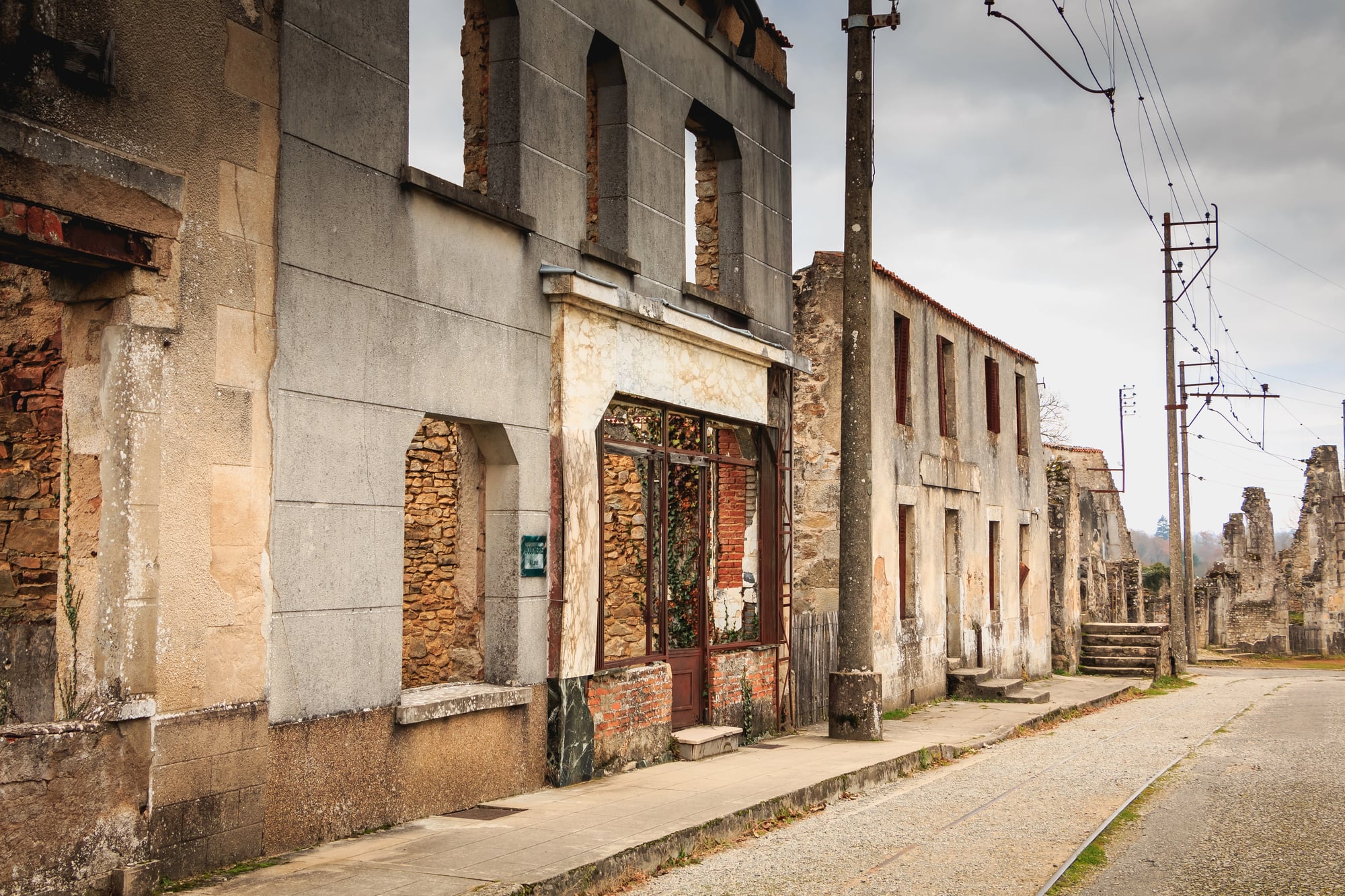
Some places become monuments to their own destruction. This village was burned by Nazi troops in 1944, killing 642 residents, and the French government decided to preserve the ruins exactly as they were found after liberation.
Cars still sit where they were abandoned, and personal belongings remain scattered in houses with no roofs — a decision to let physical evidence speak louder than any memorial could.
The silence here feels different from other ghost towns because it was created by deliberate violence rather than economic forces or natural disasters, and the preserved destruction serves as both historical record and warning about what humans can do to each other when ideology overtakes basic decency.
Varosha, Cyprus
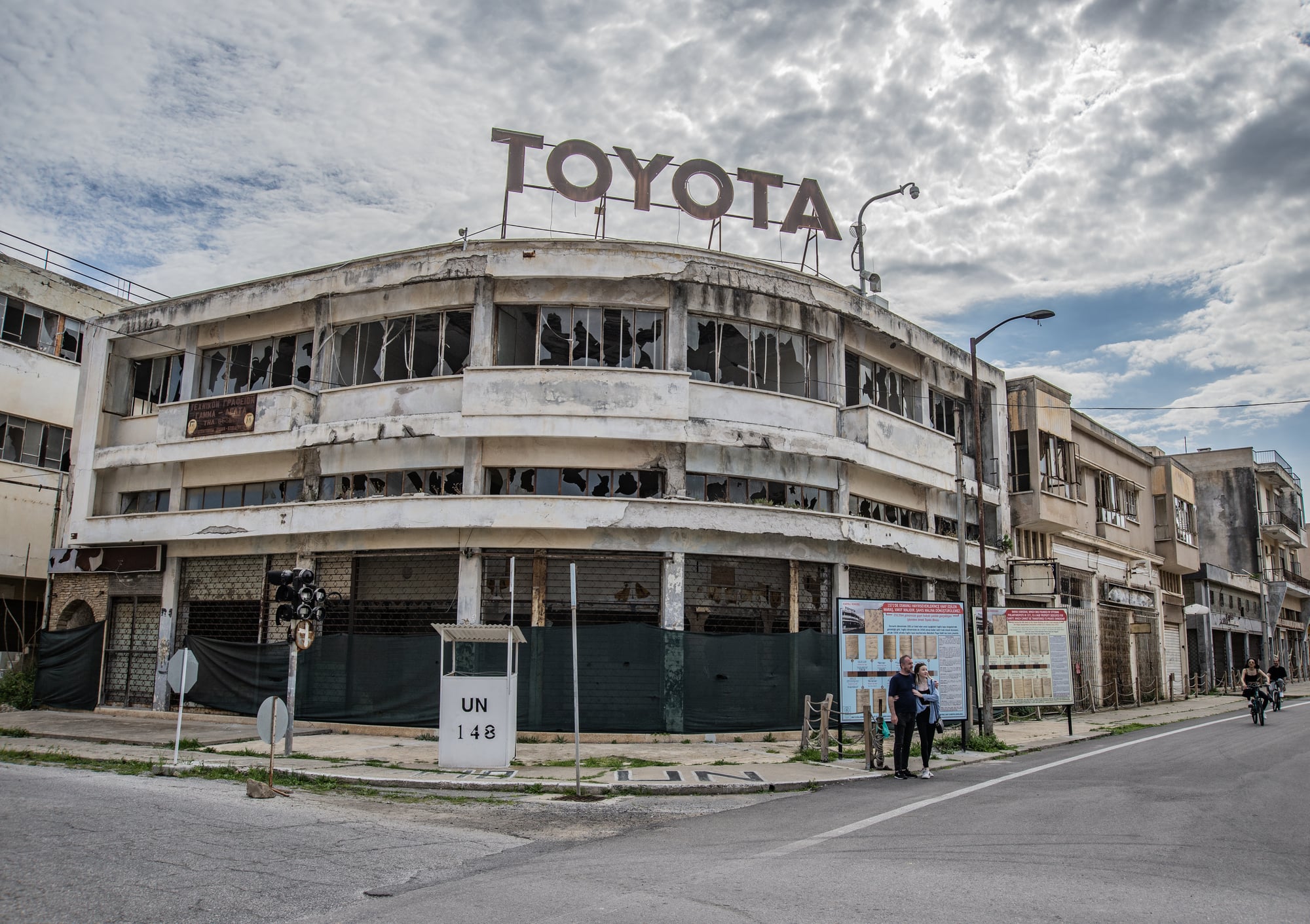
Political divisions create their own form of abandonment. This former resort district in Famagusta has been sealed off since the Turkish invasion of Cyprus in 1974, turning luxury hotels and beachfront apartments into a no-man’s land patrolled by Turkish military forces.
Four decades of isolation have left this Mediterranean paradise to decay behind barbed wire, with beach umbrellas still standing where tourists fled.
Agdam, Azerbaijan
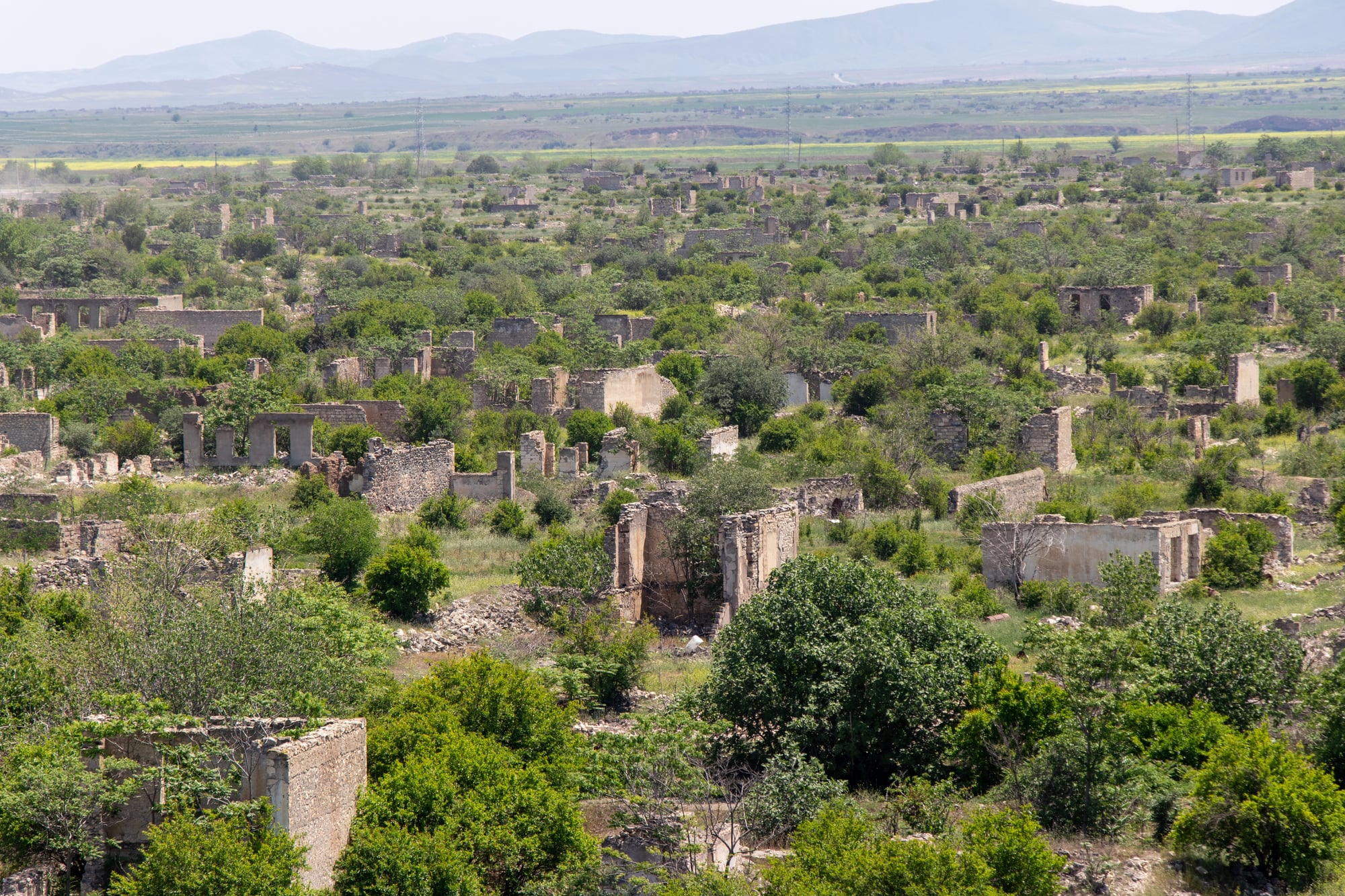
War tears cities apart more thoroughly than time does. Agdam was systematically destroyed during the Nagorno-Karabakh conflict, leaving behind a lunar landscape of rubble where approximately 28,000-40,000 people once lived.
The only structure that remains largely intact is the mosque, standing alone among the ruins like a monument to what used to be a thriving cultural center.
Humberstone, Chile
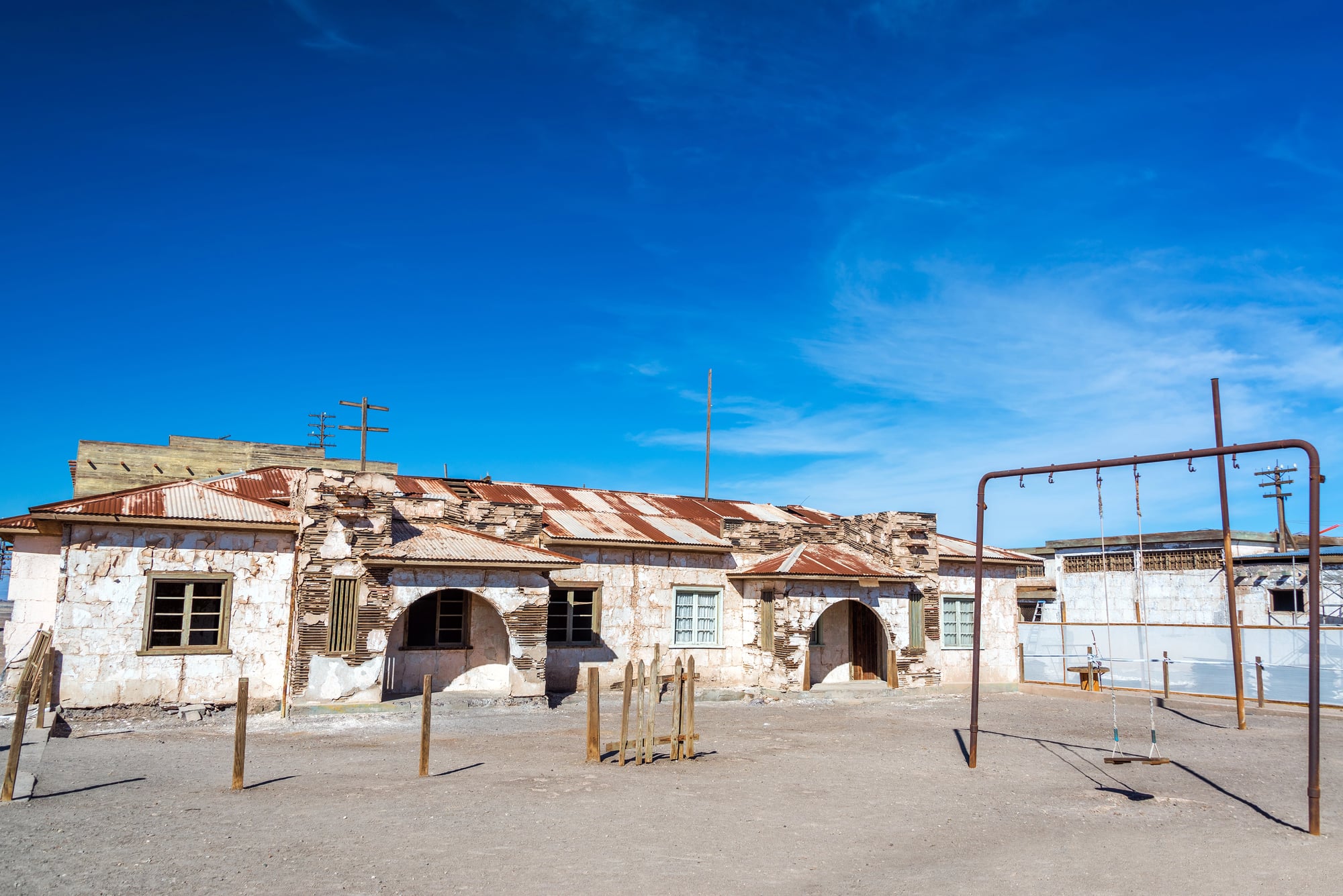
Company towns live and die by single industries, and nitrate mining built this place before synthetic fertilizers made it obsolete overnight. The Atacama Desert preserved everything with museum-quality precision — theater seats still face a stage where touring companies performed, and the company store displays goods that nobody will ever buy.
The desert climate means nothing rots, so abandonment here looks more like suspended animation.
Beichuan, China
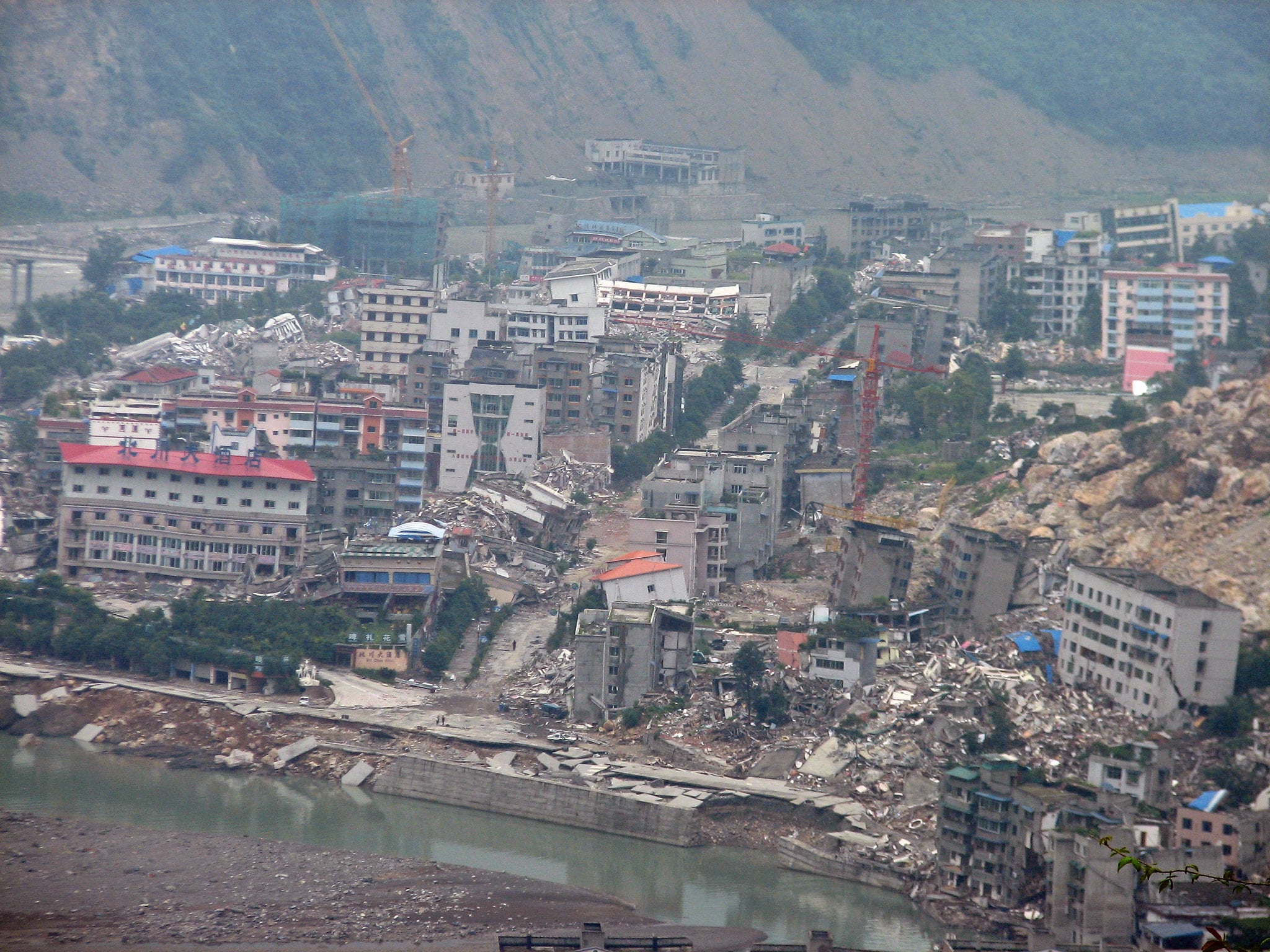
The 2008 Sichuan earthquake flattened this city in minutes, and the Chinese government decided to leave the ruins as an earthquake memorial rather than rebuild. Collapsed schools and apartment buildings remain exactly as the tremors left them, creating a sobering reminder of how quickly modern cities can be reduced to rubble when the ground beneath them shifts.
Where Stories End but Memory Lingers
These abandoned places share something beyond their emptiness — they remind you that everything humans build is temporary, whether it lasts thirty years or three centuries. Each ghost town represents someone’s entire world that simply ended one day, leaving behind physical evidence of dreams, disasters, and the stubborn human habit of building permanent things in an impermanent world.
The photographs capture what remains, but the stories they tell echo much longer than the buildings themselves will stand.
More from Go2Tutors!

- The Romanov Crown Jewels and Their Tragic Fate
- 13 Historical Mysteries That Science Still Can’t Solve
- Famous Hoaxes That Fooled the World for Years
- 15 Child Stars with Tragic Adult Lives
- 16 Famous Jewelry Pieces in History
Like Go2Tutors’s content? Follow us on MSN.



