16 Famous Structures Built on Earthquake Fault Lines
When architects and engineers choose locations for major construction projects, they usually think about accessibility, cost, and available space. Yet throughout history, some of the world’s most iconic structures have been built directly on or near active earthquake fault lines. These buildings stand as testaments to human ingenuity and engineering prowess, though they often incorporate innovative design features to withstand seismic activity.
From ancient temples to modern skyscrapers, these structures show how builders have learned to work with rather than against the Earth’s natural forces. Here is a list of 16 famous structures that sit precariously on earthquake fault lines around the world.
Golden Gate Bridge

San Francisco’s iconic Golden Gate Bridge spans the Golden Gate strait — sitting directly above the San Andreas Fault system. The bridge’s engineers incorporated flexible joints and expansion capabilities into its design, letting it sway up to 27 feet in either direction during strong winds or seismic events. Since its completion in 1937, the structure has weathered numerous earthquakes. This includes the devastating 1989 Loma Prieta quake that caused significant damage throughout the Bay Area.
Transamerica Pyramid

— Photo by pandionhiatus3
This distinctive 48-story skyscraper in San Francisco’s Financial District was specifically designed to withstand major earthquakes. The pyramid’s unique shape and deep foundation system — which extends 52 feet below street level — help distribute seismic forces more effectively than traditional rectangular buildings. The structure sits on a steel and concrete mat foundation that can flex during ground movement, making it one of the safest buildings in a city known for seismic activity.
Los Angeles City Hall
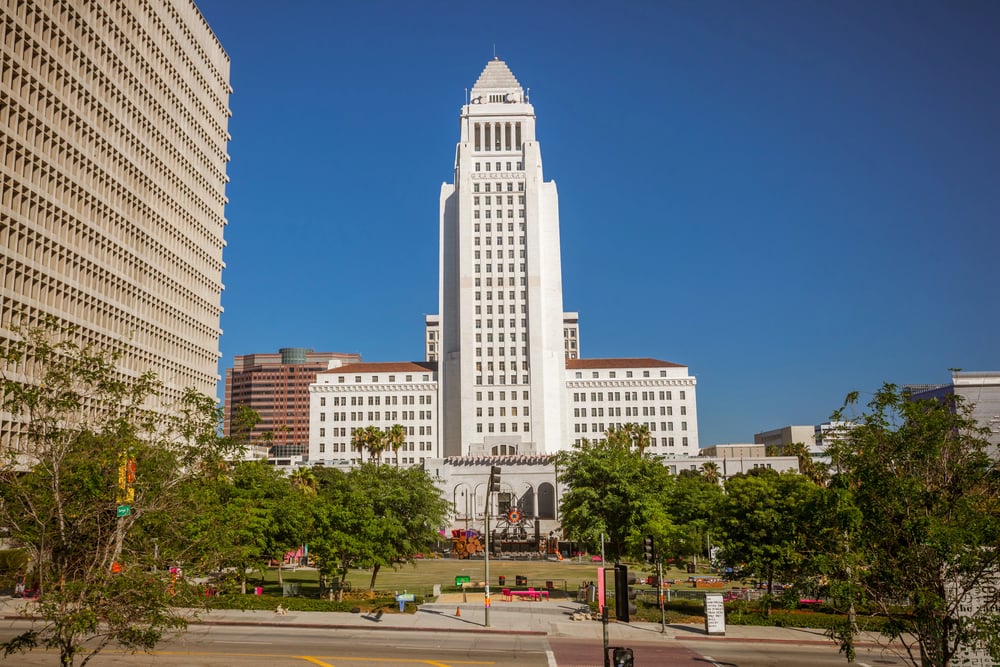
— Photo by nata_rass
Built in 1928, Los Angeles City Hall predates modern earthquake building codes but has undergone extensive seismic retrofitting. The 32-story building sits near several fault lines — including the Raymond Fault and the Puente Hills Fault. A major renovation completed in 2001 added base isolation systems and reinforced the structure’s ability to withstand a magnitude 8.0 earthquake. This ensures the historic landmark remains functional during emergencies.
Hagia Sophia

— Photo by dinosmichail
Istanbul’s ancient Hagia Sophia has survived countless earthquakes over its 1,500-year history, despite sitting on the North Anatolian Fault. The massive dome and thick walls were built using flexible mortar and innovative architectural techniques that allow the structure to move with seismic activity. Throughout centuries of earthquakes, the building has suffered damage but has been repeatedly restored — showcasing the durability of Byzantine engineering.
Tokyo Skytree

— Photo by Torsakarin
Standing at 2,080 feet tall, Tokyo Skytree is one of the world’s tallest towers and sits in one of the most seismically active regions on Earth. The tower’s innovative design incorporates a central concrete core surrounded by a steel frame that can absorb and dissipate earthquake energy. During the 2011 Tōhoku earthquake, the tower swayed but remained undamaged — proving the effectiveness of its advanced damping systems.
Taipei 101

— Photo by sepavone
Taiwan’s Taipei 101 was the world’s tallest building when completed in 2004, rising from an island nation that experiences frequent seismic activity. The skyscraper features a massive 660-ton tuned mass damper suspended between the 87th and 92nd floors — which acts like a giant pendulum to counteract building movement during earthquakes and strong winds. This golden orb has become a tourist attraction in its own right, visible to visitors who can observe how it moves to stabilize the entire structure.
Millau Viaduct
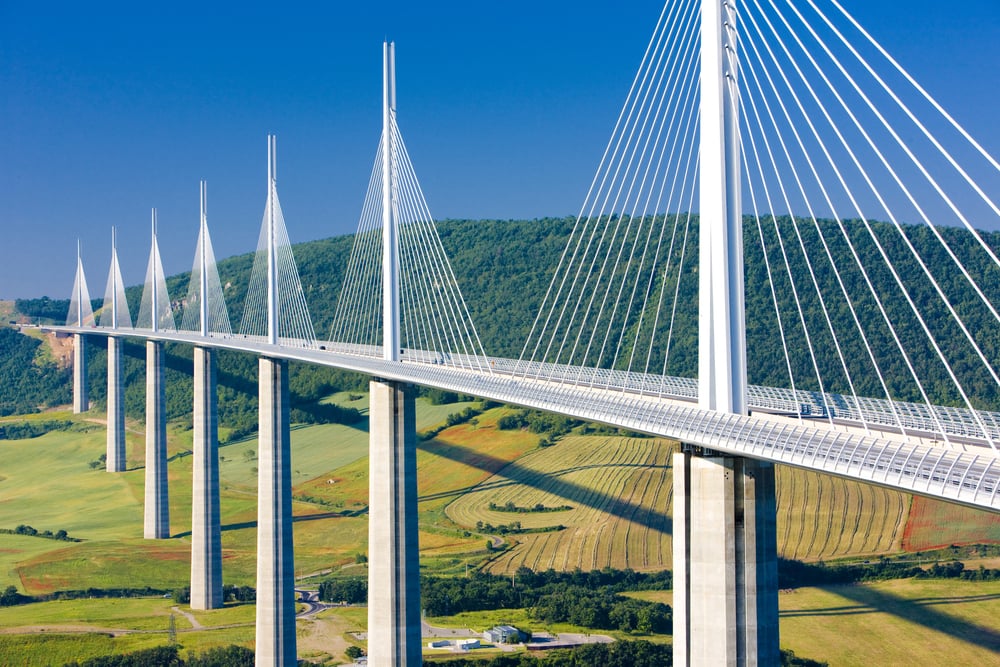
— Photo by phb.cz
France’s Millau Viaduct, the tallest bridge in the world, crosses the Tarn River valley in a region with moderate seismic activity. The bridge’s cable-stayed design and flexible deck allow it to accommodate both thermal expansion and seismic movement. Each of the seven concrete piers can move independently — preventing catastrophic failure if one section experiences unusual stress during an earthquake.
Burj Khalifa
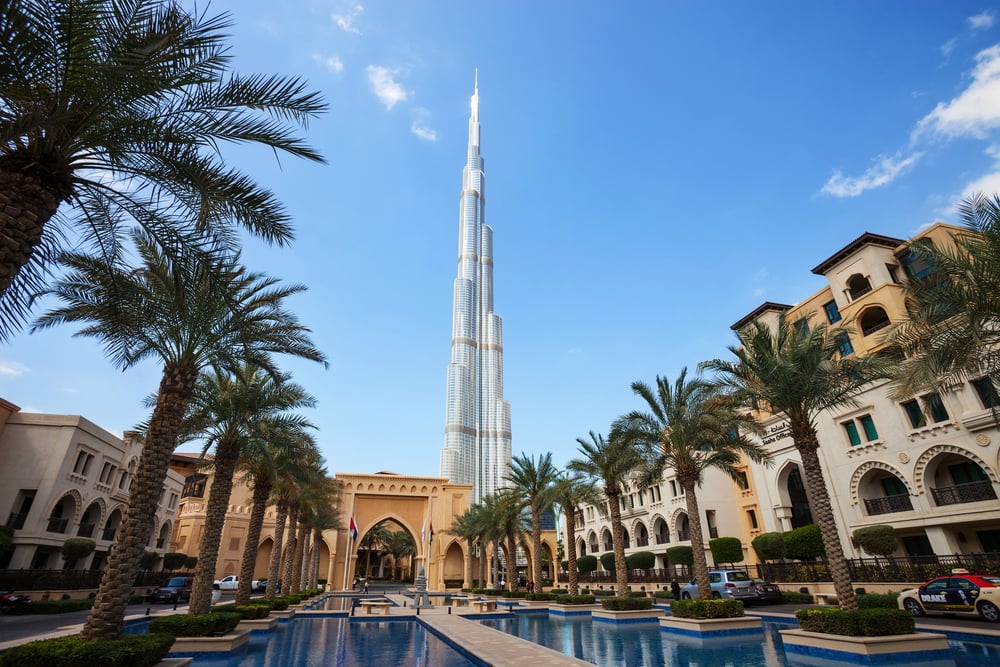
— Photo by photobac
Dubai’s Burj Khalifa, currently the world’s tallest building, incorporates advanced seismic design despite the region’s relatively low earthquake risk. The building’s Y-shaped floor plan and reinforced concrete core provide exceptional stability — while its foundation system extends 164 feet below ground. Although major earthquakes are rare in the UAE, the structure was designed to withstand significant seismic forces as a precautionary measure.
Alcatraz Federal Penitentiary
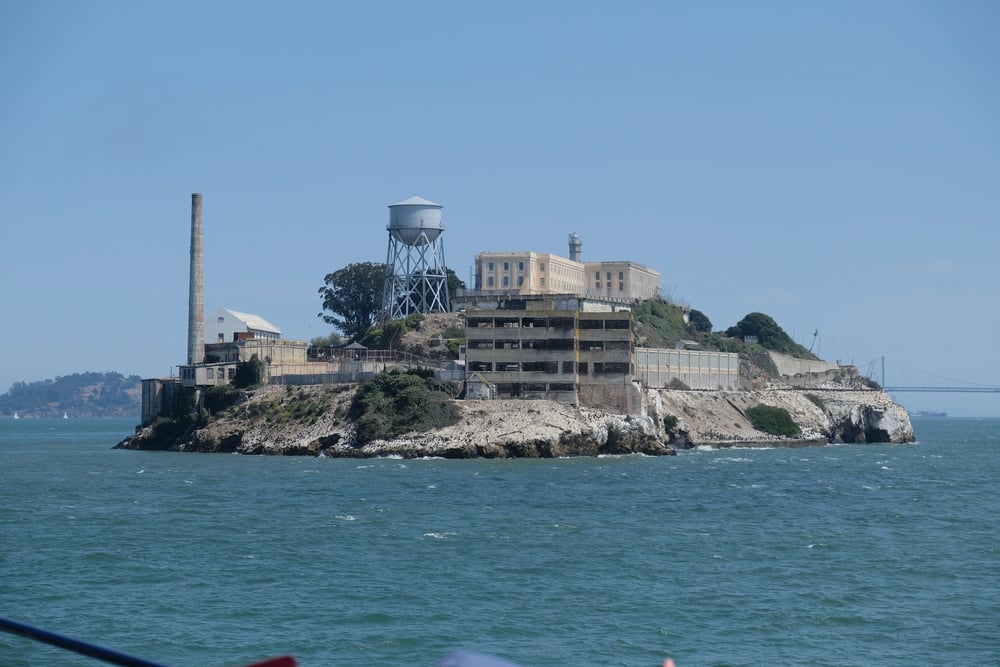
— Photo by nycruss
The former federal prison on Alcatraz Island sits directly on the San Andreas Fault system in San Francisco Bay. The concrete and steel structures were built to withstand the harsh marine environment and seismic activity — with thick walls and reinforced foundations. During its operational years from 1934 to 1963, the prison experienced several notable earthquakes, yet the buildings remained structurally sound throughout.
Sutro Tower

San Francisco’s Sutro Tower, a 977-foot television and radio transmission tower, was built in 1973 with earthquake resistance as a primary design consideration. The tower’s three-legged steel framework and guy-wire system allow it to flex during seismic events while maintaining structural integrity. Located on one of the city’s highest peaks — the tower has successfully broadcast through numerous earthquakes, including the 1989 Loma Prieta event.
California Academy of Sciences
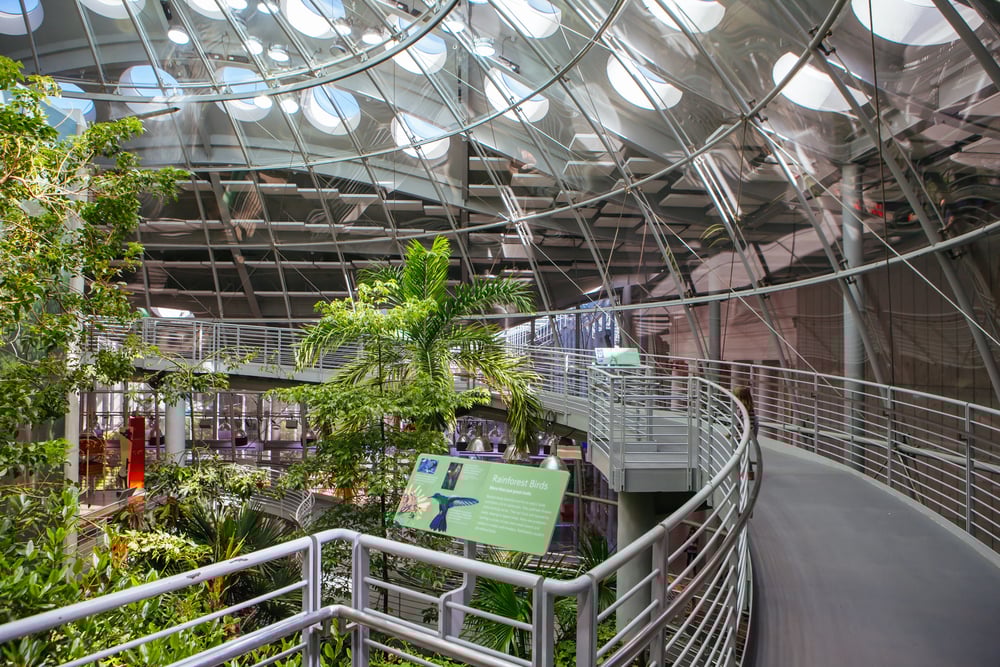
— Photo by filedimage
The California Academy of Sciences in San Francisco’s Golden Gate Park was completely rebuilt in 2008 with state-of-the-art seismic design features. The building sits on base isolators that allow the structure to move independently of the ground during earthquakes, protecting both the building and its invaluable scientific collections. The innovative design earned the building LEED Platinum certification while ensuring it can withstand a major earthquake on the nearby San Andreas Fault.
Getty Center
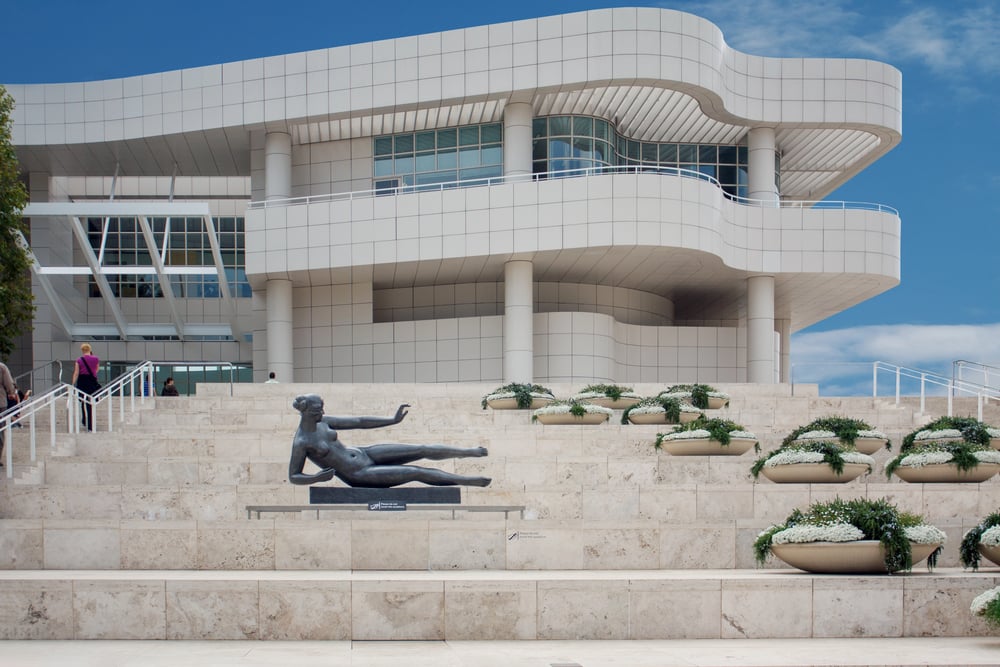
— Photo by RokaB
Perched on a hilltop in Los Angeles, the Getty Center was designed to withstand earthquakes while protecting priceless art collections. The complex uses a combination of base isolation technology and reinforced concrete construction to minimize seismic damage. During the 1994 Northridge earthquake, the center’s systems performed flawlessly. This demonstrated how modern engineering can protect both structures and their contents from seismic forces.
Salesforce Tower
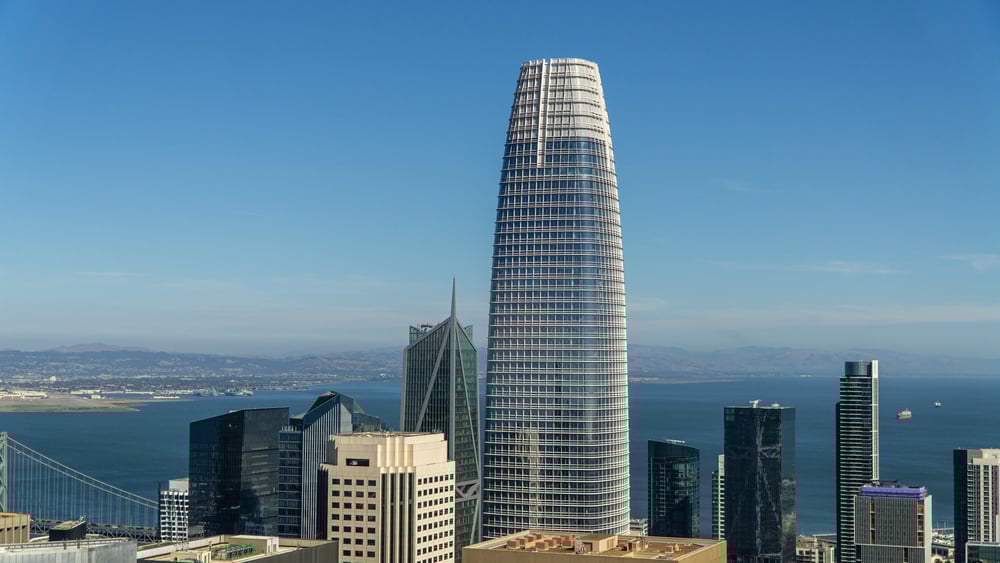
— Photo by tanerkaraguzel81@gmail.com
San Francisco’s Salesforce Tower, completed in 2018, represents the latest in earthquake-resistant design for supertall buildings. The 1,070-foot tower uses a concrete core surrounded by a steel frame, with advanced damping systems throughout its height. The building’s foundation extends 310 feet below ground and incorporates flexible connections that allow the structure to move with seismic activity rather than fighting against it.
San Francisco-Oakland Bay Bridge
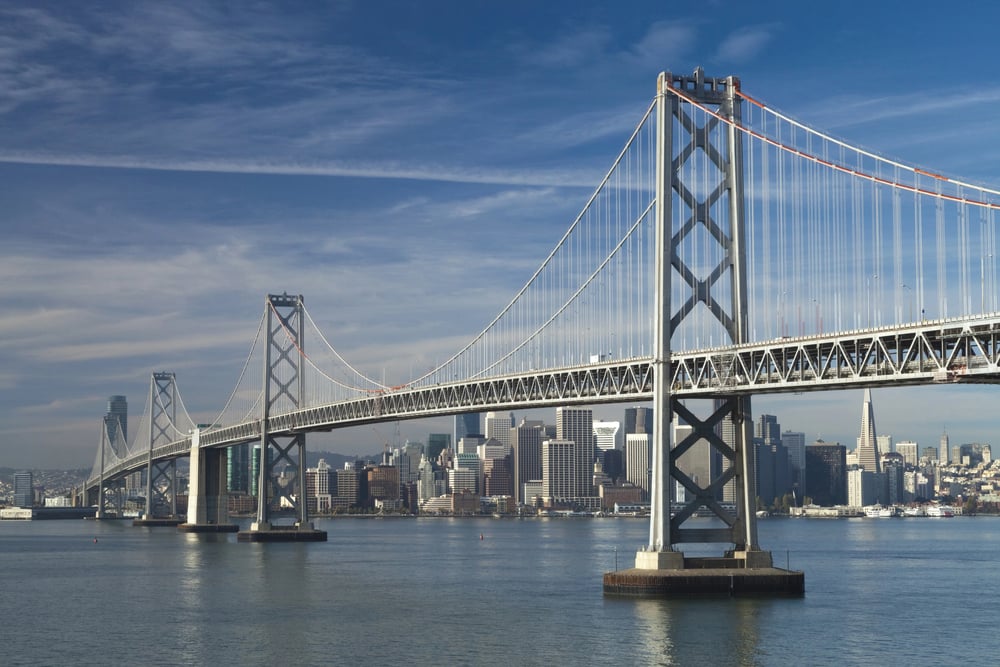
— Photo by kropic
The Bay Bridge connects San Francisco and Oakland across one of the most seismically active bodies of water in the world. The eastern span was completely rebuilt after the 1989 Loma Prieta earthquake damaged the original structure, incorporating modern seismic design principles. The new self-anchored suspension bridge can withstand a magnitude 8.5 earthquake, making it one of the most earthquake-resistant bridges ever constructed.
Coit Tower

San Francisco’s Coit Tower, built in 1933 atop Telegraph Hill, sits near several fault lines and has survived numerous earthquakes over its 90-year history. The 210-foot concrete tower was constructed with a solid foundation that extends deep into bedrock, providing stability during seismic events. Despite its age and the challenging seismic environment, the tower continues to serve as both a landmark and a testament to early 20th-century engineering.
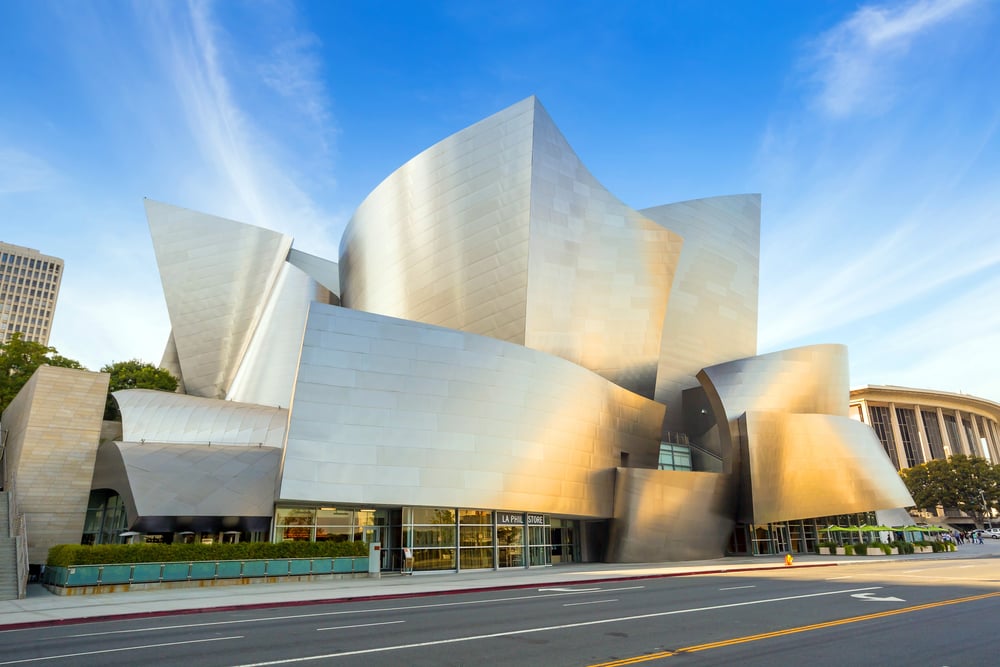
Walt Disney Concert Hall
— Photo by f11photo
Los Angeles’ Walt Disney Concert Hall, designed by Frank Gehry, incorporates sophisticated seismic design features beneath its striking stainless steel exterior. The building uses base isolation systems and flexible steel frame construction to protect both the structure and its acoustically sensitive concert spaces from earthquake damage. The unique curved design also helps distribute seismic forces more evenly throughout the building, ensuring that performances can continue even in this earthquake-prone region.
Engineering Marvels in Motion

These remarkable structures prove that building on fault lines isn’t just possible — it’s been done successfully for centuries. From ancient engineering wisdom to cutting-edge technology, each building represents humanity’s evolving understanding of how to coexist with seismic forces. Modern base isolation systems, flexible joints, and innovative materials have made today’s earthquake-resistant buildings safer than ever before. As seismic science continues to advance, these iconic structures will likely inspire even more ambitious projects in earthquake-prone regions around the world.
More from Go2Tutors!

- 16 Historical Figures Who Were Nothing Like You Think
- 12 Things Sold in the 80s That Are Now Illegal
- 15 VHS Tapes That Could Be Worth Thousands
- 17 Historical “What Ifs” That Would Have Changed Everything
- 18 TV Shows That Vanished Without a Finale
Like Go2Tutors’s content? Follow us on MSN.