Things Neighbors Shared Before Neighborhood Social Media
Long before a neighborhood had an online group, the community ran on a patchwork of small favors passed over fences and doorsteps. People borrowed, lent, warned, and recommended in person, usually without a second thought.
Some of those habits faded as households grew more self-sufficient, and others moved onto screens. The list below covers what neighbors once shared and how those exchanges worked.
A Cup of Sugar or an Egg

The classic request at the back door was for a cup of sugar, a stick of butter, or a single egg to finish a recipe. The borrower usually returned the favor with a slice of whatever got baked.
The exchange built goodwill that lasted longer than the ingredients.
The Lawn Mower
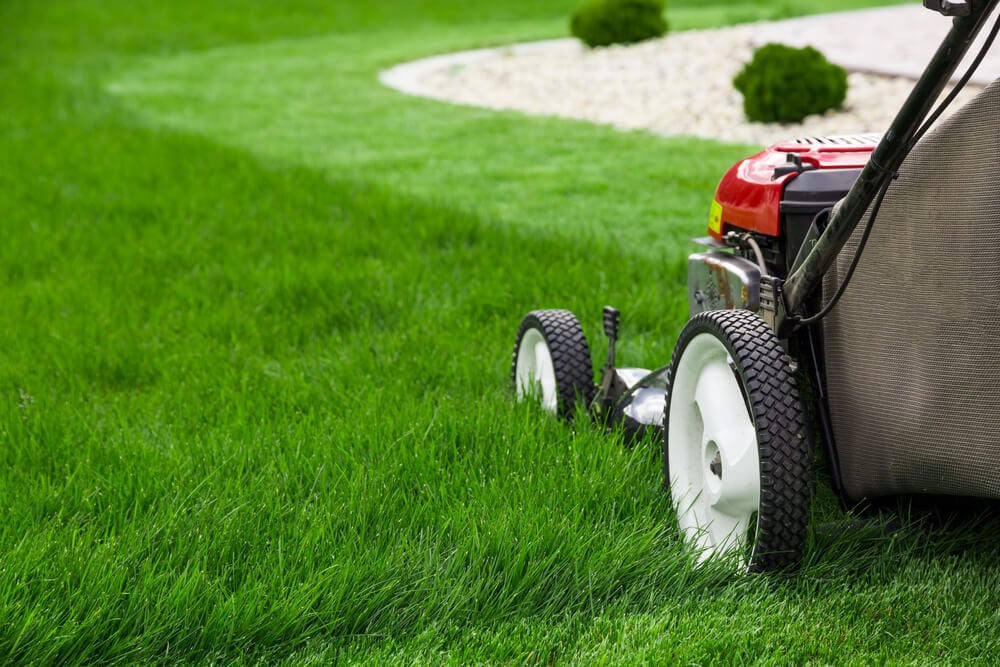
A single mower often served several houses on a block, especially in neighborhoods where yards were small and tools were costly. The borrower returned it with a full tank and a clean deck as a courtesy.
A well-kept mower could pass from household to household for years.
The Extension Ladder
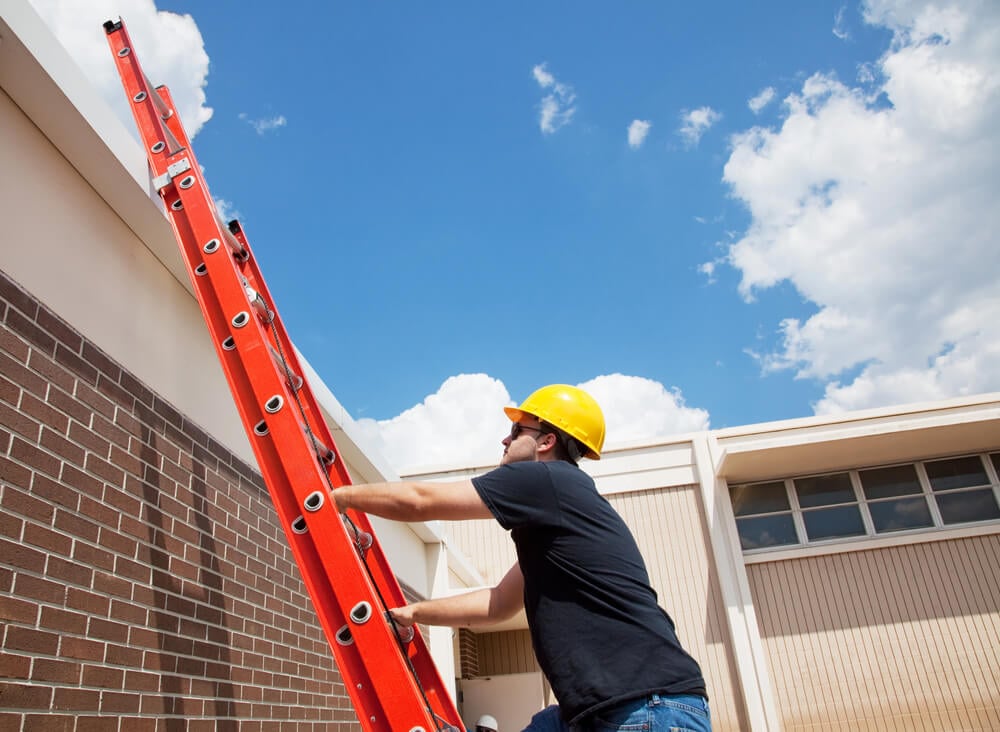
Ladders were bulky and used only a few times a year, which made them ideal items to share. A neighbor with a tall one became the person called for gutters, light bulbs, and holiday decorations.
The request usually included a promise to hold the ladder for the next person too.
The Snow Shovel and the Driveway
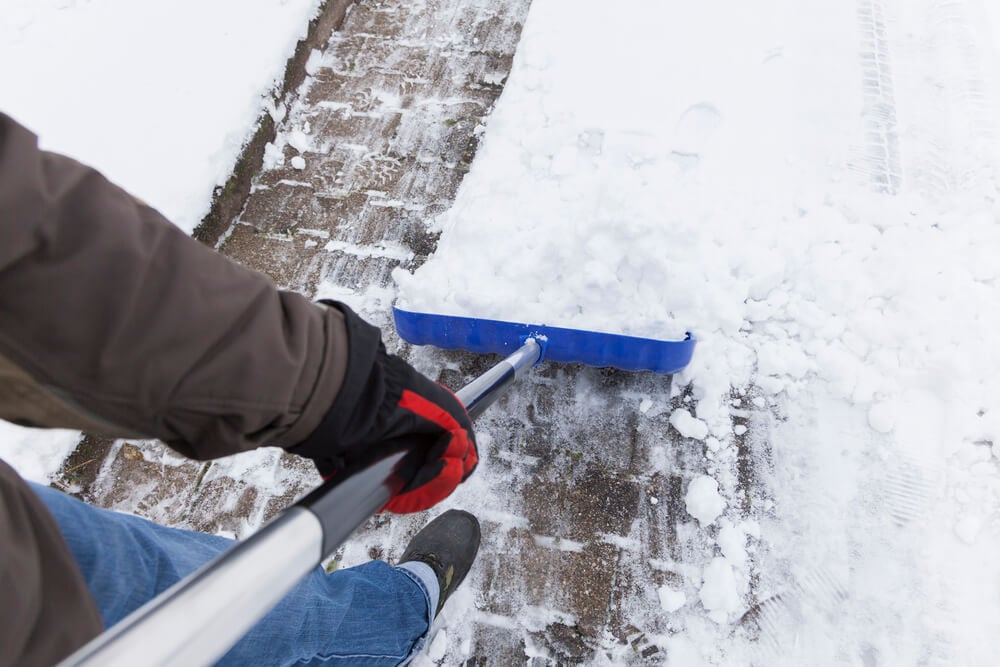
After a heavy snowfall, neighbors lent shovels, salt, and often their own backs to clear each other’s drives. Older residents were frequently dug out by younger ones without any request.
A cleared sidewalk became an unspoken statement about the entire block.
Garden Zucchini and Tomatoes
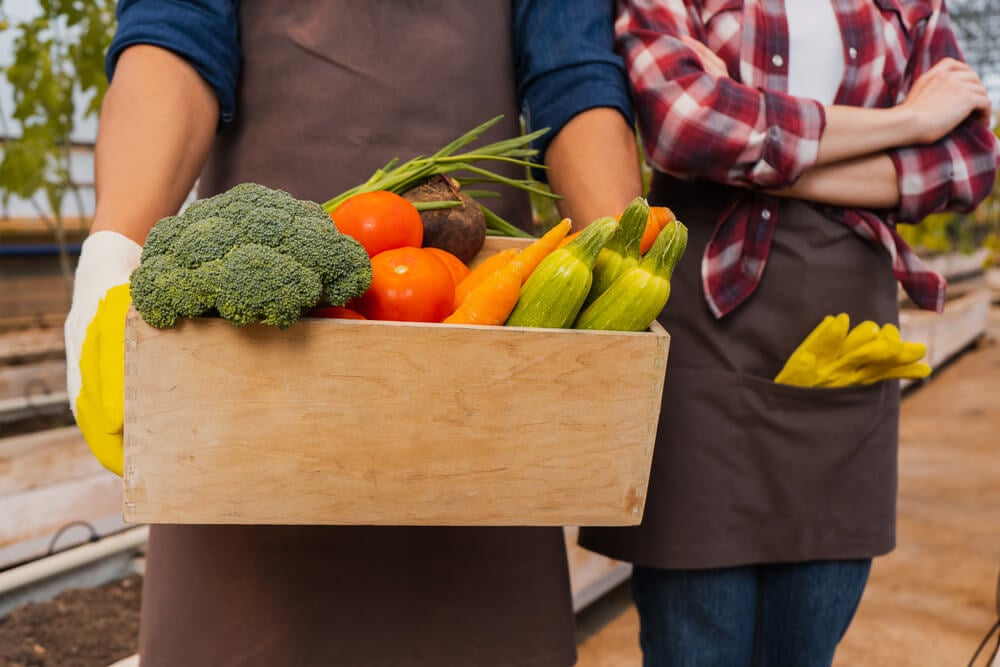
A single zucchini plant can overwhelm a household, so the surplus naturally moved from porch to porch in late summer. Tomatoes, beans, and herbs followed the same path.
Gardeners often left a bag on the step of a neighbor who was not home.
The Casserole After a Hard Week

When a family faced a funeral, an illness, or a new baby, neighbors arrived with covered dishes. The food came in the cook’s own baking dish, with a piece of masking tape bearing a name so it could be returned.
The gesture eased the burden of cooking without the need for words.
Babysitting Swaps
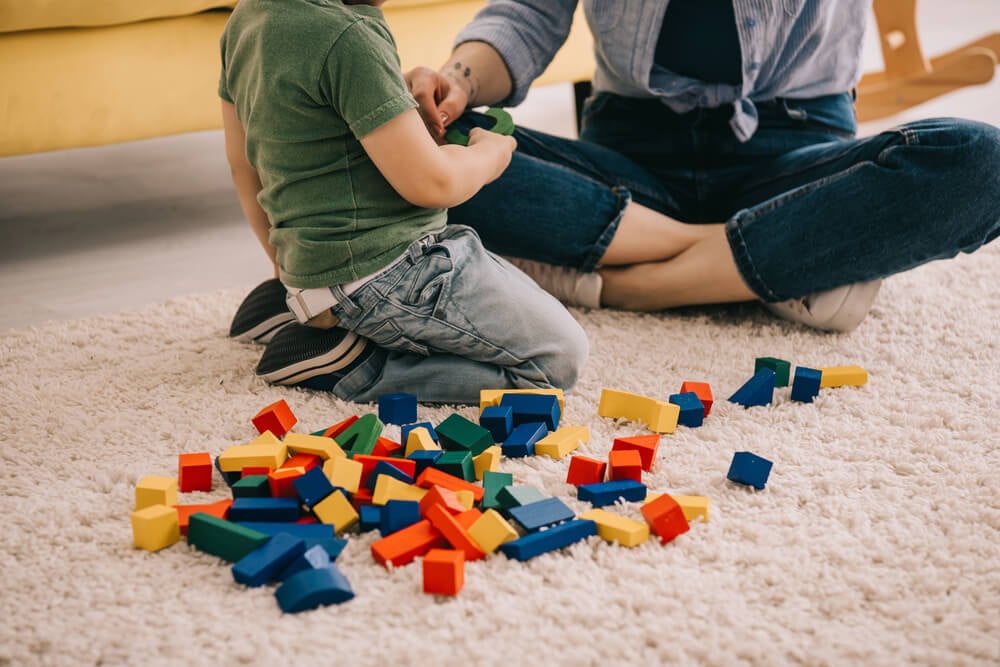
Families with young children traded babysitting hours so each could have an evening out. The arrangement ran on trust and a mental ledger of who owed whom.
A neighbor’s teenager often became the paid sitter for several households.
The Party Line Telephone

In many areas, several households shared a single telephone line, each with its own ring pattern. Anyone could pick up and hear what was going on, which made privacy a matter of etiquette.
The arrangement turned the telephone into a community instrument.
The Passed-Along Newspaper

A household that finished its newspaper would pass it to a neighbor, who might hand it to another after reading. Coupons, classified ads, and local notices stayed in circulation longer that way.
The paper often arrived with a corner clipped for a recipe or a notice.
The First Television on the Block

When one family bought a television, neighbors often gathered in the living room for big events. Even in 1954, only about one percent of American households owned a color set, so the owner of one became an instant host.
Rooms filled with folding chairs for a single broadcast.
Church Cookbook Recipes

Congregations compiled spiral-bound cookbooks of members’ favorite dishes and sold them as fundraisers. Neighbors swapped recipes in those pages and annotated them with notes on what worked.
A cookbook with a worn spine was a record of a community’s tastes.
Tools from the Garage
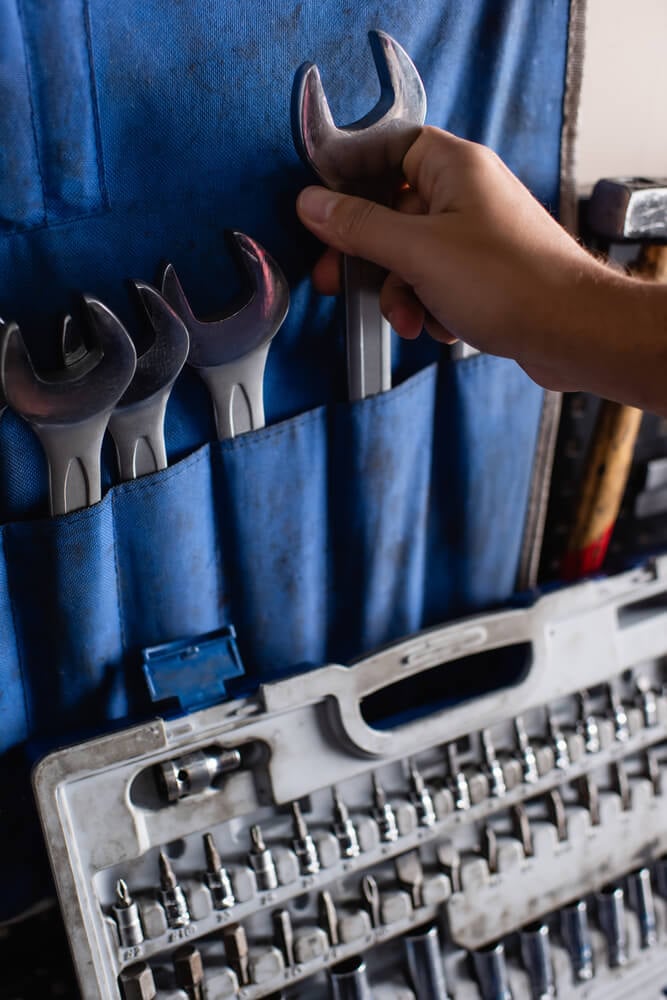
Hammers, wrenches, drills, and saws passed from garage to garage through casual loans. A borrowed tool often came back with a note about the job it had done.
The habit allowed a street to share equipment that no single household needed every day.
The Welcome Wagon Visit
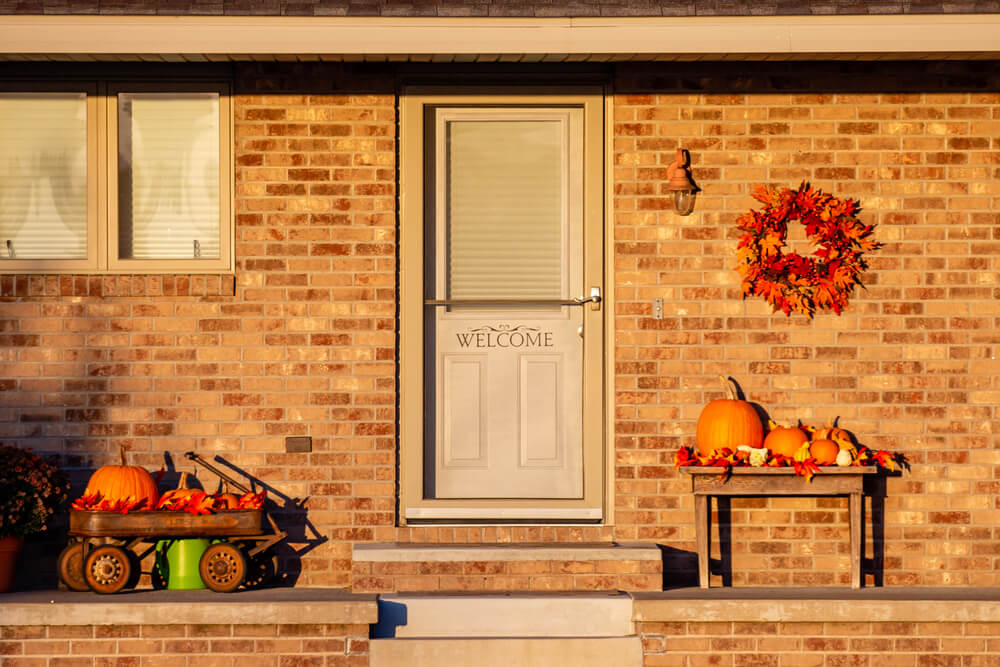
The Welcome Wagon, begun in 1928 by Thomas Briggs in Memphis, sent a hostess to new arrivals with gifts, coupons, and local information. The visit gave newcomers an introduction to local merchants and neighbors.
It gave businesses a way to reach households that had just moved in.
Tupperware and Avon Parties
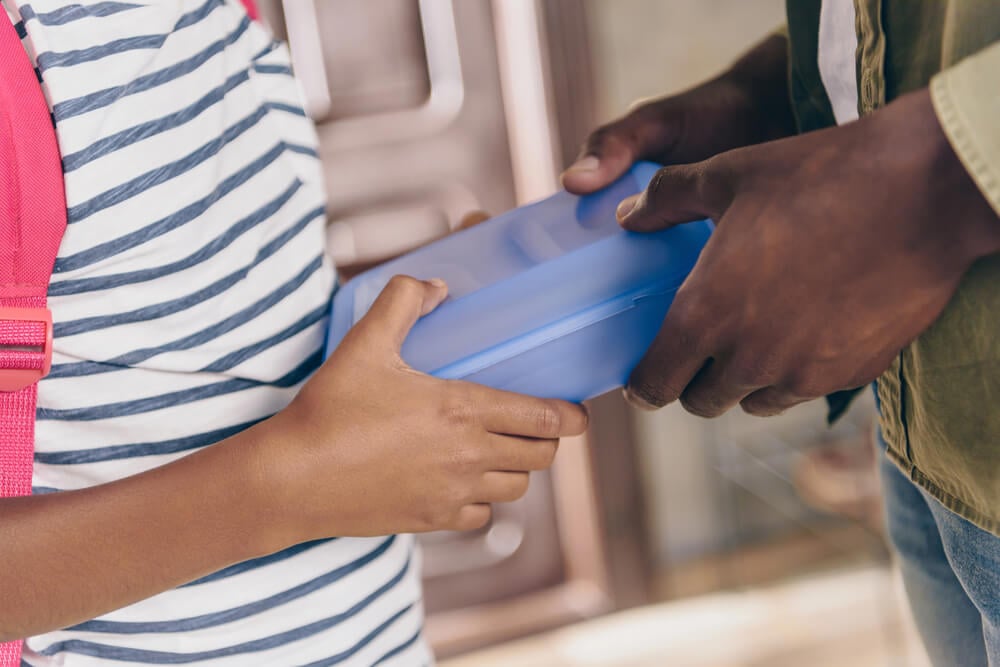
Home sales parties turned living rooms into temporary stores. Tupperware popularized the format in the late 1940s, and Avon ladies made regular door-to-door calls with their catalogs.
For many women, the gatherings were also a social event and a chance to hear neighborhood news.
The Neighborhood Watch Phone Tree

The National Sheriffs’ Association created the National Neighborhood Watch Program in 1972 to involve residents in crime prevention. Many groups relied on a phone tree, in which each household called the next with news.
A single alert could reach an entire street in minutes.
Handwritten Lost Pet Flyers
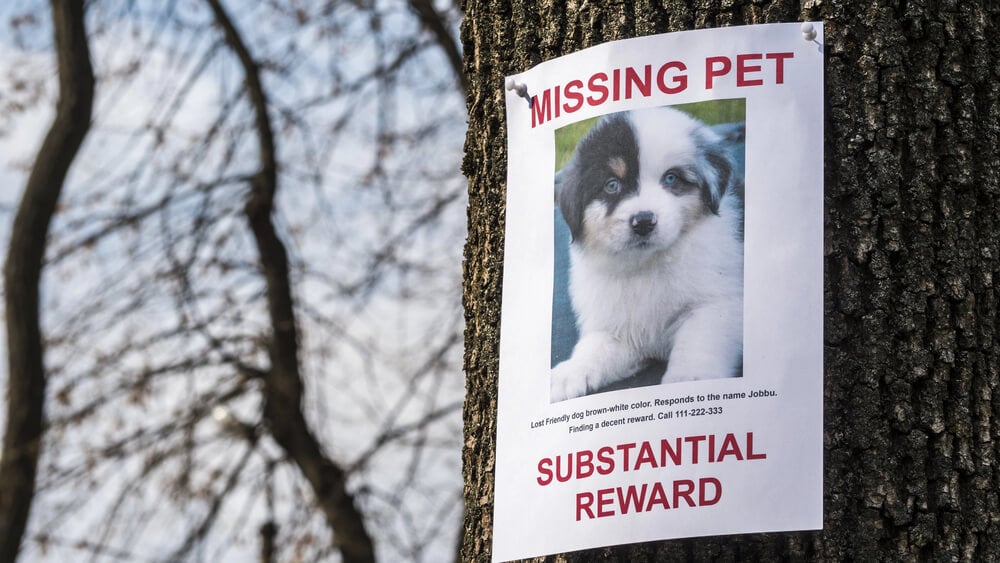
When a dog or cat went missing, neighbors taped handwritten flyers to poles and mailboxes. Photographs were optional, and the phone number was written in bold marker.
People knew to look carefully at every yard on their way home.
The Community Bulletin Board

Grocery stores, laundromats, and libraries kept corkboards where anyone could pin a notice. Babysitters, guitar teachers, lawn services, and yard sales advertised with small tear-off tabs.
The board served as a printed version of a neighborhood group, readable by anyone passing through.
The Spare Key
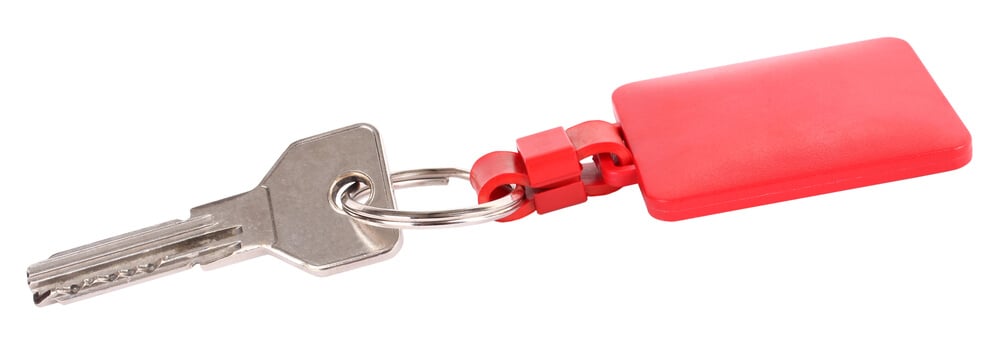
Many households left a spare key with a trusted neighbor in case of lockouts or emergencies. The neighbor also watered plants, collected mail, and fed pets during vacations.
The exchange required complete trust and no paperwork.
Rides to the Airport or the Doctor

A neighbor with a free morning could be asked for a ride to an appointment or the airport. The favor saved a taxi fare and often a long wait.
Drivers were repaid with a plate of cookies or a promise to return the favor.
The Block Party

Once a year, residents closed off a street for a block party with grills, folding tables, and games for children. Every household contributed a dish, and the evening ended after dark.
The event gave neighbors a rare chance to meet everyone on the street at once.
What Stayed When the Fences Came Down
Most of these exchanges depended on proximity and a willingness to knock on a door. They also created a web of small obligations that held a street together without any formal structure.
When something broke or someone fell ill, the nearest neighbor was the first call.
Neighborhood apps now handle many of the same tasks, from lost pets to recommendations, but the tone is different. A message on a screen can reach more people, but it rarely carries the weight of a casserole at the door.
The old habits remain a useful measure of what a neighborhood can do for its own.
More from Go2Tutors!

- 27 Silver Dollars and Half Dollars Worth Keeping
- 28 Restaurant Menu Items Nobody Orders Anymore
- 17 Places Built in Seemingly Impossible Spots
- 27 Vintage Rings Worth More Than They Look
- 25 Restricted Sites Tourists Can’t Enter
Like Go2Tutors’s content? Follow us on MSN.