16 Household Products Born From Failed Experiments
Somewhere between a lab bench and a trash can, a surprising number of the objects sitting in an ordinary kitchen or bathroom cabinet took a wrong turn on purpose. A chemist was trying to build something else entirely, the batch failed by every metric that mattered at the time, and years later someone found a use for the failure that the original inventor never once considered.
Play-Doh
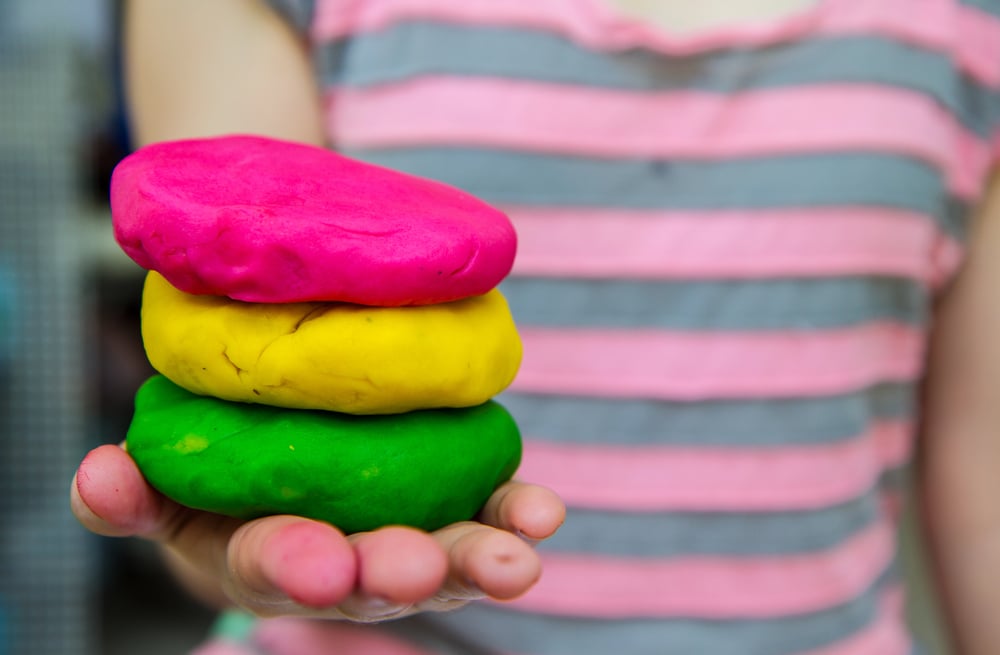
Cincinnati’s Kutol Products developed a pliable, non-toxic putty in the 1930s specifically to wipe coal soot off wallpaper, and the compound became a modest commercial success for two decades. When cleaner heating systems and washable wallpaper made the product obsolete by the late 1940s, the company was headed toward collapse until an employee’s sister-in-law, a nursery school teacher, noticed how much her students loved molding the leftover cleaner into shapes.
Renamed and reformulated without its industrial cleaning agents, it relaunched in 1956 as Play-Doh.
Bubble Wrap
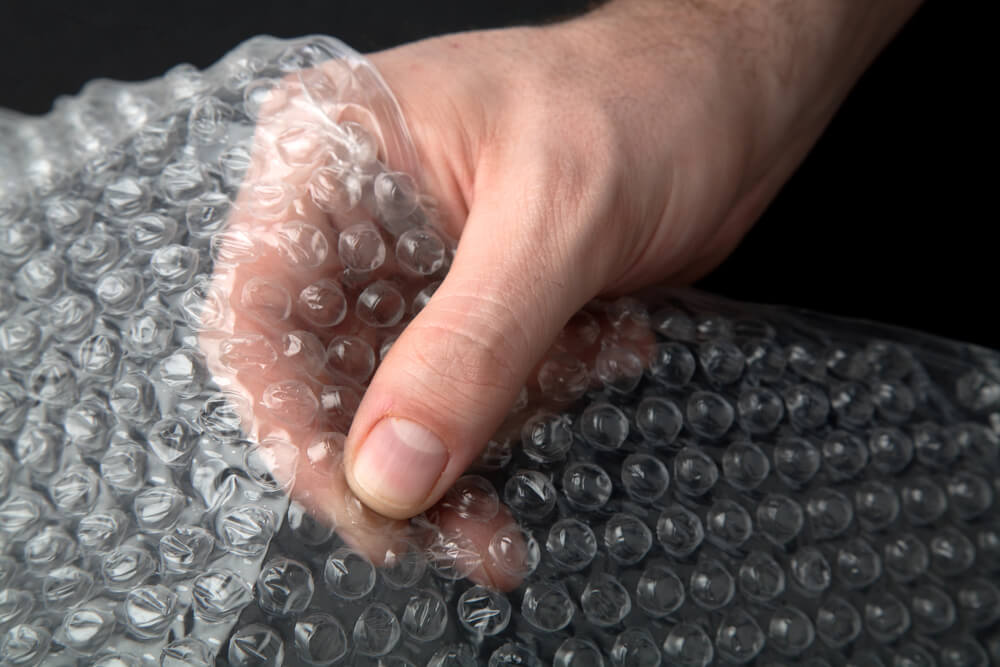
Engineers Alfred Fielding and Marc Chavannes set out in 1957 to create a textured, three-dimensional plastic wallpaper by sealing two shower curtains together, trapping air bubbles between them, but the design failed to find buyers. A subsequent attempt to market the same material as greenhouse insulation also went nowhere.
It was only when IBM began using the air-filled sheets to protect computers during shipping that the product finally found its real purpose as protective packaging.
Post-it Notes

Chemist Spencer Silver was trying to develop an extremely strong industrial adhesive for 3M in 1968 and instead produced one that was unusually weak, repositionable, and left no residue, a result considered a clear failure by the project’s original standards. The adhesive sat without a commercial application for years until a colleague started using it to keep bookmarks from falling out of his hymnal, leading to the launch of the Post-it Note in 1980.
Silly Putty
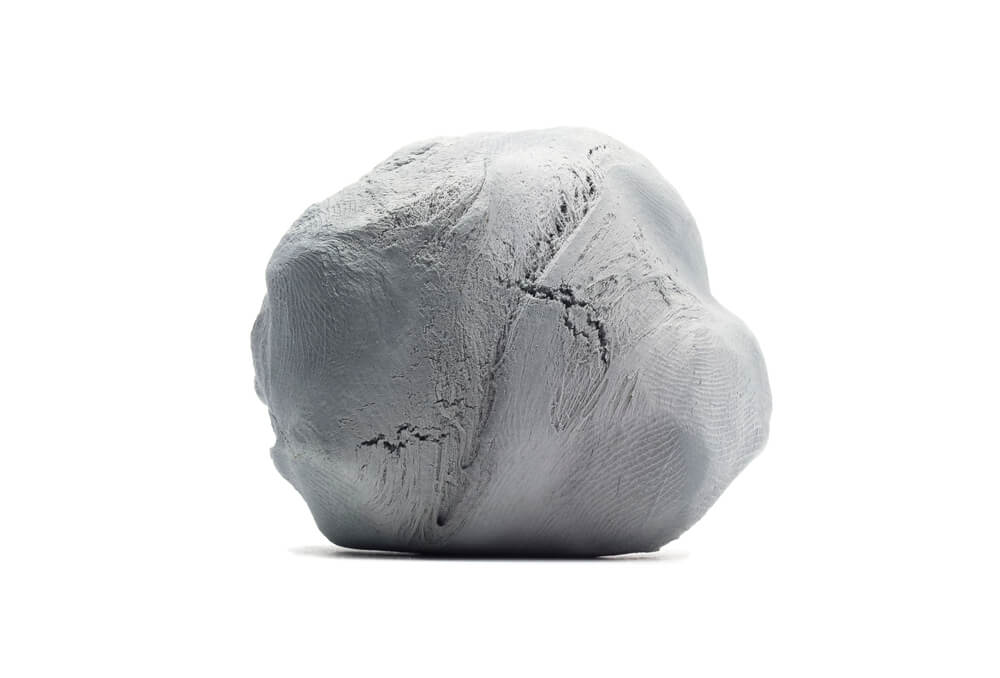
During the Second World War, engineer James Wright was attempting to develop a synthetic rubber substitute for the United States military, mixing boric acid with silicone oil, but the resulting compound stretched, bounced, and refused to hold a permanent shape, making it useless for tires or boots. Marketed instead as a novelty toy in 1950, the failed rubber substitute became one of the best-selling toys of the twentieth century.
WD-40
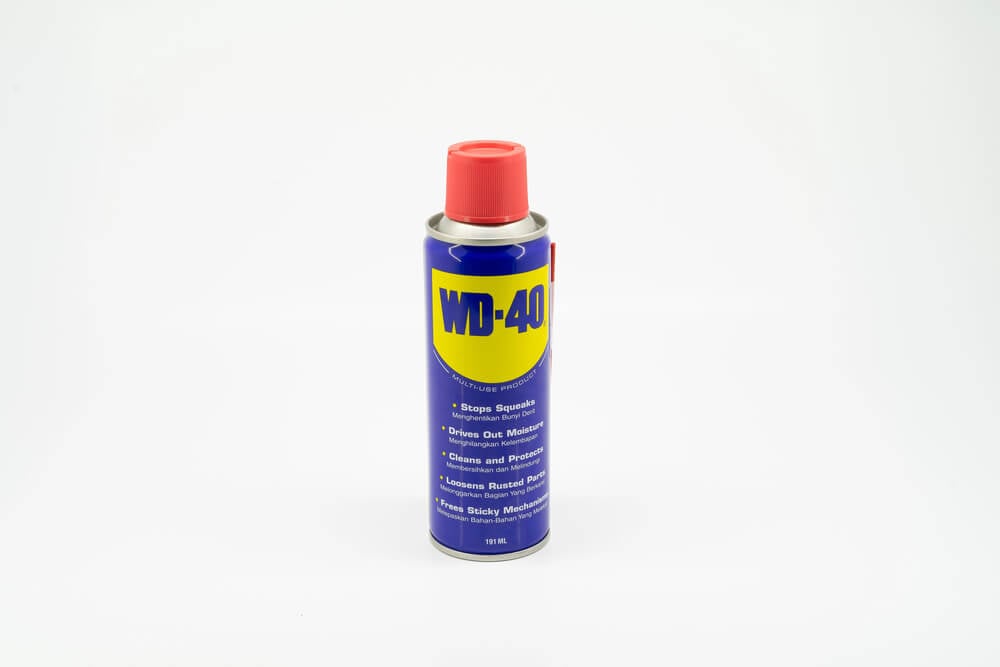
Chemists at the Rocket Chemical Company set out in 1953 to create a rust-preventing solvent for use on aerospace components, and their fortieth formulation attempt was the first that actually worked, giving the product its name: Water Displacement, 40th formula. Originally intended purely for industrial use protecting missile parts, employees began sneaking cans home for household repairs, and the company eventually released it directly to consumers.
The Microwave Oven
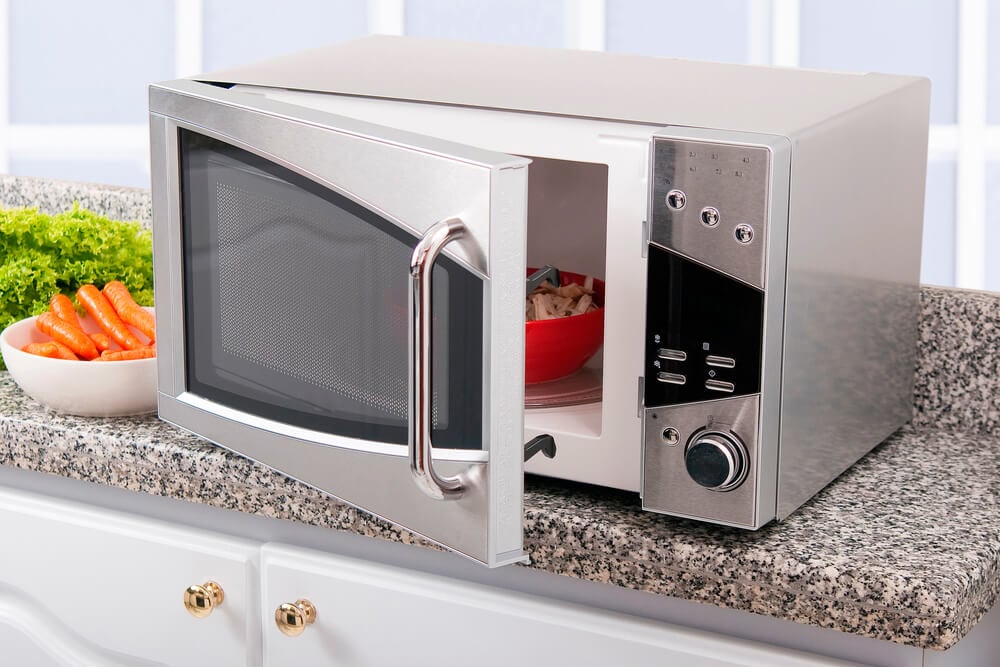
While testing magnetron tubes for radar equipment in 1945, engineer Percy Spencer noticed that a chocolate bar in his pocket had melted from the microwave energy the device was emitting, an unplanned and initially unwelcome discovery about a piece of military hardware. Curious, he tested the effect on popcorn kernels and then an egg, which promptly exploded, leading his employer to develop the first commercial microwave oven within just a few years.
Teflon
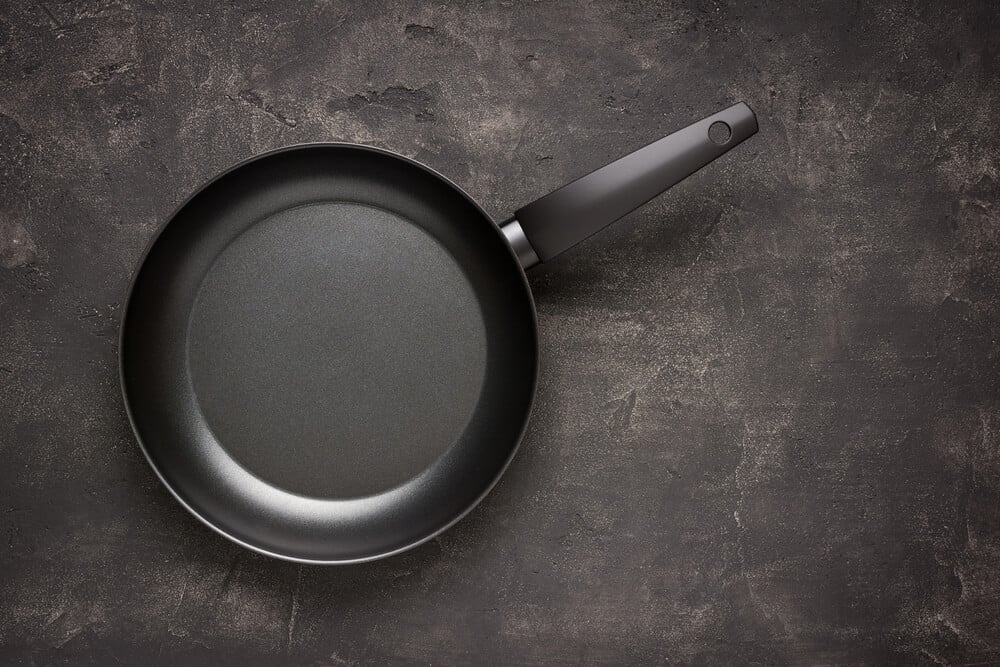
DuPont chemist Roy Plunkett was experimenting with refrigerant gases in 1938 when a supposedly full cylinder of tetrafluoroethylene produced no gas at all when opened, an outcome that at first looked like simple equipment failure. Cutting the cylinder open, he found the gas had spontaneously polymerized into a slick, waxy solid, a substance so chemically inert that it eventually became the non-stick coating found in cookware around the world.
Saccharin
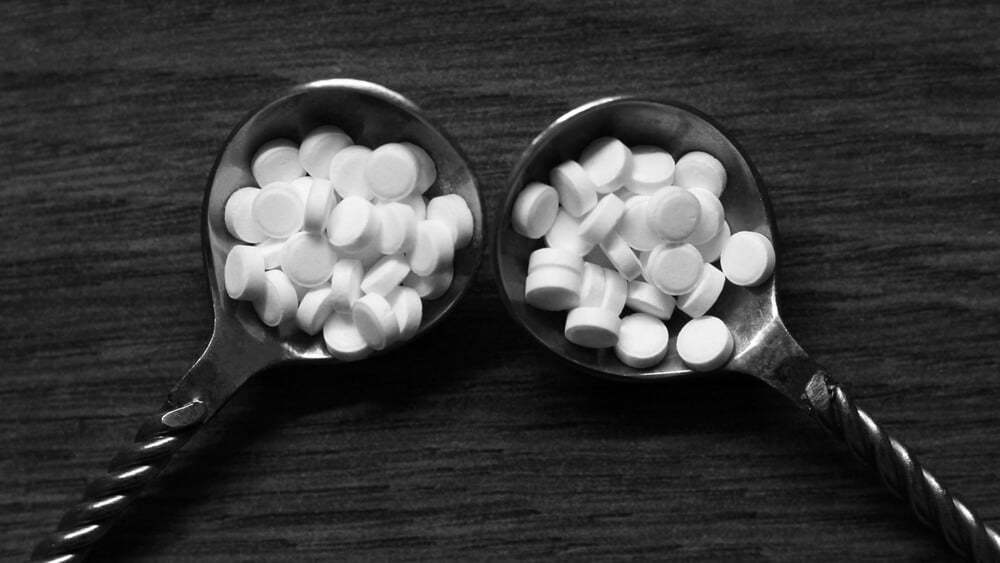
Chemist Constantin Fahlberg was researching coal tar derivatives at Johns Hopkins University in 1879 when he noticed an unusually sweet taste on his hands during dinner, having forgotten to wash them after a day in the laboratory. Tracing the sweetness back to a compound he had synthesized that day, one with no nutritional or industrial value by the standards of his original research, he had stumbled onto what would become the first widely used artificial sweetener.
Chocolate Chip Cookies
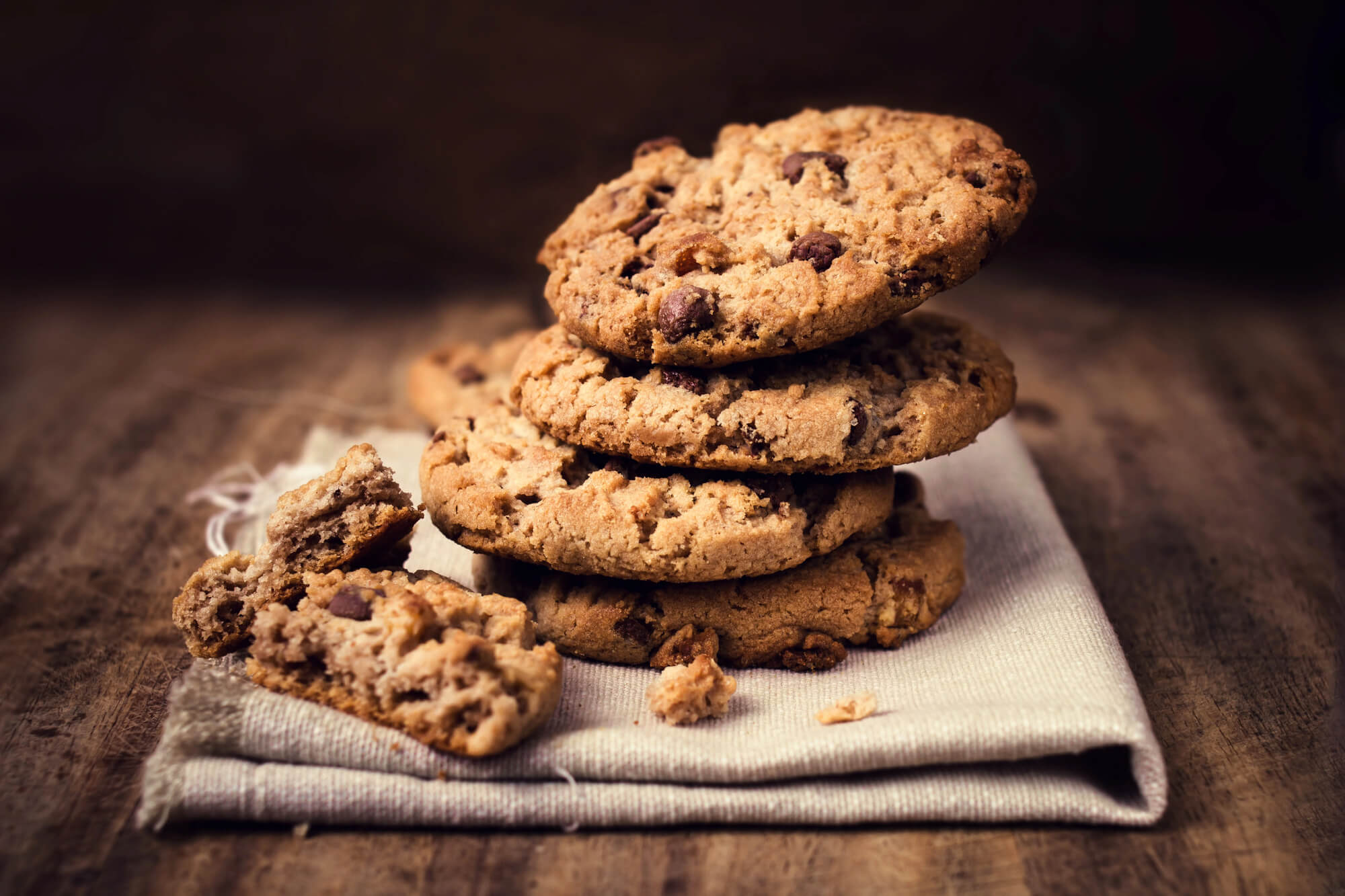
Ruth Wakefield, who ran the Toll House Inn in Massachusetts, was making a batch of cookies in 1938 when she ran out of the baker’s chocolate her recipe called for and substituted broken pieces of a semisweet chocolate bar instead, expecting the chunks to melt smoothly into the dough as a substitute. They held their shape instead, and the resulting cookie, an accident born of a missing ingredient, became one of the most popular baked goods in American history.
Corn Flakes
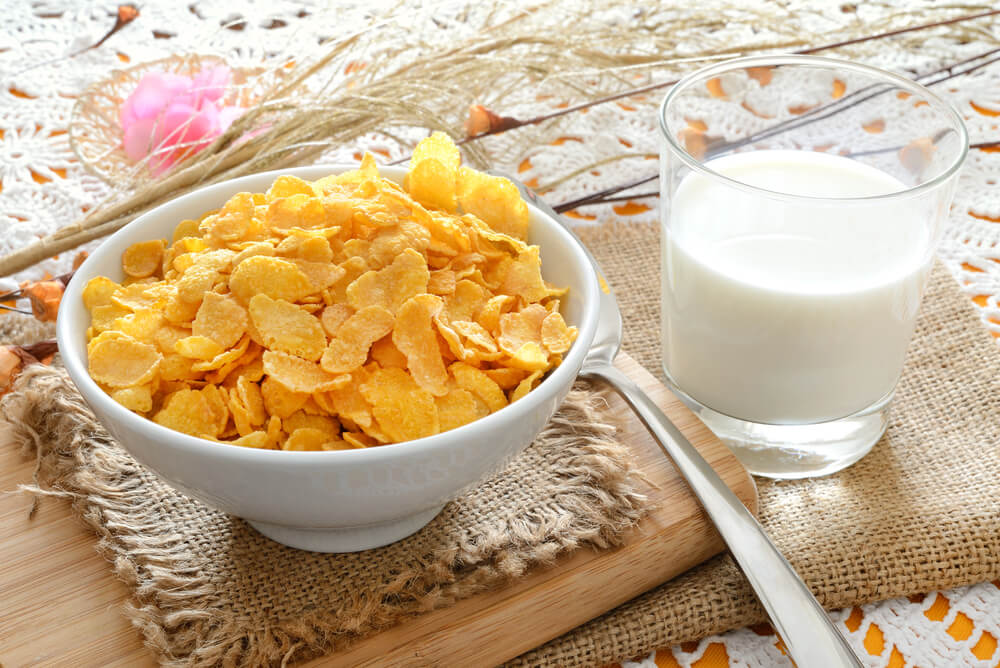
Dr. John Harvey Kellogg and his brother Will were experimenting with boiled wheat as a health food for patients at their Michigan sanitarium in 1894 when a batch was accidentally left to sit for several days before it could be processed. Rather than discard the stale dough, they rolled it anyway, producing thin, crisp flakes instead of the long sheets they had intended, and the accidental texture became the basis for a new category of breakfast cereal.
Coca-Cola
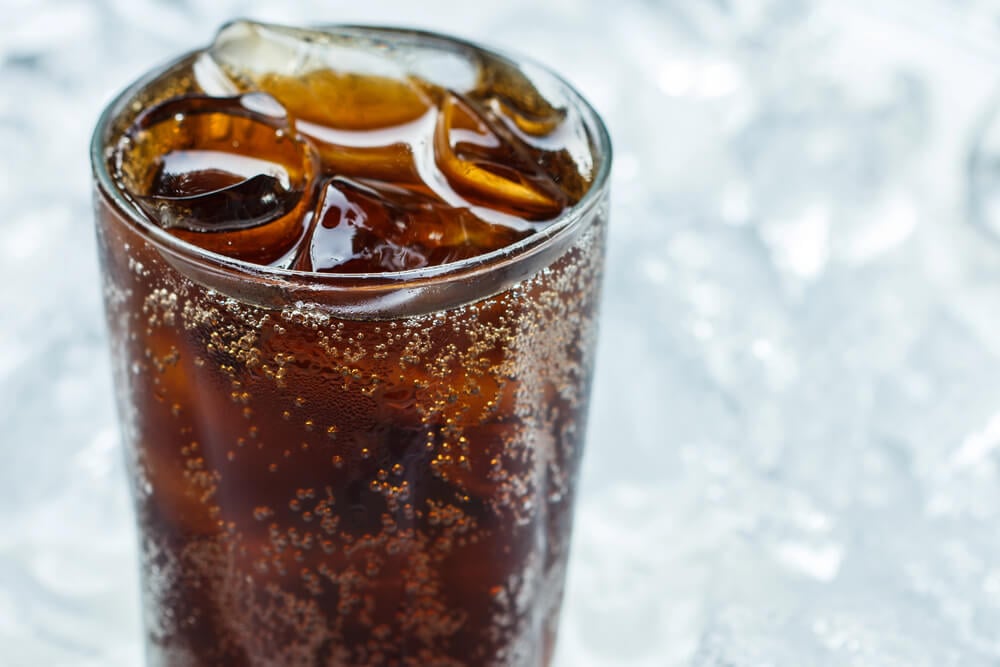
Pharmacist John Pemberton originally developed his coca-and-kola-nut tonic in the 1880s as a patent medicine, intended to treat a range of common ailments and to serve as a non-alcoholic alternative to an earlier coca wine he had sold before Atlanta introduced local prohibition. The medicinal tonic sold modestly at best until it was accidentally mixed with carbonated water at a soda fountain, and the fizzy version, sold thereafter purely as a refreshing drink, became the basis for one of the most recognized beverage brands in the world.
Listerine
Chemist Joseph Lawrence developed Listerine in 1879 as a surgical antiseptic, and for decades the company also marketed it as an industrial floor cleaner and treatment for minor cuts, without much commercial success in any of its intended uses. It was only in the 1920s, when the company began marketing it as a cure for a supposedly serious medical condition called halitosis, essentially just ordinary bad breath, that sales exploded, turning a little-known antiseptic into a household staple.
Kleenex
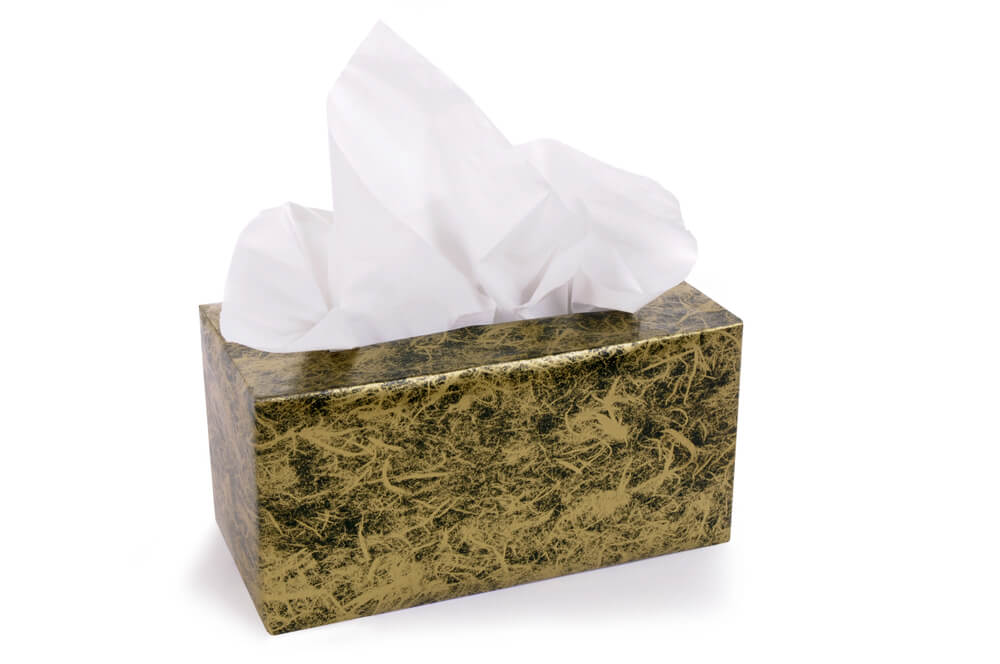
Kimberly-Clark developed a thin, absorbent cellulose material called Cellucotton for use as surgical bandage padding and gas mask filters during the First World War, and after the war ended the company repurposed the surplus material into a cold cream and makeup removal product marketed as Kleenex. Customers began writing in describing how they used the tissues to blow their noses instead, and the company eventually abandoned its original cosmetic marketing entirely to sell Kleenex as a disposable handkerchief.
Super Glue
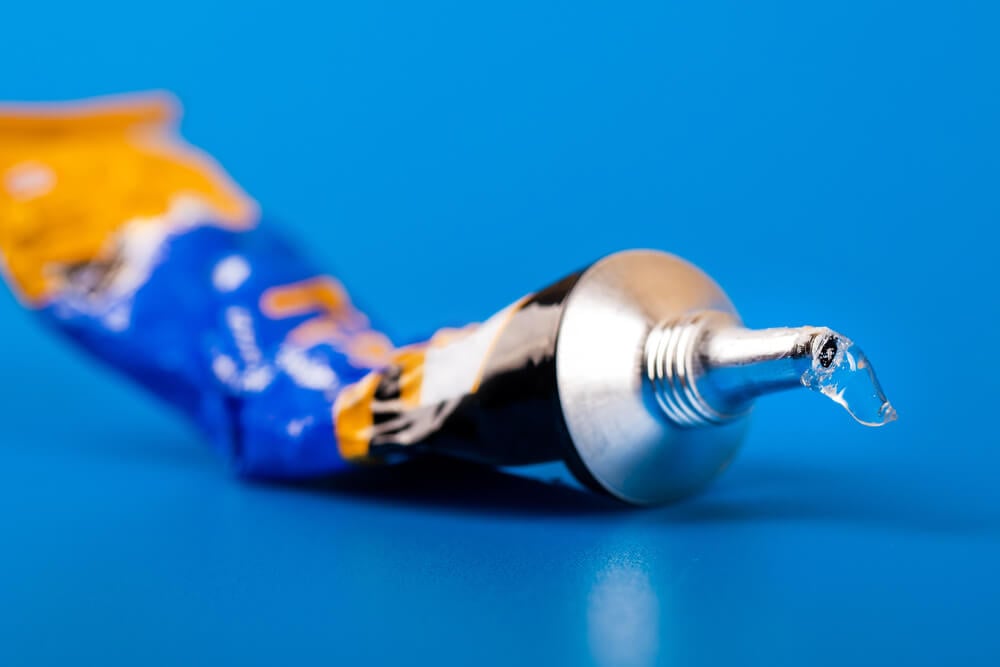
Researcher Harry Coover was attempting to develop clear plastic for precision gun sights during the Second World War when he produced a cyanoacrylate compound that bonded to everything it touched almost instantly, a property that made it completely unusable for optical lenses. The formula was shelved as a failure until Coover encountered the same compound again years later while working on a heat-resistant material for jet canopies, and this time recognized its potential as an adhesive, leading to its commercial launch in 1958.
Vaseline
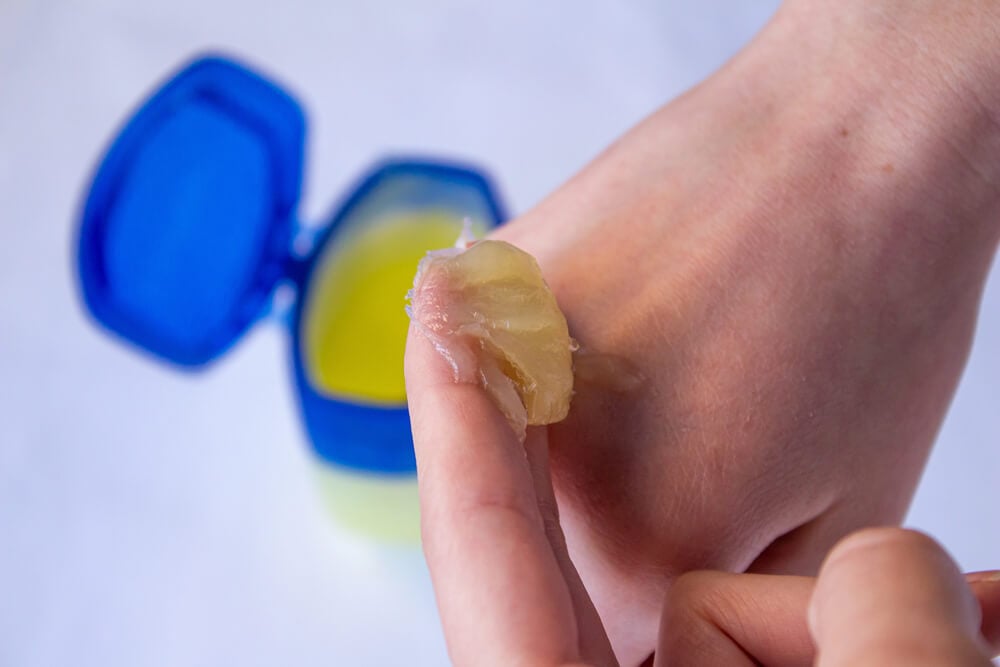
Chemist Robert Chesebrough visited Pennsylvania oil fields in the 1850s and noticed rig workers scraping a waxy residue called rod wax off the drilling equipment and applying it to cuts and burns to help them heal. He spent years refining crude petroleum byproducts, considered at the time to be nothing more than industrial waste that gummed up machinery, into the purified petroleum jelly he eventually patented and sold as Vaseline.
Slinky

Naval engineer Richard James was experimenting with tension springs in 1943, hoping to develop a device that could stabilize sensitive equipment aboard ships in rough seas, when one of his prototype springs fell off a shelf and, instead of simply dropping to the floor, walked end over end down a stack of books. The spring had failed completely at its intended engineering purpose, but James recognized a toy when he saw one, and Slinky launched in stores in 1945.
The Value of a Failed Batch

None of these products succeeded because someone was clever enough to plan them. They succeeded because someone was paying attention when the plan fell apart, and was willing to ask what the failure was actually good for instead of simply discarding it.
A rubber substitute that would not hold its shape became a toy precisely because it would not hold its shape. That pattern shows up again and again across this list: the quality that ruined a product for its intended purpose is usually the exact quality that made it valuable for something else.
Weak adhesive. Melted chocolate. A spring that refused to sit still. Failure, it turns out, is often just success that has not yet found the right shelf to sit on.
More from Go2Tutors!

- 27 Silver Dollars and Half Dollars Worth Keeping
- 28 Restaurant Menu Items Nobody Orders Anymore
- 17 Places Built in Seemingly Impossible Spots
- 27 Vintage Rings Worth More Than They Look
- 25 Restricted Sites Tourists Can’t Enter
Like Go2Tutors’s content? Follow us on MSN.