Restaurants From History That Became Legends
Some restaurants don’t just feed people — they leave a mark. They became places where big names dined, bold ideas were shared, and stories were born.
These weren’t just spots to grab a bite. They became part of the culture, shaping food, fame, and how people gather.
You’ve probably heard about some of these iconic places, even if you’ve never stepped inside. Let’s take a walk through the kitchens and dining rooms that helped write food history.
Delmonico’s (New York City)
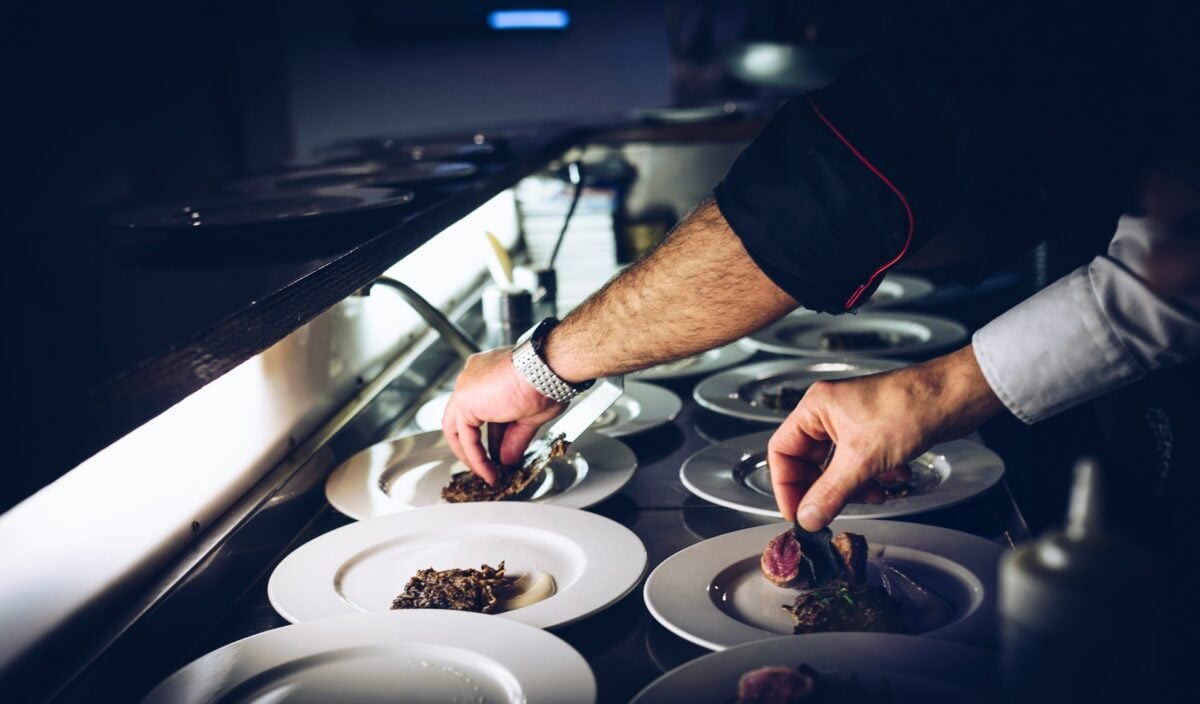
Delmonico’s wasn’t just the first fine dining restaurant in America — it practically invented the idea. Opening its doors in 1837, it gave people a full menu to choose from, something unheard of at the time.
They introduced dishes like Eggs Benedict and Lobster Newberg. It was fancy without being snobby. Politicians, writers, and celebrities all squeezed into its dining rooms to see and be seen.
Schrafft’s (Northeast USA)
This chain made dining out feel safe and special, especially for women in the early 1900s. Schrafft’s was known for its clean interiors, good manners, and comfort food like chicken pie and ice cream sundaes.
Women who wanted to meet up, talk, or just rest during a shopping trip would often choose Schrafft’s. It felt like home without the cooking.
At one point, there were nearly 50 locations across cities like Boston and New York.
Like Go2Tutors’s content? Follow us on MSN.
The Brown Derby (Los Angeles)
A restaurant shaped like a hat? That alone made people curious. But The Brown Derby became more than a gimmick.
It was the unofficial lunch spot for Hollywood’s golden age stars. The Cobb salad was invented here, thrown together late one night by the owner.
You didn’t just eat at the Derby — you made a statement.
Le Pavillon (New York City)
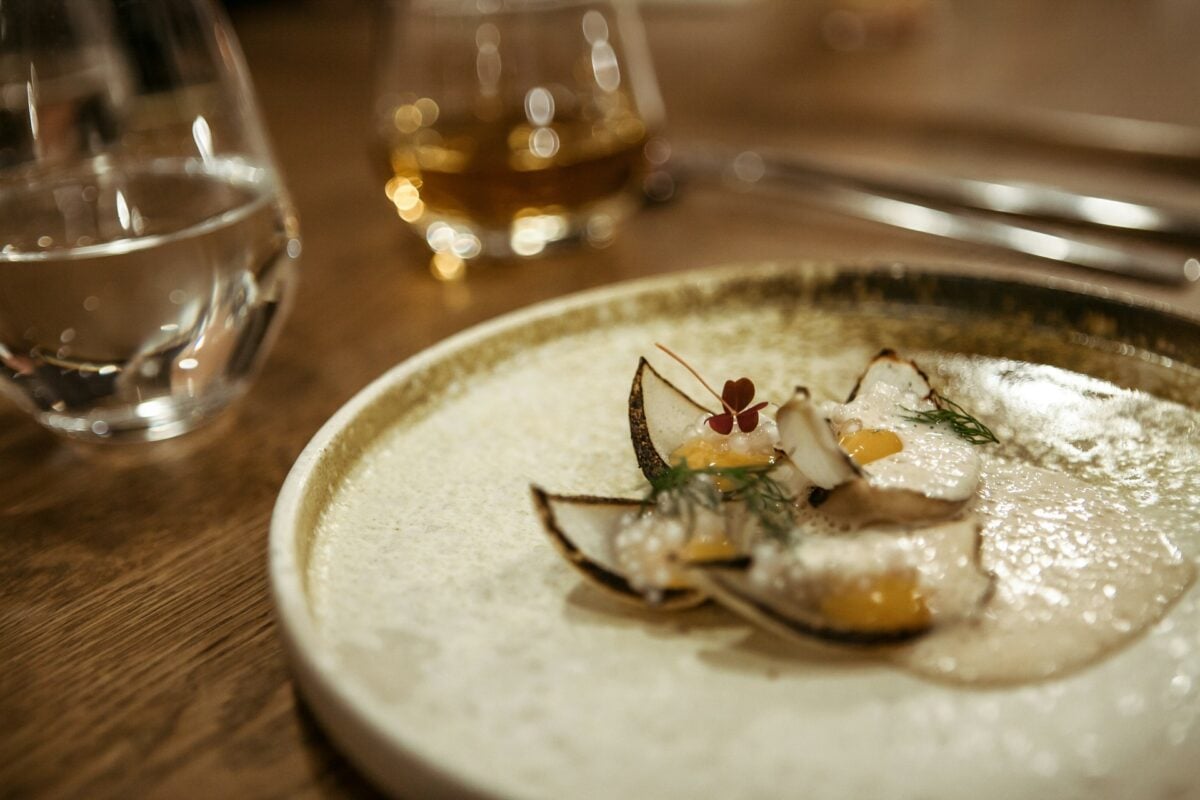
Le Pavillon brought a bit of Paris to Manhattan in the 1940s and 50s. It wasn’t cheap, but it was worth every dollar for those chasing the fine dining experience.
The service was sharp, the food even sharper. It introduced many Americans to French cuisine done right. Chefs trained here went on to become legends themselves.
Chasen’s (Los Angeles)
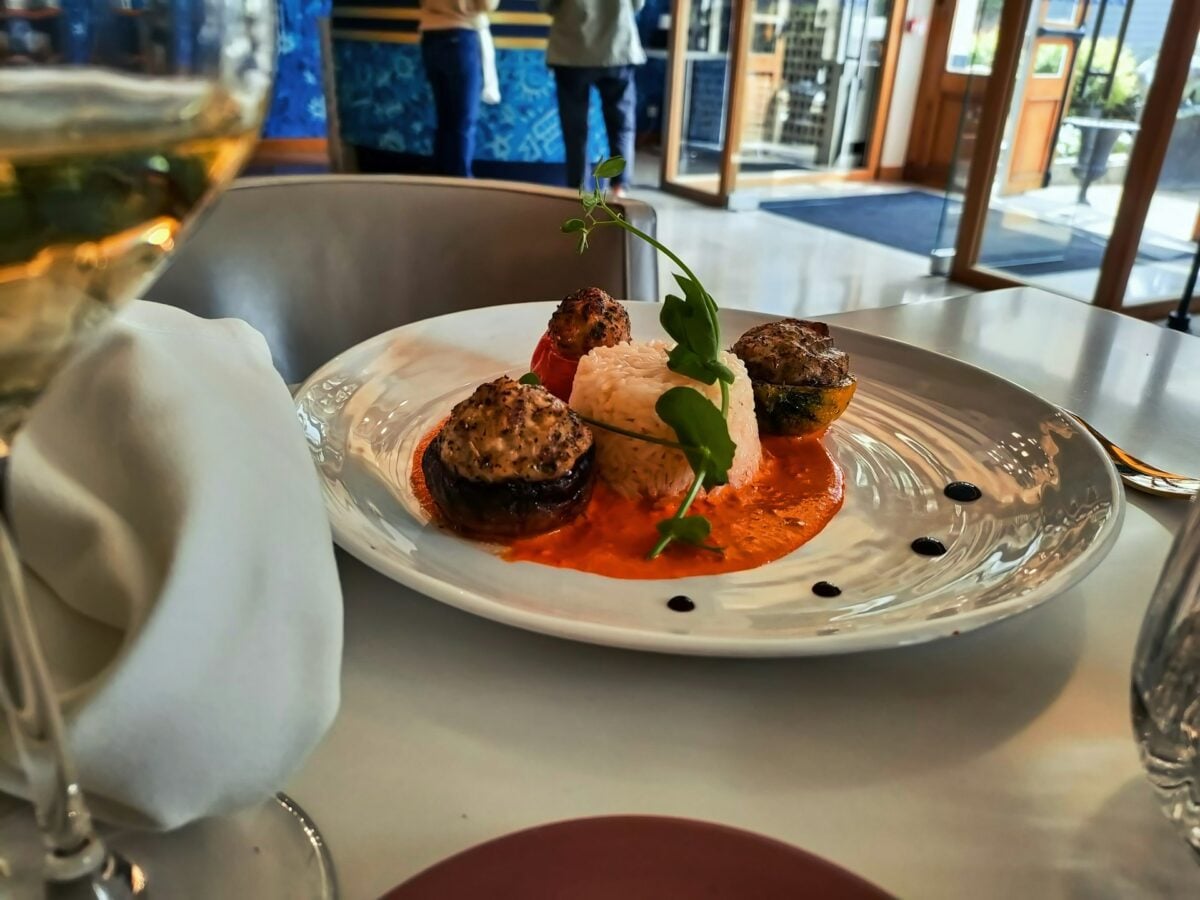
Movie stars didn’t just visit Chasen’s — they had their own tables. Elizabeth Taylor once had chili flown to her while filming in Rome.
The menu wasn’t fancy, but it was beloved: steaks, shrimp cocktails, and of course, the famous chili. Chasen’s made comfort food cool long before it became trendy.
The photos on the walls told stories all by themselves.
Like Go2Tutors’s content? Follow us on MSN.
Antoine’s (New Orleans)
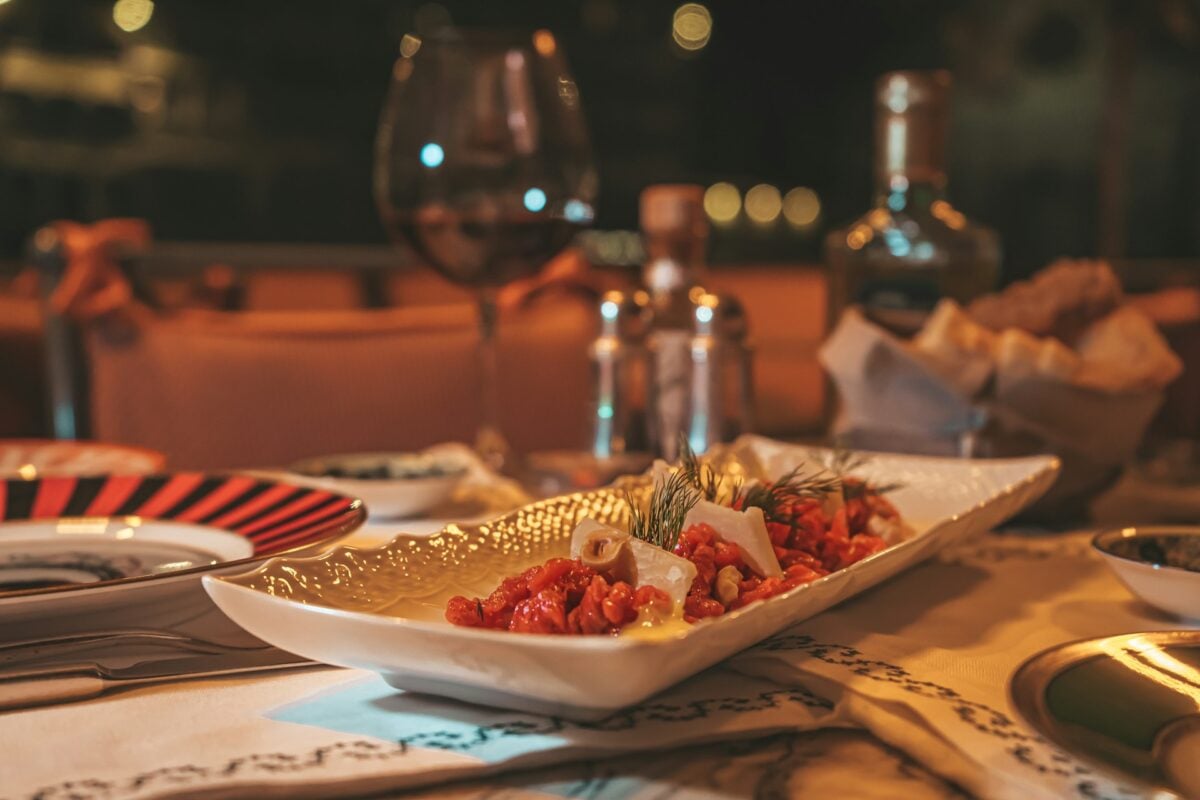
Founded in 1840, Antoine’s has never closed its doors — not even for Prohibition or hurricanes. It’s the birthplace of Oysters Rockefeller and a symbol of Creole fine dining.
The restaurant is still family-owned, passed down through generations. Each room has its own theme and story.
It’s as much a museum as it is a dining room.
Mamma Leone’s (New York City)
This spot made Italian-American food feel like a party. Mamma Leone’s was loud, busy, and full of energy.
The portions were huge, and no one left hungry. Families loved it, tourists flocked to it, and the red sauce was always flowing.
It was one of the first restaurants to make Italian food a dining-out event.
Windows on the World (New York City)
Perched on the 107th floor of the World Trade Center, this restaurant offered more than just a view. It became a symbol of elegance and celebration.
Dining here meant dressing up, reserving in advance, and maybe even proposing marriage. It closed forever on September 11, 2001, but it lives on in memory for its class, charm, and sky-high service.
Like Go2Tutors’s content? Follow us on MSN.
Tadich Grill (San Francisco)
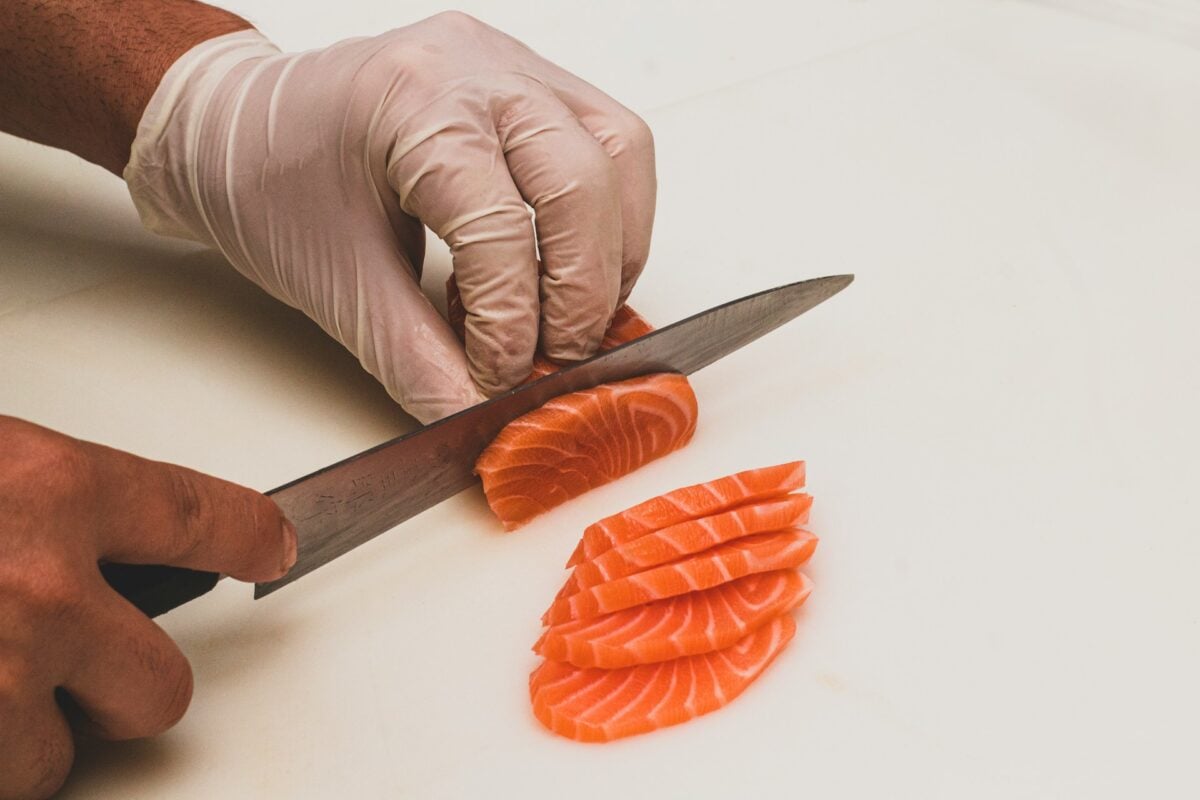
Started in 1849, this place served fresh seafood before most people could spell cioppino. Tadich Grill made counter dining stylish before it was hip.
Regulars didn’t even need a menu. The waiters knew what they wanted and served it with speed and no nonsense.
It’s old-school, but in the best possible way.
The Automat (Various cities)
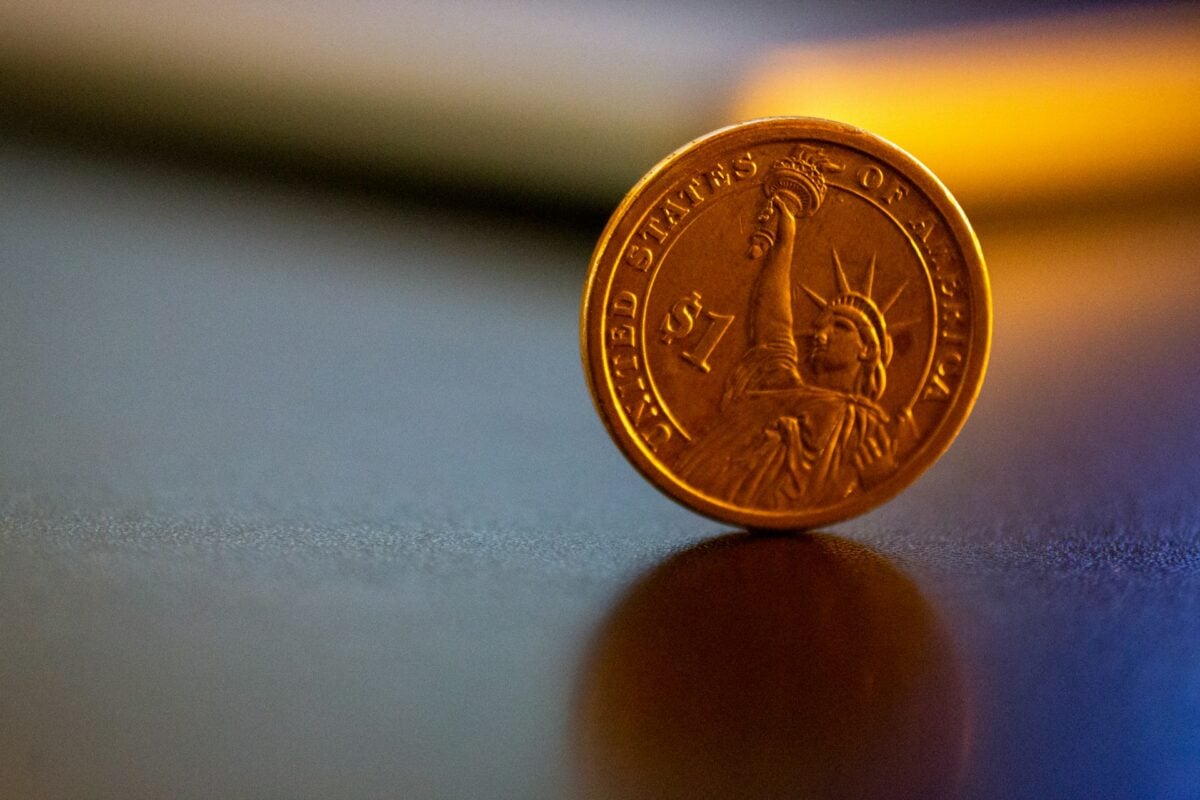
You didn’t talk to a waiter at The Automat — you grabbed your meal from a wall of glass doors. Pop in a coin, pull out a hot meal.
It was the original fast food, but with real silverware and decent coffee. People from all walks of life ate here: workers, travelers, even artists. It was cheap, fast, and oddly fun.
Musso & Frank Grill (Hollywood)
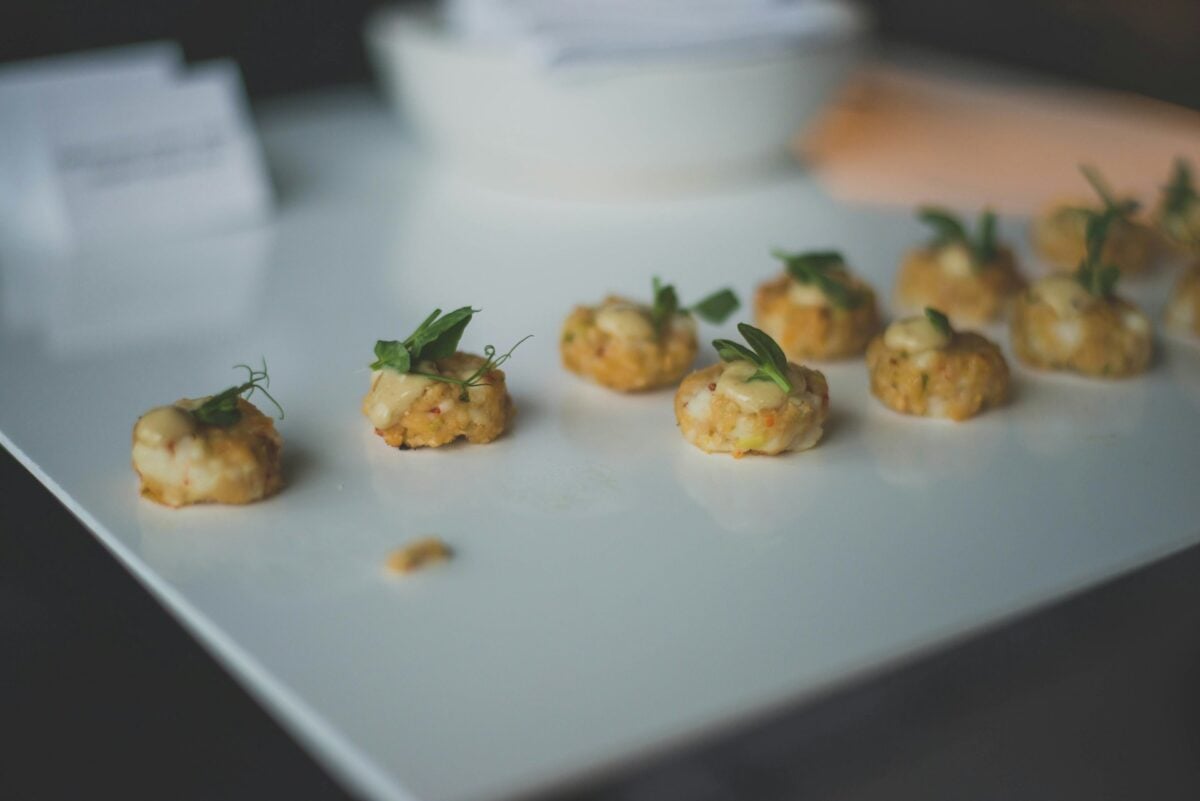
This place has been flipping steaks since 1919 and still does it right. Writers like F. Scott Fitzgerald and Raymond Chandler used to hold court at the bar.
The red booths, white-jacketed waiters, and strong martinis haven’t changed. That’s the charm — nothing here tries to be new. It simply holds on to what worked.
Like Go2Tutors’s content? Follow us on MSN.
The Four Seasons Restaurant (New York City)
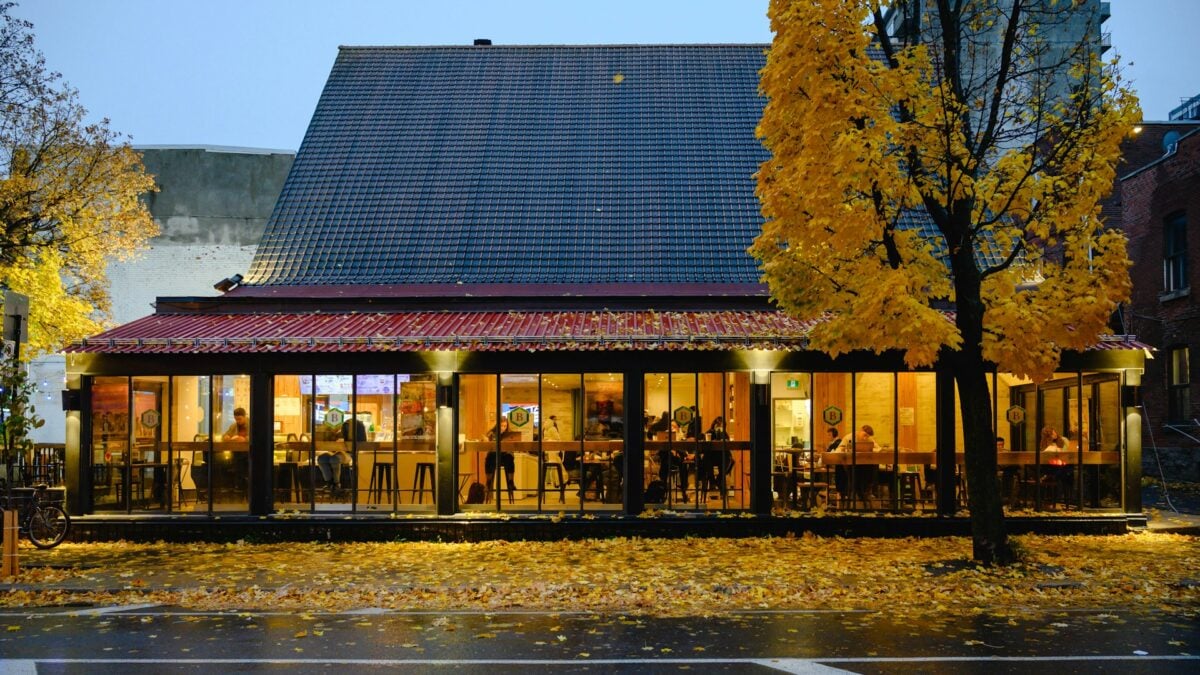
When this place opened in 1959, it wasn’t just a restaurant — it was an event. The Pool Room and Grill Room were stylish, sharp, and ahead of their time.
It introduced farm-to-table before anyone used the phrase. Celebrities and CEOs sat side by side, often closing million-dollar deals between courses.
Even the plates felt important.
Cafe Nicholson (New York City)
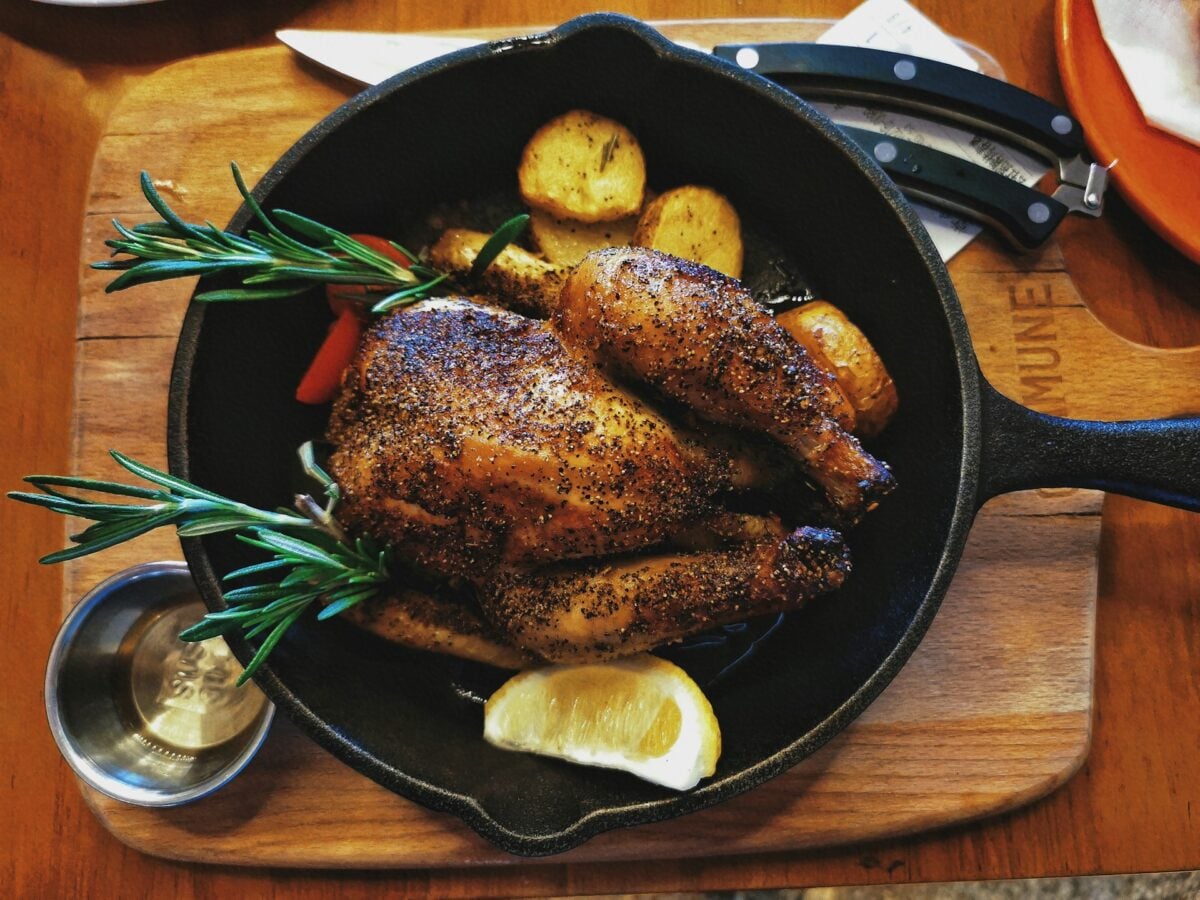
This small, elegant spot was a quiet hideout for the artistic crowd. People like Tennessee Williams and Truman Capote were regulars.
It felt more like a living room than a restaurant. The food was simple but made with care — roast chicken, fresh vegetables, light desserts.
The magic was in the atmosphere.
Trader Vic’s (Worldwide)
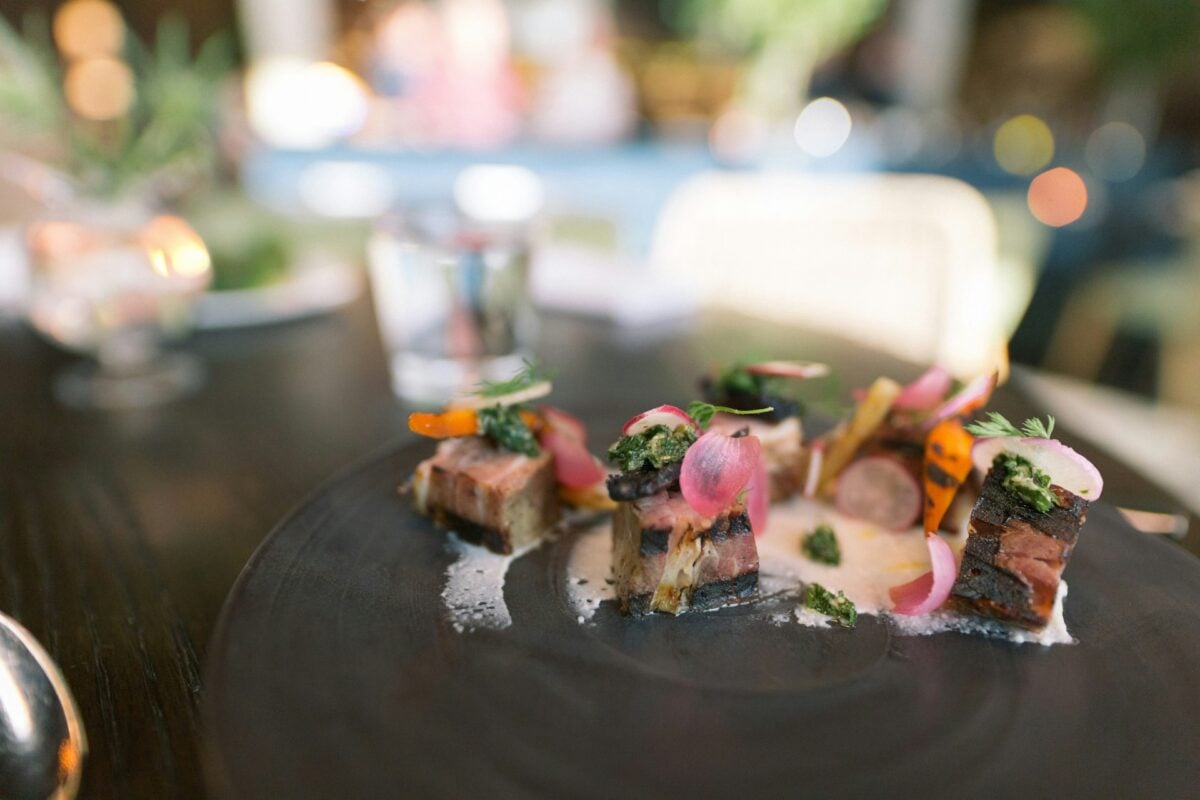
This tiki-themed restaurant started in California and spread like wildfire. With its tropical drinks and island-style decor, it made dining feel like vacation.
The Mai Tai was invented here — or at least that’s what they claimed. It wasn’t about authentic cuisine.
It was about having fun with food and friends.
Like Go2Tutors’s content? Follow us on MSN.
A taste that still lingers today
These restaurants weren’t just spots to eat. They became parts of people’s lives — backdrops to celebrations, heartbreaks, business deals, and everyday moments.
While some are gone and others have changed, their stories still season the way people dine today. The best restaurants do more than serve good food.
They give people something to remember.
More from Go2Tutors!

- 16 Historical Figures Who Were Nothing Like You Think
- 12 Things Sold in the 80s That Are Now Illegal
- 15 VHS Tapes That Could Be Worth Thousands
- 17 Historical “What Ifs” That Would Have Changed Everything
- 18 TV Shows That Vanished Without a Finale
Like Go2Tutors’s content? Follow us on MSN.



