16 Bizarre Tourist Attractions You Can Actually Visit Across the UK
The UK has its fair share of iconic tourist destinations. Everyone knows about Stonehenge, the Tower of London, and Edinburgh Castle.
But scattered across these ancient lands are attractions so wonderfully strange that they make you wonder what exactly the locals were thinking when they decided to preserve them for posterity. These aren’t your typical postcard destinations—they’re the kind of places that make your friends back home tilt their heads when you show them photos.
From museums dedicated to the most mundane objects to natural formations that seem to defy logic, Britain’s eccentric side reveals itself in the most unexpected corners. Some of these places were born from obsession, others from pure accident, and a few from what can only be described as delightfully twisted imagination.
The Pencil Museum
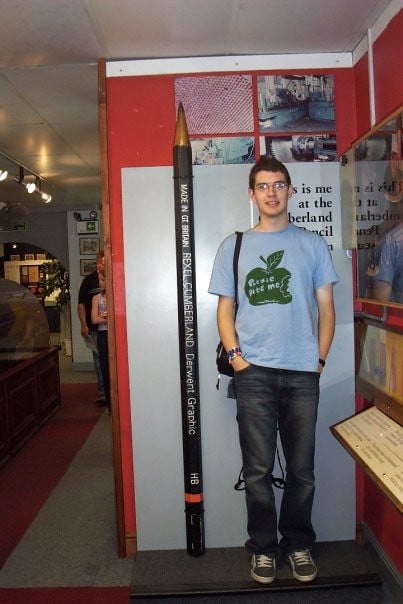
Keswick houses what might be the most dedicated monument to a single writing implement ever created. The Cumberland Pencil Museum takes graphite seriously.
The museum sits where the world’s first pencil was born. When graphite was discovered in the nearby Borrowdale mines in the 1500s, locals realized they’d stumbled onto something useful for marking sheep.
Fast forwarding through centuries of refinement brings you to this temple of wood and graphite, where the world’s longest colored pencil lives alongside pencils owned by famous writers. They’ve managed to make pencil manufacturing genuinely fascinating, which is saying something.
Gnome Reserve And Wild Flower Garden

Devon’s approach to garden design took an unexpected turn when Ann Atkin decided her four-acre plot needed more than just flowers. It needed an army of over 2,000 garden gnomes, and visitors would need to wear pointed hats to blend in with the residents.
The West Putford attraction hands out gnome hats at the entrance (because showing up without proper headwear would be disrespectful to the ceramic inhabitants), and wandering through feels like stepping into someone’s fever dream about retirement hobbies that spiraled magnificently out of control. The gnomes have been arranged into scenes—some fishing, others playing instruments, a few engaged in what appears to be heated political debate.
And yet the whole thing works, somehow managing to be both absurd and oddly peaceful at the same time, like meditation for people who’ve given up on taking themselves too seriously. The wildflowers, almost an afterthought given the name, bloom around the edges like nature’s attempt to maintain some dignity in the proceedings.
But the strangest part isn’t the gnomes themselves—it’s how quickly you stop noticing how ridiculous you look in that pointed hat, and how the ceramic faces start seeming almost familiar by the end of your visit.
The Dog Collar Museum
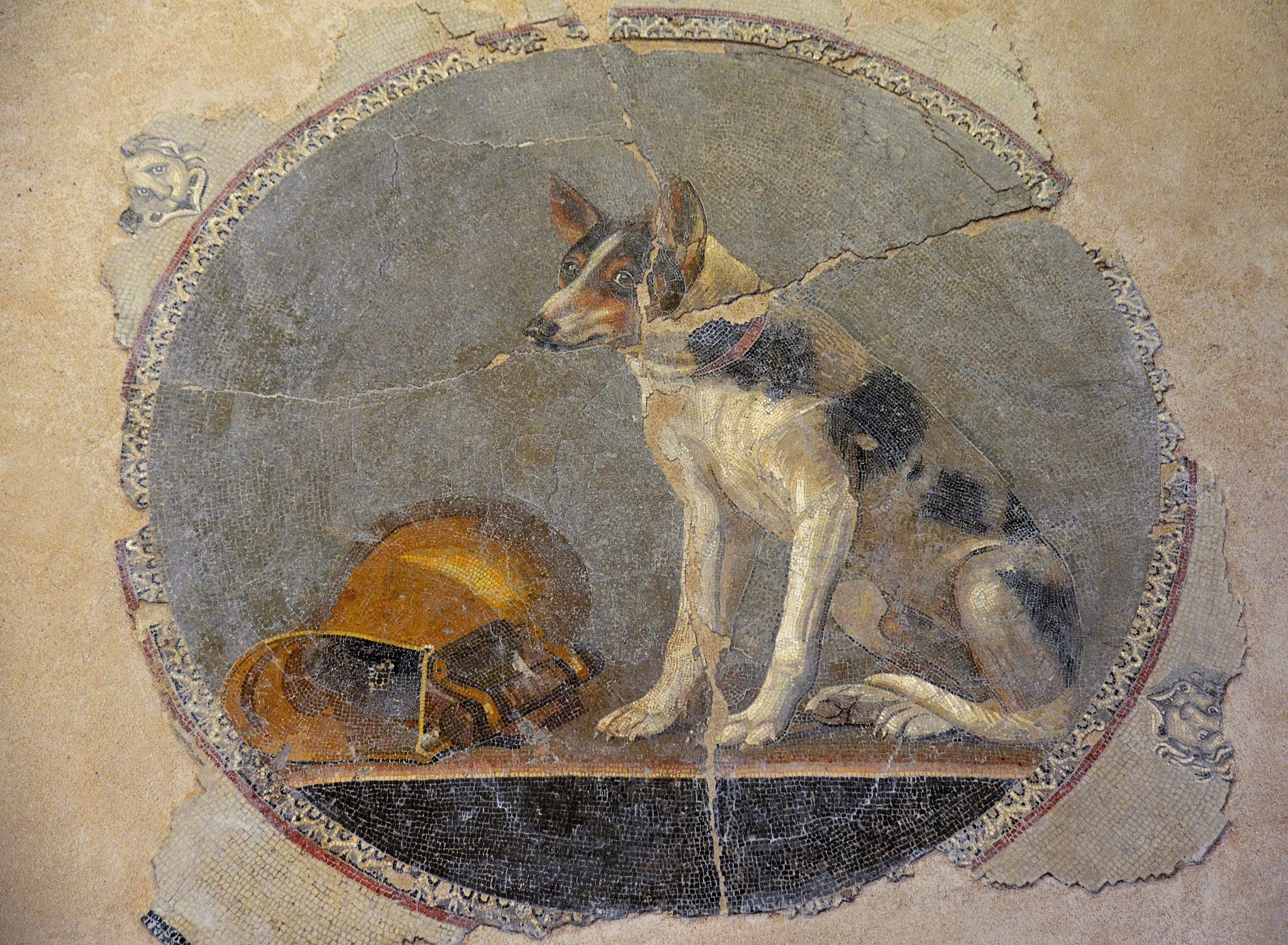
Leeds Castle in Kent houses a collection that makes perfect sense once you realize humans have been obsessing over their pets for centuries. The Dog Collar Museum contains five centuries of canine neckwear.
Medieval dog collars were serious business. Iron spikes weren’t fashion statements—they were armor against wolves.
Spanish leather collars from the Renaissance carry hand-tooled artwork that would make modern luxury brands weep with envy. Victorian examples drip with the kind of ornate metalwork that cost more than most people’s annual salary.
Walking through the displays feels like watching the evolution of the human-dog relationship told through increasingly elaborate neckwear. The collars get progressively more ridiculous as you move toward modern times, which tracks perfectly with how we treat our pets today.
Shell Grotto

Margate’s underground mystery has been puzzling visitors since 1835. The Shell Grotto consists of 4.6 million shells arranged in intricate patterns covering 2,000 square feet of tunnels and chambers.
Nobody knows who built it, when, or why (though theories range from ancient Phoenicians to bored Victorians with too much time and access to shellfish), but walking through the serpentine passages feels like discovering a secret that was meant to stay hidden. The shells—cockles, whelks, mussels, and oysters—create geometric patterns and symbolic designs that shift in the artificial lighting, turning the walls into something between art installation and religious experience.
Some sections depict recognizable imagery: trees, flowers, gods and goddesses. Others dissolve into abstract swirls that seem to move when you’re not looking directly at them.
The temperature stays constant year-round, cool and slightly damp, as if the earth itself is breathing slowly around you. And despite decades of investigation, the mystery remains intact—which might be exactly the point.
World Of Mechanical Music
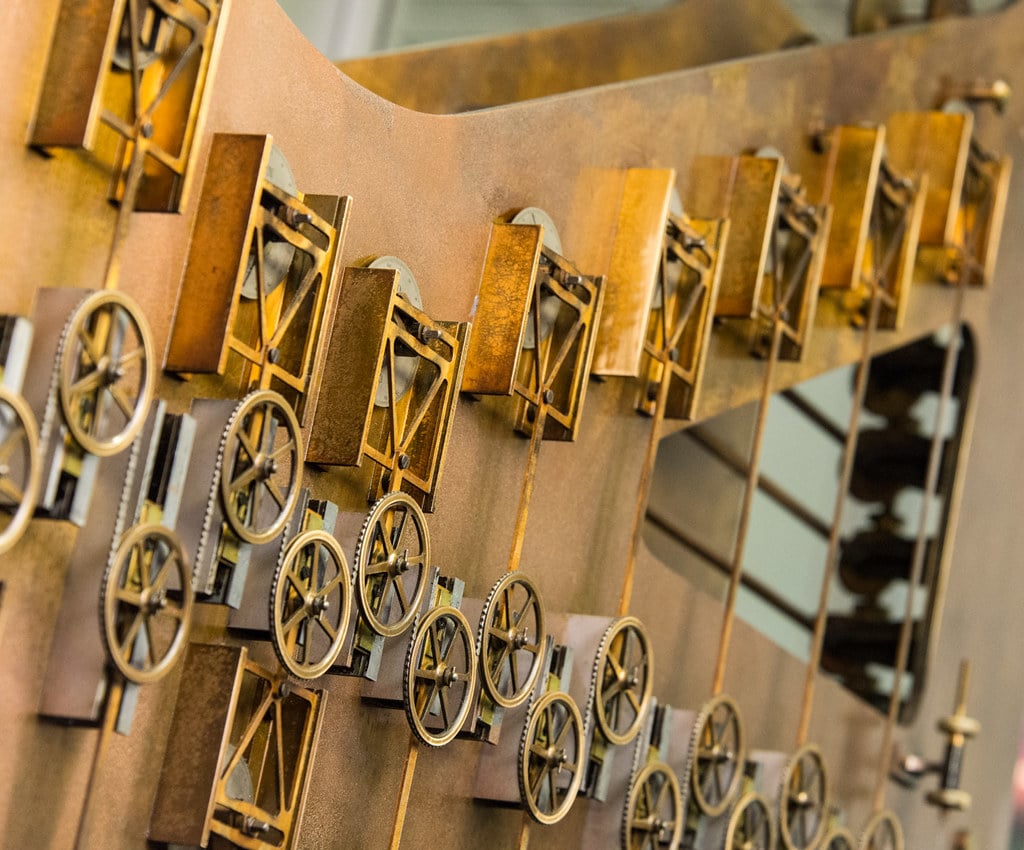
Northleach proves that automation isn’t a modern obsession. The World of Mechanical Music houses the largest collection of self-playing musical instruments in Europe.
Player pianos are just the beginning. Orchestrions fill entire walls with pipes, drums, and mechanical violins that perform complex symphonies without a single human musician.
Fairground organs belt out carnival melodies with enough volume to wake neighboring counties. Musical boxes ranging from delicate bedroom trinkets to massive furniture pieces demonstrate humanity’s longstanding desire to own music that plays itself.
The demonstrations bring each machine to life with clockwork precision that feels almost supernatural. These weren’t background music—they were the entertainment, the soundtrack to an era when mechanical marvels represented the height of technology and sophistication.
Forbidden Corner
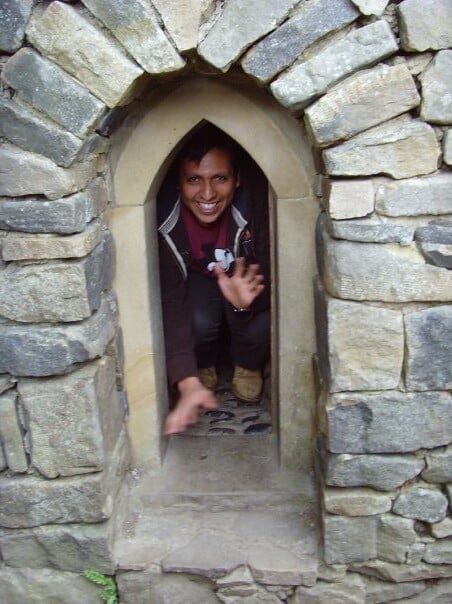
Tupgill Park in North Yorkshire contains what happens when someone with unlimited imagination and considerable resources decides to build a fantasy adventure in their backyard. The Forbidden Corner defies simple description.
Stone giants emerge from hillsides with tunnels carved through their bodies. A temple of the underworld features chambers that seem to shift when you’re not paying attention.
Paths lead to dead ends, secret doors, and optical illusions designed to confuse and delight in equal measure. Water features surprise visitors with unexpected sprays and fountain displays that activate without warning.
The whole experience feels like being trapped inside a particularly vivid dream where logic has taken a permanent vacation, and the only way forward is to embrace the madness and see where it leads you (which, as it happens, is usually through another hidden passage or into a grotto where mechanical figures perform cryptic scenes that mean everything and nothing simultaneously). But perhaps the strangest aspect is how the landscape itself seems complicit in the illusion, as if the Yorkshire hills decided to participate in someone’s elaborate practical joke on reality.
The British Lawnmower Museum
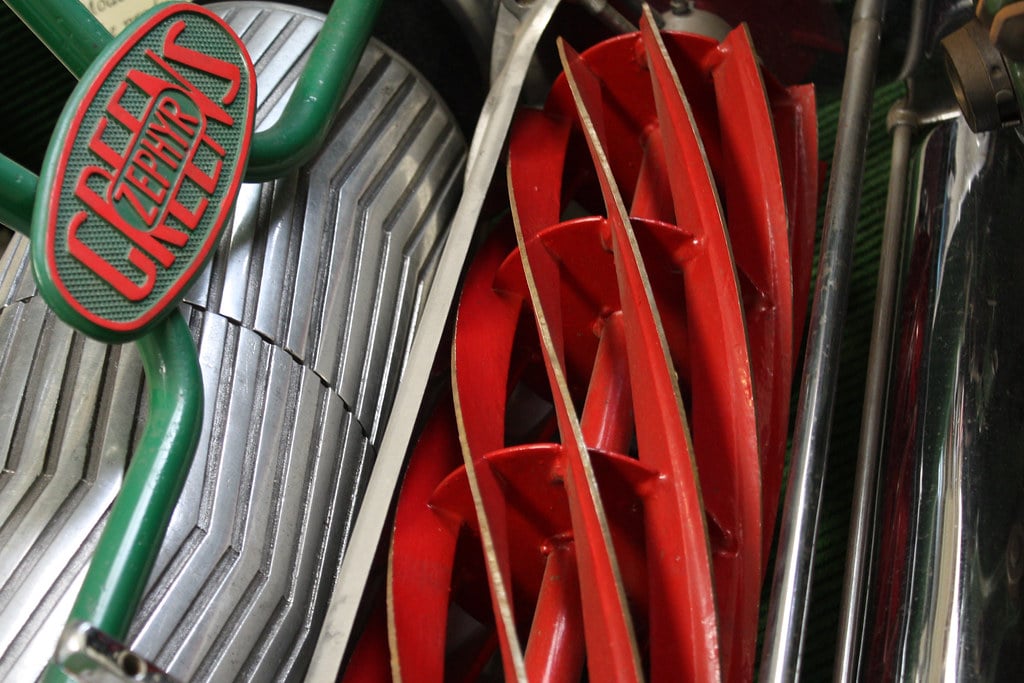
Southport takes grass cutting seriously enough to dedicate an entire museum to the machines that keep Britain’s lawns pristine. The British Lawnmower Museum houses over 300 vintage lawnmowers spanning two centuries of grass-trimming evolution.
Celebrity-owned mowers occupy places of honor. Prince Charles and Princess Diana’s wedding gift lawnmower sits beside machines once owned by Brian May and Nicholas Parsons.
Hand-operated Victorian models with brass fittings demonstrate the serious engineering that went into early grass maintenance. Steam-powered behemoths from the early 1900s look more like agricultural equipment than suburban tools.
The collection reveals Britain’s genuine obsession with lawn perfection, documenting the technological arms race between homeowners and their grass. Each decade brought innovations designed to achieve that perfect green carpet, and apparently, people cared enough to preserve the machines for posterity.
Burnt House
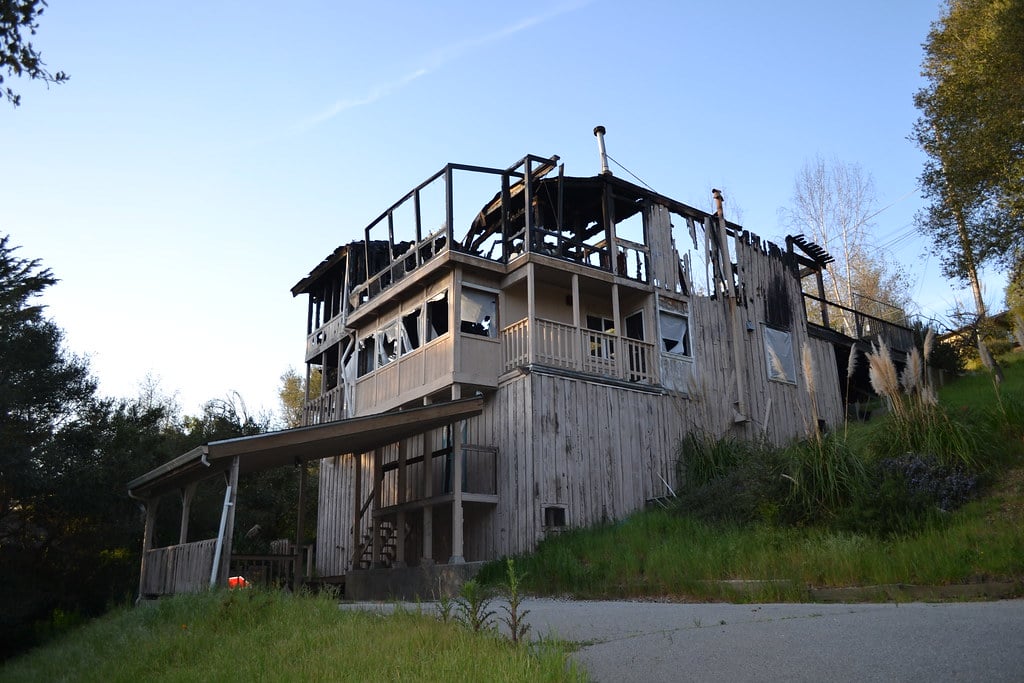
The Scottish Borders contain evidence of what happens when family feuds get out of hand. Burnt House near Eckford stands as a 400-year-old reminder of the region’s violent past.
The structure hasn’t been restored or cleaned up. Blackened stones still bear scorch marks from the fire that consumed the tower house during a border raid.
Walls stand partially collapsed, frozen at the moment of destruction. Rooms open to the sky where roofs once provided protection.
Staircases lead to nothing, their upper destinations long since crumbled away. Walking through feels like examining a crime scene preserved in stone.
The violence that created this ruin wasn’t ancient warfare—it was neighbors settling scores with torches and determination. The fact that nobody bothered to rebuild or tear it down completely suggests the destruction served as a deliberate warning that time hasn’t diminished.
Williamson Tunnels
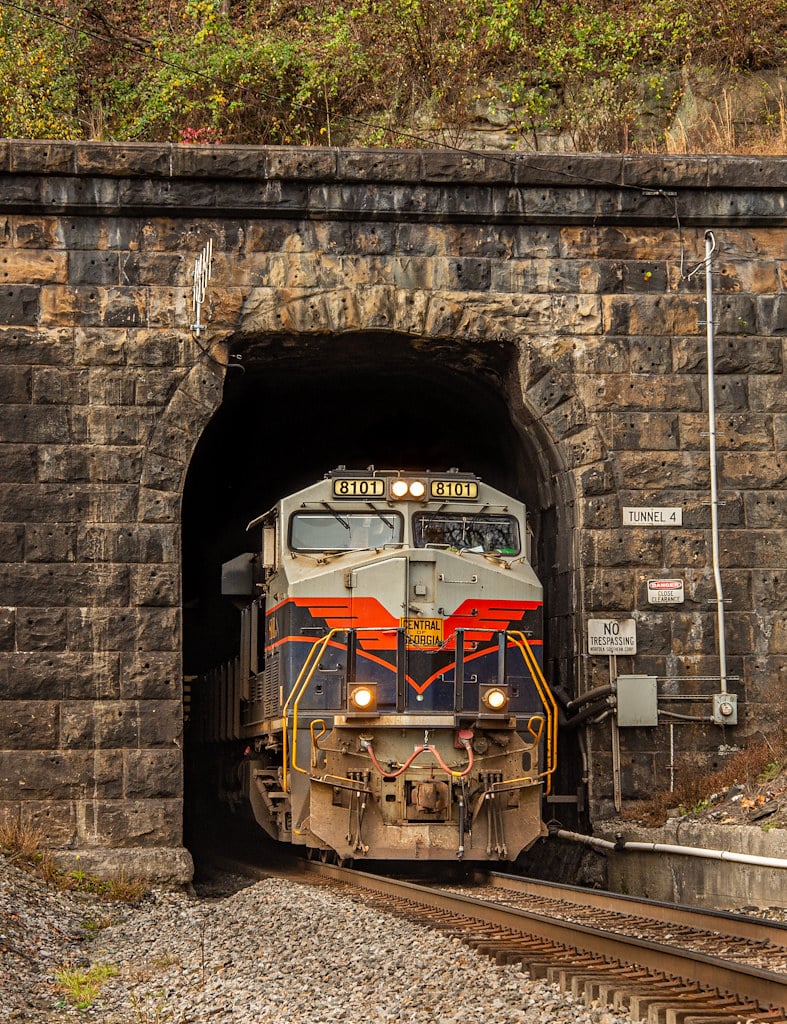
Liverpool’s underground labyrinth exists because one man couldn’t stop digging. Joseph Williamson spent decades in the early 1800s creating a network of tunnels beneath the city for reasons that died with him.
The tunnels serve no obvious purpose (theories about smuggling, religious ceremonies, and elaborate unemployment relief have all been proposed and found wanting), but they demonstrate what happens when obsession meets unlimited time and money. Some passages lead to chambers carved from solid rock.
Others open into vaulted halls that could host gatherings. Many simply end in walls, as if Williamson lost interest mid-excavation and moved on to the next hole.
The masonry throughout shows skilled craftsmanship—these weren’t rough cave-ins, but carefully planned underground architecture with no clear function. Modern exploration reveals new sections regularly, suggesting the full extent of Williamson’s subterranean project may never be completely mapped.
Museum Of Witchcraft And Magic

Boscastle’s approach to supernatural history is refreshingly matter-of-fact. The Museum of Witchcraft and Magic presents centuries of magical practice without judgment or sensationalism.
Ancient curse tablets sit beside modern spell books. Medieval witch bottles filled with bent pins and human hair demonstrate protective magic that people genuinely believed would save their lives.
Scrying mirrors, crystal balls, and divination tools span cultures and centuries. Ritual robes, magical implements, and altar pieces show the physical side of supernatural belief.
The collection treats witchcraft as legitimate cultural history rather than Halloween decoration. These weren’t props—they were working tools for people who believed magic could change their circumstances.
The museum’s clinical presentation makes the artifacts more unsettling than any haunted house theatrics could manage.
Binsey Poplars Memorial

Oxford’s tribute to Gerard Manley Hopkins proves that sometimes the absence of something becomes more powerful than its presence. The Binsey Poplars Memorial marks where a row of trees once stood before being cut down in 1879.
Hopkins wrote “Binsey Poplars” after the trees were felled, mourning their loss with lines about “sweet especial rural scene” being destroyed. The memorial consists of young poplars planted to approximate the original row, but they can’t replace what inspired the poem.
Standing in the spot feels like reading about a meal instead of eating it—the echo of beauty rather than beauty itself. The strangeness lies in memorializing something so ordinary.
These weren’t ancient oaks or sacred groves. They were just trees that happened to inspire someone who could write about loss in a way that made their absence permanent.
The Backwards Church

Shropshire contains architectural evidence that medieval builders occasionally had off days (or perhaps very specific instructions that made perfect sense at the time, though those reasons have been lost to history along with whoever thought a church facing the wrong direction was exactly what the congregation needed). St. Laurence Church in Ludlow points east to west instead of the traditional west to east orientation that Christian architecture has followed for over a millennium.
And nobody seems entirely sure why the builders decided to flip the entire structure around like a theological practical joke. The interior feels subtly wrong in ways that take time to identify—light falls differently, the altar occupies the space your brain expects to be the entrance.
The whole experience creates a low-level disorientation that persists throughout the service. Some theories suggest the church was built to accommodate an existing road.
Others propose that the builders were working from confused plans or deliberately creating a unique spiritual experience. But walking through the nave toward an altar positioned where altars simply shouldn’t be creates a cognitive itch that no amount of historical explanation can quite scratch.
And perhaps that discomfort was the point—making worship feel deliberately unfamiliar as a way of preventing spiritual autopilot.
Leaning Tower Of Bridgnorth

Shropshire’s answer to Pisa leans at a more dramatic angle than its Italian counterpart, though it draws considerably fewer tourists. The tower tilts at 17 degrees due to Civil War damage that left the structure permanently off-kilter.
Parliamentary forces undermined the castle in 1646, but the tower refused to fall completely. Instead, it settled into its current precarious position and stayed there.
The lean is visible from several streets away—a stone monument to structural engineering that probably shouldn’t work but has been defying gravity for nearly 400 years. Climbing the internal stairs requires constant adjustment for the tilt.
Windows frame views of Bridgnorth at angles that make the entire town appear to be sliding sideways. The experience combines mild vertigo with the nagging certainty that physics will eventually reclaim this particular victory.
The Time Ball Tower
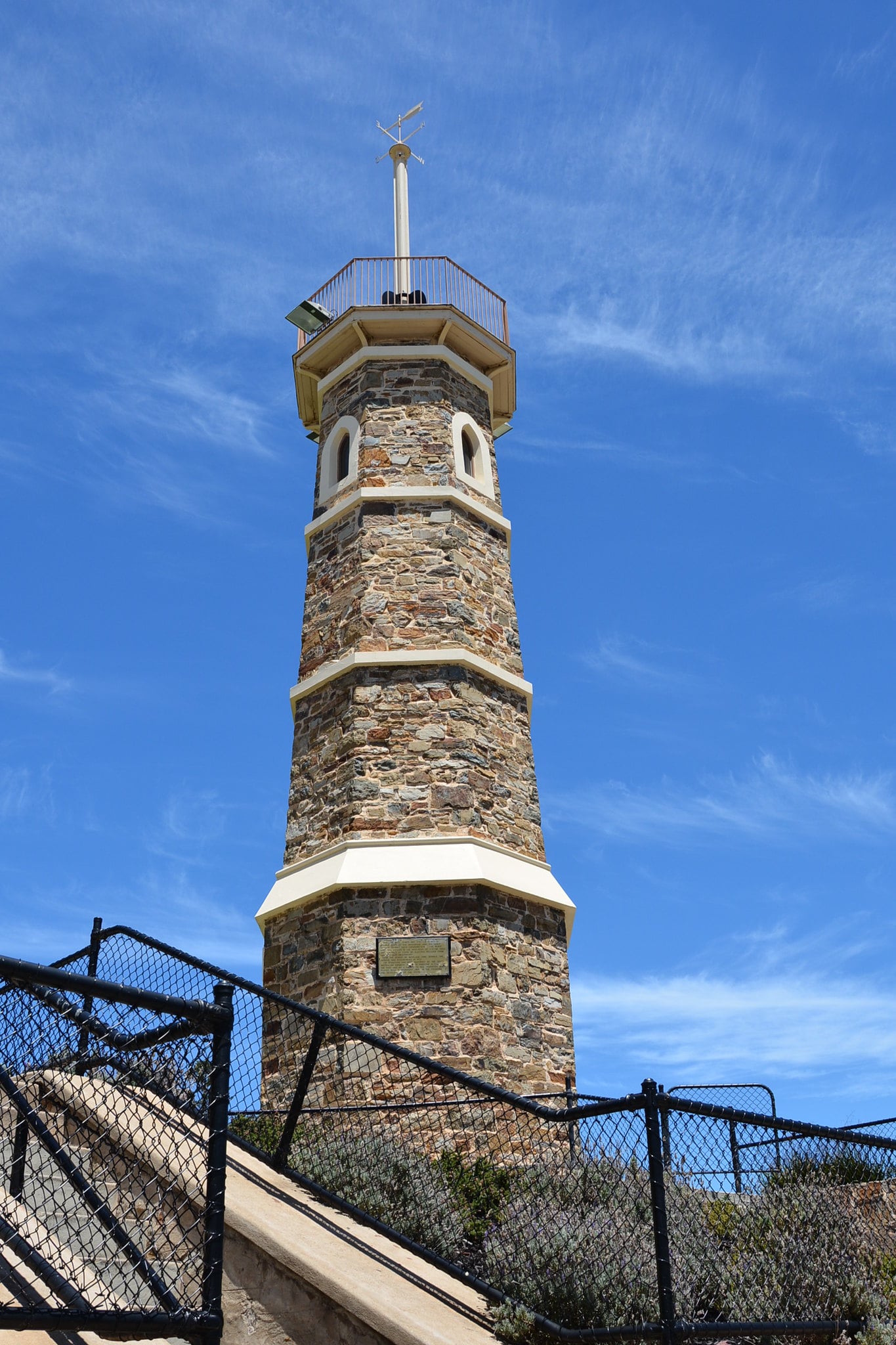
Deal’s maritime heritage includes a Victorian timekeeping system that once synchronized ships across the English Channel. The Time Ball Tower drops a large ball at precisely 1 PM each day, continuing a tradition that began in 1854.
Ships’ chronometers needed regular calibration for accurate navigation, and the falling ball provided a visual time signal visible from several miles offshore. The system worked so well that similar towers appeared in ports worldwide.
Deal’s version survived the transition to radio signals and GPS, operating now as a monument to the days when keeping accurate time required elaborate mechanical precision. Watching the ball drop feels anticlimactic compared to modern timekeeping, but the simplicity is the point.
One o’clock arrives with the certainty of gravity, no satellites or atomic clocks required.
Chislehurst Caves

Kent’s underground network exists because humans spent centuries digging chalk and flint from beneath the earth. Chislehurst Caves stretch for 22 miles through tunnels that served as air raid shelters, mushroom farms, and storage facilities across different eras.
The caves aren’t natural formations—they’re the result of mining that began with the Romans and continued through the 1800s. During World War II, 15,000 people sheltered in the tunnels during air raids.
The underground community developed its own rules, designated sleeping areas, and even a hospital. After the war, the caves housed mushroom cultivation and wine storage before becoming a tourist attraction.
Walking through sections that once held entire families during bombing raids creates an odd intimacy with historical fear. The chalk walls still bear graffiti from wartime residents, turning the caves into an accidental museum of ordinary people enduring extraordinary circumstances.
Puzzlewood

The Forest of Dean contains a landscape so deliberately otherworldly that film crews regularly use it to represent alien planets and fantasy realms. Puzzlewood’s twisted pathways wind between moss-covered rock formations that seem designed by someone who’d never seen a normal forest.
Ancient iron ore mining created the unusual topography (though the result looks more like the aftermath of a particularly creative earthquake than any industrial process), and centuries of erosion sculpted the rocks into formations that belong in fairy tales rather than Gloucestershire. Paths disappear around corners and reappear at different elevations.
Bridges span chasms that seem far too dramatic for the English countryside. Tree roots create natural staircases and handholds for navigating terrain that shifts between easy walking and mild rock climbing without warning.
The whole experience feels like exploring a landscape that evolved according to different physical laws, where normal concepts of up, down, and forward become negotiable suggestions rather than fixed directions.
A Journey Through The Wonderfully Weird

These attractions exist because Britain has always made room for the gloriously impractical alongside the historically significant. They’re the products of individual obsessions, historical accidents, and the kind of creative madness that transforms ordinary landscapes into something memorable.
Visiting them won’t provide the cultural gravitas of major museums or the scenic grandeur of national parks, but they offer something potentially more valuable: proof that wonder can emerge from the most unexpected corners when someone cares enough to preserve the peculiar.
The best part about these places isn’t their strangeness—it’s the fact that they exist at all, maintained by communities who understand that not every attraction needs to make perfect sense to be worth experiencing.
More from Go2Tutors!

- The Romanov Crown Jewels and Their Tragic Fate
- 13 Historical Mysteries That Science Still Can’t Solve
- Famous Hoaxes That Fooled the World for Years
- 15 Child Stars with Tragic Adult Lives
- 16 Famous Jewelry Pieces in History
Like Go2Tutors’s content? Follow us on MSN.