29 Trading Stamp Rewards Families Saved Up For
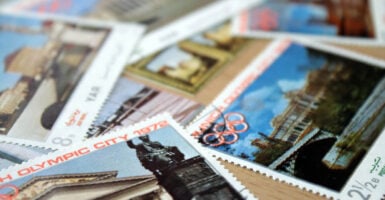
A filled S&H Green Stamps book held 1,200 points, and every one of them was licked, pressed and smoothed into place by hand at the kitchen table. At the program’s height in the 1960s, the company claimed to issue more stamps than the U.S. Postal Service, and its rewards catalog was billed as the largest publication in the country.
What families chose from those pages said plenty about their households. Some grabbed the cheapest lamp on the page, while others pooled books for months toward something extravagant.
Anyone who finds old books or catalogs in a drawer should know that collectors pay for complete, undamaged examples, so condition decides nearly everything.
A Porcelain Lamp for a Single Book
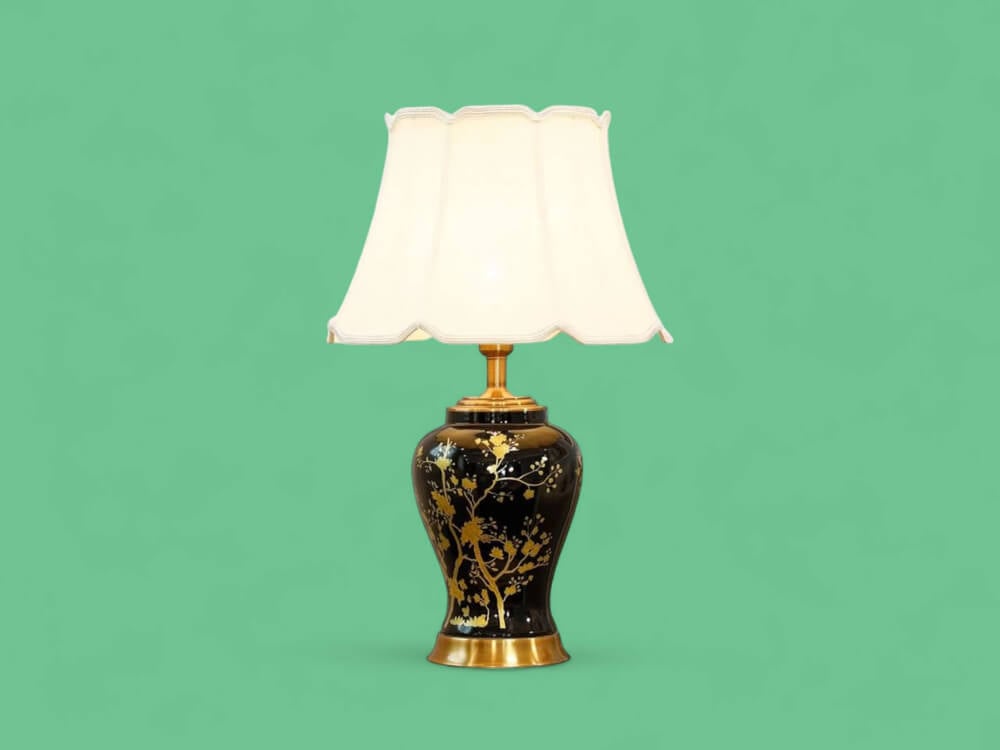
One filled booklet was enough for a porcelain lamp, which made it one of the cheapest rewards in the S&H catalog. Every item carried a price in filled books rather than dollars, so a household could judge the cost by counting what sat in the kitchen drawer.
That low entry price made a lamp a natural first redemption for shoppers still learning how the system worked.
A Bicycle for Six Books
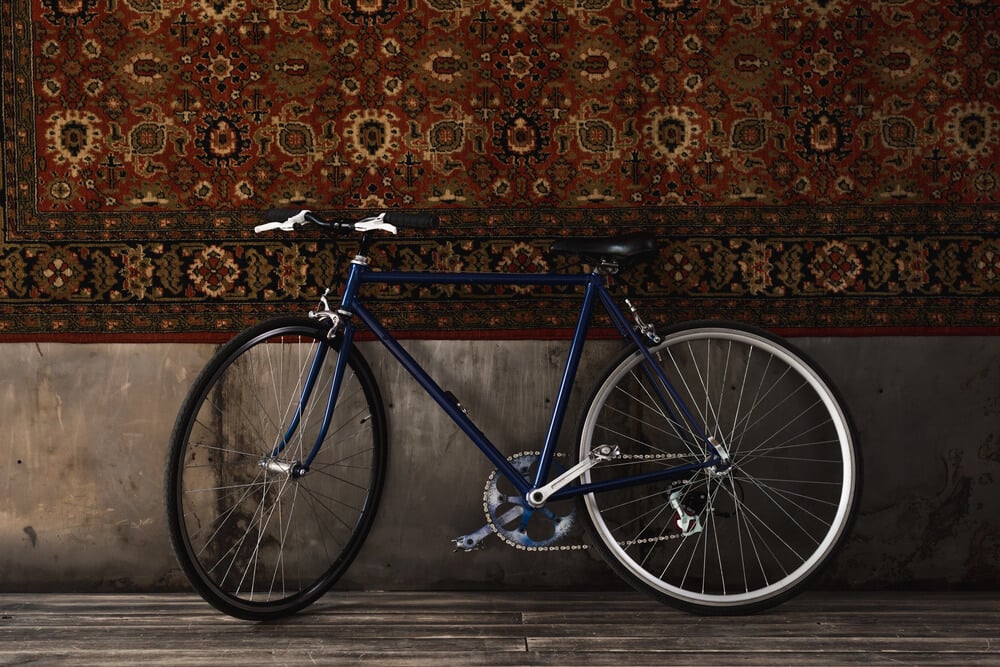
Six filled booklets bought a bicycle, which worked out to roughly 7,200 individual points. For a family that collected stamps with every grocery trip and fill-up, the bicycle turned a child’s wish into a shared savings project.
The redemption center, where customers handed over their books and wheeled the prize out, made the payoff feel physical in a way modern point balances never do.
The First Toaster in Many Kitchens
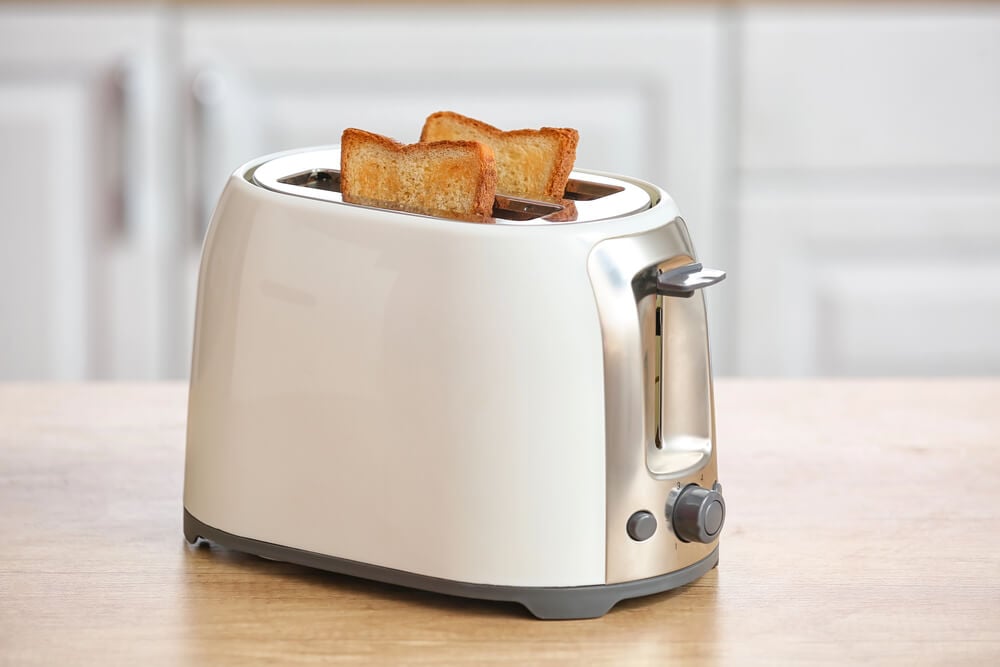
The toaster was the classic first redemption, and plenty of households remember theirs coming from a catalog of stamp rewards. It sat beside the lamp as an everyday item that families might otherwise have put off buying.
Many writers recall a grandmother or mother whose very first toaster arrived this way, which says something about how ordinary the program made saving feel.
Melmac Dishes for the Table
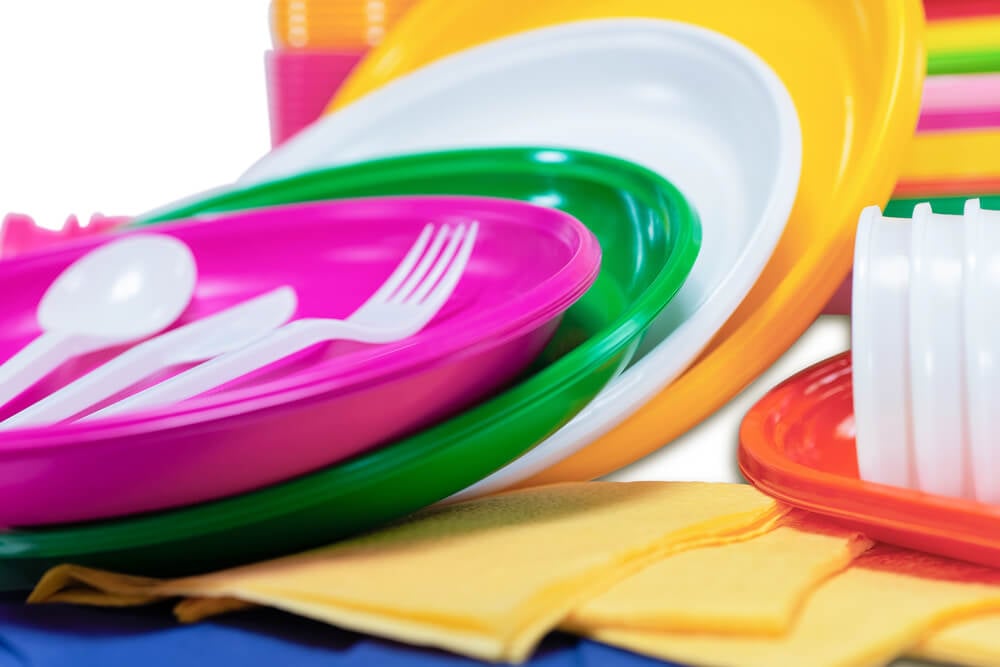
Sets of Melmac dishes were a standard offering, trading breakable china for colorful, durable plastic. Families weighed them against other catalog items, since one book or two could mean a toaster, dishes, or neither.
Surviving sets show up at estate sales, where chips, stains and crazing in the finish push prices down sharply.
A High-End Camera Worth Twenty Books
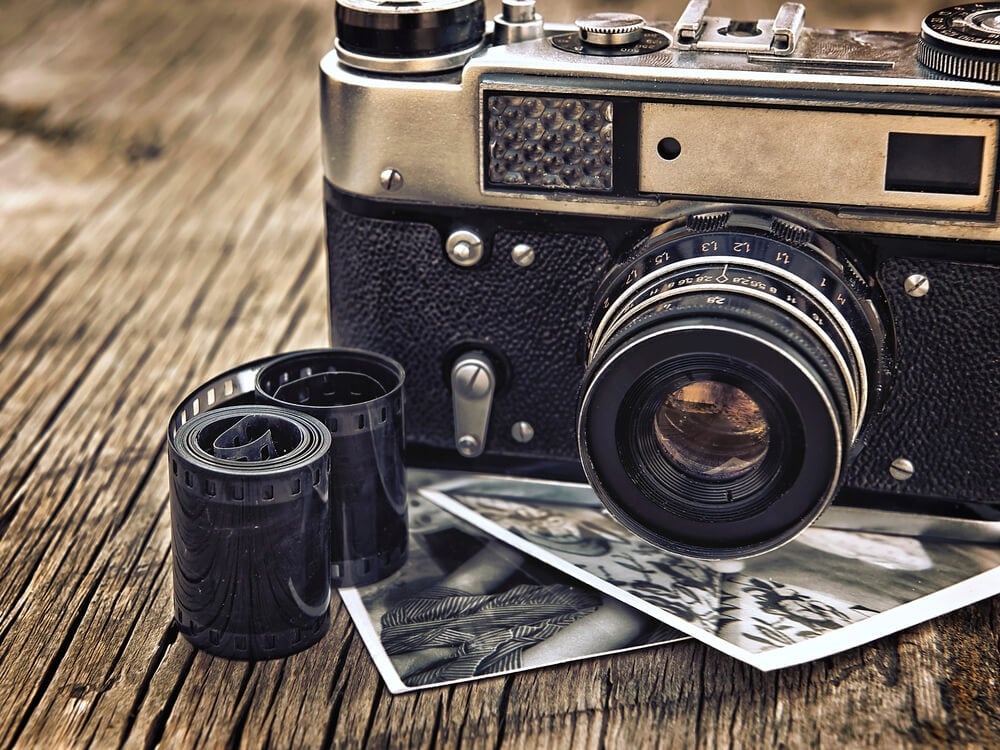
At the other end of the scale, a high-end camera could cost around twenty books. Families sat around the table debating whether three books should go to a lamp or all their books toward something like that.
The camera represented the kind of reward that only a patient, disciplined saver ever claimed.
Disneyland Ticket Books for Thirty-Nine Books
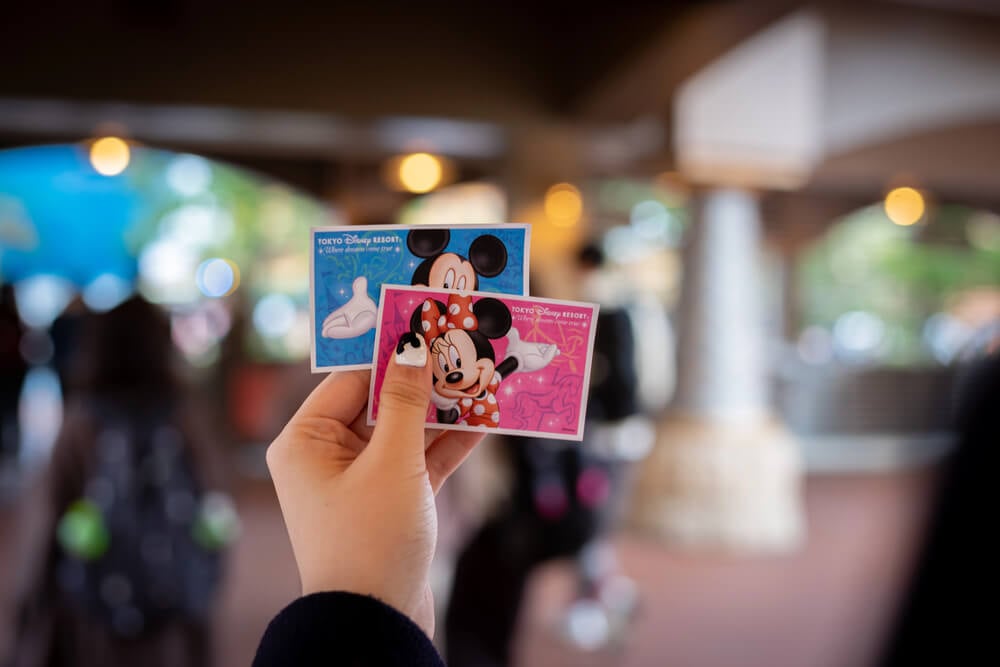
In the early 1960s, the Butcher family saved 39 books to claim five deluxe 15-ride ticket books for Disneyland. Because each book held 1,200 stamps, that haul added up to 46,800 Green Stamps.
It stands as one of the best-documented examples of stamps buying an experience rather than an object.
A Stanley Tool Kit for the Man of the House
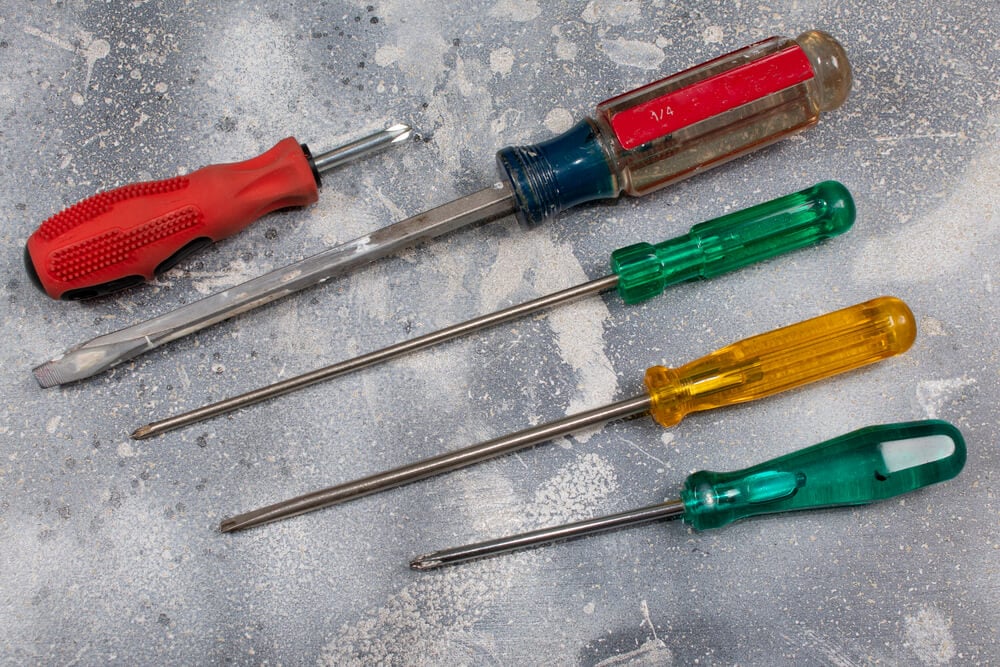
The catalog sorted some merchandise as gifts for the man of the house, and a Stanley tool kit headed that list at 19 books. The price put it far beyond a lamp and well above a bicycle, which suggests how serious a workshop beginner’s kit was considered.
Complete kits from the era sell best when every tool and the original case survive.
The Leather Attaché Case
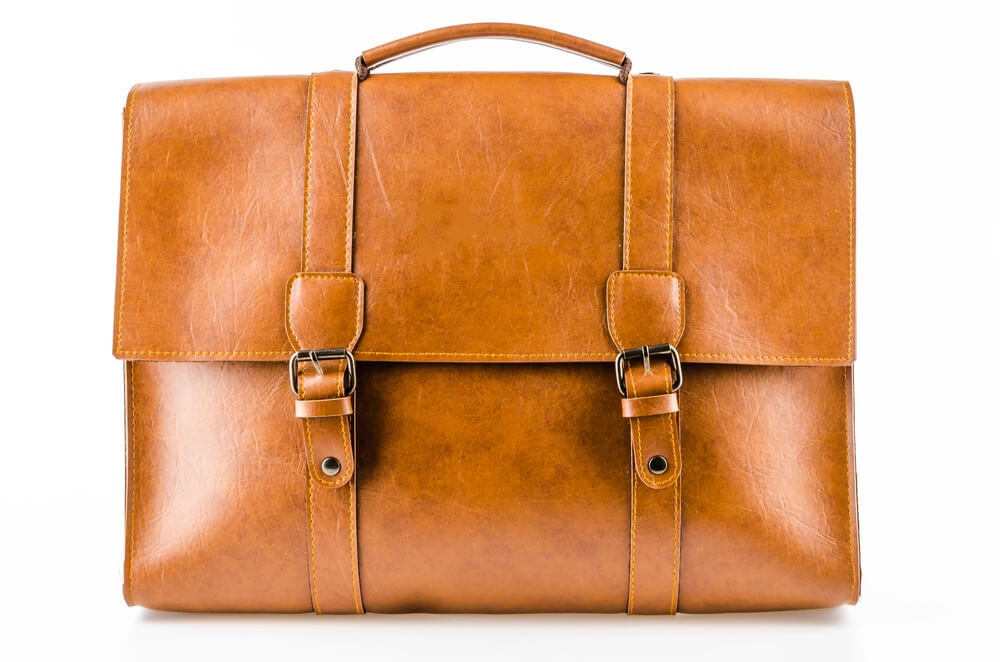
A leather attaché case cost 16 books, a price that signaled office-worker aspirations as clearly as a briefcase signals a commute. It appeared in the same section as the tool kit and the razor, aimed squarely at the working father.
A well-kept case with intact hardware and no cracking in the leather is the version collectors look for today.
A Norelco Electric Razor for Seven Books
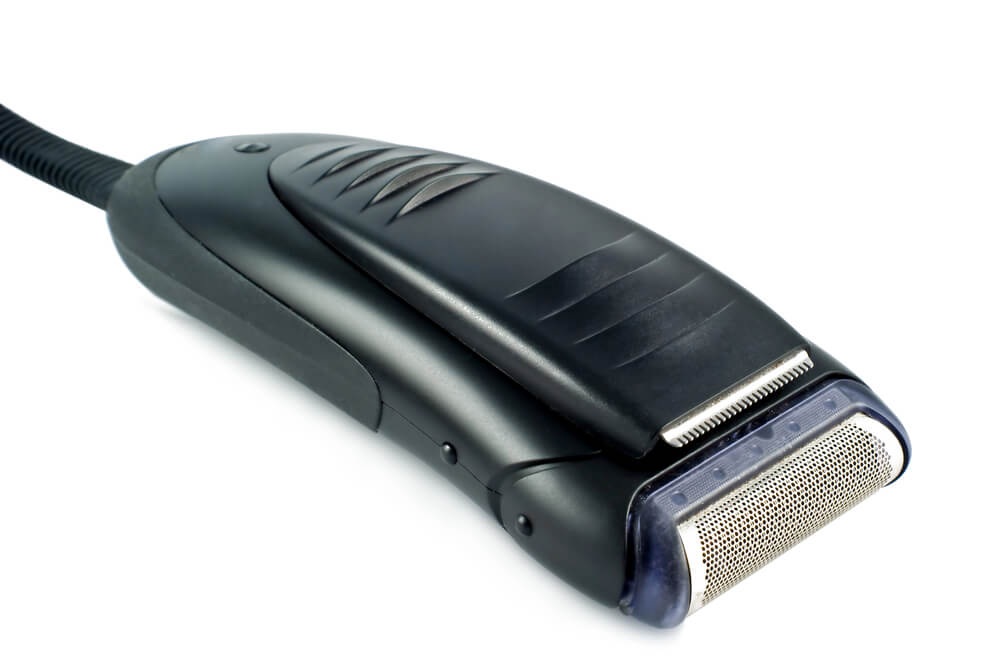
An electric razor from Norelco cost only seven books, putting it within reach of a family that saved steadily for a season or two. It was a practical, personal item that dads could actually use every morning, unlike a decorative lamp.
Boxed razors with their original cords and manuals are the ones that hold interest for collectors.
A Card Table and Four Chairs
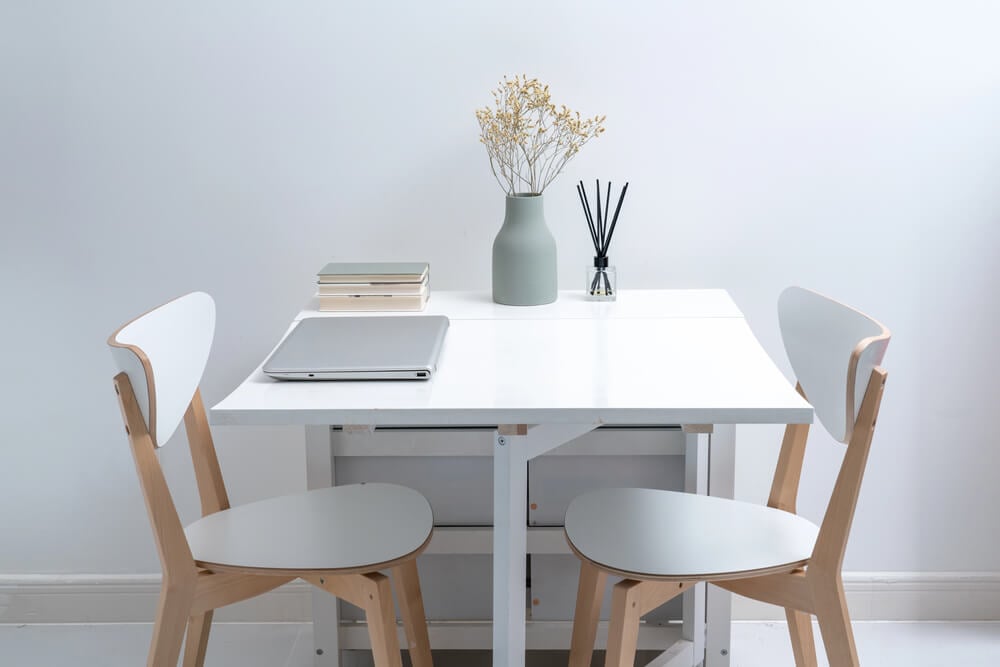
Households often walked out with a card table and a set of four chairs, a combination that doubled as game-night furniture and overflow dining. It was the kind of reward that filled a real gap in a small home.
The folding design meant the set could disappear into a closet when company left.
The Standing Lamp That Took Months
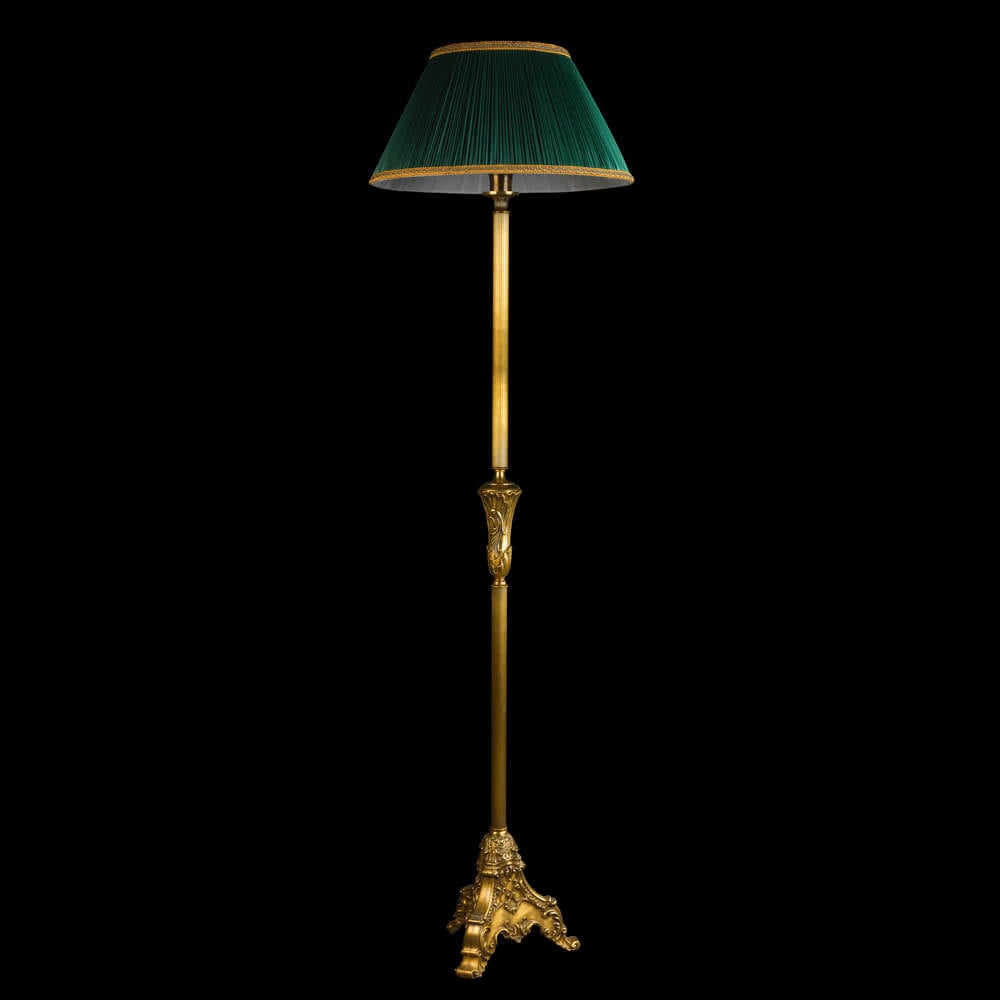
Newlyweds recall saving stamps for months on end to buy a floor lamp, a reward that lit a living room for years afterward. The lamp stood as proof that patience paid off, long before anyone talked about loyalty points.
Brass and glass versions from the period are still around, though replacement shades and wiring are common issues.
A Set of TV Trays
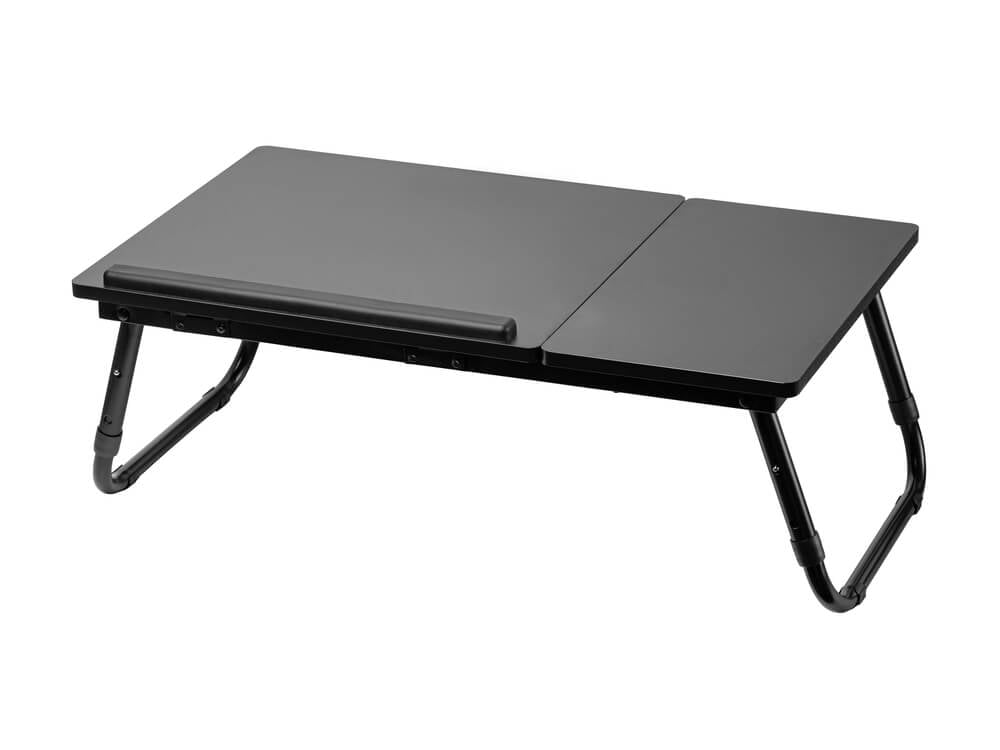
TV trays were among the household gifts that made up the biggest category of redeemed rewards. They suited an era when dinner often moved to the living room, folding flat against a wall when the show ended.
Sets with their original stand and unchipped print patterns are far more desirable than mismatched leftovers.
The Starburst Clock
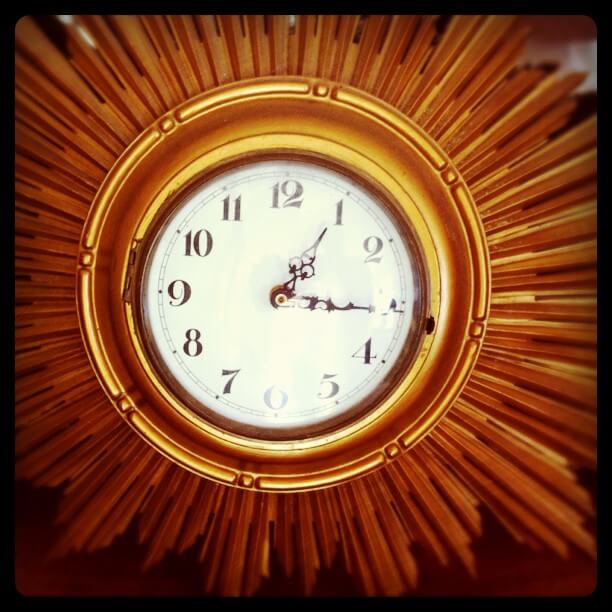
The starburst clock became the signature accessory of 1960s suburbia, and plenty of families took one home from a stamp redemption center. Its sunray design announced a modern, up-to-date living room to every visitor.
Working movements and undamaged spikes make a difference, since bent or missing rays hurt value badly.
Libbey Glassware for the Cabinet
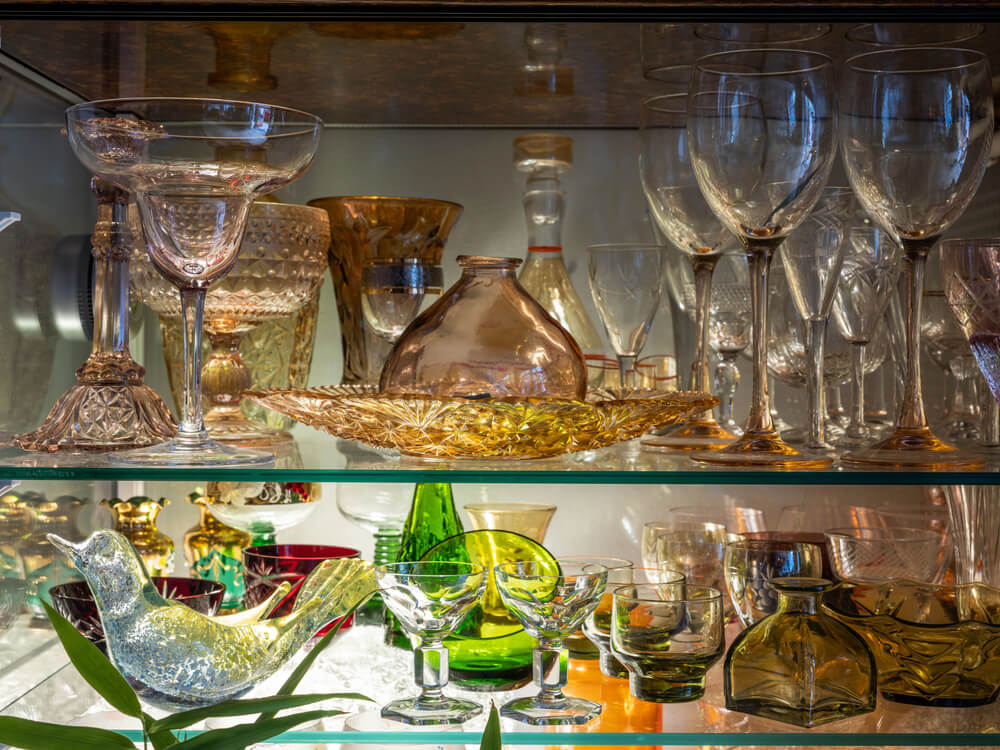
Libbey glassware was offered as a premium by trading stamp programs, and estate sale dealers now snap up surviving sets. These glasses were everyday kitchen items that families earned rather than bought.
Chips along the rim and cloudy dishwasher damage turn a good set into an ordinary one.
A Bundt Pan and Cake Tote
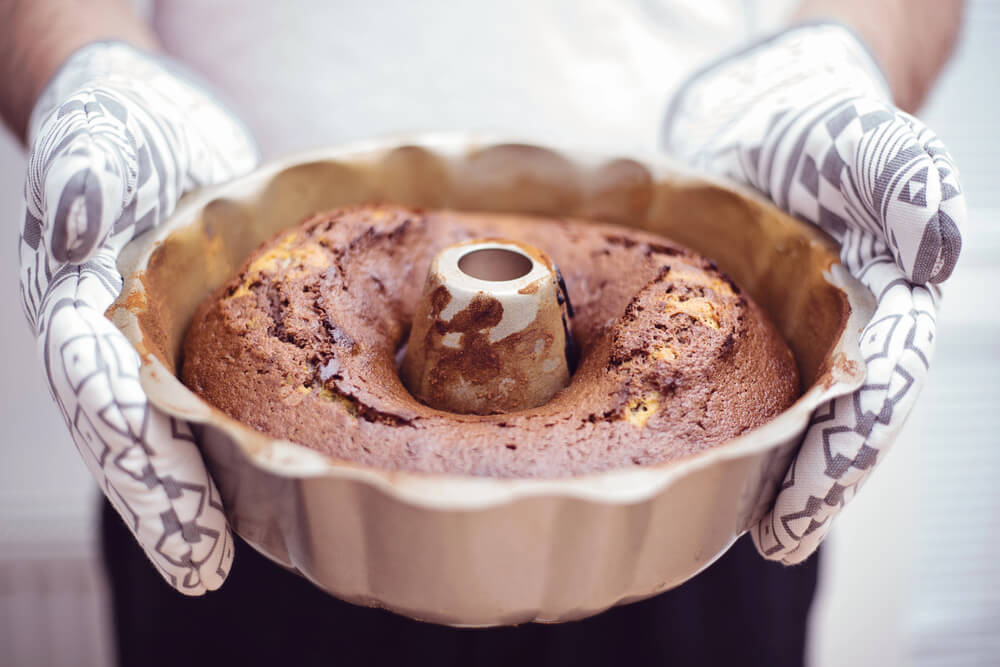
By the early 1990s, the rewards catalog still listed a Bundt cake pan paired with a cake tote. The combination served the church-supper and potluck crowd who carried desserts to gatherings.
It marks the late-era catalog as much more domestic than the 1960s mix of lamps and clocks.
A Vinyl Tablecloth
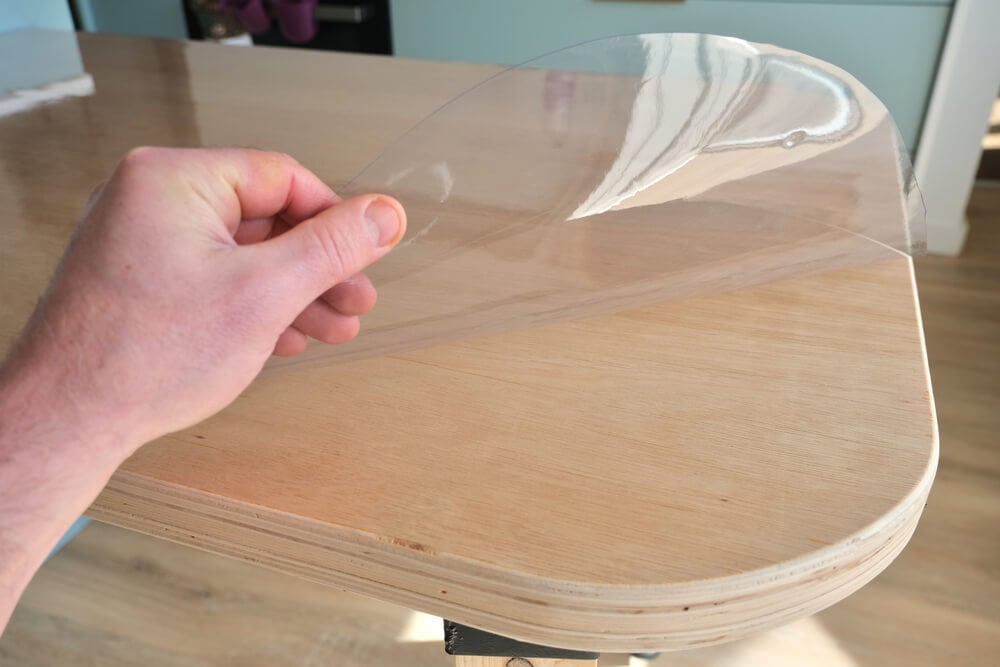
A vinyl tablecloth appeared in the same early 1990s catalog, a wipe-clean essential for kitchens that fed children three times a day. It was inexpensive in stamps and practical in use, the sort of item a family added to a larger redemption.
Few survive in good shape, since creases and cracked printing are almost unavoidable.
The Diaper Pail
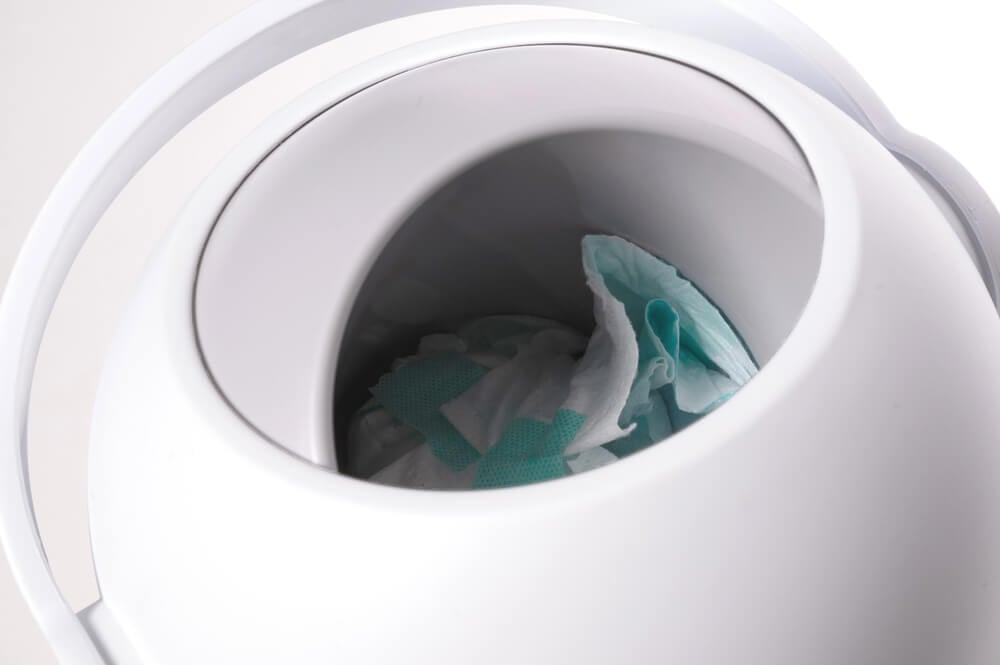
The diaper pail shows how the catalog followed the life of a household, offering equipment for new parents alongside lamps and clocks. In the early 1990s listing, it sat among kitchen and bath goods rather than appliances.
A reward like this was a quiet nod to the families who had spent the most time pasting stamps.
A Toaster Oven
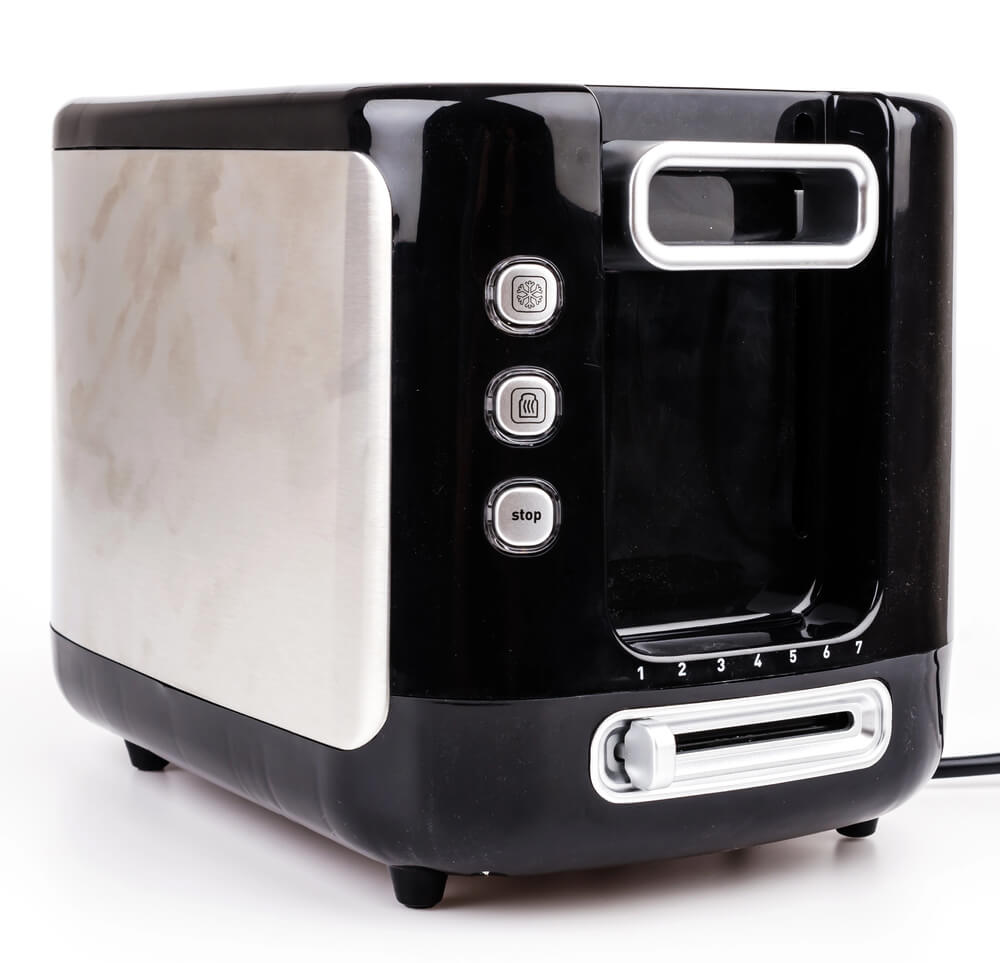
A toaster oven turned up in the early 1990s catalog, and one writer remembers it as her mother’s first. It marked a generation’s step up from the plain toaster that earlier shoppers had treasured.
The progression from toaster to toaster oven mirrors the way kitchens changed over the decades the program ran.
A Camping Tent
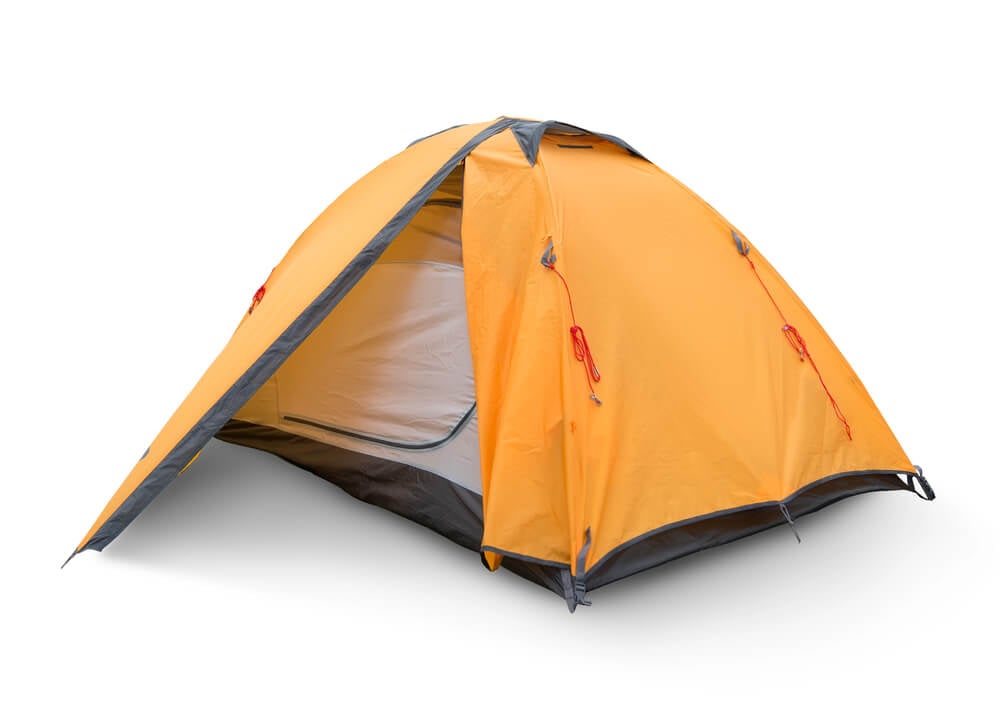
The same catalog offered a camping tent, proof that stamp books could fund a family vacation as well as a kitchen upgrade. Weekend travelers could redeem enough books for a shelter and a trip together.
Canvas and nylon tents age quickly, and mildew or failed seams make old examples more decorative than usable.
A Curling Iron
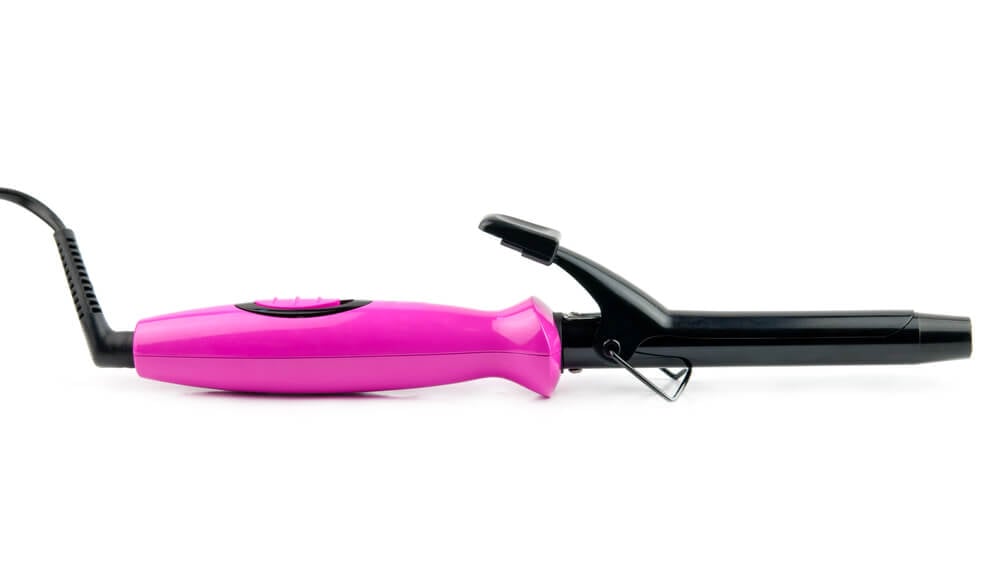
A curling iron sat among the small personal-care items in the early 1990s rewards catalog. It cost relatively few stamps compared with big-ticket items, which made it an easy add-on.
Such items rarely survive with their original packaging, so boxed examples stand out.
A Steam Iron
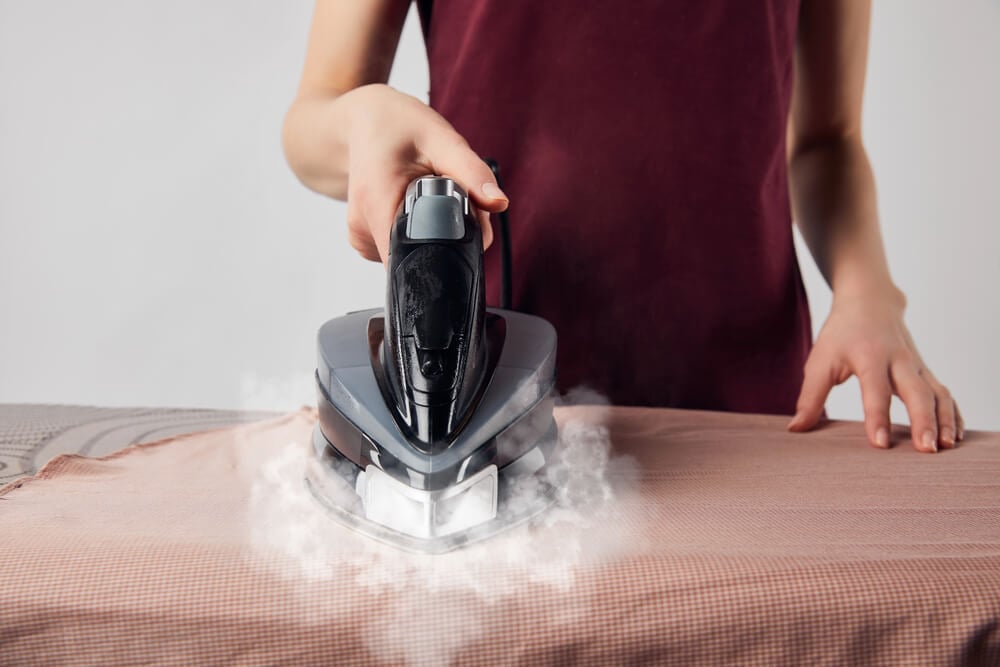
A steam iron was another small appliance in that catalog, essential for households pressing shirts for work and school. It appealed to shoppers who wanted a dependable tool rather than a showpiece.
Old irons with intact cords and clean soleplates remain easy to find, though chipped or corroded ones lose appeal.
A Blender
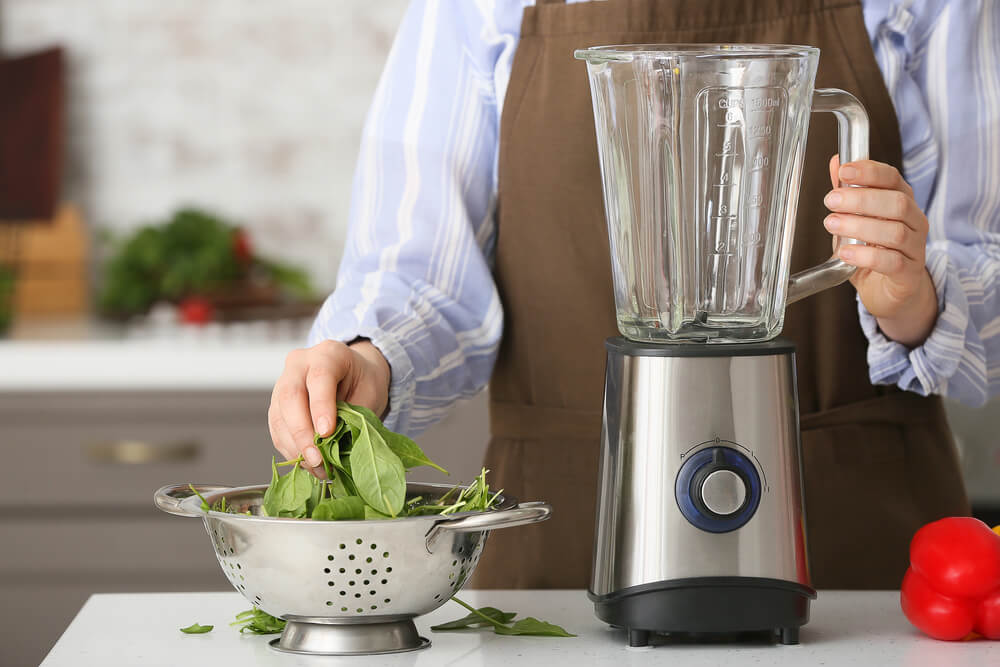
Some shoppers recall trading books for a blender, an appliance that fit neatly into the mid-century kitchen. It was the kind of item shoppers collected stamps toward when a birthday or wedding approached.
Glass jars and original blades matter, since replacements rarely match the vintage design.
A Vacuum Cleaner
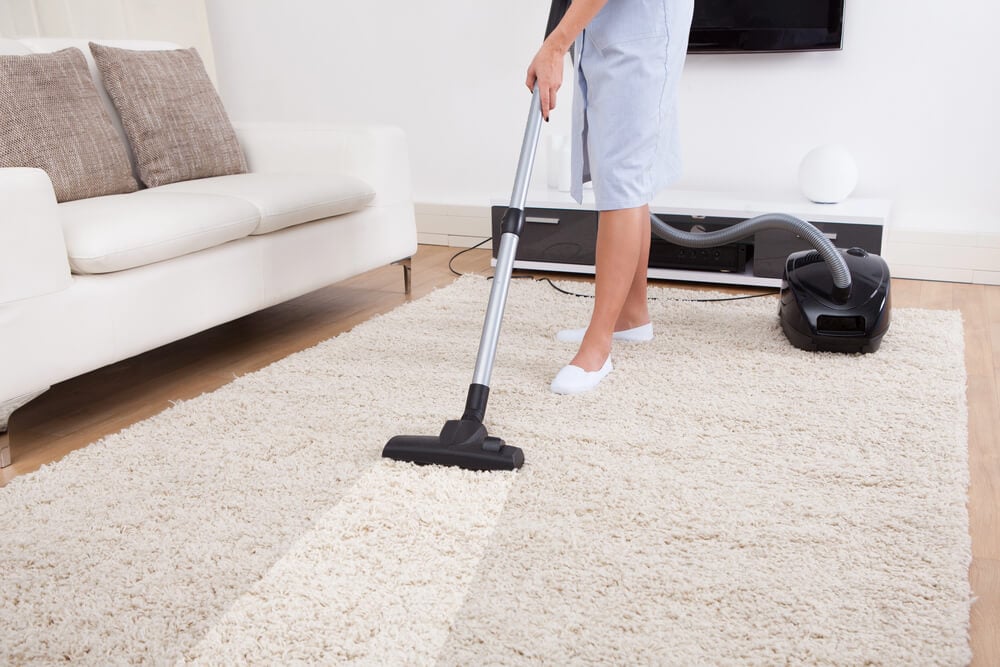
When a family had enough books to nearly fill the back of a station wagon, a vacuum cleaner was among the practical prizes on offer. It sat alongside the blender and toaster as heavy-duty housekeeping gear.
Working motors and intact hoses decide whether a vintage model is worth keeping.
A Piano and Other Grand Ambitions

The catalog stretched all the way from lamps to pianos, a range that showed how far a determined family could take the program. A piano demanded far more books than any lamp or iron, so only the most committed savers could claim one.
It remains the extreme example of how pasted paper squares could turn into furniture.
Living Room Furniture

Furniture sat beside the pianos and bicycles in the rewards listings, giving families a way to furnish rooms through grocery purchases. Chairs, tables and similar pieces required many books, so they were long-term goals.
Solid wood versions in original finishes are the pieces that survive best today.
An Ashtray from a Different Era
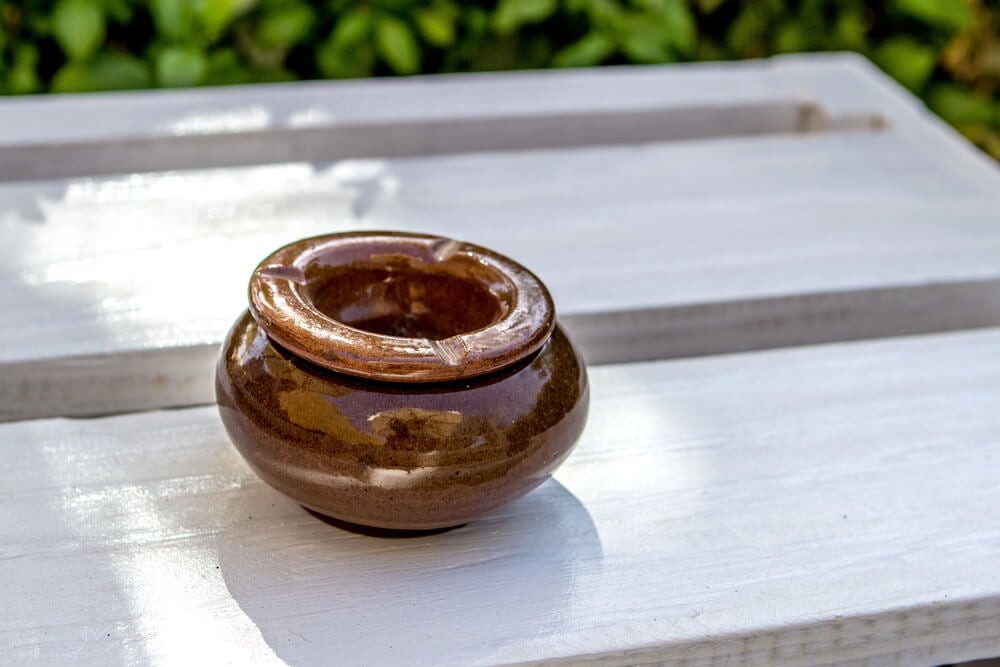
One columnist recalls his mother redeeming stamps for an ashtray, an item that dates a catalog as firmly as any starburst clock. It served a household where guests lit up indoors without a second thought.
Few people want one now, so condition matters mostly to collectors of period glass and ceramics.
Top Value’s Pink Plaid Elephant
Top Value Stamps used a pink plaid elephant as its mascot, and the company offered merchandise featuring the cartoon animal alongside name-brand goods. This branded merchandise made the redemption catalog feel like a toy store as well as a housewares department.
Pieces featuring the elephant are the ones collectors most often hunt.
A Lawn Chair for the Patio
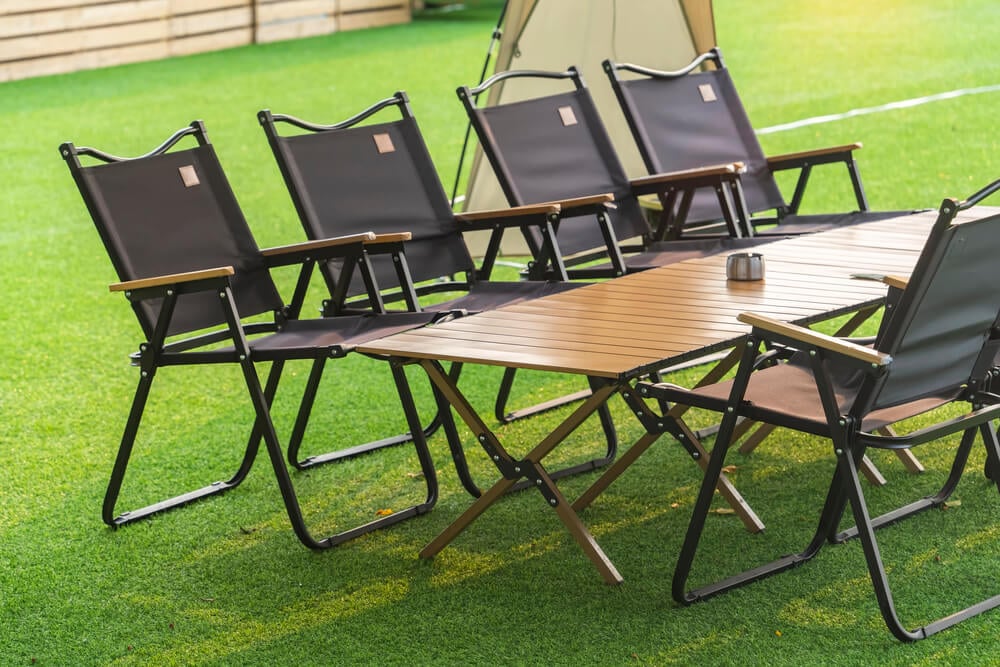
A lawn chair counted among the simpler rewards, perfect for a family that wanted something from a stack of books without waiting for a big-ticket prize. Shoppers walked into a redemption center with their filled books and left with the chair in hand.
Folding aluminum frames and webbing from the period often fray or rust, which affects any hope of resale.
Gift Cards for Forgotten Books
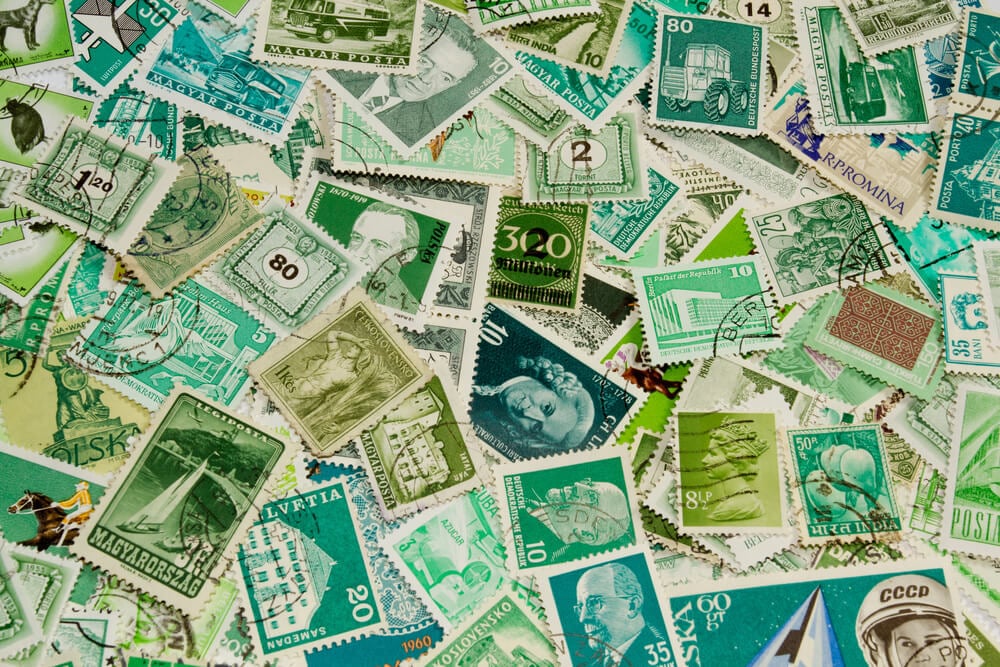
Today, forgotten books can still be turned in, since the modern S&H program accepts old Green Stamp books at roughly $1.20 per filled book. That conversion rate puts the value of a mid-century book in sharp perspective when compared with a lamp or a bicycle.
Shoppers who find a drawer of old books can mail them in rather than letting them fade away.
The Long Arithmetic of Saving
Trading stamps worked because they turned a purchase into a goal. Every grocery run carried a small reward, and a family could count the progress in filled books rather than feeling the cost of the item all at once.
The catalog, with its prices written in books, taught patience in a way few ads ever have. The program has largely faded, but its spirit lives on in credit card points and loyalty apps.
Shoppers still chase a reward by repeating a routine, though the licking and pasting are long gone. What remains are books, stamps and catalogs in flea markets and drawers, each a small record of what a household once decided was worth waiting for.
More from Go2Tutors!

- 27 Silver Dollars and Half Dollars Worth Keeping
- 28 Restaurant Menu Items Nobody Orders Anymore
- 17 Places Built in Seemingly Impossible Spots
- 27 Vintage Rings Worth More Than They Look
- 25 Restricted Sites Tourists Can’t Enter
Like Go2Tutors’s content? Follow us on MSN.