Fascinating facts about The Wizard of Oz
Most people think they know everything about the classic 1939 film The Wizard of Oz, from Dorothy’s ruby slippers to the yellow brick road. But behind those iconic scenes lies a treasure trove of wild stories, dangerous mishaps, and surprising details that even the biggest fans rarely hear about.
The production was filled with more drama than a tornado sweeping through Kansas. Here is a list of 19 fascinating facts that reveal the real magic—and mayhem—behind this beloved movie.
Dorothy’s Slippers Were Originally Silver
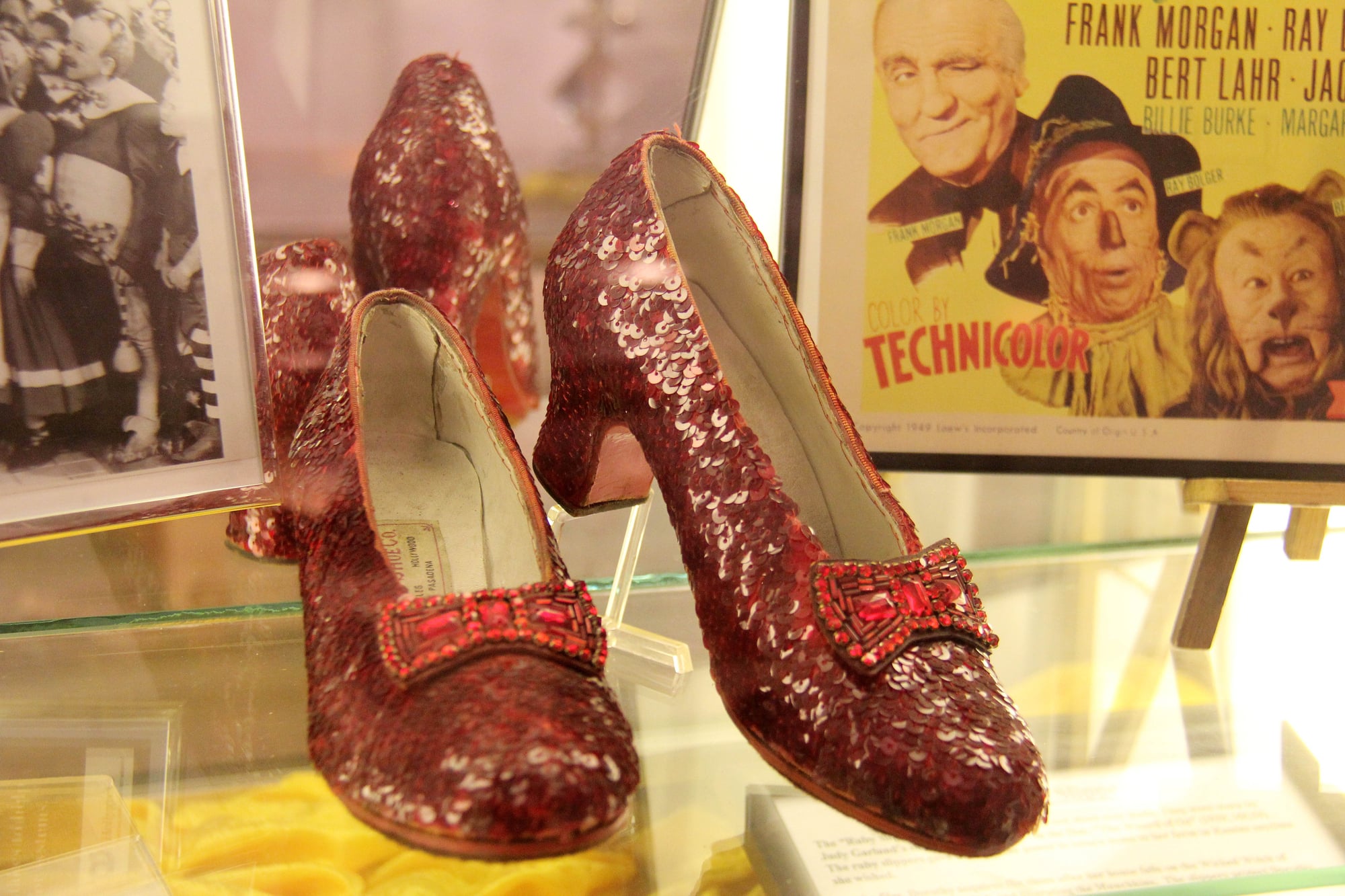
In L. Frank Baum’s original 1900 book, Dorothy’s magical shoes were silver, not ruby red. The film producers changed them to a glittering bright red to show off the new Technicolor technology.
It was like getting a free advertisement for this expensive, cutting-edge filming process that MGM wanted to flaunt.
The Original Tin Man Was Nearly Killed by His Makeup
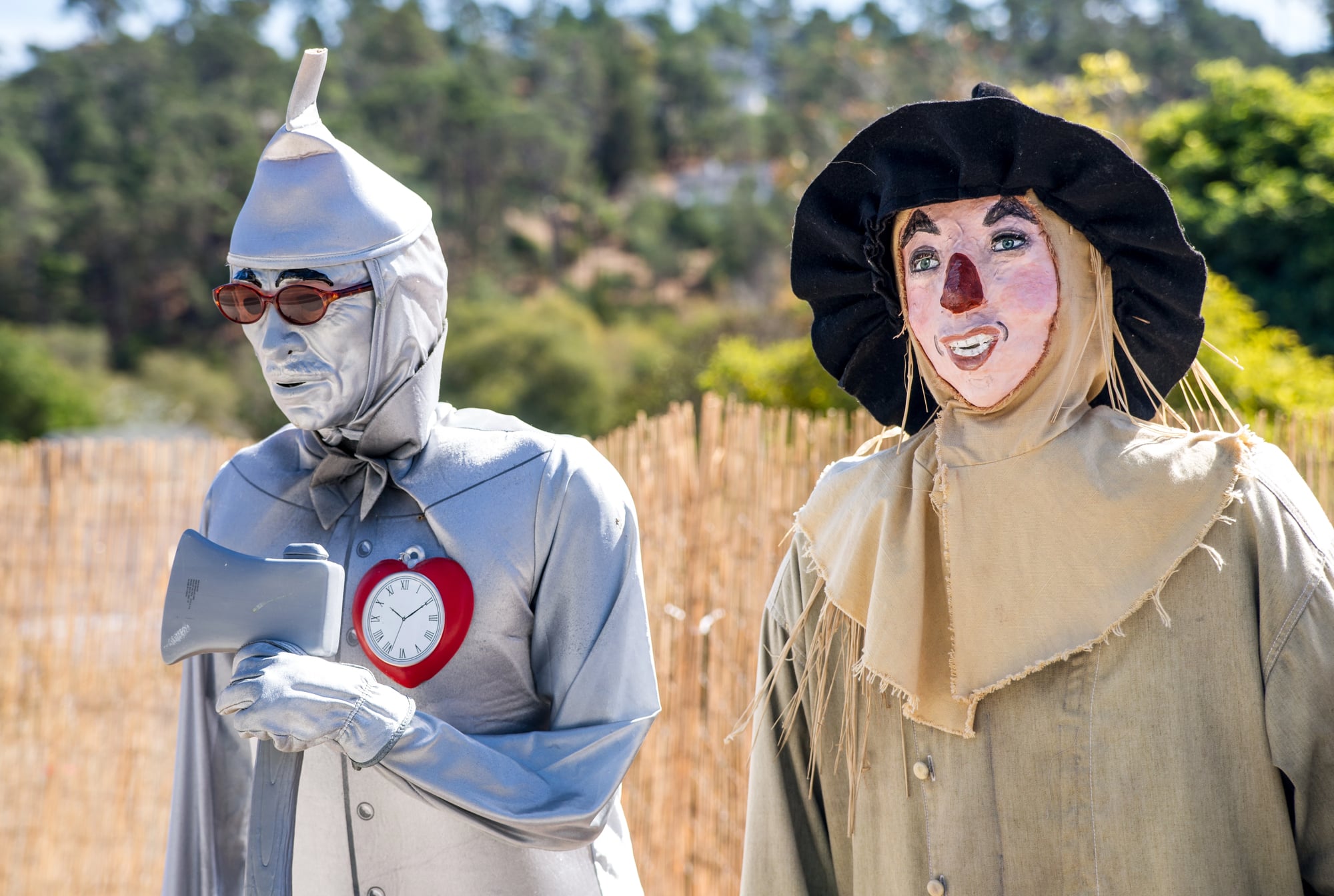
Buddy Ebsen was originally cast as the Tin Man, but aluminum dust in his makeup essentially poisoned him after nine days of filming. He ended up hospitalized under an oxygen tent, and Ebsen later said he had breathing problems for the rest of his life.
Jack Haley replaced him, but even the ‘safer’ aluminum paste they used on Haley caused an eye infection that required medical treatment.
Toto Earned More Than the Munchkins

Toto, played by a female Cairn Terrier named Terry, reportedly earned $125 per week, while each Munchkin actor received just $50. Talk about Hollywood’s weird priorities—apparently being a good dog was more valuable than being a good little person.
Terry wasn’t even a newcomer to showbiz; The Wizard of Oz wasn’t the pooch’s first big picture.
The Wicked Witch Suffered Severe Burns

During the Munchkinland scene where the Wicked Witch disappears in a puff of smoke, the timing was off and Margaret Hamilton’s green copper-based face paint melted, leaving her with third-degree burns. It took her three months to recover, and she refused to do any retakes of similar scenes.
The irony is that she was literally burned by fire while playing a character who famously melted from water.
Four Different Directors Worked on the Film

The Wizard of Oz had four directors: Norman Taurog was quickly replaced by Richard Thorpe, who lasted only two weeks before Victor Fleming took over and handled most of the iconic scenes. Fleming then left to direct Gone with the Wind, and King Vidor finished the film.
It’s like a director relay race, except each runner was trying to create movie magic instead of just passing a baton.
‘Over the Rainbow’ Almost Got Cut

The studio didn’t like ‘Over the Rainbow’ because they thought it went on too long and was too sad. Producer Mervyn LeRoy had to threaten to quit the film to keep the song in.
Imagine The Wizard of Oz without its most famous song—it would be like removing the tornado from the story.
The Horses Were Painted with Jell-O

The colorful horses in the Emerald City were painted with Jell-O powder to achieve their purple, red, and yellow hues. Unfortunately, the horses kept trying to lick off the sweet, sugary coating, so the crew had to keep reapplying it.
It was probably the most delicious makeup job in movie history.
The Famous Hanging Scene Is Actually a Bird

The biggest myth about The Wizard of Oz claims you can see a hanged Munchkin in the background of one scene, but it’s actually just a bird wing. MGM had exotic birds around the set to make the background look more interesting.
This urban legend has persisted for decades, proving that sometimes people prefer spooky stories to boring explanations.
Frank Morgan Played Five Different Characters

Actor Frank Morgan didn’t just play the Wizard—he also portrayed Professor Marvel, the Emerald City cabbie, a palace guard, and the doorkeeper. It was like getting five actors for the price of one, which probably made the budget-conscious studio executives very happy.
Most viewers never even noticed they were seeing the same guy in different costumes.
The Witch’s Scenes Were Too Scary for Kids

Many of the Wicked Witch’s scenes were edited or completely cut because Margaret Hamilton’s performance was deemed too frightening for children. This meant Hamilton had a miserable time during production, only to have most of her work end up on the cutting room floor.
The version we see today is actually the ‘toned down’ witch—imagine how terrifying the original scenes must have been.
Dorothy’s Dress Wasn’t Really Blue and White
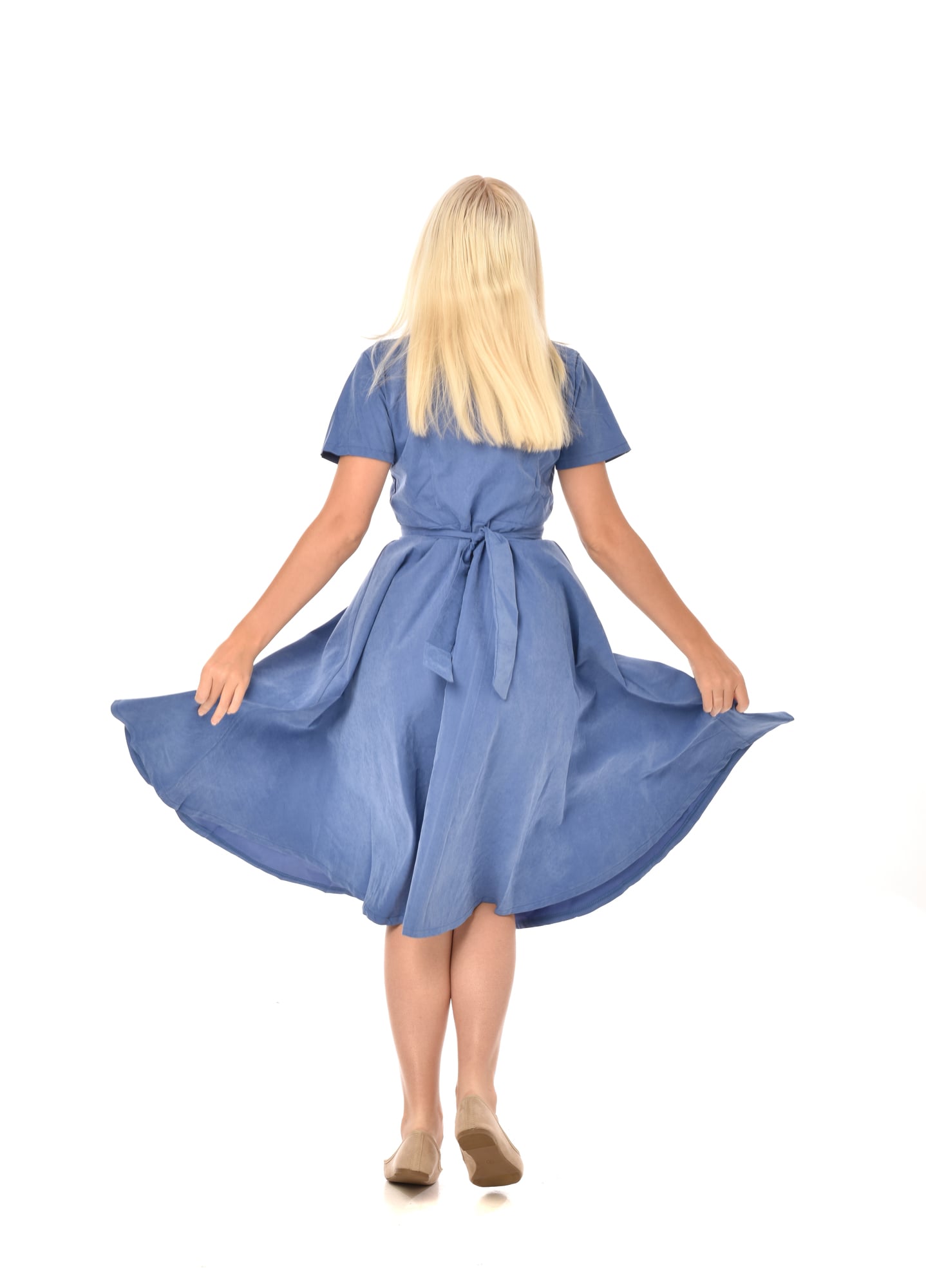
Dorothy’s iconic blue-and-white gingham dress was actually blue and light pink, which was filmed better in Technicolor. The three-strip Technicolor process was revolutionary but finicky, requiring specific color combinations to look right on screen.
What seemed like a simple wardrobe choice was actually a complex technical decision.
The Set Was Dangerously Hot

The massive sets required more than 150 36-inch overhead lights to properly expose the primitive Technicolor film, making conditions brutally hot. People were constantly fainting and being carried off the set, and several crew members developed ‘klieg eyes’—a painful condition causing pink inflammation and swelling.
It was like filming inside a giant oven, but with singing and dancing.
The Tin Man’s Oil Was Actually Chocolate Syrup

When the Scarecrow squirted oil on the Tin Man to loosen his joints, it was actually chocolate syrup because real oil didn’t photograph well under the lights. Jack Haley remembered getting chocolate squirted in his face repeatedly.
At least if he accidentally got some in his mouth, it probably tasted better than motor oil.
Snow White Made a Voice Cameo
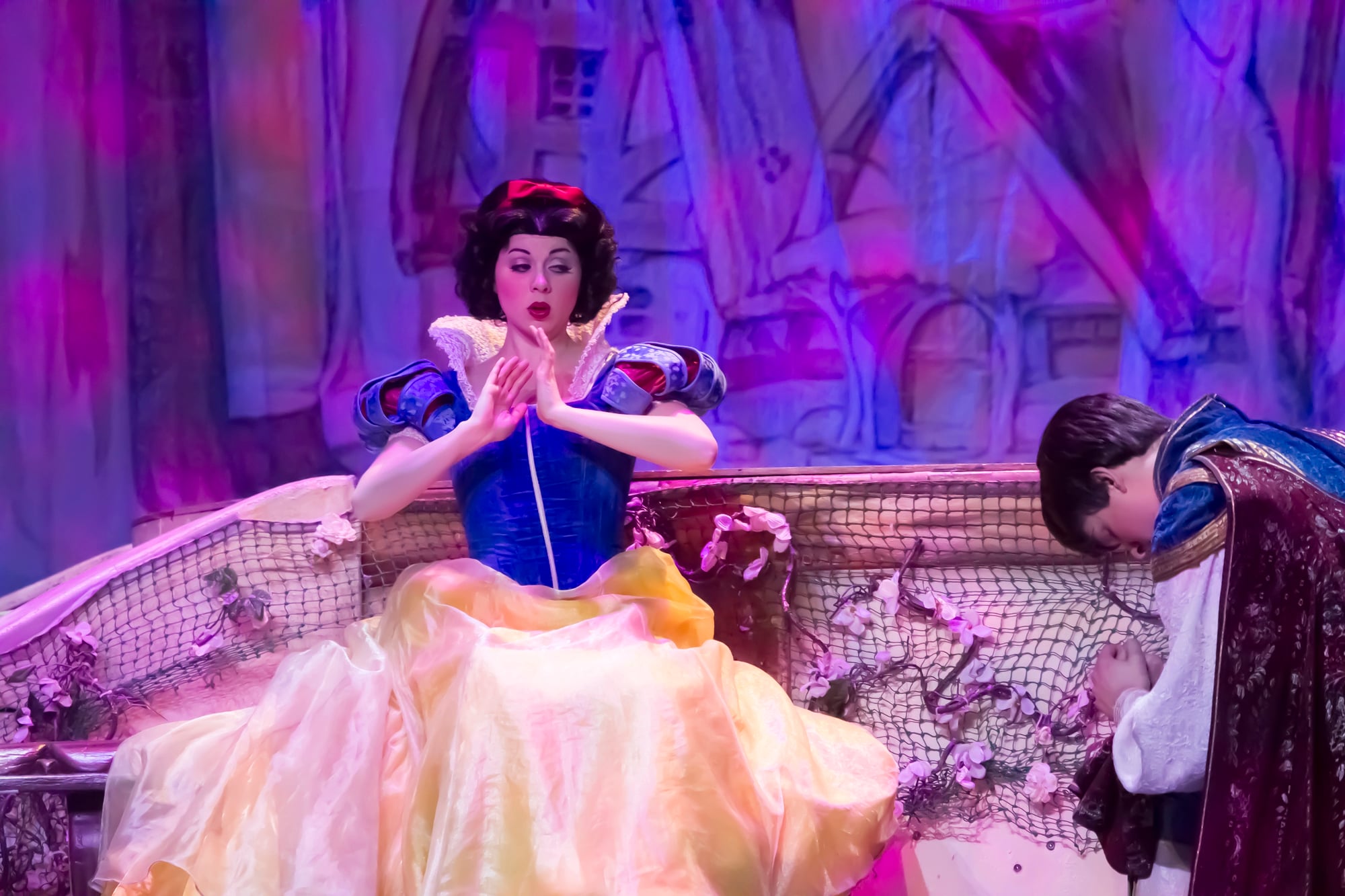
Adriana Caselotti, who voiced Disney’s Snow White, made a brief vocal appearance in the Tin Man’s song ‘If I Only Had a Heart,’ singing ‘Wherefore art thou Romeo’. It was like a secret Disney Easter egg hidden in an MGM production, decades before such crossovers became common.
Most audiences had no idea they were hearing the voice of the world’s most famous animated princess.
The Poppy Field Scene Used Real Asbestos
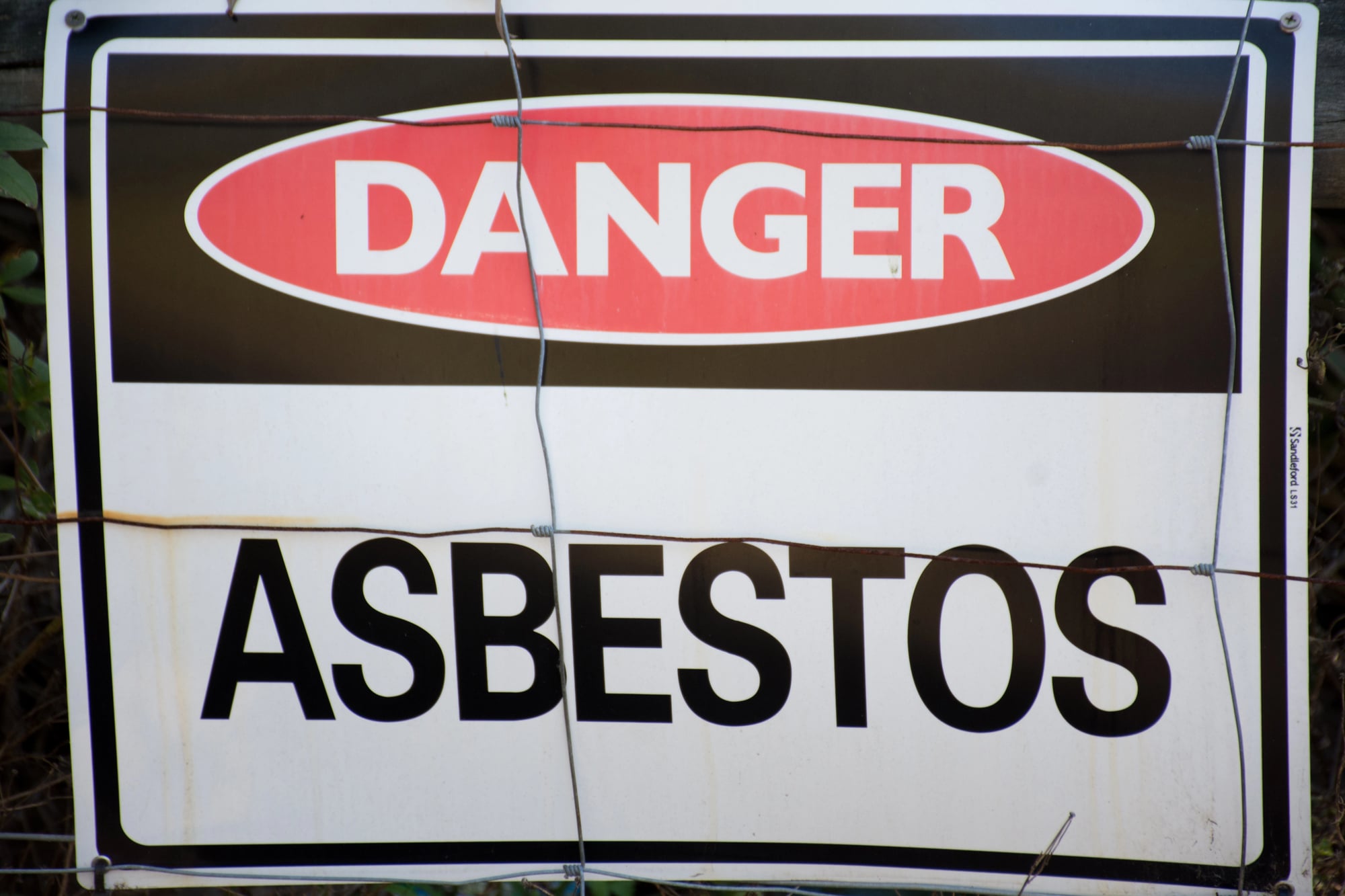
The snow in the poppy field scene was made of 100% industrial-grade asbestos. Back in 1939, nobody knew asbestos was dangerous, so the cast and crew were literally rolling around in cancer-causing material while filming one of the movie’s most magical moments.
It’s a sobering reminder of how much we didn’t know about workplace safety back then.
The Winged Monkeys Crashed During Filming
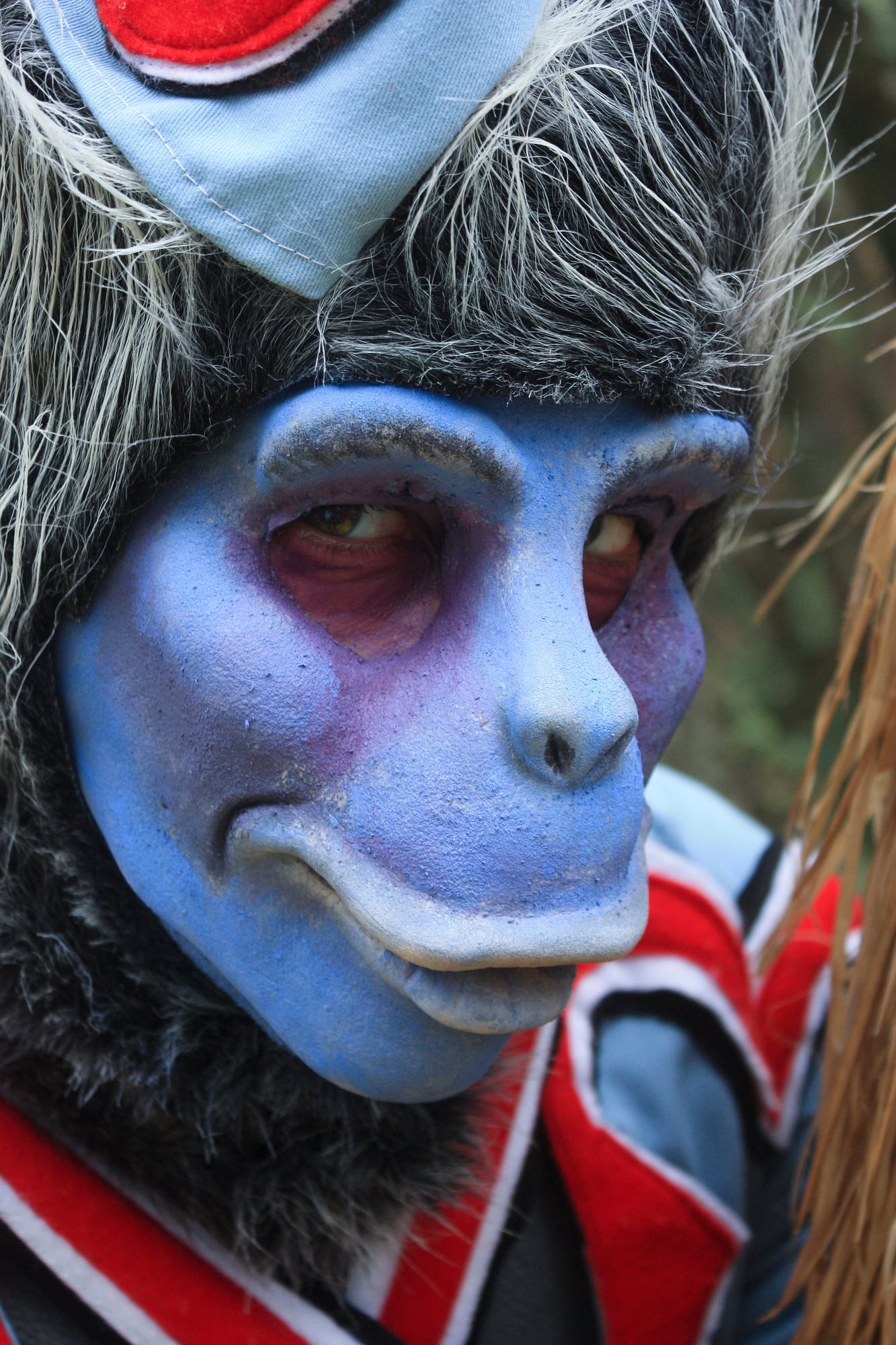
Several actors playing the flying monkeys were injured when the wires suspending them above the sound stage snapped, sending them crashing to the ground. The scene required them to appear to fly through the sky, but the primitive special effects technology wasn’t quite ready for such ambitious stunts.
Those terrifying flying sequences came with very real dangers for the performers.
The Movie Was Initially a Box Office Flop

When The Wizard of Oz first hit theaters in 1939, it only grossed $3 million against its $2.8 million budget, making it essentially a financial disappointment. The film didn’t become truly popular until it started airing on television in 1956.
Sometimes the greatest classics need time to find their audience, and television gave this movie the second chance it deserved.
MGM Almost Lost Judy Garland to Shirley Temple

MGM outbid 20th Century Fox for the movie rights, and Fox had wanted their biggest star, Shirley Temple, to play Dorothy. An MGM composer even made a secret appointment to hear Temple sing and reported back that she lacked the vocal strength needed for the role.
It’s impossible to imagine anyone else singing ‘Over the Rainbow,’ but this casting could have gone very differently.
The Yellow Brick Road Had to Be Repainted

The yellow brick road originally showed up green when filmed in Technicolor, so the entire thing had to be repainted. The studio’s art department spent almost a week just deciding on the right shade of yellow.
Even something as seemingly simple as a yellow road becomes a major technical challenge when you’re dealing with revolutionary color film technology.
Where the Rainbow Leads Us Today
The Wizard of Oz has transformed from a box office disappointment into one of the most beloved films of all time, regularly appearing on ‘best movies ever’ lists. The dangerous working conditions, primitive special effects, and behind-the-scenes chaos that plagued the production have become part of the movie’s legend rather than its downfall.
Those ruby slippers, yellow brick road, and magical songs continue to captivate new generations, proving that sometimes the most troubled productions create the most enduring art. The real magic wasn’t just what appeared on screen—it was how all those difficulties and dangers somehow combined to create something truly timeless.
More from Go2Tutors!

- The Romanov Crown Jewels and Their Tragic Fate
- 13 Historical Mysteries That Science Still Can’t Solve
- Famous Hoaxes That Fooled the World for Years
- 15 Child Stars with Tragic Adult Lives
- 16 Famous Jewelry Pieces in History
Like Go2Tutors’s content? Follow us on MSN.



