18 Printing Innovations That Changed What People Could Read
Every leap in printing has changed who could read what, and how much it cost. Some inventions made books cheaper, others made newspapers faster, and a few opened print to readers who had been shut out entirely.
The eighteen below run from a ninth-century scroll to desktop publishing. Each lowered a barrier between a reader and a page.
The Diamond Sutra of 868
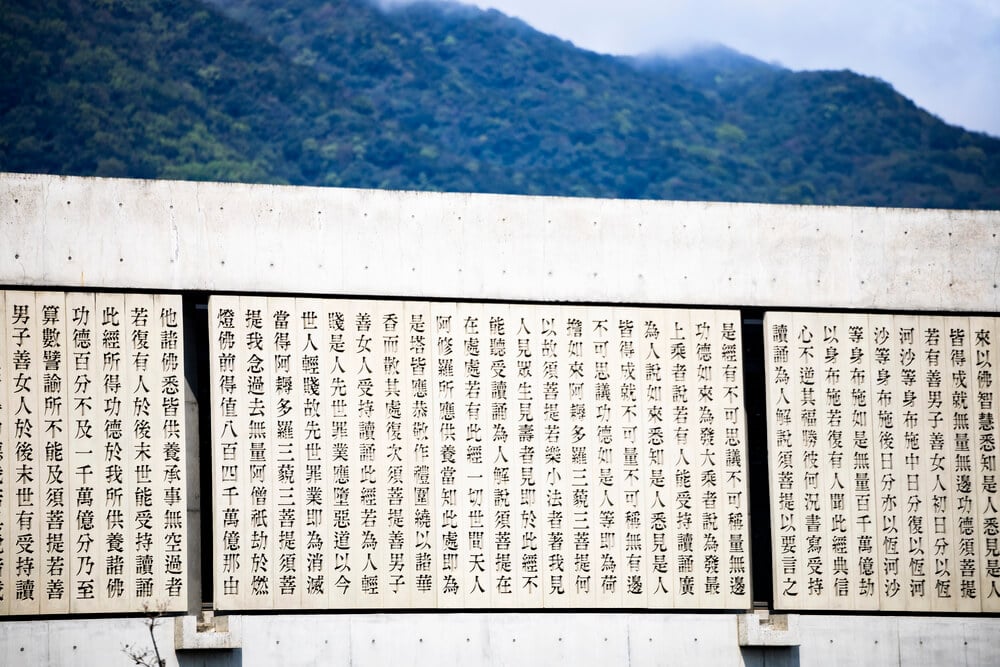
The Diamond Sutra, dated 868 CE, is the oldest dated printed book. It was found in 1900 in the Mogao caves at Dunhuang and is now held by the British Library. Woodblock printing allowed a single text to be reproduced faithfully many times.
Bi Sheng’s Movable Type
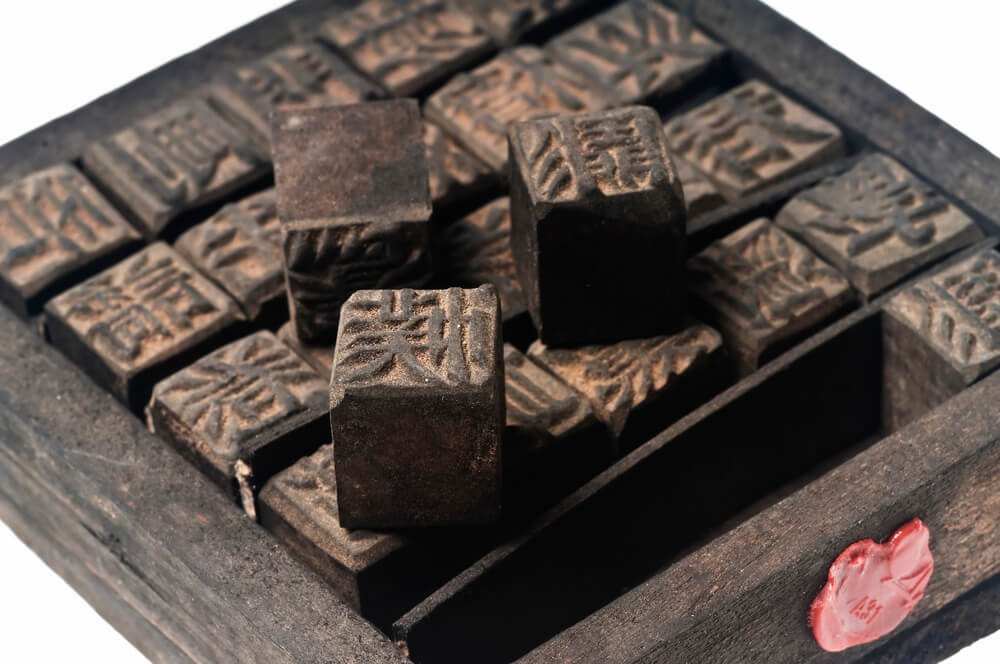
In the 1040s, Bi Sheng developed movable type from clay in China. Individual characters could be rearranged for new pages. The approach was described by the scholar Shen Kuo.
The Jikji of 1377
— Photo by JasonCarr
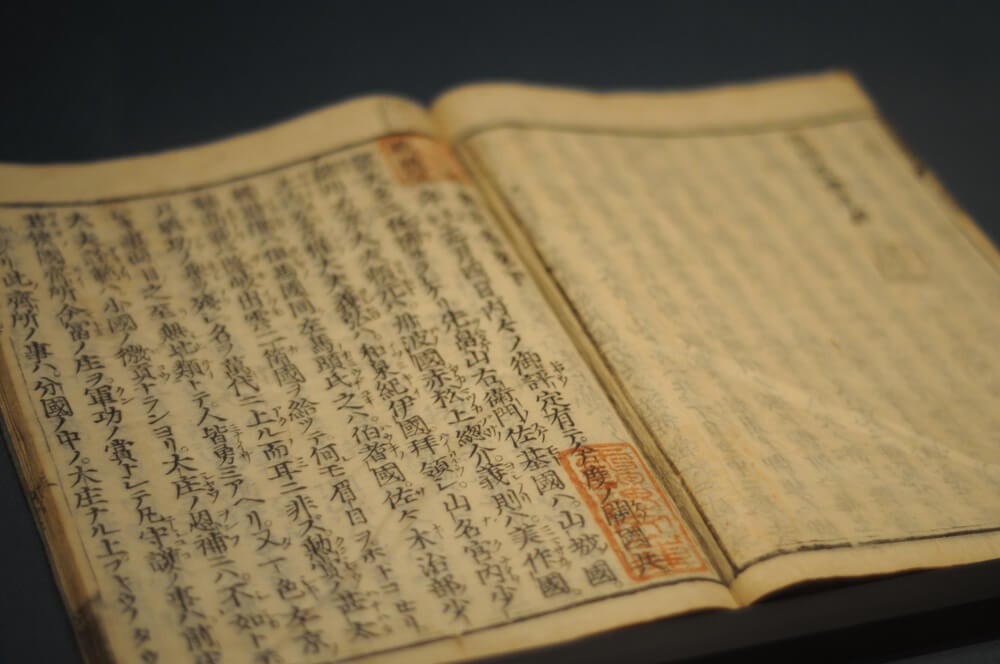
The Korean Buddhist text Jikji, printed in 1377, is the oldest surviving book printed with movable metal type. It was produced at Heungdeok Temple and is now held in Paris. It shows that metal type was in use in Korea decades before Gutenberg.
Gutenberg’s Bible
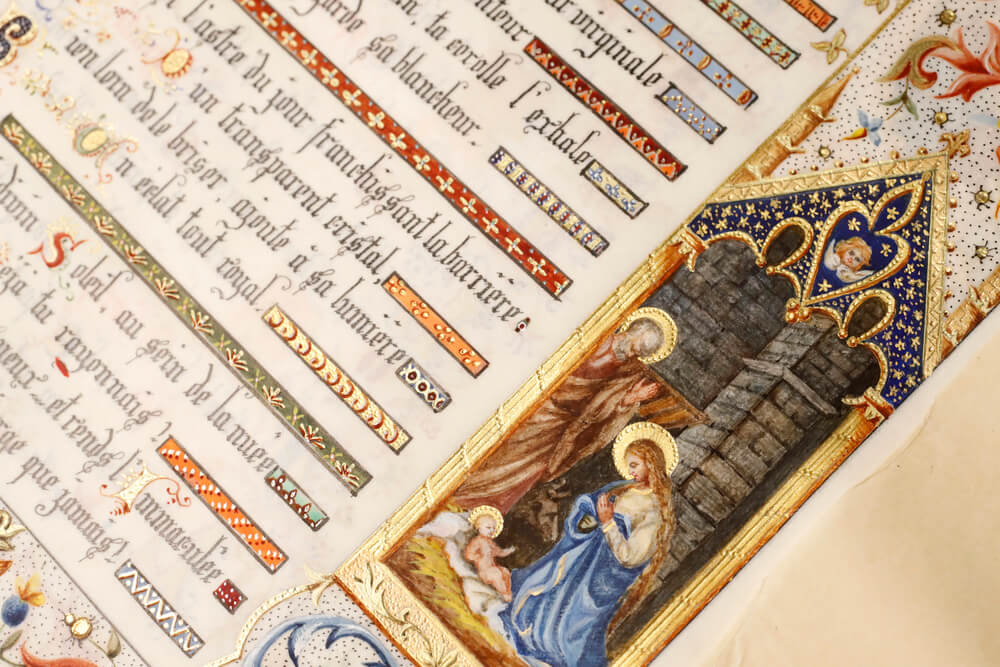
Around 1455, Johannes Gutenberg printed his Bible in Mainz using movable metal type. The method made multiple copies of a long text practical. Printing spread across Europe within decades.
Aldus Manutius and the Pocket Book
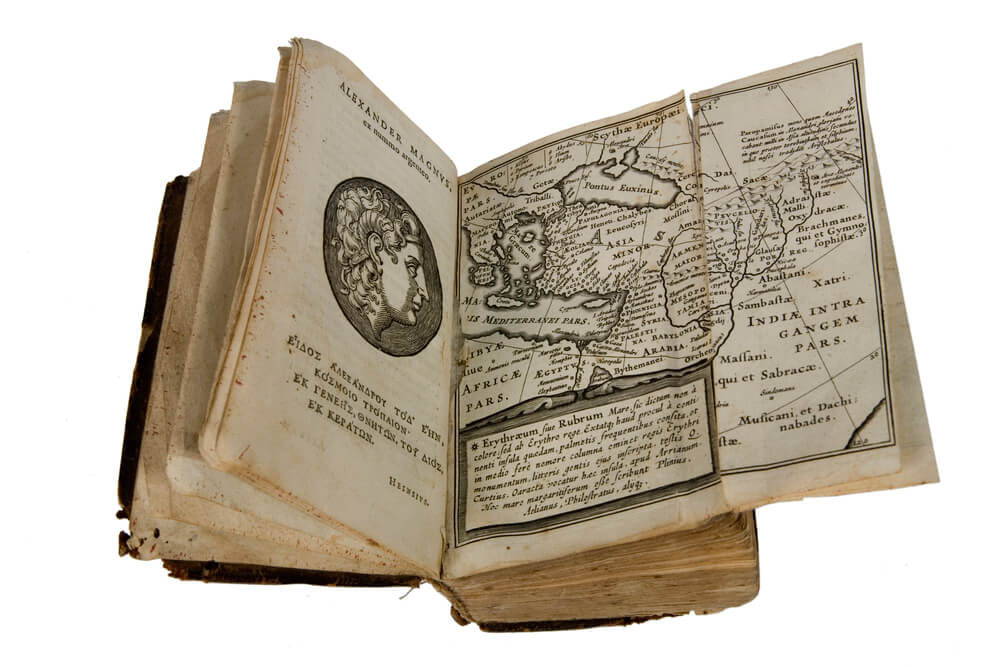
In 1501, Aldus Manutius of Venice printed Virgil in a small octavo format using italic type. The compact size made books portable and cheaper. It set a pattern for the modern paperback.
Müteferrika’s Ottoman Press

Ibrahim Müteferrika received permission to print in 1727, and his first book appeared in 1729. The Ottoman press produced dictionaries and histories. It brought printing into a world long reliant on manuscripts.
Senefelder’s Lithography
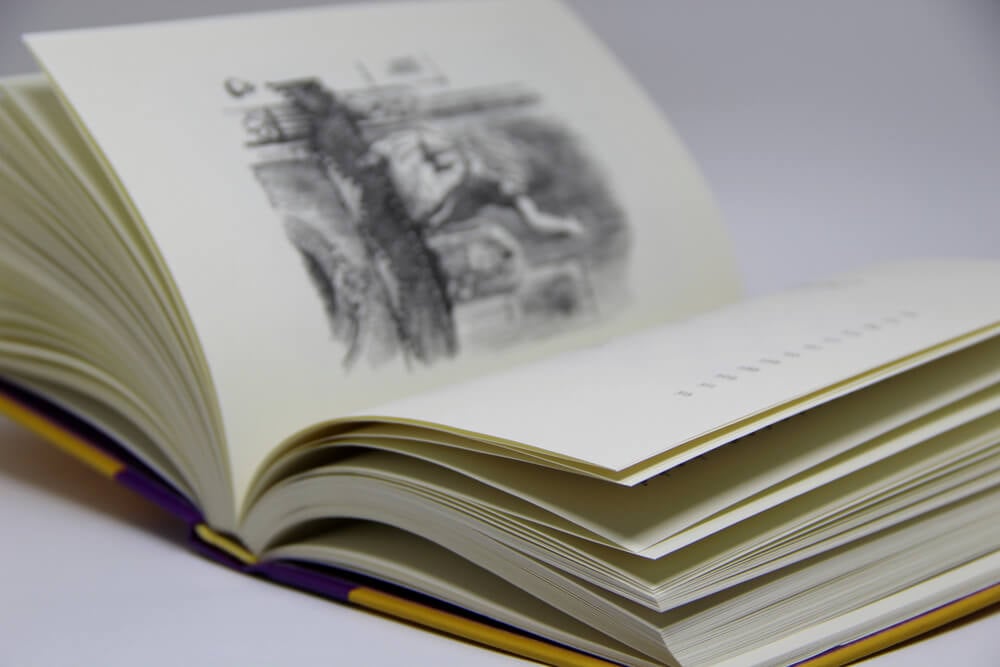
Alois Senefelder invented lithography in 1796. It printed from a flat stone using the repulsion of oil and water. Cheap illustrated sheets and maps became possible.
Koenig’s Steam Press at The Times
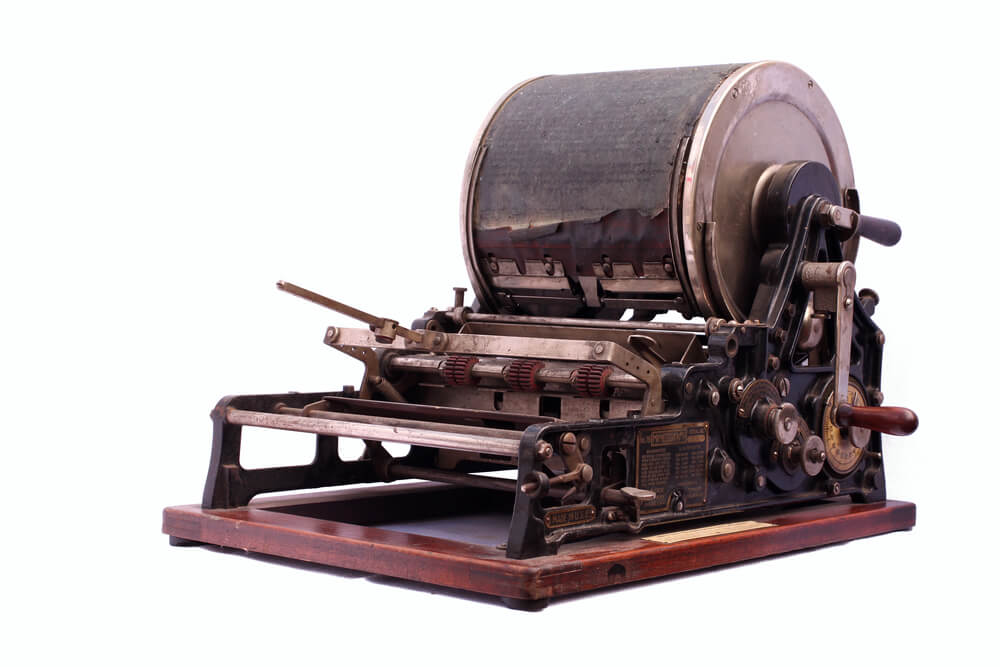
In 1814, Friedrich Koenig’s steam-powered press printed The Times of London. It raised output far beyond hand presses. Newspapers could now reach larger audiences quickly.
Braille’s Reading System
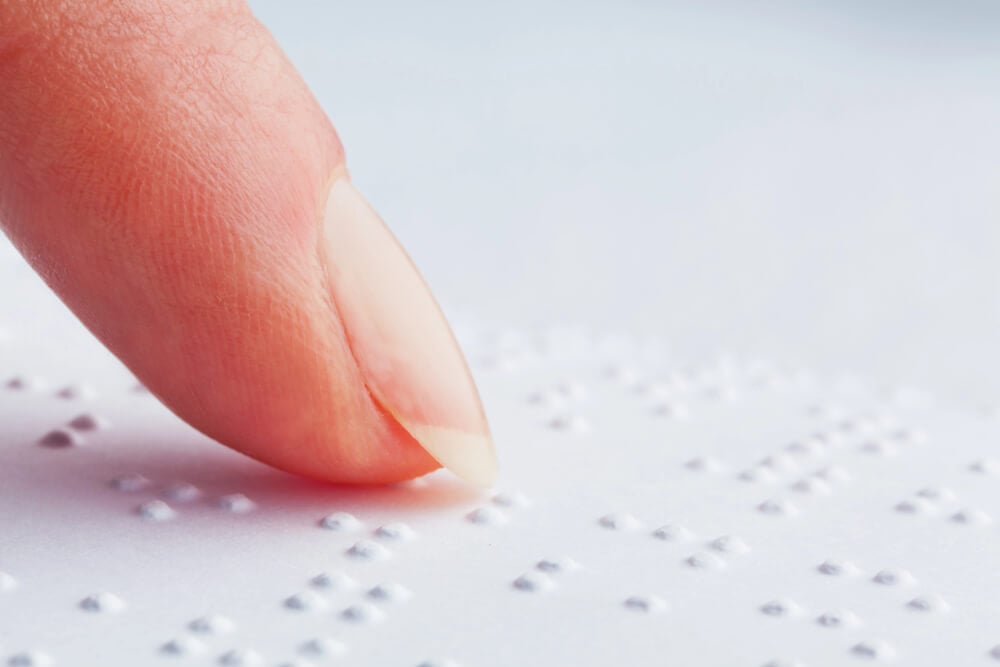
Louis Braille published his raised-dot system in 1829. Blind readers could read and write independently. The system remains standard worldwide.
The Penny Press of the New York Sun

The New York Sun launched in 1833 at a penny a copy. Its price opened news to working-class readers. It created the mass-circulation newspaper.
Keller’s Wood Pulp Paper
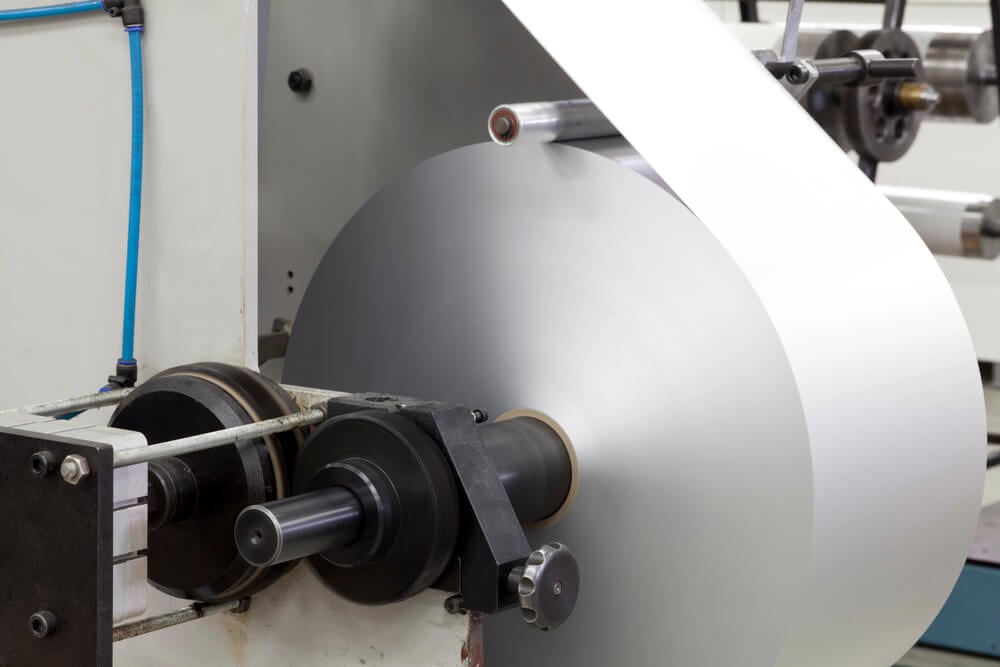
In 1844, Friedrich Gottlob Keller developed a way to make paper from wood pulp. It replaced costly rag paper. Cheaper paper made books and newspapers affordable.
Hoe’s Rotary Press
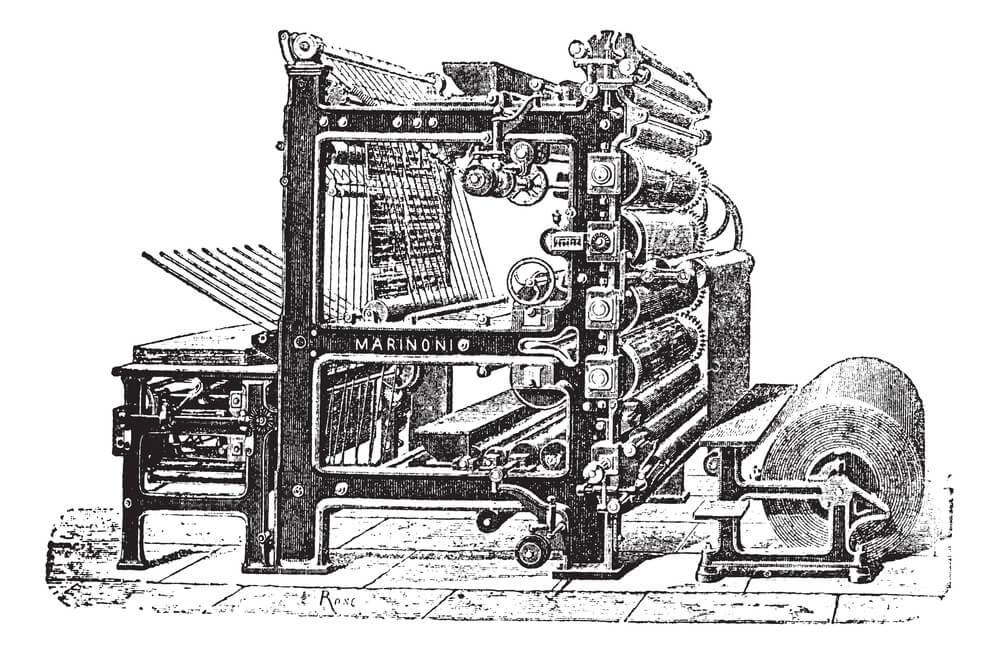
Richard Hoe patented his rotary press in 1843, and it was in use by the late 1840s. Type was fixed on a cylinder, speeding the printing process. Daily papers reached huge runs.
The Halftone in the Daily Graphic

In March 1880, the New York Daily Graphic printed a halftone photograph. The technique turned continuous tones into dots. Photographs could finally appear in newspapers.
The Linotype
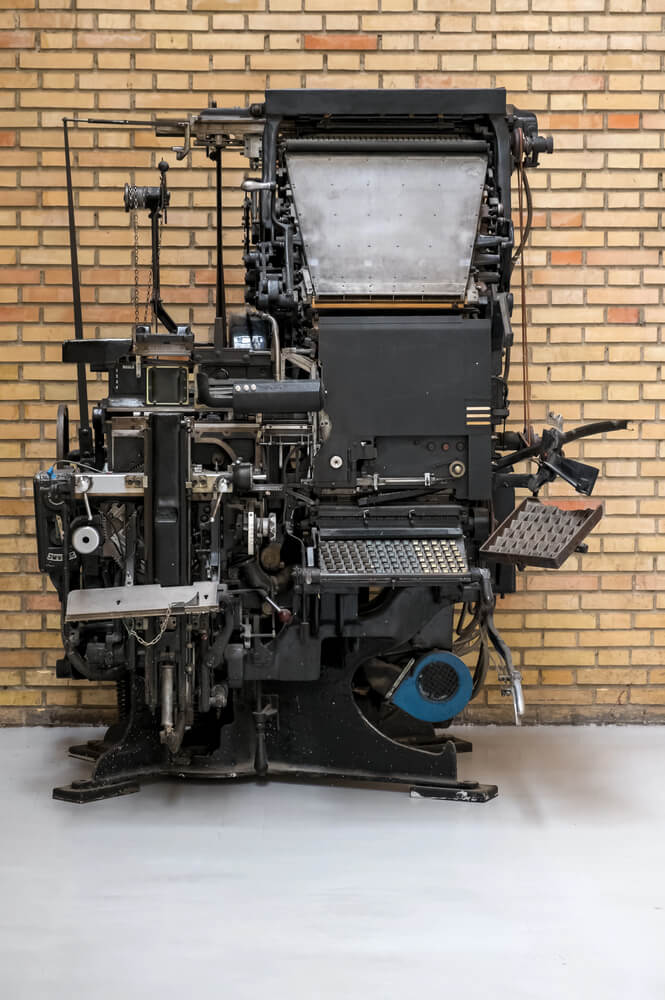
Ottmar Mergenthaler’s Linotype was first used at the New York Tribune in 1886. It cast complete lines of type from a keyboard. Typesetting became much faster.
The Monotype
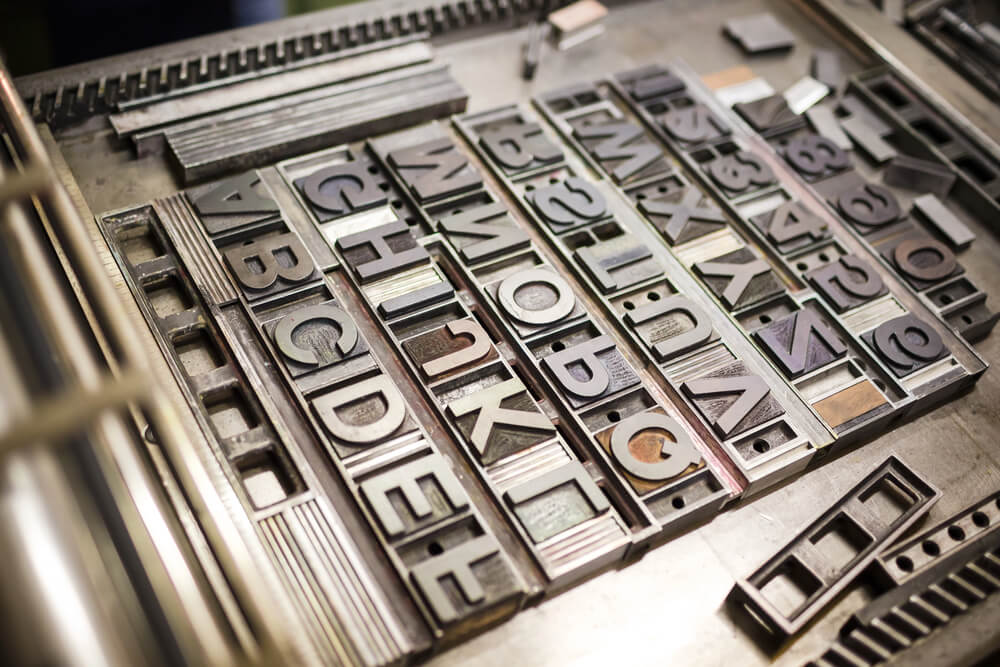
Tolbert Lanston’s Monotype arrived in 1887, casting individual characters. It allowed precise, high-quality typesetting. Book publishers adopted it widely.
Penguin Paperbacks
— Photo by sandwalker
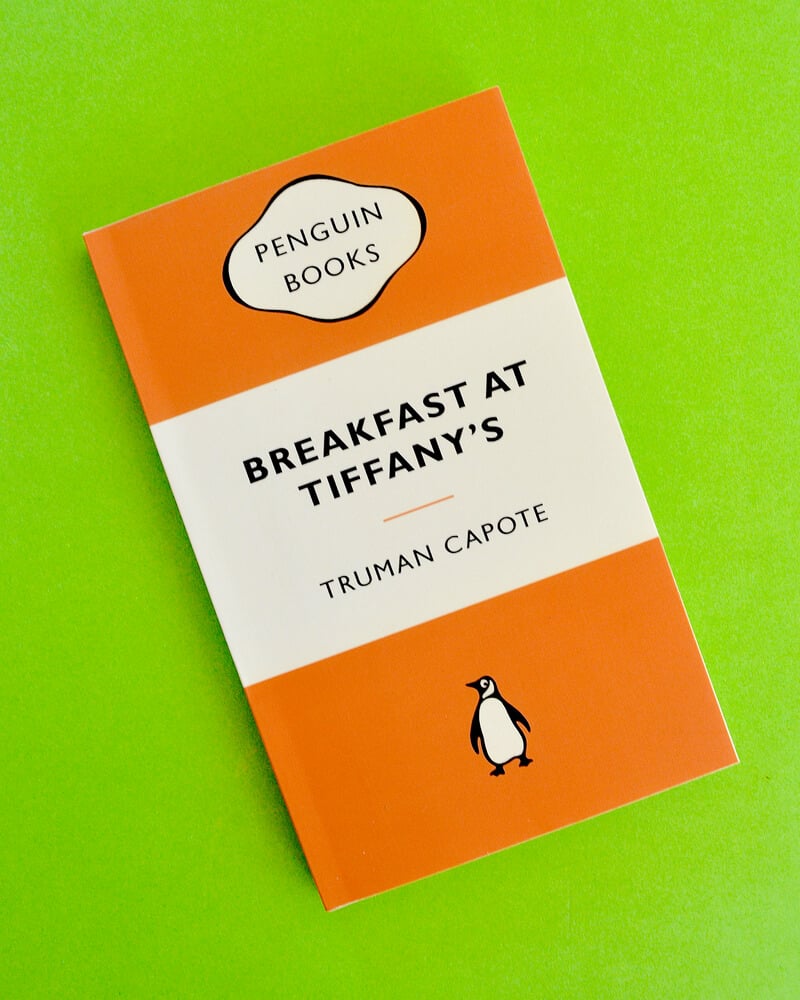
In 1935, Allen Lane launched Penguin Books with paperbacks priced at sixpence. Quality literature became affordable to ordinary readers. The paperback revolution followed.
Xerography
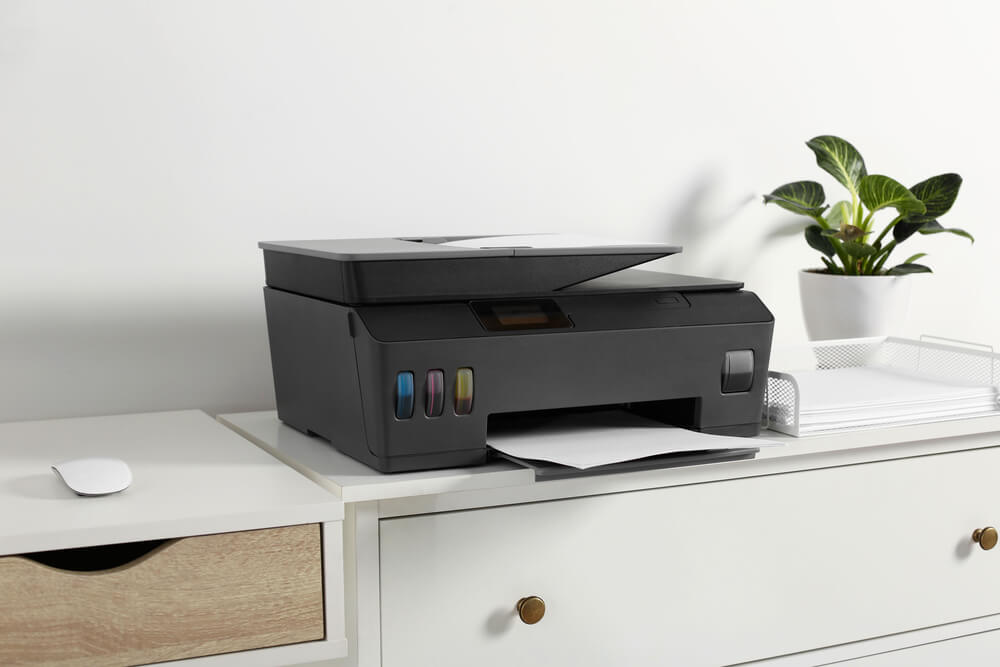
Chester Carlson invented xerography in 1938, and the Xerox 914 was unveiled in 1959. Anyone could copy a page in seconds. Offices and libraries changed overnight.
PageMaker
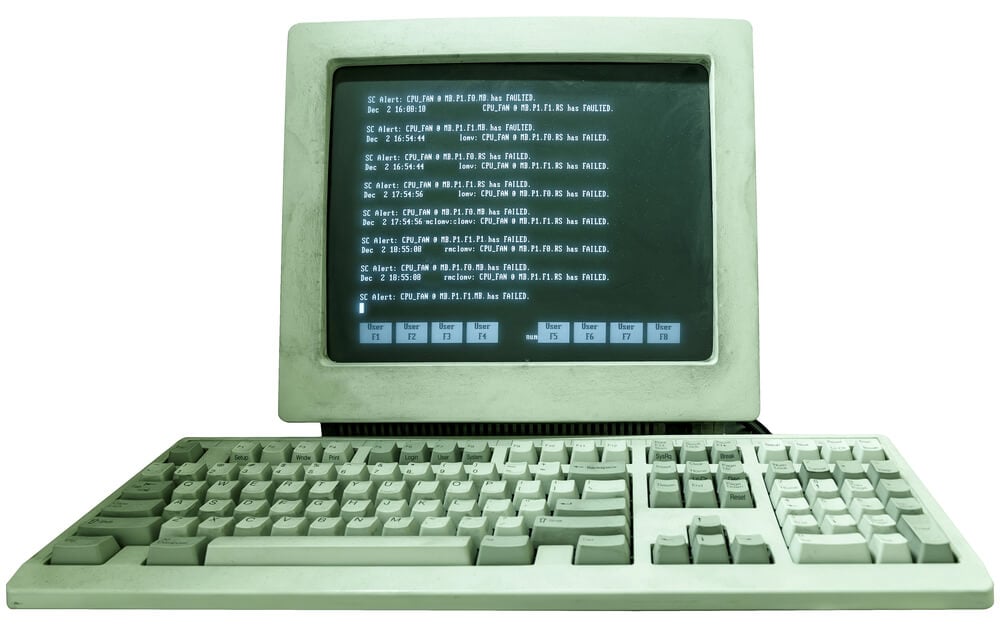
Aldus PageMaker appeared in 1985 and, with Apple’s LaserWriter, launched desktop publishing. Individuals could design professional pages at a computer. Self-publishing exploded.
Access as the Real Invention
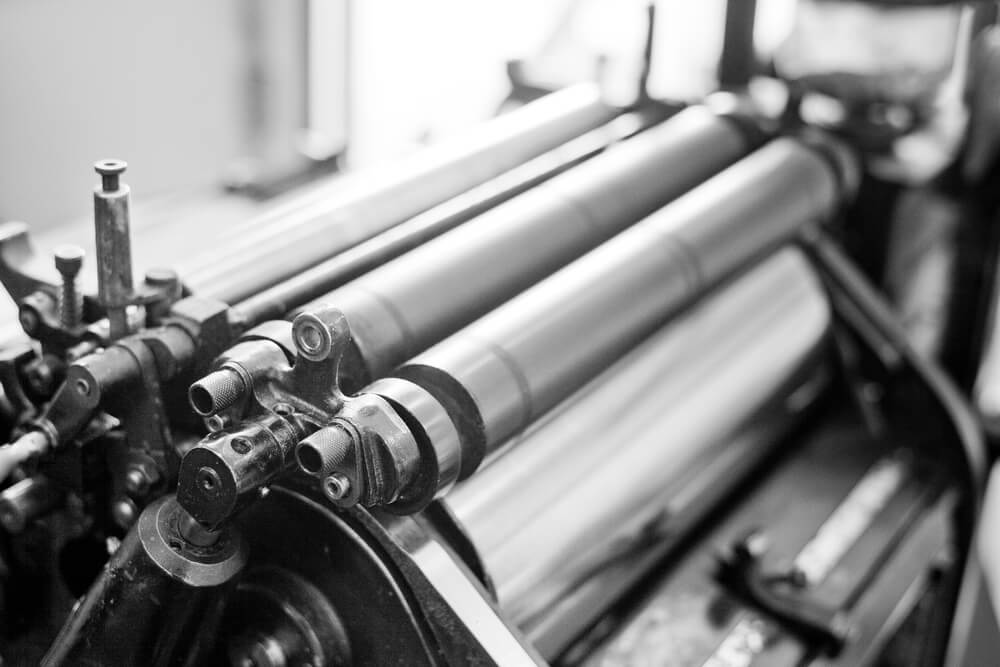
The thread through these inventions is access. Each one lowered the cost, the time, or the skill needed to put words on paper, and each widened the circle of people who could read and write.
The pattern continues. Whatever replaces the press next will be judged by the same measure: how many more people it lets in.
More from Go2Tutors!

- 27 Silver Dollars and Half Dollars Worth Keeping
- 28 Restaurant Menu Items Nobody Orders Anymore
- 17 Places Built in Seemingly Impossible Spots
- 27 Vintage Rings Worth More Than They Look
- 25 Restricted Sites Tourists Can’t Enter
Like Go2Tutors’s content? Follow us on MSN.