29 Inventions Women Gave the World
The patent office is a poor record of who actually invented things. For most of history women could not hold property in their own names, could not sign contracts, and were not expected to be in workshops or laboratories at all.
Many filed under a husband’s name, sold their ideas for a flat fee, or simply never filed.
The inventions below are the ones where the record is clear enough to name the woman. Some are famous, some are in every kitchen, and a few are in every pocket, usually without a word of credit on the box.
Frequency Hopping

Hedy Lamarr, a Hollywood star, and composer George Antheil received US Patent 2,292,387 on August 11, 1942, for a secret communication system that switched radio frequencies in a synchronized pattern to prevent torpedo jamming. The Navy filed the idea away and the patent expired without royalties.
Frequency hopping later became a foundation of spread-spectrum technology used in Bluetooth, Wi-Fi, and GPS, and the pair received the Electronic Frontier Foundation’s Pioneer Award in 1997.
Kevlar
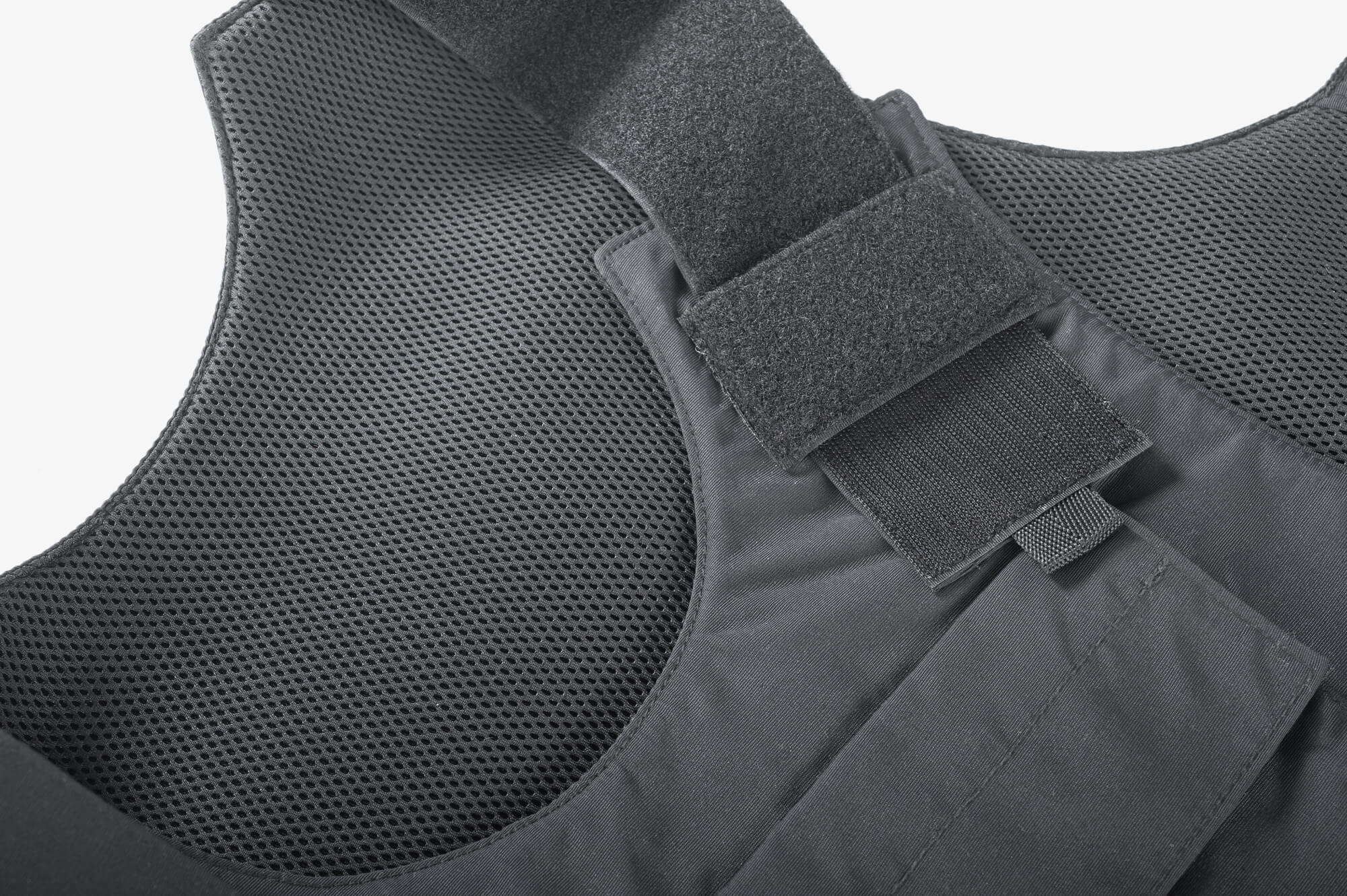
Stephanie Kwolek, a chemist at DuPont, discovered in 1965 that a cloudy polymer solution she was about to discard could be spun into a fiber five times stronger than steel by weight. The result was Kevlar, now used in body armor, tires, cables, and spacecraft.
Kwolek never received royalties, because the patent belonged to DuPont, but she was inducted into the National Inventors Hall of Fame in 1995.
The Circular Saw
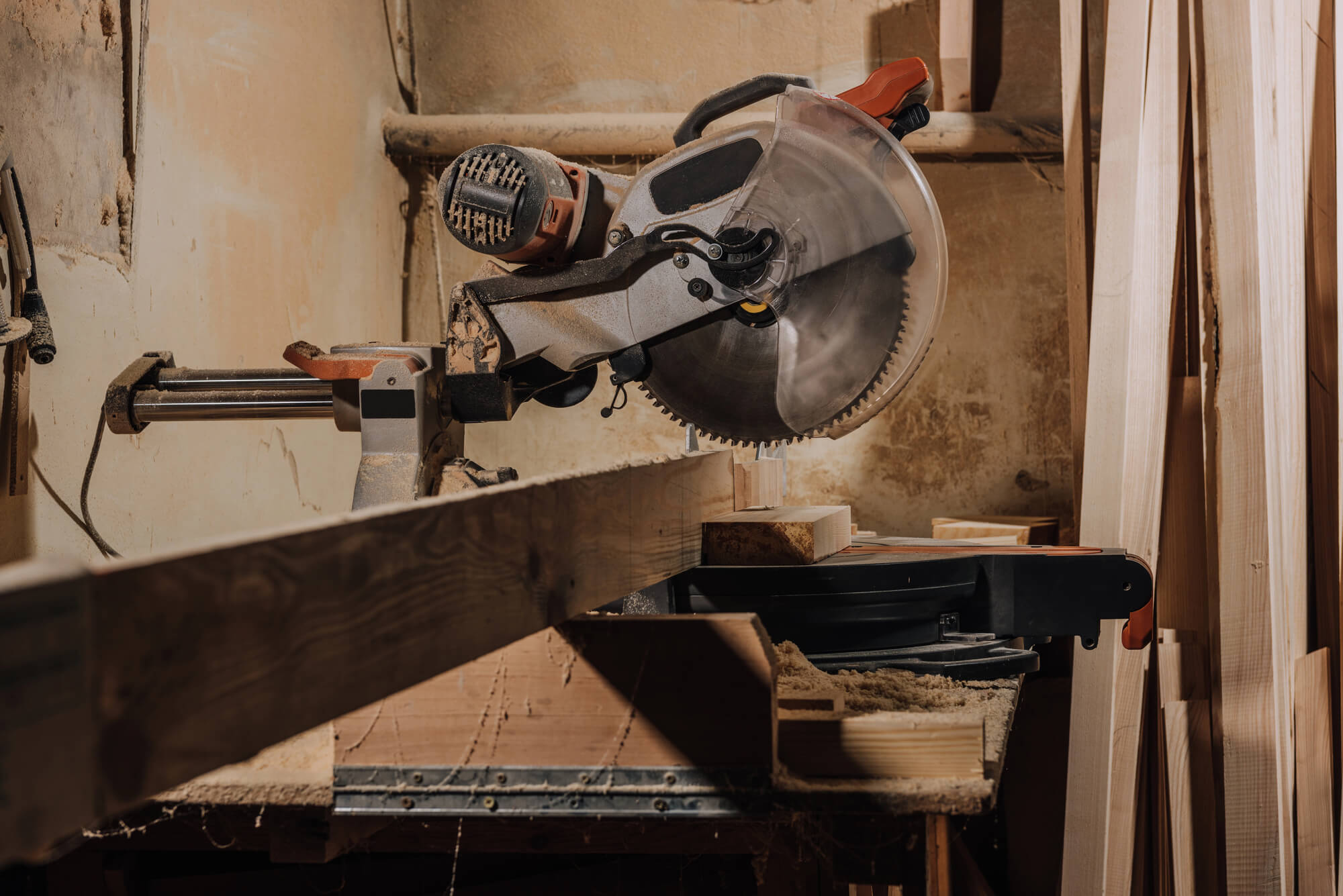
Tabitha Babbitt, a Shaker in Harvard, Massachusetts, is credited with devising a circular saw blade around 1813 after watching men waste half their effort on the return stroke of a two-man pit saw. Shaker beliefs discouraged patents, so she never filed one.
The attribution rests on Shaker community records rather than a patent, which is how most inventions by religious communities survived.
The Dishwasher
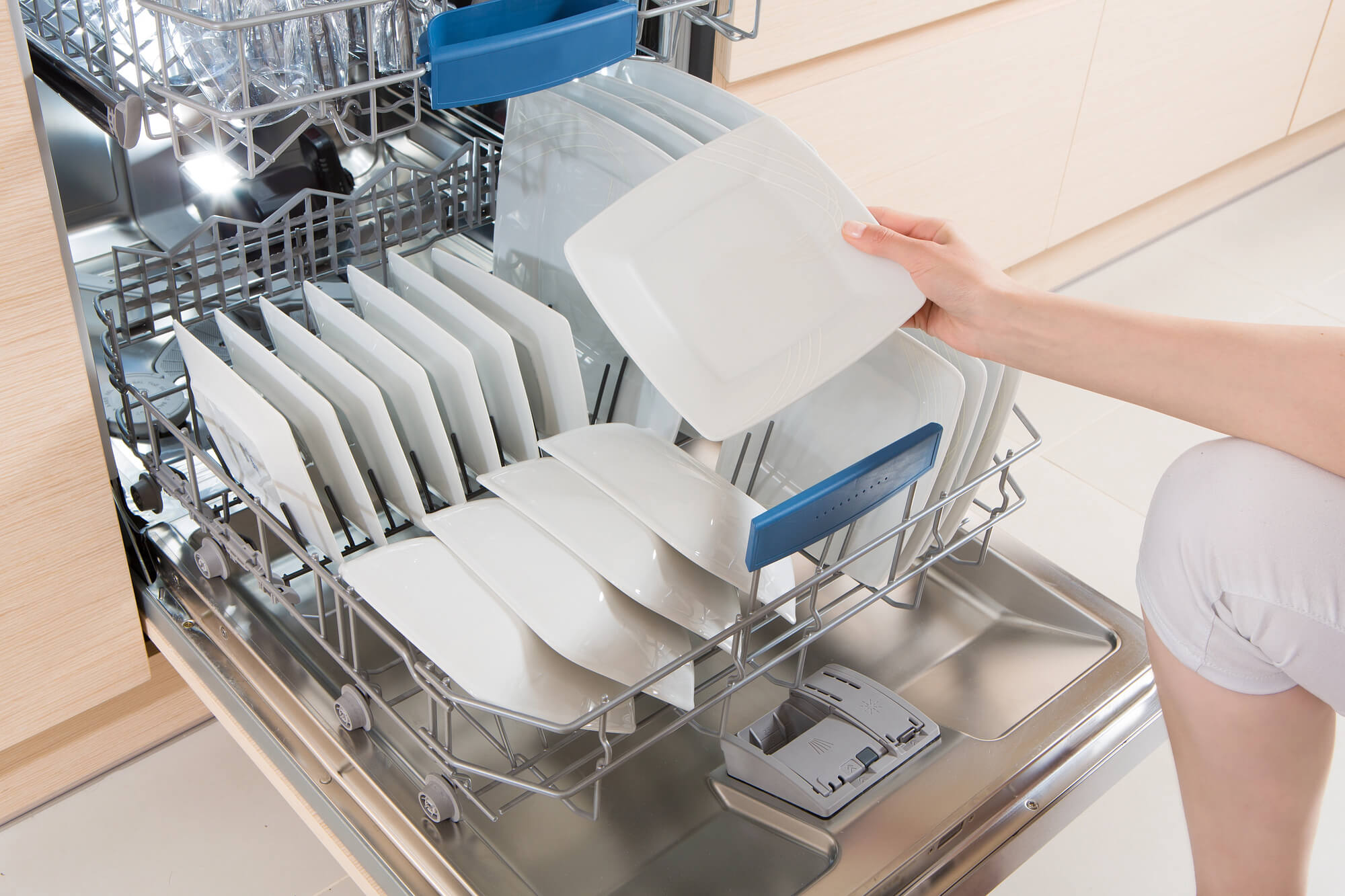
Josephine Cochrane of Shelbyville, Illinois, patented a dishwasher in 1886 that used water pressure rather than scrubbers, after tiring of servants chipping her china. She built it in a shed with a mechanic’s help and showed it at the 1893 World’s Columbian Exposition in Chicago.
Her company eventually became part of KitchenAid.
The Windshield Wiper
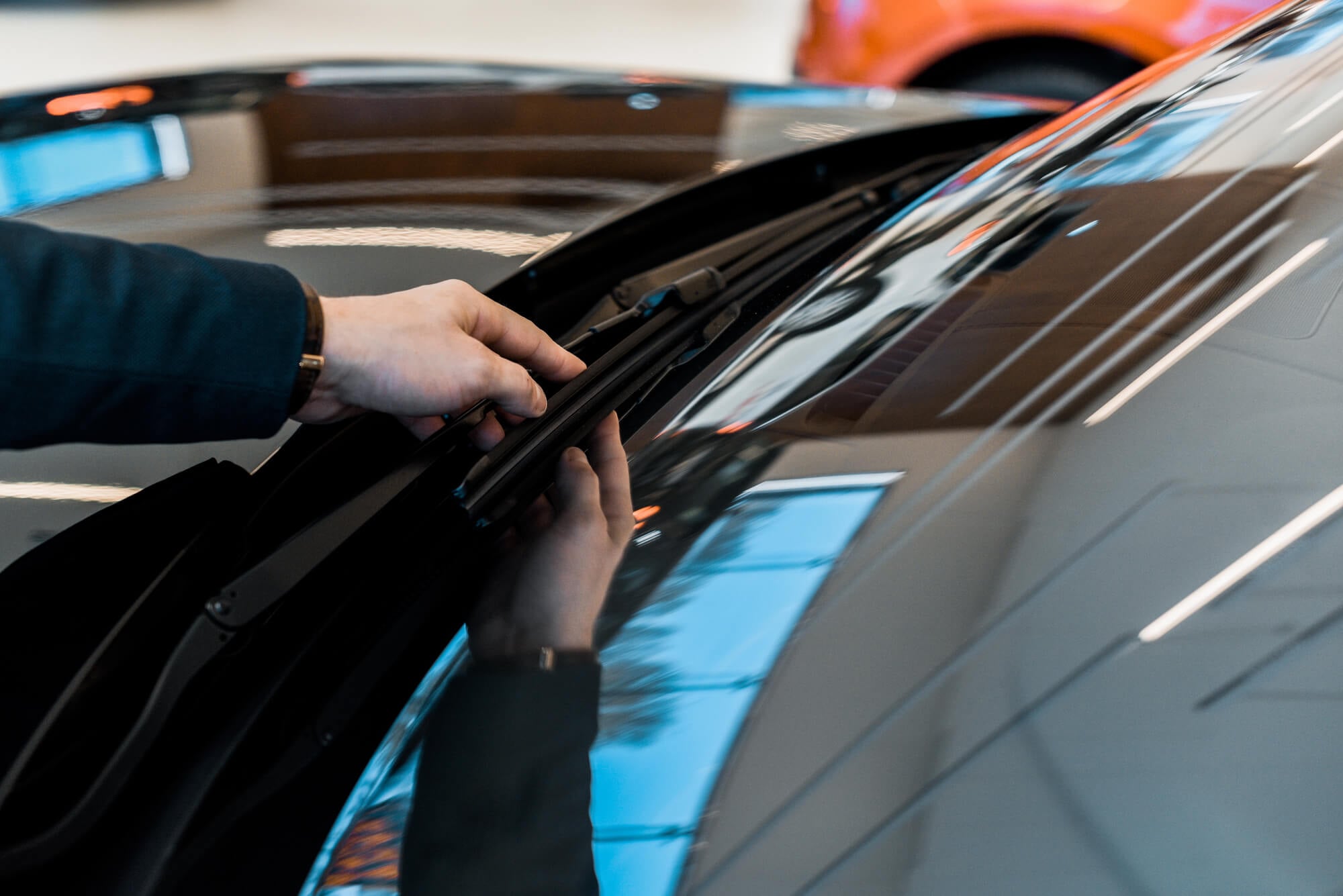
Mary Anderson of Alabama was riding a New York streetcar in the winter of 1902 and noticed the driver repeatedly opening the window to clear the glass. She patented a hand-operated swinging arm wiper in 1903, but could not find a manufacturer interested, and the patent expired in 1920 before wipers became standard equipment.
She earned nothing from it.
Liquid Paper

Bette Nesmith Graham, a Dallas secretary, began using white tempera paint to cover typing errors in 1956 and sold her Mistake Out from her kitchen. She renamed it Liquid Paper, built a company, and sold it to Gillette in 1979 for $47.5 million.
Her son, Michael Nesmith, became a member of the Monkees.
The Compiler

Grace Hopper, a Navy officer and mathematician, wrote the A-0 compiler in 1952, the first program that translated written instructions into machine code. She then led the work that produced COBOL, a business programming language still running on mainframes today.
Hopper retired from the Navy as a rear admiral at 79 and is often credited with popularizing the term bug for a computer fault.
The Landlord’s Game

Lizzie Magie patented The Landlord’s Game in 1904 to teach the dangers of land monopolies, drawing on the ideas of economist Henry George. The game circulated for decades in homemade versions, and Charles Darrow’s Monopoly, sold to Parker Brothers in 1935, descended from it.
Parker Brothers bought Magie’s patent for about $500.
The Flat-Bottomed Paper Bag
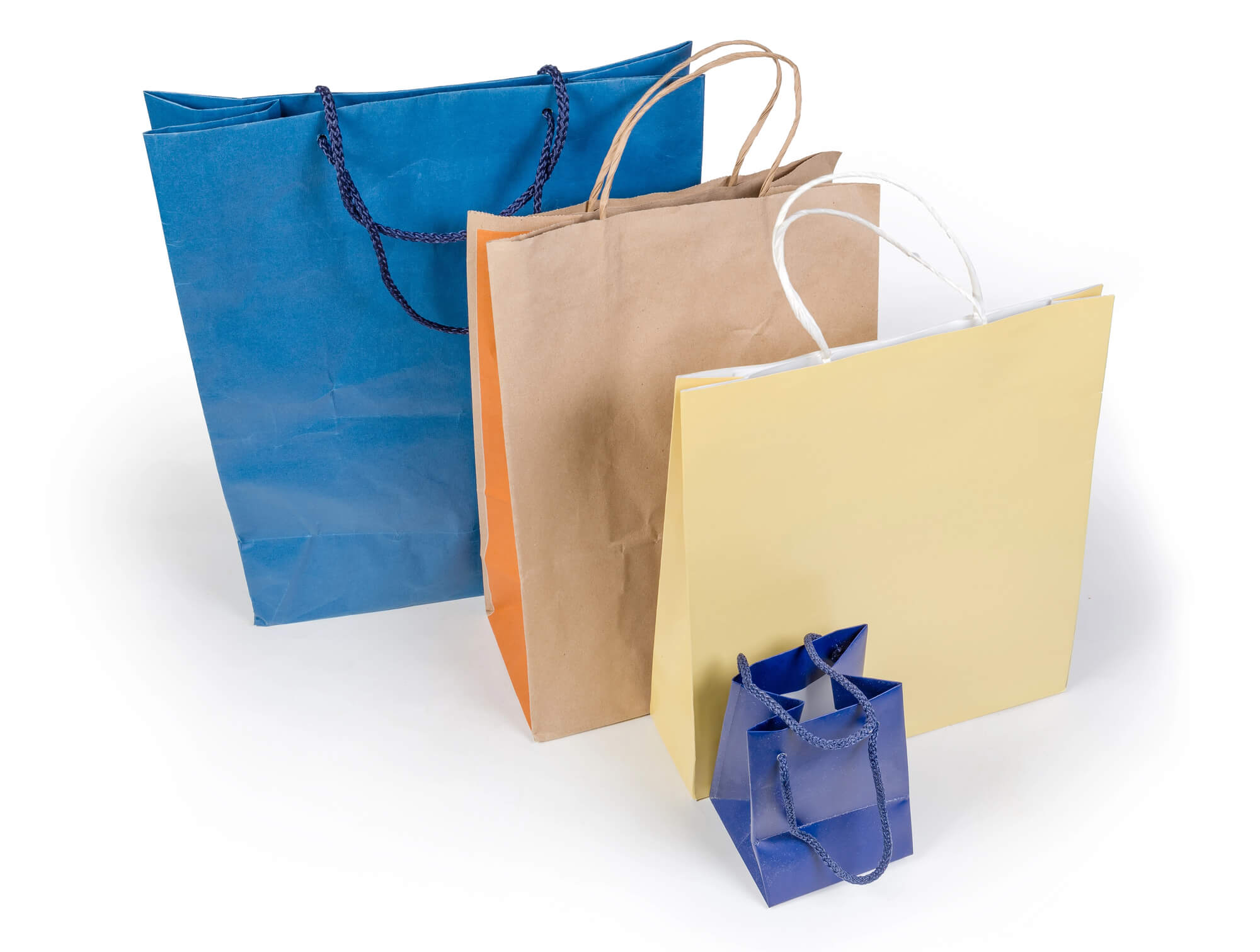
Margaret Knight, working at a Massachusetts paper bag factory, designed a machine in 1868 that folded and glued flat-bottomed bags, replacing envelope-style bags that could not stand up. A man who had seen her prototype filed first, and she won the patent in 1871 after proving her work in court.
Knight went on to hold more than two dozen patents.
The Disposable Diaper
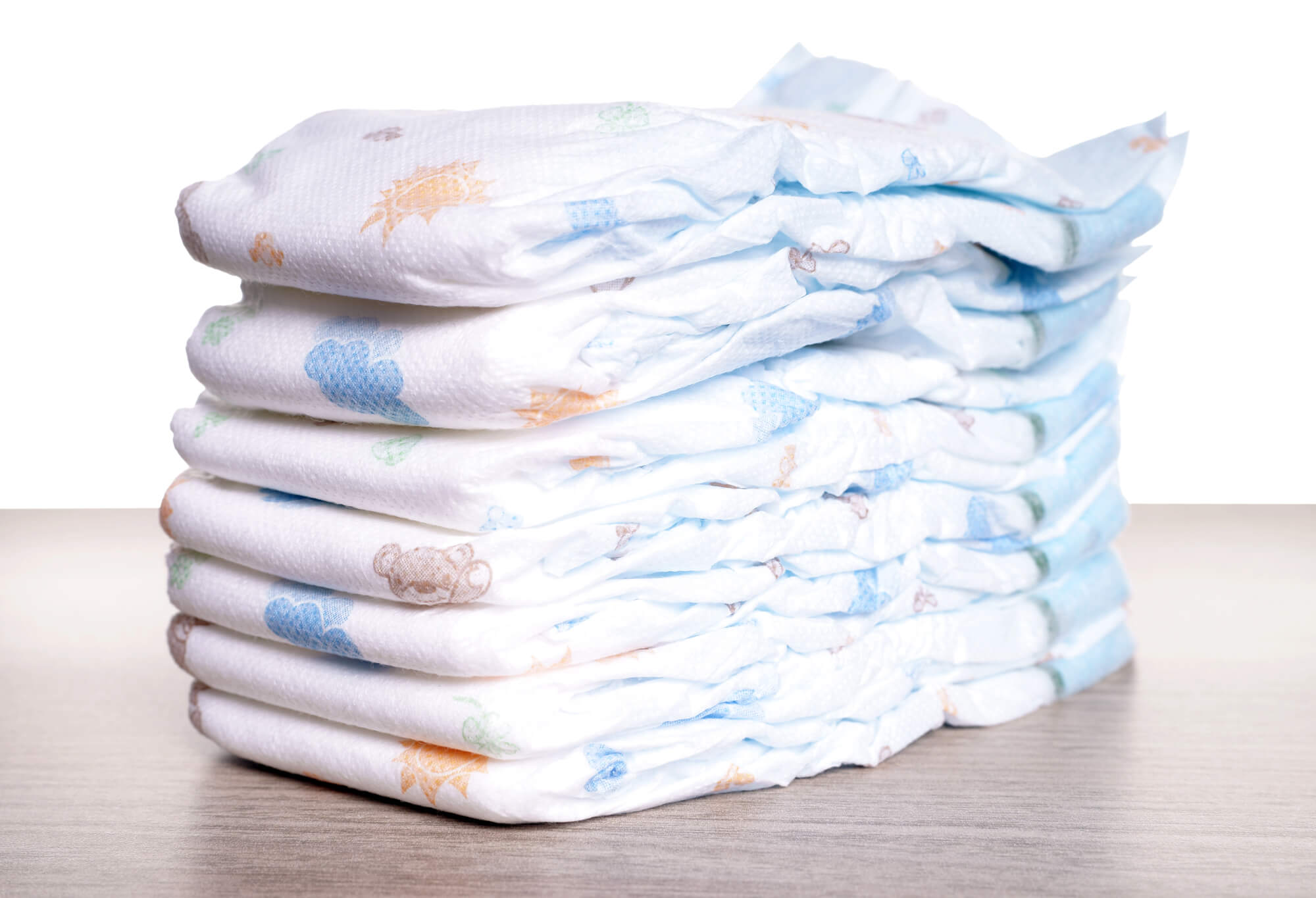
Marion Donovan, frustrated with cloth diapers and rubber pants, cut up a shower curtain in 1946 to make a waterproof diaper cover with snaps instead of pins, which she called the Boater. She patented it in 1951 and sold the rights for $1 million.
Her fully disposable paper diaper found no manufacturer, but it anticipated the products that followed a decade later.
The Home Security System

Marie Van Brittan Brown, a nurse in Queens, New York, patented a home security system with her husband in 1969 that included a camera on a track, viewing ports at different heights, a monitor, and a remote door lock. It was designed for her own safety while home alone at night.
Later home security patents have cited her work.
The Fire Escape
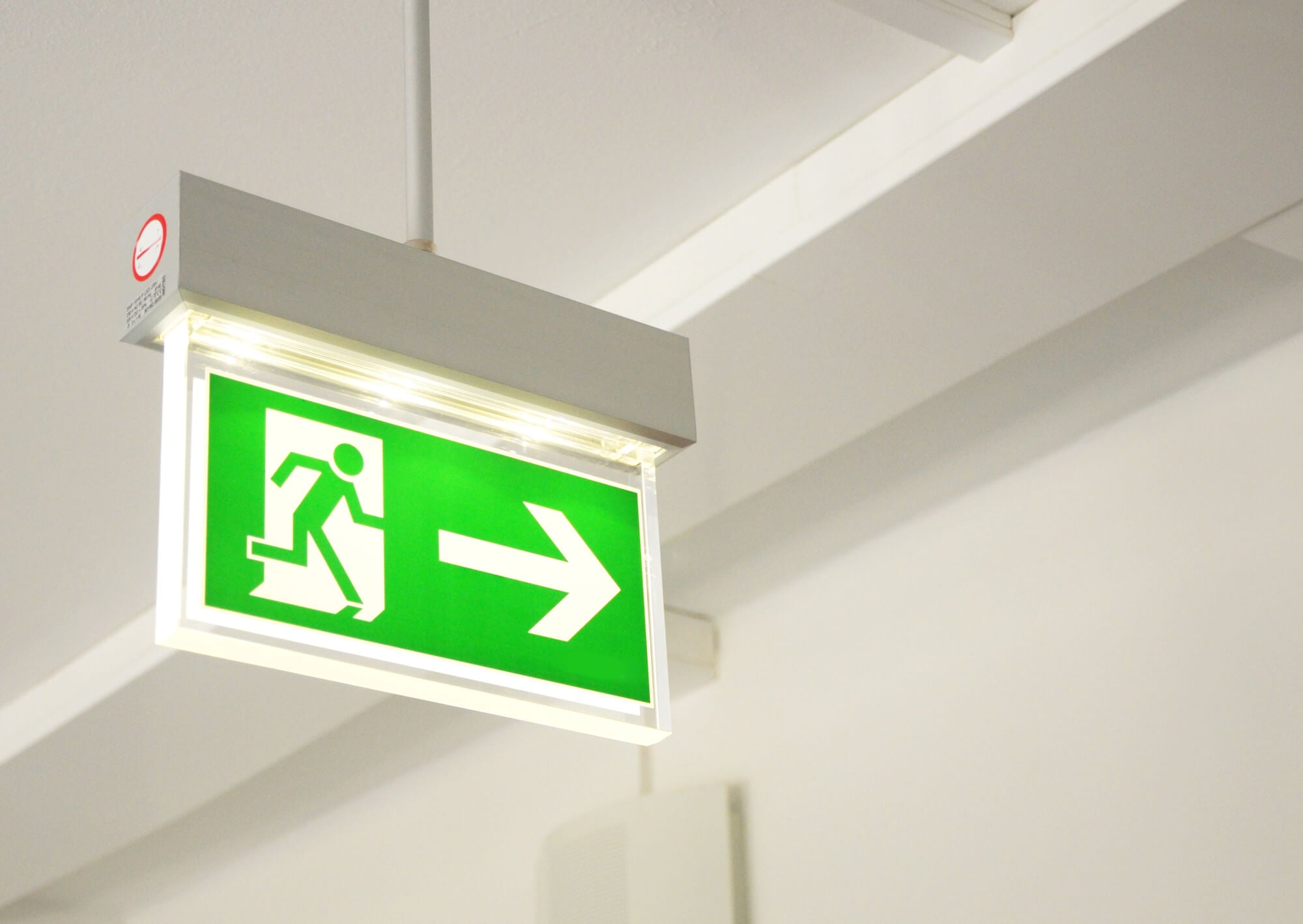
Anna Connelly of Philadelphia patented an exterior fire escape bridge in 1887, a railed iron platform that connected the roofs of adjacent buildings so people could cross to safety. Her design was one of several in the period, but it is among the earliest patented by a woman and influenced building codes.
Fire escapes became required equipment in many American cities within a generation.
The Life Raft
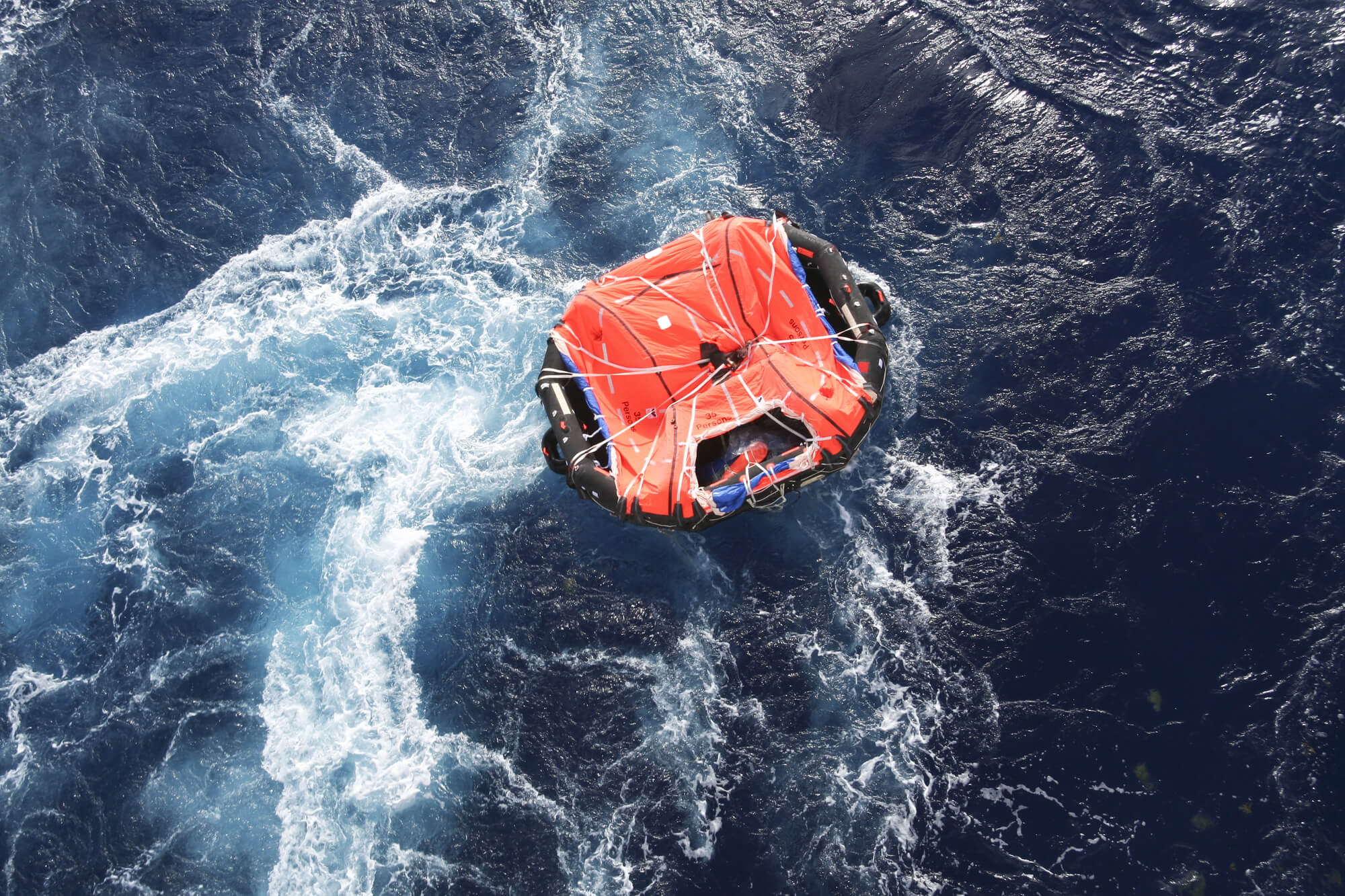
Maria Beasley of Philadelphia patented an improved life raft in 1882 with guard rails and fireproof, foldable construction that could be stored compactly on deck. She had already made a fortune from a barrel-making machine.
Her raft design was one of several that informed the lifeboat requirements debated after the Titanic sank in 1912.
The Chocolate Chip Cookie
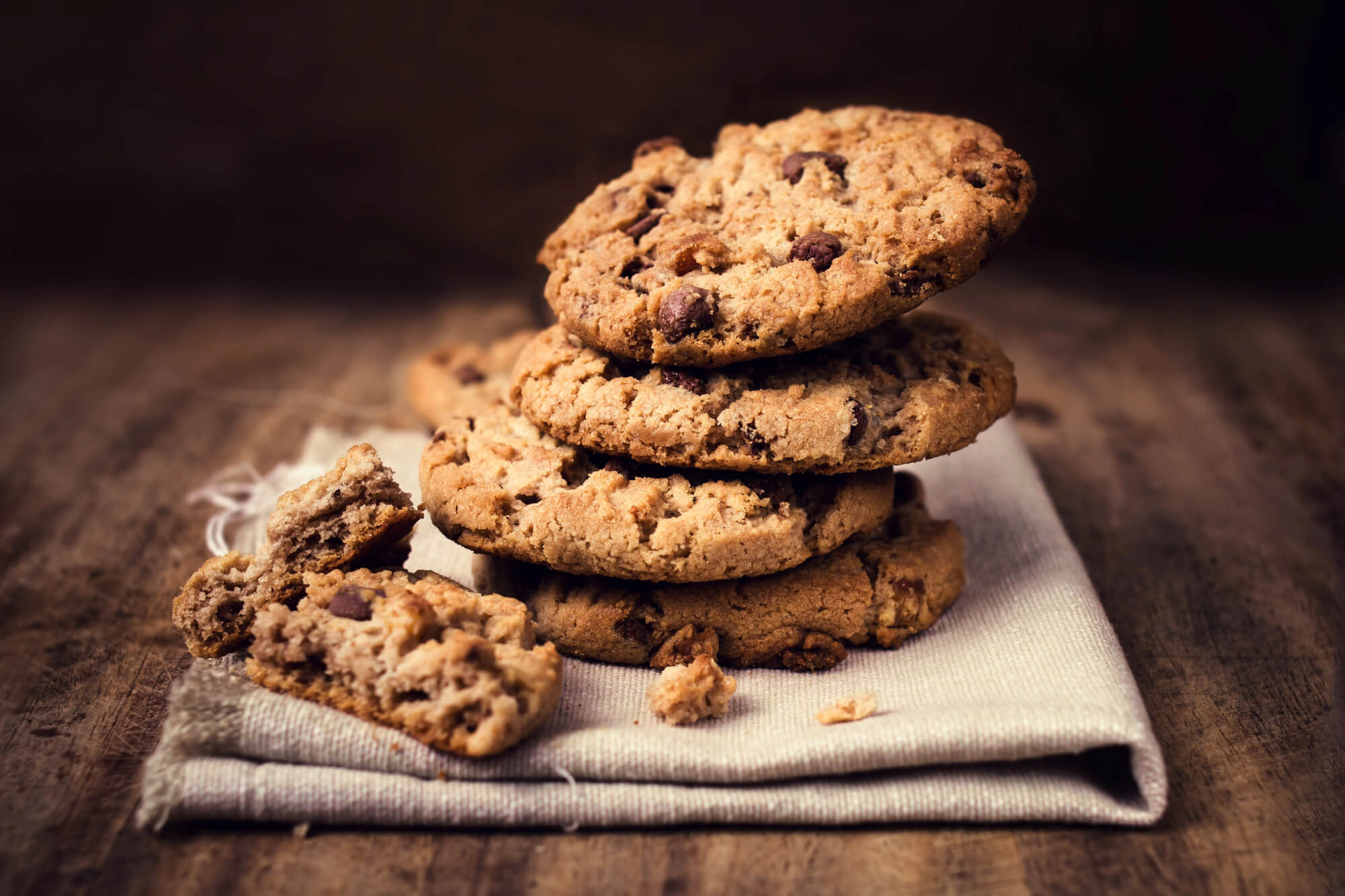
Ruth Wakefield, who ran the Toll House Inn in Whitman, Massachusetts, added chopped pieces of a Nestlé semi-sweet bar to a butter cookie recipe in 1938, expecting them to melt. They held their shape, and the recipe spread after she published it.
Nestlé reportedly acquired the rights to the recipe and name for a dollar and a lifetime supply of chocolate.
Scotchgard
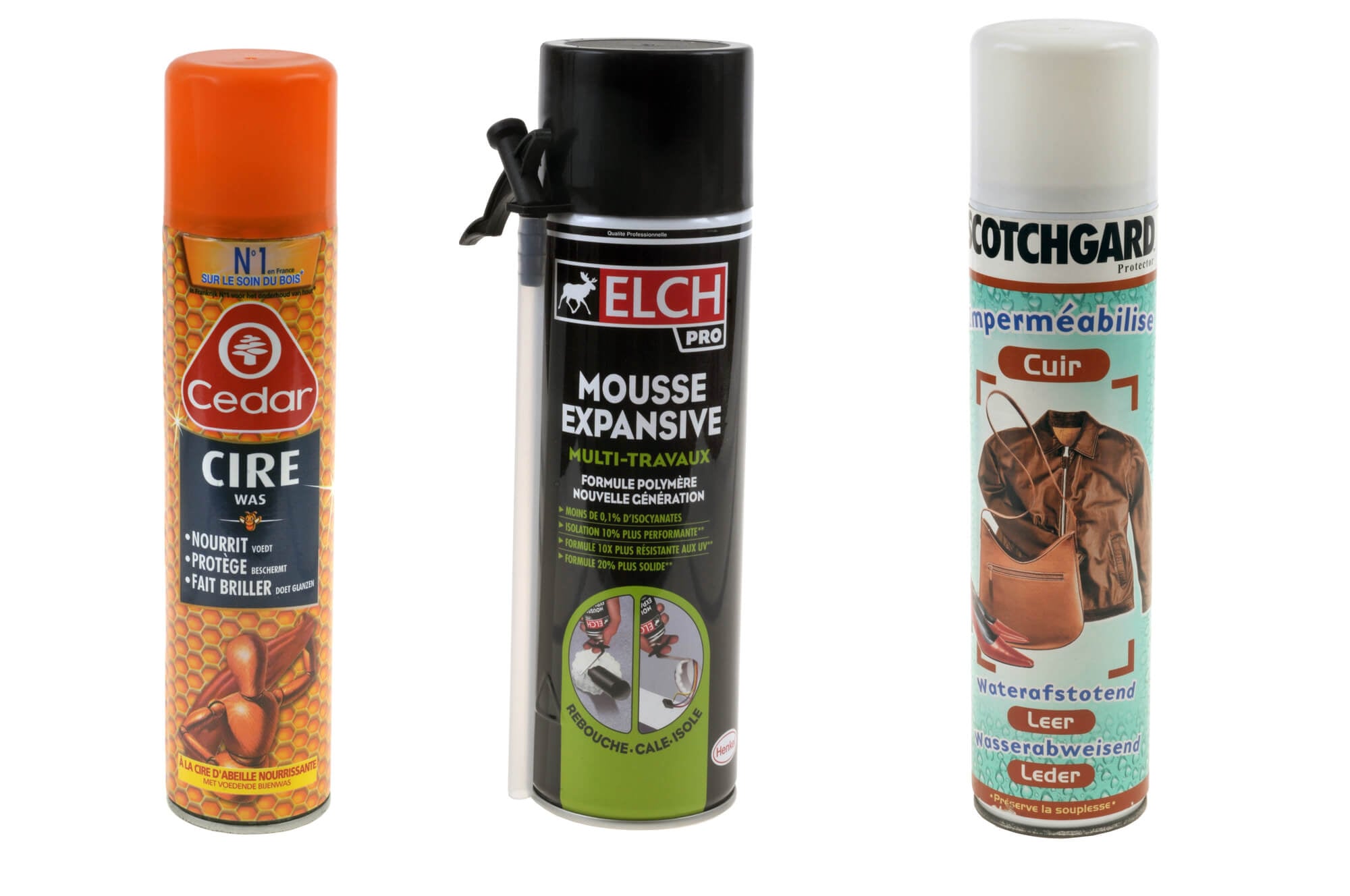
Patsy Sherman, a chemist at 3M, was working on fluorochemicals for aircraft fuel lines in 1952 when a lab assistant spilled a compound on a canvas shoe and found it could not be washed off. Sherman and colleague Samuel Smith developed the spill into Scotchgard, the stain repellent, and shared a string of patents.
She was inducted into the National Inventors Hall of Fame in 2001.
Central Heating by Gas Furnace
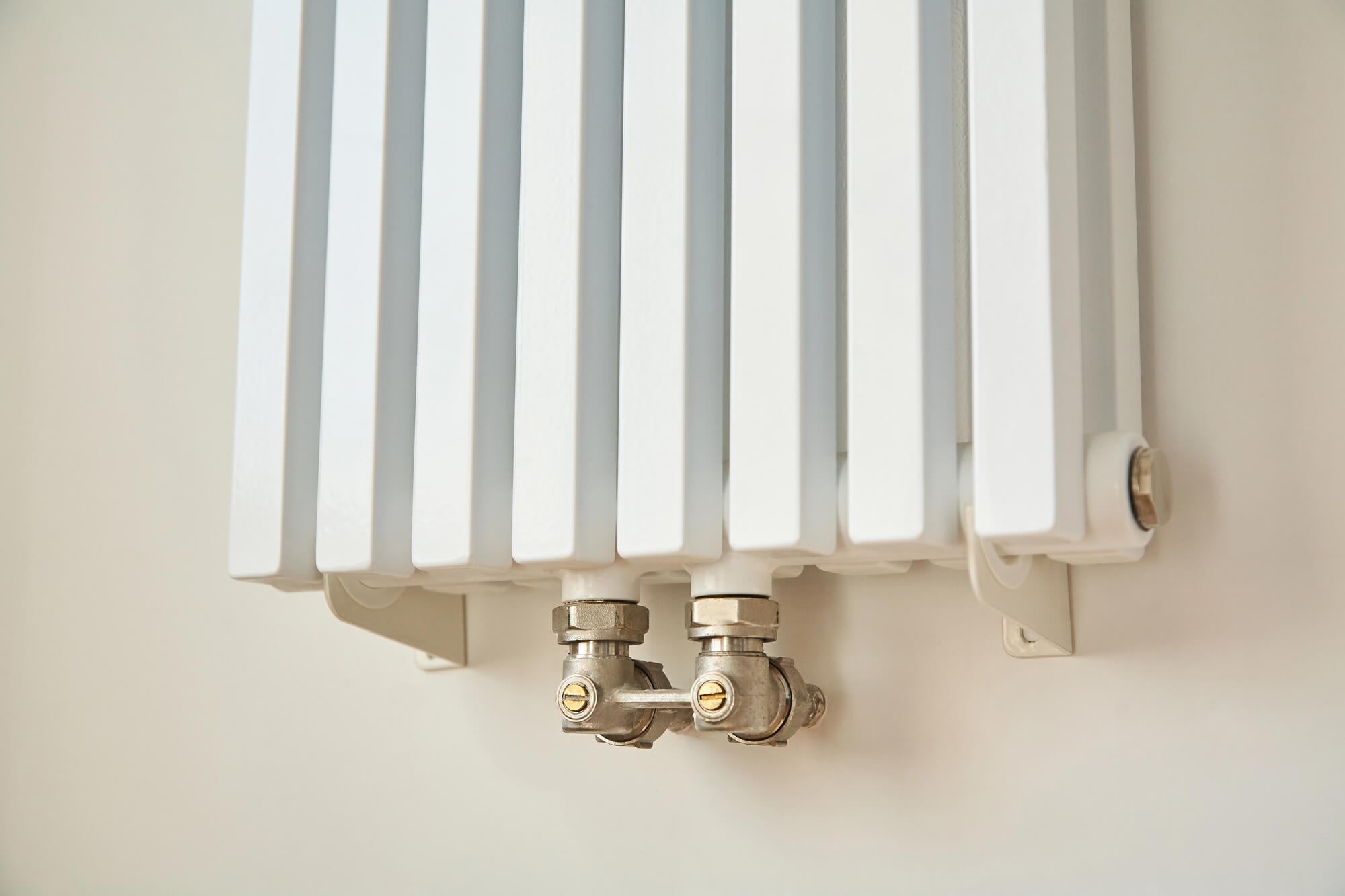
Alice Parker of Morristown, New Jersey, filed a patent in 1919 for a gas-fueled furnace that could send heated air through ducts to multiple rooms with individual control. The design was never manufactured as drawn, but it anticipated the zoned central heating of modern homes.
Parker’s patent is one of the few granted to an African American woman in that period.
The One-Handed Syringe
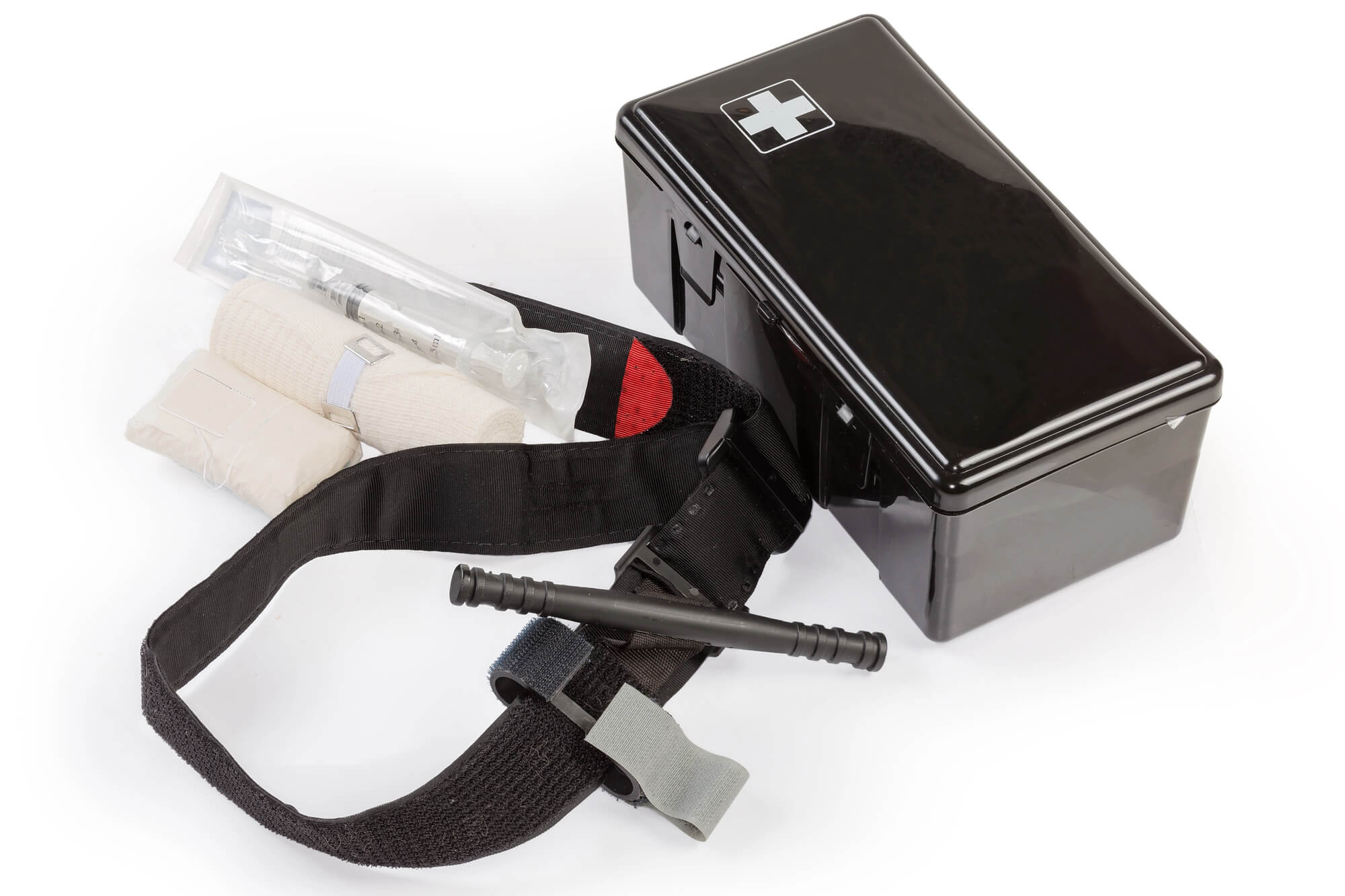
Letitia Geer of New York patented a syringe in 1899 that could be operated with one hand, with a handle positioned so the thumb could push the plunger while the fingers held the barrel. The design became the standard form of the medical syringe.
Her patent drawing looks almost identical to the syringes in use today.
The Apgar Score
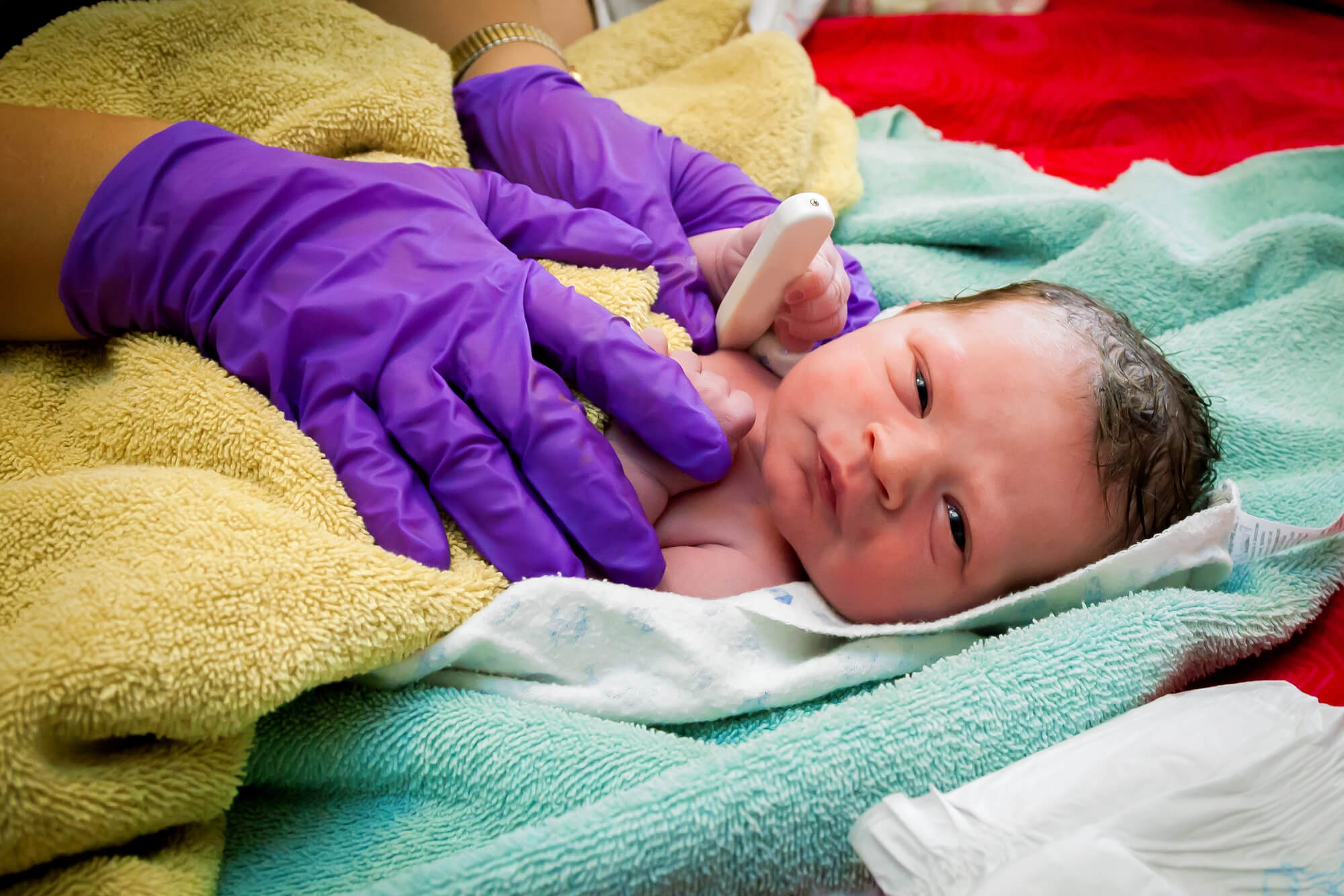
Virginia Apgar, an anesthesiologist at Columbia, devised a five-point test in 1952 to assess newborns at one and five minutes after birth, scoring heart rate, breathing, muscle tone, reflexes, and color. The score gave doctors a quick way to identify infants who needed immediate help.
It is still used in delivery rooms around the world.
Nystatin
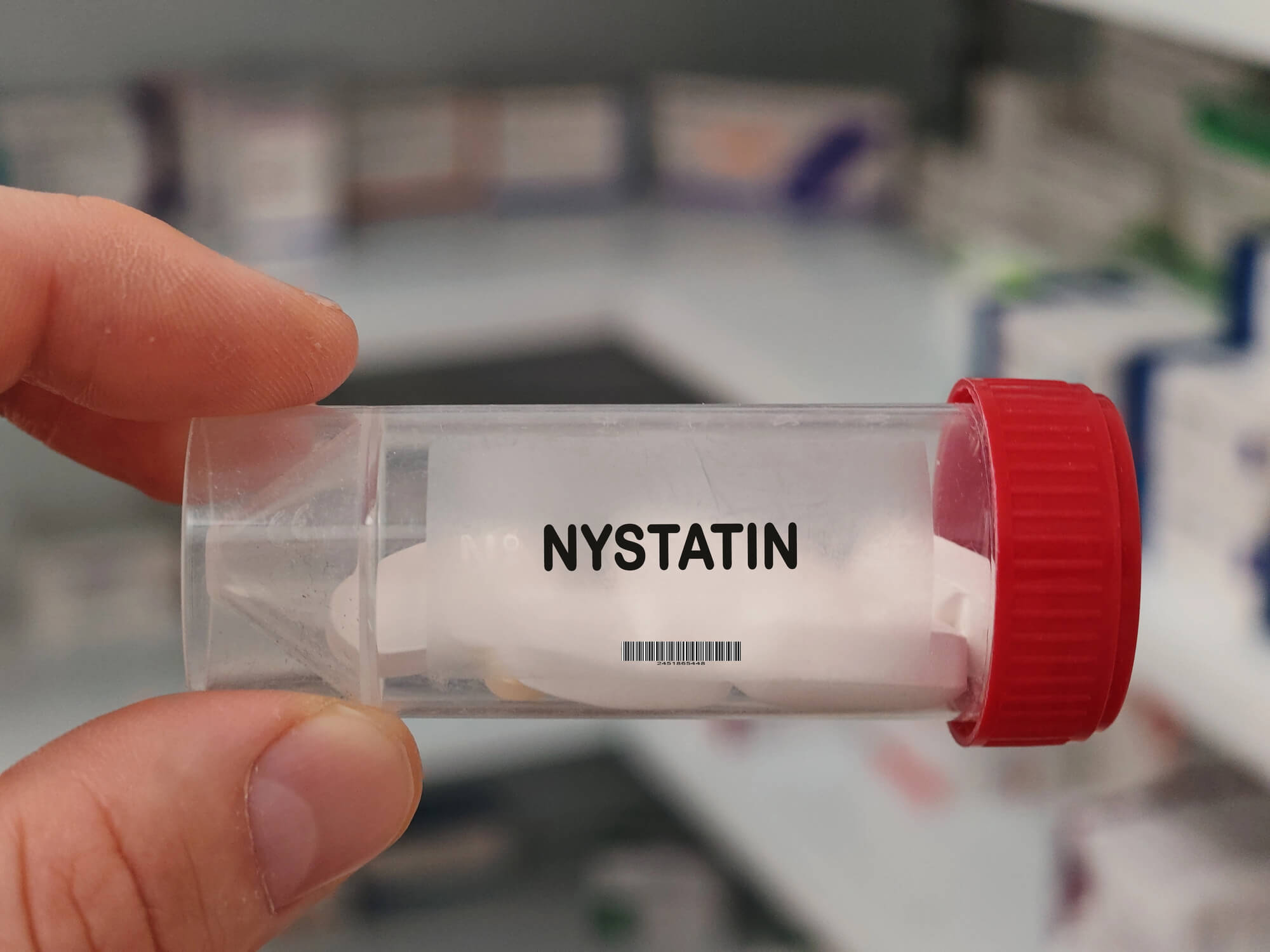
Rachel Fuller Brown and Elizabeth Lee Hazen, working for the New York State Department of Health, developed nystatin in 1950 by mailing soil samples and cultures between their labs in Albany and New York City. It was the first effective antifungal drug for humans and remains in use.
The two donated their royalties to a foundation that supported scientific research.
Mobile X-Ray Units
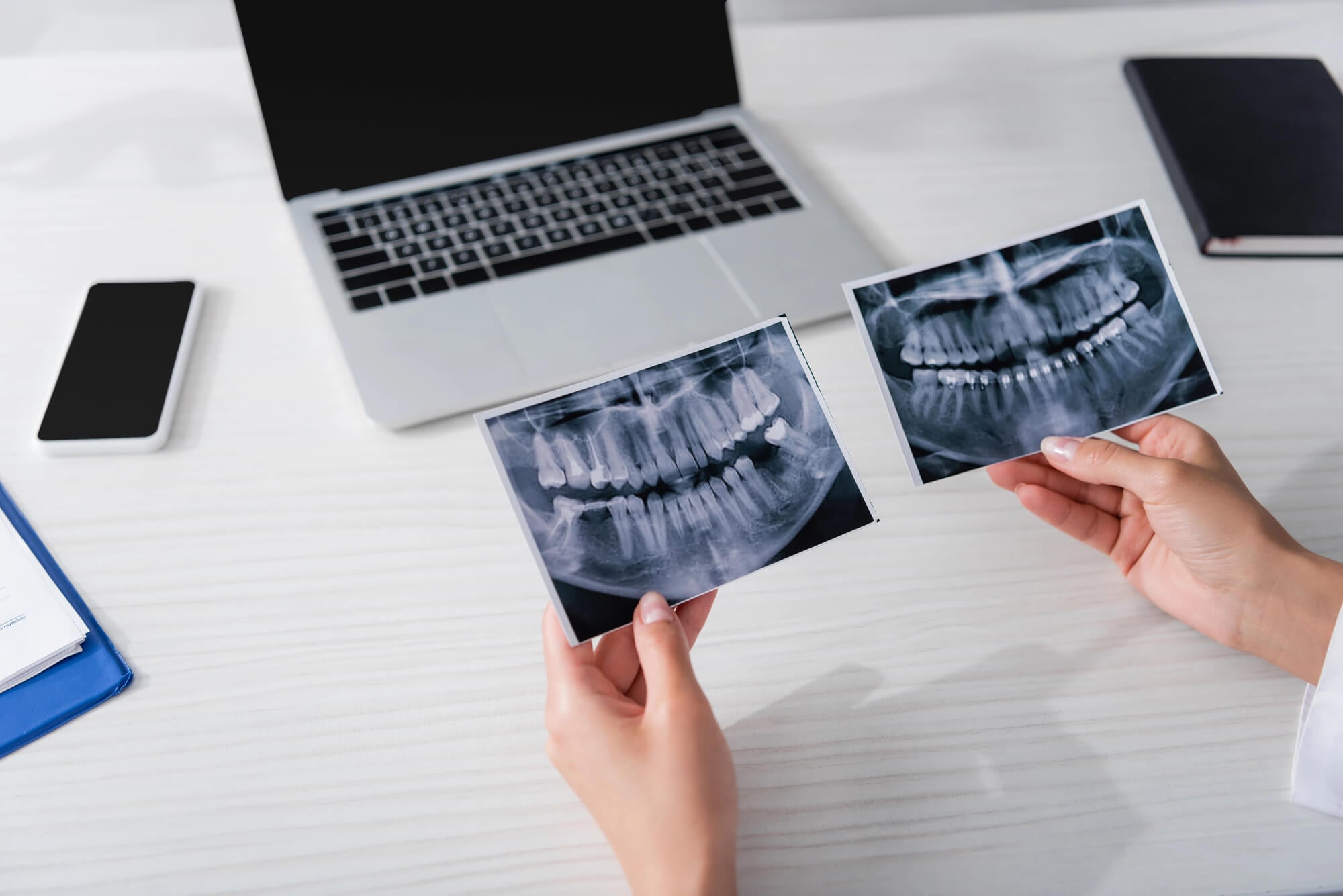
Marie Curie, already a two-time Nobel laureate, equipped a fleet of vans with X-ray machines during the First World War so surgeons could locate shrapnel in the field. The vehicles, nicknamed little Curies, were driven by Curie herself and by her daughter Irène, and she trained women to operate them.
The units are credited with treating a million wounded soldiers.
The Submarine Telescope
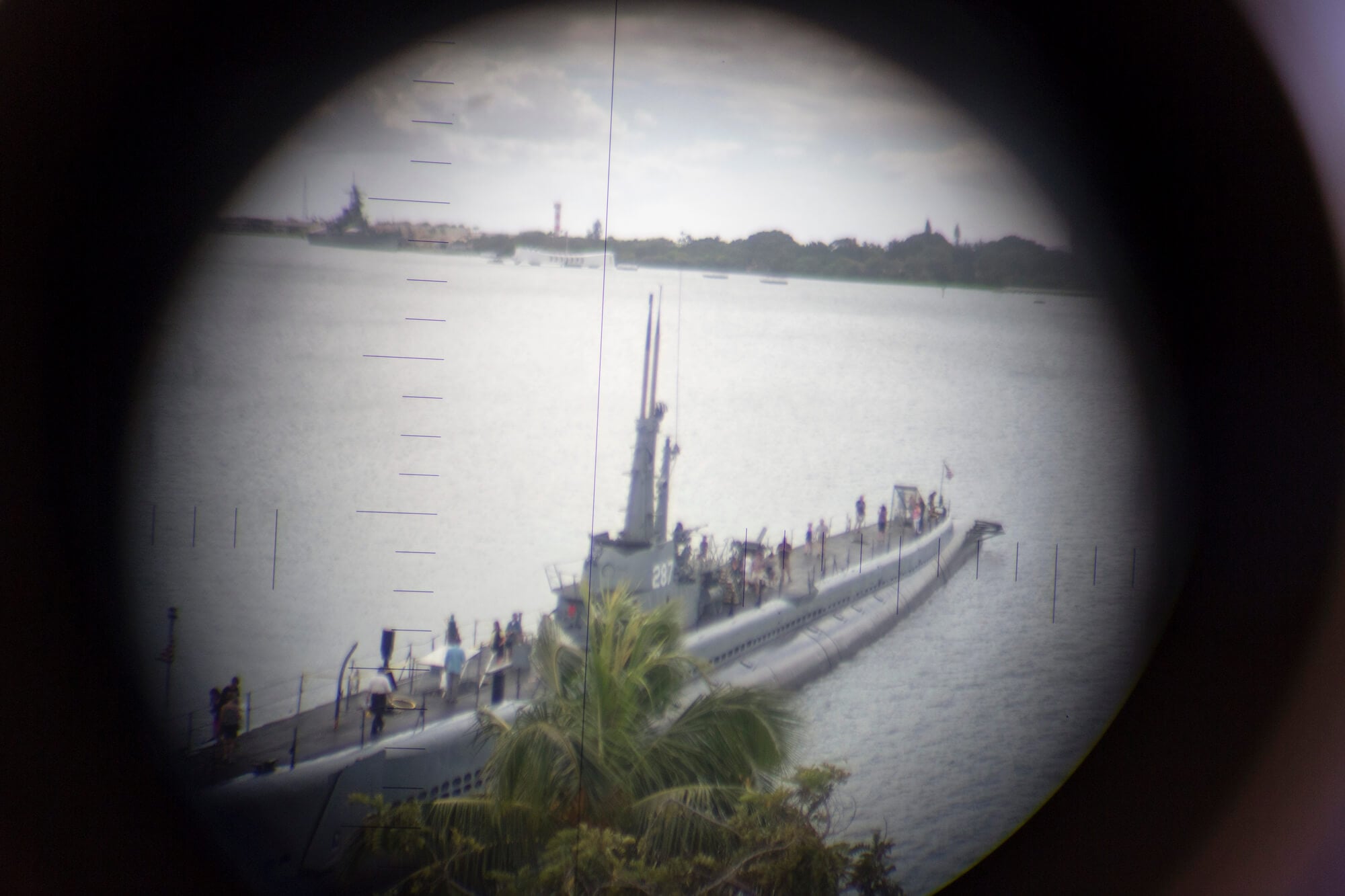
Sarah Mather of Brooklyn patented a submarine telescope and lamp in 1845, a tube with a lamp at one end that let ships examine their hulls and the seabed from the surface. It was an early underwater viewing device and one of the first patents granted to an American woman.
She improved the design in a second patent in 1864.
The Hand-Cranked Ice Cream Maker
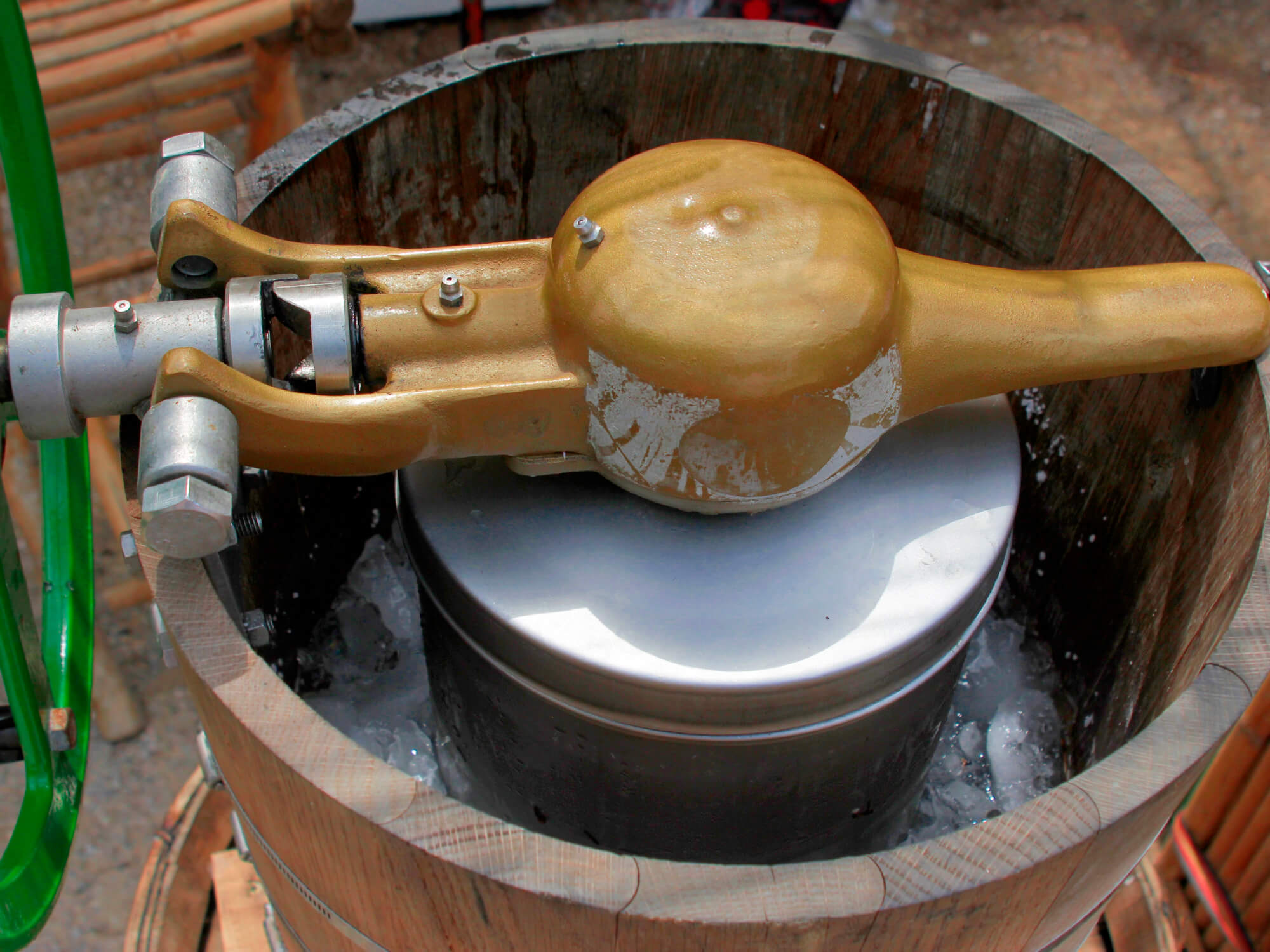
Nancy Johnson of Philadelphia patented the artificial freezer in 1843, a hand-cranked bucket with an inner cylinder surrounded by ice and salt. The design made ice cream a home dessert rather than a confectioner’s product.
She sold the patent rights, and the basic design remained in production for more than a century.
The Retractable Dog Leash
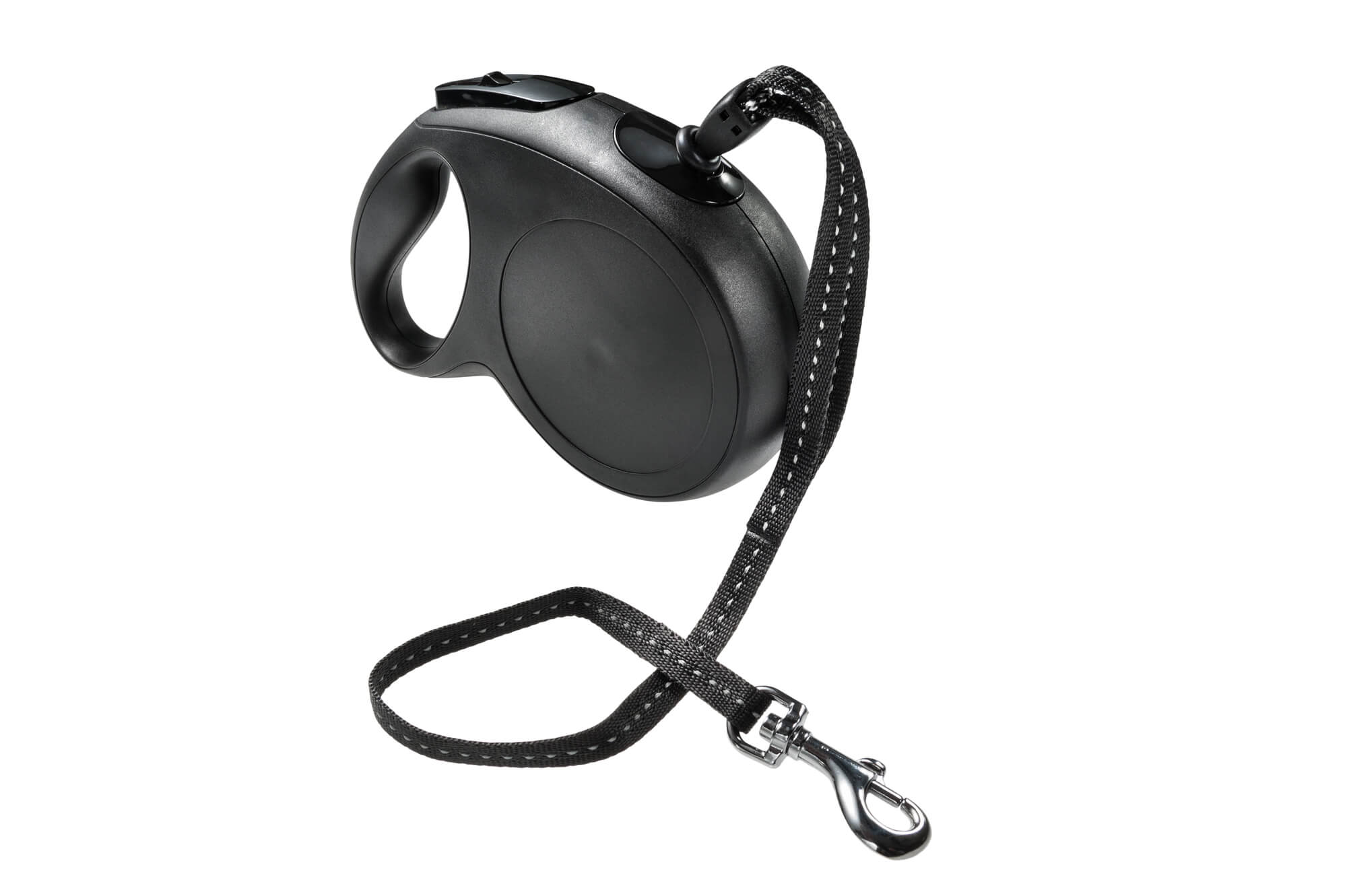
Mary A. Delaney of New York patented a leash in 1908 that retracted on a spring inside a case, so a dog could roam and be reeled in.
The patent describes almost exactly the retractable leashes sold today. Delaney’s name is rarely mentioned on the packaging.
Hydyne Rocket Fuel

Mary Sherman Morgan, a chemist at North American Aviation, developed a fuel called Hydyne in 1957 that gave the Redstone rocket enough extra thrust to launch Explorer 1, the first American satellite, in January 1958. She had no college degree and was the only woman among the company’s engineers.
Her son later wrote a play and a book about her.
Human Stem Cell Isolation
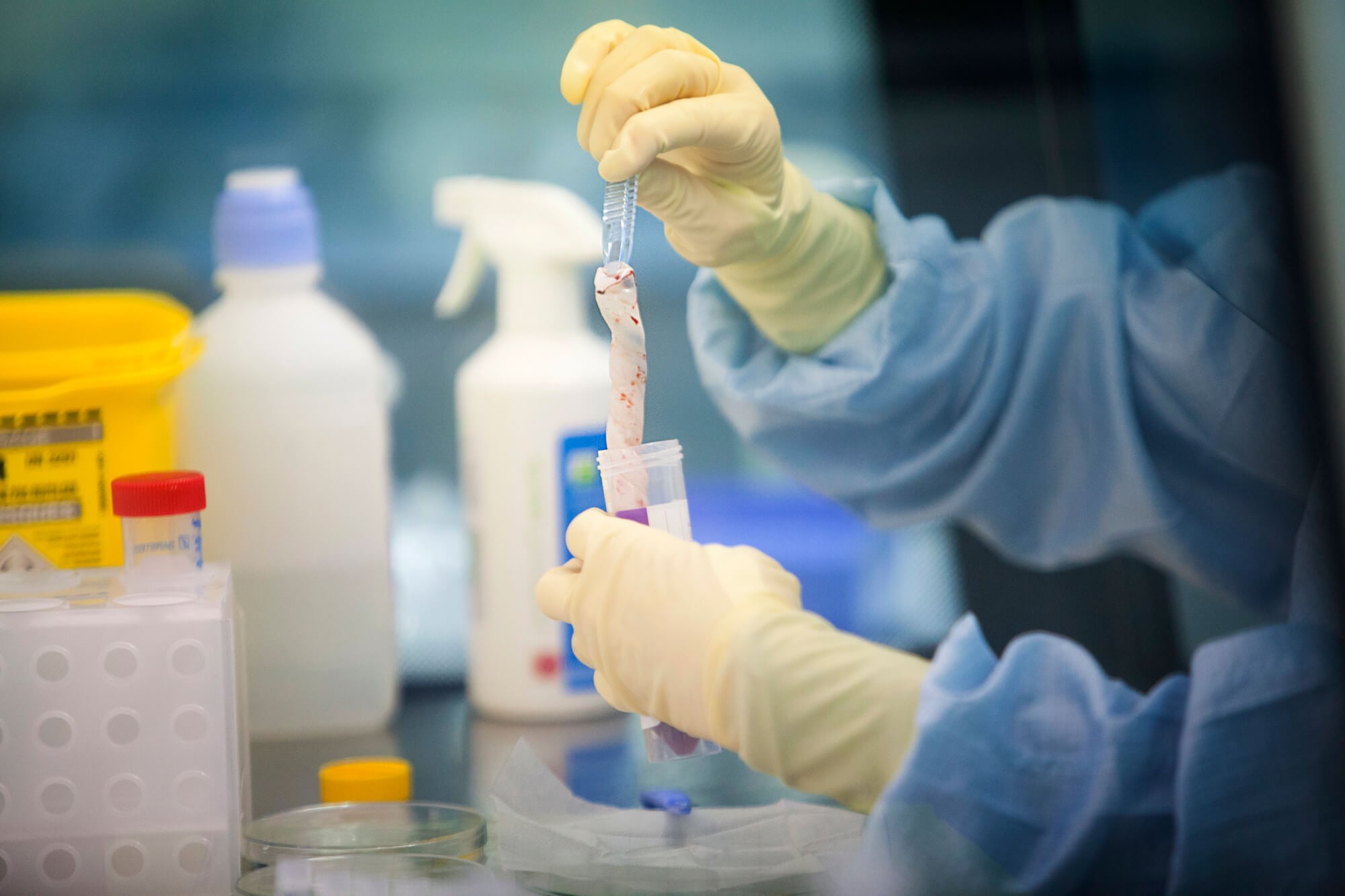
Ann Tsukamoto was a co-inventor on a 1991 patent for a process to isolate human hematopoietic stem cells, the cells that produce blood. The method allowed researchers to study and use stem cells in cancer treatment.
She holds a number of patents in the field and is cited as a pioneer of stem cell research.
The Computer Algorithm

Ada Lovelace, working with Charles Babbage’s design for the Analytical Engine, published a set of notes in 1843 that included a method for calculating Bernoulli numbers with the machine. It is widely regarded as the first published algorithm intended for a computer.
Lovelace also foresaw that such a machine could manipulate symbols and music, not just numbers.
Barbie
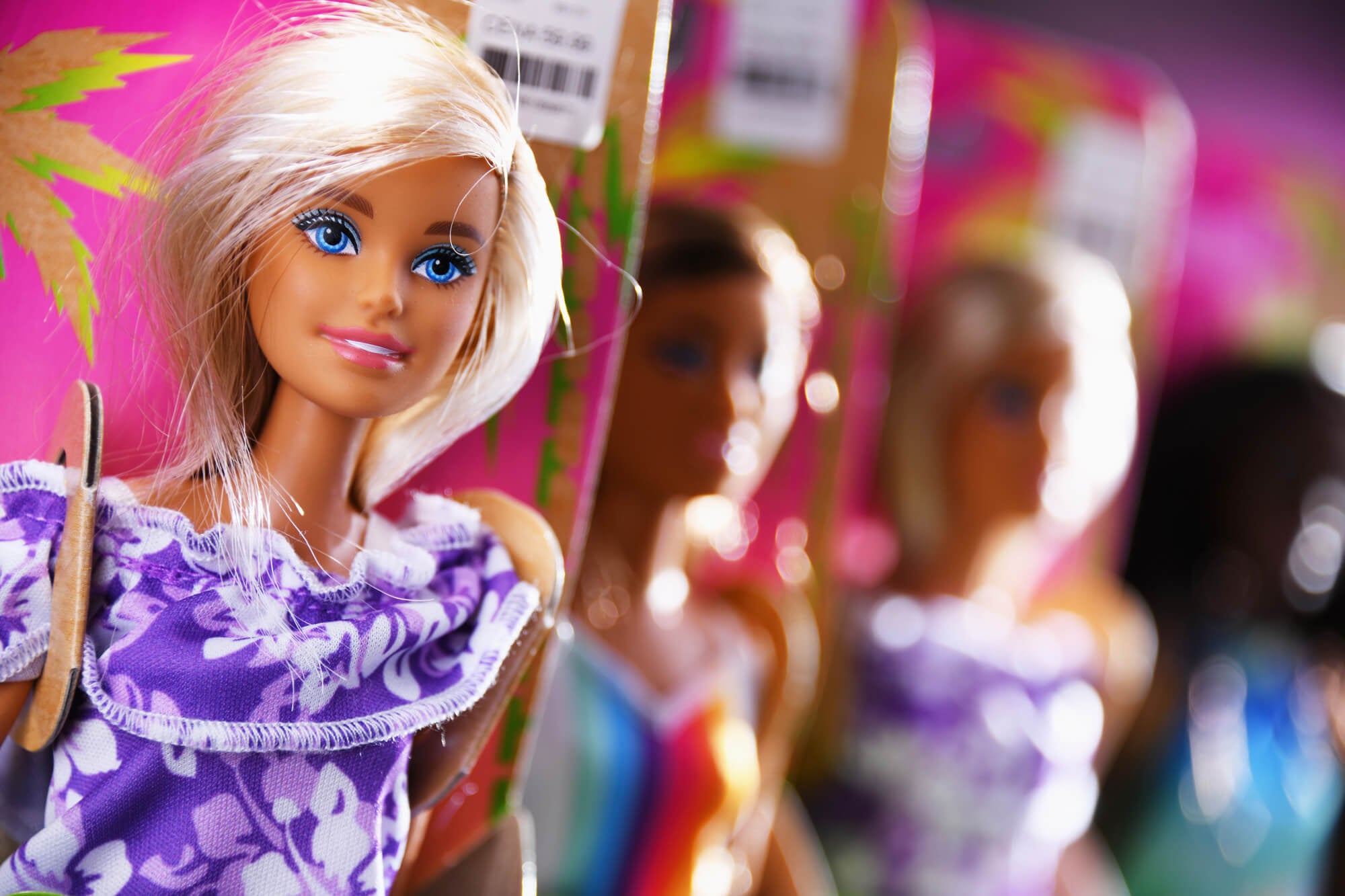
Ruth Handler, co-founder of Mattel, noticed her daughter Barbara playing with paper dolls as adults rather than babies and designed an adult-bodied fashion doll in response. Barbie debuted at the New York Toy Fair in 1959 and became the best-selling doll in history.
Handler later founded a company making breast prostheses after her own cancer surgery.
The Solar-Heated House
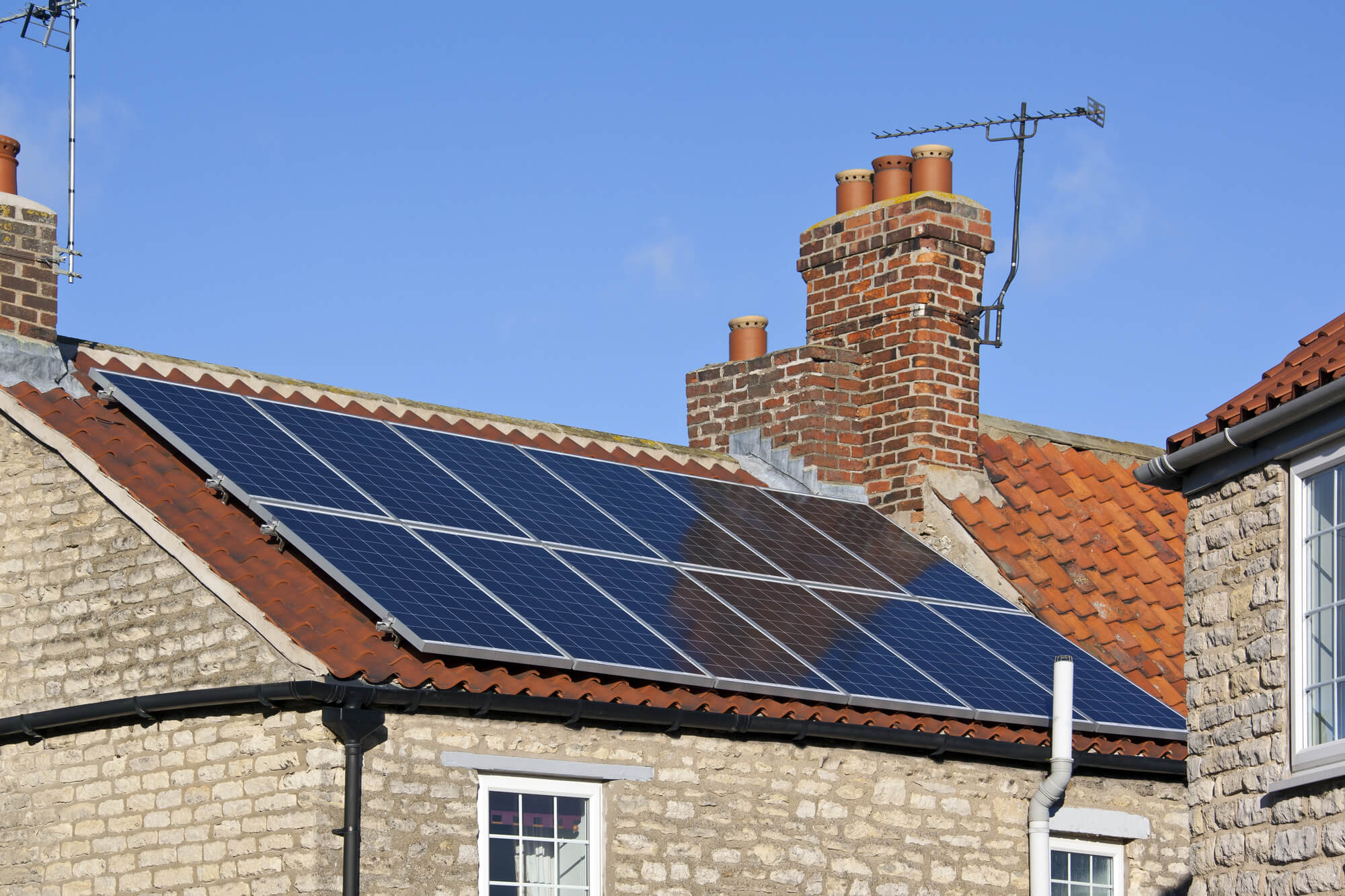
Mária Telkes, a Hungarian-born physicist, designed the heating system for the Dover Sun House in Massachusetts in 1948, which stored solar heat in tanks of Glauber’s salt that melted during the day and released heat at night. Architect Eleanor Raymond designed the building.
It was one of the first houses heated primarily by the sun.
Laserphaco Cataract Surgery
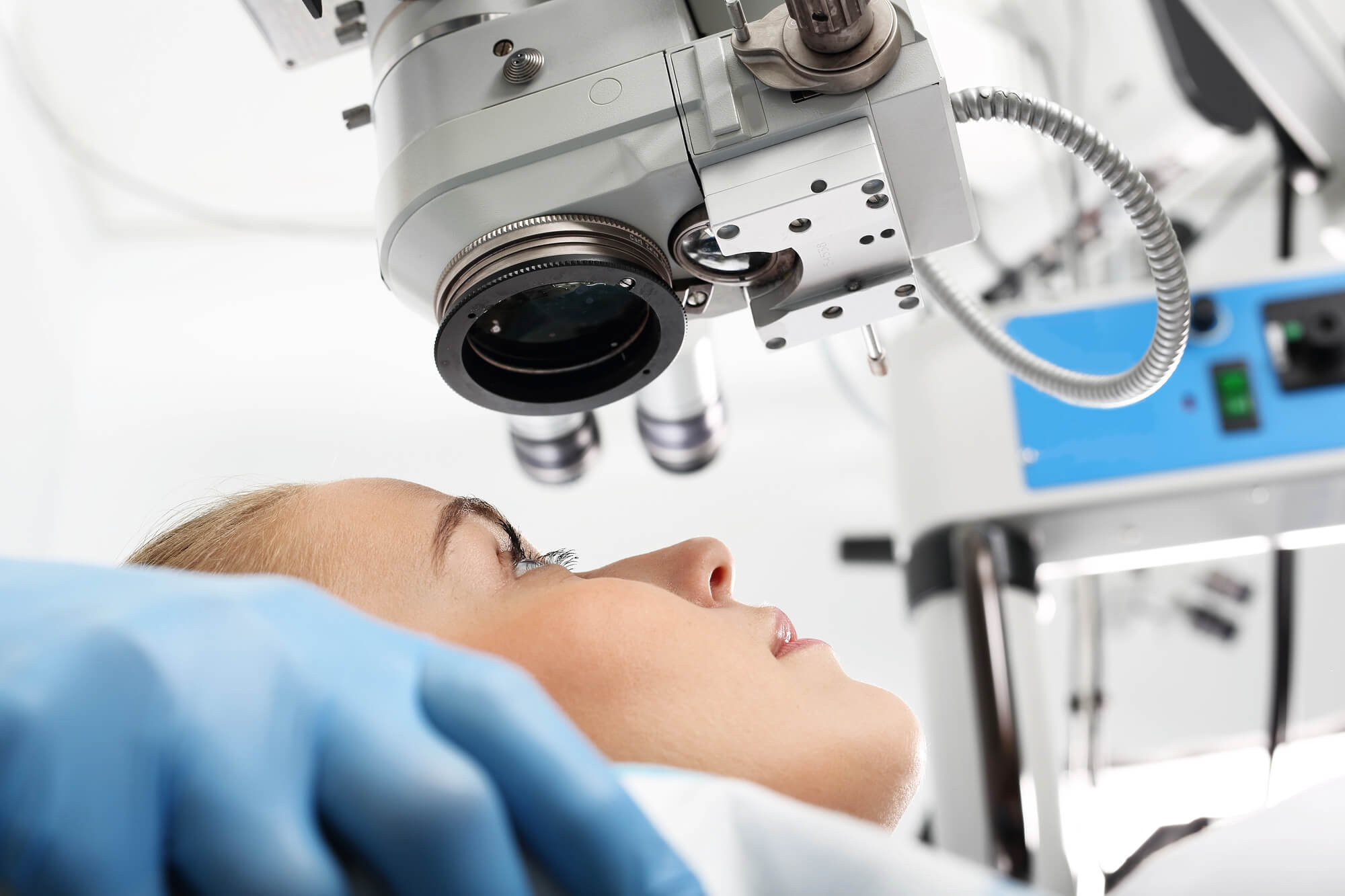
Patricia Bath, an ophthalmologist, invented the Laserphaco Probe in 1986 and patented it in 1988, a device that used a laser to dissolve cataracts and allow the lens to be replaced. She was the first African American woman to receive a medical patent.
Bath also co-founded the American Institute for the Prevention of Blindness.
The Record That Was Never Kept
Nearly every woman on this list earned less from her invention than the men who manufactured it. Mary Anderson’s wiper patent expired unused, Lizzie Magie’s game made Parker Brothers a fortune, and Hedy Lamarr’s patent lapsed years before the first Bluetooth headset.
The pattern is too consistent to be coincidence.
That is why these names matter beyond trivia. Each one is a case where the record happened to survive, and behind each is a number of cases where it did not.
The inventions are in daily use; the inventors are mostly footnotes, and the footnotes are worth reading.
More from Go2Tutors!

- The Romanov Crown Jewels and Their Tragic Fate
- 13 Historical Mysteries That Science Still Can’t Solve
- Famous Hoaxes That Fooled the World for Years
- 15 Child Stars with Tragic Adult Lives
- 16 Famous Jewelry Pieces in History
Like Go2Tutors’s content? Follow us on MSN.