13 Video Rental Chains That Served America
Friday night once meant a trip to the video store, a long walk down aisles of empty cases, and a debate that sometimes outlasted the movie. Clerks checked tapes in and out, late fees piled up, and the tape that everyone wanted was always gone.
The ritual shaped a generation’s idea of a weekend. The chains behind those shelves rose quickly, swallowed each other, and almost all disappeared within a few decades.
Their stories include a surprising number of founders who opened with a single small store.
Video Station

George Atkinson opened a Los Angeles store in the late 1970s that rented movies, and it became Video Station. A membership cost $50 for a year or $100 for life, individual rentals were $10, and the first announcement was a one-inch-wide ad in the Los Angeles Times.
He stocked titles such as The Sound of Music in both VHS and Beta formats, and the idea of renting movies for the weekend spread from there.
Erol’s
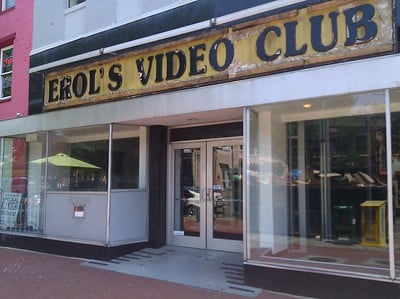
Erol Onaran arrived in the United States in 1960 with sixteen dollars in his pocket and built a video rental empire in the Washington, D.C., area. By 1985 his company, which had begun as an electronics repair and sales shop, was the largest privately owned videocassette rental chain in the country.
Blockbuster bought Erol’s for $40 million in 1990, when it had 208 stores in five states and the District of Columbia, and the red-on-yellow logo was a familiar local sight.
West Coast Video

Elliot Stone founded West Coast Video in 1983, and the company was based in Langhorne, Pennsylvania. In September 1988 it acquired all 455 National Video stores, bringing the chain to 660 locations and making it the largest video rental chain in the world at the time.
West Coast changed its corporate name to West Coast Entertainment Corporation in 1993, and the chain was liquidated in 2009, though some independent stores kept the name.
Blockbuster
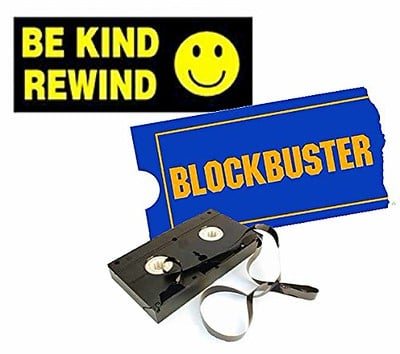
David Cook opened the first Blockbuster on October 19, 1985, in a strip mall at the corner of Skillman Street and Northwest Highway in Dallas, with about 8,000 VHS tapes and 2,000 Beta tapes. The chain grew through acquisitions and openings until it reached a peak of 9,094 stores in 2004.
By 2019 only one franchised store was left, in Bend, Oregon, where the blue-and-yellow ticket sign still hangs.
Hollywood Video
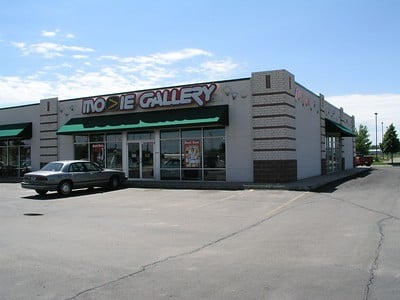
Mark Wattles opened a 500-square-foot rental shop called Home Theater in Portland, Oregon, with 300 films, and he formed Hollywood Entertainment in 1988. The company went public in 1993 and grew into the largest direct competitor to Blockbuster.
After a hostile takeover bid from Blockbuster, Hollywood agreed to merge with Movie Gallery in a deal worth $1.2 billion, which closed on April 27, 2005.
Movie Gallery
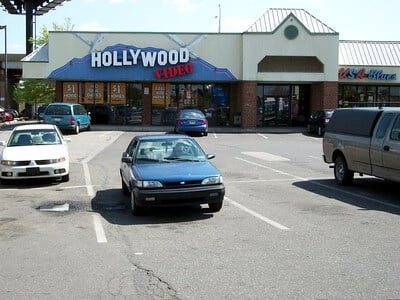
Movie Gallery was founded in 1985 in Dothan, Alabama, by Joe Malugen and Harrison Parrish. It grew to almost 1,000 stores in 31 states by 1999 and reached roughly 2,500 stores by 2005, the year it bought Hollywood Video.
The company filed for Chapter 7 bankruptcy in 2010, and its last U.S. stores closed that summer.
Video Update

Daniel Potter and John Bedard founded Video Update in St. Paul, Minnesota, in 1982. The company remained small until it went public in 1994 and began expanding quickly through acquisitions, including the 51-unit Wilderness Video Group of Vancouver.
Movie Gallery bought Video Update out of bankruptcy in 2001, and most of the 510 stores Movie Gallery added between 2001 and 2002 came from that purchase.
Video Central
Video Central was a Texas chain of 33 stores that became the first acquisition of Hollywood Entertainment in 1994, just after the company’s second stock offering raised $23.6 million. Its stores operated under the Video Central name for a time inside the larger Hollywood family.
The deal showed how fast the industry was consolidating even in its early years.
Hastings Entertainment

Hastings opened its first combined store in Amarillo, Texas, in 1985, adding video rentals to a business that already sold books and music. The format, which the company called a triple combo, made the store a place for entire families to spend a Saturday afternoon.
Hastings Entertainment liquidated by the end of 2016.
Family Video
Family Video traces its roots to 1978, when a Springfield, Illinois, family company stuck with surplus video inventory launched a rental club that charged a $25 membership and a $5 rental fee. The business later became Family Video, based in Glenview, Illinois, and it partnered with Marco’s Pizza in 2013.
In January 2021 it announced it would close its remaining stores, ending the last nationwide video rental chain in the United States.
Movie Trading Company
Movie Trading Company was a Dallas chain that bought, sold, and traded used movies and games. Blockbuster acquired it in 2002 to study how a trading model might work alongside its rental business.
The idea of selling a finished movie back to a store was an early version of the resale economy that would later move online.
Redbox
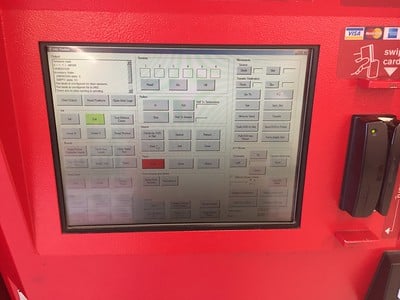
Redbox put red kiosks outside supermarkets, drugstores, and fast-food restaurants, renting DVDs for a dollar a night. The machines removed the staff and the aisles entirely, and customers browsed a touch screen instead of shelves.
For a few years the kiosk was the fastest way to rent a movie on a Friday night.
Netflix
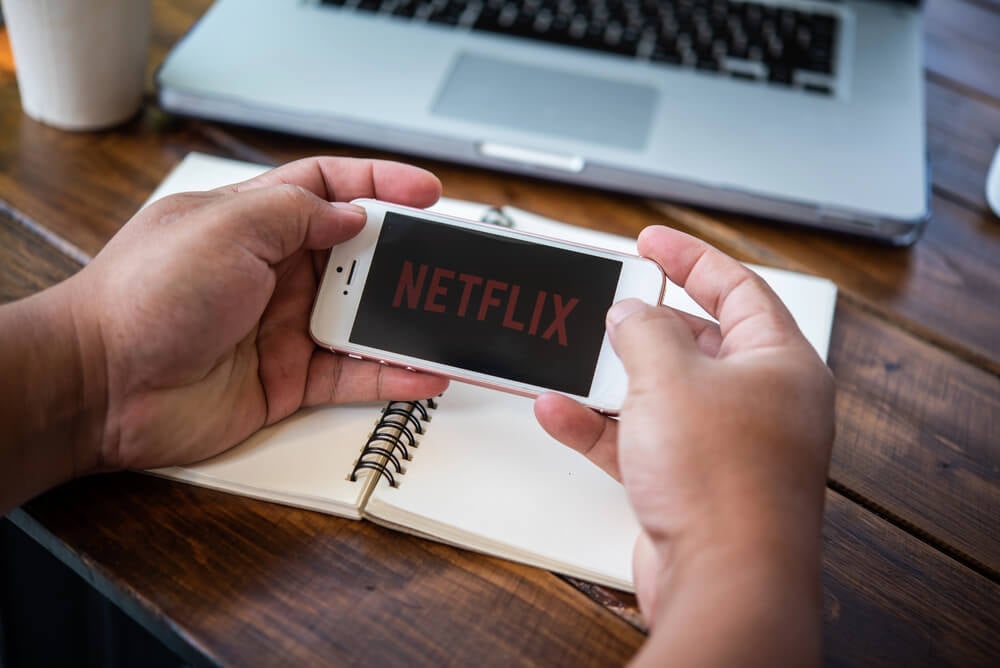
Netflix was founded in 1997 and began renting DVDs by mail, with no late fees and no trip to a store. The company offered to sell itself to Blockbuster for $50 million in 2000, and the offer was rejected.
Blockbuster filed for bankruptcy in September 2010, and the red envelopes that arrived in mailboxes became the quiet end of the Friday night run.
The Friday Night Ritual of Choosing

The video store turned picking a movie into a social event. Couples argued over a new release, children rented the same cartoon twice, and clerks handed out recommendations without an algorithm.
The shelf was a physical thing a person could browse, hold, and put back. Streaming made the choice faster and the shelf endless, but it took away the scene in the aisle.
Nothing replaced the pang of finding the last copy gone or the satisfaction of a surprise find in the back corner. The chains vanished quickly, though the habit they built is still the way many people think about a weekend movie.
More from Go2Tutors!

- 27 Silver Dollars and Half Dollars Worth Keeping
- 28 Restaurant Menu Items Nobody Orders Anymore
- 17 Places Built in Seemingly Impossible Spots
- 27 Vintage Rings Worth More Than They Look
- 25 Restricted Sites Tourists Can’t Enter
Like Go2Tutors’s content? Follow us on MSN.