Unusual Inventions That Altered Daily Routines
Think about how you start your morning. Maybe you hit snooze on your phone, grab a quick breakfast, and head out the door.
Now imagine doing all that without half the things you use every day. The truth is, some of the most ordinary parts of our lives exist because someone, somewhere, had a weird idea that nobody thought would work.
History is packed with inventions that seemed pointless or strange when they first appeared. People laughed at them, dismissed them, or flat-out refused to try them.
But these oddball creations quietly changed everything. Let’s look at some of the strangest inventions that somehow became part of everyday life.
Post-It Notes
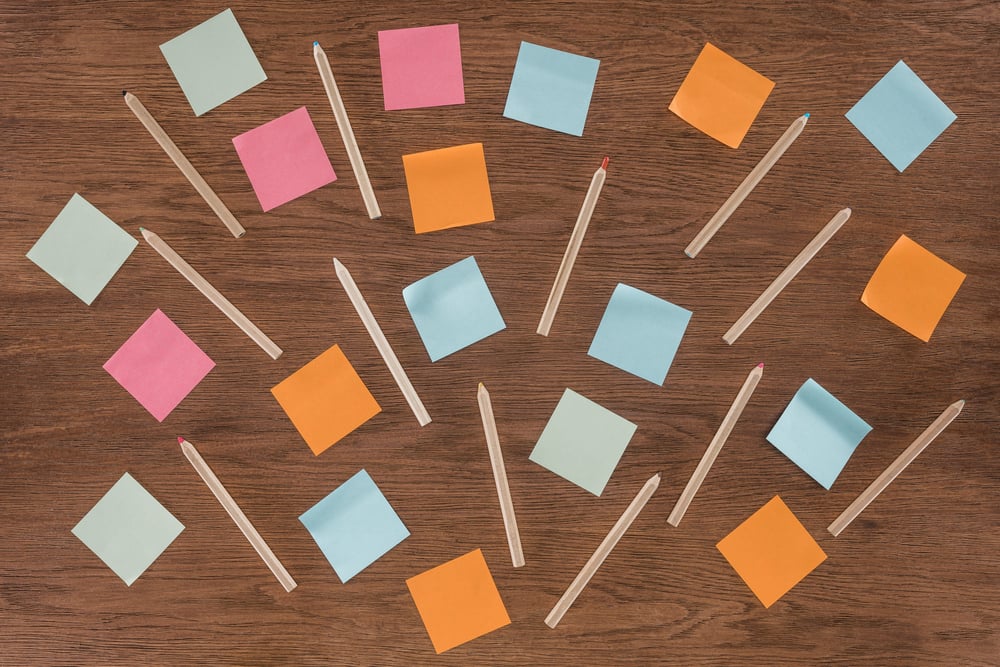
A scientist named Spencer Silver was trying to create a super strong adhesive in 1968, but he ended up with the exact opposite. His glue was weak and barely stuck to anything.
For years, nobody knew what to do with this failed experiment. Then another scientist, Art Fry, got annoyed when his bookmarks kept falling out of his church hymnal.
He remembered Silver’s weird glue, dabbed some on paper, and created the first Post-It Note. Now millions of people use these little sticky papers to leave reminders, mark pages, and organize their thoughts without even thinking about it.
Microwave ovens
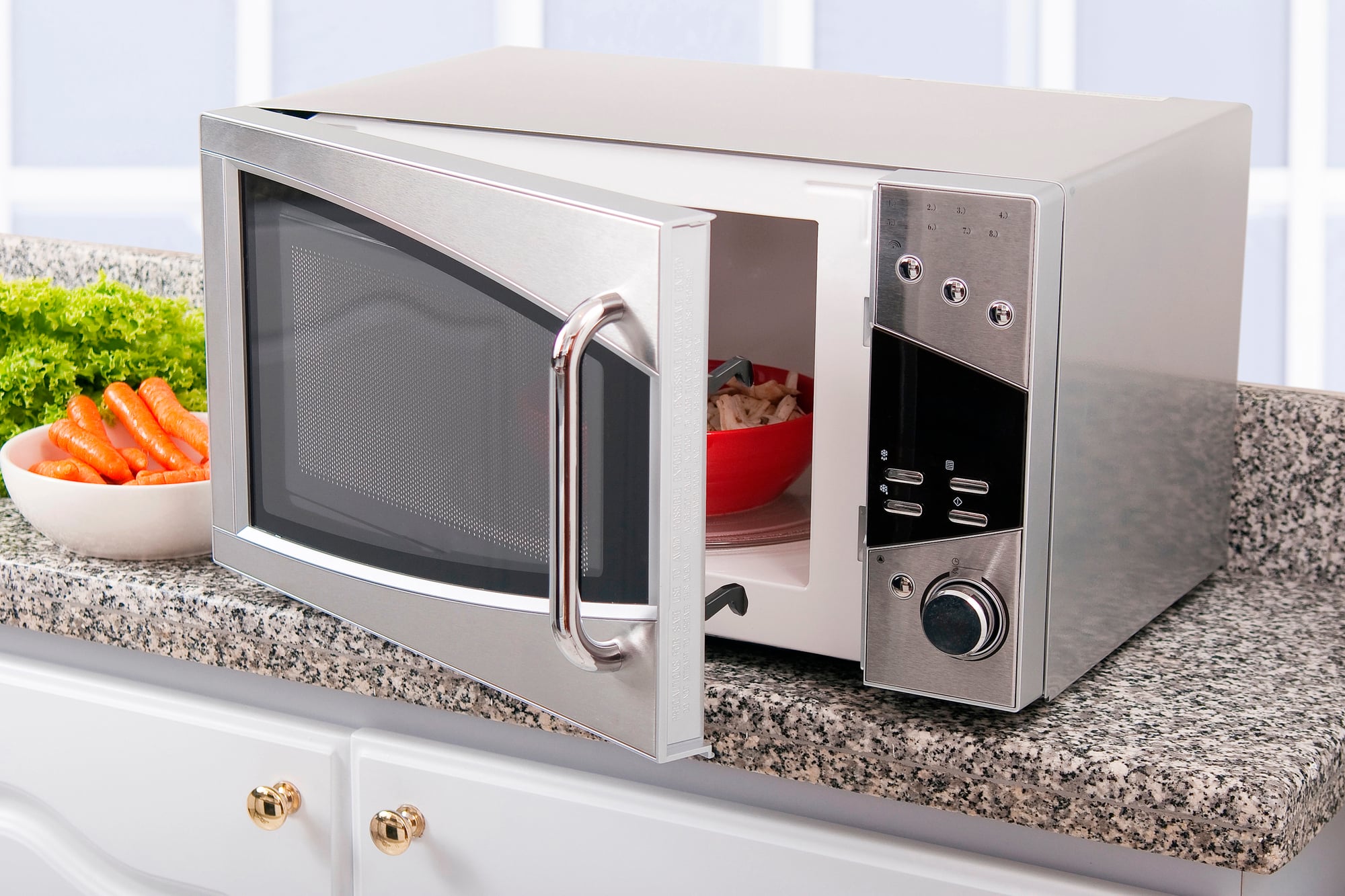
Percy Spencer was working with radar technology during World War II when he noticed something odd. A chocolate bar in his pocket melted while he stood near a magnetron, the device that powers radar equipment.
Most people would have just been annoyed about the ruined chocolate, but Spencer got curious. He started experimenting with other foods, and within a few years, the first microwave oven hit the market.
The early models were massive, expensive, and mostly used in restaurants. Today, reheating leftovers in seconds feels so normal that it’s hard to imagine life without a microwave humming in the kitchen.
Velcro

George de Mestral went hiking in the Swiss Alps in 1941 and came home covered in burrs. Instead of just brushing them off and moving on, he grabbed a microscope to see why they stuck so well to his clothes and his dog’s fur.
He discovered tiny hooks that latched onto loops in fabric. This observation led him to spend years developing Velcro, a fastening system that people initially mocked.
Shoe companies, clothing manufacturers, and even NASA eventually realized how useful it was. Now kids learn to put on their shoes before they can tie laces, and astronauts use Velcro to keep tools from floating away in space.
Plastic wrap
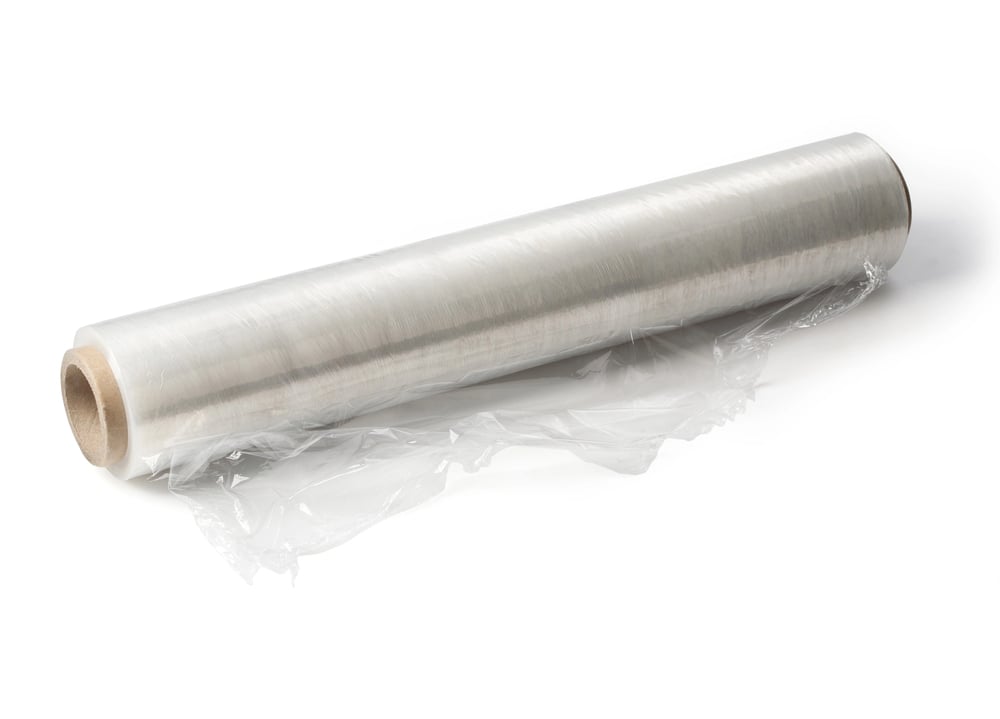
A lab accident in 1933 gave the world one of the most annoying and useful kitchen items ever created. Ralph Wiley was working at a Dow Chemical lab when he discovered a green, sticky substance coating a vial that he couldn’t scrub off no matter how hard he tried.
The company saw potential in this tough, clingy material and eventually refined it into what we now call plastic wrap. It keeps food fresh, protects leftovers, and frustrates anyone trying to find the end of the roll.
Before this invention, people relied on wax paper, cloth, or just ate everything quickly before it spoiled.
Bubble wrap
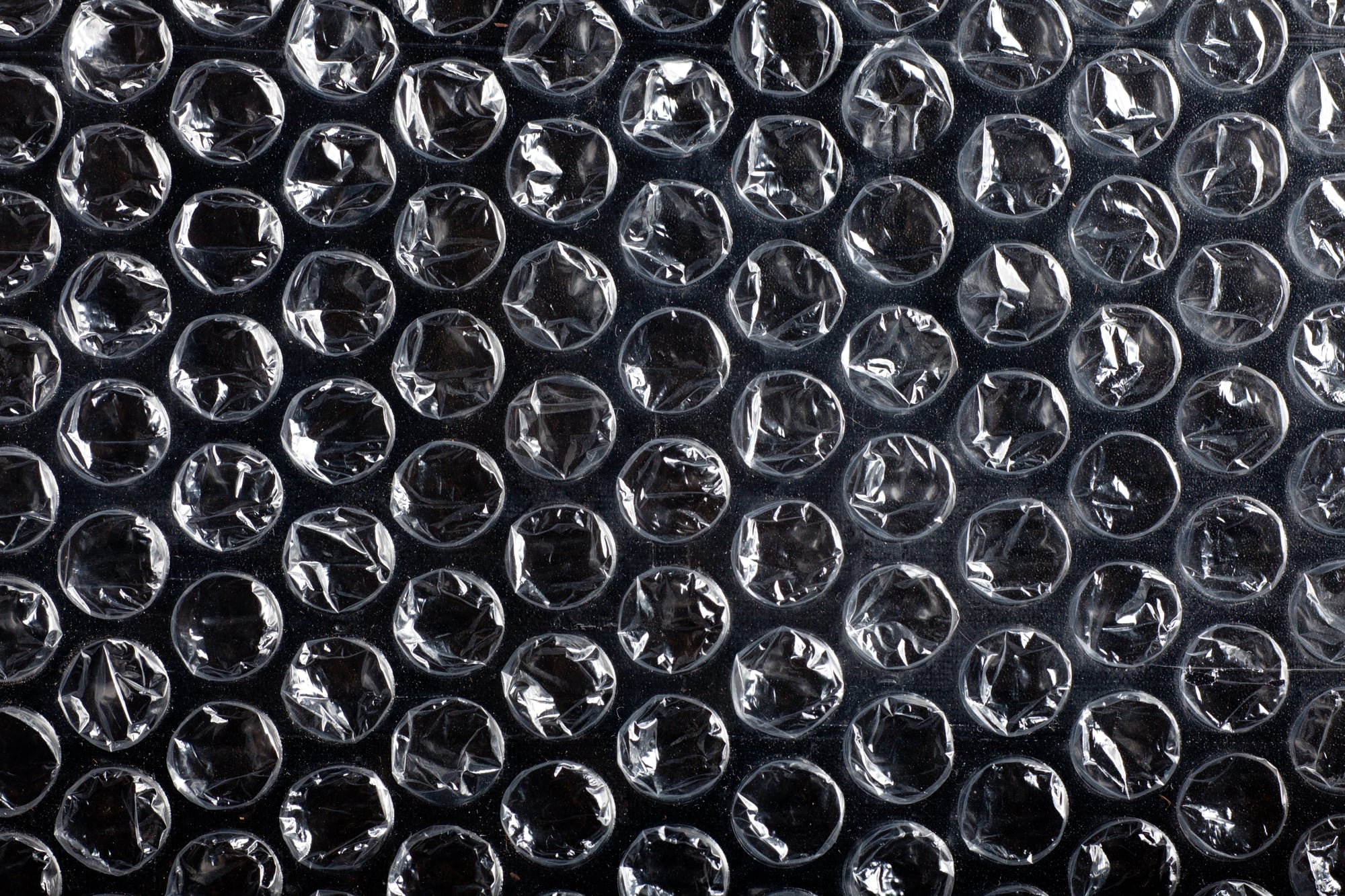
Two engineers, Alfred Fielding and Marc Chavannes, wanted to create textured wallpaper in 1957. They sealed two shower curtains together with air bubbles trapped inside, thinking it would look modern and interesting.
Nobody wanted to put it on their walls. The pair tried marketing it as greenhouse insulation, which also flopped.
Then IBM started using it to protect computers during shipping, and suddenly everyone realized how well those air pockets cushioned fragile items. Now bubble wrap protects everything from dishes to electronics, and popping those bubbles has become a strangely satisfying way to kill time.
Potato chips

A chef named George Crum worked at a restaurant in Saratoga Springs, New York, in 1853 when a customer kept sending back his fried potatoes, complaining they were too thick and soggy. Crum got so fed up that he sliced the potatoes paper-thin, fried them until they were crispy, and dumped salt all over them as a joke.
The customer loved them. Word spread, and soon other diners wanted these ridiculously thin, crunchy potatoes.
Today, potato chips are a billion-dollar industry, and they exist because a chef got petty with a picky eater.
Tea bags

Thomas Sullivan was a tea merchant in New York around 1908, and he wanted to send samples to potential customers without spending too much money. He put small amounts of tea in silk pouches instead of expensive tins.
Customers thought they were supposed to dunk the entire pouch in hot water rather than emptying it out. Sullivan heard about this and realized he’d accidentally created something convenient.
He switched to gauze, and later companies used paper. Now most people grab a tea bag without thinking twice, and loose-leaf tea feels old-fashioned by comparison.
Slinkys
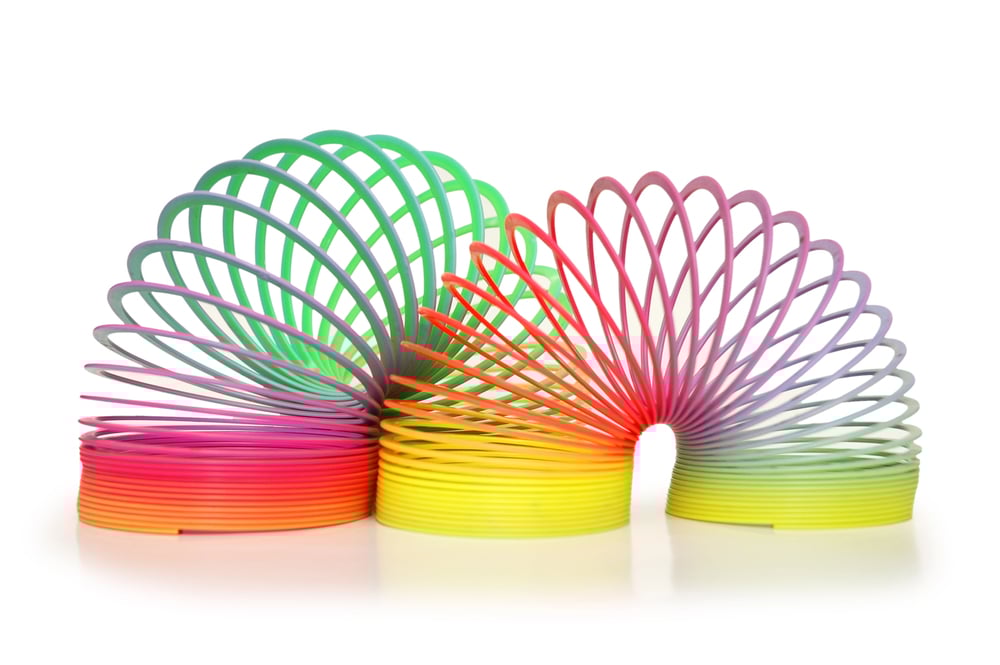
Richard James was a naval engineer in 1943, working with springs meant to keep sensitive equipment stable on ships. One of the springs fell off a shelf and kept bouncing and walking down surfaces in a mesmerizing way.
James brought it home, and his wife Betty suggested they could sell it as a toy. They borrowed money, manufactured 400 of them, and set up a demonstration at a department store.
All 400 sold in 90 minutes. The Slinky became one of the most popular toys of the 20th century, and it all started because a spring took an unexpected tumble.
Cornflakes

John Harvey Kellogg ran a health sanitarium in Michigan during the late 1800s, and he believed bland food would promote good health and reduce certain urges. He and his brother Will were experimenting with wheat dough one day when they got called away and left it sitting out too long.
When they came back, the dough had gone stale. They rolled it out anyway, and it broke into flakes.
They toasted the flakes and served them to patients, who actually liked them. Will later added sugar and started mass-producing them, creating the breakfast cereal industry.
Millions of people now start their day with a bowl of flakes because two brothers forgot about some dough.
Pacemakers
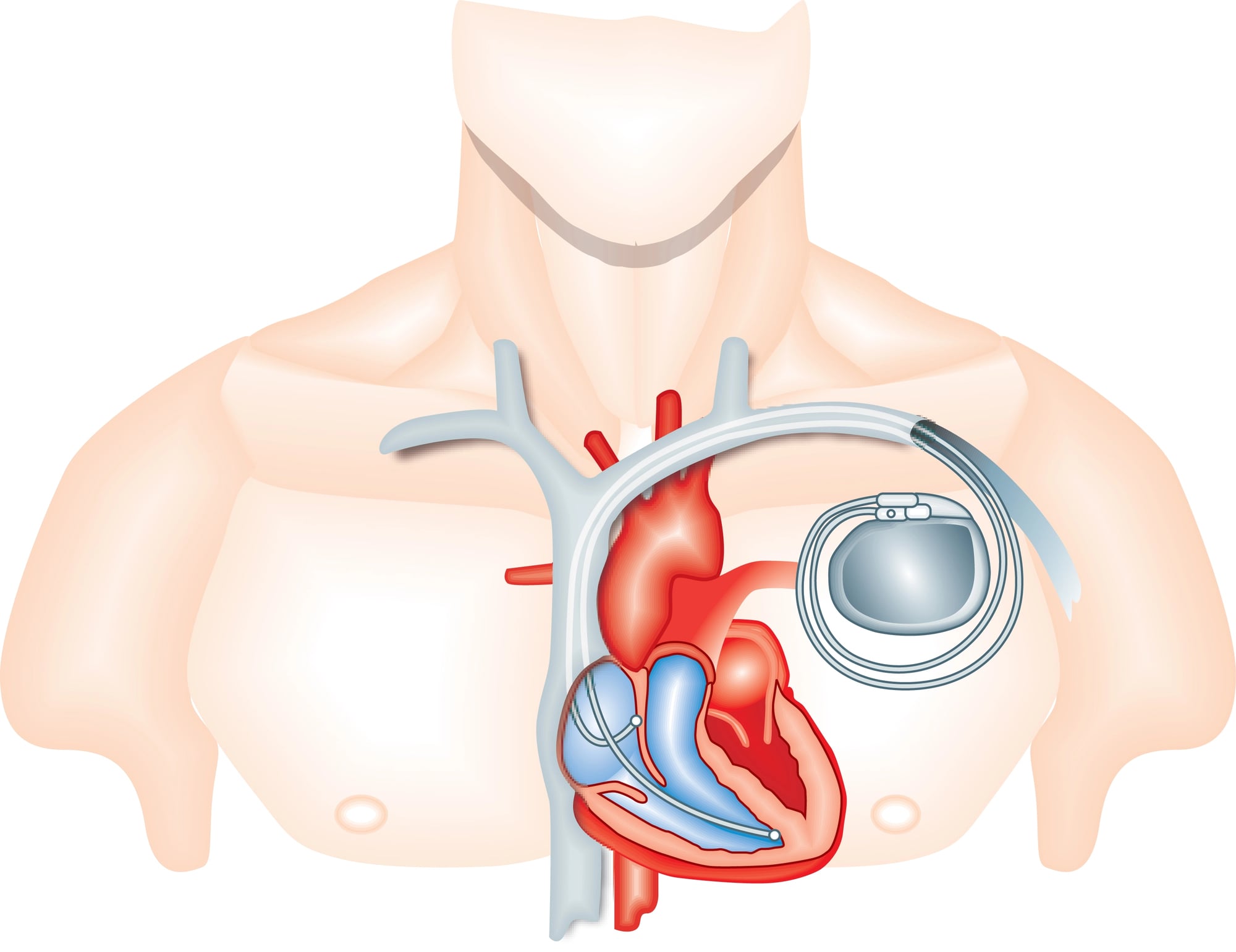
Wilson Greatbatch was building a device to record heart sounds in 1956 when he grabbed the wrong resistor from his toolbox. He installed it in the circuit, and the device started giving off electrical pulses that mimicked a heartbeat.
Greatbatch realized this mistake could save lives. He spent two years refining the design, and by 1960, the first implantable pacemaker was keeping someone’s heart beating steadily.
Now hundreds of thousands of people have these devices, and they’re alive because an engineer reached for the wrong component.
Super glue
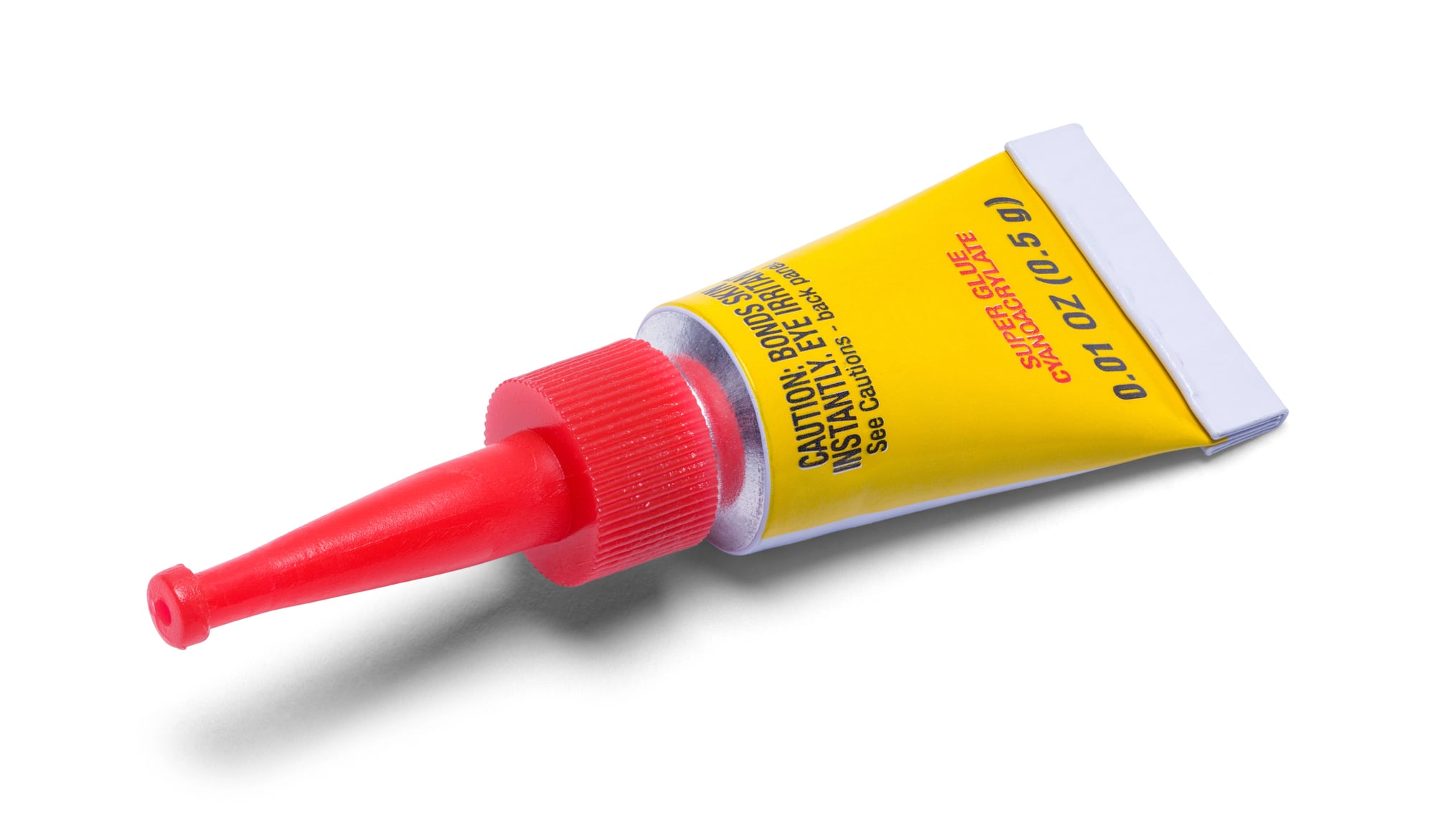
Harry Coover was trying to develop clear plastic gun sights for the military during World War II when he created a substance called cyanoacrylate. The stuff stuck to everything it touched and ruined his equipment, so he abandoned it.
Years later, he was working on heat-resistant materials for jet canopies and rediscovered the same compound. This time, he realized how strong and fast-acting it was.
Super Glue hit the market in 1958, and now people use it to fix everything from broken dishes to split fingernails. What seemed like a failed experiment became one of the most powerful adhesives available.
Post-it flags
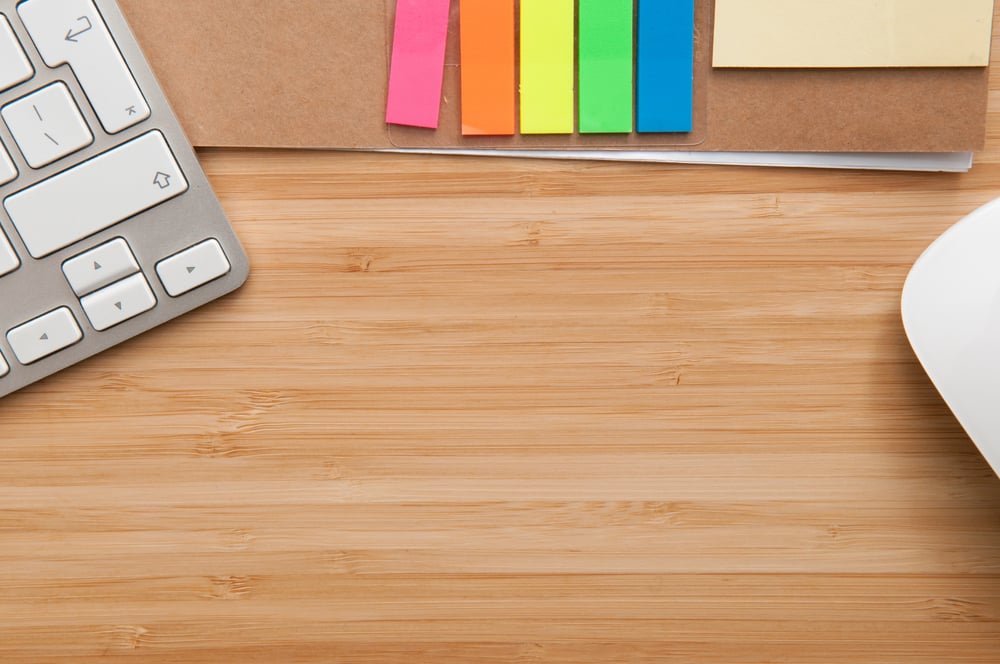
These little colored tabs that stick out from the edges of books and documents came from the same accident that gave us Post-It Notes. Once people started using those yellow sticky squares, they wanted smaller versions that could mark specific spots without covering text.
The company that made Post-Its developed these narrow strips with the same weak adhesive on one end. Students, lawyers, and office workers immediately found them useful for highlighting important pages or organizing materials.
Now they’re everywhere, and most people don’t realize they came from the same fortunate mistake.
Silly putty
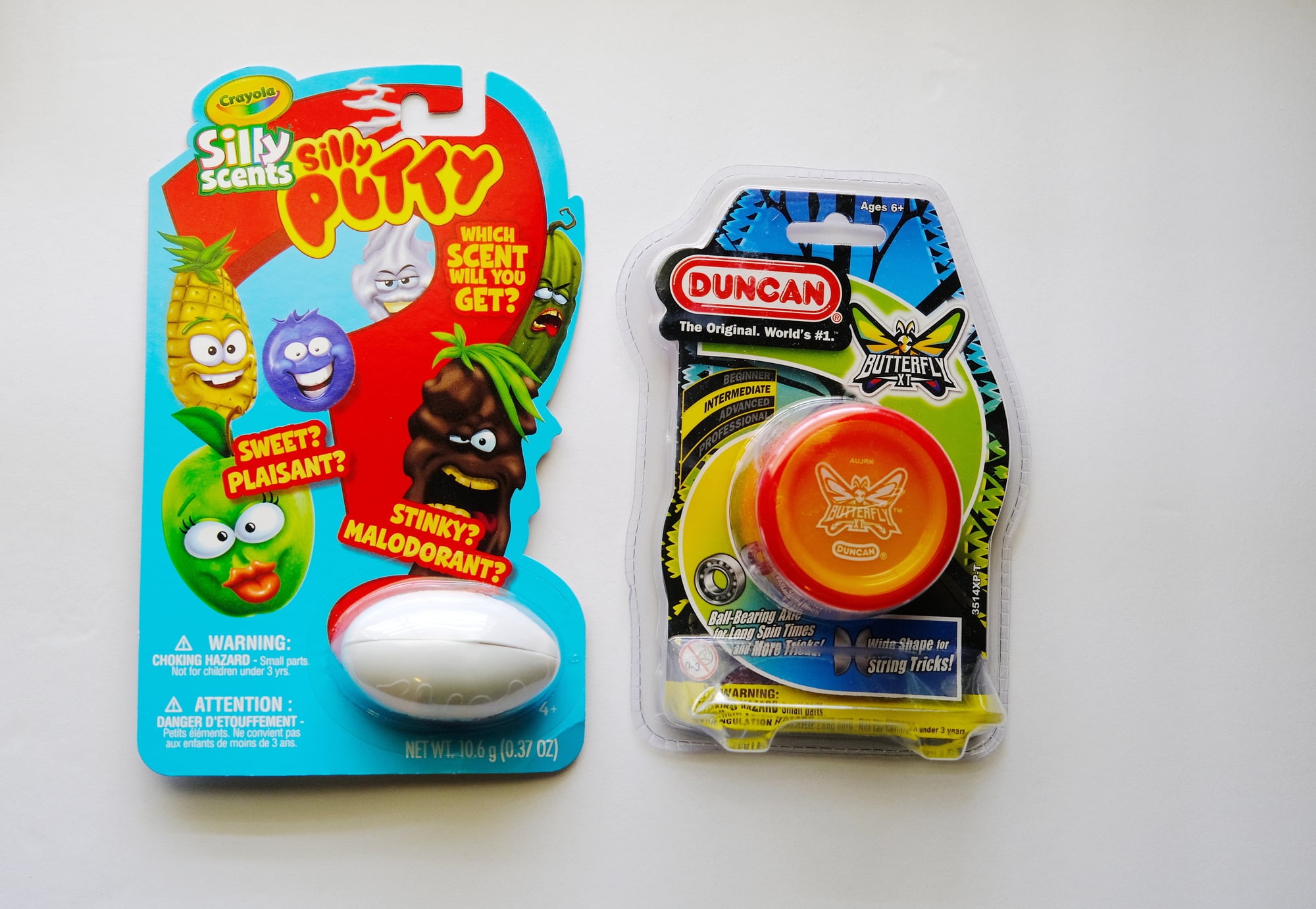
During World War II, the United States needed a cheap substitute for rubber because supplies from Asia were cut off. James Wright, an engineer working for General Electric, mixed boric acid and silicone oil together and created a strange, bouncy substance that stretched like candy and bounced higher than rubber.
It couldn’t replace rubber in practical applications, but it was fun to play with. A toy store owner saw potential, packaged it in plastic eggs, and marketed it as Silly Putty.
Kids loved it, adults used it to lift newsprint off paper, and astronauts even took it to space. A failed rubber substitute became a toy box staple.
Vaseline
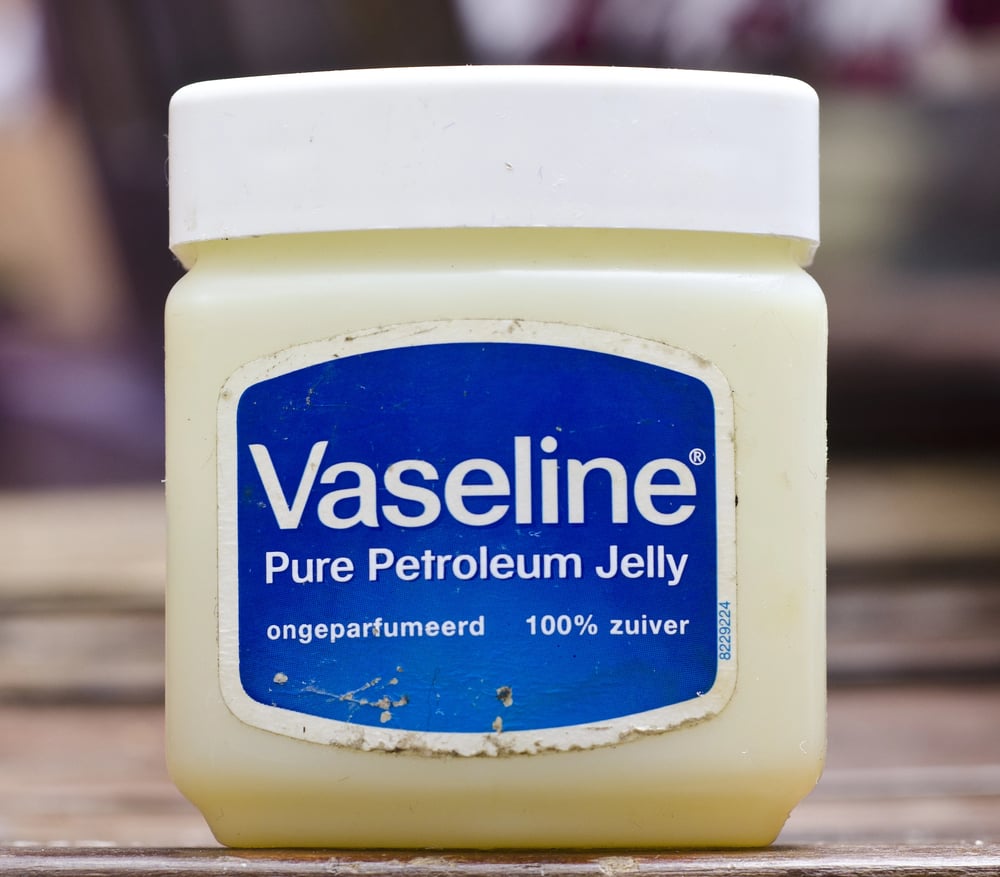
Robert Chesebrough was visiting oil fields in Pennsylvania in 1859 when he noticed workers scraping a waxy residue off drilling equipment and using it to heal cuts and burns. He collected samples, refined the gunk in his lab, and created a clear jelly he called petroleum jelly.
Chesebrough was so confident in his product that he gave himself cuts and burns, then treated them with his invention to prove it worked. Vaseline became a household name, and people still use it for dry skin, minor wounds, and dozens of other purposes.
One man’s curiosity about oil rig sludge changed skincare forever.
Wheeled luggage
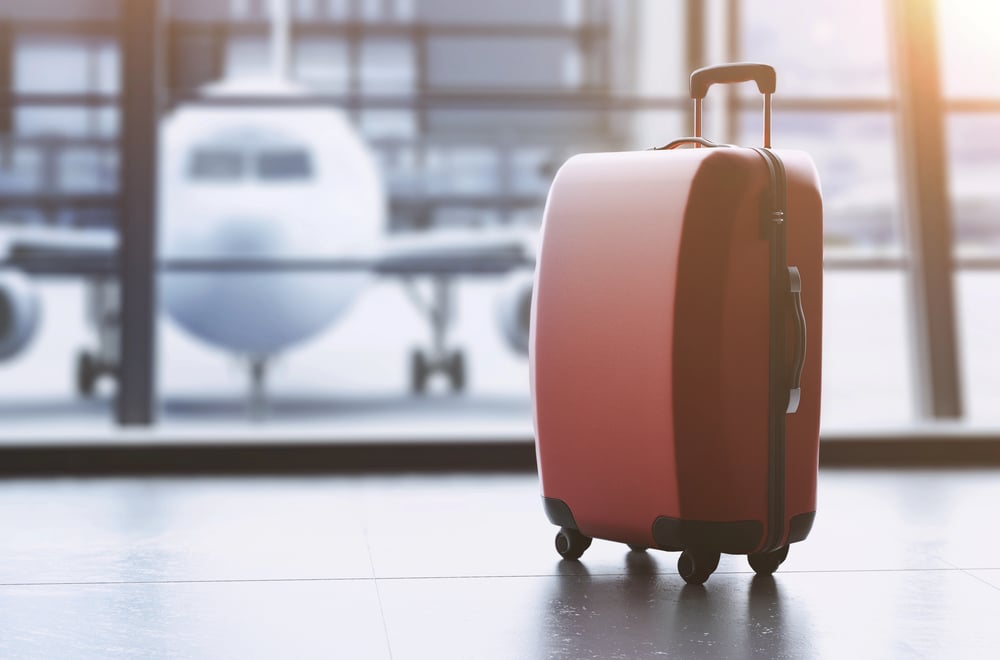
People lugged heavy suitcases through airports for decades before anyone thought to add wheels. Bernard Sadow watched workers roll heavy machinery on wheeled skids in 1970 and had an obvious realization.
He attached four wheels to a suitcase, added a strap, and pitched it to luggage companies. Most rejected the idea, thinking customers would find it gimmicky or undignified.
One department store took a chance, and wheeled luggage slowly caught on. Now rolling a suitcase through an airport is standard, and anyone carrying luggage by hand looks either stubborn or unprepared.
Safety pins
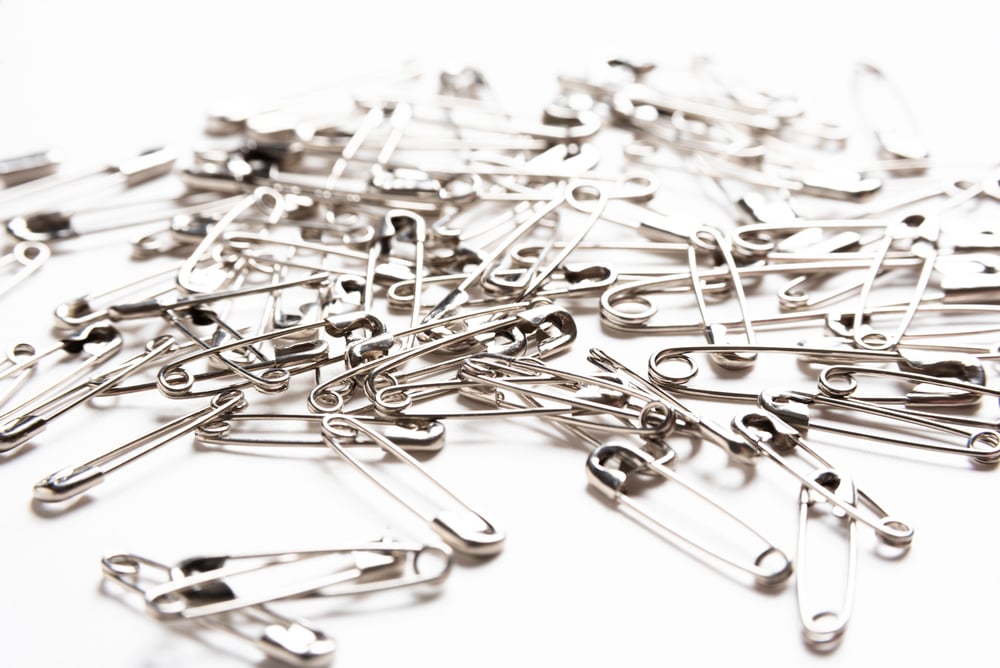
Walter Hunt needed to pay off a debt in 1849, and he spent three hours twisting and bending a piece of wire until he created a pin that would spring closed and cover its sharp point. He patented the safety pin, sold the rights for 400 dollars to pay his debt, and moved on.
The buyer made a fortune. Safety pins became essential for parents dealing with cloth diapers, tailors making quick adjustments, and anyone who needed to temporarily hold fabric together.
Hunt’s three-hour invention is still used exactly the way he designed it more than 170 years ago.
Chocolate chip cookies
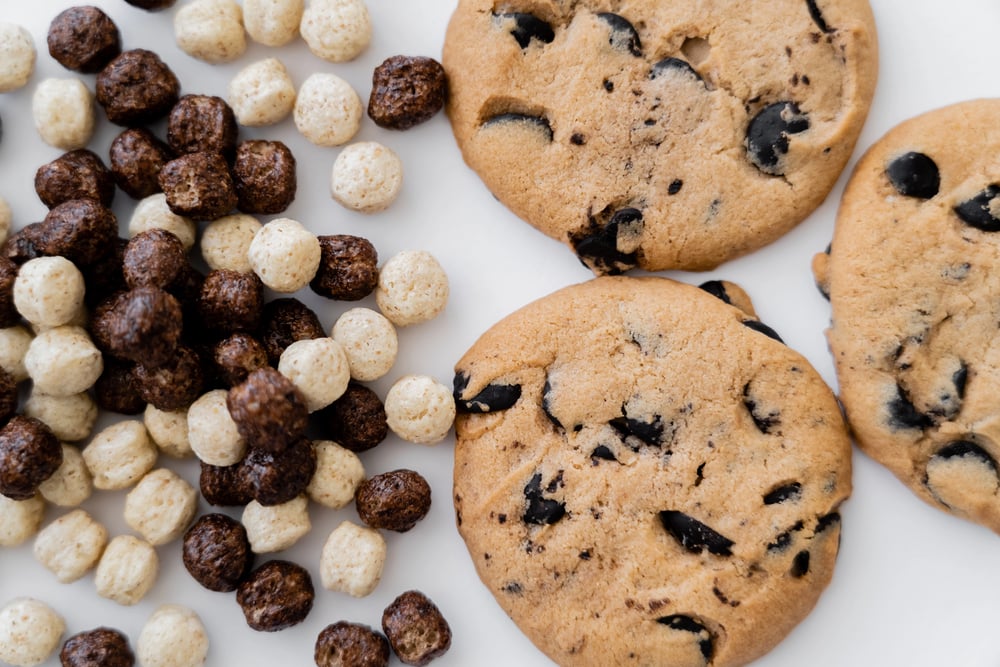
Ruth Wakefield cooked at the Toll House Inn in Massachusetts. Back in 1938, her plan was chocolate cookies.
A chunked-up bar of semi-sweet chocolate went into the mix – she figured it would blend in smooth, just like regular baking chocolate. That didn’t happen.
The pieces stayed put, forming little bursts of gooey richness. People who stayed there couldn’t get enough.
Out of nowhere, Wakefield made an agreement with Nestle. Her attempt at ordinary chocolate cookies took a surprising turn.
What came next wasn’t planned – just a mix-up that led to a treat many now look forward to. The result? A favorite across America, born by accident.
Frisbees
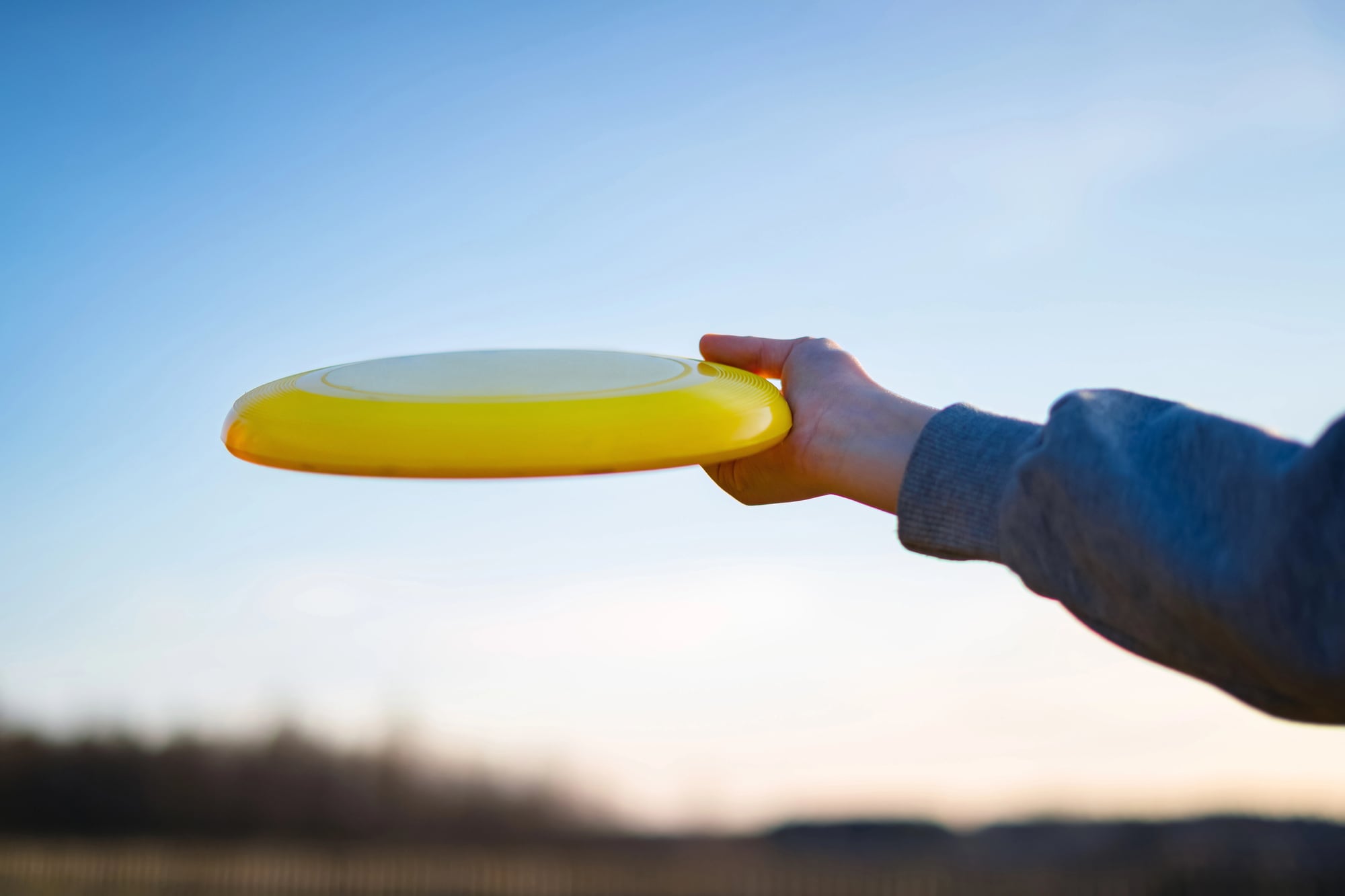
Empty pie containers once flew across Yale lawns when students shouted “Frisbie!” to alert others. A man named Walter Morrison noticed those metal throws and believed he could improve them.
His idea took shape as a sleeker object made from plastic, shaped for smooth flight. That invention caught the eye of Wammo, who rebranded it under a new name: Frisbee.
Today, open fields echo with laughter as discs spin through air – rooted in playful moments where dessert packaging became sport.
How strange ideas stick around

Who would have guessed that glue which barely sticks could turn into a desk essential? A cook’s kitchen mistake gave us sweet bits in dough nobody planned on.
When annoyance hits, sometimes brilliance sneaks through the back door. Odd little fixes tend to grow quiet importance over time.
Years pass before anyone notices they’re using it every single day. One morning, life just feels incomplete without it.
More from Go2Tutors!

- The Romanov Crown Jewels and Their Tragic Fate
- 13 Historical Mysteries That Science Still Can’t Solve
- Famous Hoaxes That Fooled the World for Years
- 15 Child Stars with Tragic Adult Lives
- 16 Famous Jewelry Pieces in History
Like Go2Tutors’s content? Follow us on MSN.



