Longest Words in the World and Their Meanings
Every language seems to have that one word that makes people stop mid-sentence and ask, “Wait, what?” English is no exception.
Some words stretch so long they feel like entire sentences crammed into a single breath. Others pack so much technical precision into their syllables that you need a dictionary just to understand what field they belong to.
These linguistic giants exist for reasons both practical and playful — and they reveal something fascinating about how humans use language when they really need to be specific.
Pneumonoultramicroscopicsilicovolcanoconiosys

This 45-letter monster holds the unofficial title of longest word in English. It describes a lung disease caused by inhaling very fine silicate or quartz dust.
The word was deliberately constructed to be long — a kind of linguistic showboating that medical professionals rarely use in practice. They prefer “silicosis.”
Much shorter, equally clear.
Supercalifragilisticexpialidocious

Mary Poppins made this 34-letter nonsense word famous, but it predates the 1964 film. The Sherman Brothers, who wrote the movie’s songs, claimed they invented it during childhood to have something fantastical to say when they had nothing else.
According to the song, it means something wonderful or extraordinary — though the word itself admits to being somewhat atrocious.
Floccinaucinihilipilification

At 29 letters, this word means the action of estimating something as worthless. It’s built from four Latin words that all mean “nothing” or “trifle” — flocci, nauci, nihili, and pili — with the suffix “-fication” tacked on.
And here’s the thing that makes it almost too perfect: most people would consider the act of memorizing this word to be exactly what it describes.
Antidisestablishmentarianism

This 28-letter word carries surprising political weight. It describes opposition to the disestablishment of the Church of England — essentially, supporting the idea that the Anglican Church should remain the official state church.
The word peaked in relevance during 19th-century British politics, though it still appears whenever someone needs an example of an absurdly long English word (which happens more often than you’d expect, and usually in contexts that have nothing whatsoever to do with Anglican theology, because people love trotting out impressive vocabulary even when — especially when — the situation doesn’t call for it).
But it’s real vocabulary. Still gets used.
Hippopotomonstrosesquippedaliophobia

The irony runs deep with this one. It’s a 36-letter word that means the fear of long words.
Someone with a genuinely playful sense of humor constructed this term, because forcing people to confront their fear by pronouncing its name feels like psychological exposure therapy with a wicked grin.
Anyone dealing with this phobia faces a cruel choice: describe their condition using the very thing that terrifies them, or resort to clunky explanations that never quite capture the specific dread of encountering linguistic behemoths in the wild.
Pneumonultramicroscopicsilicovolcanoconiosis

This is the medically accepted version of that 45-letter lung disease word mentioned earlier, coming in at 45 letters with the spelling Pneumonoultramicroscopicsilicovolcanoconiosis (note the double ‘o’ after pneumon).
It appears in medical dictionaries and was coined specifically to be the longest word in English. The condition itself is real — coal miners and construction workers can develop it from prolonged dust exposure — but most doctors just say “silicosis” and move on with their day.
Lopadotemachoselachogaleokranioleipsanodrimhypotrimmatosilphioparaomelitokatakechymenokichlepikossyphophattoperisteralektryonoptekephalliokigklopeleiolagoiosiraiobaphetraganopterygon

At 183 letters, this Greek word from Aristophanes’ comedy “Assemblywomen” describes a fictional dish made from various meats and other ingredients. It’s essentially an ancient joke about culinary excess — a word so long it becomes a parody of itself.
The play dates to 391 BCE, making this possibly the oldest recorded attempt at creating the world’s longest word for comedic effect.
Aristophanes knew exactly what he was doing. Comic timing.
Methionylthreonylthreonylglutaminylalanyl…isoleucine

This chemical name for the protein titin stretches to 189,819 letters when written out completely. It takes over three hours to pronounce in full.
The name describes the exact sequence of amino acids in the largest known protein found in human muscle tissue. Scientists don’t actually use the full name — they just call it “titin” and get on with their research.
Aequeosalinocalcalinoceraceoaluminosocupreovitriolic

This 52-letter word was coined by Dr. Edward Strother in 1707 to describe the spa waters at Bath, England. It lists all the minerals present in the water: equal parts of salt, lime, chalk, alum, copper, nitre, and iron.
The word never caught on for obvious reasons. “Mineral water” worked fine for most purposes.
Osseocarnisanguineoviscericartilagininervomedullary
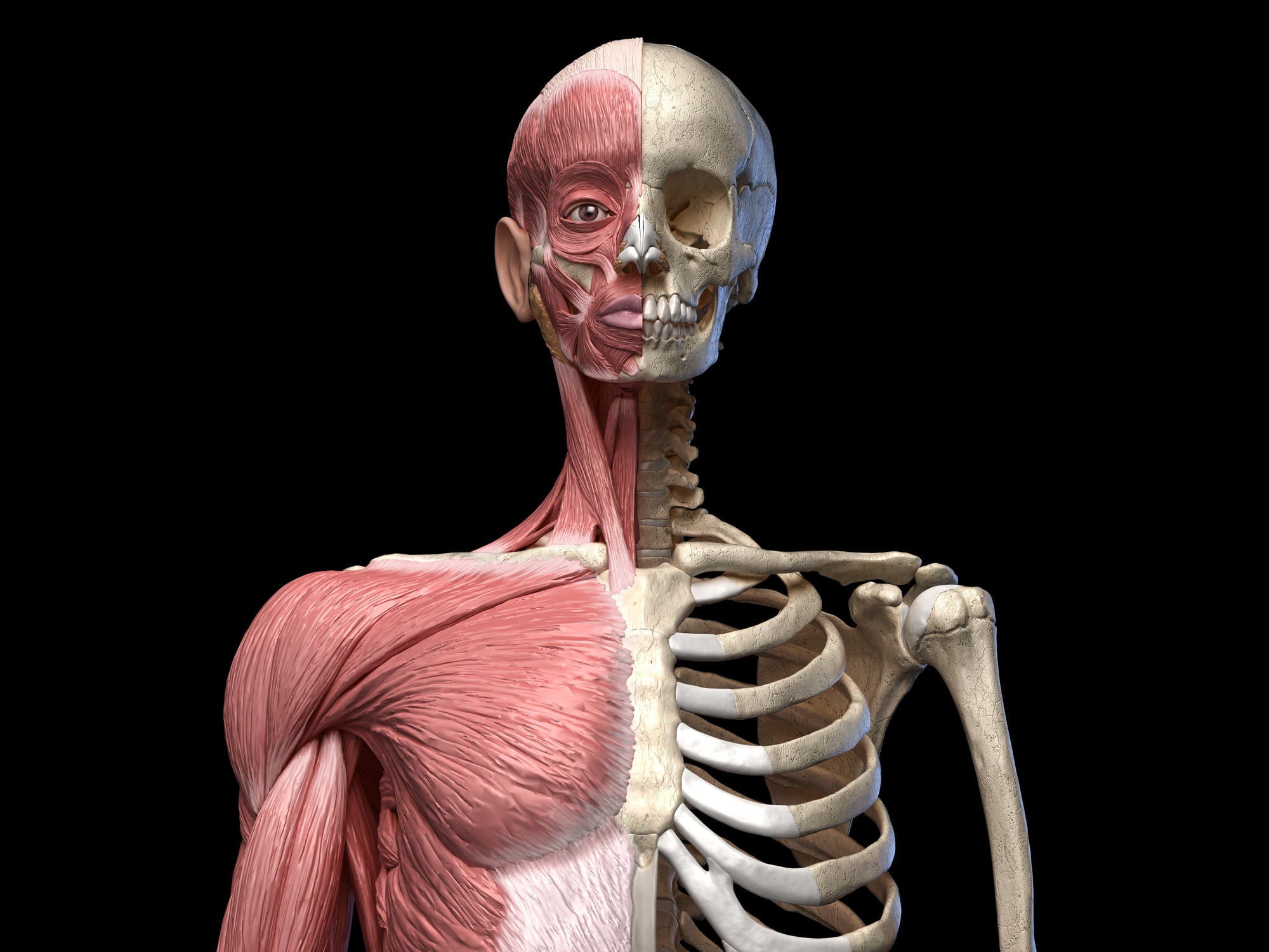
Another 51-letter medical term, this one describes the structure of the human body by listing its components: bone, flesh, blood, viscera, cartilage, nerve, and marrow.
It appeared in medical texts during the 17th century when physicians seemed to enjoy cramming entire anatomical inventories into single words. Modern medicine prefers “musculoskeletal system” and similar terms that don’t require a lunch break to pronounce.
Thyroparathyroidectomized
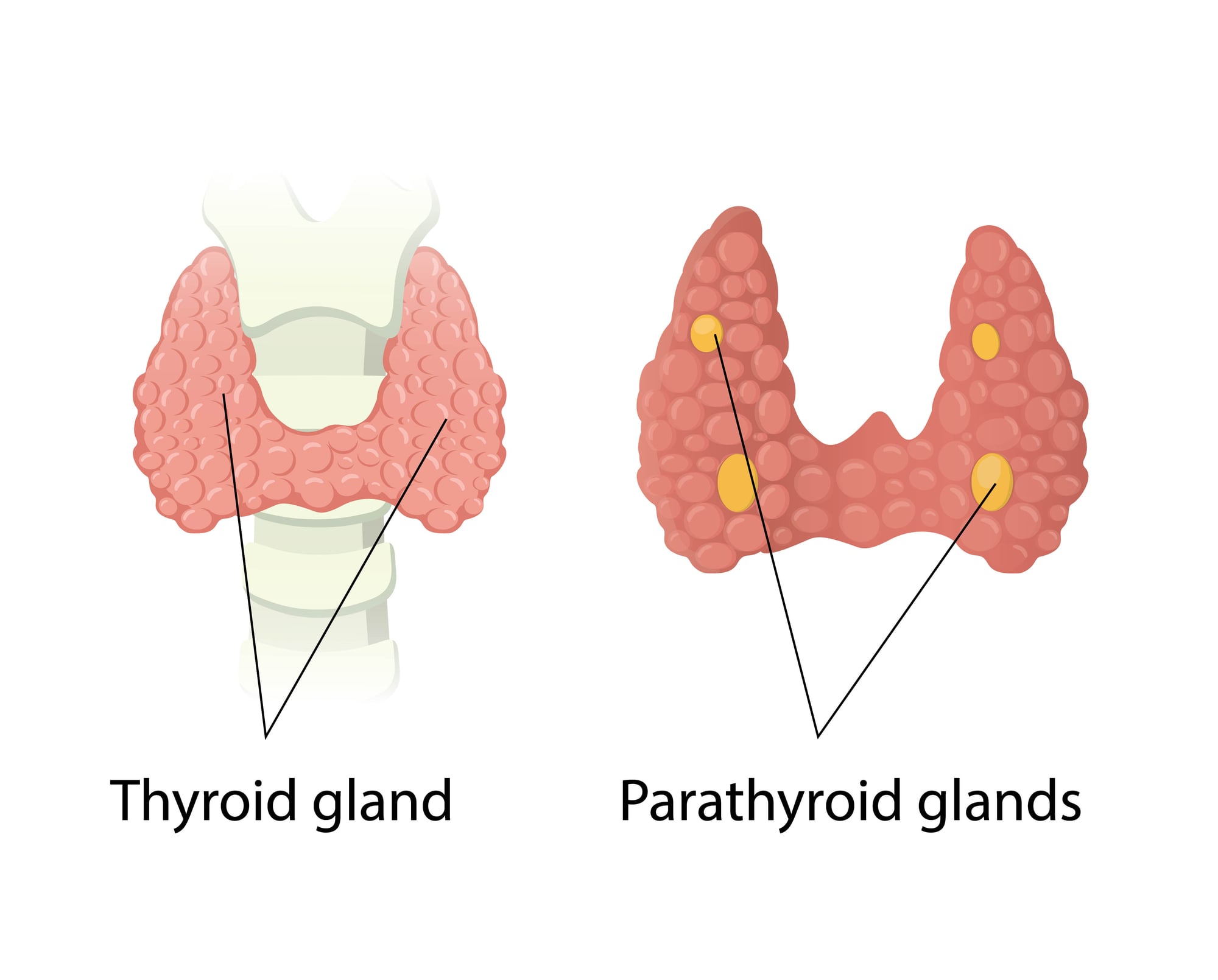
This 25-letter medical term describes someone who has had their thyroid and parathyroid glands surgically removed (and if that seems like it should involve more syllables given what’s happening to your endocrine system, well, medical terminology has always been more about precision than poetry).
The word appears in endocrinology textbooks and surgical notes, though surgeons typically use shorter phrases when explaining procedures to patients. But the term serves its purpose: it tells other medical professionals exactly which glands were removed in a single word, leaving no room for confusion about what happened during the operation.
Radioimmunoelectrophoresis

At 26 letters, this term describes a laboratory technique that combines radioactive isotopes, immune reactions, and electrical fields to analyze proteins. It’s a mouthful, but each part of the word tells laboratory technicians exactly what equipment and procedures they’ll need.
The technique was groundbreaking in the 1960s for detecting specific proteins in blood samples.
Spectrophotofluorometrically

This 28-letter adverb describes how something is done using a spectrophotofluorometer — an instrument that measures fluorescent light emitted by chemical samples. Chemistry labs use this equipment regularly, and the word appears in research papers whenever scientists need to specify their measurement method.
It’s technical precision disguised as linguistic excess.
Tetraiodophenolphthaleinblaunatriumsalz

This 37-letter German word describes a specific chemical compound used as an indicator in chemistry. German allows compound words to grow to impressive lengths, and chemical terminology takes full advantage.
The word breaks down into recognizable parts for anyone familiar with chemical naming conventions, but it still requires careful pronunciation to get right.
When Words Become Their Own Geography
These linguistic giants occupy a strange space in human communication. They exist because sometimes precision demands them, and other times because someone couldn’t resist the challenge of pushing language to its absolute limits.
The medical terms serve real purposes — they pack complex meaning into standardized forms that professionals can use without ambiguity. The playful creations remind us that language belongs to everyone, not just the serious-minded.
Most of these words live quiet lives in specialized dictionaries and technical papers. They emerge during word games, trivia nights, and conversations about language itself.
Yet each one represents someone’s attempt to capture something specific about the world — whether it’s a rare lung condition, an ancient Greek feast, or the fear of encountering words exactly like these.
More from Go2Tutors!

- The Romanov Crown Jewels and Their Tragic Fate
- 13 Historical Mysteries That Science Still Can’t Solve
- Famous Hoaxes That Fooled the World for Years
- 15 Child Stars with Tragic Adult Lives
- 16 Famous Jewelry Pieces in History
Like Go2Tutors’s content? Follow us on MSN.



