17 Common Household Items With Hidden Purposes
Look around your home right now. That drawer full of random stuff, the medicine cabinet, even the kitchen junk drawer — they’re packed with items that do way more than what their packaging suggests.
Most people use these things for their obvious purpose and call it a day. But manufacturers often build in extra functionality that never makes it onto the label, either because it’s not the main selling point or because they assume you’ll figure it out on your own.
The thing is, most of us don’t figure it out. We stick to what we know, missing out on clever shortcuts and solutions that have been sitting right under our noses.
Some of these hidden features are genuinely useful, others are just satisfying to discover, and a few might actually save you money or time when you need it most.
Aluminum Foil Box
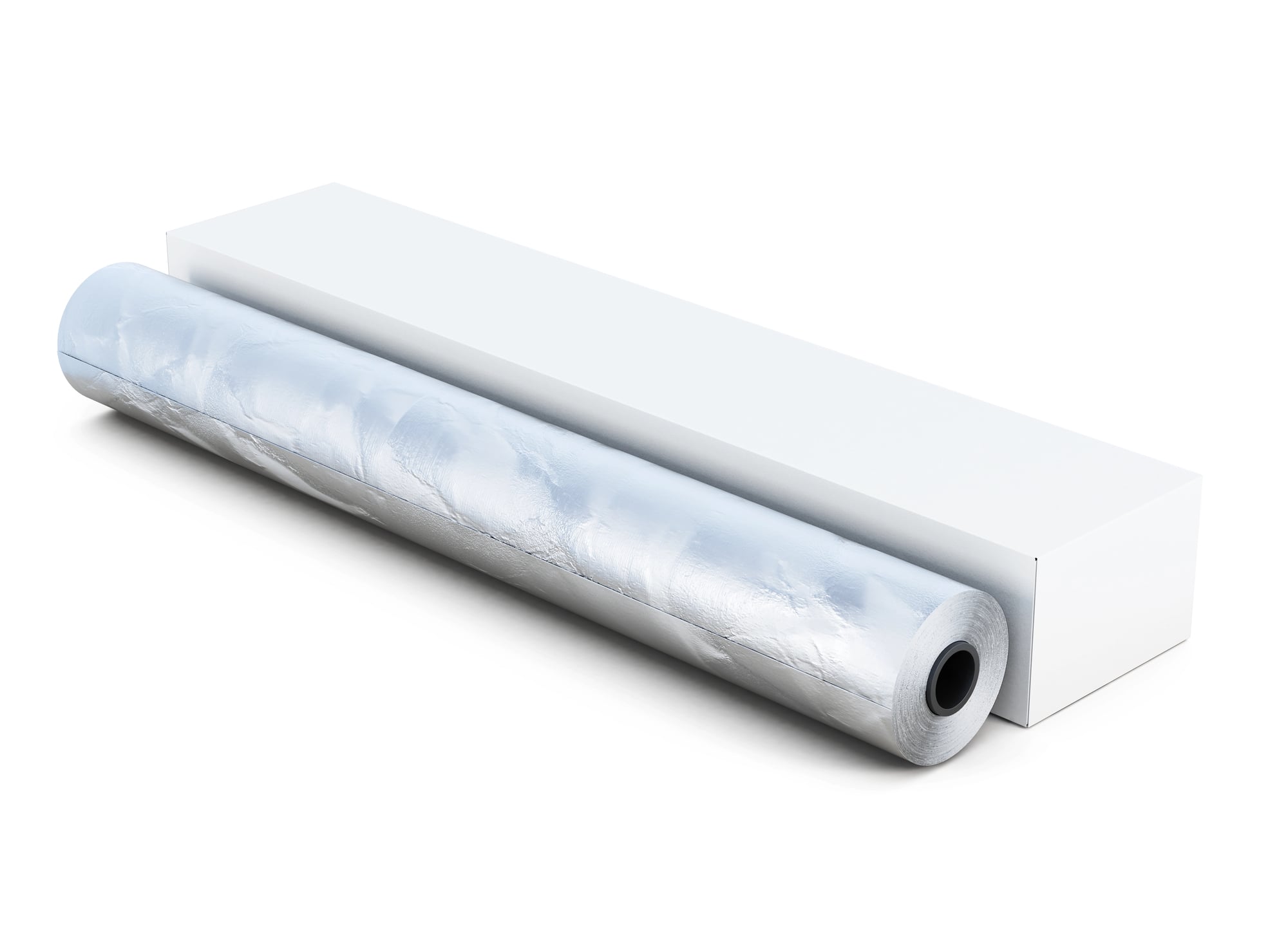
Those little tabs on the sides of your aluminum foil box aren’t decoration. Push them in.
They hold the roll in place so it doesn’t fly out when you’re trying to tear off a piece.
Most people wrestle with runaway foil rolls for years before stumbling onto this. The tabs work for plastic wrap and parchment paper boxes too.
Tic Tac Container
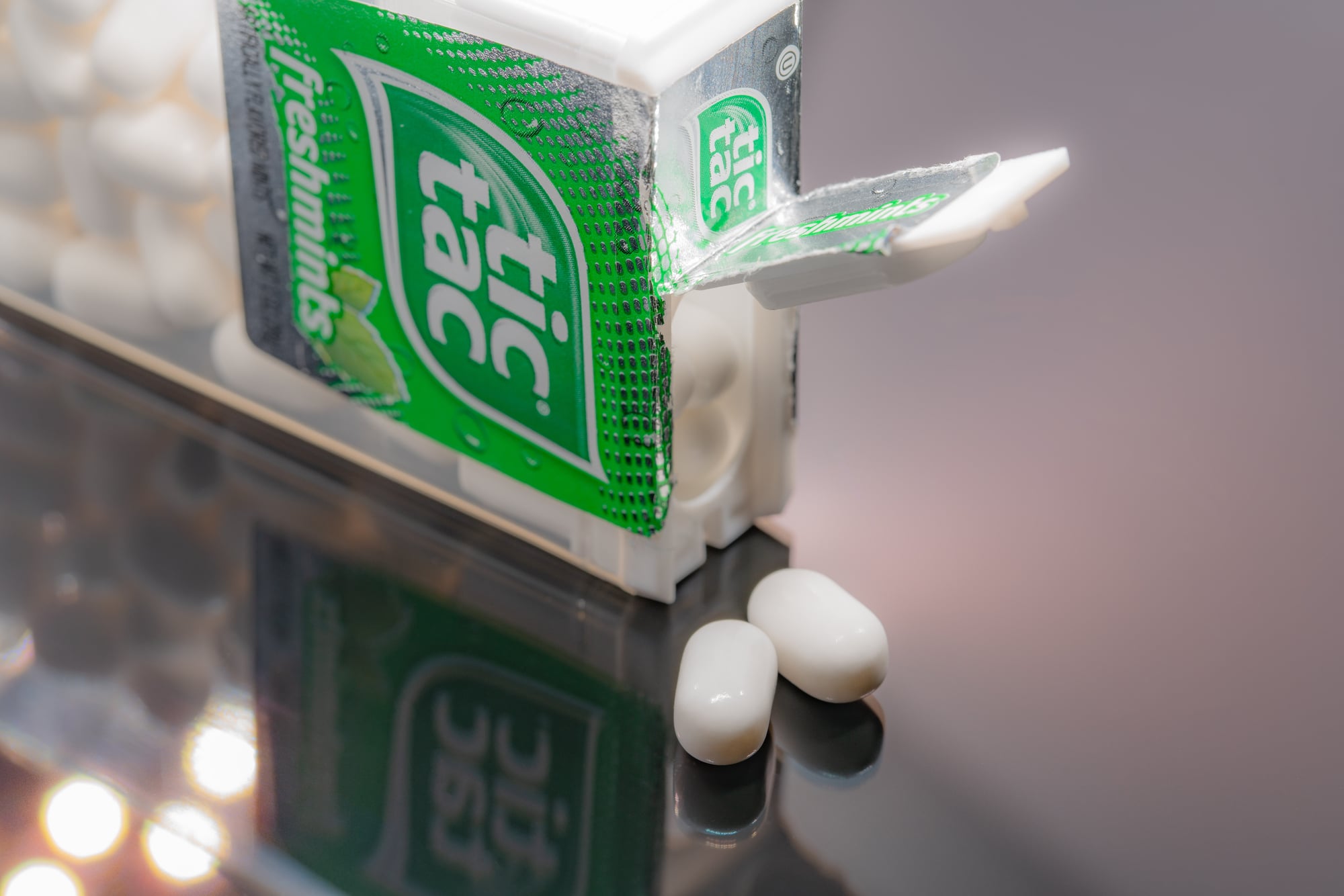
The small lid on a Tic Tac container has a purpose beyond just opening and closing. That little indent fits exactly one Tic Tac, which means you’re supposed to dispense them one at a time instead of shaking half the container into your palm.
This changes everything about portion control with mints, though most people (and let’s be honest, this includes pretty much everyone) will continue dumping them out anyway because waiting for one Tic Tac feels unreasonable when you want three.
Wooden Hangers
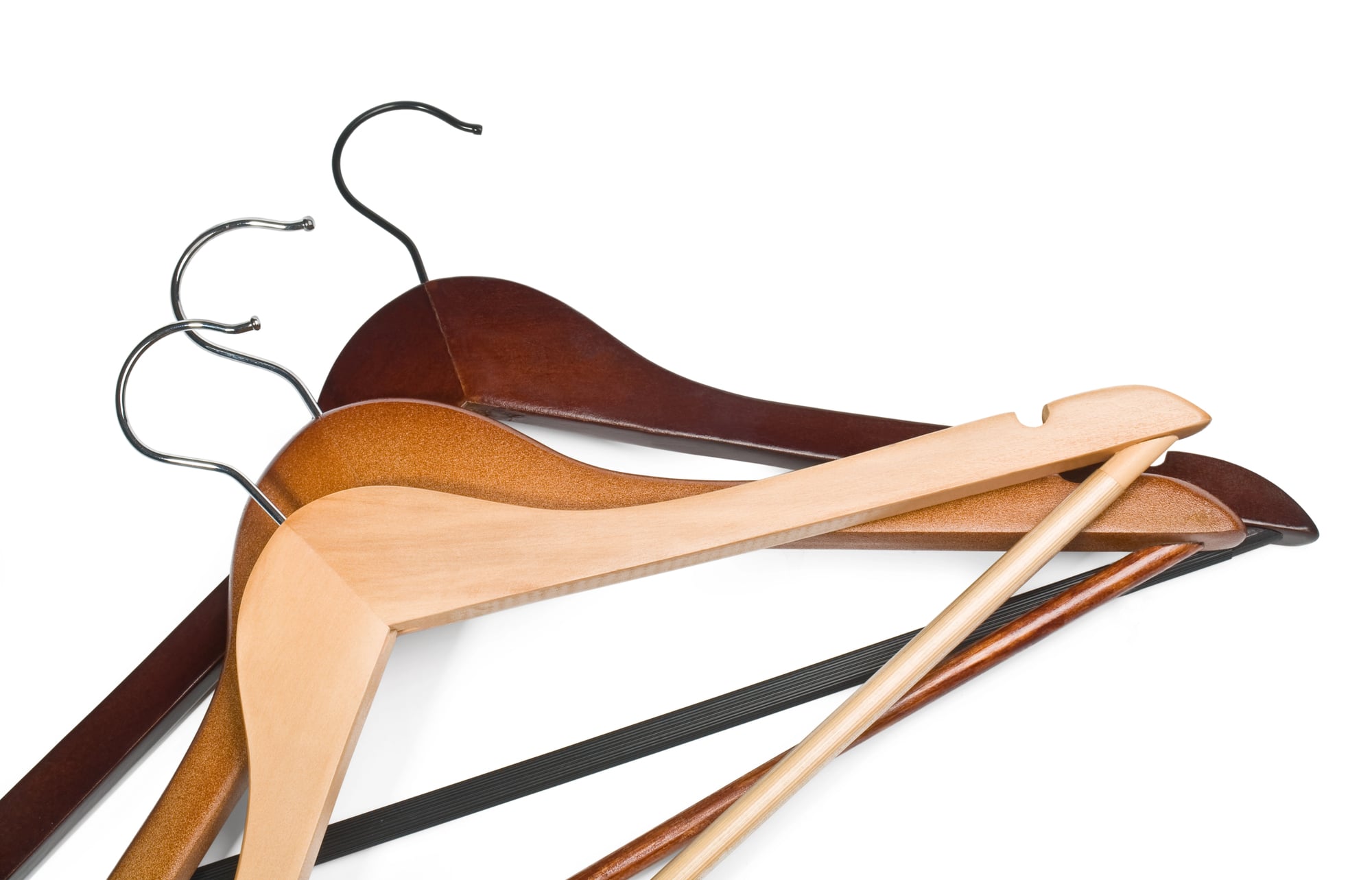
Cedar hangers aren’t just about keeping moths away — though they do that reasonably well. The wood naturally absorbs moisture from the air around your clothes, which means less humidity buildup in your closet and fewer wrinkles in hanging garments. And here’s something most people miss entirely: if you rub a cedar hanger along a wool sweater that’s gotten staticky, it neutralizes the charge without leaving residue the way dryer sheets sometimes do.
But the real surprise is this: those little notches carved into the sides of wooden hangers (the ones that look purely decorative) are actually designed to hold straps in place — tank tops, dresses with thin straps, anything that tends to slip off regular hangers. So your clothes stay put instead of ending up in a pile on the closet floor, which is where most strappy things seem to migrate regardless of how carefully you hang them.
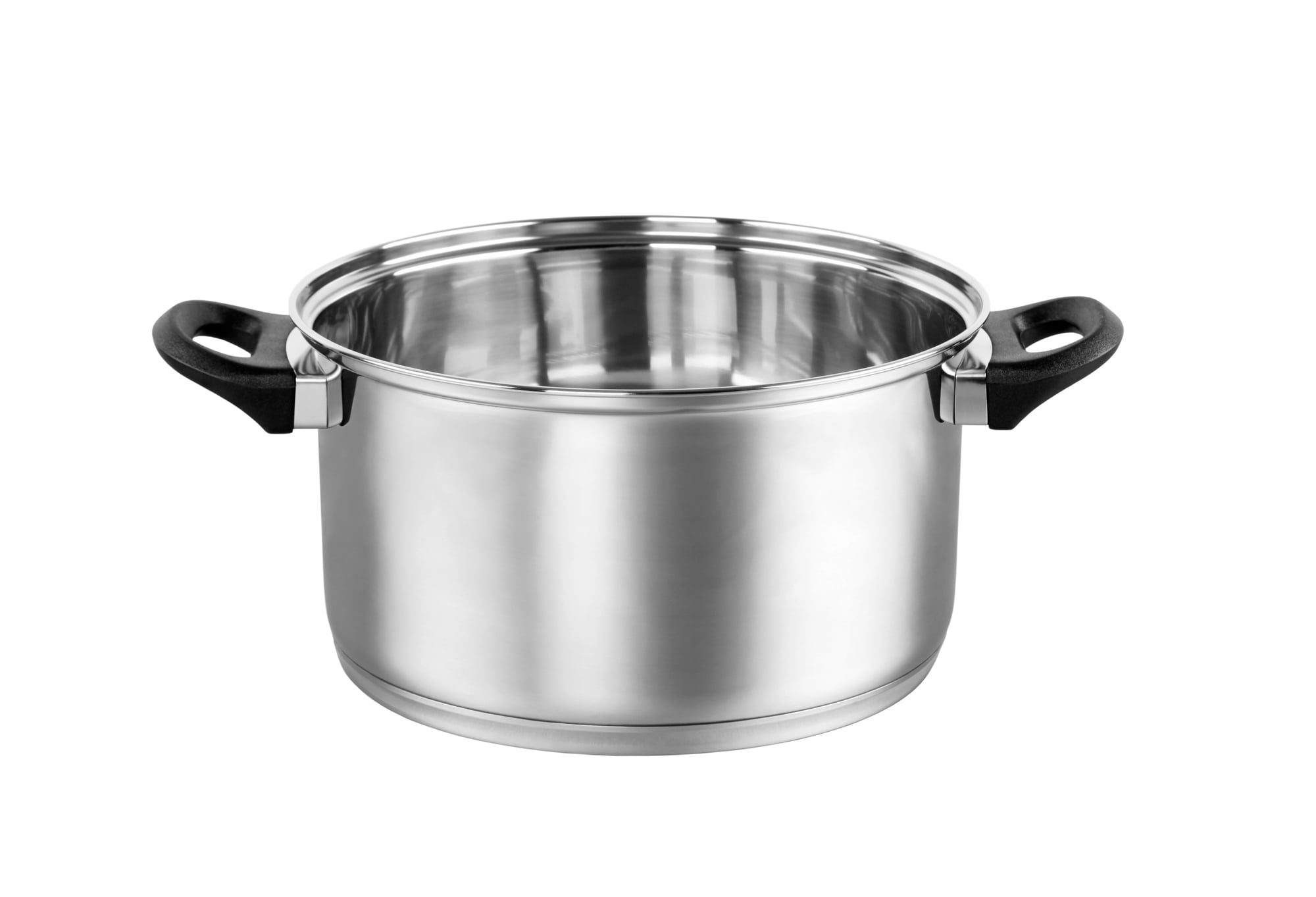
Pot Handles
The handle of your pasta spoon has measurement rounds. Different sized orbs correspond to different serving sizes of spaghetti — usually one, two, or four servings depending on the spoon.
No more guessing how much pasta to cook for dinner. Stick the dry noodles through the opening, and that’s your portion.
Keyboard Legs

Your computer keyboard has those little plastic legs that flip out from the back, and everyone assumes they’re for tilting the keyboard up toward your hands. That seems logical — better angle, more comfortable typing.
Turns out the opposite is true.
Ergonomists have been saying for years that tilting your keyboard up actually forces your wrists into an unnatural position and increases strain. The legs are there because that’s what people expect keyboards to have, not because it’s better for you.
Fair enough — sometimes design follows habit rather than function, and keyboard legs are basically a holdover from the typewriter era when the mechanics required that angle. Your wrists stay straighter and happier when the keyboard lies flat.
Jeans Pockets
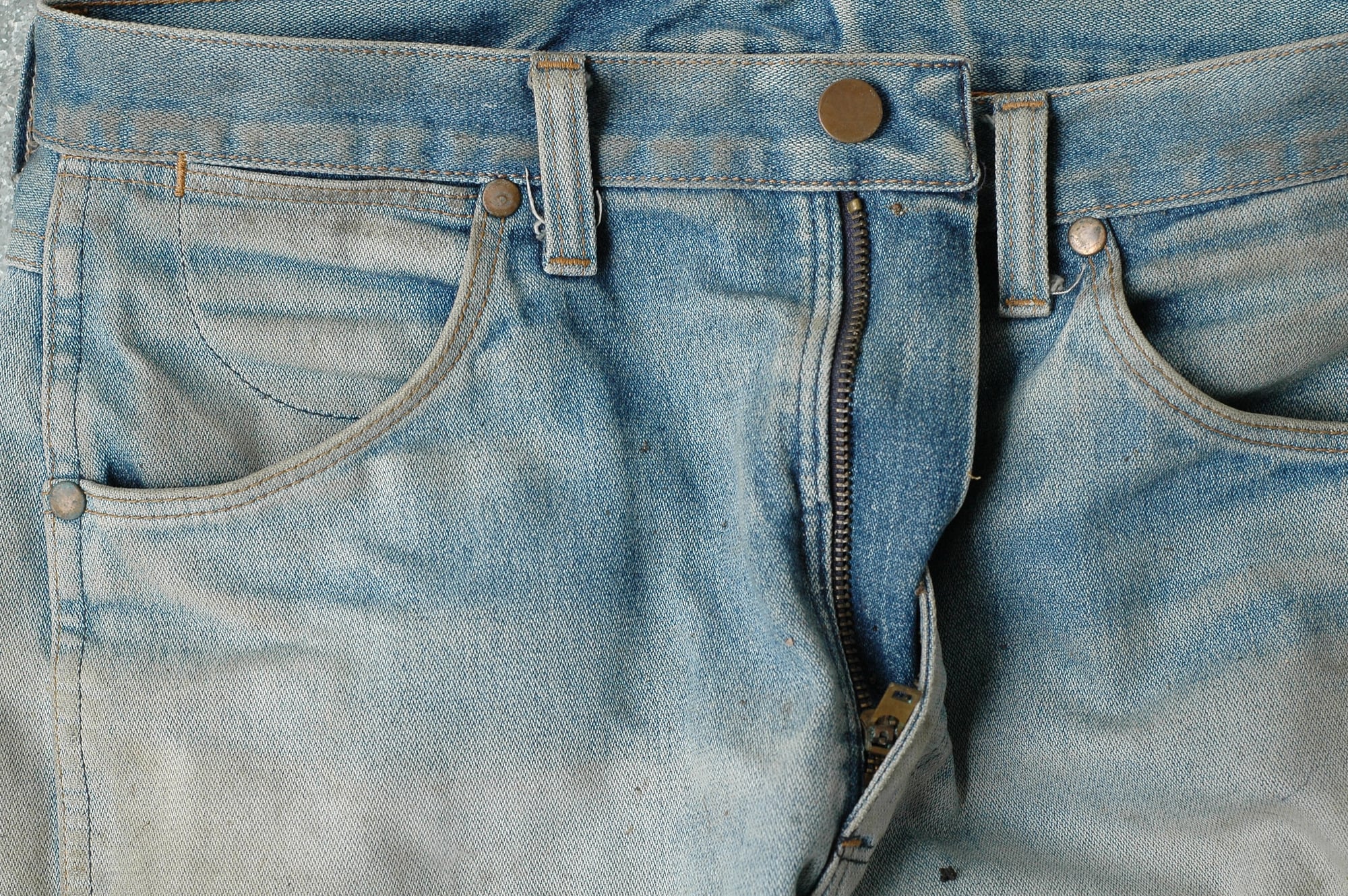
That tiny pocket inside your jeans pocket was originally designed for pocket watches. Obviously, nobody carries pocket watches anymore, but the pocket remains because it’s become part of the classic jean design.
These days it’s perfect for coins, earbuds, or anything small you don’t want floating around in your main pocket. Some people use it for cash they want to keep separate.
Wine Bottles
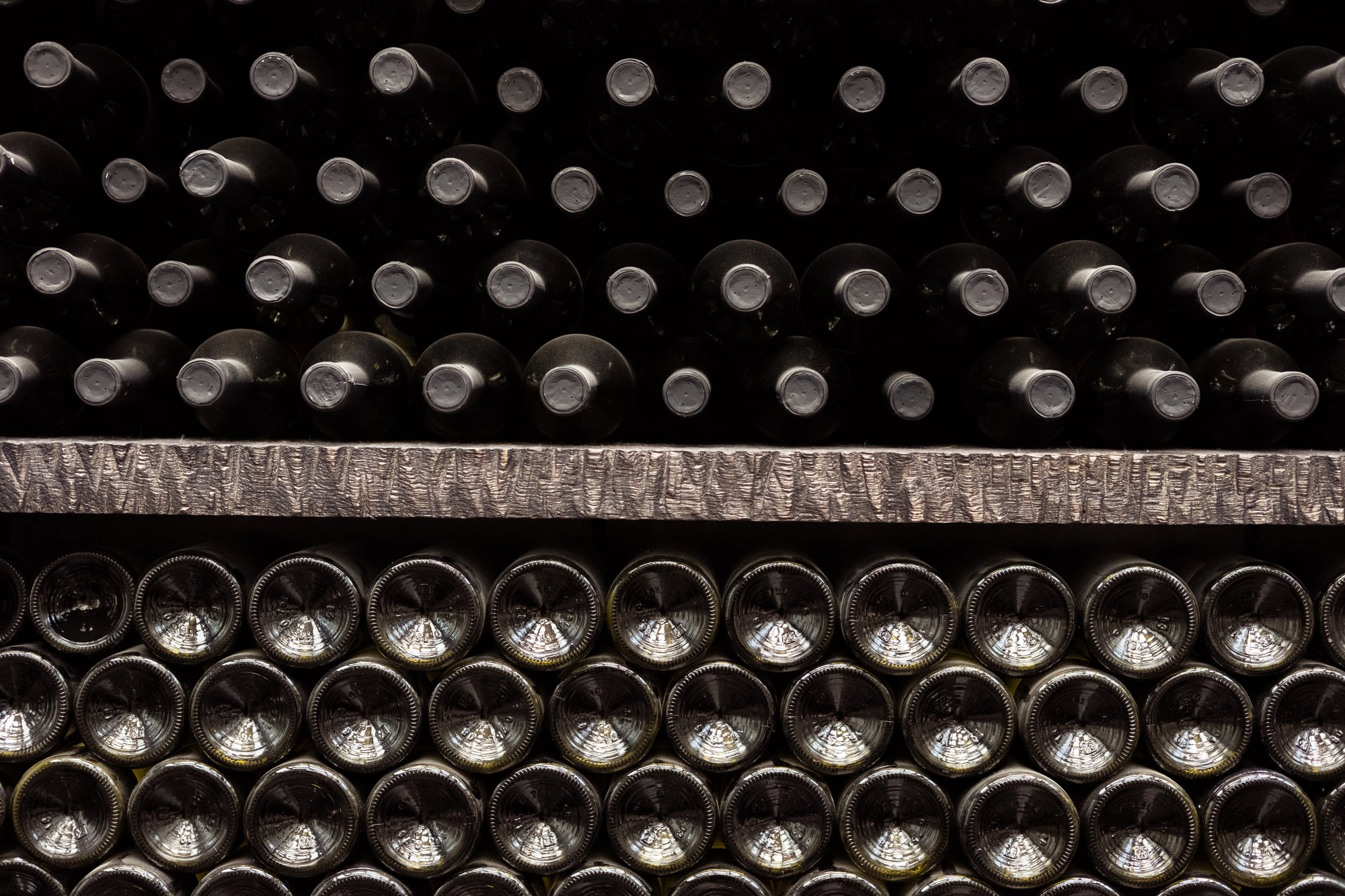
The indent at the bottom of wine bottles is called a punt, and it serves several purposes that have nothing to do with making the bottle look fancy. The punt adds structural strength to the glass — bottles with deeper punts can handle more pressure, which matters for sparkling wines that build up carbonation.
It also helps with pouring. When you hold the bottle properly (thumb in the punt, fingers spread along the side), you have better control and the wine flows more smoothly.
Sommeliers learn this technique early because it looks professional and actually works better than grabbing the neck of the bottle like most people do. The punt collects sediment in older wines too, keeping it away from the pour spout.
Toothpick Dispensers
The end of a wooden toothpick isn’t just pointed for picking food out of teeth. Break off the tip and use it as a tiny stand to keep the rest of the toothpick elevated off dirty surfaces.
This matters more than it sounds like it would. Restaurant tables, bar tops, picnic tables — none of these are places you want your toothpick rolling around before it goes back in your mouth.
Bobby Pins
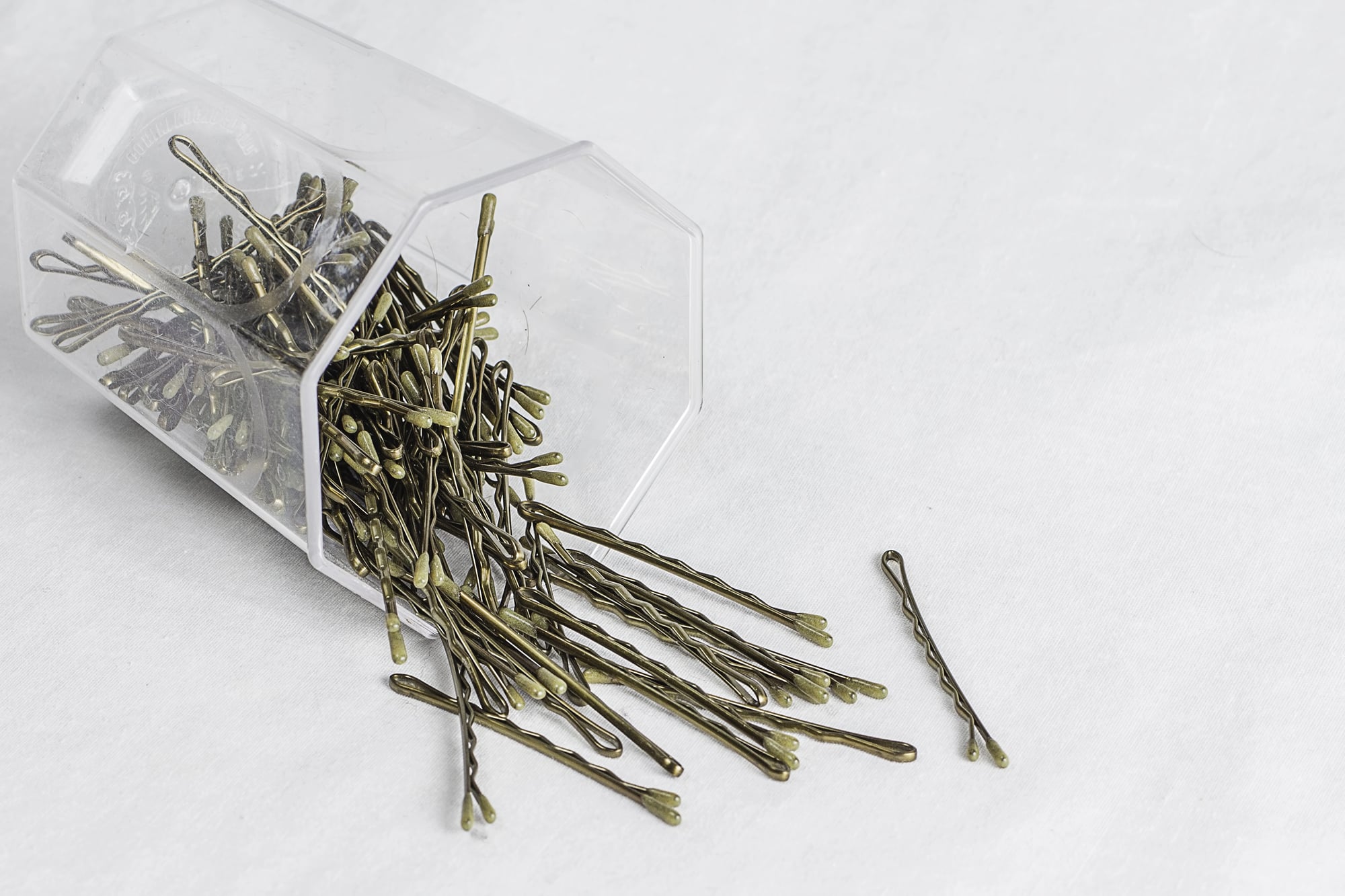
Bobby pins work better when the wavy side faces down toward your scalp, not up. The waves create friction that grips your hair, while the smooth side glides over other strands without catching.
Most people wear them backwards and wonder why their bobby pins slide out so easily. The waves do the work — let them.
Aluminum Cans
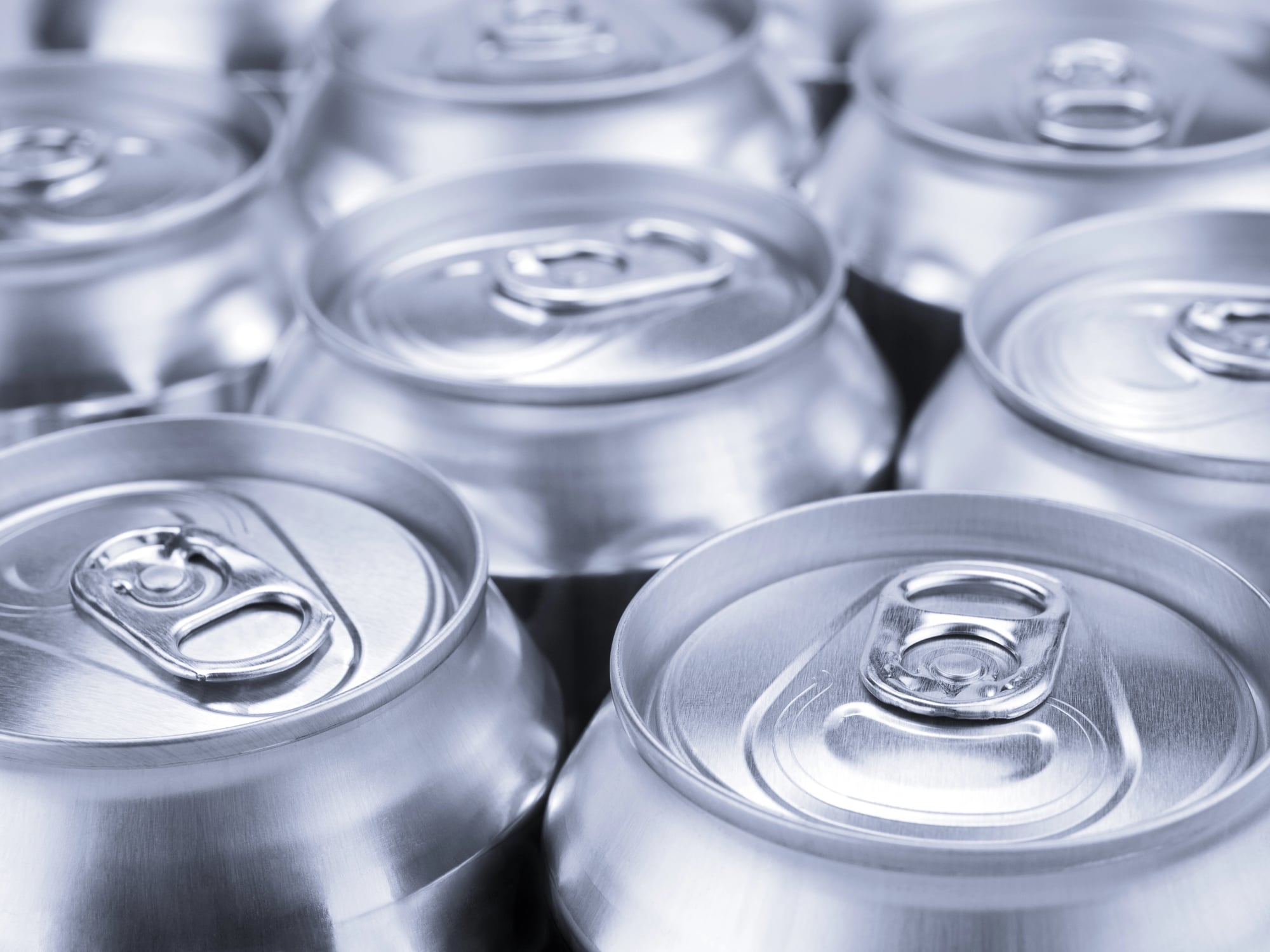
The tab on your soda can is engineered specifically to open the can by breaking through the sealed lid. While the tab’s shape and positioning may incidentally allow users to hold a straw after opening, this is not an intentional design feature for straw-holding.
Some people have discovered that rotating the tab after opening and positioning it over the opening can help stabilize a straw, but this is a user-discovered repurposing rather than hidden manufacturer functionality. The tab’s design focuses on the mechanics of opening the can safely and effectively, which it accomplishes through leverage and the precise thickness of the aluminum.
Canned beverages with straws remain best enjoyed by simply inserting the straw and holding it in place, which remains the most reliable method across different can designs.
Screwdrivers
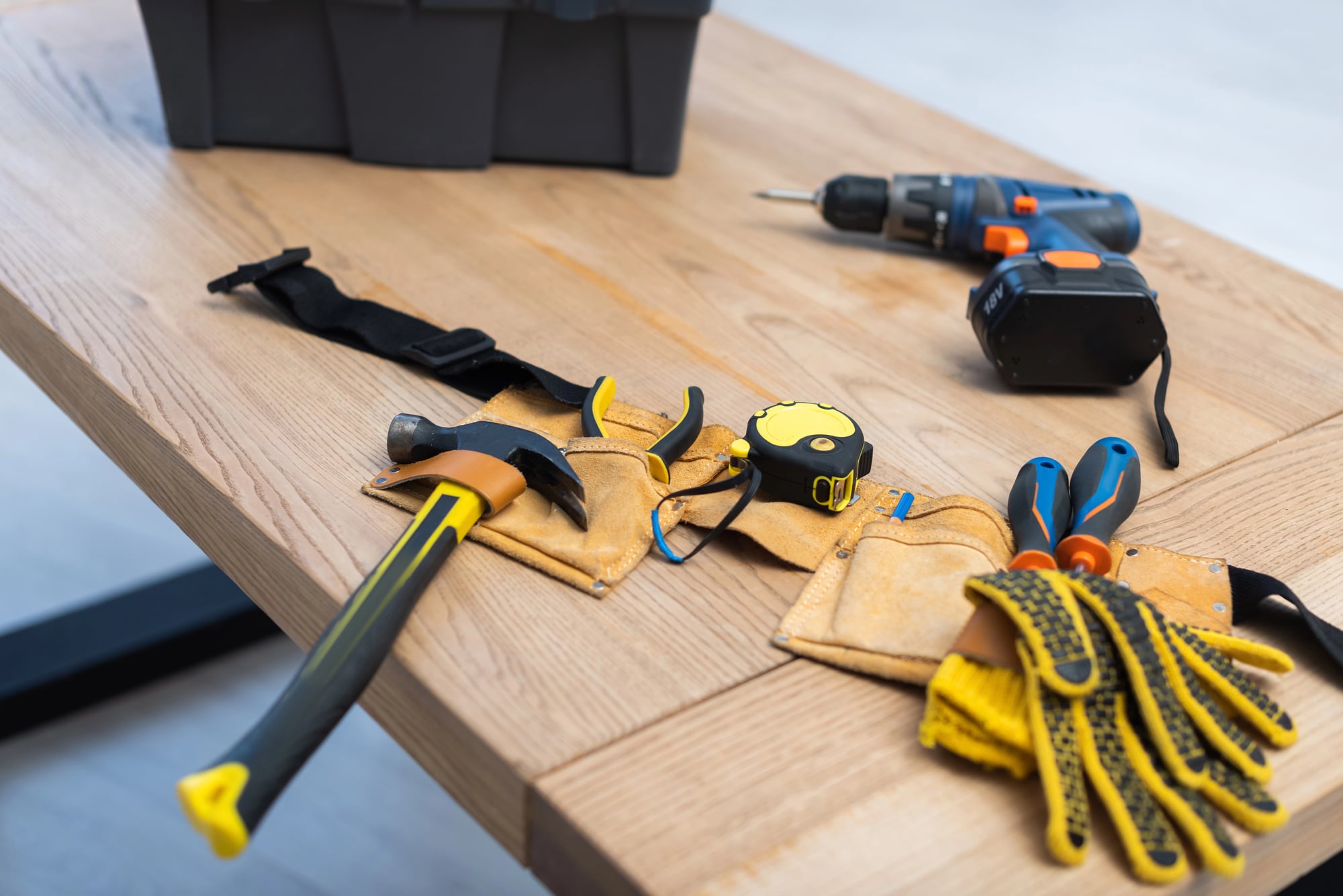
The shaft of most screwdrivers is designed to fit through the handle of an adjustable wrench, creating a T-shape that gives you significantly more torque when you’re dealing with stubborn screws. This turns your regular screwdriver into a much more powerful tool without requiring you to buy specialized equipment.
The technique works best with flathead screwdrivers, though some Phillips head drivers work too depending on their shaft diameter. And before anyone points it out — yes, this can damage cheaper screwdrivers if you apply too much pressure, but for most household tasks it’s perfectly safe and genuinely helpful.
Hardware stores don’t advertise this because they’d rather sell you a separate T-handle screwdriver, but the principle is exactly the same.
Staple Removers
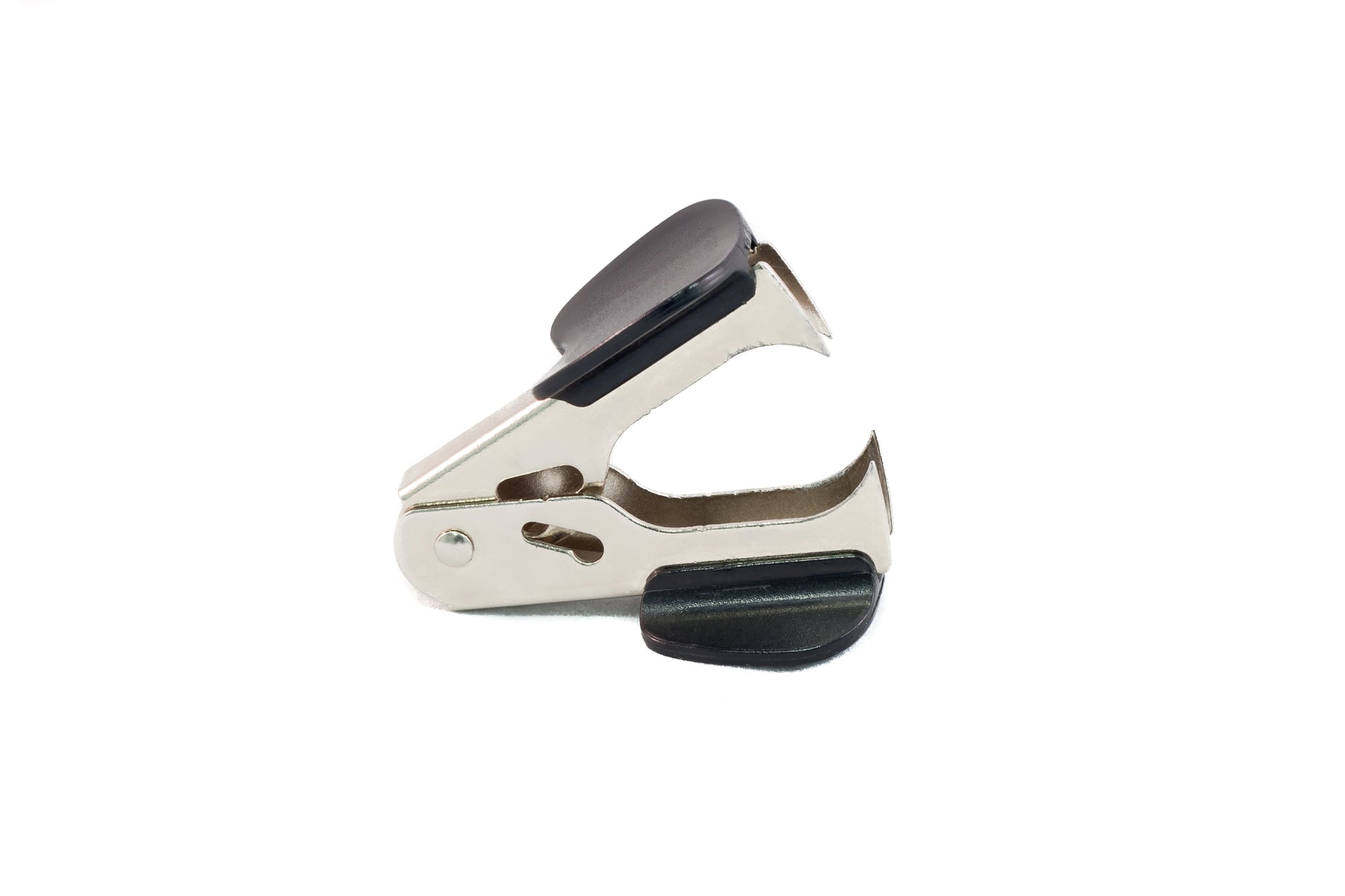
Those little metal staple removers with the two prongs work perfectly for separating key rings without destroying your fingernails. Slide the prongs into the gap where the key ring opens, then twist slightly to spread the opening wide enough to slide keys on or off.
Anyone who has ever tried to add a key to a tight key ring knows this is genuinely useful information.
Extension Cords
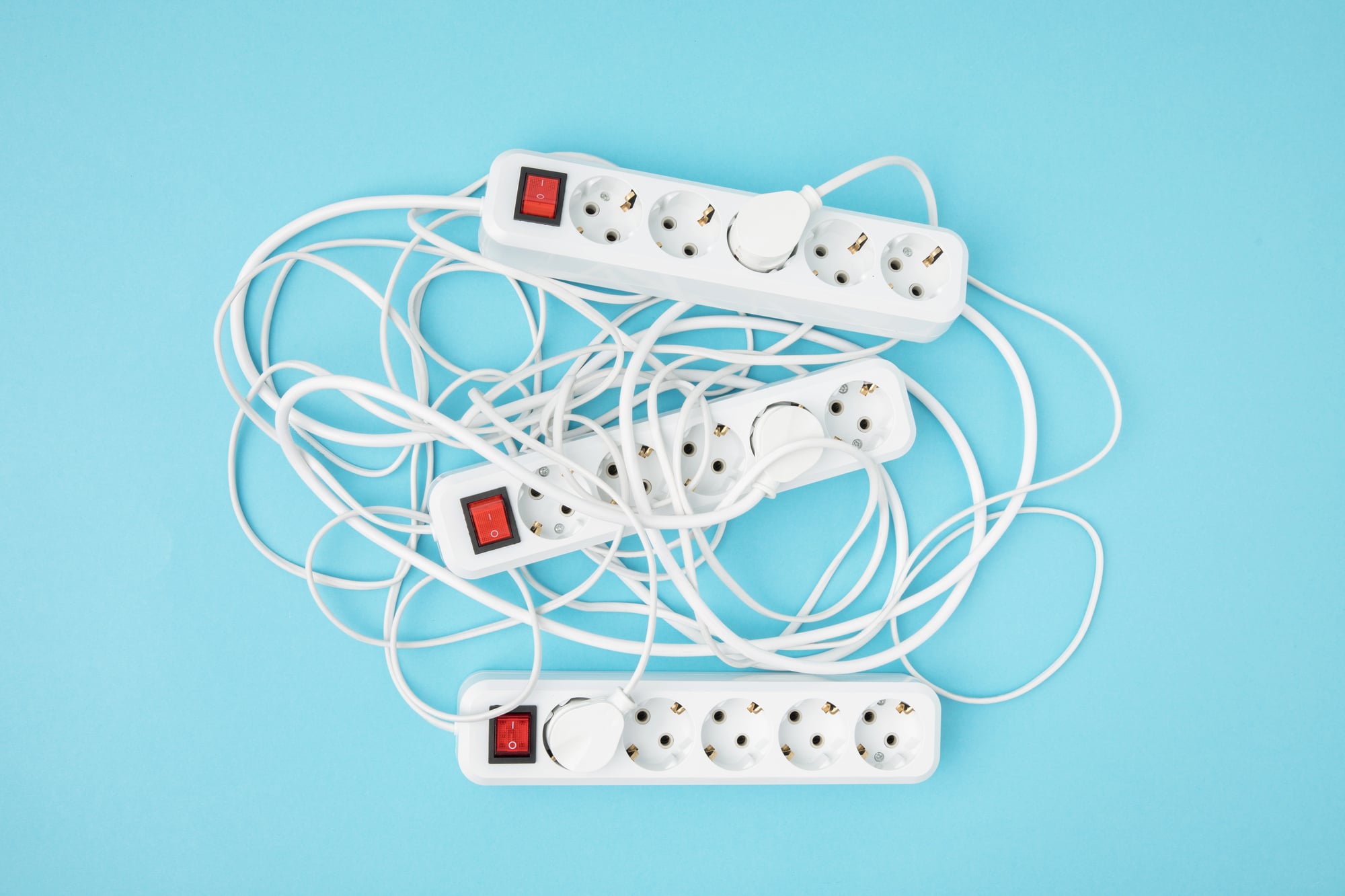
The female end of an extension cord (the part you plug other things into) often has small slots or openings along the sides. These aren’t just for ventilation — you can hang the cord from nails or hooks using these slots, keeping it organized and off the ground.
This prevents the cord from getting stepped on, run over, or tangled with other cords. Particularly useful in garages and workshops where extension cords tend to migrate toward the most inconvenient possible locations.
Rulers
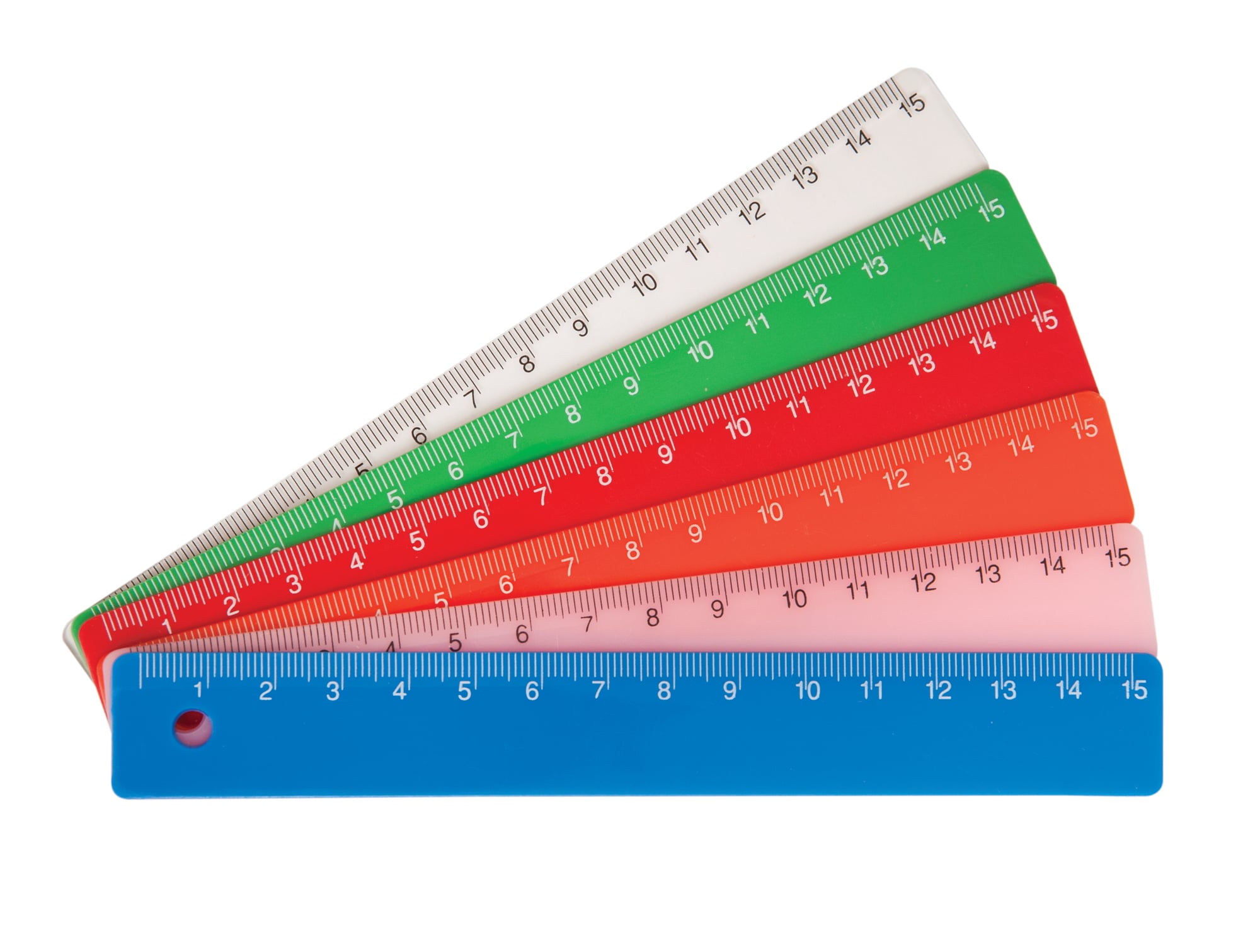
Metal rulers make excellent straight edges for cutting paper cleanly, but here’s what most people miss: the cork backing on some rulers isn’t just for grip. It’s designed to be used as a cutting surface. Place the cork side down, line up your paper, and cut along the metal edge.
The cork protects your table surface and provides just enough give to ensure clean cuts without dulling your blade.
Wooden rulers often have a metal strip along one edge for the same purpose — it’s not decorative, it’s functional. And those little openings near the end of most rulers aren’t just for hanging them on pegboards (though they work for that too).
Thread string or wire through the opening to create a compass for drawing circles, with the opening as your center point and the length of the ruler as your radius.
Plungers
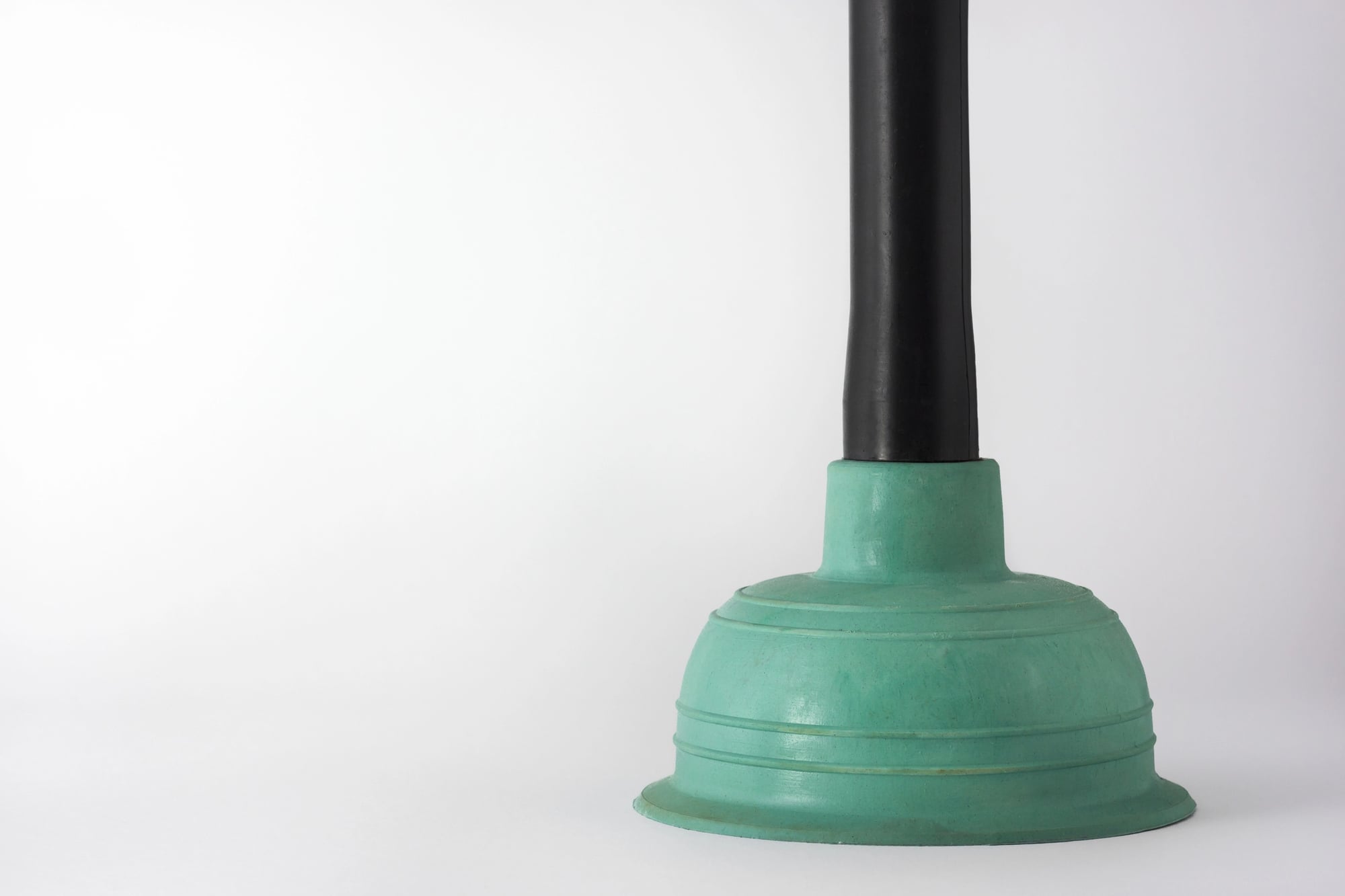
Most people own the wrong kind of plunger. Those classic red plungers with the simple cup shape are designed for sinks and flat drains, not toilets.
Toilets need a flange plunger — the kind with an extended rubber piece that fits down into the drain opening.
Using a sink plunger on a toilet is why people end up pumping away ineffectively for minutes at a time. The flange creates a proper seal, and proper seals make all the difference.
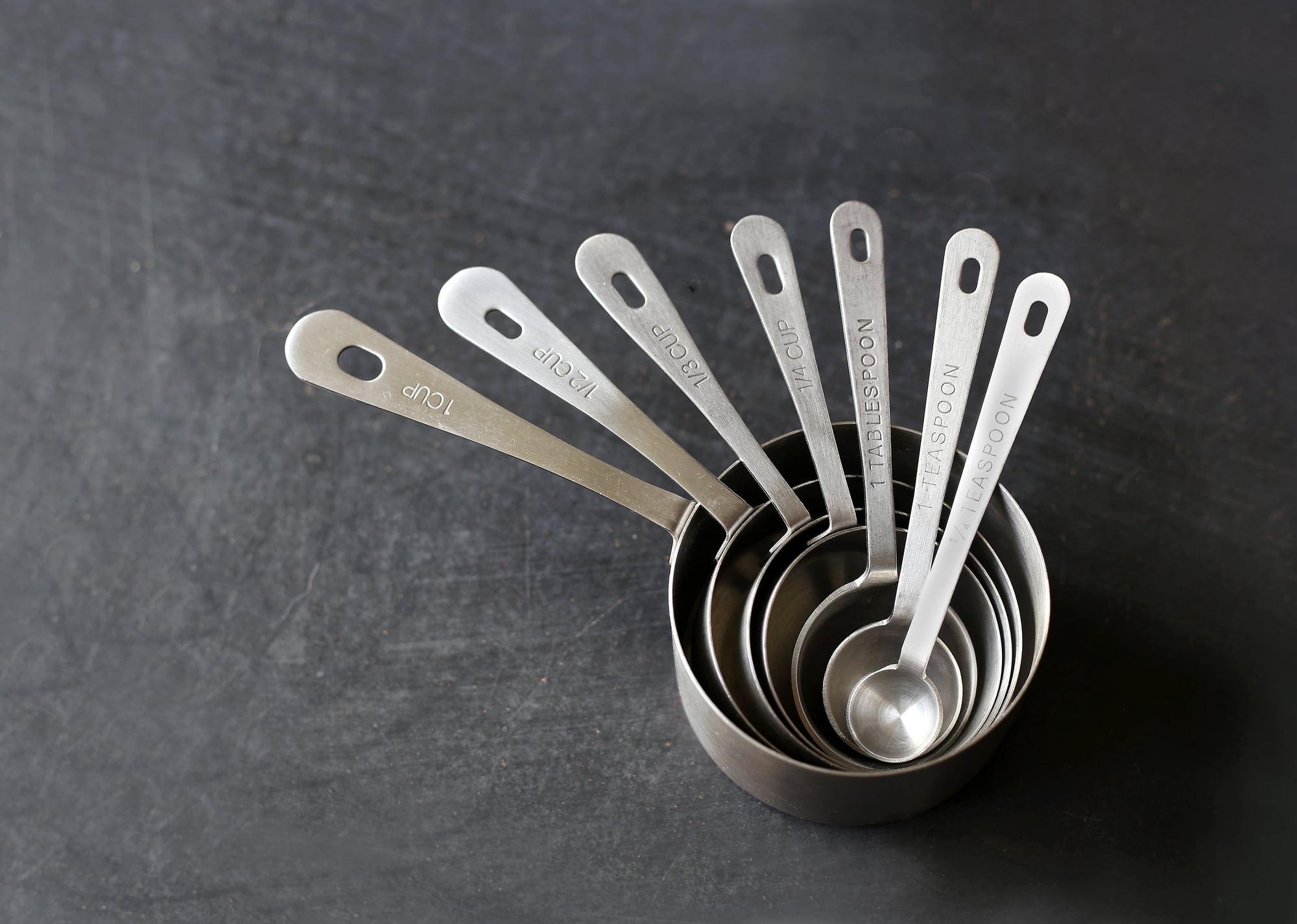
Measuring Cups
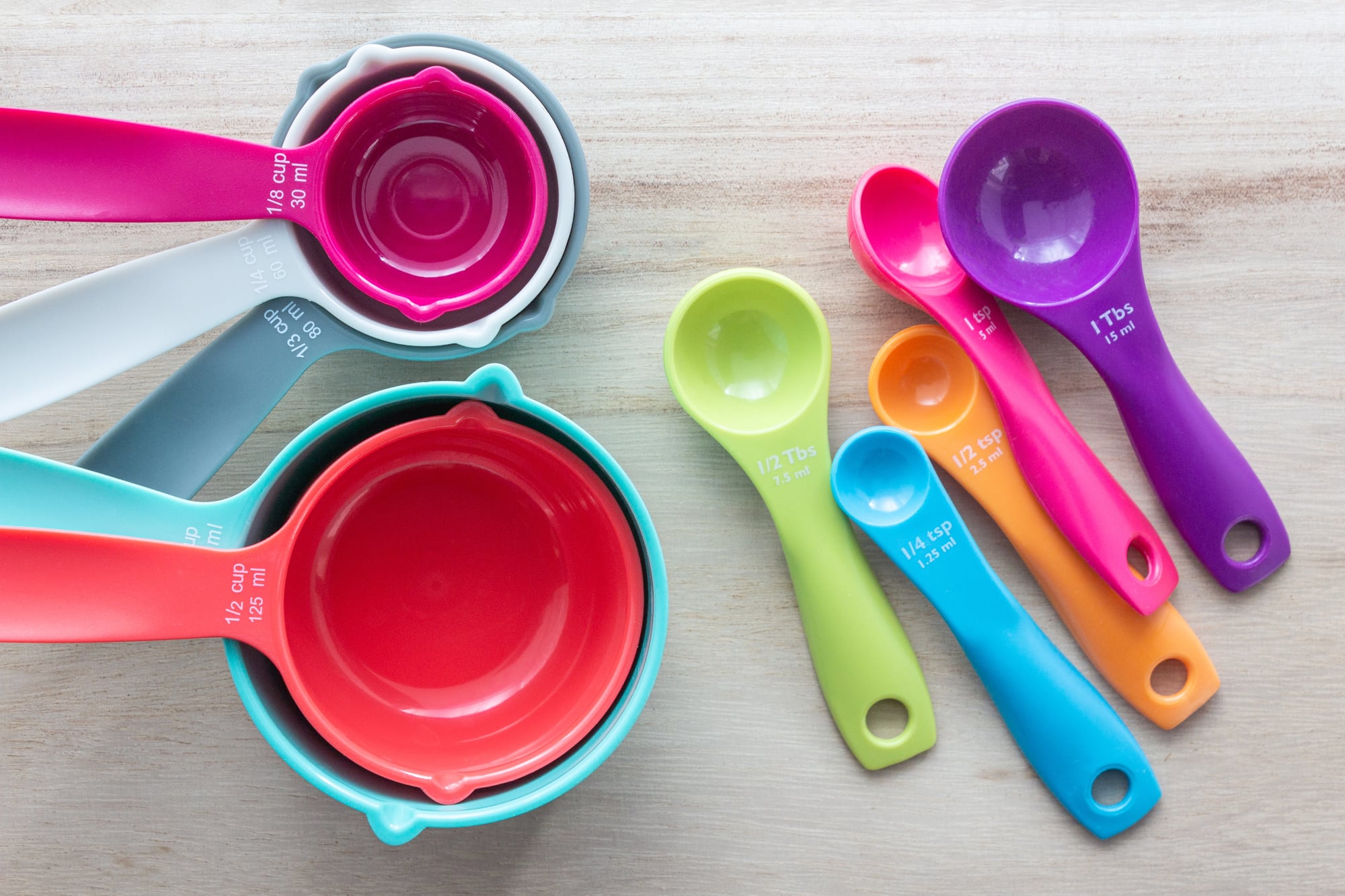
The spout on a measuring cup isn’t just for pouring — it’s positioned to help you read measurements accurately. When you’re checking the level of liquid in the cup, hold it at eye level and look through the spout area.
This gives you the most accurate reading because you’re viewing the liquid surface straight-on rather than from above or below.
Reading from above makes liquids look like less than they actually are. Reading from below makes them look like more.
The spout puts your eye line exactly where it needs to be.
Duct Tape
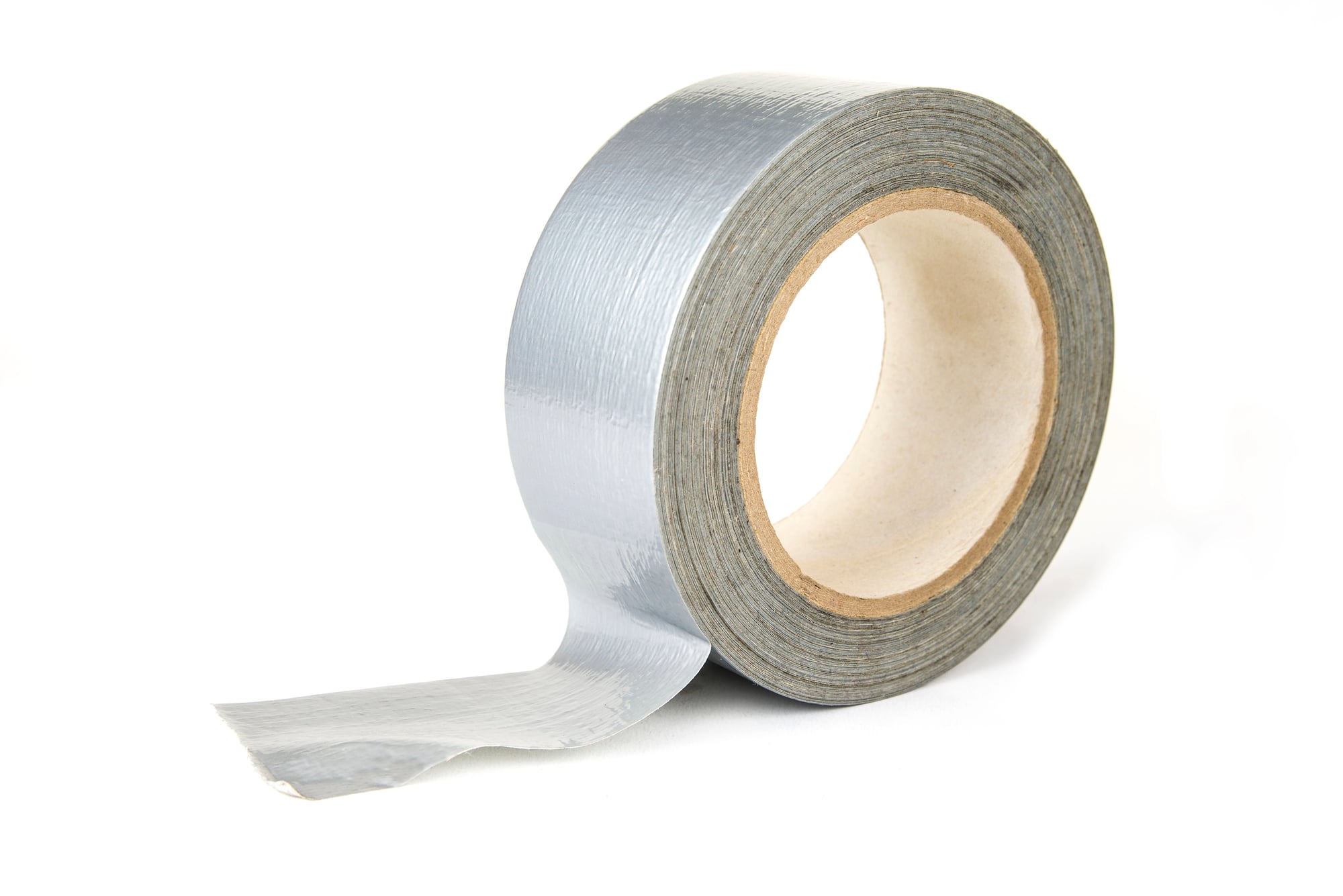
The cardboard tube inside a roll of duct tape is sized to fit perfectly over standard sized pipes for temporary repairs. Remove the tube from the tape, slide it over a pipe, and you have an instant sleeve for patching small leaks or cracks.
This won’t replace professional plumbing work, but it’ll buy you time to get proper repairs done without water spraying everywhere in the meantime.
The Small Discoveries That Matter
These hidden purposes exist because designers think about functionality in ways that users don’t always expect. Sometimes it’s intentional — like the Tic Tac dispenser lid — and sometimes it’s just a happy accident of good design principles.
But the pattern is always the same: the obvious use is just the beginning.
The best household items do multiple jobs well, even when those jobs aren’t written on the package. Your aluminum foil box keeps the roll contained.
Your bobby pins actually stay put when you wear them correctly. Your plunger works on the first try instead of the fifteenth.
These aren’t life-changing revelations, but they’re the kind of small improvements that add up to a day that goes slightly more smoothly than it would have otherwise.
More from Go2Tutors!

- The Romanov Crown Jewels and Their Tragic Fate
- 13 Historical Mysteries That Science Still Can’t Solve
- Famous Hoaxes That Fooled the World for Years
- 15 Child Stars with Tragic Adult Lives
- 16 Famous Jewelry Pieces in History
Like Go2Tutors’s content? Follow us on MSN.