13 Old Dance Cards With Personal History
A dance card was a small booklet that let a guest reserve each dance in advance, usually with a pencil on a cord. The pencil marks left behind turn these cards into a record of who danced with whom on one specific night.
Most were thrown out the next morning, which makes the survivors worth attention. The thirteen below are real types and collections, each one revealing something particular about the people who carried them.
The Vienna Metal-Covered Card

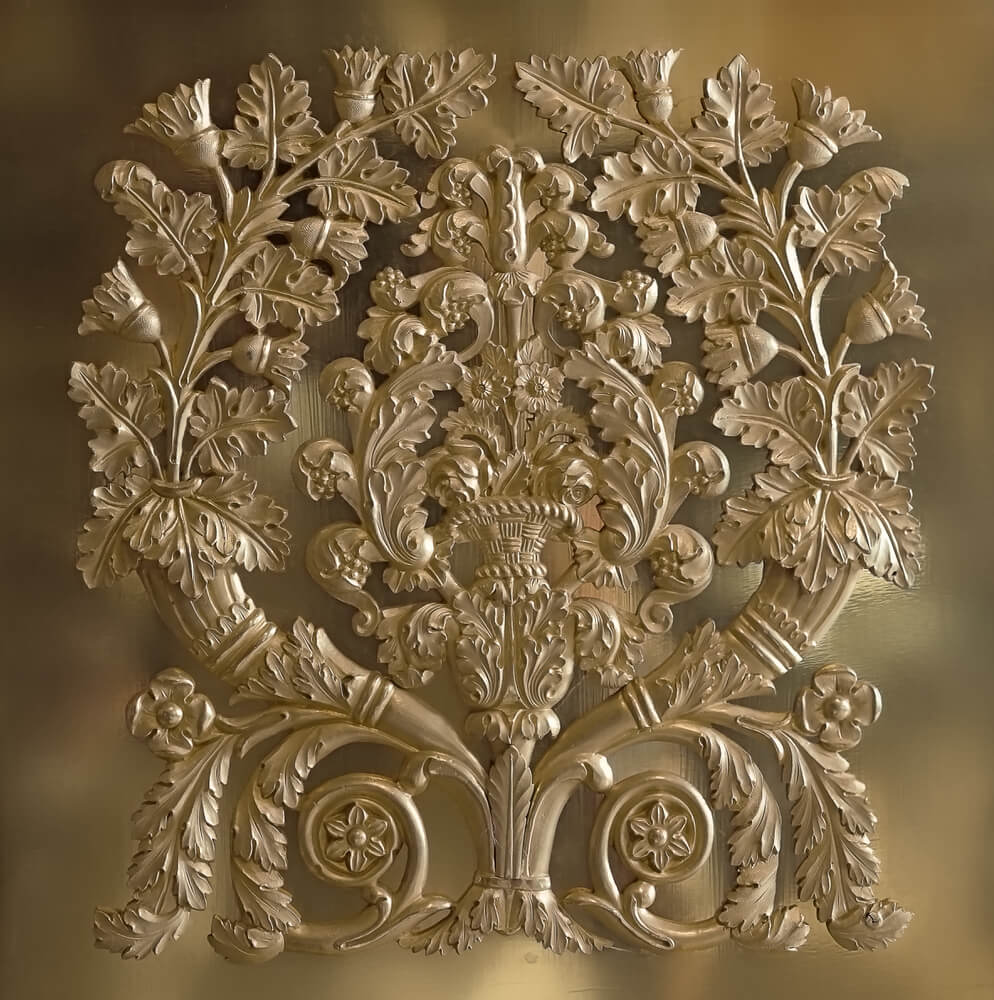
Viennese dance cards were often made with metal covers decorated in relief, and the inner pages listed dances before and after the intermission. A cord and tassel attached the card to a wrist or gown.
The tidy division of the evening shows how formally the night was organized.
The Napoleon III Tortoiseshell Carnet
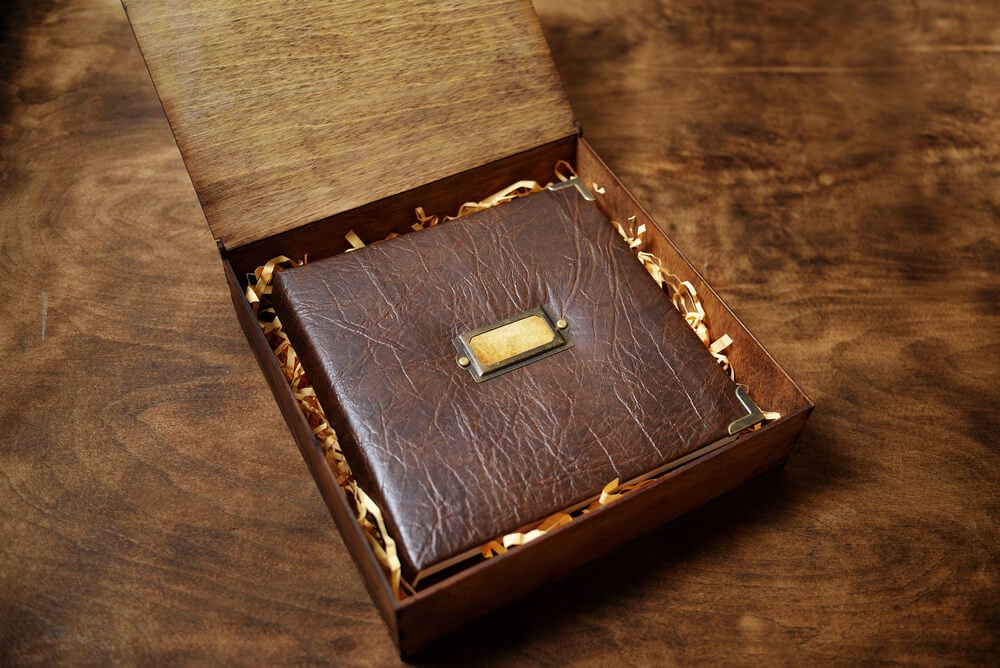
French carnets de bal from the era of Napoleon III were often made of tortoiseshell, with a small silver pencil tucked in the spine. The cover could be inlaid or engraved with a monogram.
Original pencils and intact hinges separate the best examples from the rest.
The Palais Royal Mother-of-Pearl Carnet
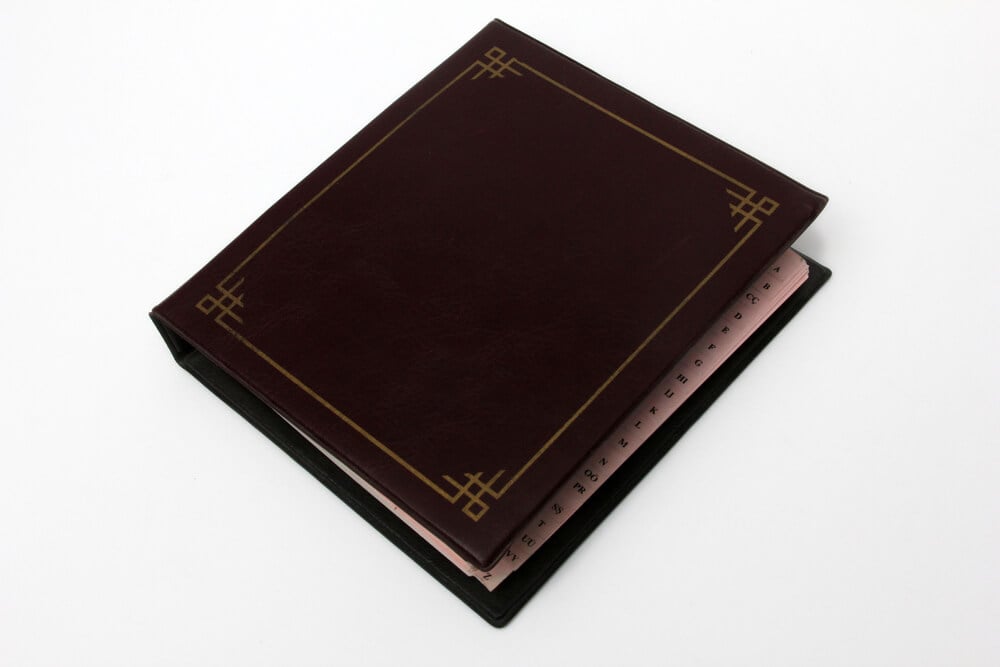
Fine carnets made in the early nineteenth century, a style associated with the Palais Royal shops in Paris, used mother-of-pearl covers with gold mounts. The pearl shimmered in candlelight, and the pages inside were thin ivory leaves that could be wiped clean and reused.
Many survive with the leaves blank, since owners reused them for years.
The Birmingham 1835 Silver and Ivory Carnet
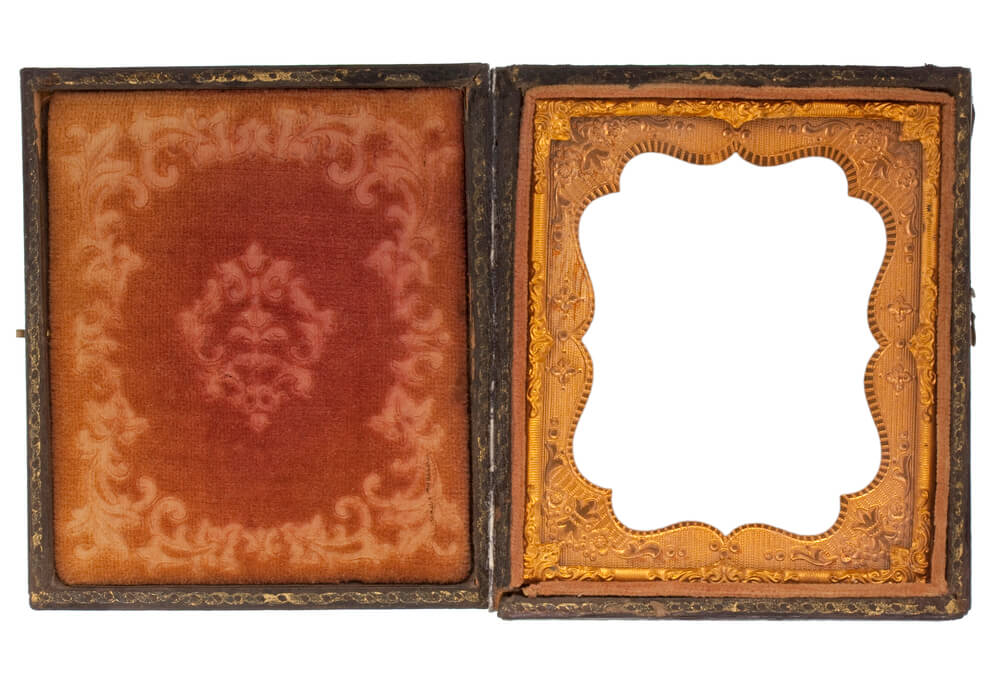
A silver-and-ivory carnet hallmarked in Birmingham for 1835 survives with faint pencil names still visible on its leaves. The hallmark fixes the date precisely, which is rare for objects this personal.
The names turn a decorative object into a primary source for a long-ago evening.
The Fan Carnet
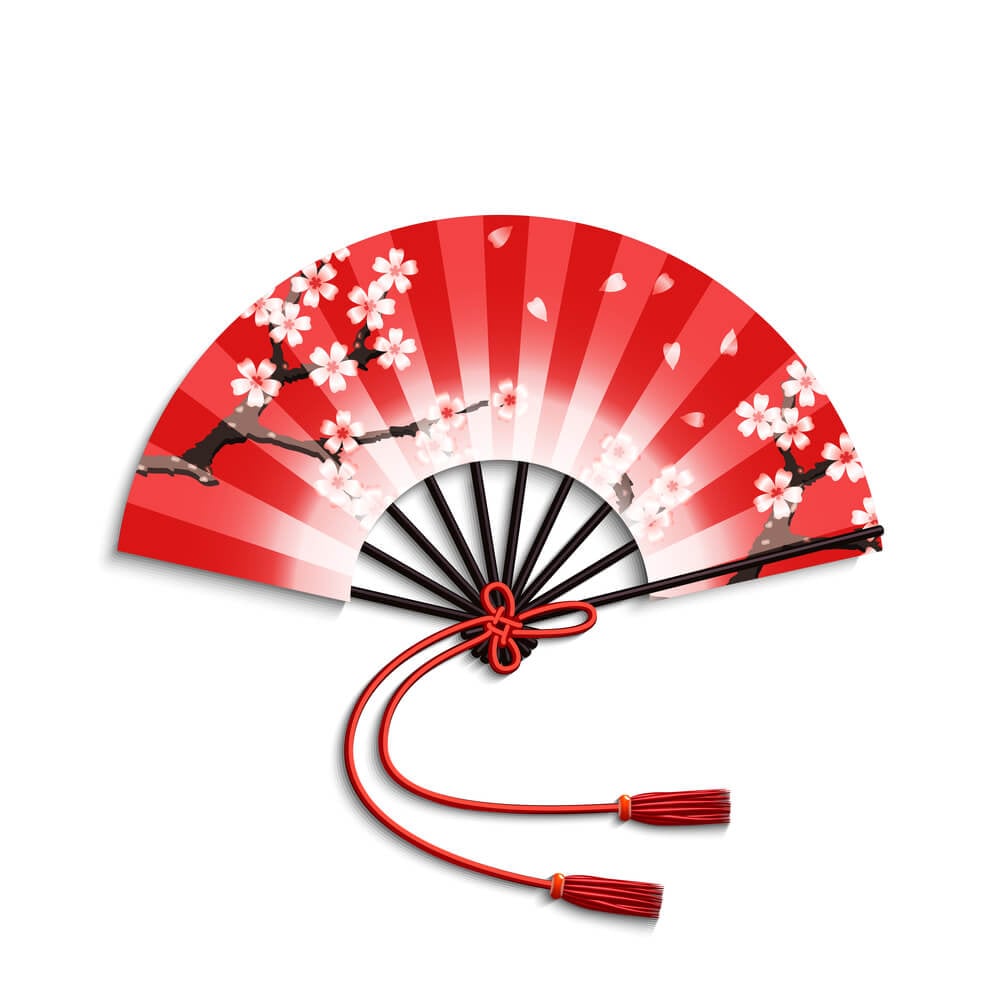
Some dance cards were built into fans, with six ivory blades about three inches long and a mother-of-pearl guard. Each blade held a few dances.
A woman could fan herself and consult her partners in a single gesture, and these are among the most photographed of the type.
The Beaded Folder With Silk Cord
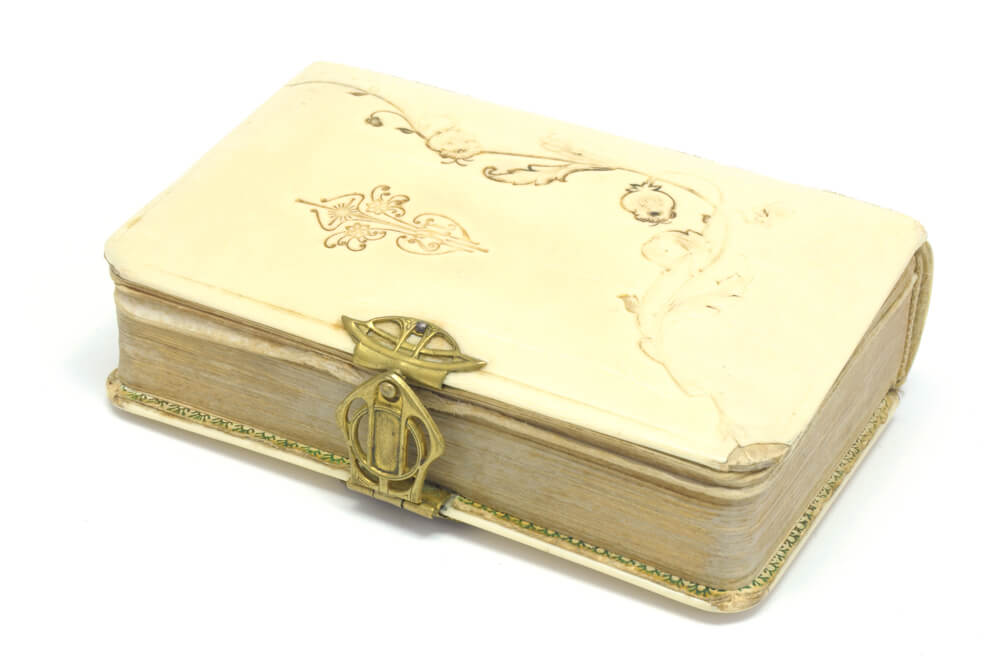
A beaded folder with a silk cord is held at the TRC in Leiden, a reminder that the cards were not all precious metal. Beadwork was a common home craft, and the card suited a young woman’s skill.
The silk cord looped over the wrist so the card could not be dropped during a waltz.
The McCord Museum Collection
The McCord Stewart Museum in Montreal holds a collection of 194 dance-related documents spanning 1857 to 1996, most of them dating from 1900 to 1930. The range makes it possible to trace how the cards changed from engraved keepsakes to simple printed programs.
Few archives show the decline of the form so clearly.
The 1893 Brazilian Birthday Card

A card from 1893 in Brazil was made for the birthday of Arsenio de Niemeyer. Its partners included E. Bello, Elizena B. Franco, and Chiquita Saldanha, and the pencil attached to it carries the name of Carvalhaes & Co.
The surviving names make the evening unusually easy to reconstruct.
The 1901 Republic Commemorative Card
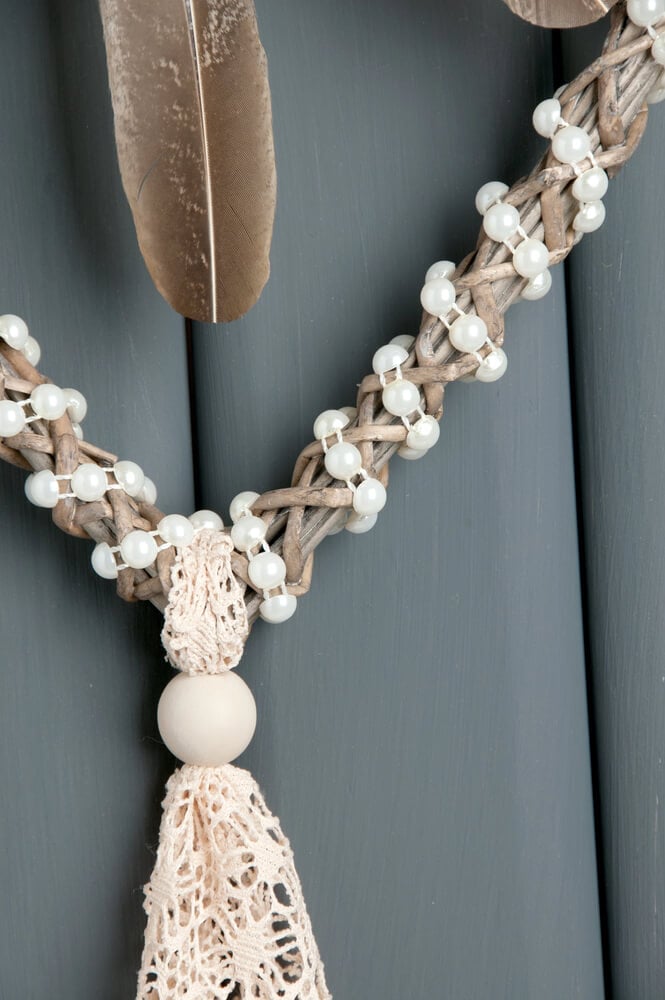
A Brazilian card from 1901 commemorated the anniversary of the Republic and came with a Johann Faber pencil. Using a German-made pencil shows how global the stationery trade already was.
A card tied to a civic event like this was sometimes saved as a souvenir rather than discarded.
The 1892 Portuguese Gymnastic Congress Card
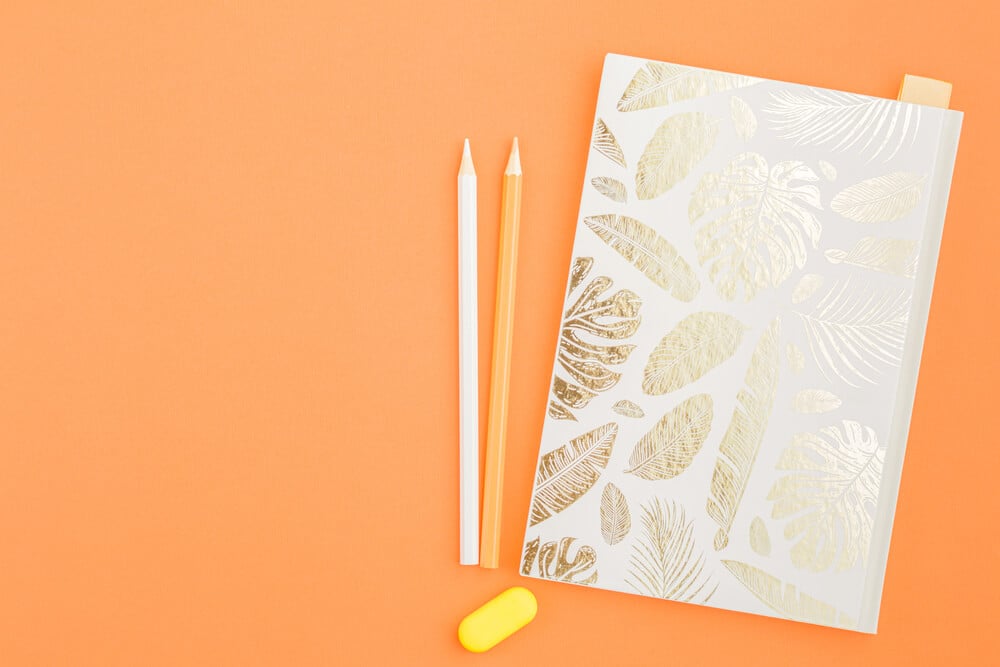
A Portuguese card from 1892 marked the eighteenth anniversary of a gymnastic congress, which shows that dancing was not limited to society. Clubs, associations, and trade groups printed their own cards.
These are valuable to local historians because they document the groups that organized them.
The Victorian Silver Fan-Shaped Carnet
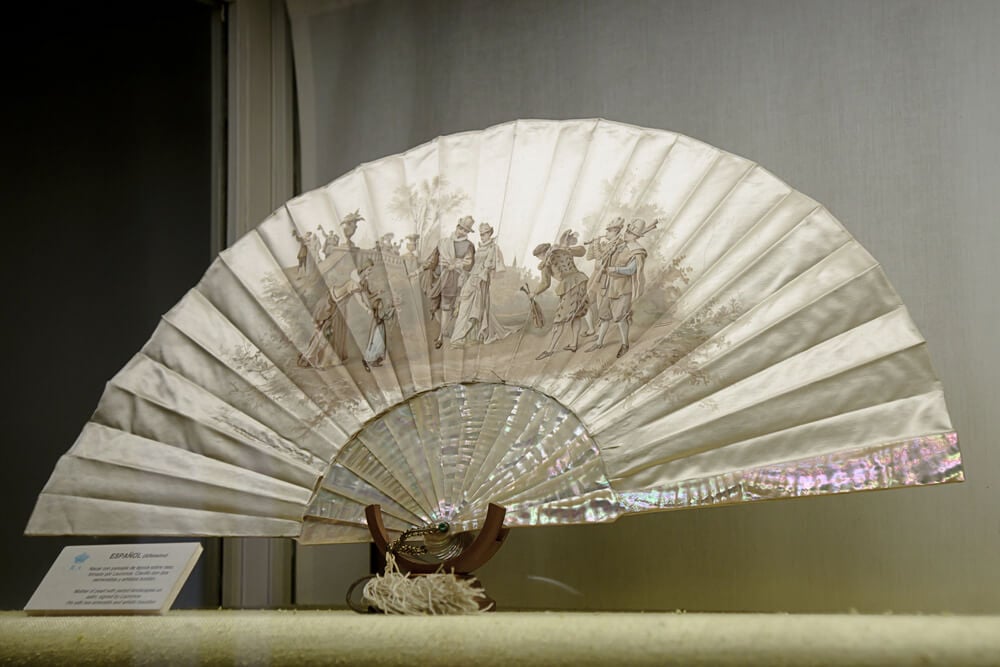
A Victorian carnet shaped like a small silver fan folded out in layers. The silver was engraved with scrolls and sometimes with the owner’s initials.
Prices depend on whether the hinge pin is original and whether the leaves are still attached.
The 1880 Silver Booklet Pendant
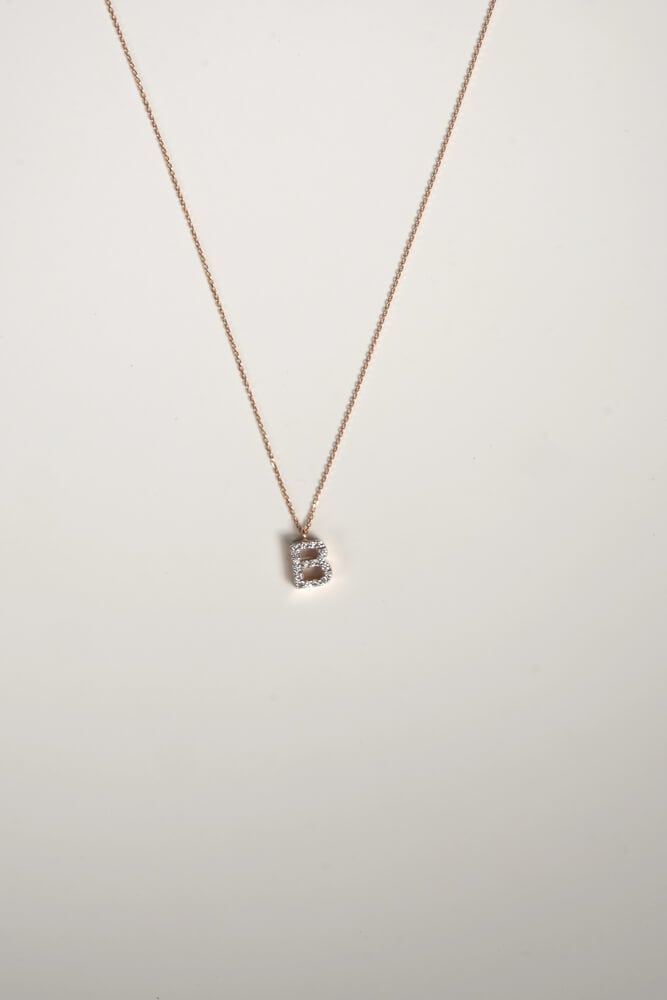
Around 1880, makers produced silver-cased booklets worn as pendants, with a propelling pencil in the case. The wearer could keep her dances close to her chest.
Such pieces blur the line between stationery and jewelry, and those with legible pencil entries are especially desirable.
The Art Nouveau Metal Carnet
An Art Nouveau metal carnet threaded on an olive-green cord shows how the style reached even small objects. Its cover carries flowing lines and plant forms instead of the older scrolls.
The shift in decoration marks a change in taste at the turn of the twentieth century.
Evenings Kept in Pencil

A dance card was a plan for a night, and a plan for a night is also a plan for who would be seen with whom. The names on a card record friendships, courtships, and obligations that no other document captured.
That is why even a faded one matters. The pencil marks may be the only trace of a person who left no other record, which gives a few lines of handwriting more weight than the silver around them.
More from Go2Tutors!

- 27 Silver Dollars and Half Dollars Worth Keeping
- 28 Restaurant Menu Items Nobody Orders Anymore
- 17 Places Built in Seemingly Impossible Spots
- 27 Vintage Rings Worth More Than They Look
- 25 Restricted Sites Tourists Can’t Enter
Like Go2Tutors’s content? Follow us on MSN.