The Story of Beanie Babies’ Sudden Collapse
Imagine grown adults fighting over tiny stuffed animals, camping outside toy stores, and shelling out thousands of dollars for a toy that was basically only worth $5. A collectibles market so fierce that some collectors quit their jobs to trade full-time was brought about by the Beanie Baby craze of the 1990s.
However, like many bubbles, this one finally burst, leaving millions of collectors devastated. There is more to the Beanie Babies story than just adorable plush toys.
It’s an intriguing case study on artificial scarcity, marketing psychology, and what happens when speculation takes the place of sincere collecting enthusiasm. Here are 11 major contributing factors to one of the most spectacular collapses in modern collectibles history.
The Internet Fueled the Frenzy

The rise of eBay in the late 1990s coincided perfectly with peak Beanie Baby mania, suddenly giving collectors a global marketplace where they could see exactly what others were paying for rare bears and animals. Online price guides and collector websites amplified the hysteria by publishing ‘value lists’ that often bore no relation to actual market conditions, creating artificial benchmarks that drove prices even higher as collectors used them to justify increasingly expensive purchases.
The internet transformed what had been local collecting into a worldwide competition where your neighbor’s McDonald’s Happy Meal toy could suddenly be worth more than your monthly car payment.
Like Go2Tutors’s content? Follow us on MSN.
Manufacturing Errors Became Treasured

Ty Inc. allowed manufacturing mistakes to reach the market rather than discarding them, and collectors quickly turned these errors into the most valuable Beanie Babies of them—bears with wrong birthdate tags, misspelled names, or unusual color variations became worth hundreds or thousands of dollars. This phenomenon encouraged collectors to examine every single Beanie Baby for potential errors, creating an obsessive culture around finding the ‘perfect’ mistake where people spent hours in stores carefully inspecting tags like detectives searching for clues.
What would normally be considered quality control failures became premium collectibles that enthusiasts treasured more than flawless versions.
The McDonald’s Partnership Changed Everything

When McDonald’s began including Teenie Beanie Babies in Happy Meals in 1997, it exposed millions of families to the brand who had never encountered them before, creating lines that wrapped around restaurants as adults ordered Happy Meals just to get the toys. The partnership legitimized Beanie Babies as mainstream collectibles rather than niche toys, while also demonstrating the massive scale of demand that existed when some locations sold out of Happy Meals within hours.
The secondary market for Teenie Beanies exploded almost immediately, proving that the craze had reached far beyond traditional toy collectors.
Ty Warner’s Erratic Behavior

Ty Warner’s increasingly unpredictable decisions began undermining collector confidence as he would bring retired Beanie Babies back into production without warning, instantly destroying their scarcity value while his company’s communication became inconsistent and sometimes contradictory. Warner seemed to enjoy the chaos his decisions created, but collectors began to realize they were at the mercy of one person’s whims rather than genuine market forces.
The market that had seemed driven by natural scarcity was actually controlled by arbitrary business decisions that could change at any moment, making investment planning nearly impossible.
Like Go2Tutors’s content? Follow us on MSN.
Economic Downturn Accelerated the Decline

Prices began plummeting by late 1999, and when the dot-com bubble burst in 2000, it accelerated the decline as many collectors who had been funding their Beanie Baby purchases with stock market gains suddenly found themselves cash-poor. The collapse of tech stocks eliminated much of the speculative money that had been flowing into collectibles markets, while people who had been treating Beanie Babies like investments began liquidating their collections to cover real financial obligations.
The broader economic downturn revealed how dependent the collectibles market had become on excess capital from other speculative investments, creating a perfect storm of falling demand and increasing supply.
New Generations of Kids Moved On

Children who had originally loved Beanie Babies for their play value grew up and moved on to new interests like Pokemon cards, video games, and other trends that made Beanie Babies feel dated and childish to the next generation. Without genuine demand from the target demographic, the market became entirely dependent on adult speculators who were primarily motivated by financial gain rather than emotional attachment.
When those speculators began losing interest, there was no underlying consumer base of actual children and families to support prices at any level, leaving the market completely hollow.
Overproduction Became Obvious

By the late 1990s, it became clear that Ty Inc. was producing far more Beanie Babies than the market could absorb at inflated prices, with stores having difficulty moving inventory and clearance sales becoming common as the artificial scarcity was revealed to be largely manufactured. Collectors began to understand that ‘limited edition’ didn’t necessarily mean valuable when the limits were set arbitrarily high, undermining the entire price structure that had been built on assumptions of genuine rarity.
The realization that most Beanie Babies weren’t actually rare caused a fundamental reassessment of their supposed investment value.
Like Go2Tutors’s content? Follow us on MSN.
Competition from Other Collectibles
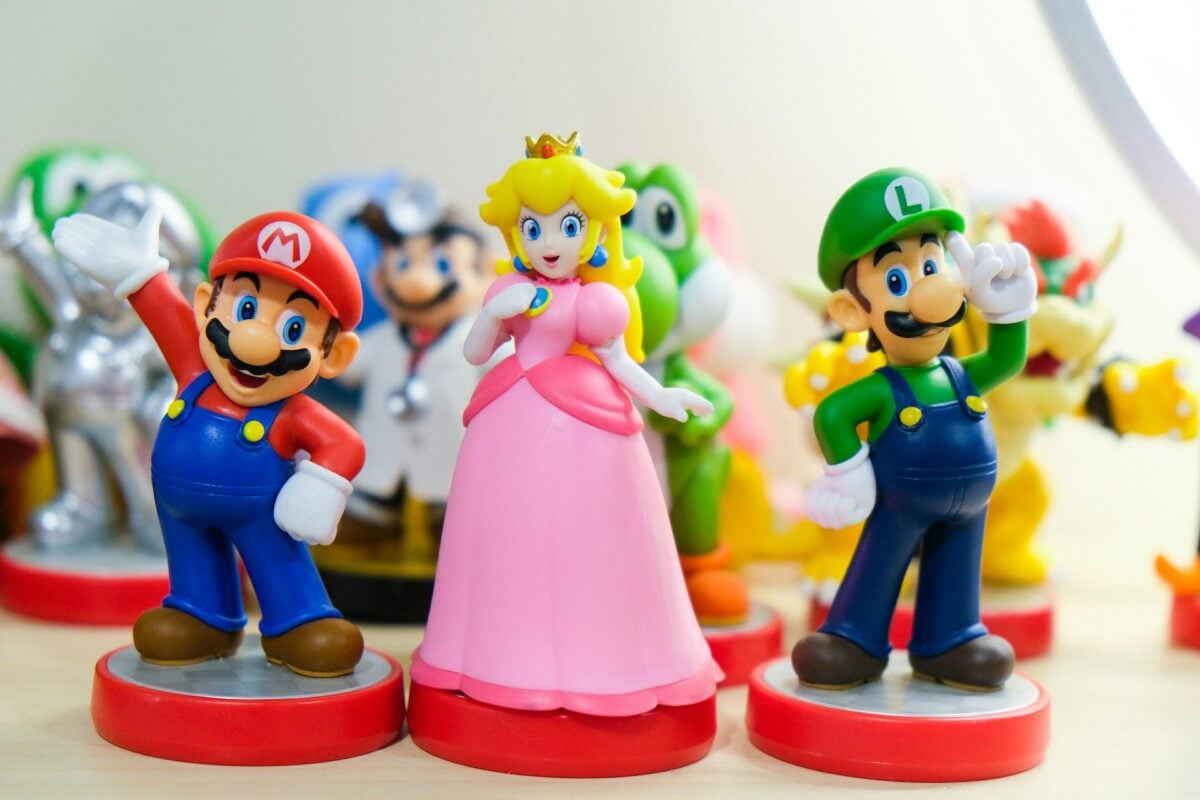
The success of Beanie Babies inspired countless imitators and competitors that filled store shelves with similar plush toys, collectible cards, and other items promising to be ‘the next big thing,’ saturating the collectibles market with options that divided collectors’ attention and money. The focused demand that had driven Beanie Baby prices was dispersed across dozens of different collecting categories, each claiming to offer the same investment potential and emotional satisfaction.
This fragmentation meant that no single collectible could maintain the concentrated enthusiasm that had made Beanie Babies so valuable in the first place.
Reality Set In About Investment Potential

Financial advisors and consumer advocates began publicly questioning whether stuffed animals could really serve as legitimate investments, with articles appearing that explained why collectibles rarely performed as well as traditional investments over the long term. The comparison to stocks, bonds, and real estate made many people reconsider whether they were making wise financial decisions, as the emotional attachment that had justified high prices began to fade when people applied rational economic analysis to their purchases.
The harsh reality was that most collectibles lose value over time rather than appreciating like genuine investments, making them poor choices for serious financial planning.
The Great Liquidation

Once prices began falling, panic selling accelerated the decline as collectors who had bought at peak prices rushed to sell before values dropped further, creating a flood of supply that overwhelmed the shrinking demand from remaining buyers. The same psychology that had driven prices up through fear of missing out now drove them down through fear of losing everything, while online auction sites filled with desperate sellers trying to recover some portion of their investments.
The secondary market collapsed as buyers realized they could wait for even lower prices rather than competing for purchases, creating a downward spiral that seemed impossible to stop.
Like Go2Tutors’s content? Follow us on MSN.
From Speculation to Reality Check

The collapse of the Beanie Baby is a prime illustration of how speculative fever and manufactured scarcity can produce unsustainable market conditions that eventually return to reality, leaving millions of people with collections worth far less than what they had paid for because they mistakenly believed that popularity would last. Although a few extremely rare early editions still have some collector value for devoted fans, the majority of Beanie Babies are now only a few dollars at garage sales and thrift shops.
As new fads appear in other markets, the lessons learned from this collectibles bubble are still applicable. This is because the psychology of speculation remains the same, even when the objects themselves change. It also serves as a reminder that real scarcity and cultural significance, not manufactured demand and hype, are what create true collectible value over decades.
More from Go2Tutors!

- 16 Historical Figures Who Were Nothing Like You Think
- 12 Things Sold in the 80s That Are Now Illegal
- 15 VHS Tapes That Could Be Worth Thousands
- 17 Historical “What Ifs” That Would Have Changed Everything
- 18 TV Shows That Vanished Without a Finale
Like Go2Tutors’s content? Follow us on MSN.