15 Technologies That Failed Because They Worked Too Well
Sometimes, a product works exactly as promised—and still ends up tanking. Not because it broke or underperformed, but because it delivered a little too much. These are the cases where doing the job too well made people uncomfortable, threatened an industry, or simply made the tech impossible to keep around.
Here is a list of 15 technologies that fizzled out—not because they didn’t work, but because they worked a little too well for the world around them.
Google Glass

Google Glass was supposed to turn your face into a smart device. It worked as advertised—voice commands, instant search, hands-free photos—but it made everyone around you uncomfortable.
People didn’t like the idea of being secretly recorded, and the term ‘Glasshole’ started popping up fast. For all its slick design, it just felt invasive. The tech was fine. Society wasn’t ready.
Napster
Napster didn’t just work—it blew the doors off the music industry. In a few clicks, users could grab thousands of songs for free, instantly. The platform did what it set out to do, and then some.
The problem? It worked too fast and too freely, sending record labels into panic mode. Legal pressure crushed it, even though it laid the groundwork for music streaming as we know it.
Like Go2Tutors’s content? Follow us on MSN.
Concorde

The Concorde wasn’t just a fast plane—it was really fast. Flying from New York to London in under 3.5 hours wasn’t a promise; it was routine. But the sonic boom it created disturbed communities on the ground, and the ticket prices were sky-high.
It delivered the future of travel, but the cost, noise, and narrow audience kept it from staying in the skies.
LaserDisc

LaserDisc had crisp pictures and clear sound years before DVDs existed. Technically, it was a massive leap forward. But it was expensive, bulky, and not exactly user-friendly.
While it looked and sounded better than VHS, it did the job too well for a time when most people just wanted something simple and cheap to play movies at home.
Microsoft Courier
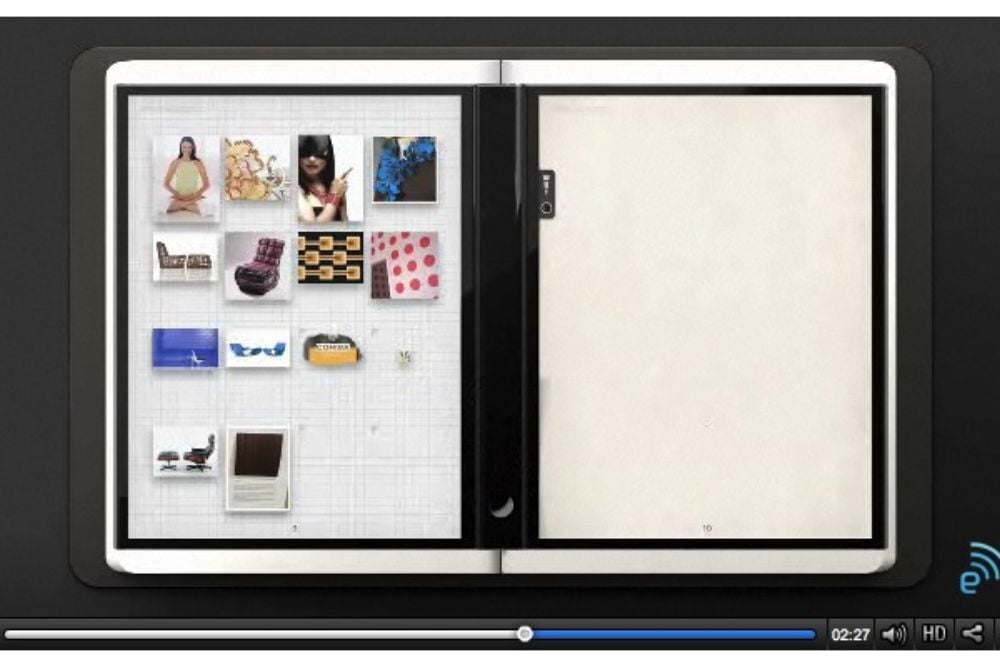
Microsoft had a sleek folding tablet concept called the Courier. It had a dual-screen design and worked more like a notebook than a traditional PC.
The prototype impressed everyone who saw it—it was smooth, fast, and intuitive. But Microsoft killed it before release, worried that it was too different and might pull users away from Windows.
Basically, it scared its own team.
Like Go2Tutors’s content? Follow us on MSN.
Segway

The Segway was hyped as the future of urban transportation—and it did work well. It balanced perfectly, handled easily, and needed no gas.
But it was too fast for sidewalks, too slow for roads, and too awkward for just about everywhere else. It was functional but didn’t fit naturally into daily life.
It solved a problem that most people didn’t think they had.
Betamax

Sony’s Betamax had better picture quality than VHS. It also had a stronger build and longer-lasting tapes.
But it only recorded for about an hour, while VHS stretched to two or more. People picked longer playtime over crisper quality.
Betamax did the job beautifully, but that wasn’t enough in a market that prioritized convenience.
IBM Watson for Healthcare

IBM’s Watson became famous for winning Jeopardy!, but its real-world goal was revolutionizing medicine. And technically, it could sift through medical data faster than any human.
But it did that too well—its suggestions were often so complex or foreign that doctors didn’t trust or understand them. Instead of guiding treatment, it confused it.
The tech outpaced the people it was built to help.
Like Go2Tutors’s content? Follow us on MSN.
HD DVD

HD DVD was one of two formats battling for control of the high-definition disc market. It delivered clean visuals, quick load times, and worked seamlessly with existing hardware.
But Blu-ray had more studio support and a name that sounded sleeker. Despite doing everything right on paper, HD DVD vanished almost overnight when the industry picked Blu-ray as the favorite.
Clippy

Clippy, the infamous Microsoft Office assistant, technically worked. It popped up right when you were doing something and offered help. But it was too eager, too often.
It felt less like an assistant and more like someone leaning over your shoulder with ‘helpful’ comments you didn’t ask for. It did its job—just in the most annoying way possible.
Aibo

Sony’s robotic dog Aibo was cute, responsive, and smarter than it looked. It recognized faces, responded to voice commands, and even had a kind of personality.
But it worked too well—it created emotional bonds that didn’t make sense for a plastic pet. When Sony shut down support, owners were heartbroken.
The tech crossed into emotional territory no one expected, and the market wasn’t ready for robotic grief.
Like Go2Tutors’s content? Follow us on MSN.
Virtual Boy

Nintendo’s Virtual Boy aimed to bring 3D gaming to the living room—and it did. But it did it so aggressively that it gave users headaches, eye strain, and neck pain after short sessions.
It technically worked, but no one wanted to feel like they’d walked out of a low-budget sci-fi film after 15 minutes of play. It delivered 3D, sure—but at a cost no one asked for.
AirPower

Apple’s AirPower charging mat promised to charge all your devices at once, in any position. It looked great on concept slides and was supposed to be the wireless dream.
Behind the scenes, though, it was too ambitious. The tech worked, but the heat it generated was excessive, and keeping it cool wasn’t realistic without redesigning everything.
Apple quietly scrapped it, never letting it hit shelves.
Hydrogen Cars

Hydrogen fuel cell cars work incredibly well—fast fueling, long range, zero emissions. But they work so well that the needed infrastructure can’t keep up.
Making hydrogen stations widespread is costly, and most cities just aren’t built for it. The cars themselves are fine. It’s the world around them that can’t match their potential, at least not yet.
Like Go2Tutors’s content? Follow us on MSN.
Kodak’s Digital Camera

Kodak literally invented the digital camera—and then buried it. The prototype worked great and had real commercial promise.
But Kodak feared it would destroy its film business, which was still wildly profitable at the time. So they shelved it, even though it could’ve led the industry.
Turns out, they were right—it did disrupt the film. Just not in their favor.
When Progress Moves Too Fast

Many of these inventions weren’t broken or flawed—they were simply ahead of their time, or too effective to fit in. They clashed with business models, confused users, or spooked their own creators.
In the end, it wasn’t failure that brought them down—it was the world’s inability to keep up. When a tool works too well, it doesn’t just solve a problem. Sometimes, it creates a whole new one.
More from Go2Tutors!

- 16 Historical Figures Who Were Nothing Like You Think
- 12 Things Sold in the 80s That Are Now Illegal
- 15 VHS Tapes That Could Be Worth Thousands
- 17 Historical “What Ifs” That Would Have Changed Everything
- 18 TV Shows That Vanished Without a Finale
Like Go2Tutors’s content? Follow us on MSN.