28 Historic Food Photos Beyond Restaurant Dining
Most photographs of eating that survive from the past show restaurant tables, formal banquets, or posed family dinners. The pictures that say more about daily life were taken elsewhere: on steel beams, in relief lines, at market stalls, and in the cramped galleys of expeditions.
They capture food as work, charity, ritual, or survival rather than entertainment. These twenty-eight scenes cover about a century and several continents.
Each one involves a meal, a market, or a food program taking place well outside a restaurant, and each one reveals something about the circumstances that made it necessary.
Lunch Atop a Skyscraper
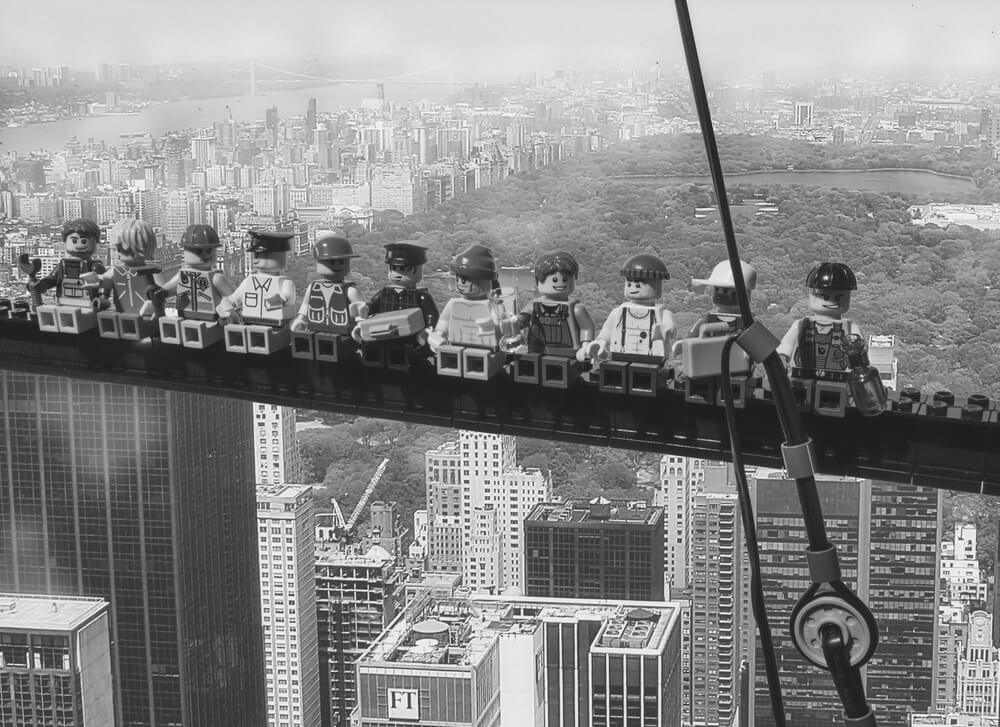
— Photo by davidriusserra
On September 20, 1932, a photographer captured eleven ironworkers eating lunch while seated on a steel beam high above Manhattan during construction of Rockefeller Center. The picture was published in the New York Herald Tribune on October 2, 1932, and became one of the most reproduced images of the Depression era.
Who actually took the photograph has been disputed for decades. The men dangle their legs over empty air with no visible safety equipment, and none of them seems to be paying attention to the drop.
Al Capone’s Soup Kitchen
In mid-November 1930, a soup kitchen opened at 935 South State Street in Chicago, funded by Al Capone and advertising free soup, coffee, and doughnuts for the unemployed. It served an average of about 2,200 people a day with no questions asked.
On Thanksgiving 1930 it reportedly fed 5,000 people a beef stew. Photographs from the period show long lines of men in overcoats waiting outside the storefront.
Fleischmann’s Bread Line
At the turn of the twentieth century, Fleischmann’s Vienna Model Bakery in lower Manhattan gave away unsold bread to hungry men who queued outside at night. The line at Broadway and Tenth Street became so well known that it served as shorthand for urban poverty.
The scene reappeared in different forms across American cities for decades.
Victory Gardens
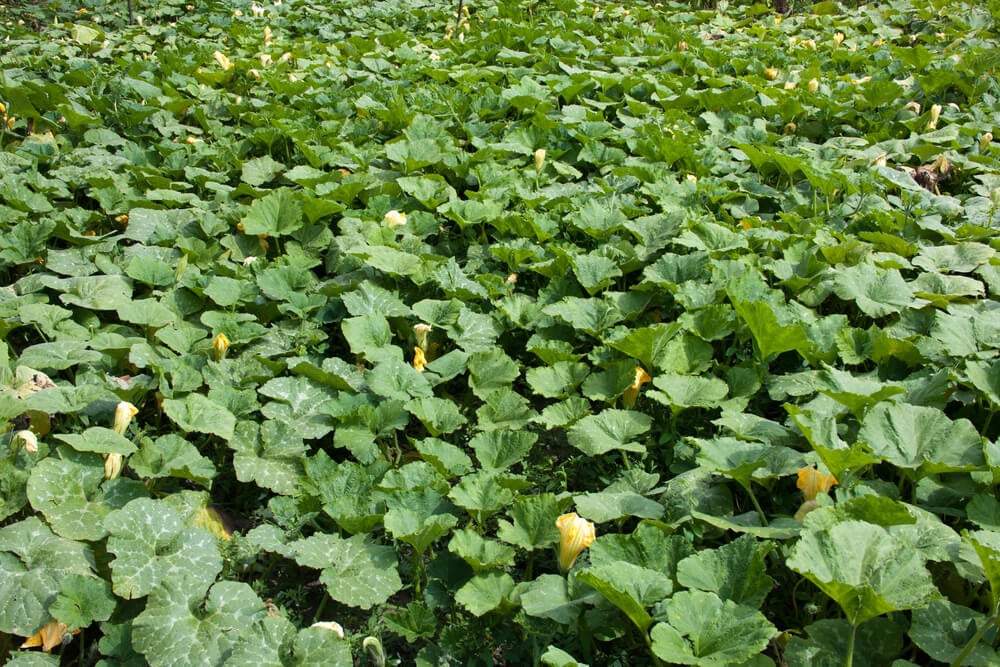
During the Second World War, the U.S. government urged citizens to grow vegetables in backyards, vacant lots, and parks. Roughly 20 million victory gardens were planted, and they supplied about 40 percent of the fresh vegetables Americans ate.
Eleanor Roosevelt planted one at the White House in 1943. Photographs show families hoeing rows on city lots and children carrying baskets of produce.
Street Kitchens After the 1906 San Francisco Earthquake
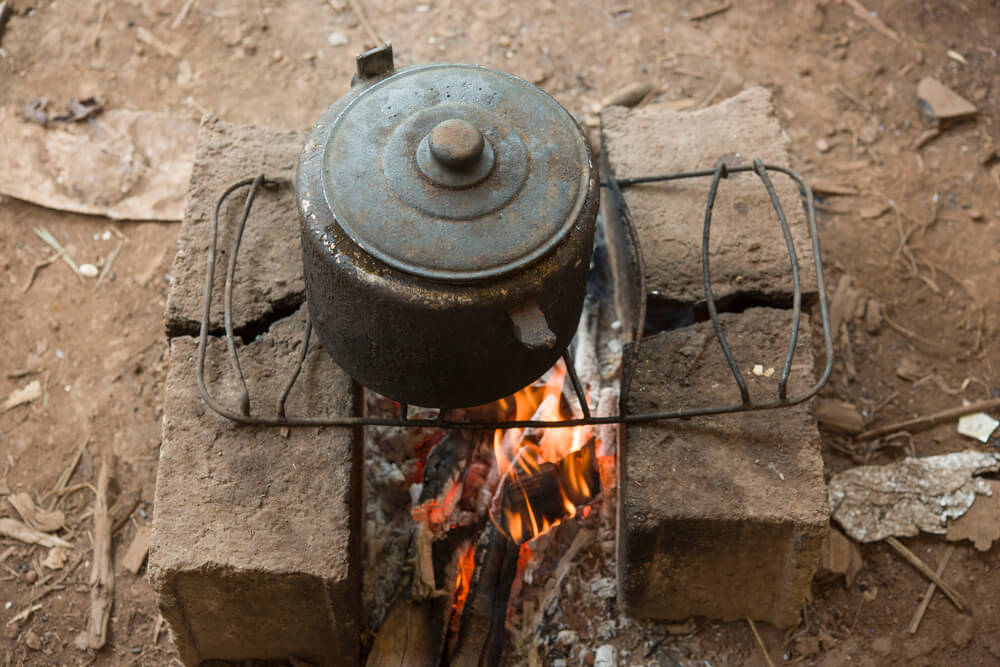
After the April 1906 earthquake, many San Francisco residents could not use their chimneys because of damage, and city authorities warned against indoor cooking. People set up stoves on sidewalks and in the middle of streets, and photographs show families cooking meals in front of damaged houses.
One of these makeshift stoves is said to have sparked a fire on Hayes Street, known afterward as the Ham and Eggs Fire. The crowds of cooks became one of the lasting images of the disaster.
The Midwinter Dinner at Cape Evans
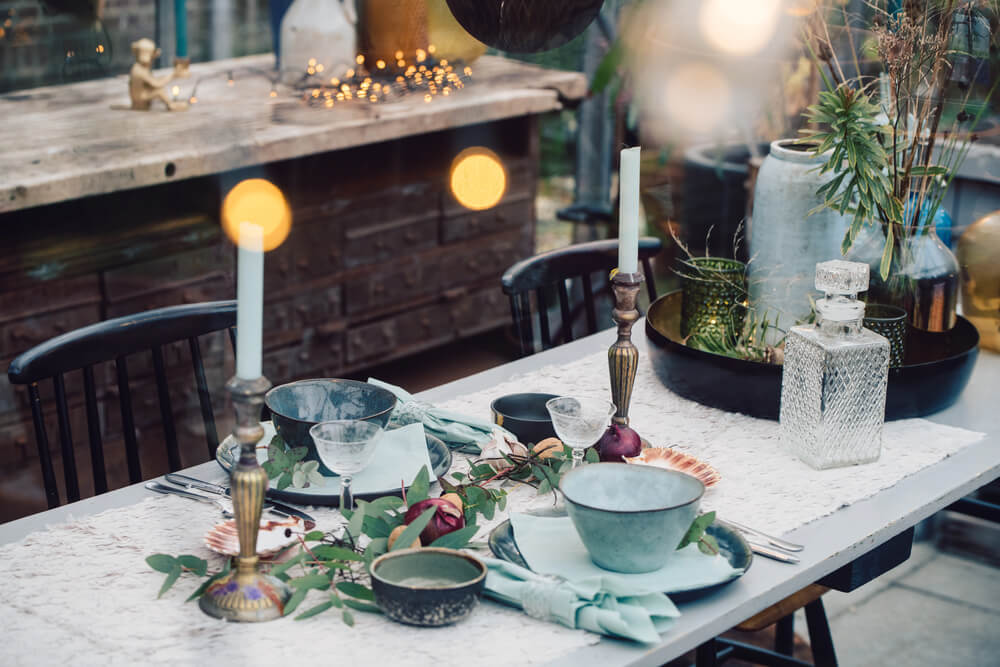
On June 22, 1911, members of Robert Falcon Scott’s Terra Nova expedition celebrated Midwinter Day with a feast inside their hut at Cape Evans, Antarctica. Herbert Ponting, the expedition’s photographer, recorded the gathering with its decorations and flags.
Outside, the Antarctic night was at its darkest. The picture shows how seriously the men took ritual meals as a way of holding a group together.
The Skylab Dining Table
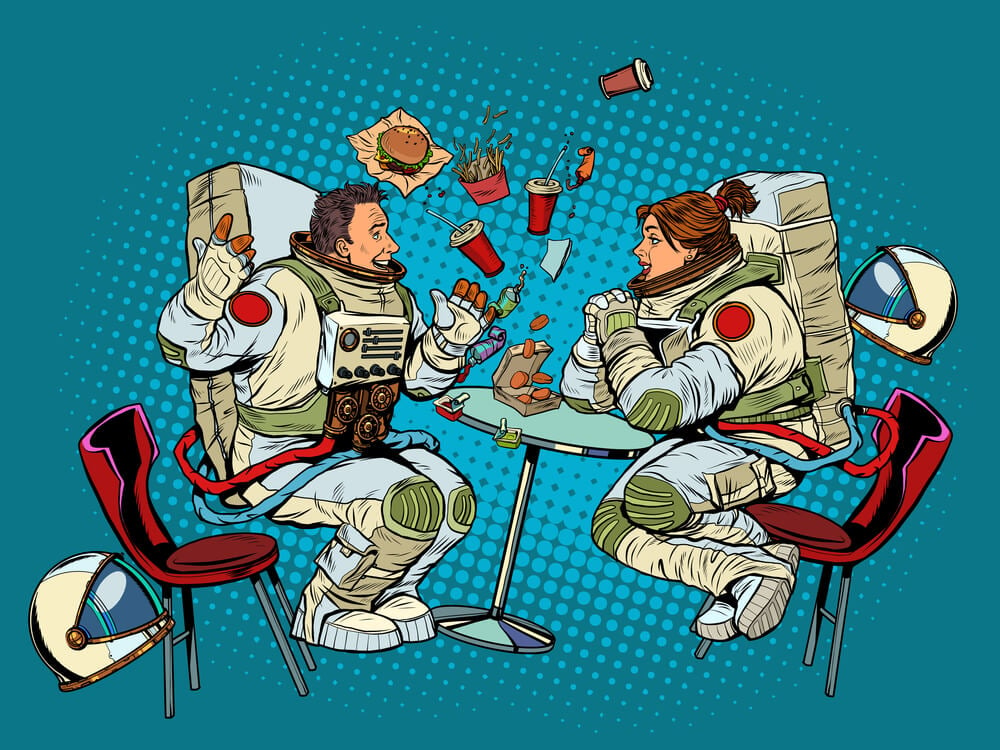
When Skylab launched in 1973, it included a wardroom with a dining table, an improvement over the tubes and pouches of earlier spaceflights. Crews could heat food in trays and eat while seated together, which NASA believed would help morale on long missions.
The design reflected how much eating matters even when the surroundings are unusual.
Meals on Wheels
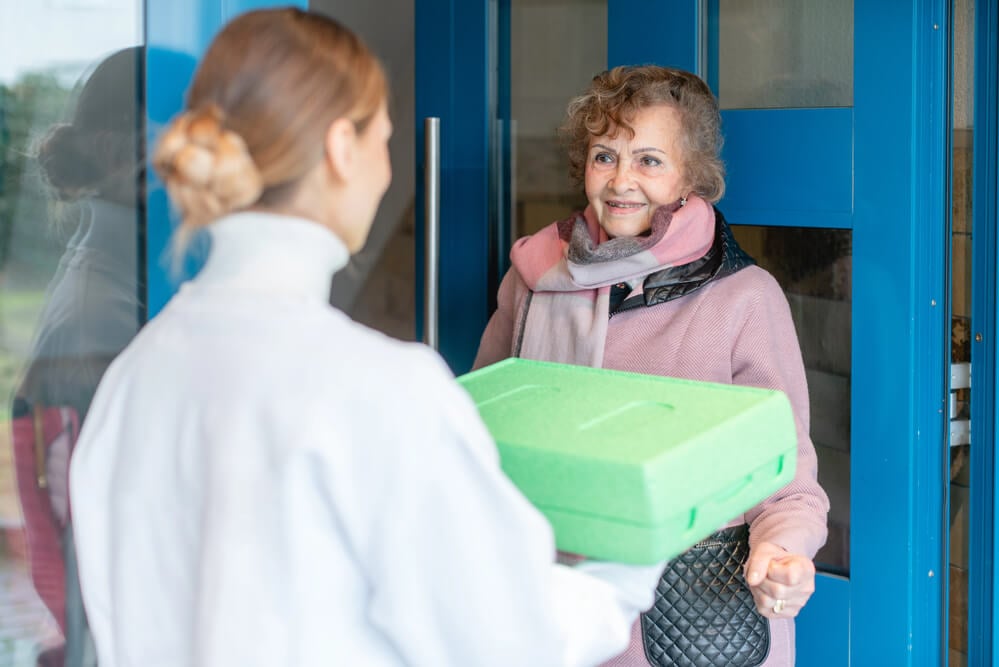
Britain’s Women’s Voluntary Service began delivering hot meals to people in 1943, during the Second World War. In the United States, the first Meals on Wheels program began in Philadelphia in 1954 through the efforts of Margaret Toy.
Volunteers carried hot meals in insulated containers to homebound residents. The photographs of the program often show volunteers at a doorstep with a tray, a small gesture with large effects.
The First Swanson TV Dinner
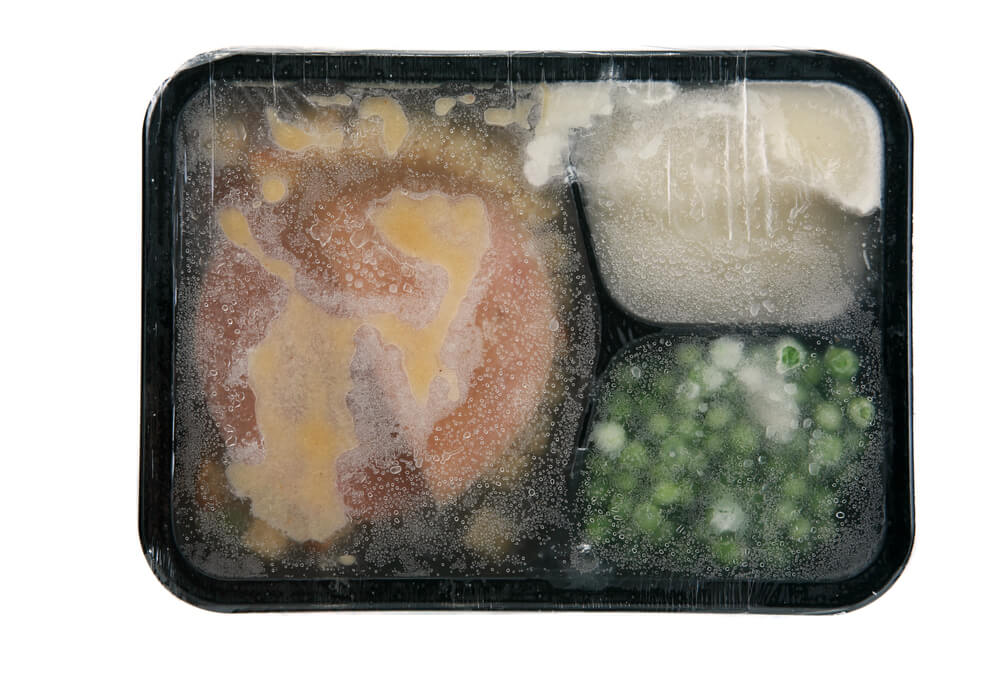
Swanson introduced its frozen TV dinner in 1953, selling a complete meal in a tray divided into compartments, with turkey, cornbread dressing, peas, and sweet potatoes. It cost less than a dollar and required only an oven.
Advertising photographs of the tray, with its foil edges and neat sections, helped define the look of mid-century convenience. The product sold quickly as television sets spread into American homes.
Candy Bombers Over Berlin
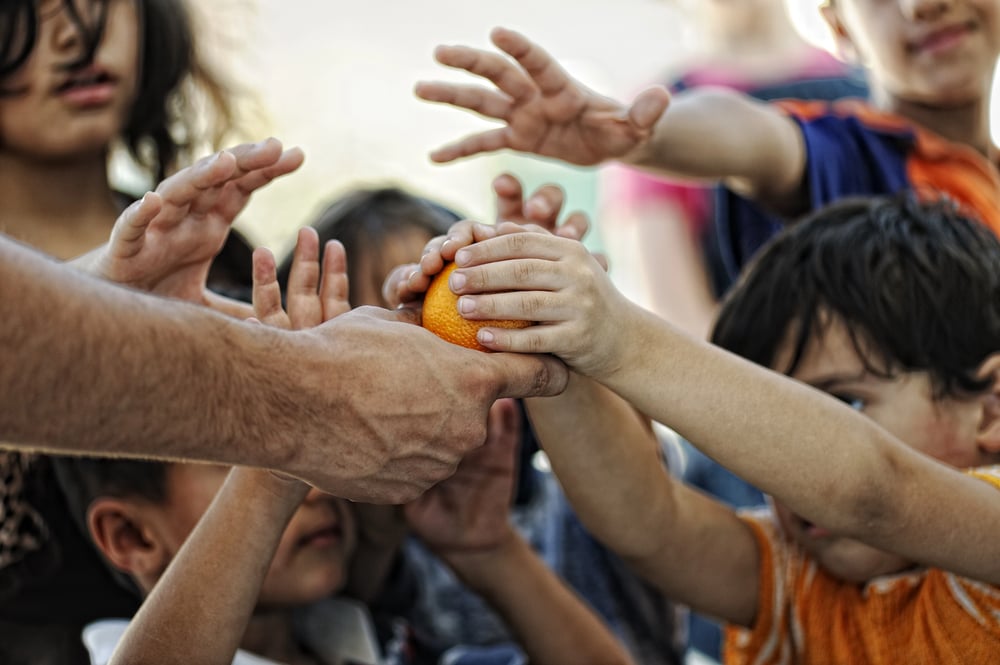
In 1948, during the Berlin Airlift, American pilot Gail Halvorsen began dropping candy to children on the ground, attaching small handkerchief parachutes to the sweets. The effort grew into Operation Little Vittles, with other crews joining in.
Photographs show children standing behind fences and waving at aircraft on approach to the airport. The gesture became one of the best-known acts of goodwill from the airlift.
The Doughnut Lassies of the First World War
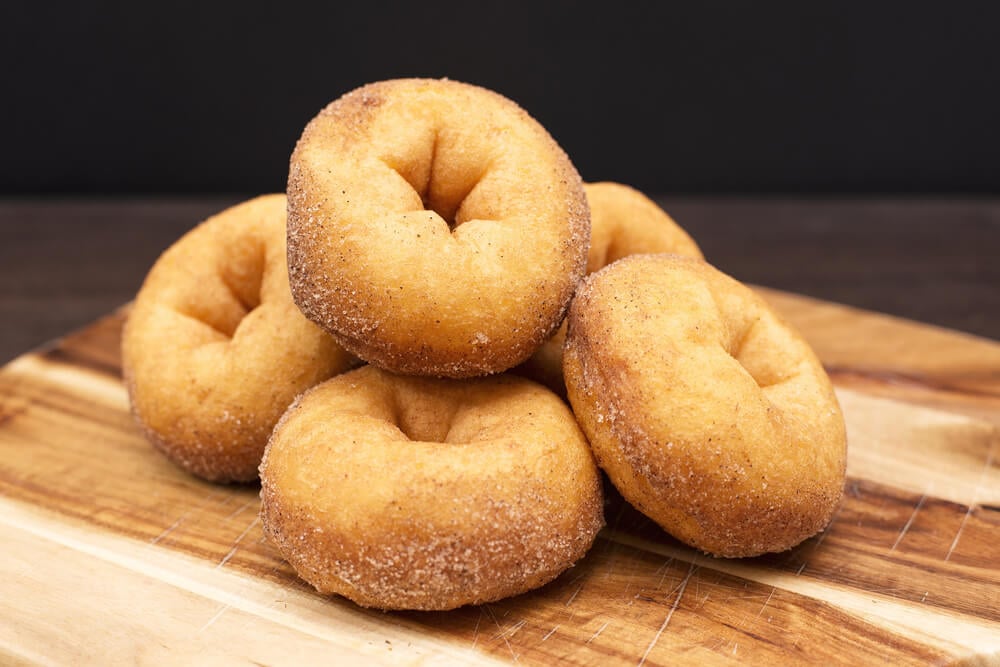
In 1917, Salvation Army volunteers, including Ensign Margaret Sheldon and Helen Purviance, began frying doughnuts for American soldiers near the front lines in France. They worked in huts with whatever equipment they could find.
The effort inspired National Doughnut Day, first held in 1938. Photographs show women in uniform handing out warm doughnuts to soldiers.
The National School Lunch Act
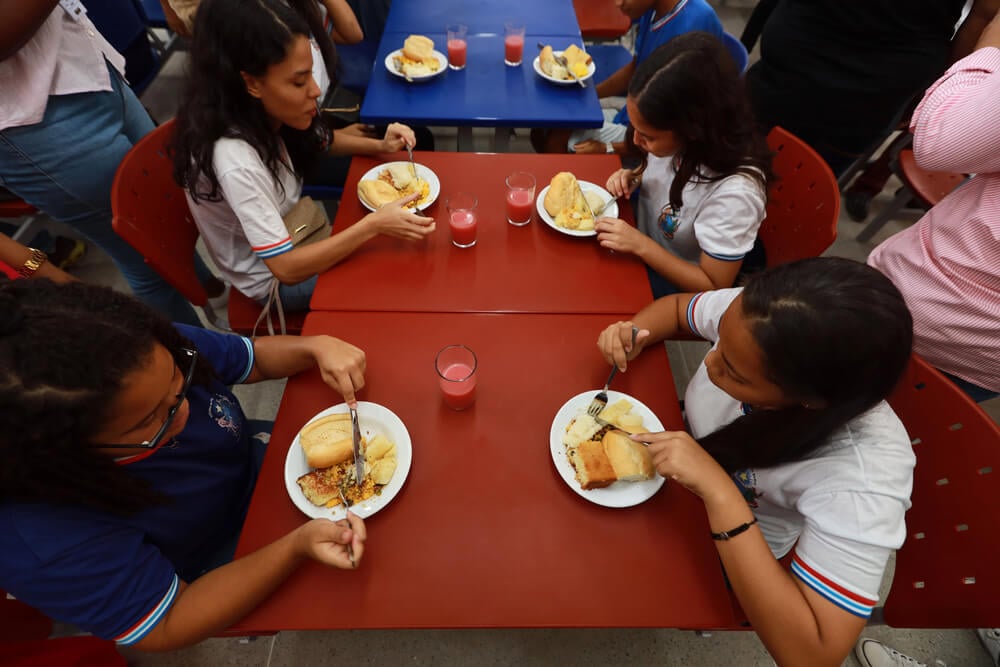
President Harry Truman signed the National School Lunch Act on June 4, 1946, creating a permanent federal program to provide meals to schoolchildren. Local lunch programs had existed before, but the law gave them a stable funding base.
Photographs of children carrying trays through cafeteria lines document the program’s expansion. The effort was tied to concerns about malnutrition among young men rejected for military service.
The Chuck Wagon
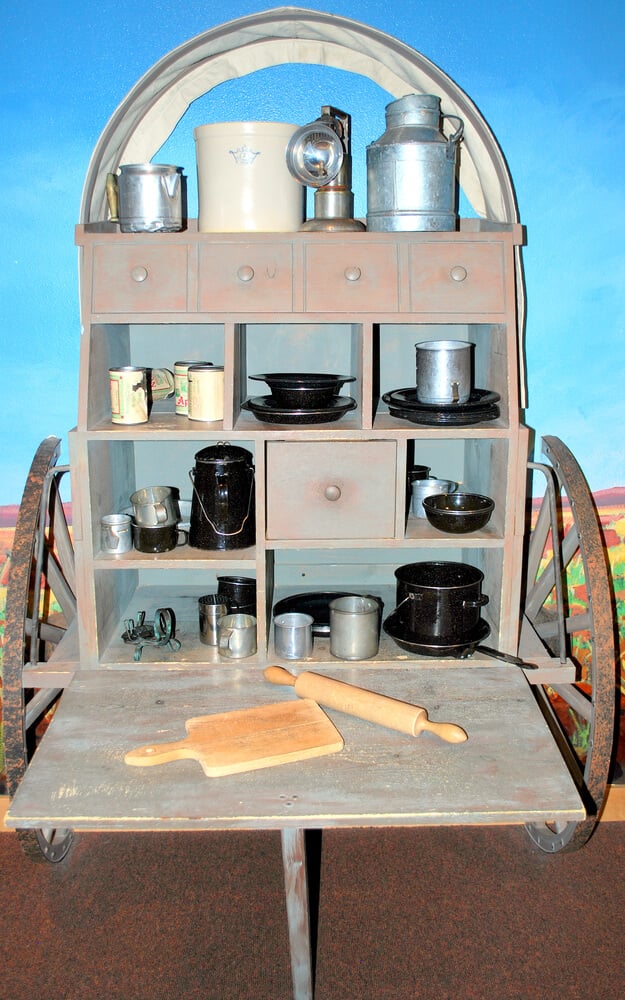
Charles Goodnight is credited with creating the chuck wagon in 1866, converting an army wagon with a cabinet and a hinged lid that folded down into a work surface. The wagon carried the supplies and equipment a cook needed to feed cowboys on long cattle drives.
Erwin E. Smith photographed life on Texas ranches in the early 1900s, including scenes at the chuck wagon. His pictures capture a working kitchen that traveled with the herd.
Pie Town, New Mexico
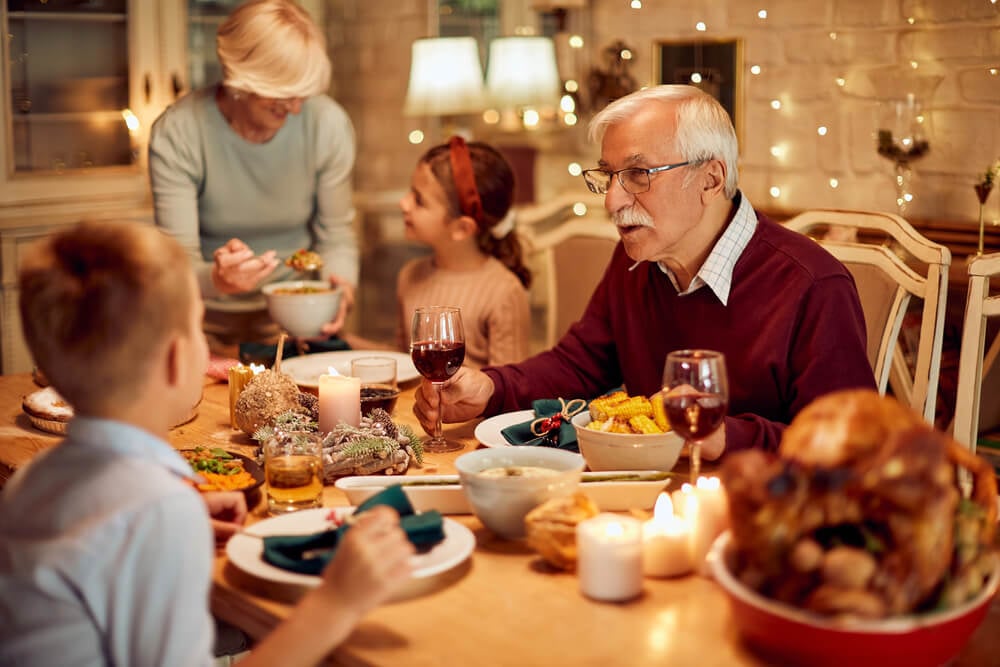
In 1940, Russell Lee photographed homesteaders in Pie Town, New Mexico, as part of the Farm Security Administration’s documentary project. The town was named for the pies baked for travelers along U.S. Highway 60.
Lee’s pictures show families at dinner, community gatherings, and women at work in the kitchen. They are among the most detailed records of Depression-era rural life.
The First Piggly Wiggly
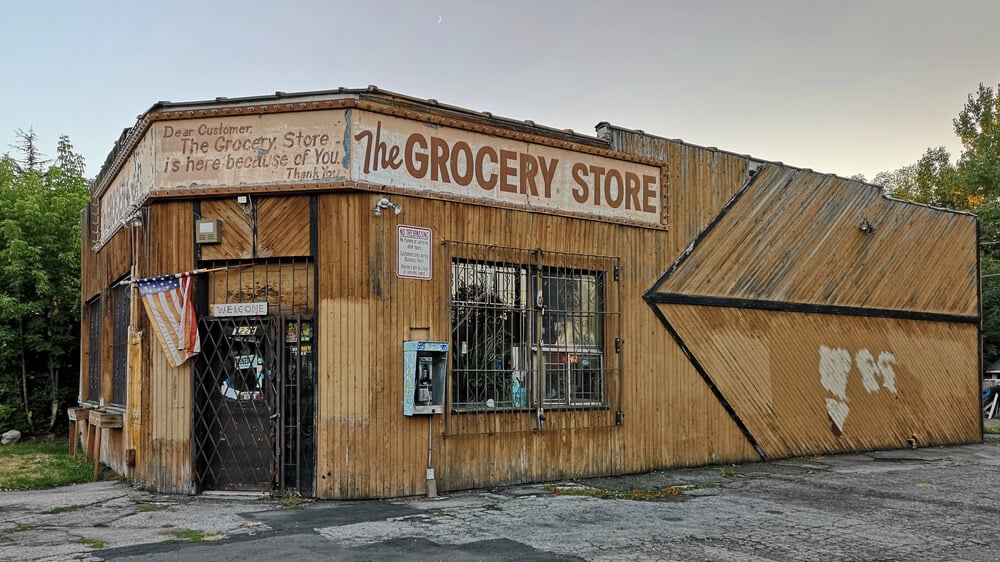
On September 6, 1916, Clarence Saunders opened the first Piggly Wiggly store in Memphis, Tennessee, allowing customers to select their own groceries. Earlier shoppers handed lists to clerks who fetched everything from behind a counter.
Customers at Piggly Wiggly entered through a turnstile, picked up a basket, and walked the aisles. Photographs of the store show shelves within reach, a new arrangement that spread into the modern supermarket.
The Fulton Fish Market
The Fulton Fish Market opened in lower Manhattan in 1822 and operated for nearly two centuries before moving to Hunts Point in the Bronx in 2005. Fishmongers sold the catch in the early morning hours from stalls and carts near the East River.
Photographs show piles of ice, wooden crates, and men in boots and rubber aprons. The market was a nocturnal world that most of the city never saw.
Les Halles in Paris
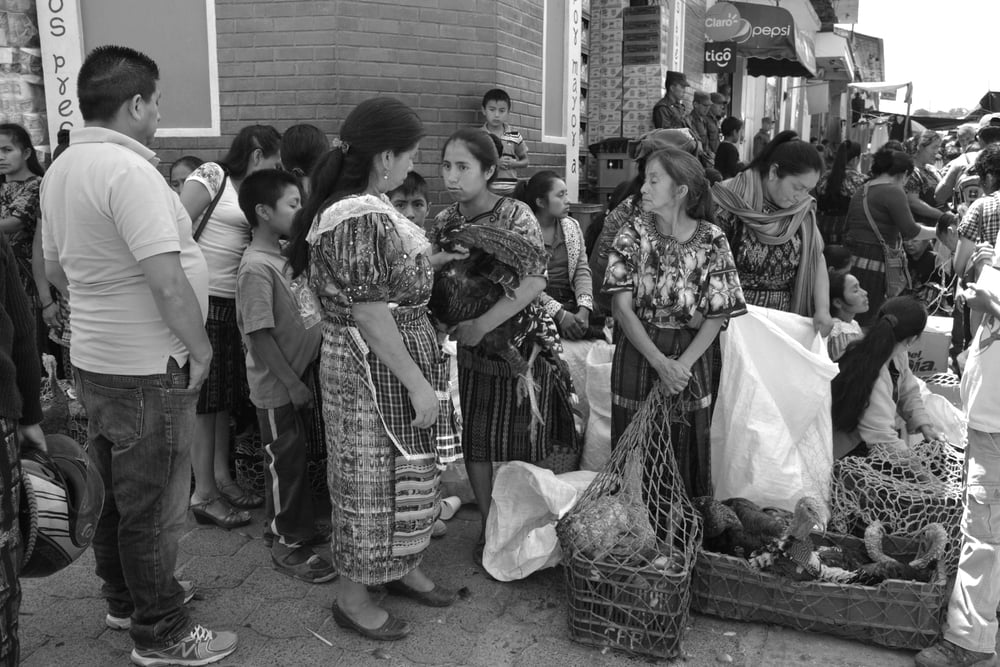
The central market of Paris occupied iron-and-glass pavilions designed by Victor Baltard in the 1850s, and Emile Zola called it the belly of Paris. The market moved to Rungis in 1969, and most of the pavilions were demolished in the early 1970s.
One was dismantled and reassembled in Nogent-sur-Marne. Photographs show porters carrying carcasses and vegetables through crowded arcades before dawn.
The Tsukiji Fish Market
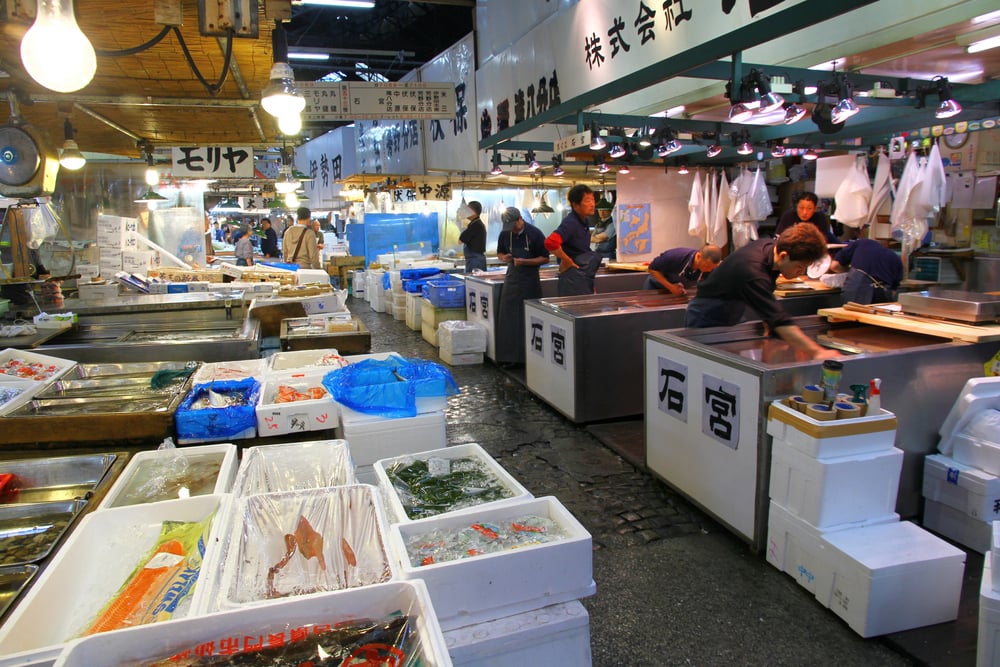
Tokyo’s Tsukiji market opened in 1935 and became famous worldwide for its early morning tuna auctions. Buyers with flashlights examined frozen tuna lined up on the floor before bidding began.
The market closed in October 2018 and its operations moved to Toyosu. Photographs of the auction floor, with carcasses stacked in rows, capture a ritual that unfolded before most people were awake.
The Dabbawalas of Mumbai
— Photo by urf
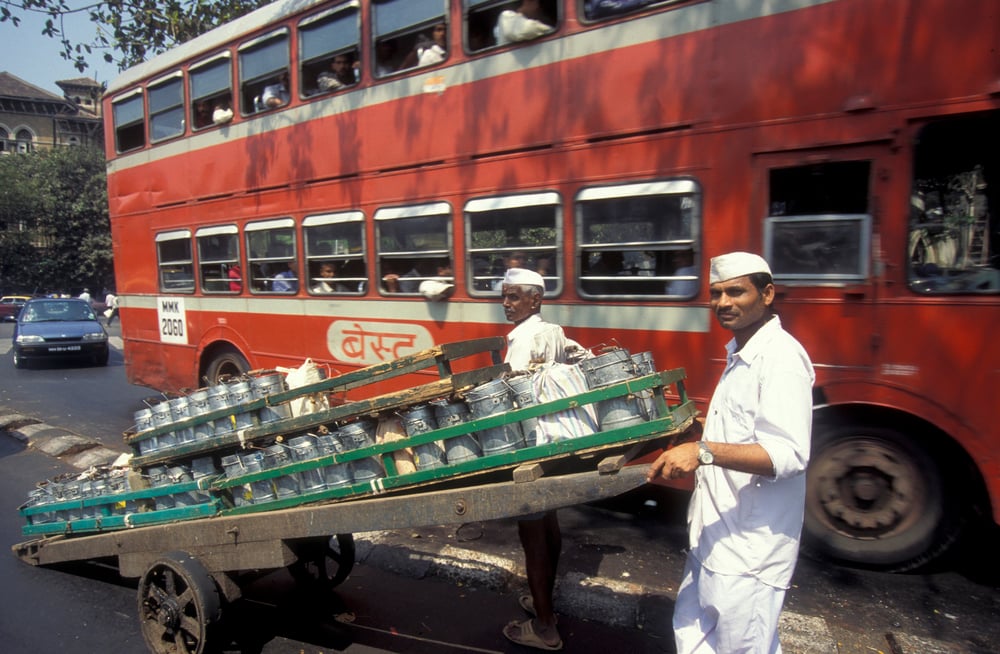
The lunchbox delivery system of Mumbai dates to around 1890, when workers began carrying home-cooked meals to office workers across the city. Today the dabbawalas deliver roughly 200,000 lunches a day, using bicycles, trains, and a coding system of marks and colors.
Photographs show men balancing crates of tiffin boxes on their heads or bicycles. The network has been studied for its remarkably low error rate.
The Kitchen Debate

On July 24, 1959, Vice President Richard Nixon and Soviet Premier Nikita Khrushchev argued about capitalism and communism while standing in the kitchen of a model American home at an exhibition in Moscow.
Elliott Erwitt photographed the encounter, with Nixon jabbing a finger toward Khrushchev. The conversation revolved around appliances and what they meant for ordinary life. The picture turned a kitchen into a stage for Cold War politics.
Sugar Rationing Registration
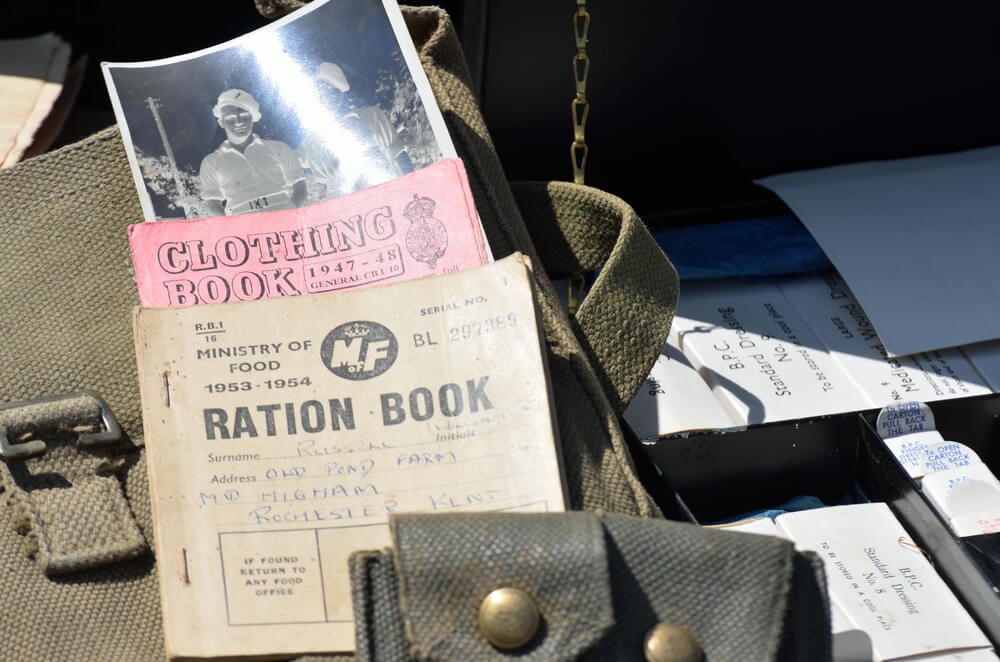
Sugar was the first food rationed in the United States during the Second World War, and in early May 1942 citizens registered for ration books at local schools. Teachers served as volunteer registrars.
Photographs show parents lined up in school halls with their families to receive their books. The system lasted until 1947.
The Hollywood Canteen
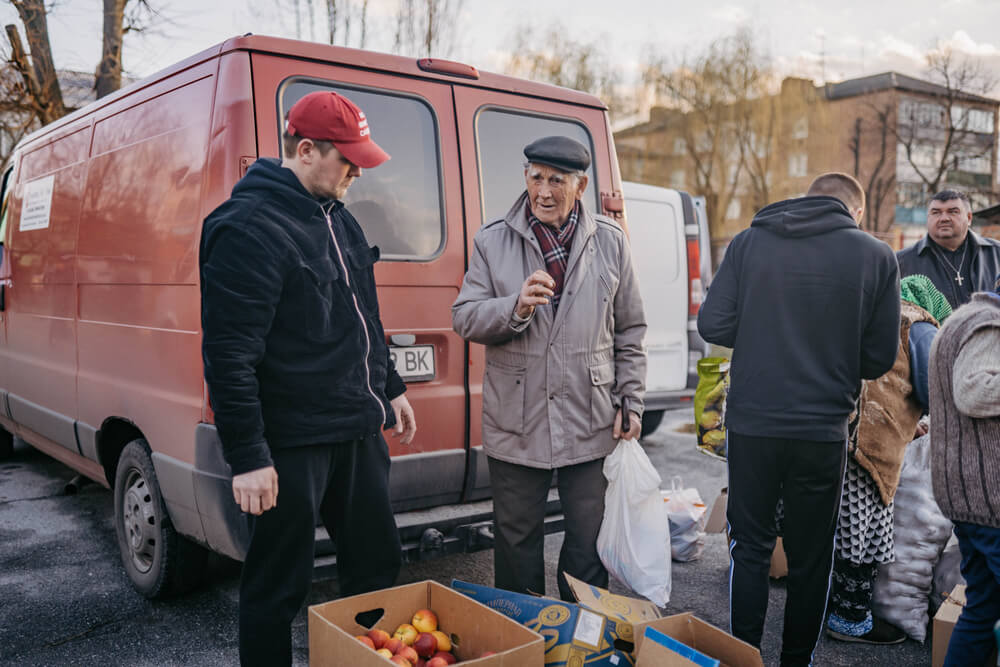
The Hollywood Canteen opened on October 3, 1942, offering free food and entertainment to servicemen. Bette Davis and John Garfield were its prominent founders, and film stars served sandwiches and washed dishes alongside volunteers.
Photographs show uniformed soldiers sitting at tables with famous actors serving them. The canteen closed after the war ended in 1945.
Red Cross Clubmobiles
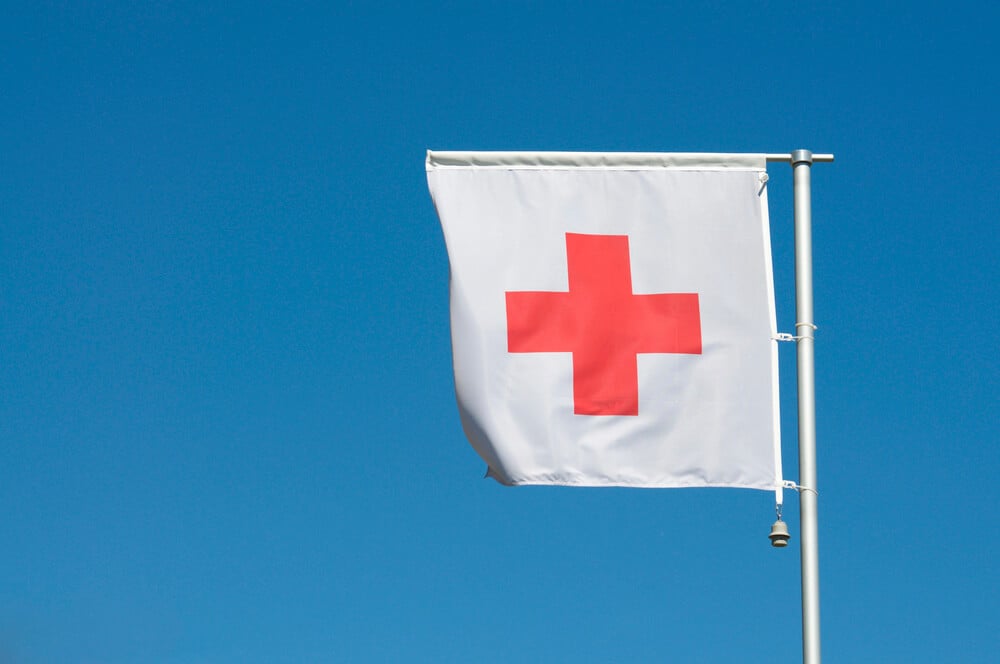
The American Red Cross ran Clubmobiles during the Second World War, converted trucks that carried coffee and doughnuts to soldiers in Europe. Women volunteers operated the vehicles, which drove close to the front lines.
Photographs show lines of soldiers receiving cups and doughnuts through a window in the side of the truck. The service was a welcome sign of home for troops far from it.
Opening Day at Pike Place Market
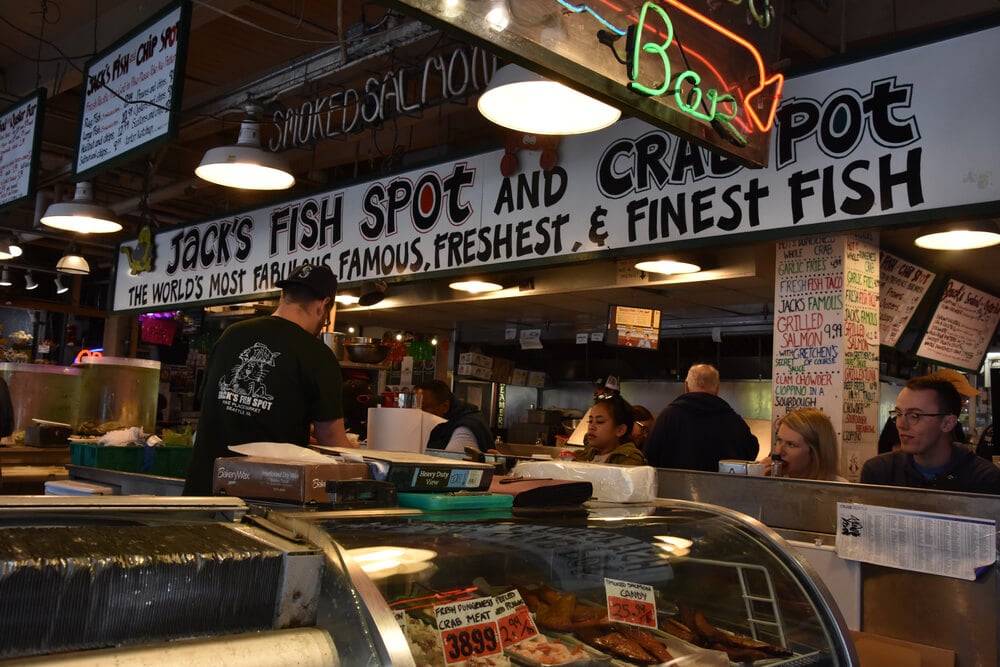
Pike Place Market in Seattle opened on August 17, 1907, allowing farmers to sell their produce directly to consumers from wagons. The market was created partly because shoppers complained about prices charged by middlemen.
Photographs of the opening show crowds pressing around farm wagons on the street. The market has remained in operation ever since.
The Iowa State Fair Butter Cow
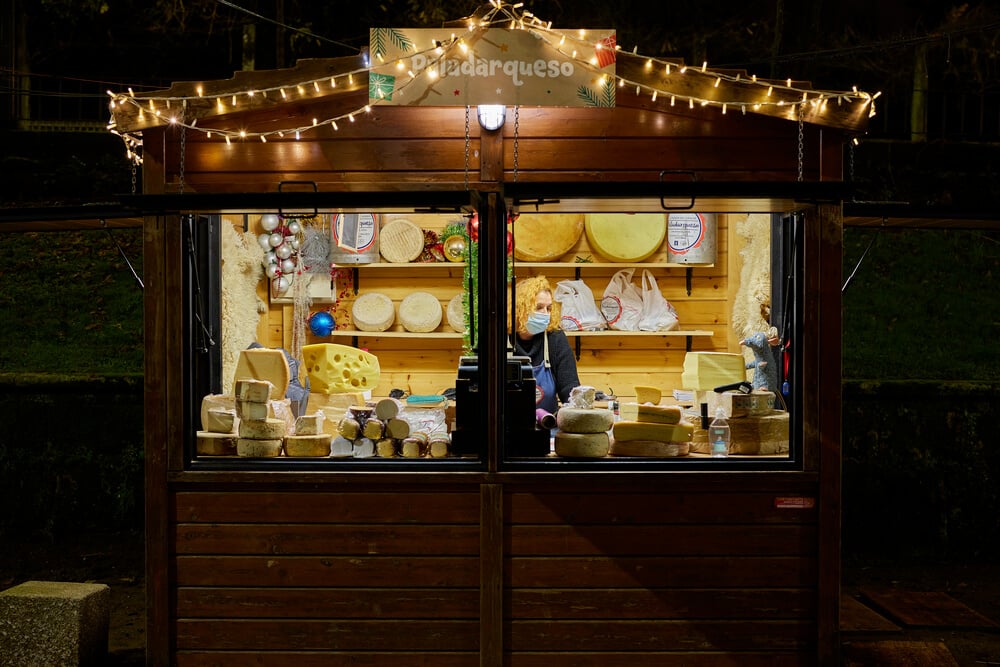
The butter cow has appeared at the Iowa State Fair since 1911, sculpted from butter in a refrigerated case. Over the years the display has grown to include other figures, but the cow remains the centerpiece.
It is a food photograph in which the food is never meant to be eaten.
The Dutch Hunger Winter
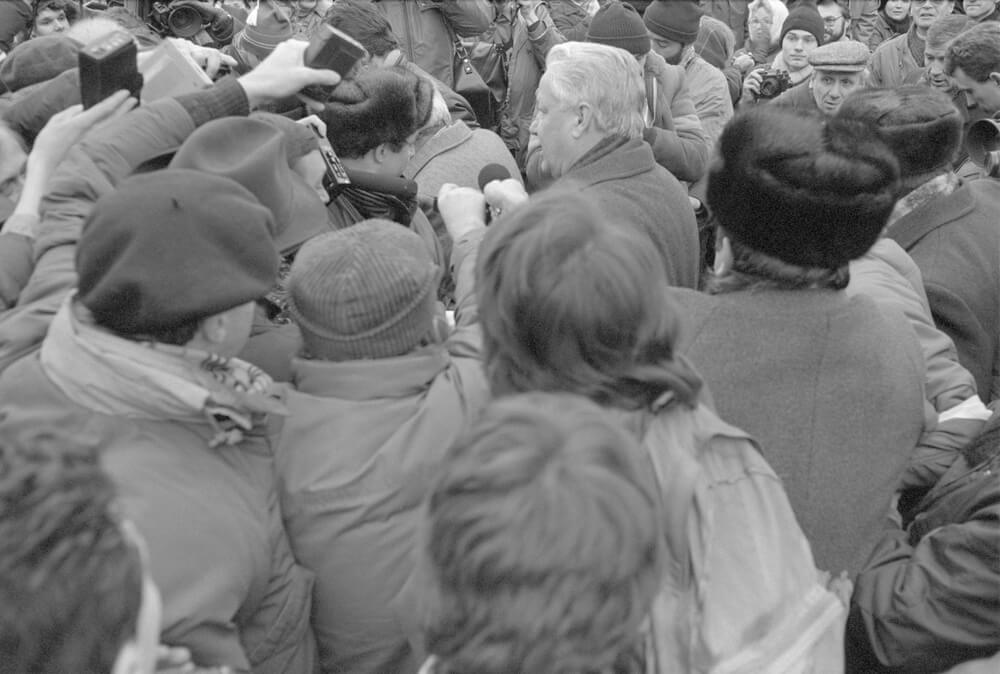
In the winter of 1944 and 1945, much of the western Netherlands experienced severe food shortages after a transport embargo and harsh weather. Community kitchens served thin soup to residents in cities such as Amsterdam and The Hague.
Photographs show people lining up with pots and pans for their rations. The episode left a lasting mark on the country and on public health research.
Hoover’s Relief Kitchens in Belgium
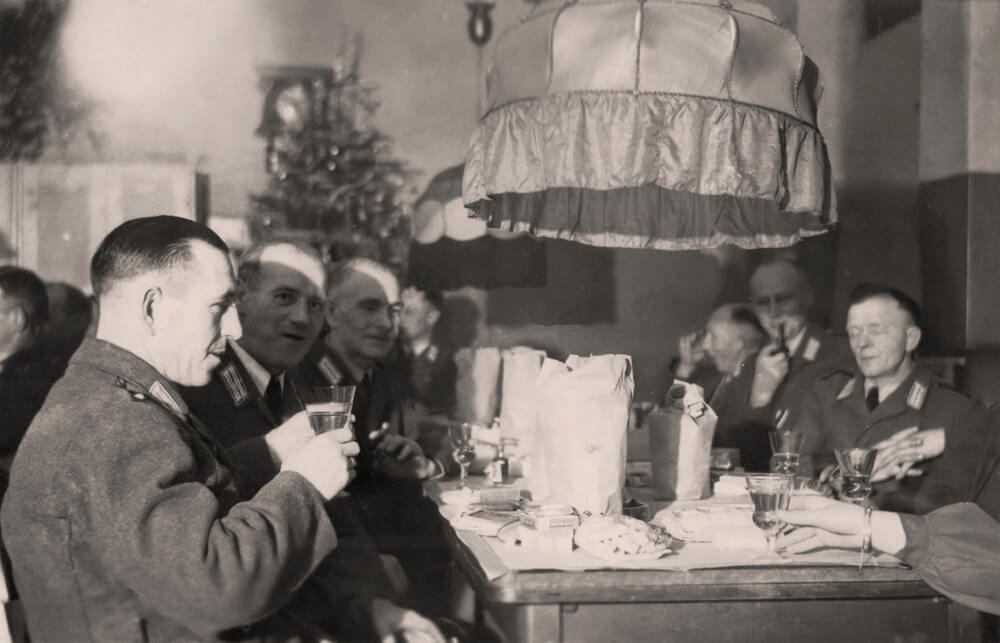
After Germany invaded Belgium in 1914, Herbert Hoover organized the Commission for Relief in Belgium to import food for civilians. The effort sent grain and other supplies through a network of local committees and soup kitchens.
Photographs show Belgian children holding tin cans for their daily portion. The relief effort helped establish Hoover’s reputation as an organizer.
Leningrad Bread Lines
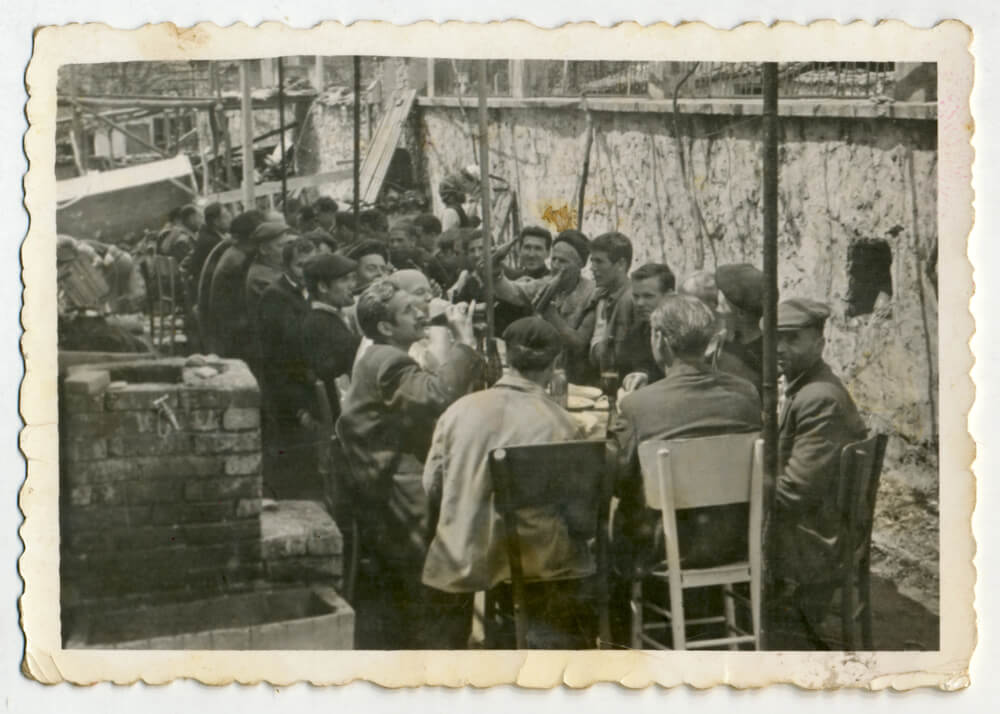
During the siege of Leningrad, which lasted from September 1941 to January 1944, the daily bread ration fell to 125 grams for many civilians in the winter of 1941. The bread was bulked up with other ingredients to stretch the flour supply.
Photographs show residents queuing in the cold, bundled in coats and scarves. The bread line became a symbol of the city’s endurance.
The Tables Nobody Booked
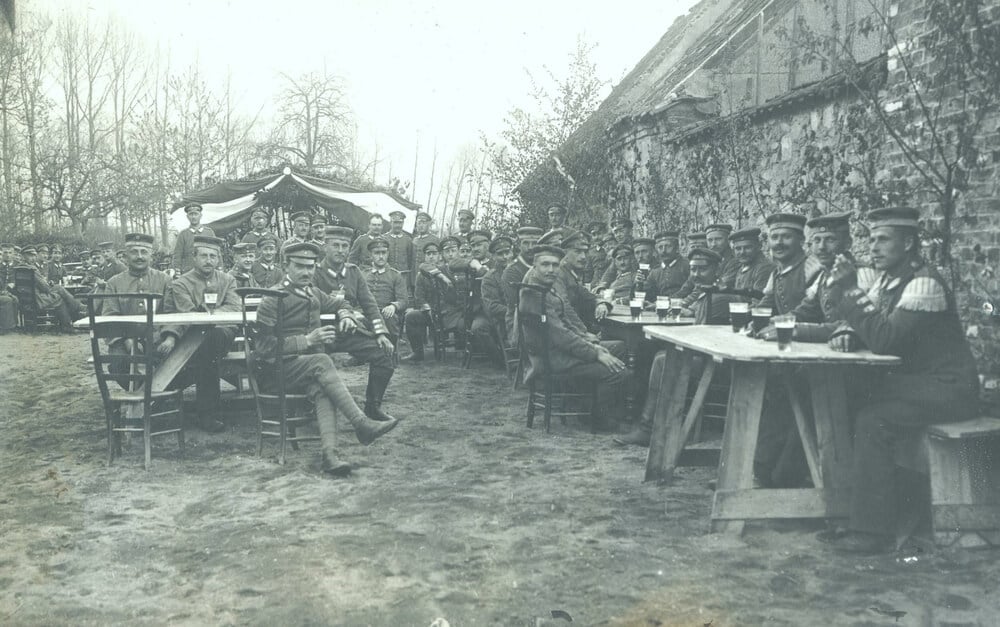
What these photographs share is an absence of choice. The workers on the beam ate where the job took them, the families in the soup lines ate what was ladled out, and the astronauts ate what could be clipped in place.
Food in these pictures is a matter of logistics, charity, or habit rather than an occasion. That is why they hold up so well as historical evidence.
A menu records what a restaurant wanted to sell, but a bread line records what a society could not provide, and a lunch box records what a worker needed to make it through the day. Seen together, the pictures show how much of life is organized around the simple question of the next meal.
More from Go2Tutors!

- 27 Silver Dollars and Half Dollars Worth Keeping
- 28 Restaurant Menu Items Nobody Orders Anymore
- 17 Places Built in Seemingly Impossible Spots
- 27 Vintage Rings Worth More Than They Look
- 25 Restricted Sites Tourists Can’t Enter
Like Go2Tutors’s content? Follow us on MSN.