29 Household Inventions With Wartime Roots
War is remembered for its destruction, but it also forces engineers, chemists and quartermasters to solve problems fast and at enormous scale. Many of those solutions stayed in daily use for decades after the conflicts that produced them ended.
A surprising share of the objects in an ordinary kitchen, bathroom cabinet or closet began as something meant for soldiers, sailors or pilots.
Percy Spencer’s Melted Candy Bar
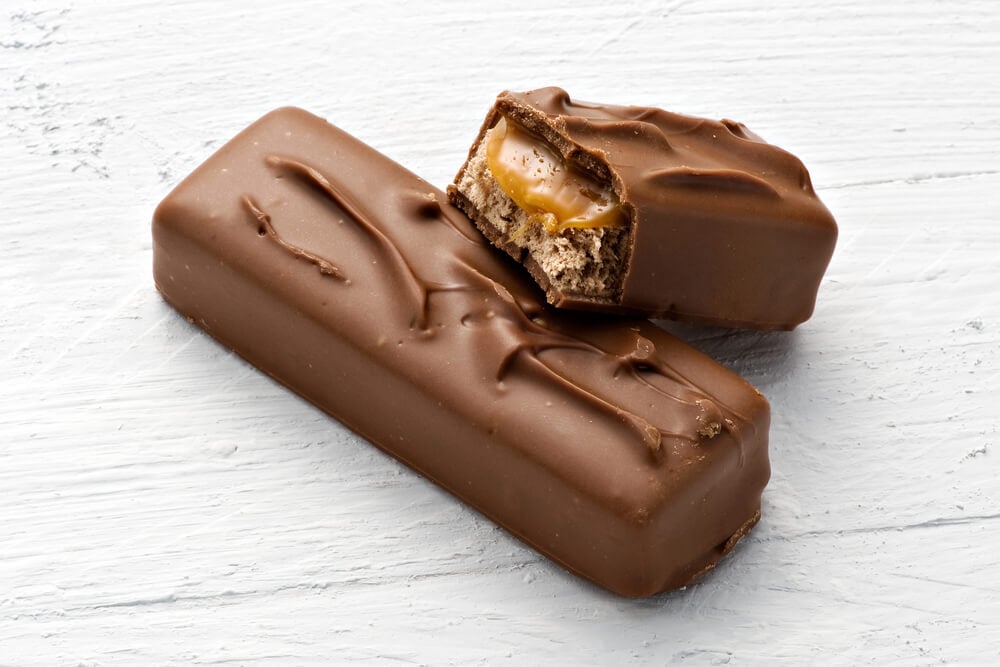
Raytheon engineer Percy Spencer was working with magnetrons, the tubes that powered radar sets during World War II, when he noticed that a candy bar in his pocket had melted. He experimented with popcorn kernels and an egg, and Raytheon patented microwave cooking soon after.
The first commercial microwave oven, the Radarange, arrived in 1947 and stood nearly 6 feet tall, built for restaurants and ships rather than homes. It took two more decades, and a countertop model sold under the Amana name in 1967, before microwaves became ordinary household appliances.
Duct Tape From a Factory Worker’s Letter
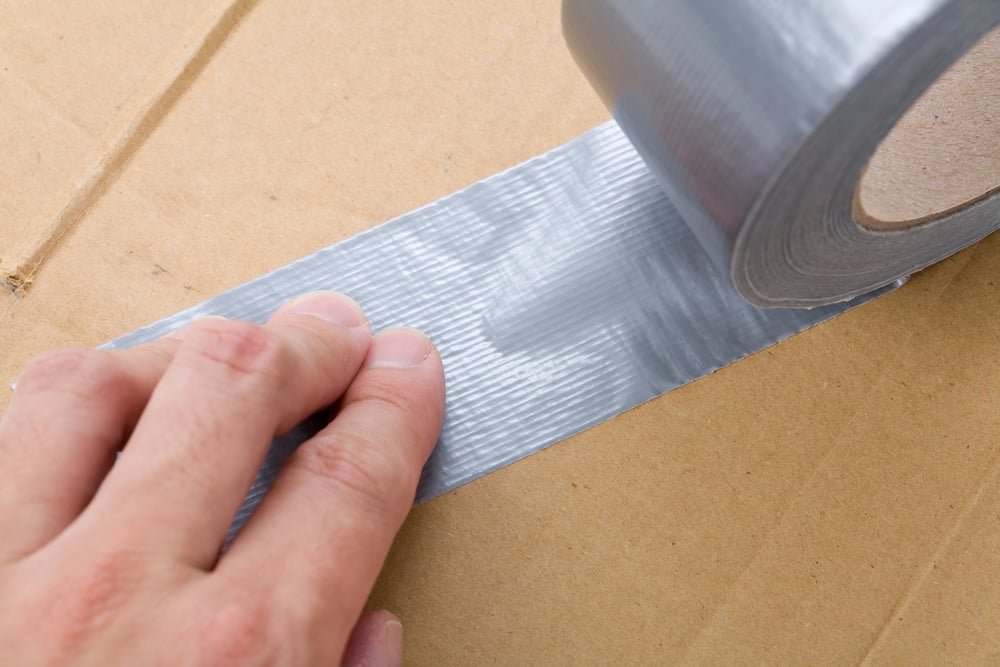
Vesta Stoudt, a worker at an Illinois ordnance plant with two sons in the Navy, worried that the paper tape sealing ammunition boxes was too hard to open under fire. In 1943 she wrote directly to President Franklin Roosevelt suggesting a waterproof cloth tape, and the idea was passed to the War Production Board.
Johnson and Johnson’s Revolite division produced a green cloth tape that troops used for everything from repairing gear to patching vehicles. After the war, builders used a silver version on heating ducts, and the name stuck.
Super Glue and the Gun Sight Problem
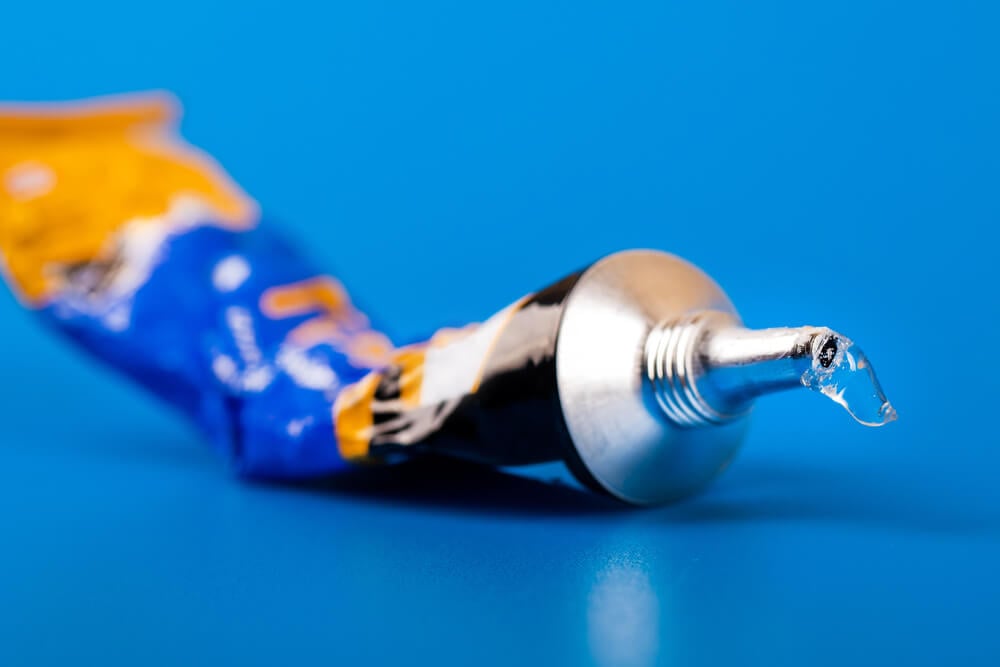
In 1942, chemist Harry Coover was working at Eastman Kodak on clear plastics for precision gun sights when he made a compound that stuck to everything it touched. For the gun sight project, that stickiness was useless, so the formula was set aside.
Coover recognized its potential years later, and Eastman Kodak brought the adhesive to market in 1958 as Eastman 910. Cyanoacrylate glues went on to fill kitchen junk drawers everywhere, and a spray version was used to close wounds in the field during the Vietnam War.
Silly Putty From a Rubber Shortage
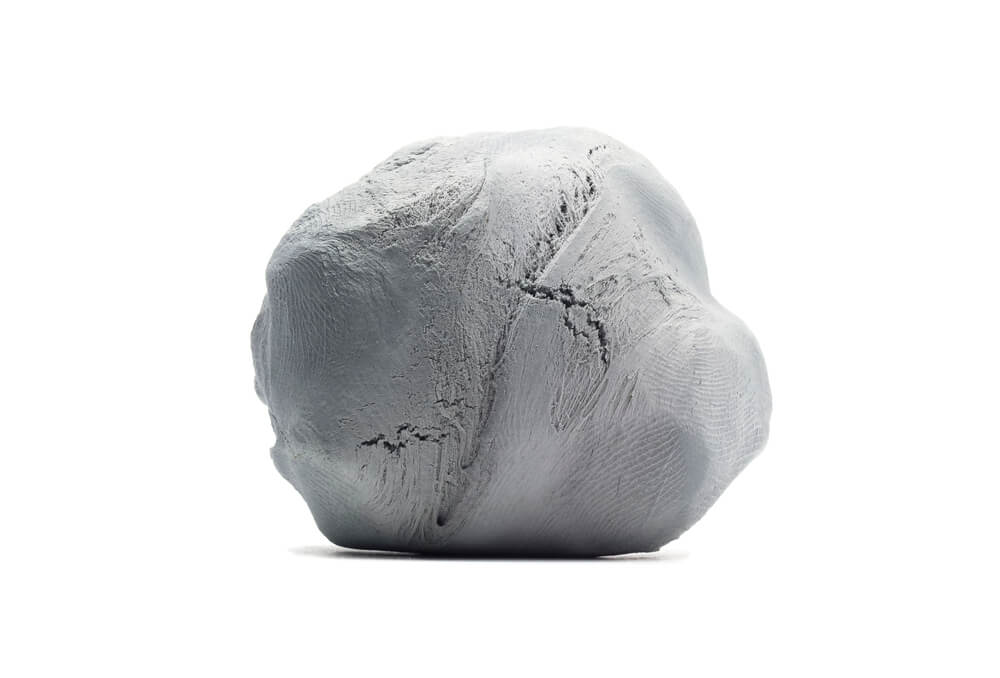
Japan’s conquests in Southeast Asia cut the United States off from most of its natural rubber during World War II, and the government pushed companies to find substitutes. In 1943, General Electric engineer James Wright mixed boric acid with silicone oil and produced a bouncy, stretchy goo that proved useless as rubber.
Years later, marketer Peter Hodgson packaged it in plastic eggs and sold it as Silly Putty. The putty copies newsprint, stretches slowly and snaps when pulled fast, and astronauts on Apollo 8 even took some into space.
Slinky From a Navy Shipyard
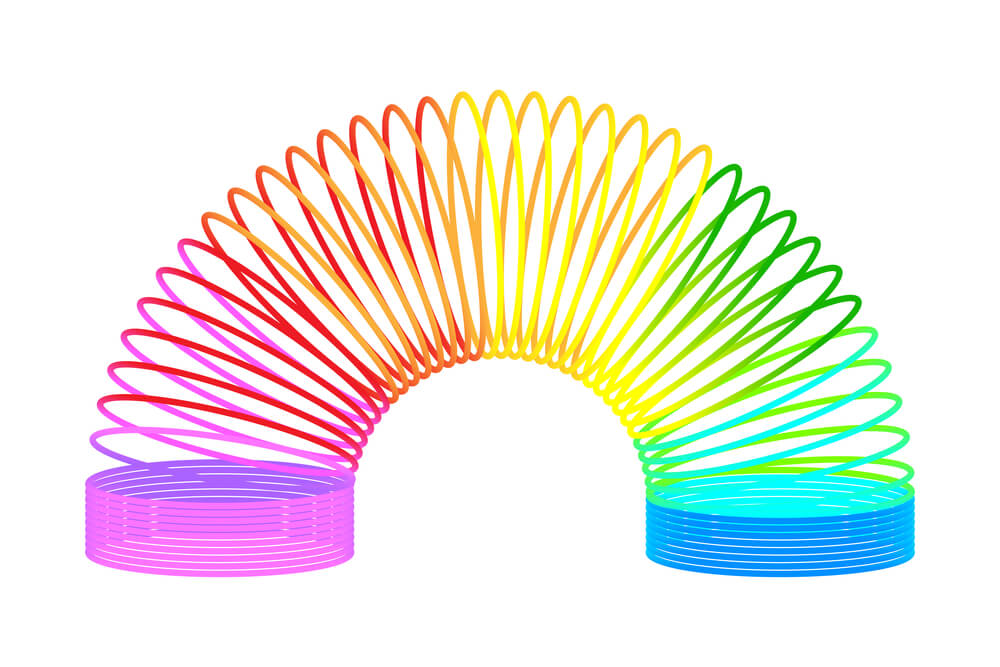
Richard James, a naval engineer at the Philadelphia shipyard, was working with tension springs meant to stabilize sensitive ship instruments in 1943 when one fell from a shelf and kept moving. He and his wife Betty spent two years developing the toy, and Betty chose the name from a dictionary.
The Slinky debuted at Gimbels department store in Philadelphia during the 1945 holiday season, where the first batch of 400 reportedly sold out within about 90 minutes. Each one used roughly 80 feet of wire, and the basic design has barely changed since.
Aerosol Cans From the Bug Bomb
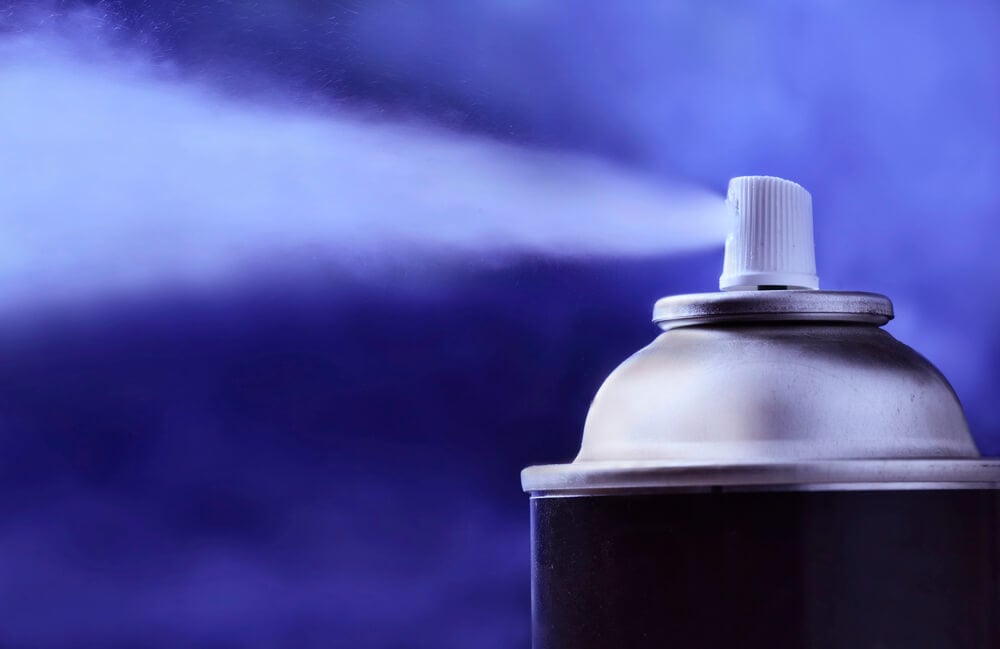
Malaria was killing as many soldiers as combat in parts of the Pacific during World War II, and in 1941 Department of Agriculture researchers Lyle Goodhue and William Sullivan developed a portable insecticide sprayer that troops called the bug bomb. It used a liquefied gas to push insecticide out as a fine mist.
After the war, the same principle filled supermarket shelves with spray paint, air freshener, hair spray and whipped cream. Reddi-wip, introduced in 1948, became one of the best-known consumer aerosol products in the country.
Plastic Wrap From a Lab Accident
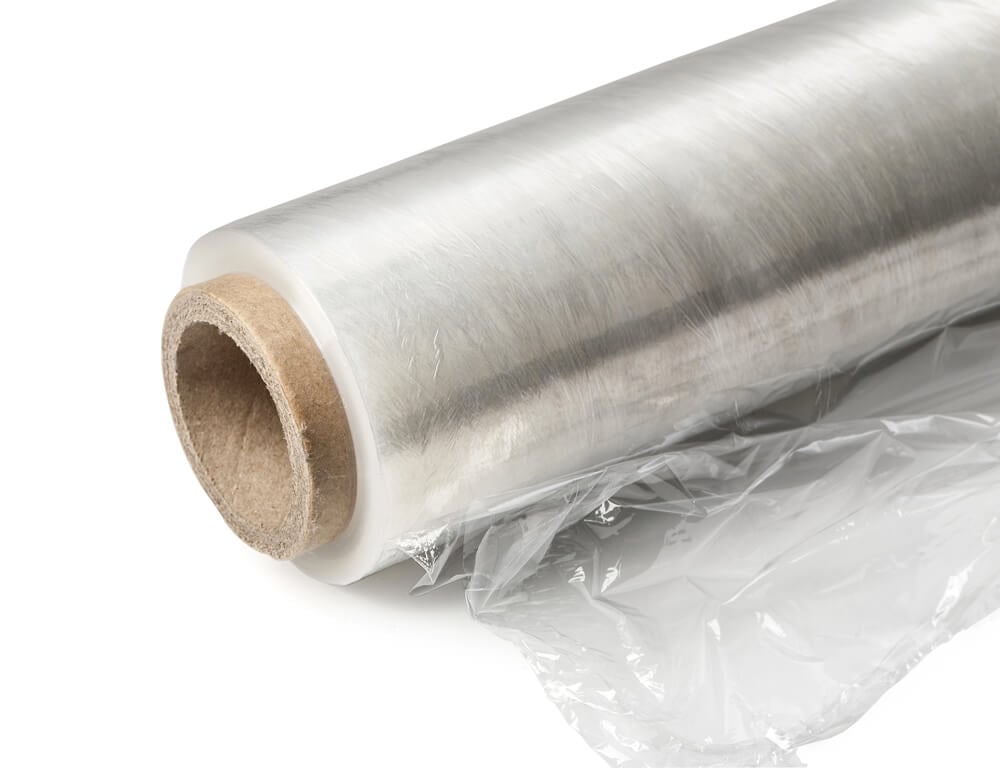
In 1933, a Dow Chemical lab worker named Ralph Wiley found a stubborn film coating the inside of a glass vial that he could not scrub away. The material, polyvinylidene chloride, became Saran, and during World War II the military sprayed it onto fighter planes to protect them from salt spray and used it in other protective coatings.
Chemists later removed its green tint and unpleasant odor. Saran Wrap reached home kitchens in the early 1950s and changed how families stored leftovers in the refrigerator.
Stainless Steel From Sheffield Gun Research
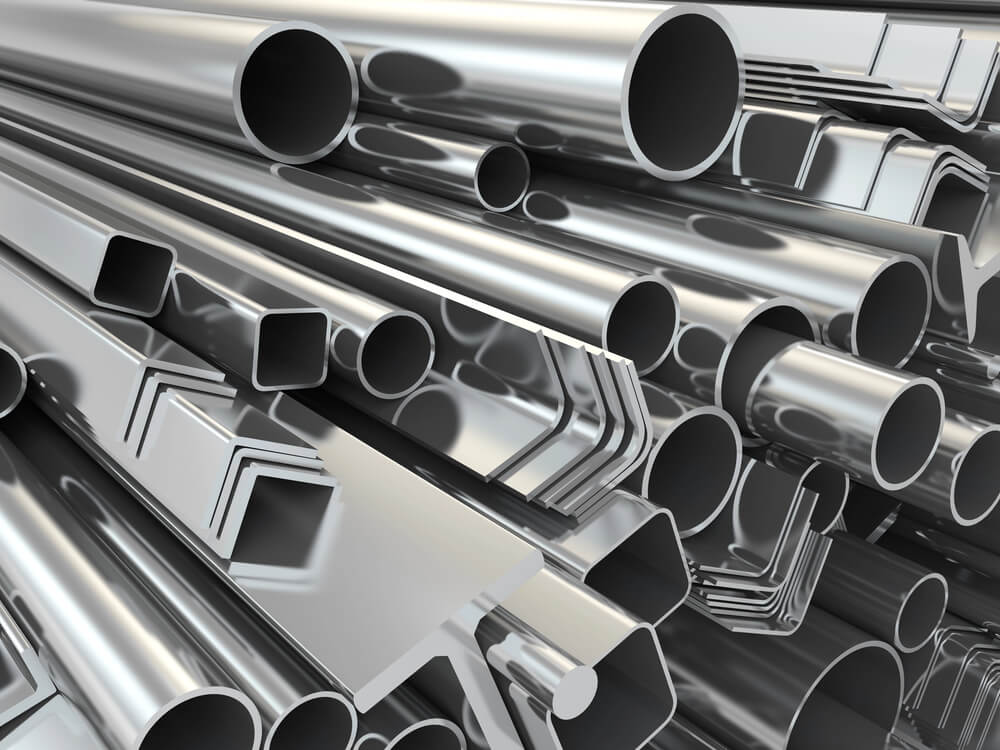
Harry Brearley, a metallurgist in Sheffield, England, was researching steel that would resist erosion inside gun barrels in 1913 when he noticed that samples with added chromium refused to rust. Some of his discarded test pieces stayed bright while others corroded.
Brearley saw the value for cutlery, and Sheffield knife makers soon began producing what was first called rustless steel. Within a few decades, stainless steel had spread from forks and knives to sinks, pots and appliances, and it remains a standard material in nearly every home kitchen.
Canned Food and Napoleon’s Prize
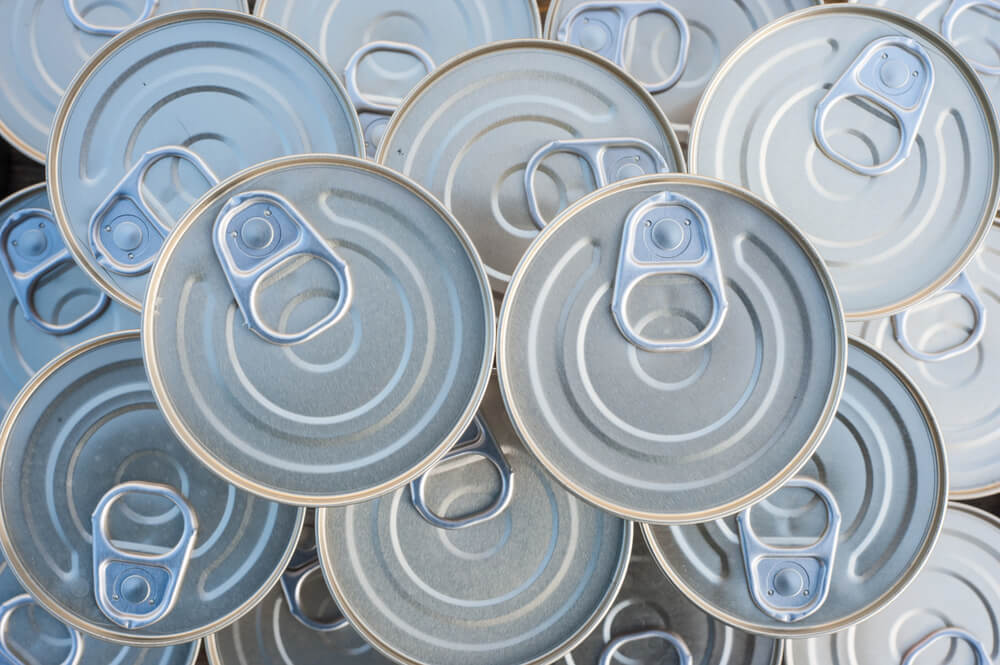
France’s revolutionary government offered a prize of 12,000 francs to anyone who could find a reliable way to preserve food for its armies and navy. Confectioner Nicolas Appert claimed it in 1810 after years of sealing food in glass jars and boiling them.
That same year, Englishman Peter Durand patented the idea of using tin-coated iron cans, which were sturdier than glass. Early cans were so thick that soldiers opened them with bayonets or hammers, and the dedicated can opener did not appear until decades later.
Kleenex From Gas Mask Filters
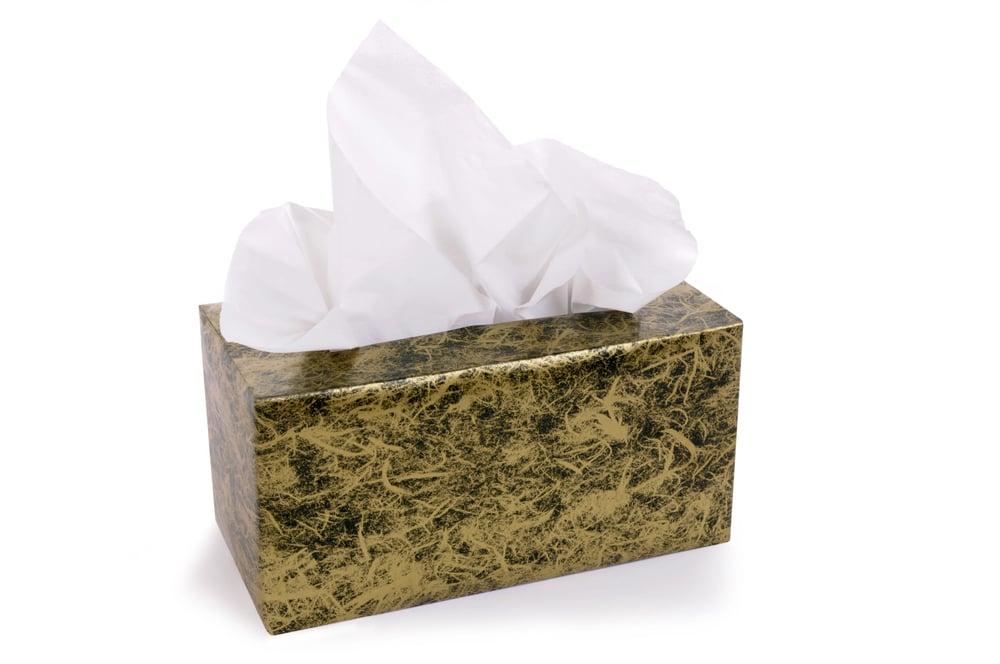
Kimberly-Clark developed Cellucotton, a cotton substitute made from wood pulp, during World War I, and a thin, flat version was tested as a filter for gas masks. When the war ended, the company had surplus material and production capacity to spare.
In 1924 it launched Kleenex as a disposable cloth for removing cold cream. Customers kept writing in to say they used the tissues to blow their noses, and by the 1930s the company was marketing Kleenex as a replacement for the handkerchief.
Its slogan warned against carrying a cold around in a pocket.
Kotex From Army Nurses
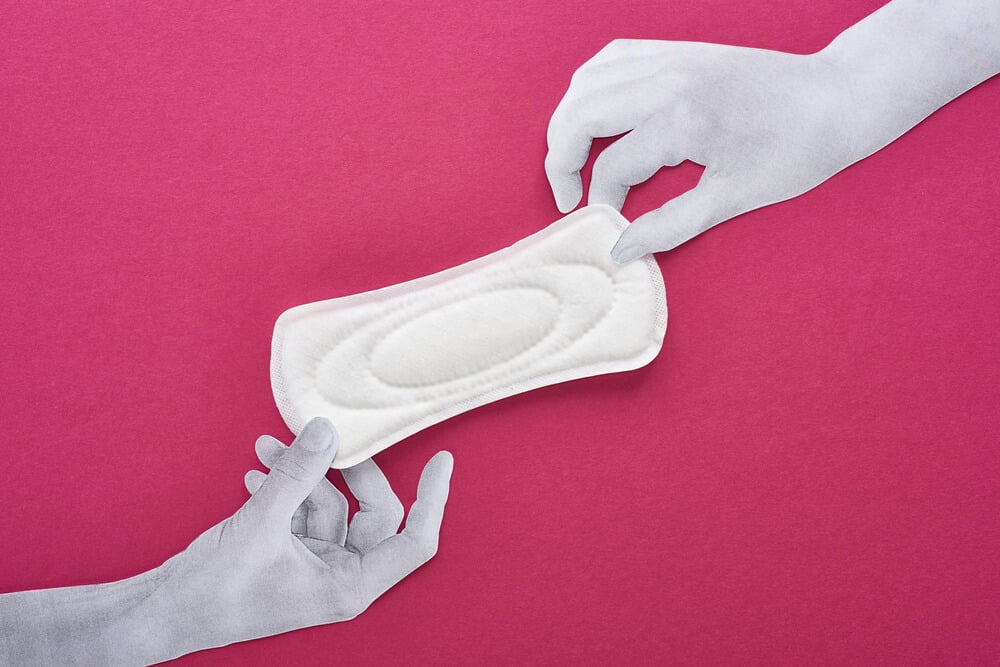
During World War I, army nurses in France discovered that Cellucotton bandages were far more absorbent than the cloth they had been using as menstrual pads, and they began improvising with the material. Kimberly-Clark noticed and in 1920 introduced Kotex, a disposable pad made from layers of Cellucotton wrapped in gauze.
The name was short for cotton texture. Many stores at first kept the product hidden behind the counter, and the company had to persuade shopkeepers to let women buy it without having to ask a clerk.
Wristwatches From the Trenches
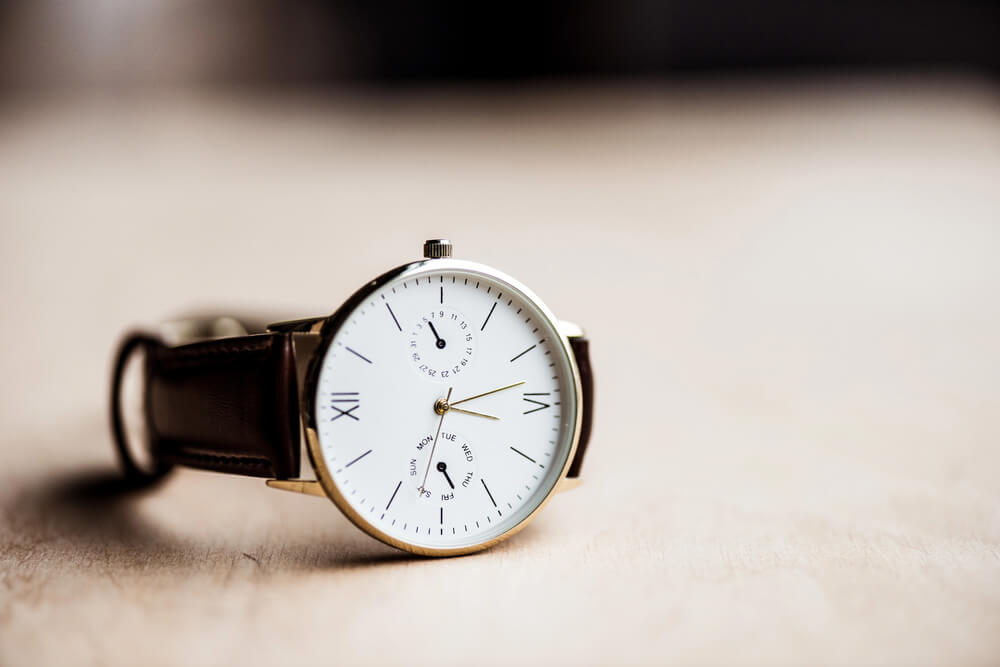
Before World War I, wristwatches were largely considered jewelry for women, while men carried pocket watches on chains. Officers coordinating artillery barrages and infantry advances needed to check the time without fumbling in a pocket.
Trench watches, often pocket watches fitted with wire lugs and leather straps, became standard gear, and returning soldiers made the wristwatch acceptable for men. Within a decade after the war, wristwatches had overtaken pocket watches in popularity, and the change never reversed.
Watchmakers added luminous dials and shatter-resistant crystals during the war, features that civilians soon came to expect.
Trench Coats for Officers
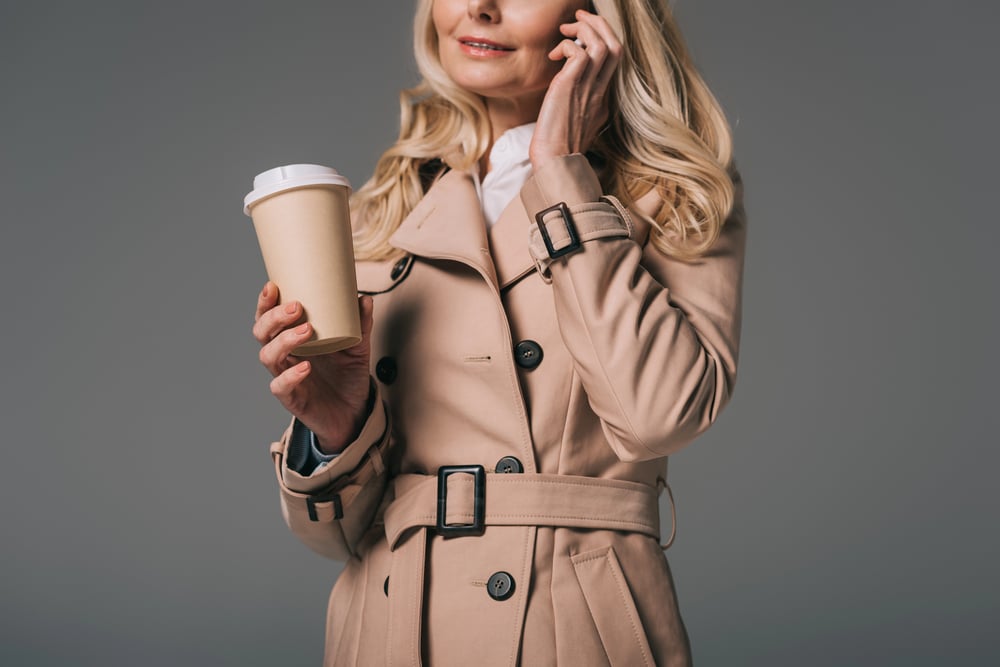
British officers in World War I needed waterproof coats that could handle mud and rain without the weight of heavy wool greatcoats. Burberry, whose waterproof gabardine fabric dated to the 1870s, and Aquascutum both supplied versions, and both still claim a role in the design.
The coats featured shoulder straps for rank insignia, D-rings for equipment and a storm flap. After the war, officers kept wearing them at home, and Hollywood turned the trench coat into the uniform of detectives and leading men, from Humphrey Bogart in Casablanca onward.
The basic double-breasted cut has barely changed in a century.
Aviator Sunglasses for High-Altitude Pilots
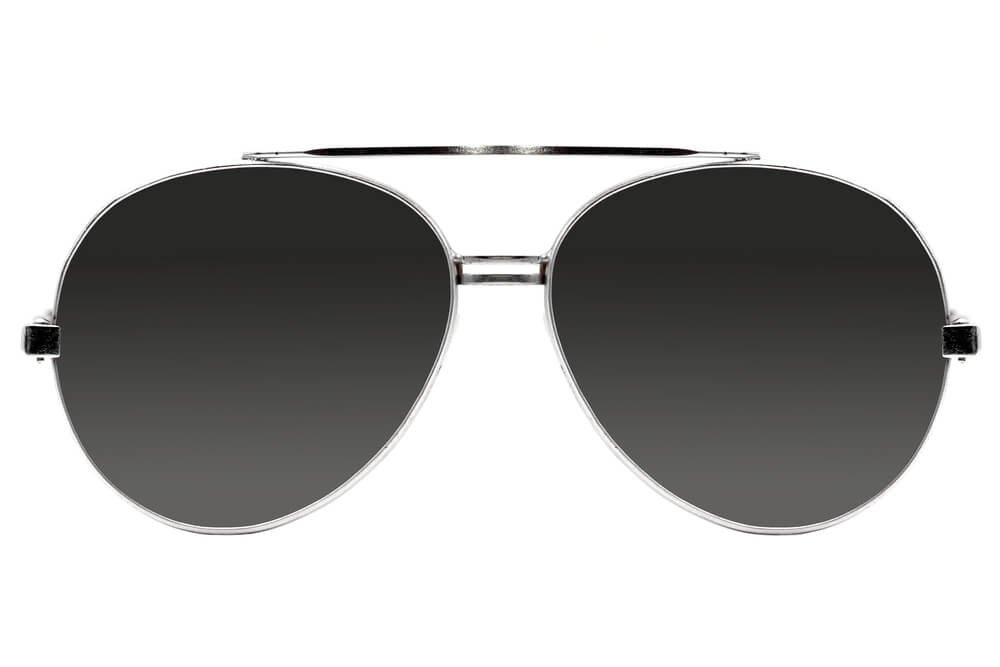
Bausch and Lomb developed aviator sunglasses in the 1930s for the US Army Air Corps after pilots complained that glare at high altitudes caused headaches and nausea. The large teardrop lenses covered the full range of the eye’s movement, and green lenses cut glare without distorting color.
The company launched them to the public in 1937 under the Ray-Ban brand. General Douglas MacArthur was photographed wearing them in the Philippines during World War II, and the style has stayed in fashion since, worn by everyone from police officers to film stars.
Instant Coffee in the Trenches
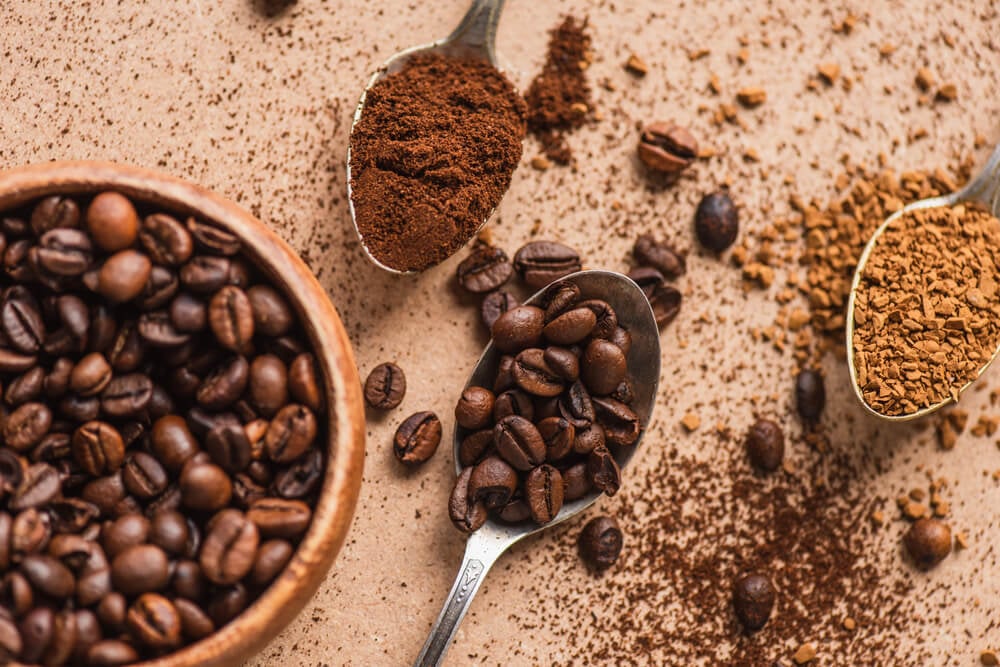
George Washington, a Belgian-born inventor living in New York, began selling a soluble coffee in 1910, but it took World War I to make instant coffee popular. The US Army bought large quantities for troops in France, and soldiers reportedly called a cup of coffee a cup of George.
Nestle introduced Nescafe in 1938, and during World War II the US military again bought instant coffee in enormous quantities. Returning veterans brought the habit home, and instant coffee became a staple of American kitchens, prized for its speed if not its flavor.
Candy Shells From the Spanish Civil War
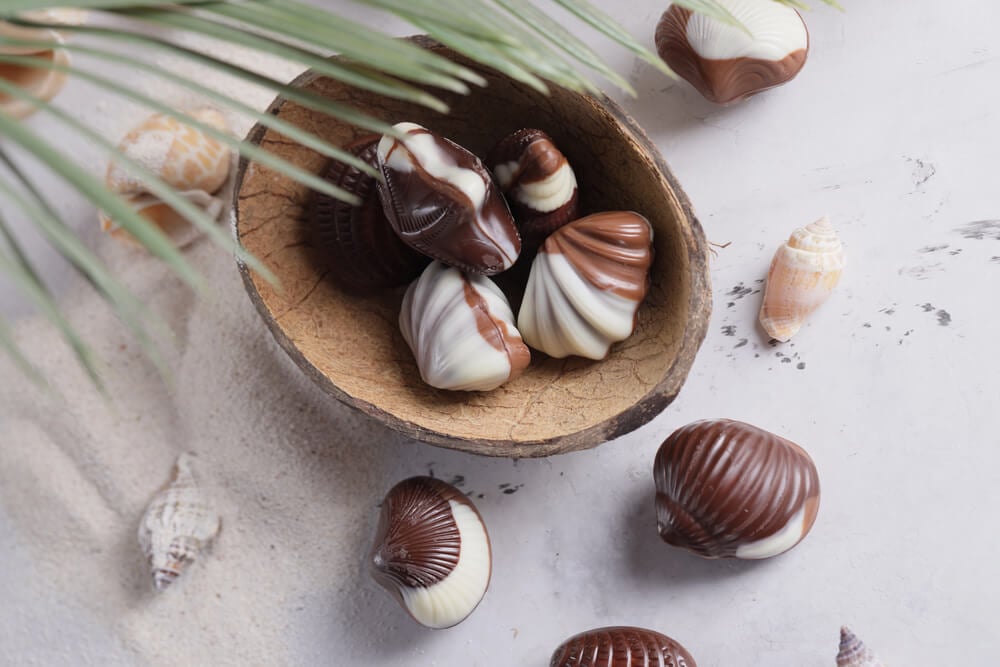
Forrest Mars Sr. reportedly saw soldiers during the Spanish Civil War eating chocolate pellets coated in a hard sugar shell that kept them from melting. Back in the United States, he partnered with Bruce Murrie, and the candy was named for their initials.
Production began in 1941, and during World War II the candies were sold almost exclusively to the military, since they could survive in soldiers’ rations in hot climates. After the war, they became one of the country’s best-selling candies, and the advertising promise that they melted in the mouth rather than in the hand became one of the best-known slogans in the business.
Teflon and the Manhattan Project
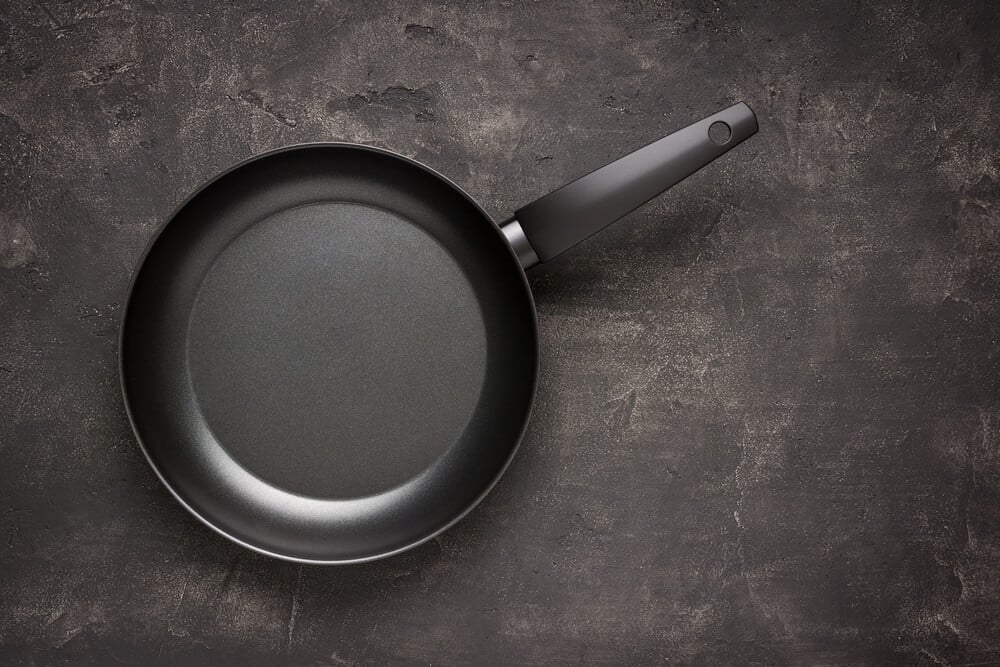
DuPont chemist Roy Plunkett discovered polytetrafluoroethylene by accident in 1938, when a cylinder of refrigerant gas turned into a slippery white solid. During World War II, the material was used in the Manhattan Project for gaskets and seals that could resist corrosive uranium compounds.
After the war, French engineer Marc Gregoire coated aluminum pans with it at his wife’s suggestion, and Tefal launched nonstick cookware in 1956. Nonstick pans reached American stores a few years later, and by the 1960s they were a standard wedding gift.
Plunkett’s accidental discovery had traveled from secret weapons labs to frying eggs in about two decades.
Penicillin Mass Production
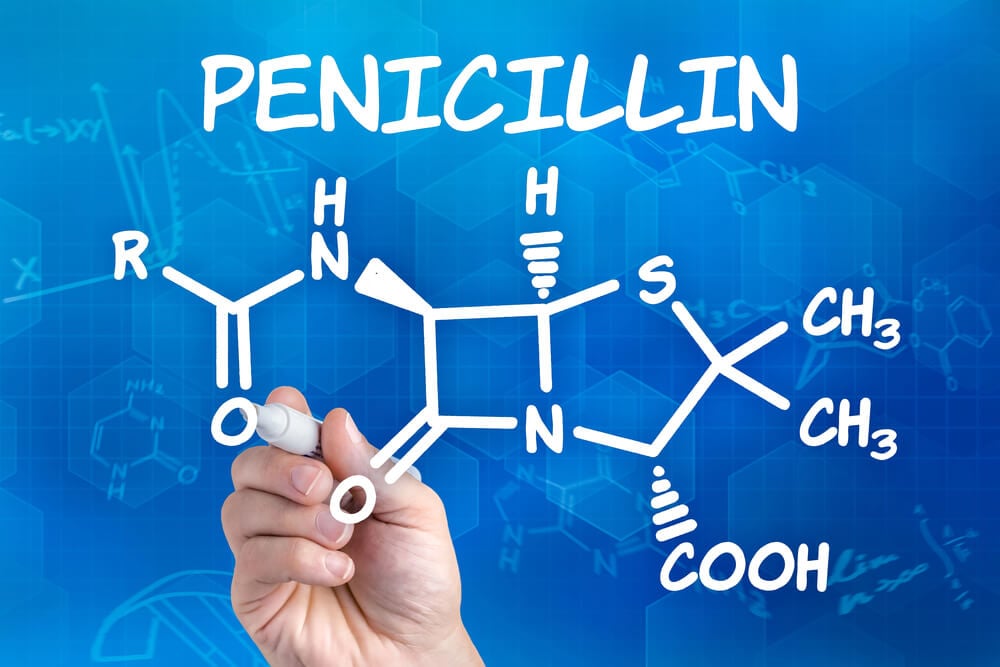
Alexander Fleming discovered penicillin in 1928, but for more than a decade it remained a laboratory curiosity that was nearly impossible to produce in quantity. World War II changed that, as governments and drug companies poured resources into fermentation research.
Scientists at a Department of Agriculture lab in Peoria, Illinois, found an unusually productive strain growing on a moldy cantaloupe from a local market. By the D-Day landings in June 1944, enough penicillin was available to treat wounded Allied troops.
After the war, antibiotics became a fixture of household medicine cabinets and family doctors’ prescription pads.
Rolling-Tip Pens for Royal Air Force Navigators
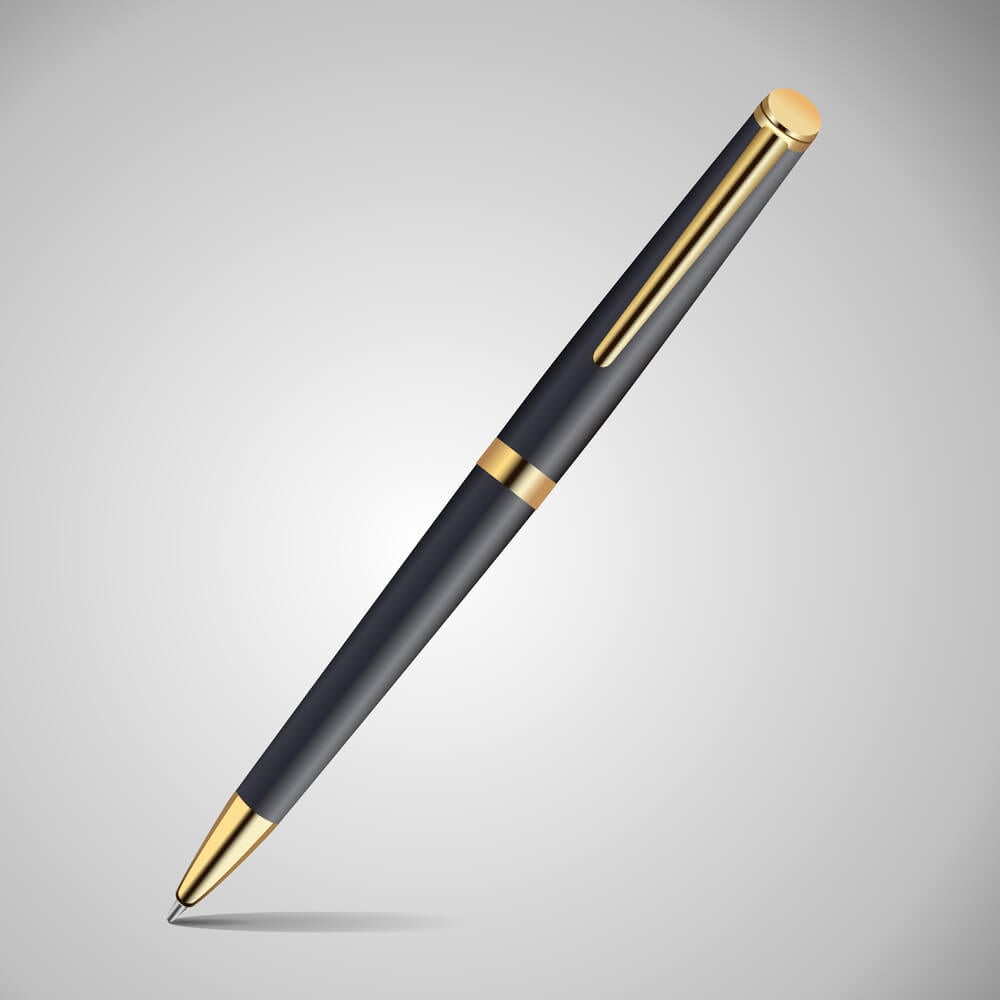
Hungarian journalist Laszlo Biro grew tired of smudged fountain pen ink and, with his brother Gyorgy, developed a pen with a tiny rolling tip and quick-drying ink. The brothers moved to Argentina and patented the design there in the early 1940s.
Britain’s Royal Air Force bought the pens for navigators because, unlike fountain pens, they did not leak in the thin air at high altitude. After the war, cheap mass-produced versions spread around the world, and in Britain and many other countries a pen is still casually called a biro.
Sunscreen for Pilots in the Pacific
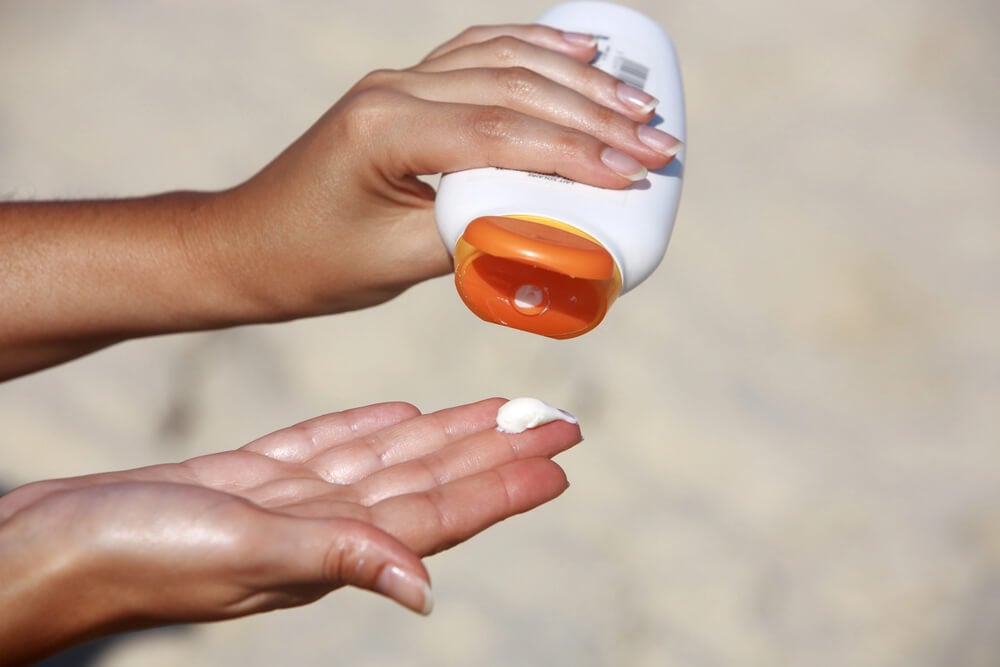
During World War II, the military issued a thick red petroleum product to protect servicemen in the Pacific from sunburn, and airman and pharmacist Benjamin Green is often credited with work on it. The substance was unpleasant and messy, but it showed that skin could be shielded from the sun with a coating.
After the war, Green is said to have refined the idea with coconut oil and cocoa butter into a lighter lotion, which became part of the Coppertone line. Sunscreen has since become a standard item in household bathroom cabinets and beach bags alike.
Cardigans From the Crimean War
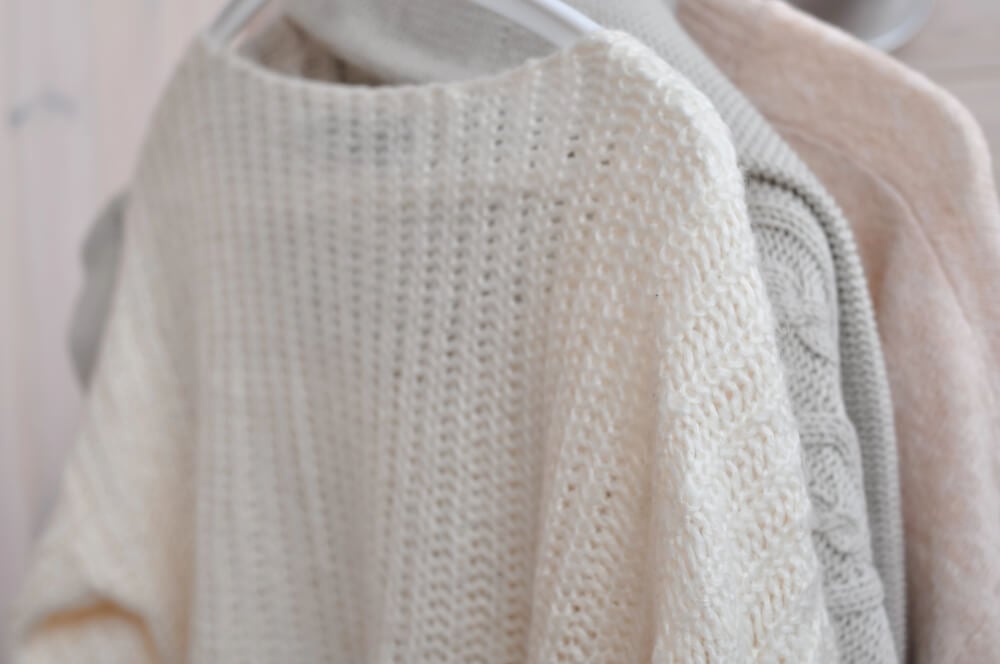
The cardigan sweater takes its name from James Brudenell, the 7th Earl of Cardigan, who led the Charge of the Light Brigade at Balaclava in 1854 during the Crimean War. British officers wore knitted wool waistcoats to survive the brutal Crimean winter, and the button-front style became associated with the earl.
The charge itself was a military disaster, but the garment proved far more durable than the reputation of the man it was named after. Over the following century, the cardigan moved from officers’ kits to schoolrooms, offices and living rooms everywhere.
T-Shirts From Navy Undershirts
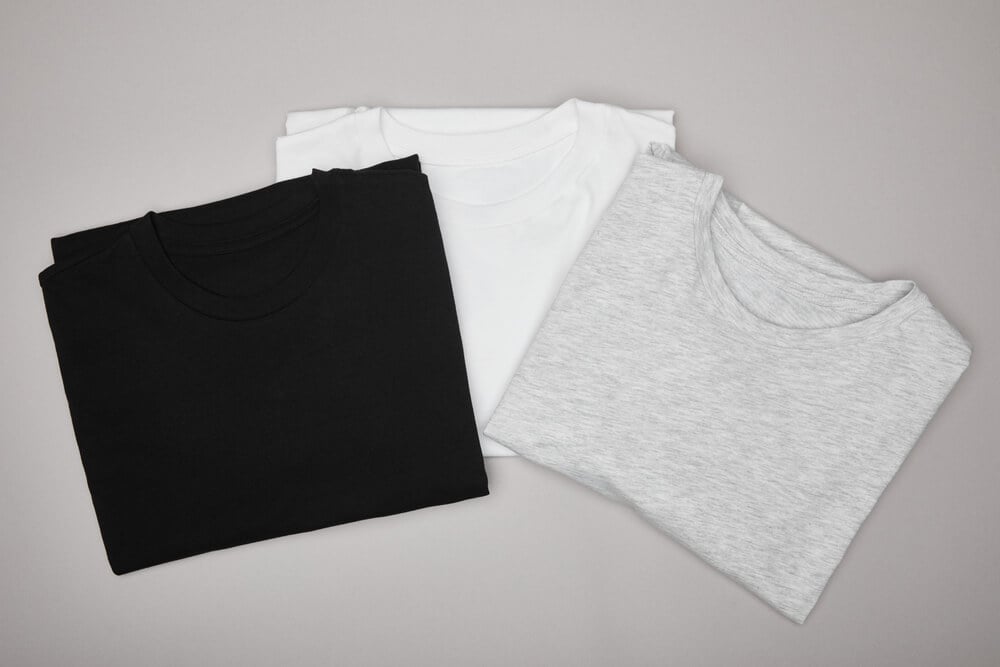
The US Navy adopted crew-neck cotton undershirts for sailors around 1913, partly because they were cheap, easy to clean and comfortable under uniforms in hot climates. During World War II, millions of servicemen wore them, often as outerwear in the Pacific heat, and photographs of soldiers in T-shirts filled newspapers at home.
Veterans kept wearing them after the war, and the 1951 film A Streetcar Named Desire, with Marlon Brando in a fitted T-shirt, helped turn the undershirt into a fashion statement. The plain white tee has been a closet staple ever since.
Daylight Saving Time to Save Coal
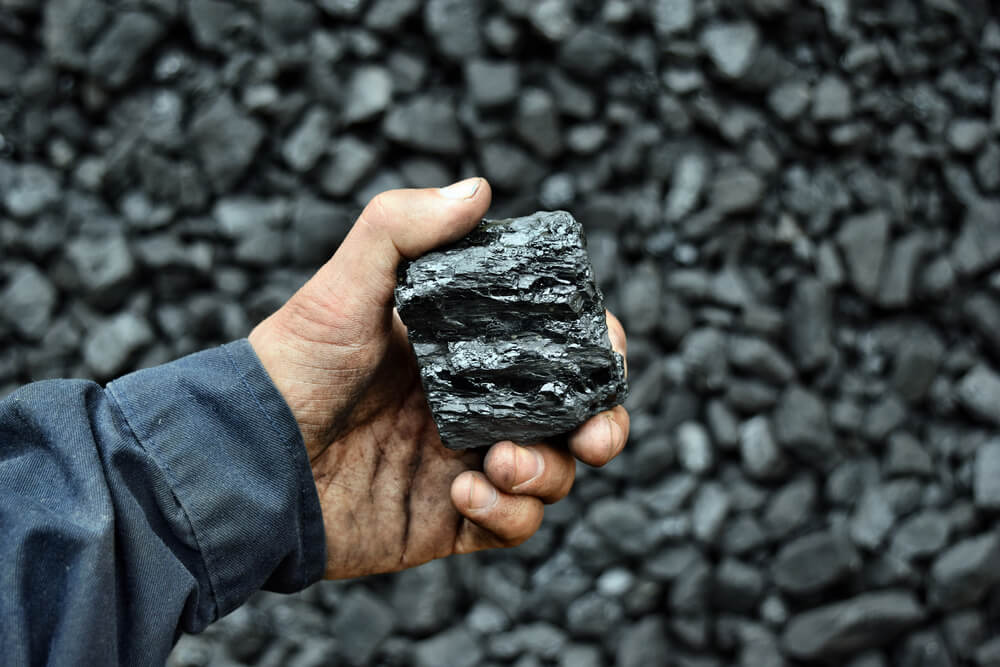
Germany introduced daylight saving time on April 30, 1916, during World War I, hoping to save coal by shifting evening activities into daylight. Britain and other European countries followed within weeks, and the United States adopted it in 1918 under the Standard Time Act.
Most countries dropped the practice after the war, then brought it back during World War II. The debate over whether it saves energy has never ended, but twice a year households across much of the world still reset oven clocks, car radios and alarm clocks because of a wartime fuel shortage.
Margarine for Napoleon III’s Army
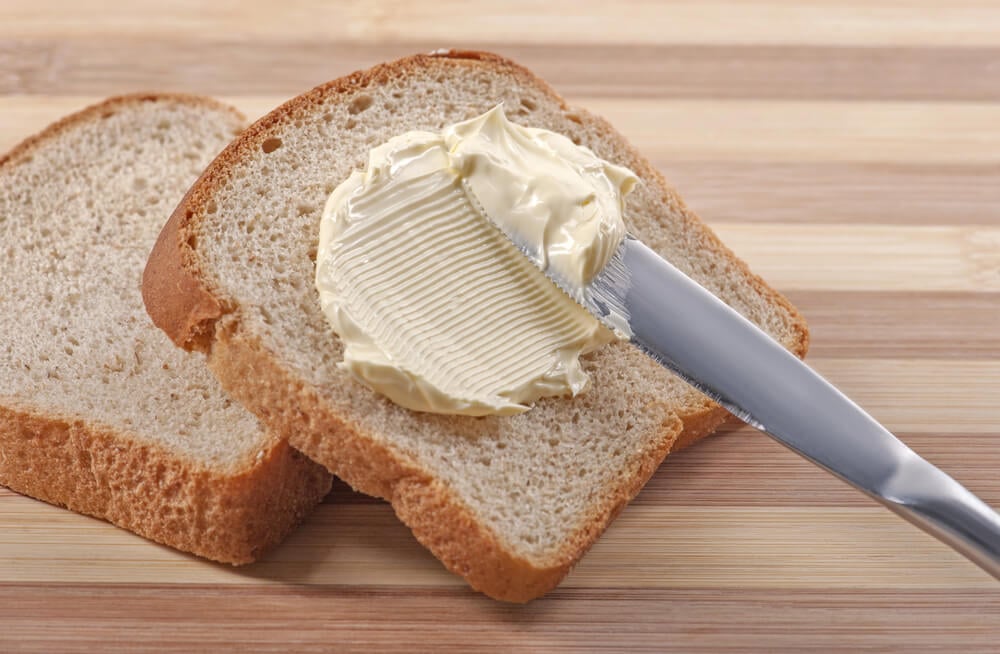
In 1869, Emperor Napoleon III offered a prize for a cheap, long-lasting butter substitute that could feed the French armed forces and the urban poor. Chemist Hippolyte Mege-Mouries won with a product made from beef fat and milk, which he named oleomargarine after the Greek word for pearl, because of its glossy appearance.
The Franco-Prussian War broke out the next year, and Mege-Mouries sold his patent to Dutch firms. Margarine later switched to vegetable oils and became a staple in refrigerators around the world, as well as the subject of decades of dairy industry lobbying.
Pilates From an Internment Camp
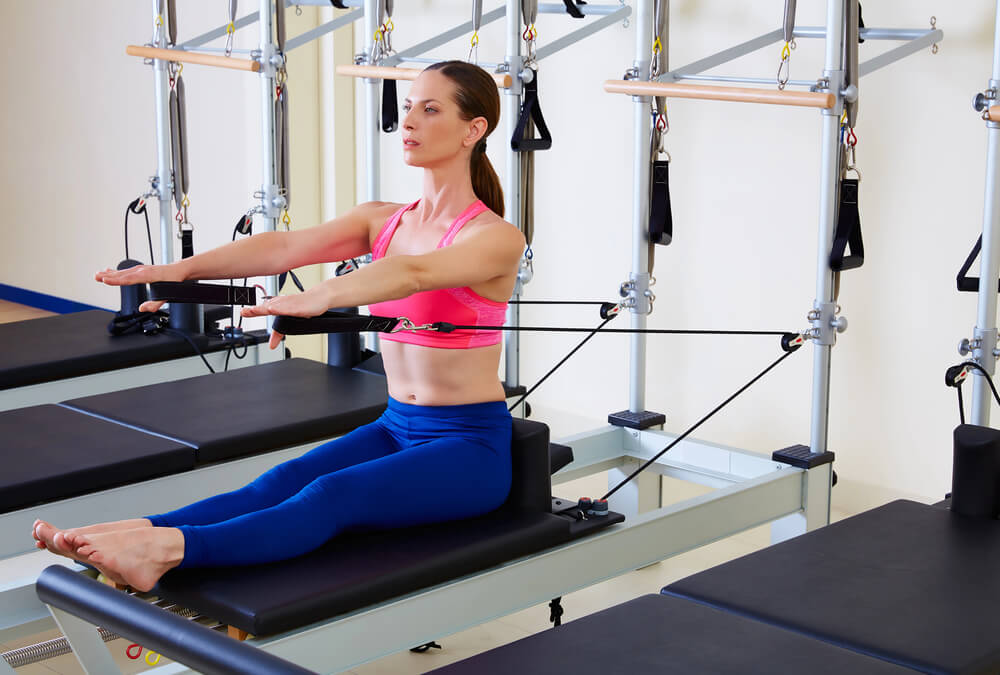
Joseph Pilates, a German-born fitness enthusiast living in England, was interned as an enemy alien during World War I, eventually on the Isle of Man. He led fellow internees through his exercise routines, and he later said none of his followers died in the 1918 influenza pandemic.
Pilates also rigged springs to hospital beds so that bedridden patients could exercise against resistance. Those improvised devices became the basis for the reformer and other Pilates equipment.
He brought his method to New York in the 1920s, and home workout videos and studios later carried it everywhere.
Frozen Orange Juice for the Troops
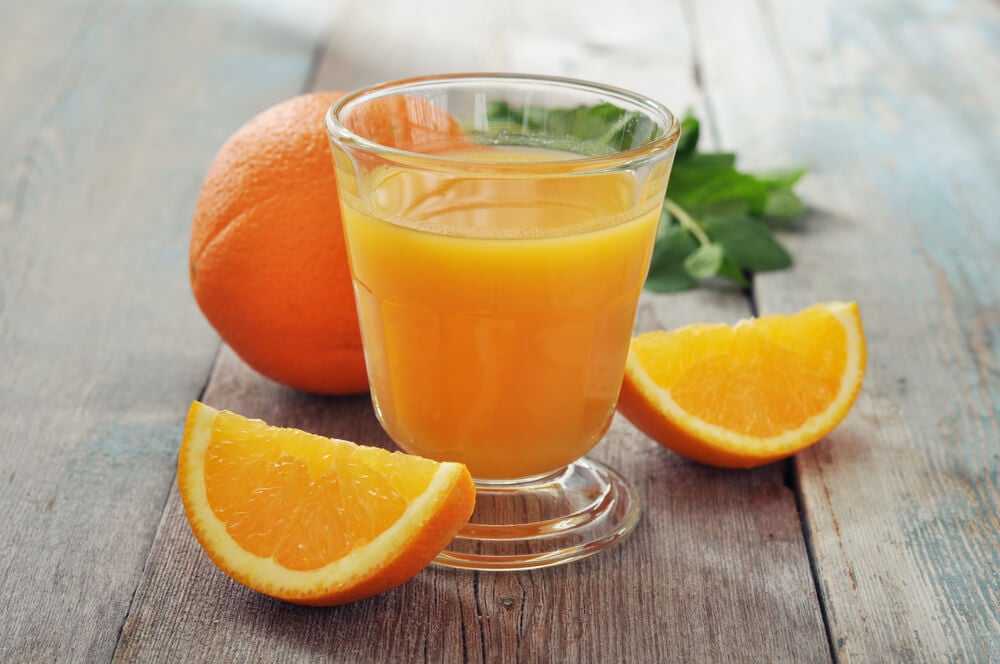
During World War II, the US Army wanted a reliable way to get vitamin C to troops, and a Boston company won a contract to make powdered orange juice. The war ended before the powder was delivered, so the company turned to frozen concentrate, which Department of Agriculture scientists in Florida had developed into a practical product.
The company renamed itself Minute Maid, and singer Bing Crosby became an early investor and spokesman. Frozen concentrate became a breakfast fixture in postwar households with new freezers, and the cans of orange slush stayed common for decades.
Tupperware From Polyethylene Slag
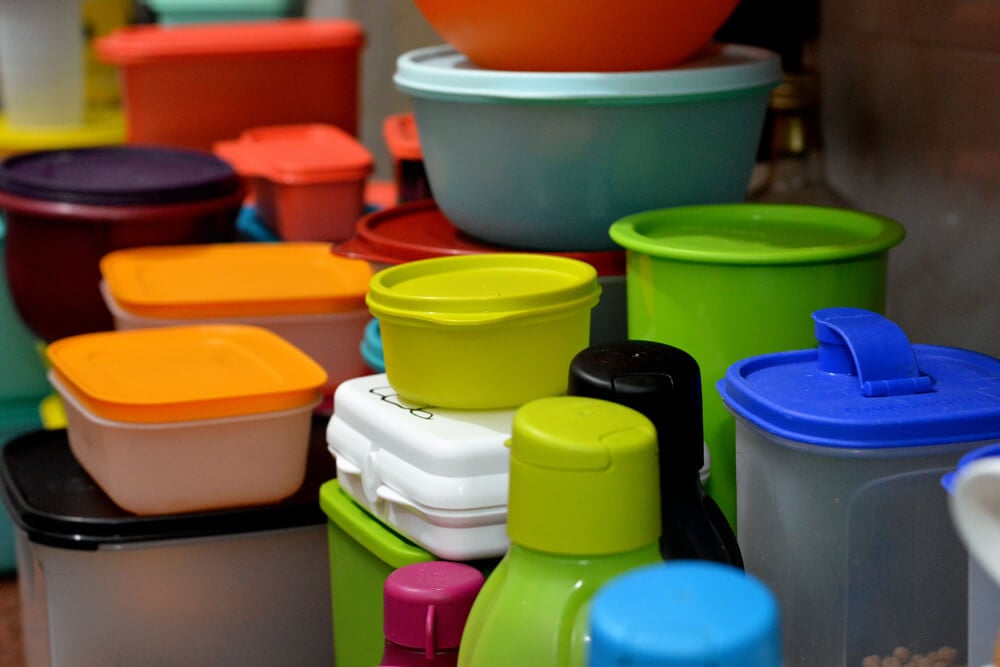
Earl Tupper had worked at DuPont, and during World War II polyethylene became an important material for insulating radar cables and other military equipment. Tupper experimented with polyethylene slag, a waste byproduct, and refined it into a flexible, durable plastic.
In 1946 he introduced airtight containers with a seal modeled on paint can lids. Sales in stores were slow until a saleswoman named Brownie Wise built the home party system in the early 1950s, and Tupperware parties became a defining feature of postwar suburban life.
Processed Cheese in Army Tins
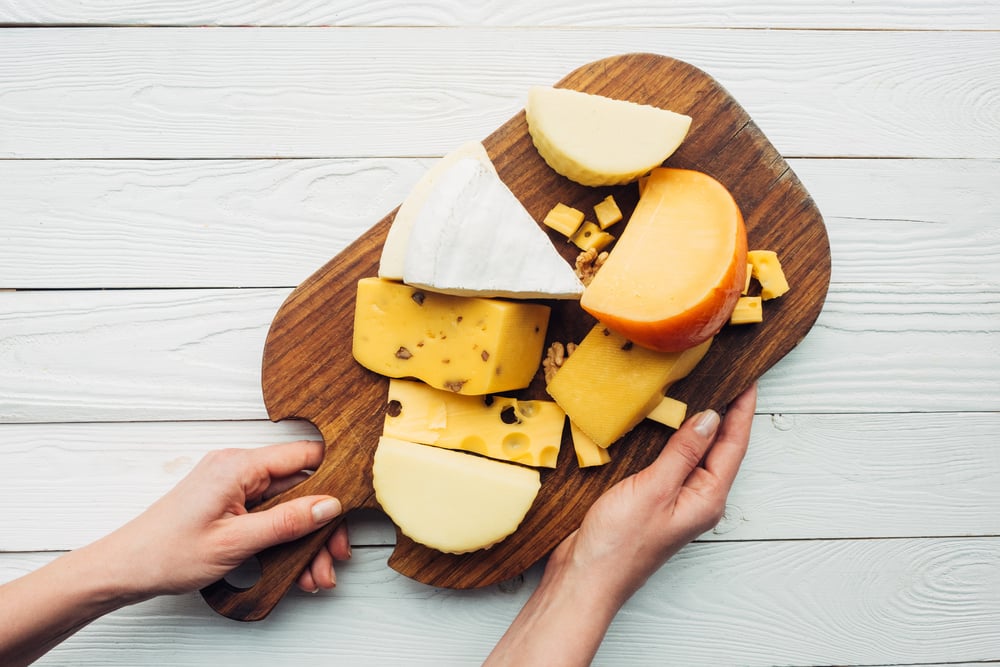
James L. Kraft received a patent in 1916 for a method of heating and stirring cheese with emulsifiers so it would keep without refrigeration. When the United States entered World War I, the army bought large quantities of Kraft cheese in tins, since ordinary cheese spoiled on the way to the front.
Those military contracts gave the company the scale it needed, and soldiers came home familiar with the product. Processed cheese became a household staple in the decades that followed, from sandwich slices to the blocks melted into countless family recipes.
Cargo Pants for Paratroopers

The British Army introduced battledress trousers with a large pocket on the thigh in 1938, and during World War II American paratroopers wore trousers with big bellows pockets so they could carry ammunition, rations and maps when they jumped. The design let soldiers reach equipment while wearing heavy harnesses.
After the war, surplus stores sold the trousers cheaply, and outdoor workers and hikers adopted them. By the 1990s, cargo pants had become a mainstream casual staple, found in closets far from any battlefield and in nearly every department store.
Battlefields Kept Sending Things Home
Most of these inventions began with a narrow military problem, such as glare in a cockpit, rust in a gun barrel or a box of ammunition that soldiers could not open quickly. Solving those problems under pressure produced materials and devices that civilians had never asked for.
Once the fighting stopped, factories and researchers needed new customers, and households became the market.
That pattern repeated across centuries, from Napoleonic food prizes to radar labs. Ordinary life absorbed the leftovers of war so thoroughly that their origins faded from memory.
A roll of tape, a sweater or a cup of instant coffee can carry a history most people never think to ask about.
More from Go2Tutors!

- 27 Silver Dollars and Half Dollars Worth Keeping
- 28 Restaurant Menu Items Nobody Orders Anymore
- 17 Places Built in Seemingly Impossible Spots
- 27 Vintage Rings Worth More Than They Look
- 25 Restricted Sites Tourists Can’t Enter
Like Go2Tutors’s content? Follow us on MSN.