14 Roller Skates That Defined Childhood Afternoons
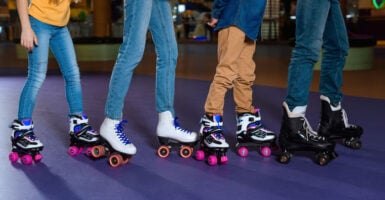
Before inline skates and wheeled sneakers, afternoons on the sidewalk and at the roller rink ran on four wheels, a toe stop, and a key worn on a string. The skates changed with each generation, but the basic experience of rolling down a block with the wind in your face did not.
The history behind them includes a violin-playing inventor, a Chicago family business, and two hockey-playing brothers who found something interesting in a sporting goods store.
Merlin’s Mirror-Crashing Skates of 1760
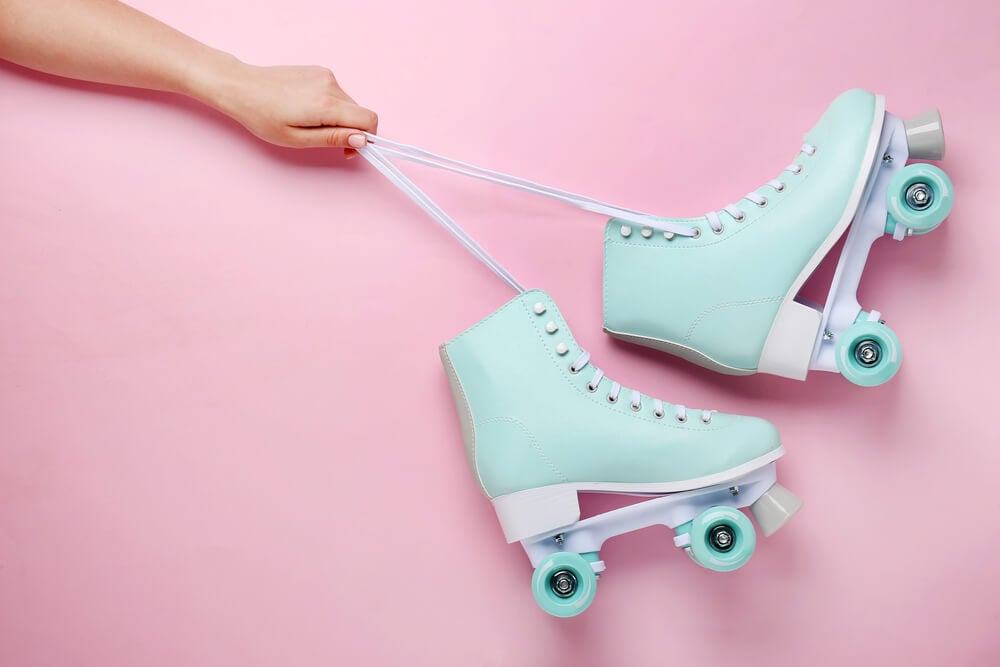
Joseph Merlin, a Belgian instrument maker working in London, is credited with creating the first roller skates around 1760. He reportedly debuted them at a masquerade party while playing a violin, and since the skates had no way to stop or turn, he rolled straight into a large mirror.
His wheels were set in a single line, making the invention an early ancestor of modern inline skates.
Plimpton’s Rocking Quad of 1863

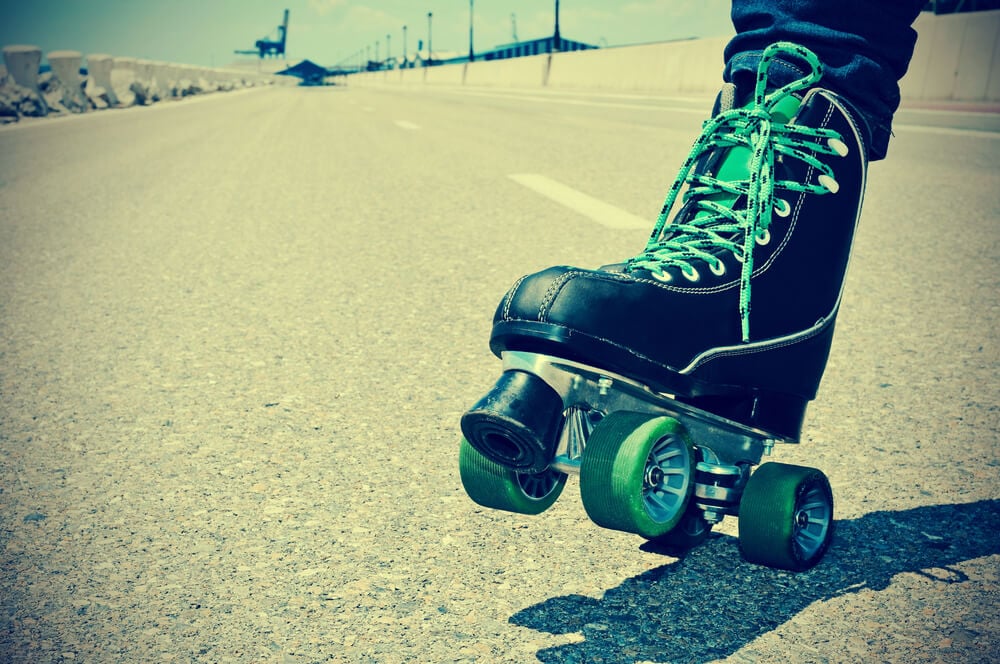
James Plimpton of New York patented the quad skate in 1863, placing two pairs of wheels side by side so skaters could turn by leaning. Rubber cushions let the wheels pivot, which made curves possible for ordinary people rather than acrobats.
Plimpton also promoted skating through an early public rink in Newport, Rhode Island, which helped turn his invention into a fad.
The Two-Wheel Inline Skate of 1900
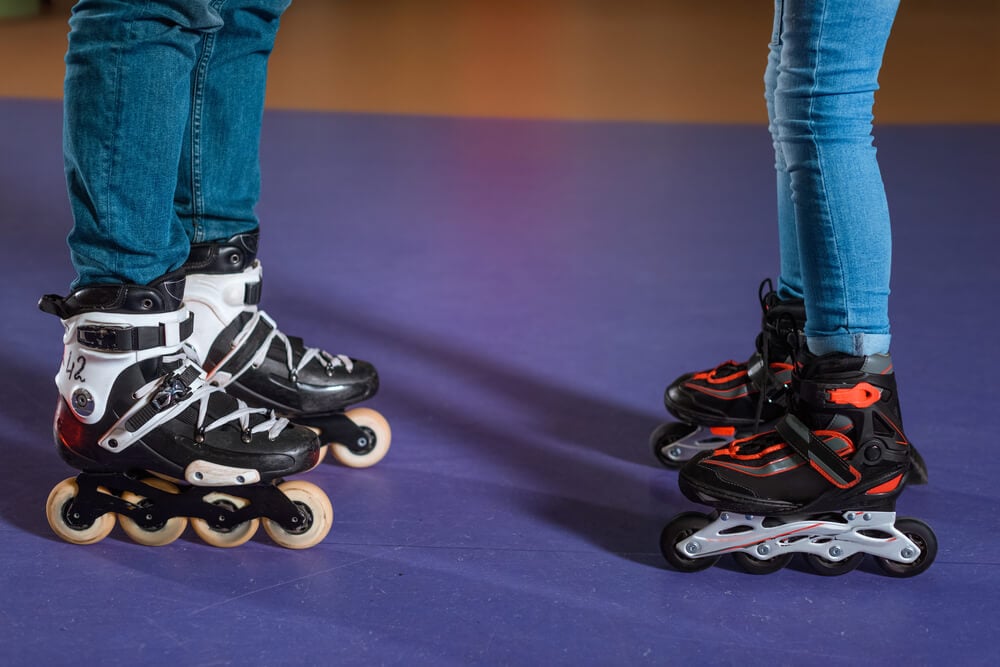
The Peck & Snyder Company patented an inline skate with just two wheels in 1900, a design that now looks like a strange bridge between old and new. Quad skates were already the familiar choice by then, but experiments with wheels in a single line never fully disappeared.
The idea waited decades for the materials and boots that would make it practical.
Chicago Roller Skate Company and the Flying Scout
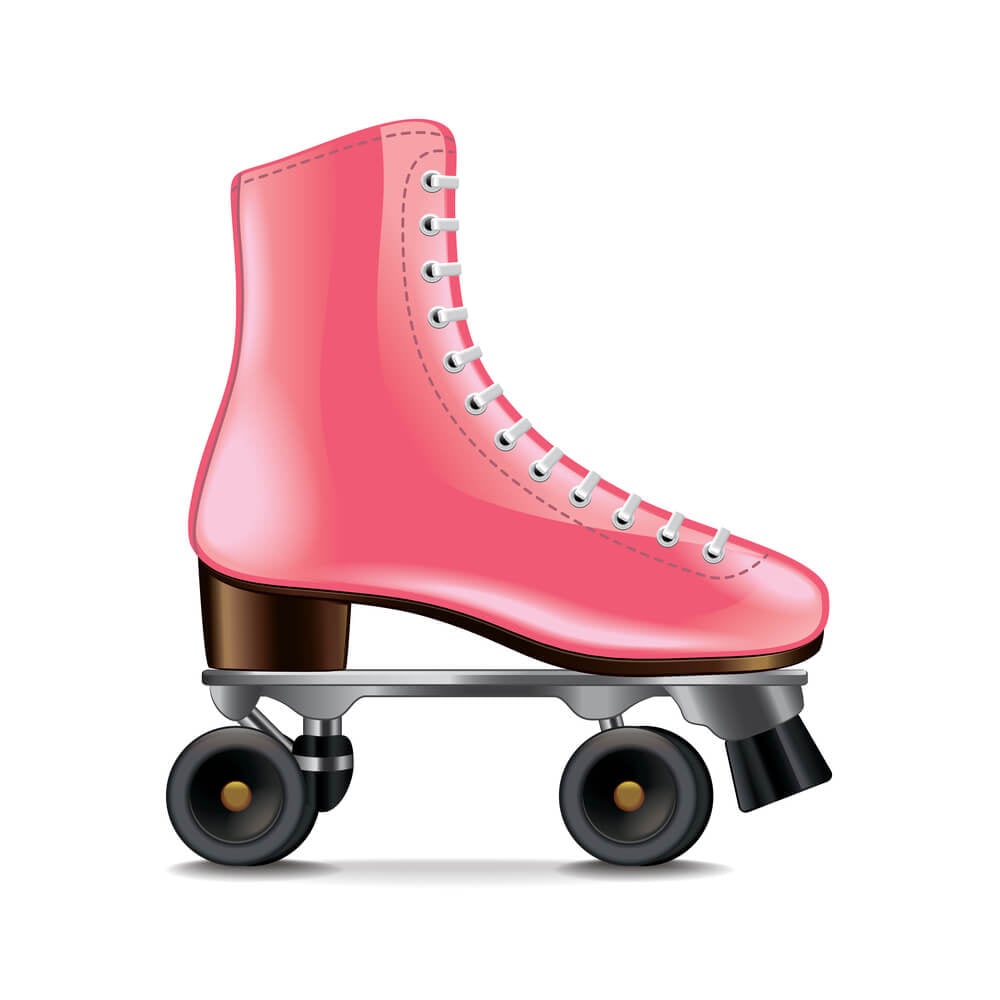
The Chicago Roller Skate Company traces its roots to 1905, when brothers Ralph and Walter Ware, sons of a real estate man named Elisha Ware, began the business. In the early years it made metal skate wheels fitted with smooth maple rollers to match the gym floors of city halls, since outdoor skating was still unusual.
A 1931 advertisement for its Flying Scout skates promised parents that a child on those wheels would never again be teased as a slow-poke.
Roller Derby Skates, Named After the Sport
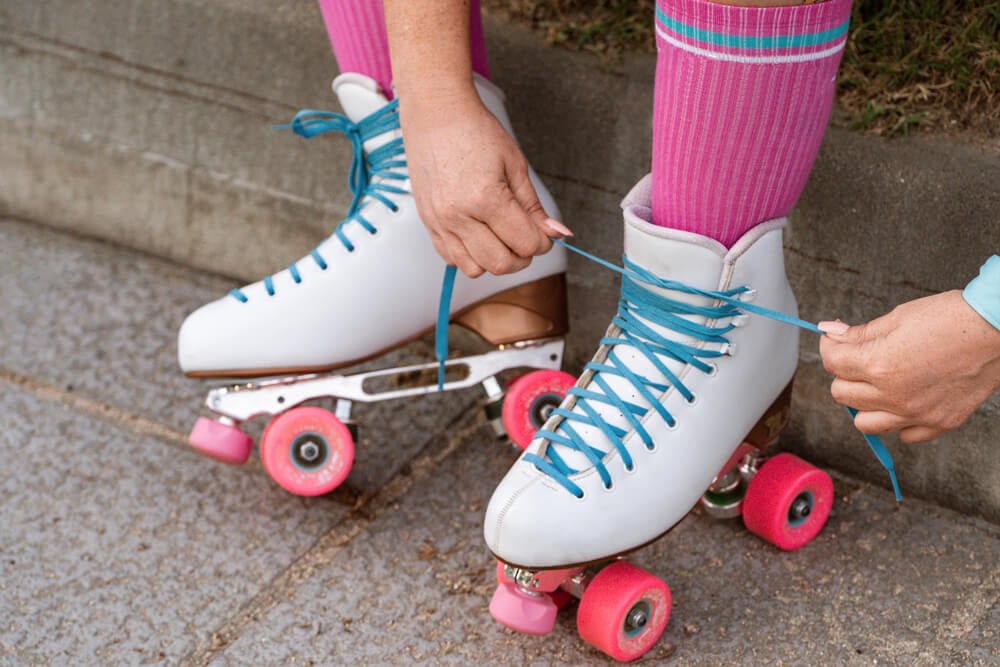
Leo Seltzer staged the first Transcontinental Roller Derby at the Chicago Coliseum in 1935, and in 1936 his brother Oscar founded a company to make skate boots in Litchfield, Illinois. It was first known as Aerflyte before becoming the Roller Derby Skate Corporation, and it is still based in Litchfield.
The company also marketed what is often described as the first mass-produced skateboard around 1959 and 1960.
Riedell Boots From Red Wing
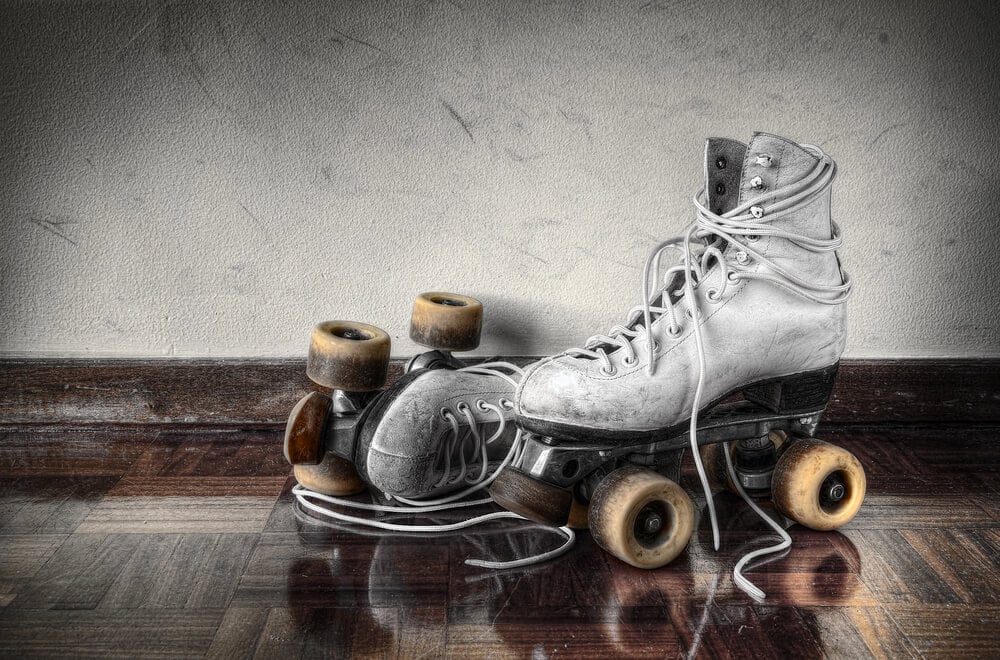
Paul Riedell, a former Red Wing Shoes employee, founded Riedell Shoes in Red Wing, Minnesota, in 1945 with the goal of making affordable skates. The company still builds its skating boots by hand in Red Wing.
Roller derby’s revival in recent years put the brand back in the spotlight after decades of quieter success.
The Clamp-On Sidewalk Skate and Its Key
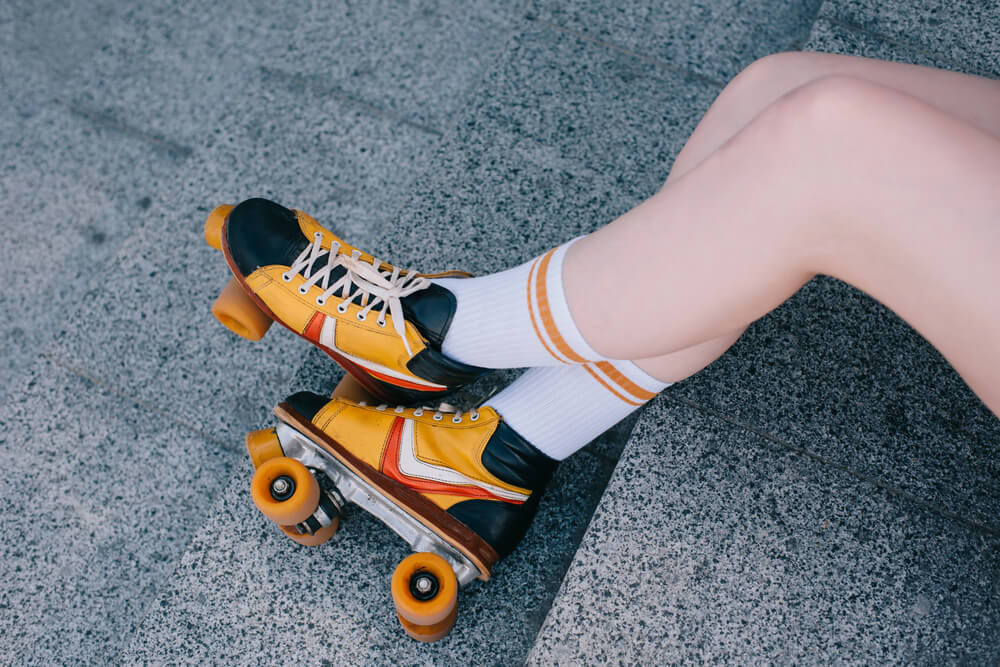
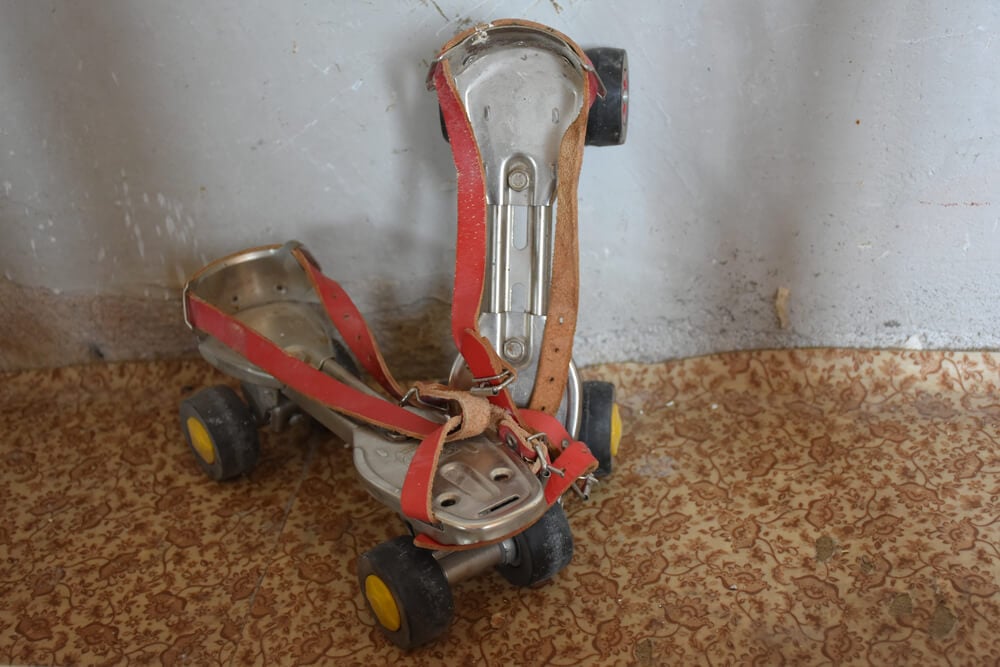
Before many kids owned skates with their own boots, they strapped metal skates onto everyday shoes with adjustable clamps. A small skate key tightened the clamps, and children often wore the key on a string around the neck so it would not vanish into the grass.
Roller Derby’s Street King sidewalk skate, one of the company’s early products, was built for concrete rather than polished rink floors.
Chicago’s Forgotten Inline Skate of the 1960s
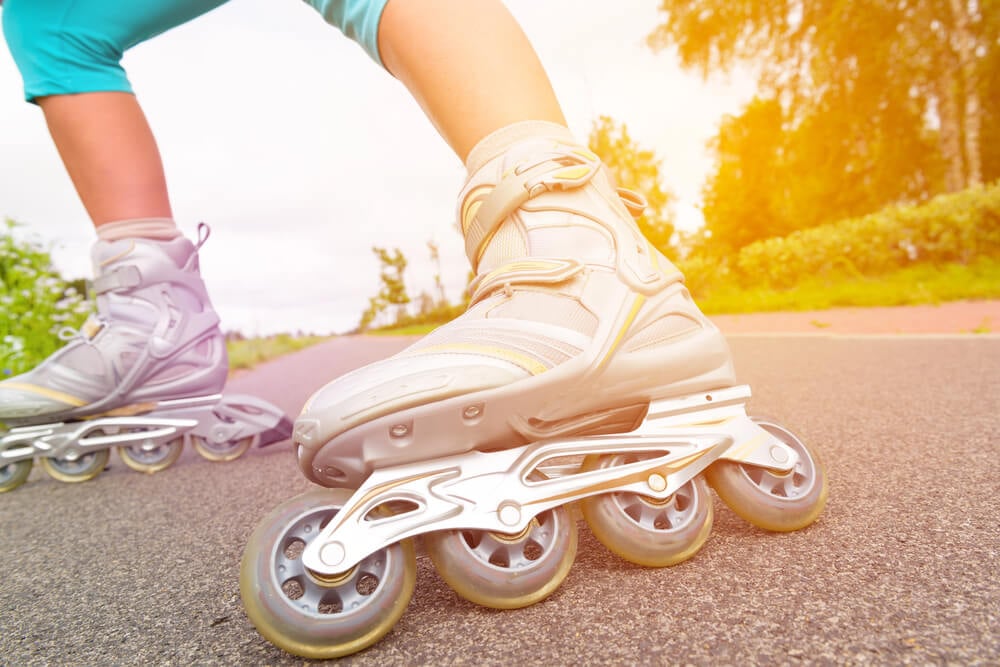
In the 1960s the Chicago Roller Skate Company produced an inline skate that never became a sensation. Two hockey-playing brothers from Minneapolis, Scott and Brennan Olson, found a pair while browsing a sporting goods store at the end of the 1970s.
They saw potential for off-season ice hockey training and began redesigning it, an overlooked product that became the seed of an industry.
Disco Skates and the Rink Boom of the 1970s
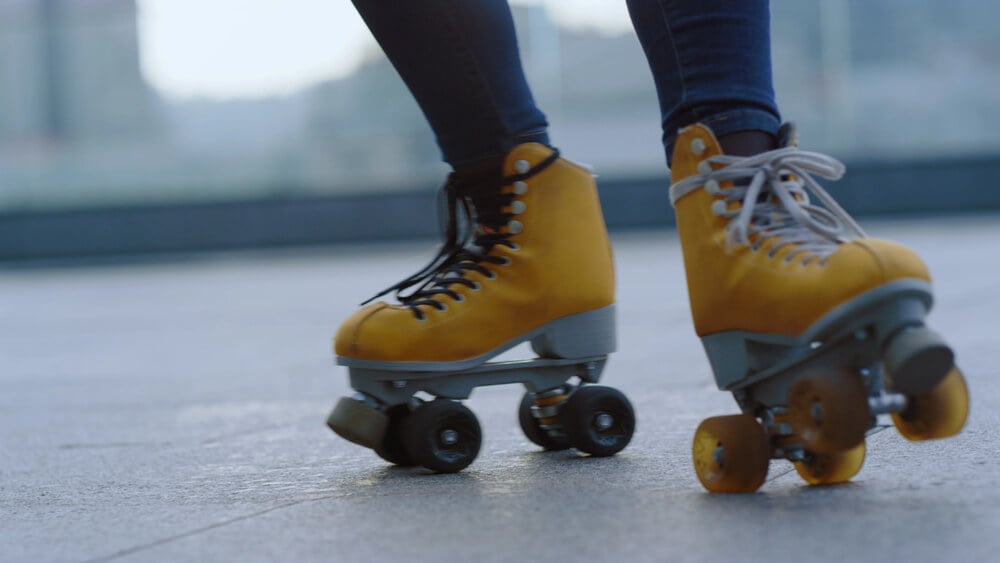
The late 1970s brought roller disco, when rinks added music and colored lights and companies such as Roller Derby sold disco skates to match. The 1979 film Roller Boogie, starring Linda Blair, capitalized on the craze.
Children who wanted to be part of the scene begged for skates in whatever bright colors the catalog offered.
Rollerblade and the Hockey Brothers
Scott and Brennan Olson of Minneapolis founded the company that became Rollerblade in 1980, selling skates with four polyurethane wheels in a straight line on a padded boot. Both brothers played hockey, and their skates were meant for off-season training on pavement.
Scott Olson eventually left the business after investors, including Minneapolis businessman Robert Naegele Jr., bought him out.
The Lightning TRS and the Inline Craze of 1988
By 1988 Rollerblade was selling the Lightning TRS, and the company’s sales neared $10 million as inline skating spread beyond hockey players. Neighborhood kids who had grown up on quad skates suddenly wanted a pair of the new ones.
Helmets, wrist guards, and knee pads became the standard outfit for driveway lessons.
Active Brake Technology and the Heel Stop of 1994
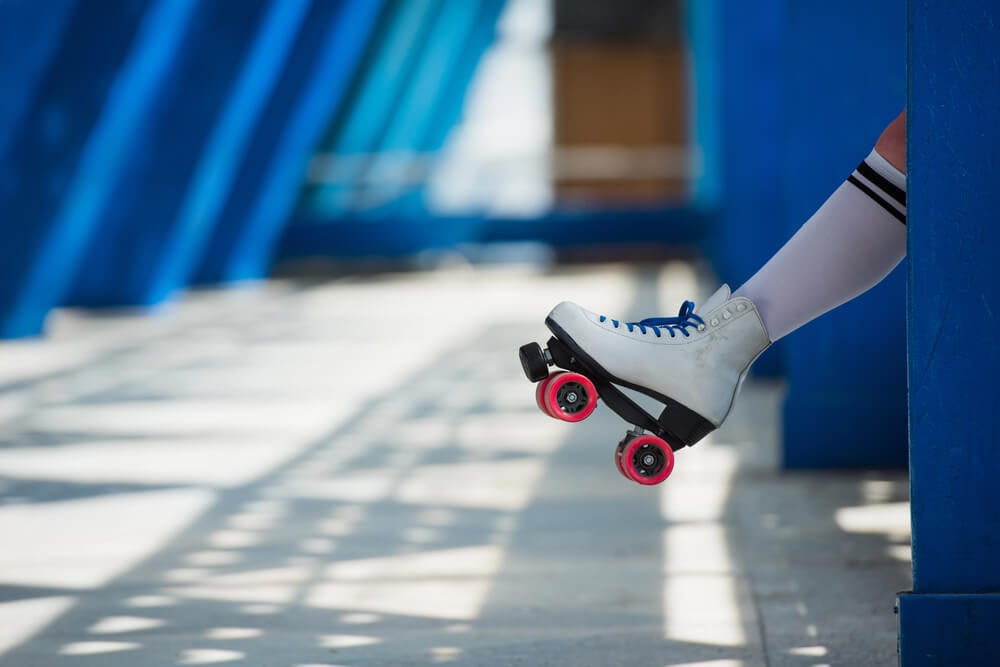
In 1994 Rollerblade introduced an award-winning system called Active Brake Technology, which let skaters brake by extending one skate forward and pressing a pad at the heel. It solved a practical problem for beginners, who previously had few reliable ways to stop other than grabbing a mailbox or a parent.
Heelys and the Wheel in the Sole
Roger Adams came up with Heelys in 1999, inspired by his childhood love of roller skating, and by 2000 the shoes were on the market. Each sneaker had a single wheel in the heel, allowing wearers to walk normally or roll when they leaned back.
They spread through school hallways and shopping malls before many schools and stores banned them.
Moxi and the Return of the Quad
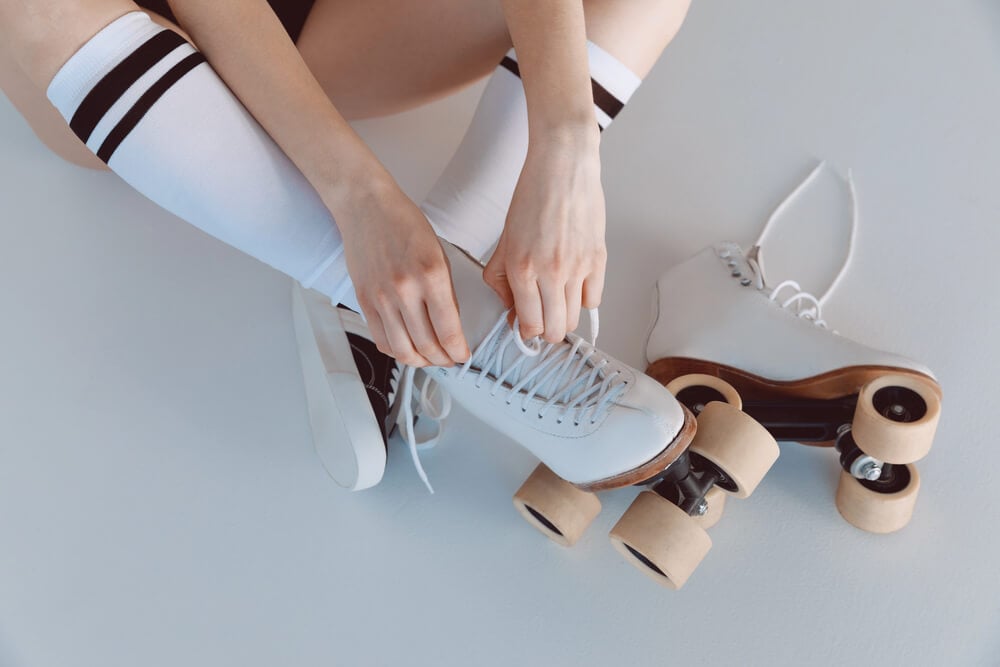
Moxi roller skates, created by professional skater Michelle “Estro Jen” Steilen, helped modern quads shed their reputation as rental-counter relics. Riedell manufactures the brand, which is known for colorful, fashion-forward boots.
Their popularity shows that the four-wheel design Plimpton patented in 1863 still has an audience.
Why Quads Keep Winning Back the Sidewalk

Every few decades, a new skate promises to make the old one obsolete. Inline skates did it in the 1980s, and wheeled shoes tried it in the 2000s.
Yet the quad keeps returning, because its stable stance and easy turns suit beginners and show-offs alike. The story of these skates is also a story of small companies and curious tinkerers.
A mirror-crashing violinist, a Chicago family, and two hockey players each changed how children spent their afternoons. The next change will probably come from someone browsing a shelf and thinking the product could be better.
More from Go2Tutors!

- 27 Silver Dollars and Half Dollars Worth Keeping
- 28 Restaurant Menu Items Nobody Orders Anymore
- 17 Places Built in Seemingly Impossible Spots
- 27 Vintage Rings Worth More Than They Look
- 25 Restricted Sites Tourists Can’t Enter
Like Go2Tutors’s content? Follow us on MSN.