15 American Landmarks That Began as Private Homes
Plenty of national landmarks began with a family looking for somewhere to live. Over time, a famous resident, a spectacular design or a stroke of luck turned a house into a public place with a ticket booth.
The fifteen landmarks below were built as homes and remain among the most visited sites in the country. Each one shows how private ambition can become shared heritage.
Mount Vernon
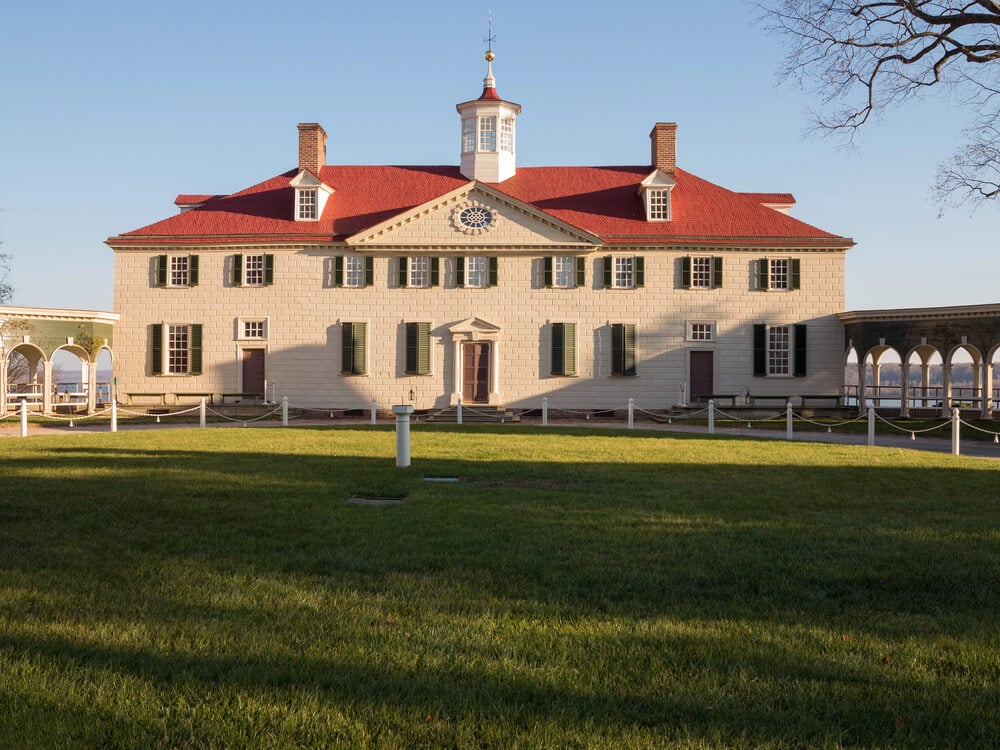
George Washington’s Virginia plantation house was bought from his family in the 1850s by the Mount Vernon Ladies’ Association. The group rescued a neglected property and restored it. It is often cited as one of the earliest successful private historic preservation efforts in the United States.
Monticello
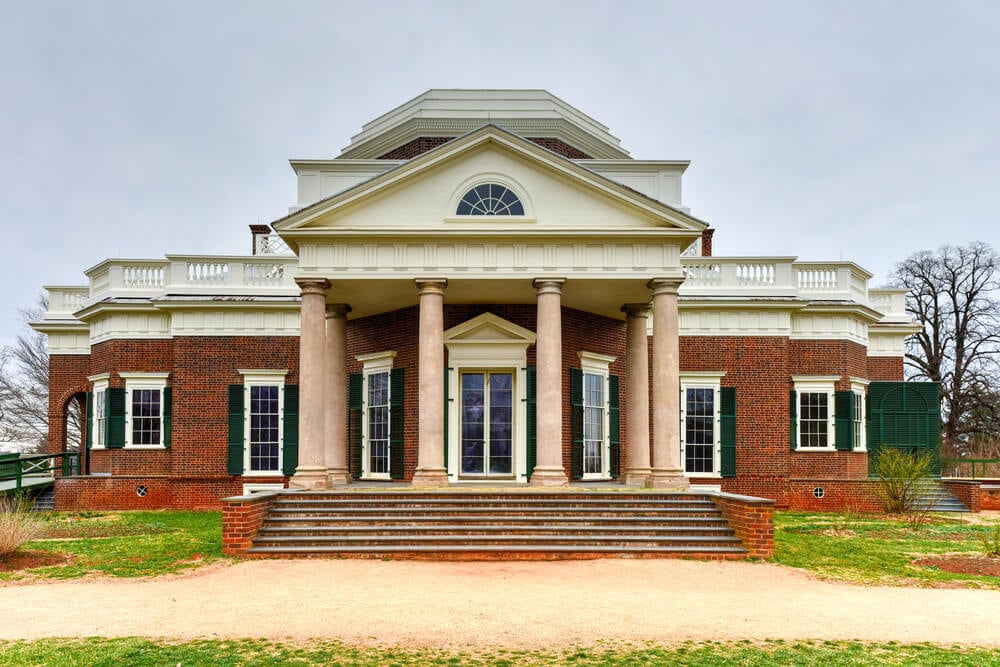
Thomas Jefferson designed and redesigned his hilltop home in Virginia for decades. After his death in 1826, his debts forced the sale of the estate, and the property passed through several owners. The Thomas Jefferson Foundation purchased it in 1923 and opened it to visitors.
Hearst Castle
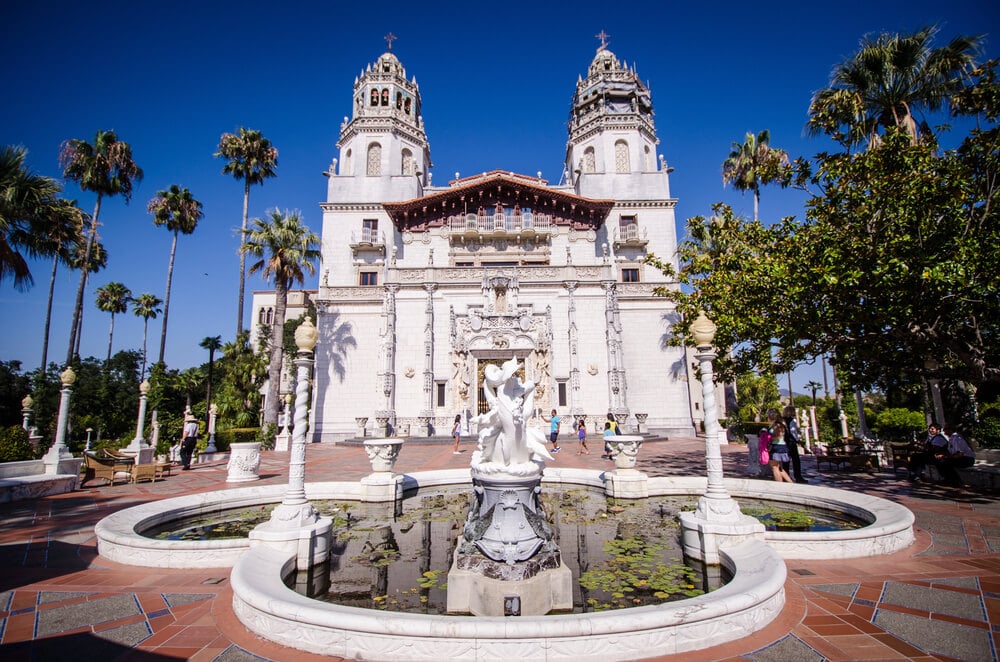
— Photo by mkopka
William Randolph Hearst began building his estate on the California coast in 1919. The compound grew to include a main house, guest houses and elaborate gardens, filled with European art and architecture. The Hearst Corporation donated it to the state of California in 1957.
Biltmore
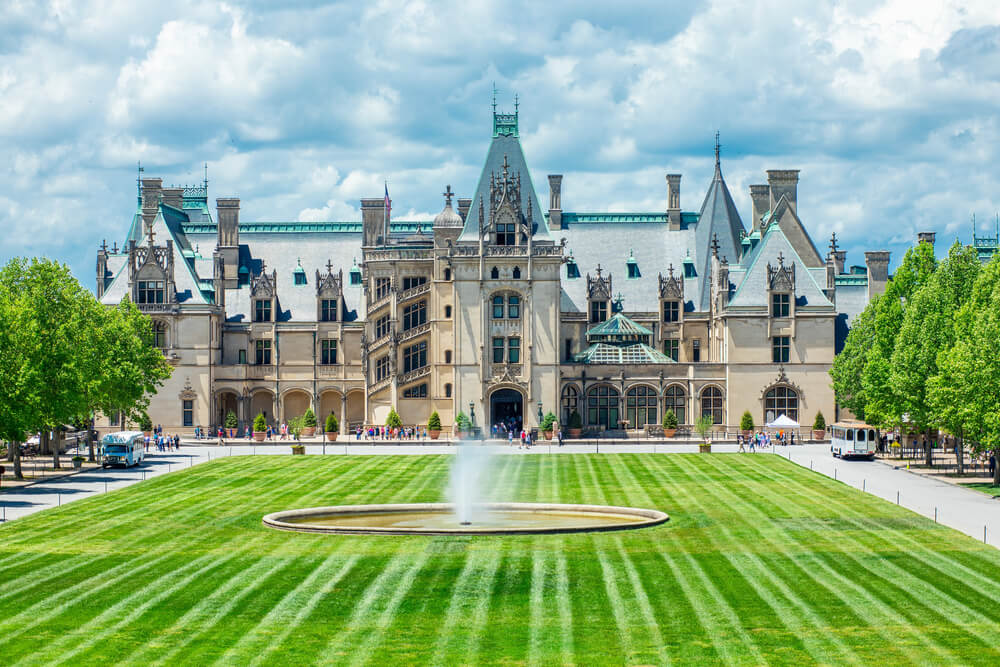
— Photo by sergey.miami2you.com
George Vanderbilt completed his North Carolina estate in 1895, and the house has about 250 rooms. It is often described as the largest privately owned house in the United States. The family opened it to the public in 1930.
Graceland
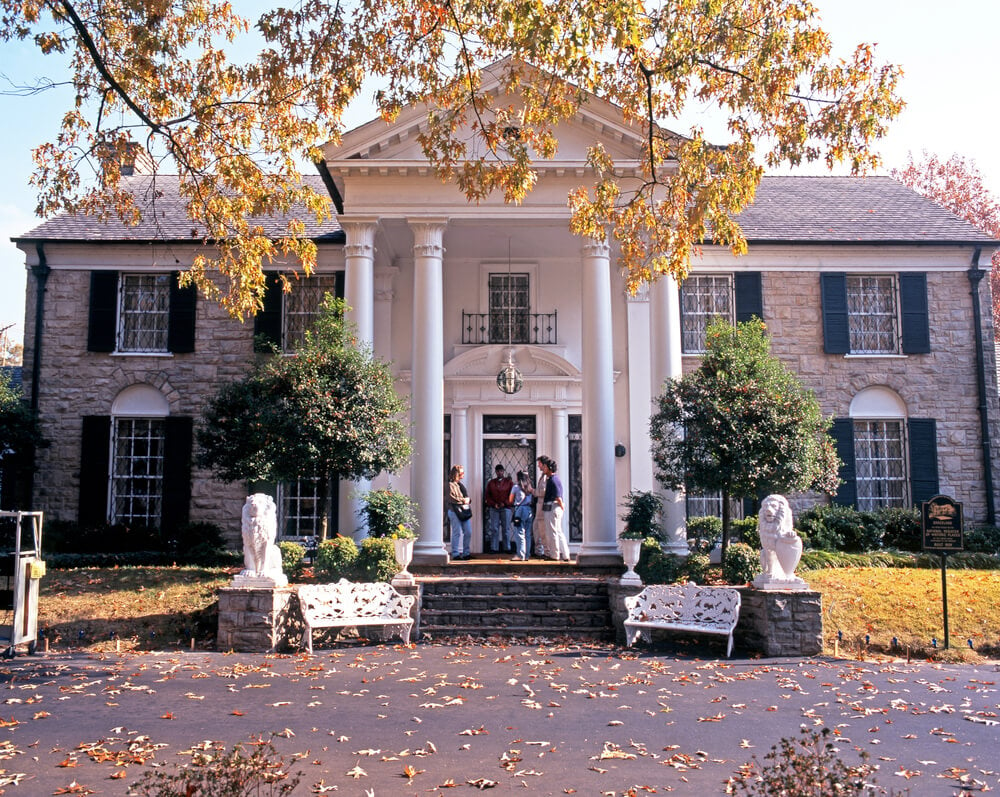
— Photo by arenaphotouk
Elvis Presley bought the Memphis mansion in 1957. After his death in 1977 the house passed to his family, and it opened to the public in 1982. Visitors tour rooms left in the style of the period, including the jungle-themed den.
Springwood in Hyde Park
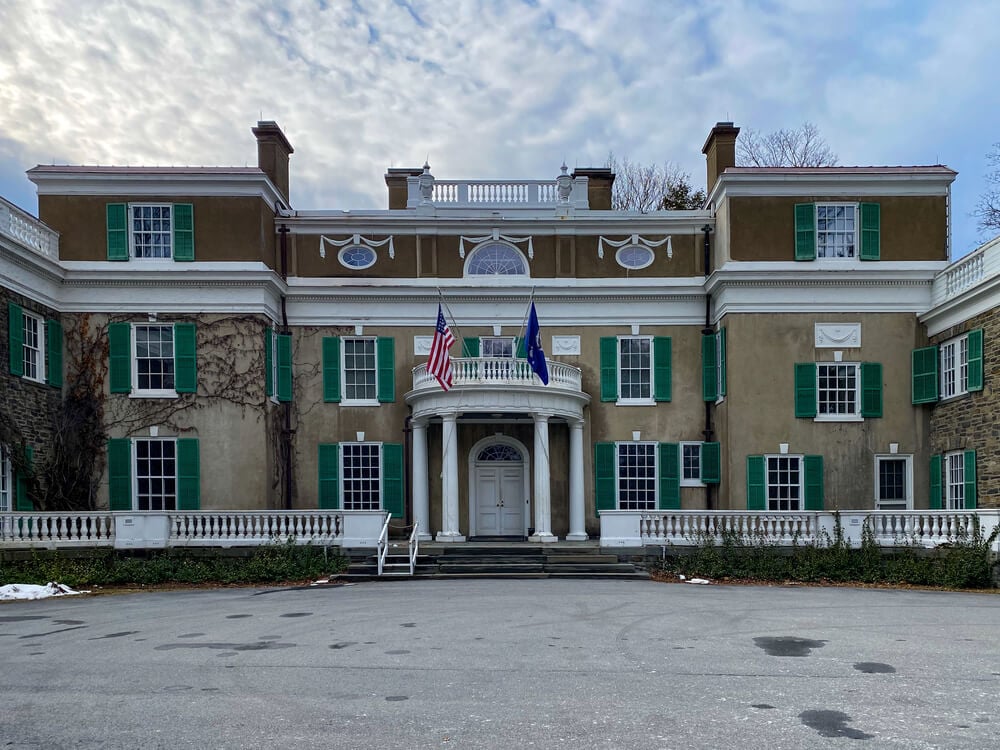
Franklin D. Roosevelt was born at Springwood, his family’s estate on the Hudson River in New York, and returned there throughout his life. He gave the property to the federal government in the 1940s. The site is now a national historic site that includes his presidential library.
Fallingwater
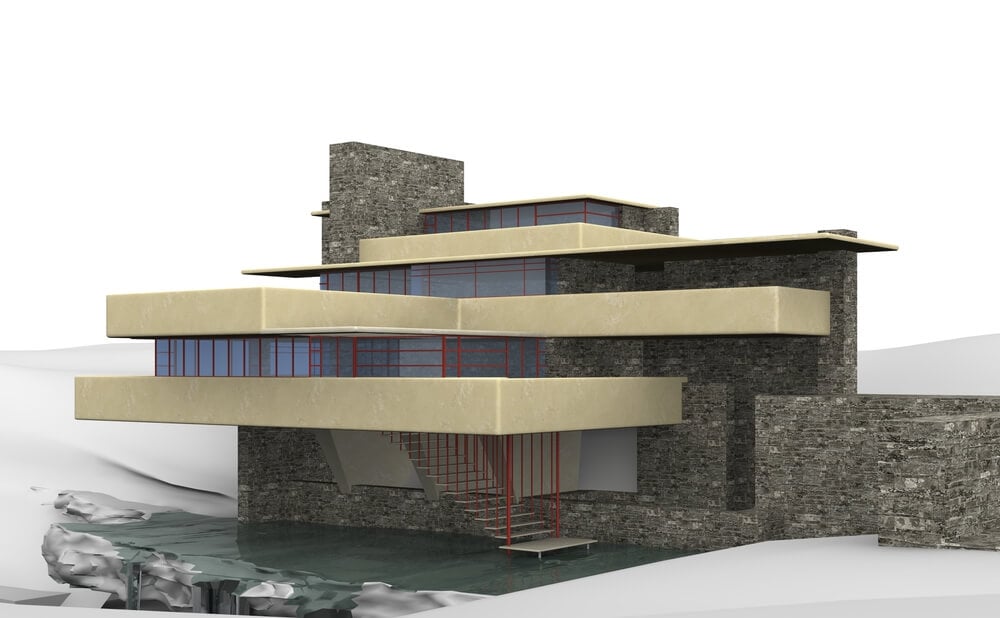
— Photo by 3D-Agentur
Frank Lloyd Wright designed Fallingwater in the 1930s as a weekend retreat for the Kaufmann family of Pittsburgh. The house sits directly over a waterfall on Bear Run in Pennsylvania. Edgar Kaufmann Jr. donated it to the Western Pennsylvania Conservancy in 1963.
The Winchester Mystery House
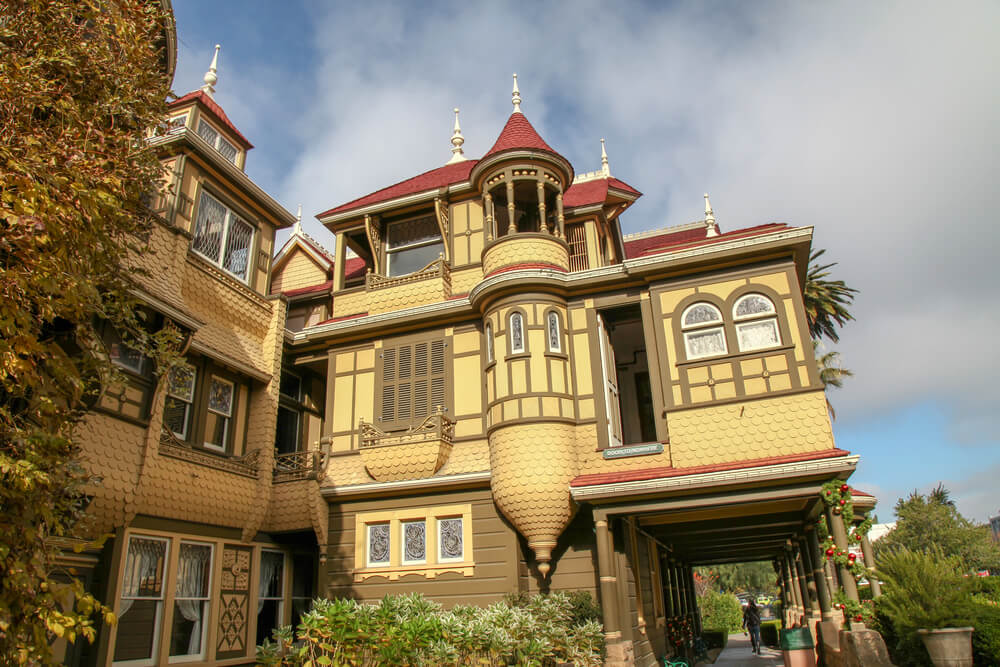
— Photo by pumppump
Sarah Winchester kept builders working on her San Jose, California, house for decades. Construction continued until her death in 1922, leaving a maze of staircases and rooms. It opened to visitors soon afterward and remains one of the state’s best-known attractions.
The Breakers
— Photo by demerzel21
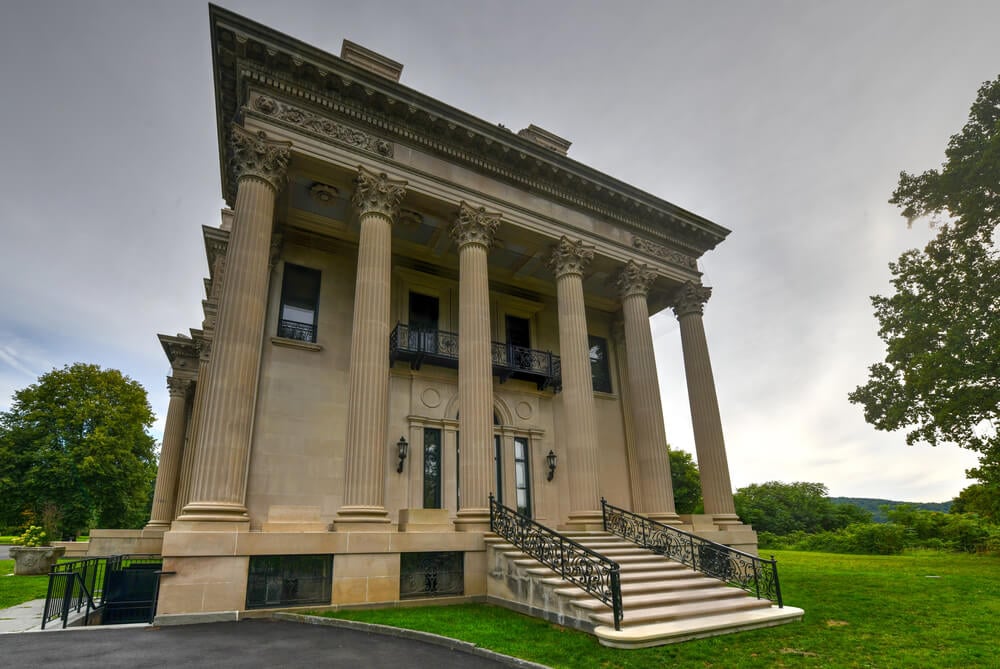
Cornelius Vanderbilt II built the Breakers in Newport, Rhode Island, in 1895 as a summer home. In 1948, the Preservation Society of Newport County leased the mansion for $1 a year. It has become the most visited of the city’s Gilded Age mansions.
The Lincoln Home
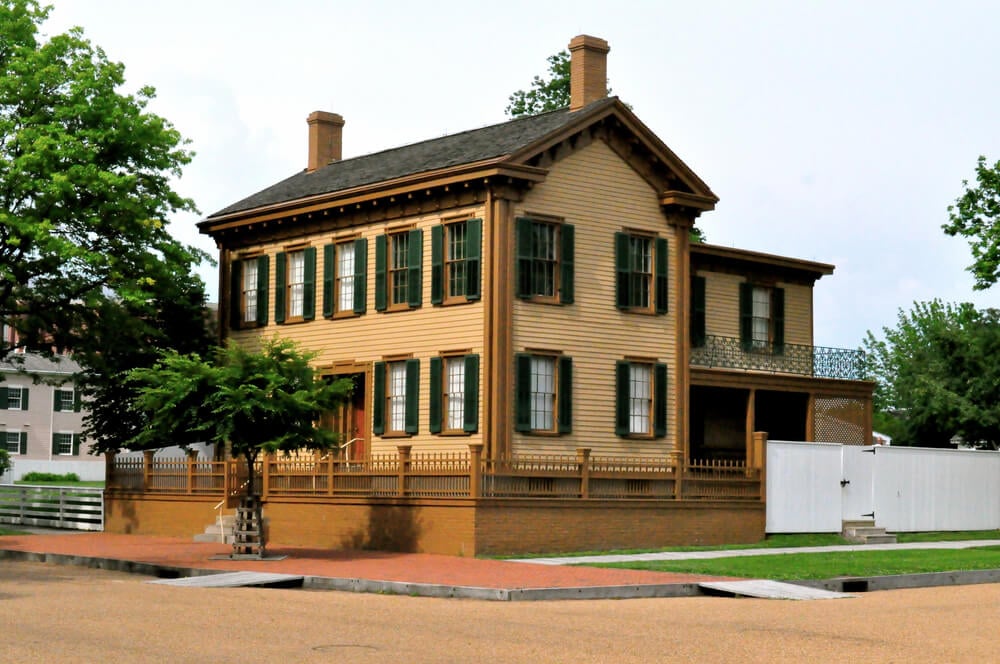
The house in Springfield, Illinois, is the only home Abraham Lincoln ever owned. He bought it in 1844 and lived there until he left for Washington in 1861. Robert Todd Lincoln donated it to the state of Illinois in 1887.
Vizcaya
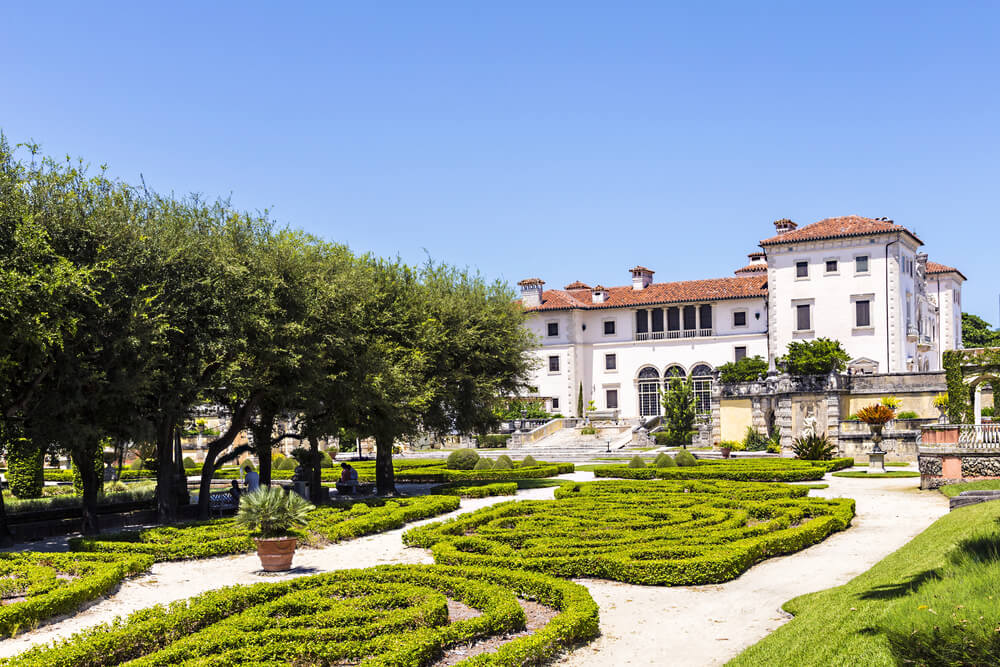
James Deering built Vizcaya in Miami between 1914 and 1922 as a winter residence modeled on an Italian villa. The estate passed to Dade County in the early 1950s. It now operates as a museum with formal gardens on Biscayne Bay.
Arlington House
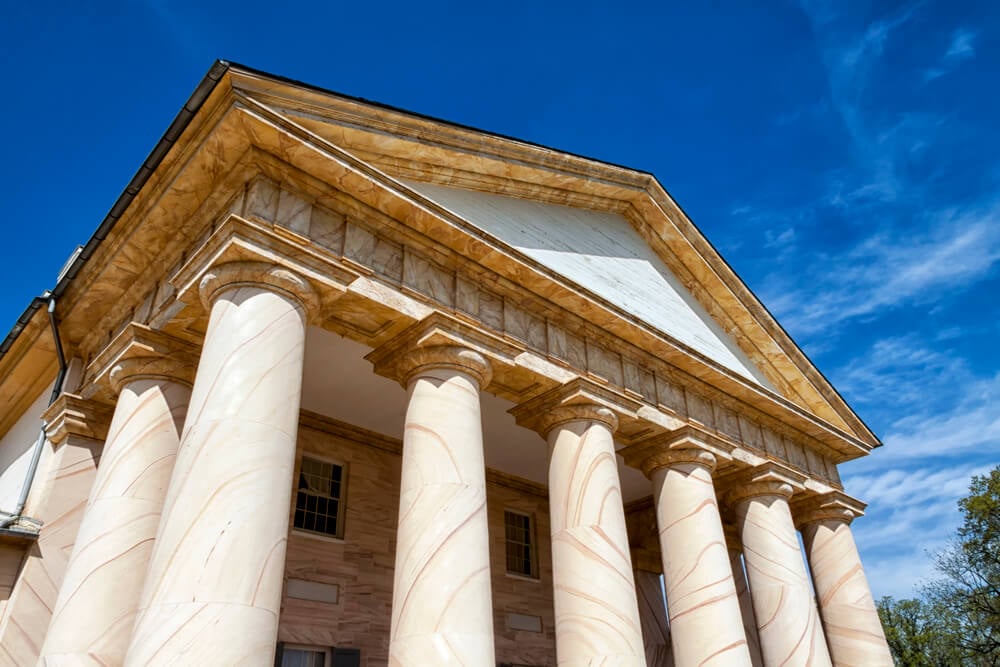
Arlington House was built by George Washington Parke Custis, Martha Washington’s grandson, and later became the home of Robert E. Lee. Union forces seized the property during the Civil War. In 1864 Quartermaster General Montgomery Meigs ordered burials near the house, beginning Arlington National Cemetery.
The Carnegie Mansion
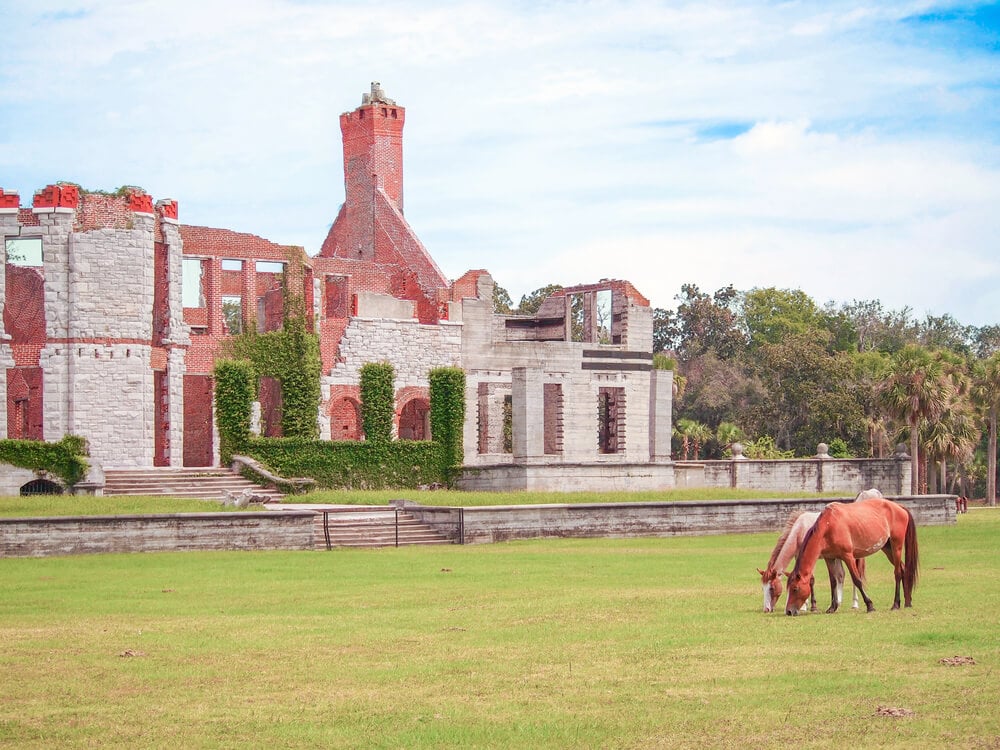
Andrew Carnegie finished his Fifth Avenue mansion in New York in 1902. His family later gave the building to institutions, and it became home to the Cooper Hewitt design museum. The house is one of the few Gilded Age mansions on the avenue to survive.
The Frick Mansion
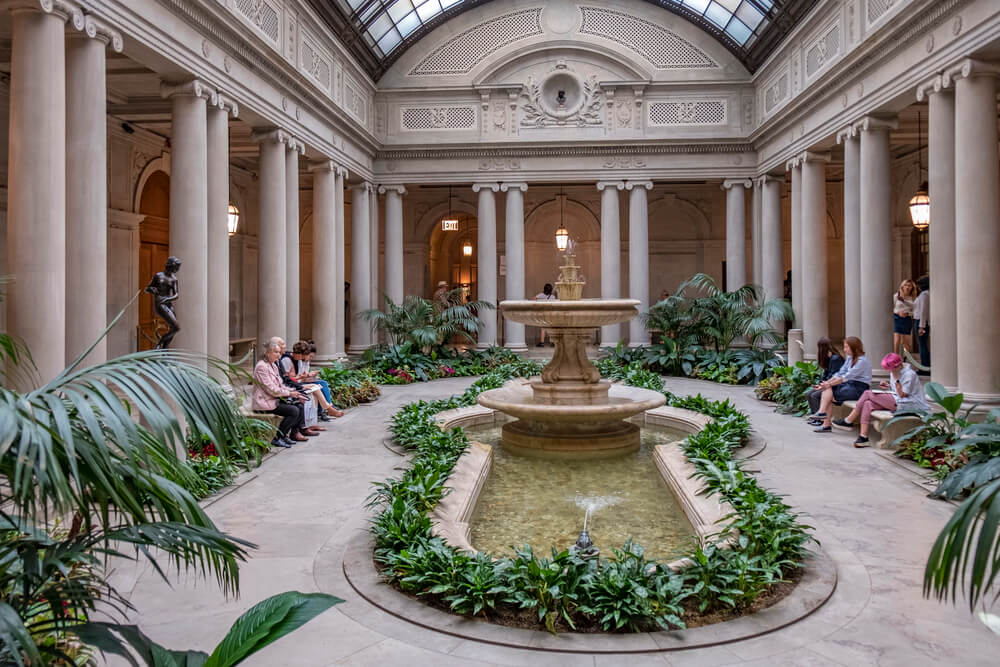
— Photo by Hackman
Henry Clay Frick built his Fifth Avenue mansion in 1914 as a home for himself and his art collection. After his family’s era ended, the house opened as the Frick Collection in 1935. Paintings still hang in rooms designed as living spaces.
The Mark Twain House
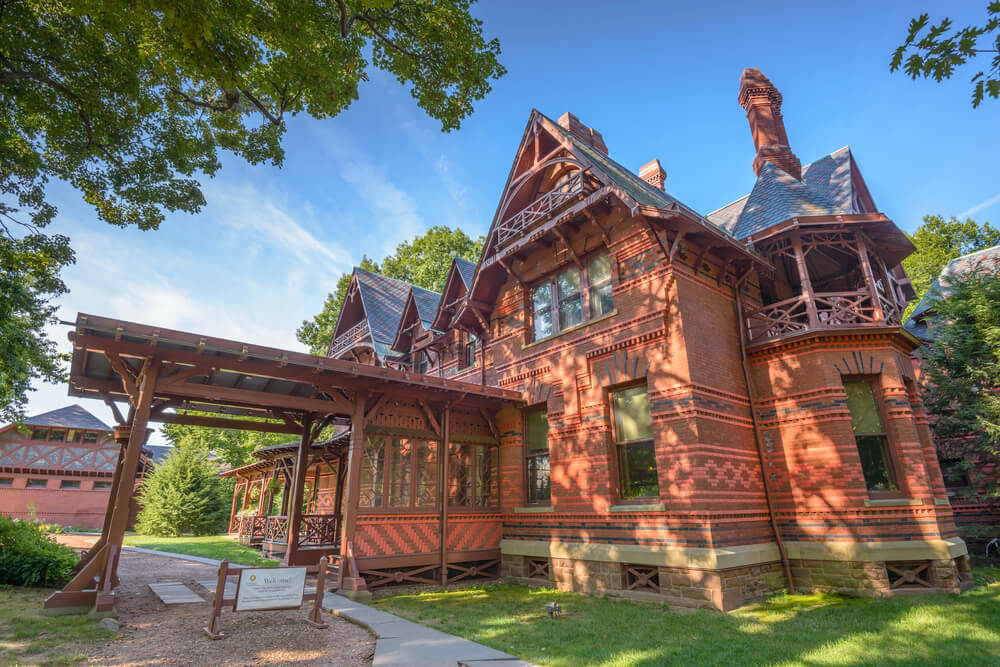
Mark Twain’s Hartford home was completed in 1874, and the family lived there for about seventeen years. The Victorian house features turrets, patterned brickwork and a famous porch. It later became a museum devoted to the author.
A Front Door Opened

Each of these places began with a front door that belonged to one family. Death, debt, patronage or deliberate gifts opened them up, and the public gained entry to rooms that had once been private.
Not every house survived this kind of transition, and many were lost to demolition. The ones that remained usually did so because someone argued that the story of a home was worth keeping.
More from Go2Tutors!

- 27 Silver Dollars and Half Dollars Worth Keeping
- 28 Restaurant Menu Items Nobody Orders Anymore
- 17 Places Built in Seemingly Impossible Spots
- 27 Vintage Rings Worth More Than They Look
- 25 Restricted Sites Tourists Can’t Enter
Like Go2Tutors’s content? Follow us on MSN.