18 Objects That Were Invented Because of a Dream or Hallucination
Throughout history, some of humanity’s most transformative inventions and discoveries have come not from conscious problem-solving, but from the mysterious realm of dreams and altered states of consciousness. These moments of unconscious inspiration have shaped our world in ways we might never have achieved through deliberate thought alone.
These 18 incredible objects and inventions were the result of hallucinations, dreams, and other altered states of consciousness. Each one symbolizes an intriguing meeting point between the unpredictable terrain of the human mind and the logical realm of science.
The Sewing Machine

After years of trying to create a sewing machine that worked, Elias Howe had a nightmare in which he was kidnapped by cannibals who brandished spears at him. He moved the needle’s eye from the center to the pointed end of the needle after noticing in the dream that the spears had holes close to their points.
His design dilemma was resolved by this pivotal realization in 1845, which also transformed the textile sector. Howe’s dream-inspired invention is still a crucial component of contemporary sewing machines.
The Periodic Table
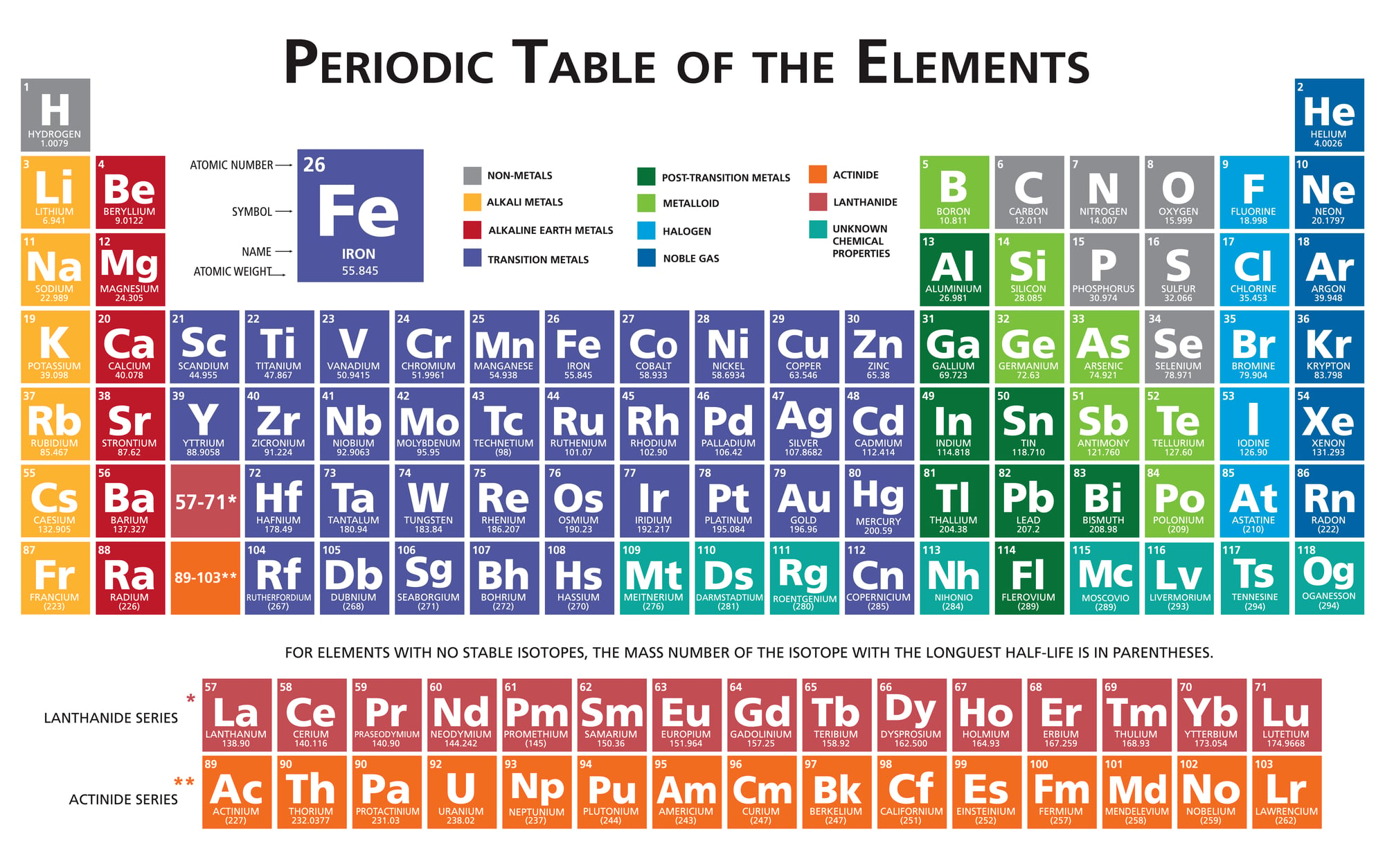
In 1869, Russian chemist Dmitri Mendeleev fell asleep at his desk after exhausting himself and organizing the known chemical elements. The elements were placed in a table with identical qualities aligned vertically in his dream.
After waking up, Mendeleev drew this arrangement right away, producing the first periodic table of elements with room for elements that had not yet been found. His organizational structure, which was inspired by his dreams, turned out to be so accurate that it accurately predicted the characteristics of elements that were discovered decades later.
Google’s Algorithm

Larry Page dreamed about downloading the entire web and keeping only the links, which became the foundation for Google’s PageRank algorithm. This dream directly inspired the breakthrough idea that websites with more links pointing to them should rank higher in search results.
Page’s nighttime insight transformed information retrieval and built one of the world’s most valuable companies on the concept that the link structure of the web reveals valuable patterns of authority and relevance.
The Structure of Benzene

Friedrich August Kekulé struggled to understand the molecular structure of benzene until he dozed off and dreamed of a snake eating its own tail. This ancient symbol known as the ouroboros revealed to him that benzene’s structure was a closed carbon ring rather than an open chain.
Awakening from this dream in 1865, Kekulé immediately recognized it had solved his scientific puzzle. His vision established the foundation for modern organic chemistry and aromatic compound research.
The Chain Stitch

Singer sewing machine innovator Isaac Singer found inspiration for the continuous chain stitch while feverish and hallucinating. During his illness, he visualized thread dancing in strange patterns that revealed a new method of interlocking stitches.
Upon recovery, Singer implemented this design, creating a sturdier and more efficient stitch pattern that helped make his sewing machines the industry standard. This fever-induced insight created a fortune and transformed home sewing forever.
The DNA Double Helix

James Watson reported that the famous double helix structure of DNA came to him not in a laboratory but in a dream where he saw two intertwined serpents. The dream helped him visualize how the nucleotide pairs might connect between the spiraling strands of the molecule.
This nighttime revelation in 1953 helped solve one of biology’s greatest mysteries and launched the modern era of genetic research and engineering.
The Alternating Current Motor
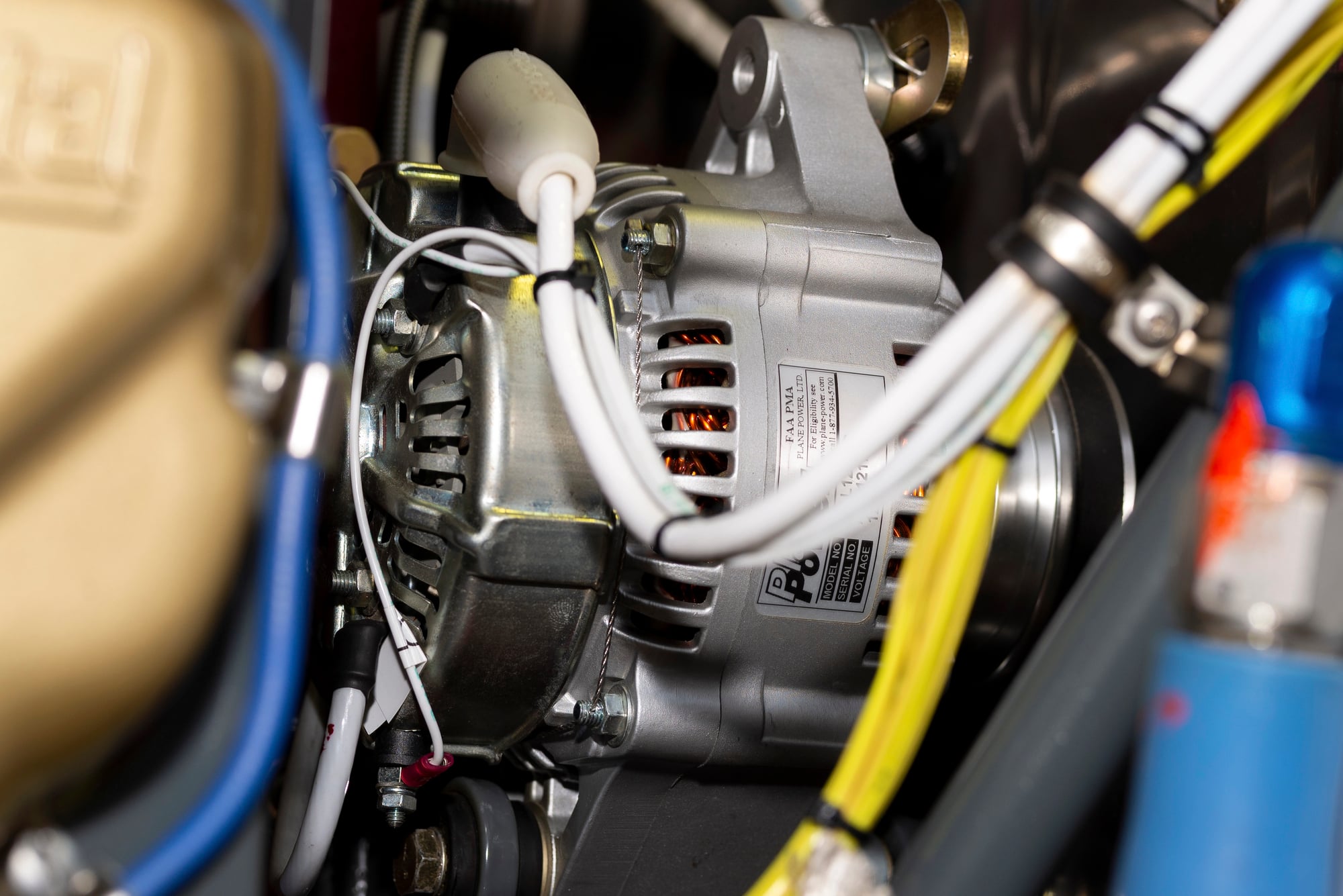
Nikola Tesla conceived the principle of the rotating magnetic field, which is essential to alternating current motors, during a hallucination while walking in Budapest. As the sun was setting, Tesla suddenly visualized a working AC motor in extraordinary detail, even tracing diagrams in the dirt for his walking companion.
This vision in 1882 led directly to Tesla’s revolutionary alternating current motor designs that would eventually power the modern world and win out over Edison’s direct current approach.
The Automatic Rifle

Richard Gatling, creator of the Gatling gun, claimed the idea came to him in a fever dream during a serious illness. In his hallucinatory state, he envisioned a weapon that could multiply a single soldier’s firepower—inspired by seeing a seed-planting machine work rows simultaneously.
Upon recovery, Gatling developed this concept into the first successful machine gun in 1861, unwittingly transforming modern warfare through an invention he ironically hoped would reduce battlefield casualties by requiring fewer soldiers.
The Theory of Relativity
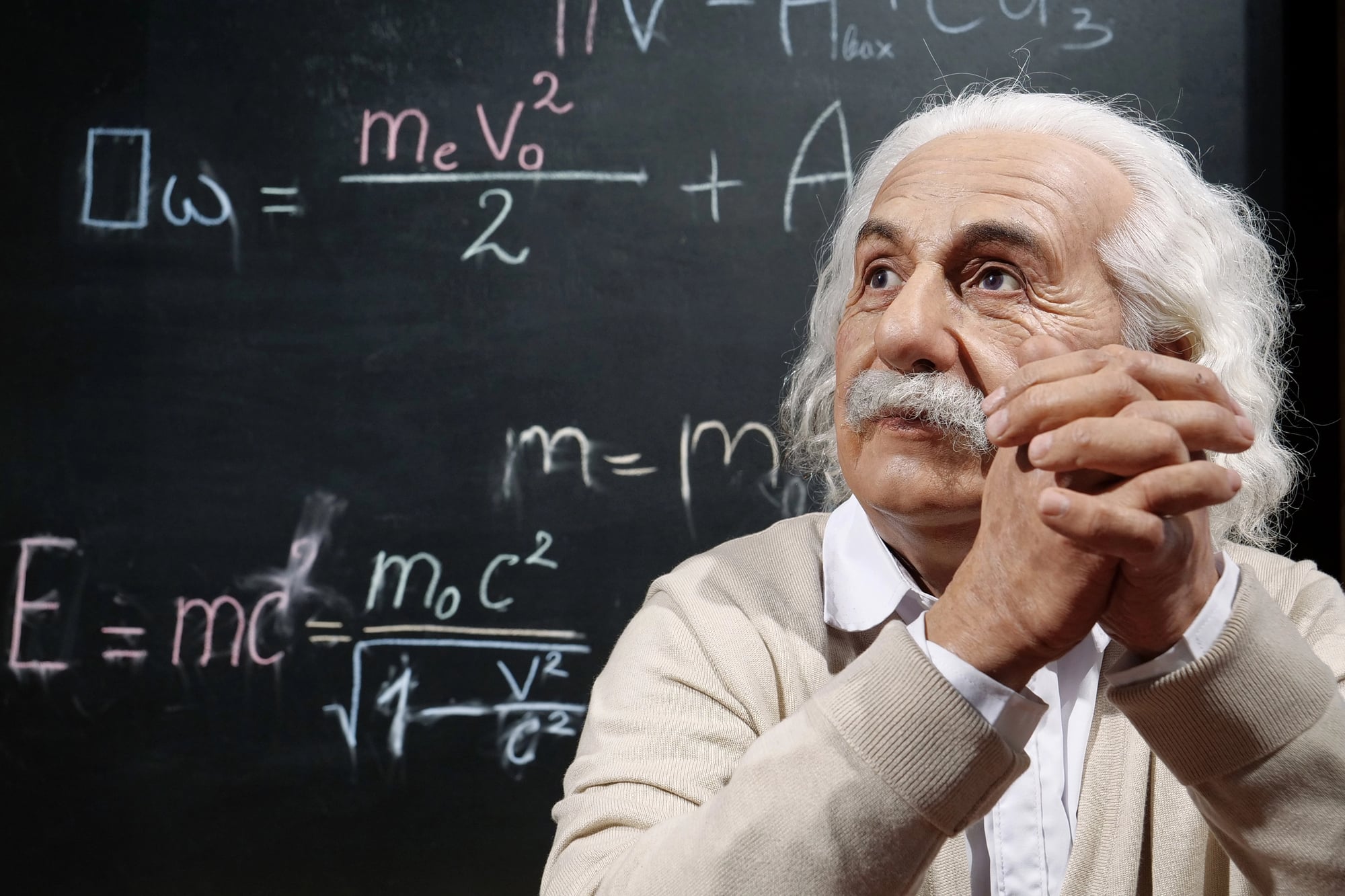
Albert Einstein described how the principle of relativity came to him in a dream where he was sledding down a steep mountainside, approaching the speed of light. As he accelerated, the stars in his dream changed their appearance according to his velocity.
Upon waking, Einstein recognized this imagery had revealed fundamental truths about how space and time must transform at relativistic speeds. This dream-state insight in 1905 became a cornerstone of his revolutionary theory that redefined physics.
The Scientific Method

René Descartes developed the foundations of the scientific method after a series of three dreams on November 10, 1619. In these vivid dreams, he saw fragmentary manuscripts, encountered a whirlwind, and finally received a message that ‘the conquest of nature is to be achieved through measure and number.’
Upon waking, Descartes interpreted these dreams as divine inspiration, leading him to develop his systematic approach to scientific inquiry and analytical geometry that fundamentally changed how science is conducted.
CPAP Machine
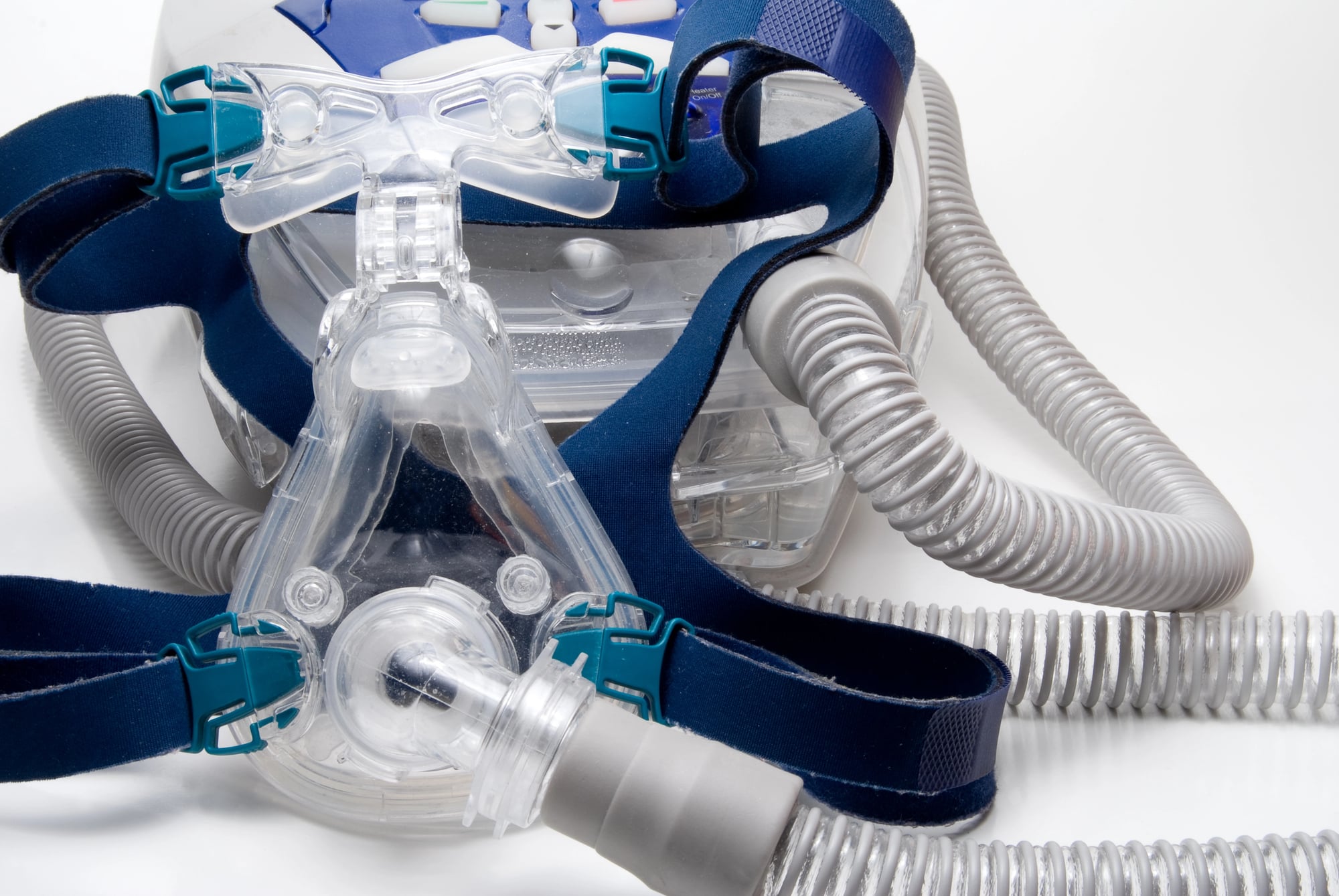
The Continuous Positive Airway Pressure (CPAP) machine, used worldwide to treat sleep apnea, was invented by Australian doctor Colin Sullivan after he awoke from a dream about applying respiratory equipment used for horses to human patients.
His dream in 1980 prompted him to modify veterinary equipment to create a working prototype that maintained positive air pressure through a patient’s night of sleep. Sullivan’s dream-inspired innovation has since saved countless lives and improved sleep quality for millions.
Frankenstein’s Monster

Mary Shelley conceived the idea for ‘Frankenstein’ during a waking dream or hallucination while staying at Lord Byron’s villa in 1816. As she later described, she saw “the pale student of unhallowed arts kneeling beside the thing he had put together,” and when a “powerful engine” stirred the creature to life, the student fled in horror.
This vivid hallucination, experienced during a ghost story competition among friends, spawned one of literature’s most enduring characters and pioneered the science fiction genre.
The Neural Network
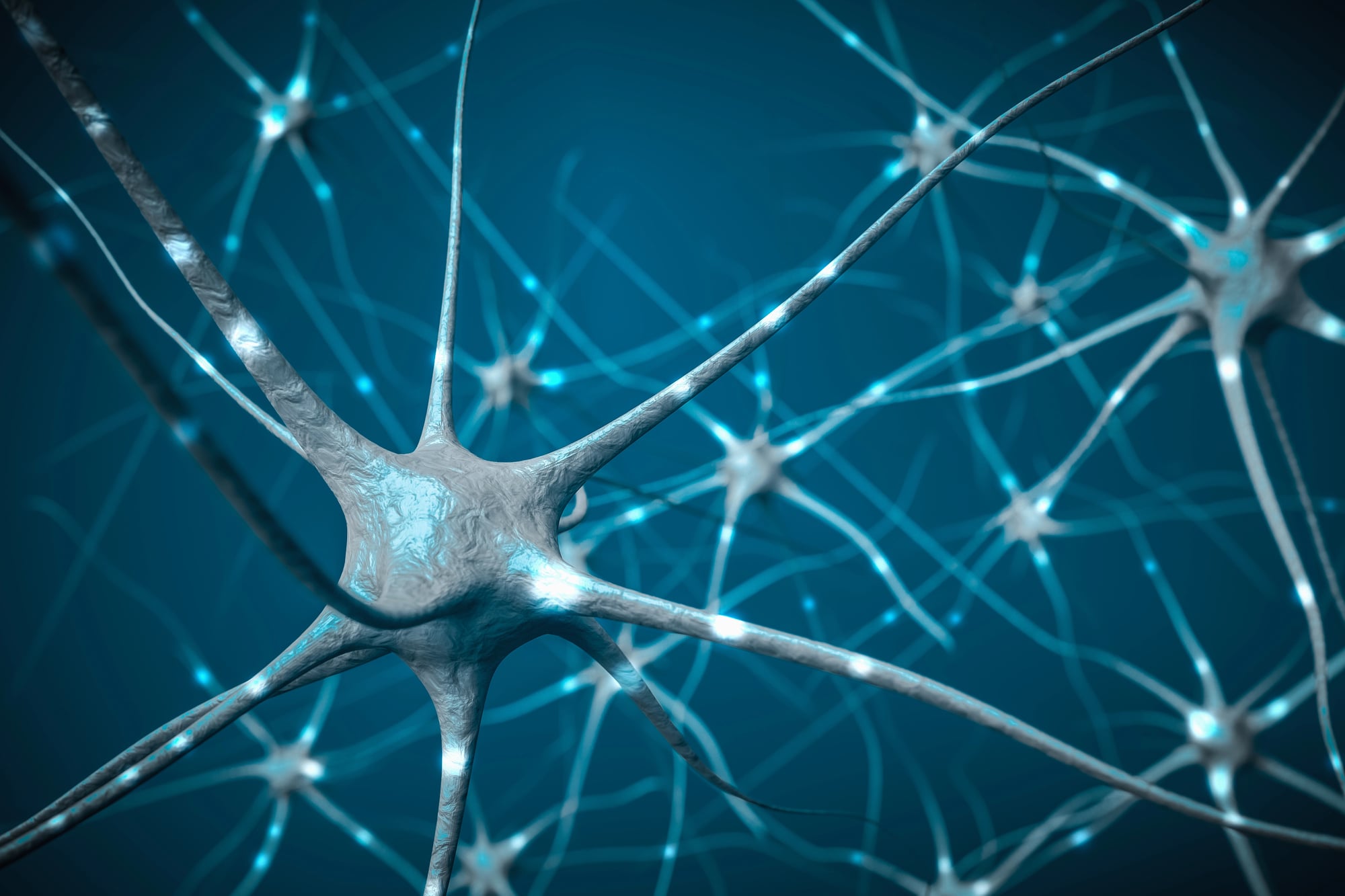
Neurophysiologist Warren McCulloch dreamed of a living brain composed of simple processing units working in concert, which directly inspired his development of the first conceptual model of neural networks in 1943.
After waking, McCulloch and mathematician Walter Pitts translated this dream imagery into a mathematical model describing how neurons might work together to process information. Their dream-inspired paper laid the theoretical foundation for artificial intelligence and modern deep learning systems.
The Newtonian Laws of Motion

Isaac Newton was allegedly inspired to formulate his laws of motion and universal gravitation after watching an apple fall from a tree during a daydream state. This semi-hypnotic reverie led him to the revolutionary insight that the same force governing the apple’s fall might extend infinitely into space, governing planetary motion.
Newton’s daydream in the 1660s provided the cognitive leap connecting terrestrial and celestial mechanics, unifying physics in a way previously unimagined.
The Polaroid Camera
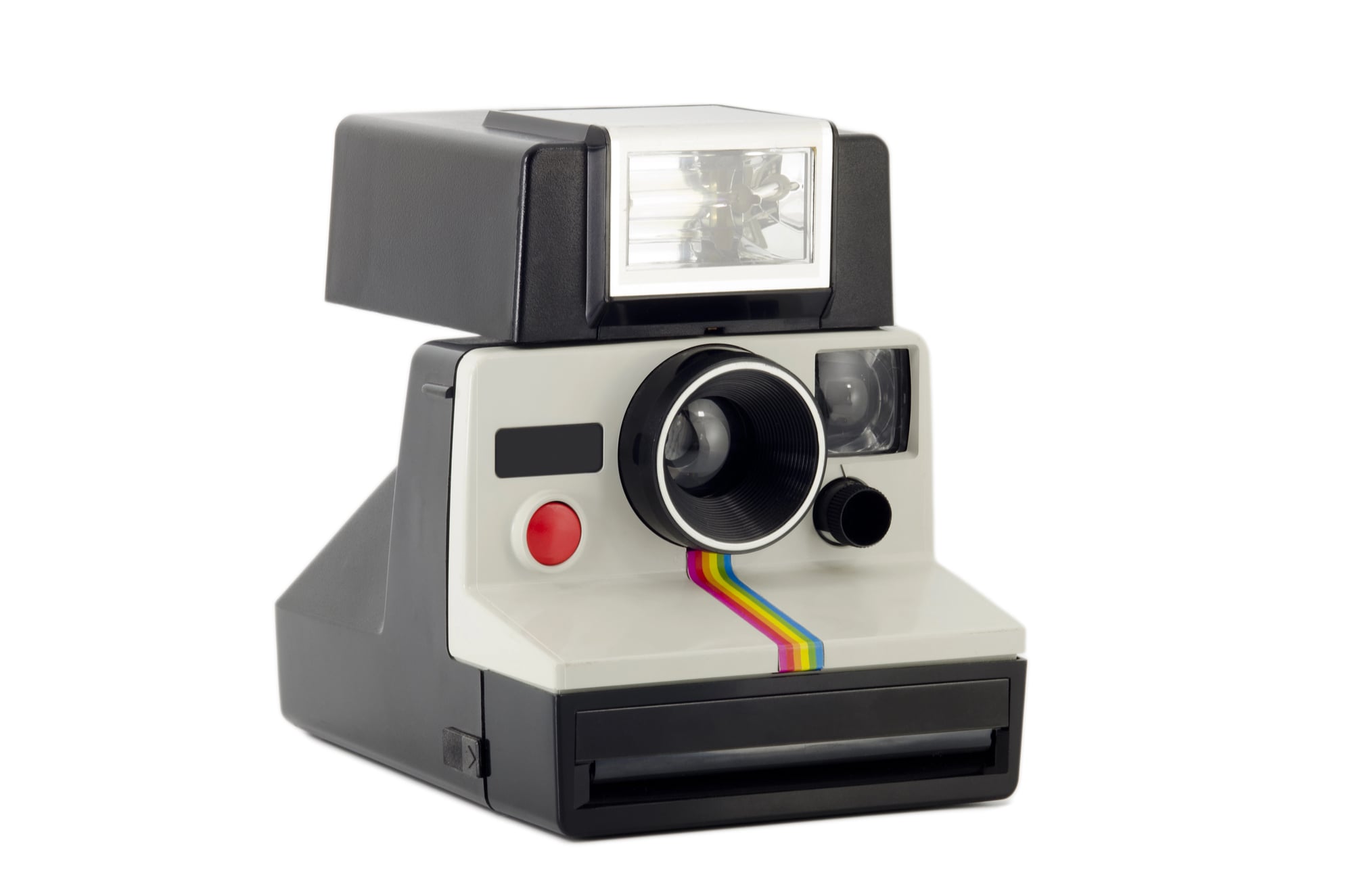
Edwin Land conceived of instant photography after his three-year-old daughter asked why she couldn’t see a photo he had just taken of her. That night, Land took a walk and entered a state of deep reverie where he envisioned the complete chemical process for instant film development.
He later claimed that the entire polaroid system had come to him during this altered state of consciousness in 1943. Land’s dreamy inspiration led to the creation of instant photography that dominated for decades before digital cameras.
The Terminator
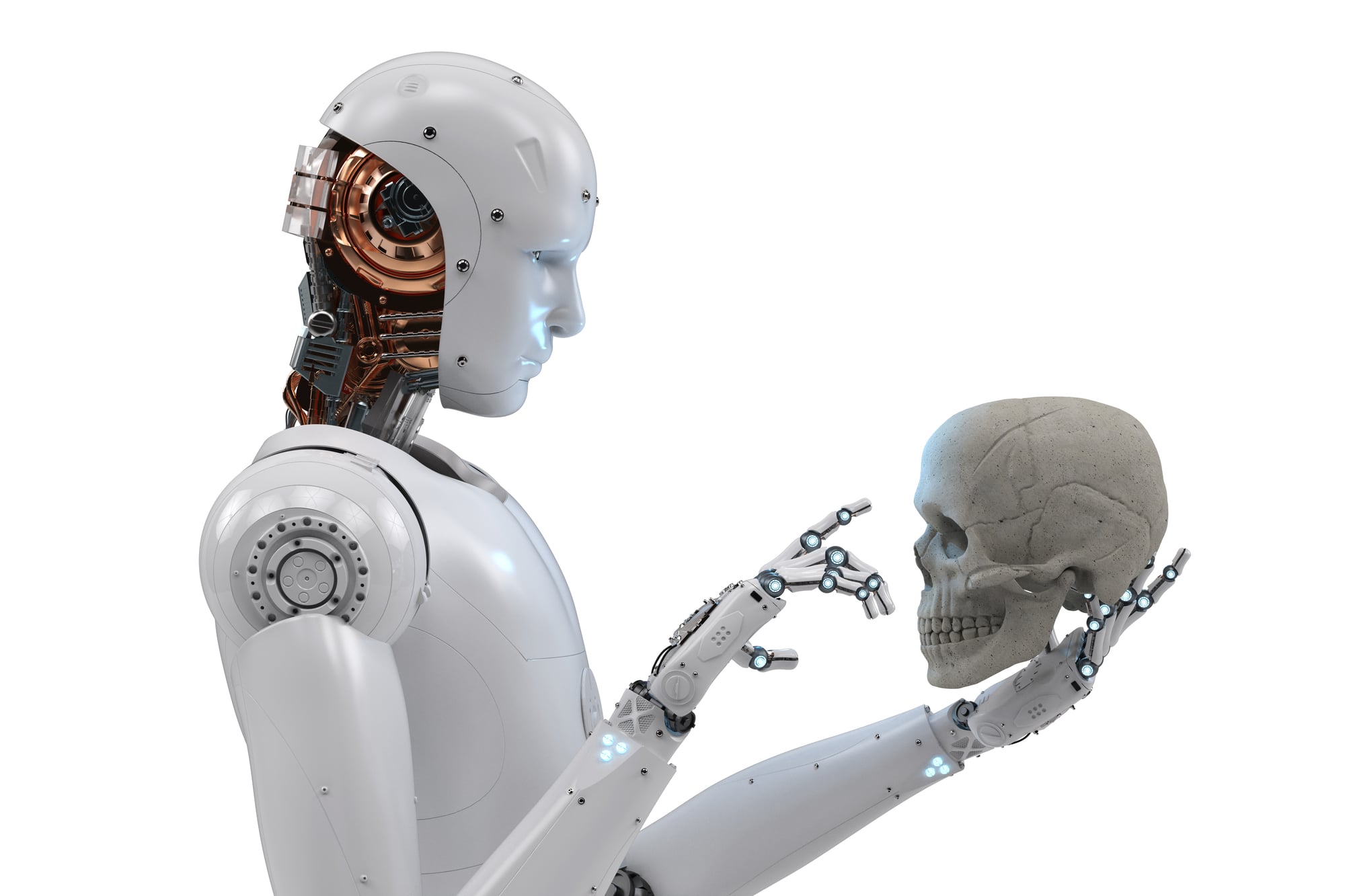
Film director James Cameron conceived the iconic robotic villain of ‘The Terminator’ during a fever dream while ill in Rome. In his feverish state, Cameron visualized a chrome torso emerging from flames, dragging itself forward with kitchen knives.
This hallucination directly inspired the film’s pivotal scene where the Terminator’s metallic endoskeleton emerges from the fire. Cameron’s 1984 fever-vision created one of cinema’s most recognizable villains and launched a billion-dollar franchise.
The Automatic Telephone Exchange

Almon Strowger, an undertaker, invented the automatic telephone switching system after dreaming about mechanisms that could replace human operators. His dream was motivated by suspicion that local operators were directing his business calls to a competitor.
The dream revealed a system of electromagnets and contacts that could automatically connect calls without human intervention. Strowger’s dream-inspired invention in 1889 became the foundation for telephone exchange systems used throughout most of the 20th century.
The Revolver

Samuel Colt envisioned the revolving cylinder mechanism for his famous firearm during hallucinations he experienced as a young sailor at sea. While watching the ship’s wheel during a long voyage, Colt entered a state of mesmerized concentration where he visualized a pistol with a rotating cylinder that would align multiple chambers with a single barrel.
This hallucinatory insight in 1830 led to his patent for the first practical revolver, transforming personal firearms and winning the American West.
The Unconscious Innovators
These remarkable stories challenge our understanding of creativity and innovation, suggesting that some of humanity’s greatest leaps forward emerge not from conscious reasoning but from the mysterious realm of dreams and altered consciousness. When the analytical mind reaches its limits, the unconscious seems capable of forming connections and visualizing solutions that rational thought alone might never discover.
Perhaps true innovation requires the mind to escape its own boundaries temporarily and perceive reality through an entirely different lens, returning with treasures from beyond the threshold of normal awareness.
More from Go2Tutors!

- The Romanov Crown Jewels and Their Tragic Fate
- 13 Historical Mysteries That Science Still Can’t Solve
- Famous Hoaxes That Fooled the World for Years
- 15 Child Stars with Tragic Adult Lives
- 16 Famous Jewelry Pieces in History
Like Go2Tutors’s content? Follow us on MSN.