15 Historical Moments That Lasted Less Than 5 Minutes — But Made Headlines
History often unfolds across decades, sometimes centuries – gradual changes that shape our world through slow evolution. Yet occasionally, the most pivotal moments happen almost instantaneously, like lightning strikes that permanently alter our collective journey.
These brief flashes prove you don’t need hours or years to change everything. Here is a list of 15 historical moments that lasted less than five minutes but completely transformed our world.
The Zapruder Film
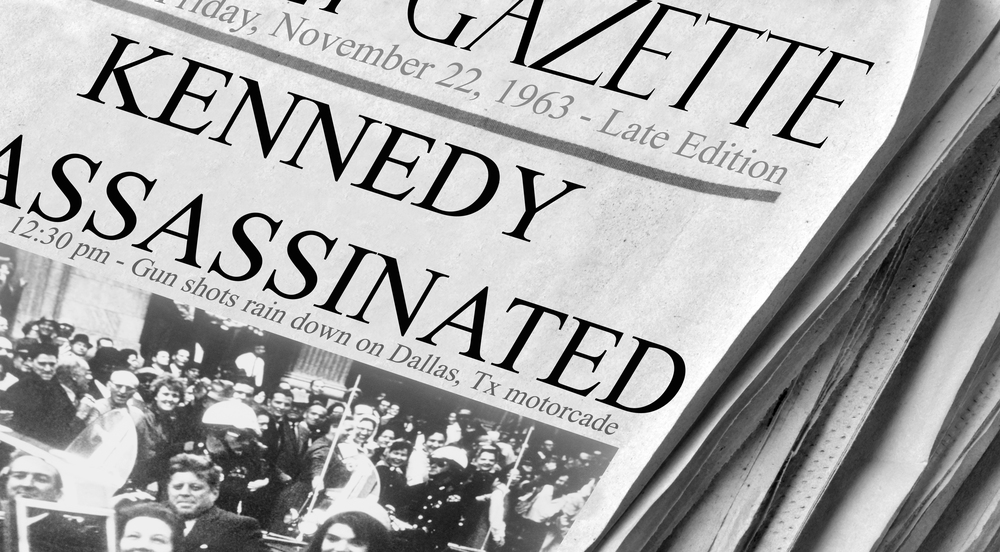
Abraham Zapruder hadn’t planned to make history on November 22, 1963 – he just wanted to film the presidential motorcade passing through Dallas. His 26.6 seconds of 8mm footage captured the assassination of President Kennedy and became the most scrutinized home movie ever made.
Researchers still analyze this half-minute recording frame by frame, seeking answers in a moment that traumatized a nation.
Nixon’s Resignation Speech
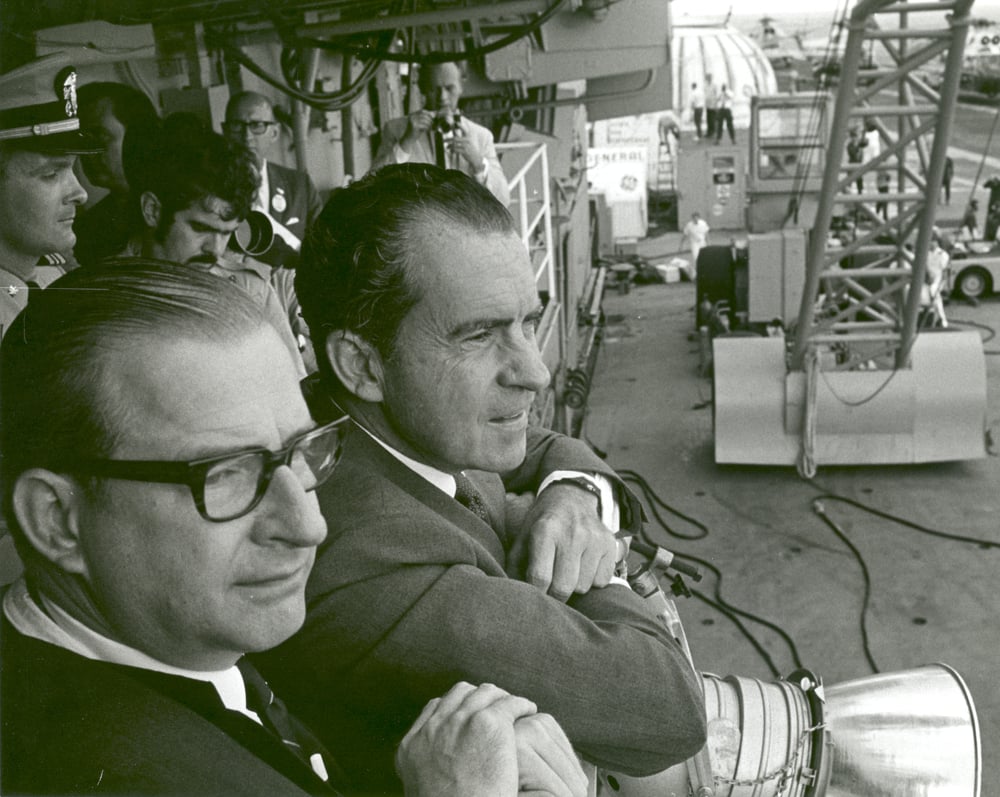
Richard Nixon’s political downfall took over two years to unfold – yet his actual resignation came during a televised address lasting just under three minutes. Looking tired and defeated on August 8, 1974, the president told Americans he’d resign the following day.
Those brief moments changed the presidency forever while revealing the system’s resilience even as public trust crumbled.
The Wright Brothers’ First Flight
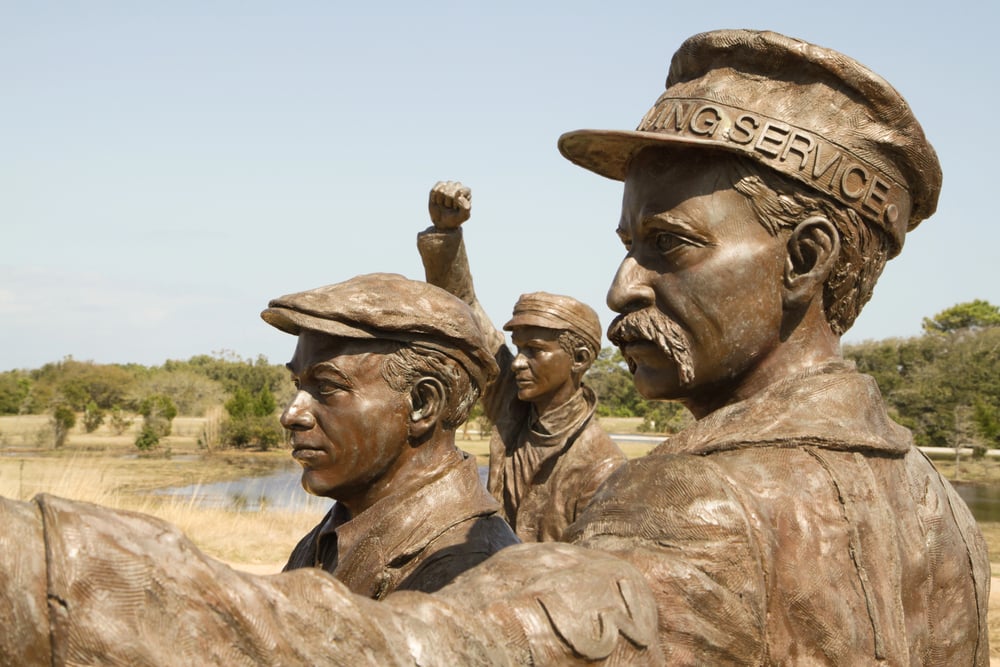
Twelve seconds. That’s all it took to launch humanity into the age of flight on December 17, 1903.
Orville Wright piloted their homemade flyer just 120 feet across the windswept beach at Kitty Hawk – though that short hop might as well have been across the universe for what it meant. The handful of witnesses couldn’t possibly grasp how those fleeting moments would shrink our world forever.
Neil Armstrong’s Lunar Step
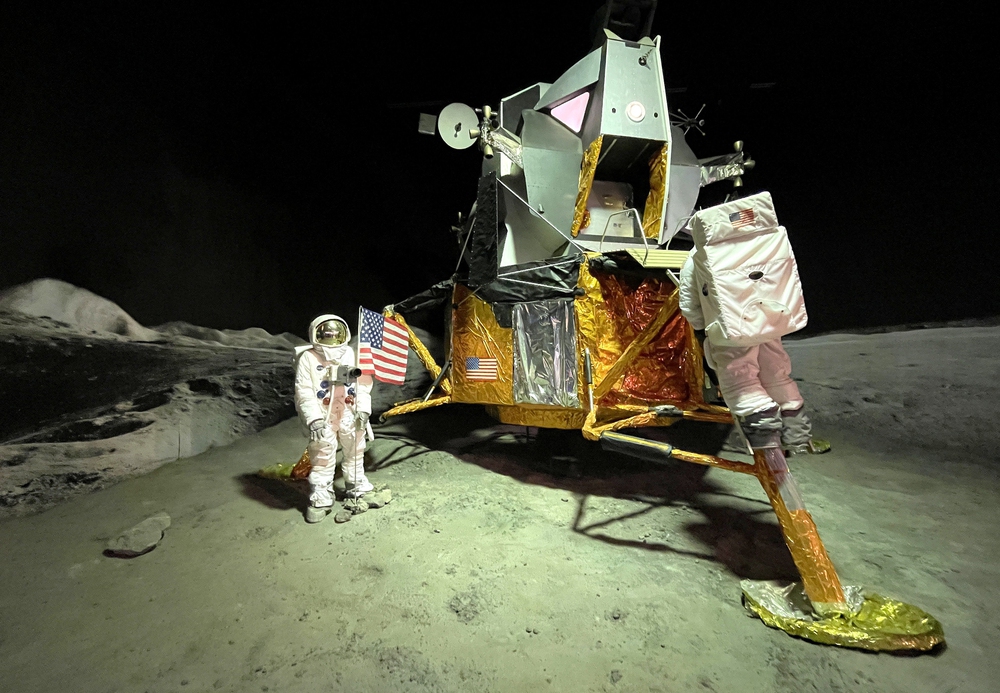
Neil Armstrong spent barely two minutes alone on the lunar surface – though they weren’t really “minutes” at all, but rather mankind’s greatest leap. His descent from the lunar module’s ladder took mere seconds, yet represented a decade’s worth of scientific achievement.
“One small step for man” – spoken nearly 240,000 miles from Earth – became the perfect distillation of an achievement watched by roughly 600 million earthbound humans.
The Hindenburg Disaster

Thirty-two seconds. That’s how quickly the mighty Hindenburg airship transformed from technological marvel to flaming wreckage at Lakehurst, New Jersey in 1937. Radio reporter Herbert Morrison’s voice cracked with emotion – “Oh, the humanity!” – as he watched 36 people perish.
Modern listeners still feel chills hearing the recording, despite the disaster happened decades before most were born.
The Ruby-Oswald Shooting

Jack Ruby needed only seven seconds to forever alter the investigation into President Kennedy’s assassination. As police transferred Lee Harvey Oswald through the Dallas police headquarters basement on November 24, 1963, Ruby lunged forward with a .38 revolver – while television cameras broadcast the murder live.
That single gunshot silenced the only person who might’ve explained the assassination, launching conspiracy theories that never died.
The Miracle on Ice Goal

Cold War tensions ran through every aspect of life in 1980 – even Olympic hockey. When American team captain Mike Eruzione fired a shot past Soviet goaltender Vladimir Myshkin with exactly ten minutes remaining in the medal-round game, he created an instant of pure national elation.
The puck took less than a second to travel into the net, yet that brief moment transcended sports entirely. Al Michaels’ incredulous countdown – “Do you believe in miracles? Yes!” – still raises goosebumps today.
The Reichstag Fire
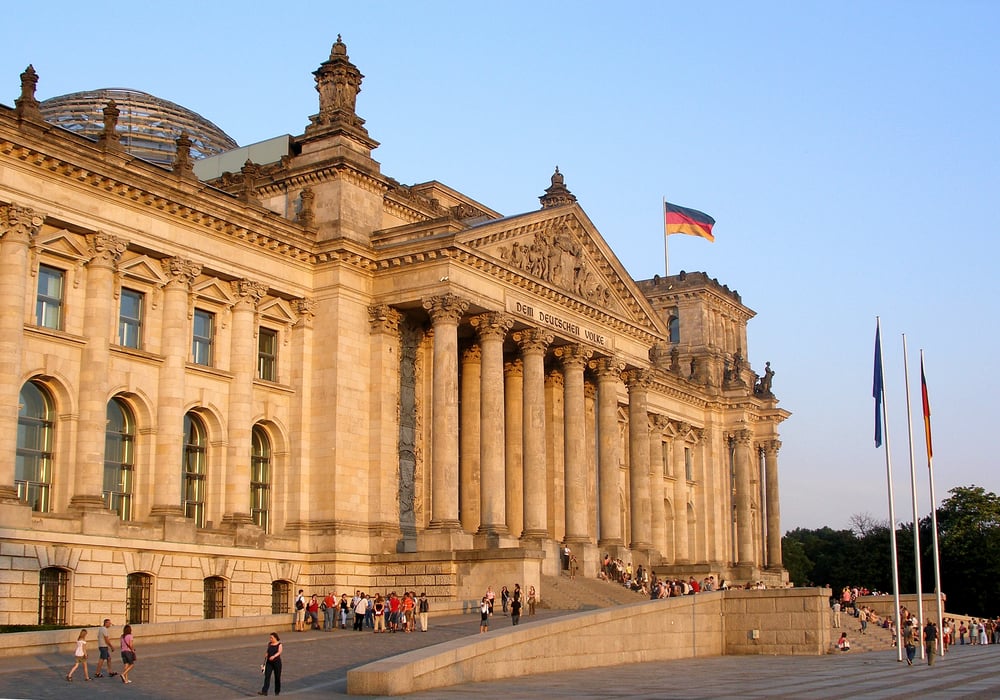
At 9:14 p.m. on February 27, 1933, a small flame was spotted in the German parliament building – within minutes, the chamber burned uncontrollably. Though the fire itself lasted hours, those crucial first moments provided Nazi leaders their excuse to suspend civil liberties through emergency decrees.
Hitler seized this unexpected opportunity to crush opposition and establish totalitarian control, effectively ending German democracy during a single evening.
The Challenger Explosion
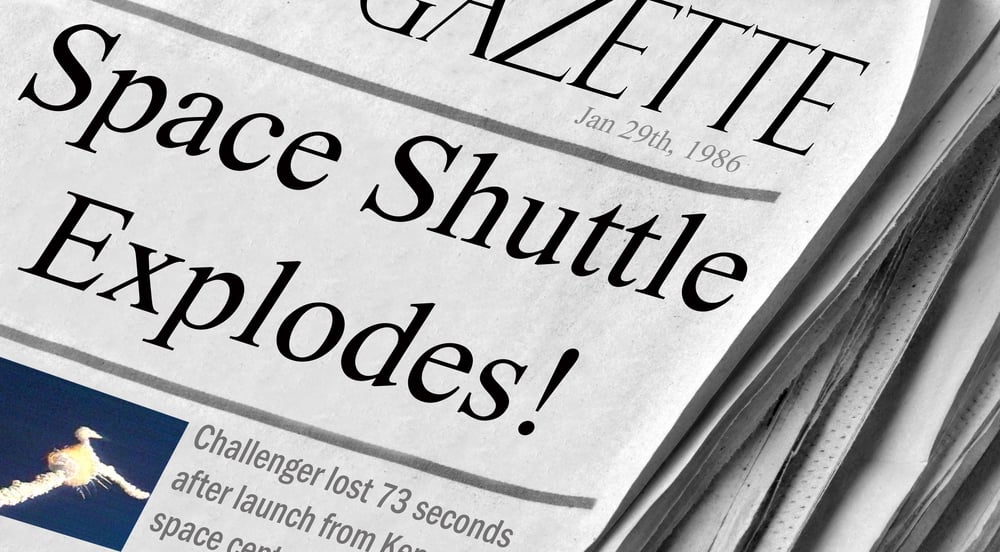
For 73 seconds after liftoff on January 28, 1986, the Space Shuttle Challenger flight proceeded normally. Then catastrophe struck – an O-ring failure led to the orbiter’s disintegration while millions watched in horror.
NASA had invited schoolchildren nationwide to watch teacher Christa McAuliffe’s journey into space. Instead, they witnessed a national tragedy unfold in real-time, changing space program safety protocols forever.
The First Atomic Bomb Test
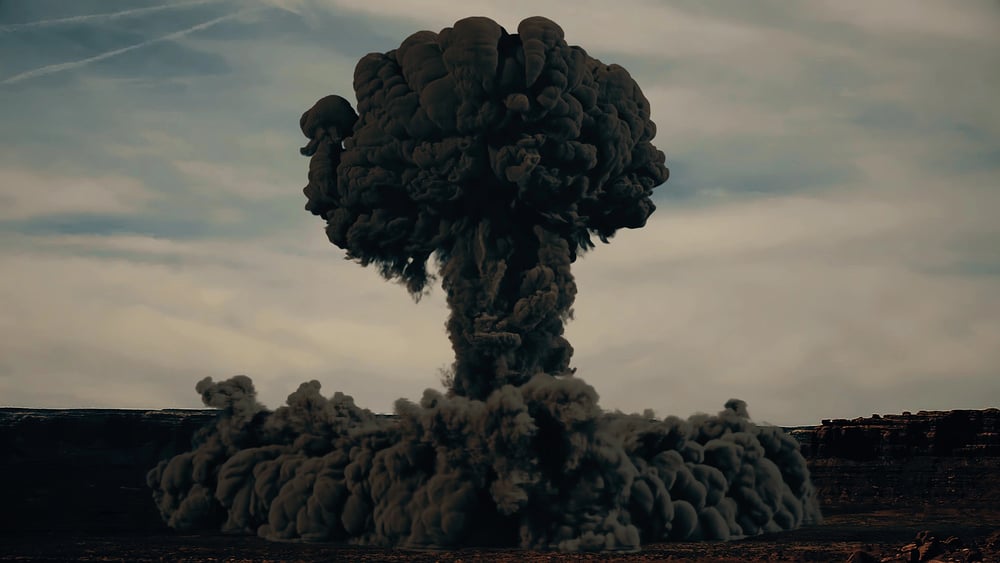
The nuclear age began with a flash brighter than several suns combined at 5:29 a.m. on July 16, 1945. Though the actual nuclear reaction took just nanoseconds, its consequences ripple through human history still.
Scientists at the Trinity test site in New Mexico desert created something fundamentally new – a weapon that could end civilization. J. Robert Oppenheimer captured humanity’s new reality perfectly: “Now I am become Death, the destroyer of worlds.”
The Shot Heard ‘Round the World

Bobby Thomson’s bat connected with Ralph Branca’s fastball at 3:58 p.m. on October 3, 1951. The ball sailed into the left-field stands at the Polo Grounds as announcer Russ Hodges shouted himself hoarse:
“The Giants win the pennant!” This single swing completed baseball’s greatest comeback and became so culturally significant that novelist Don DeLillo used it as the prologue to his epic work “Underworld.” That brief crack of the bat somehow captured America’s postwar optimism perfectly.
The Berlin Wall Opening
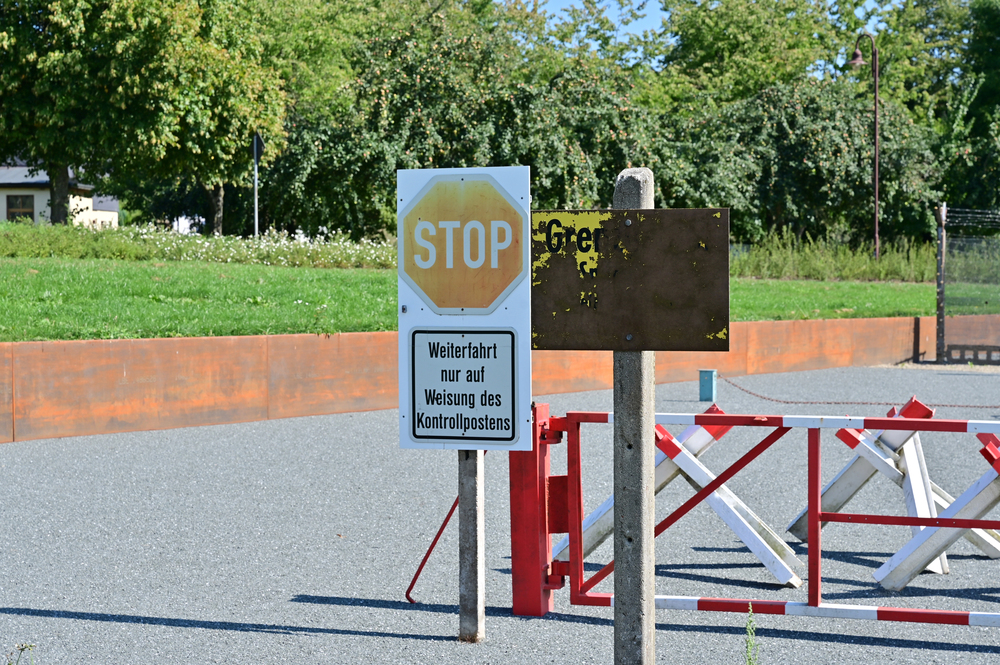
The Cold War’s most iconic symbol fell because of a misstatement that lasted under two minutes. During a press conference on November 9, 1989, East German official Günter Schabowski mistakenly announced that border crossings would open “immediately.”
Confused guards, faced with growing crowds and no clear instructions, eventually allowed citizens through. This accidental announcement precipitated the physical dismantling of the wall and ultimately led to German reunification.
The Concorde Crash
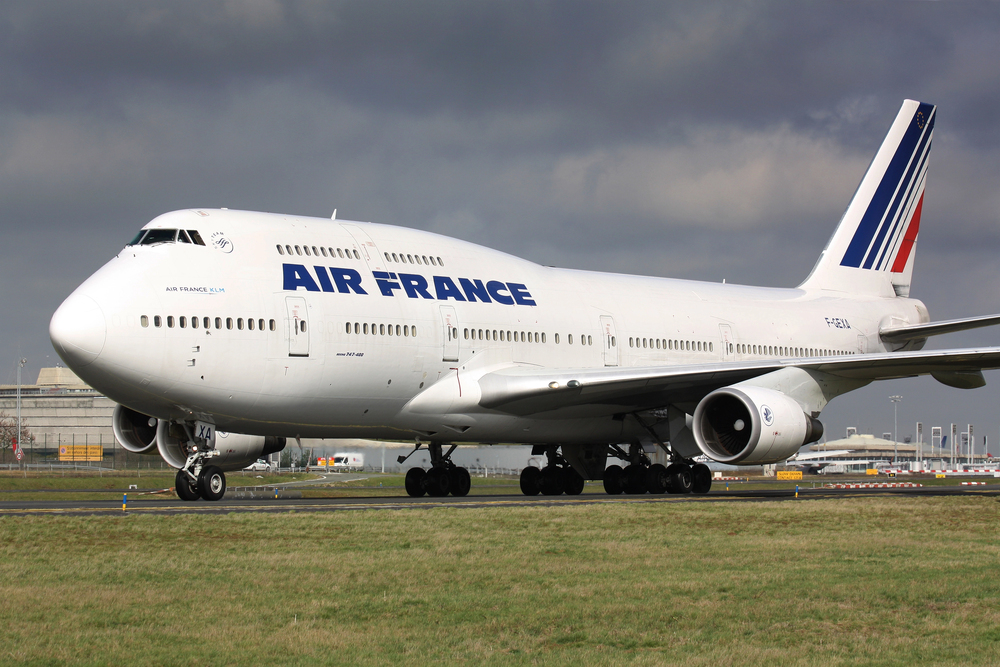
Air France Flight 4590 crashed just 113 seconds after takeoff from Paris on July 25, 2000. The supersonic Concorde struck debris on the runway, causing a catastrophic tire failure and fuel tank rupture.
All 109 people aboard perished, along with four people on the ground. This brief, fiery sequence effectively ended the era of supersonic passenger travel that had begun in 1976, showing how quickly technological achievements can unravel.
The Wedding of Princess Diana

Princess Diana’s “wedding of the century” featured a crucial 27-second mistake that humanized the royal spectacle for an estimated 750 million viewers worldwide on July 29, 1981. The nervous 20-year-old bride accidentally reversed the order of Charles’s names during her vows, promising to love “Philip Charles Arthur George” instead of “Charles Philip Arthur George.”
This small error made the fairytale wedding feel unexpectedly relatable, connecting viewers to the young woman at the center of royal pageantry.
The First Television Broadcast
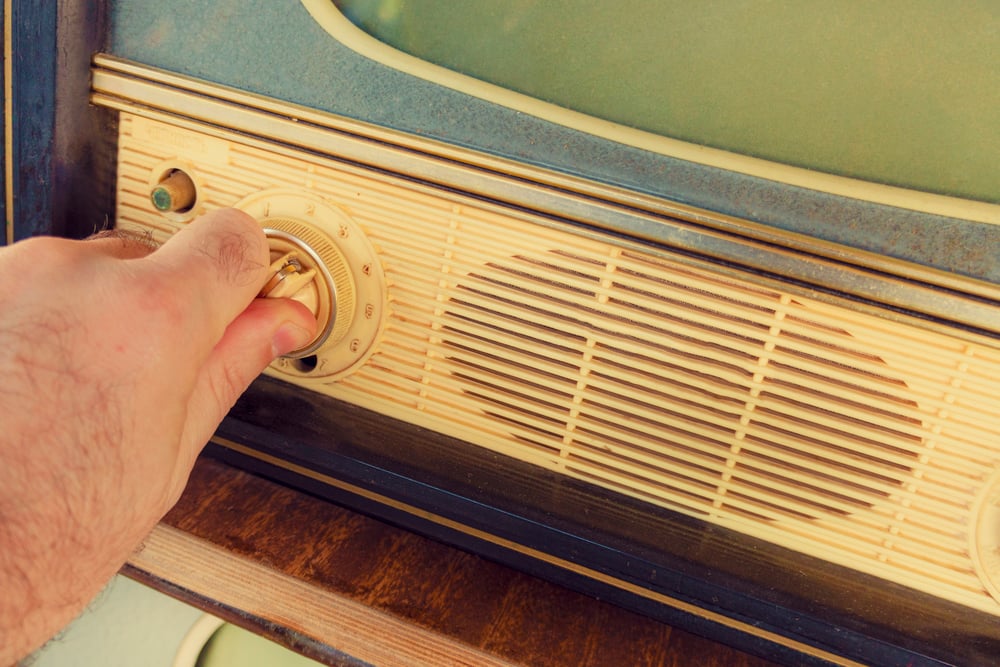
When Philo Farnsworth transmitted a simple line on a screen for just a few seconds in 1927, few could have predicted the cultural revolution that would follow. His demonstration—a straight line morphing into a dollar sign—seems almost comically modest compared to today’s high-definition streaming services.
Yet those fleeting electronic signals marked the birth of the most influential communication medium of the 20th century, one that would reshape politics, entertainment, and family life worldwide.
The Ripple Effect of Brief Moments

Most historical processes unfold gradually, with change accumulating over time rather than arriving in dramatic bursts. Yet these lightning-fast inflection points show us how history sometimes pivots on split-second decisions, technological failures, or simple human errors.
Each demonstrates that significance isn’t measured in minutes or hours but in consequences that echo through generations. What makes these moments continue to resonate isn’t just their brevity but their essential humanity.
They capture something fundamental about our shared experience, the unpredictability of life, the fragility of achievement, and our capacity to witness history even as it unfolds right before our eyes.
More from Go2Tutors!

- The Romanov Crown Jewels and Their Tragic Fate
- 13 Historical Mysteries That Science Still Can’t Solve
- Famous Hoaxes That Fooled the World for Years
- 15 Child Stars with Tragic Adult Lives
- 16 Famous Jewelry Pieces in History
Like Go2Tutors’s content? Follow us on MSN.