Everyday Items With NASA Origins
Most people think of NASA as the organization that sends astronauts into space and explores distant planets. While that’s absolutely true, the space agency has also quietly revolutionized life here on Earth in ways most people never realize.
Technologies developed to solve problems in the harsh environment of space have found their way into homes, hospitals, and stores across the planet. Let’s explore the surprisingly common products that started their journey in NASA laboratories and spacecraft.
Memory foam mattresses and pillows
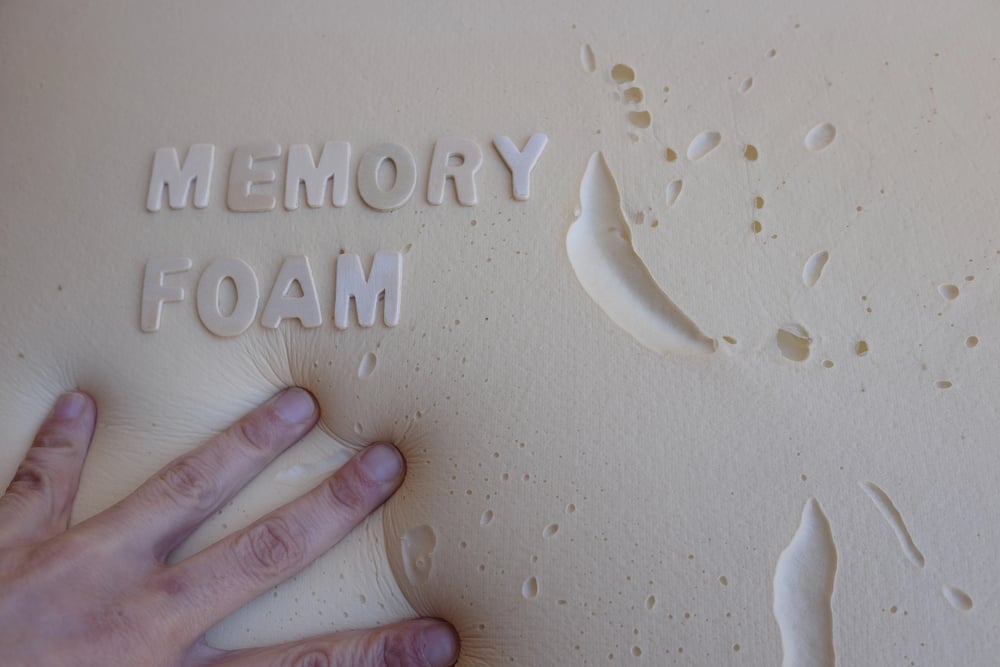
NASA engineers created memory foam in the 1960s to improve cushioning and crash protection for airline seats. The material molds to body shape under pressure and temperature, then slowly returns to its original form.
Initially called temper foam, it helped protect astronauts during launch and landing. The technology eventually became available to the public in the 1980s.
Today millions of people sleep on memory foam mattresses without knowing they’re using space-age technology every night.
Cordless vacuum cleaners

Black & Decker partnered with NASA to create battery-powered tools for the Apollo moon missions. Astronauts needed portable, self-contained devices that could drill and collect rock samples in the vacuum of space.
The miniaturized motor technology and efficient battery systems developed for these tools led directly to cordless vacuums. The DustBuster, released in 1979, became one of the most popular household gadgets ever made.
Every cordless cleaning device today owes something to those lunar geology tools.
Scratch-resistant eyeglass lenses
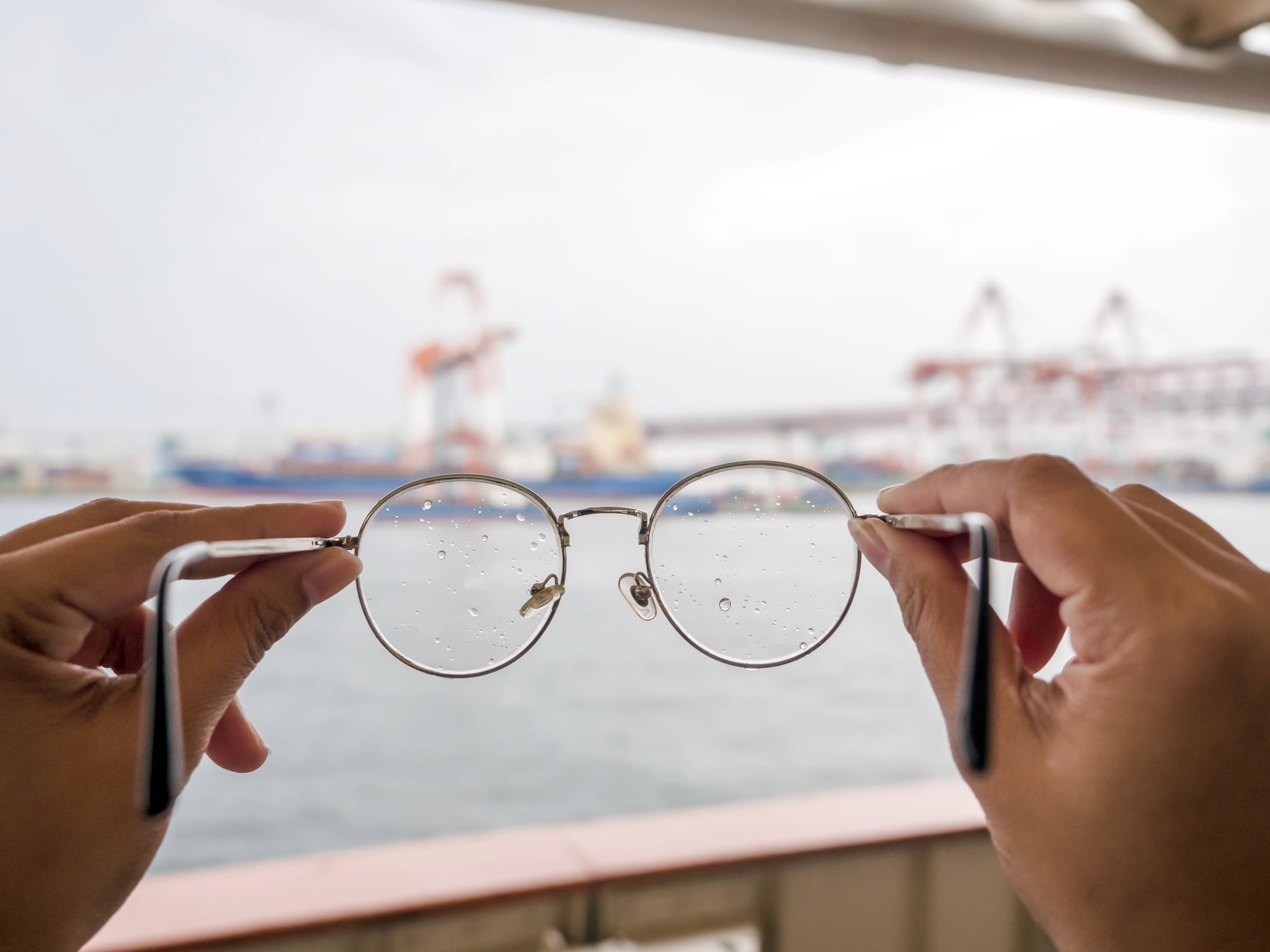
NASA developed a special coating for astronaut helmet visors and spacecraft windows to protect them from scratches and damage. The coating process involved a thin film of diamond-like carbon that made surfaces incredibly durable.
Eyeglass manufacturers licensed this technology in the 1980s and transformed the glasses industry overnight. Before this innovation, plastic lenses scratched so easily that many people avoided them entirely.
Now scratch-resistant lenses are standard on nearly every pair of glasses sold.
Water filtration systems
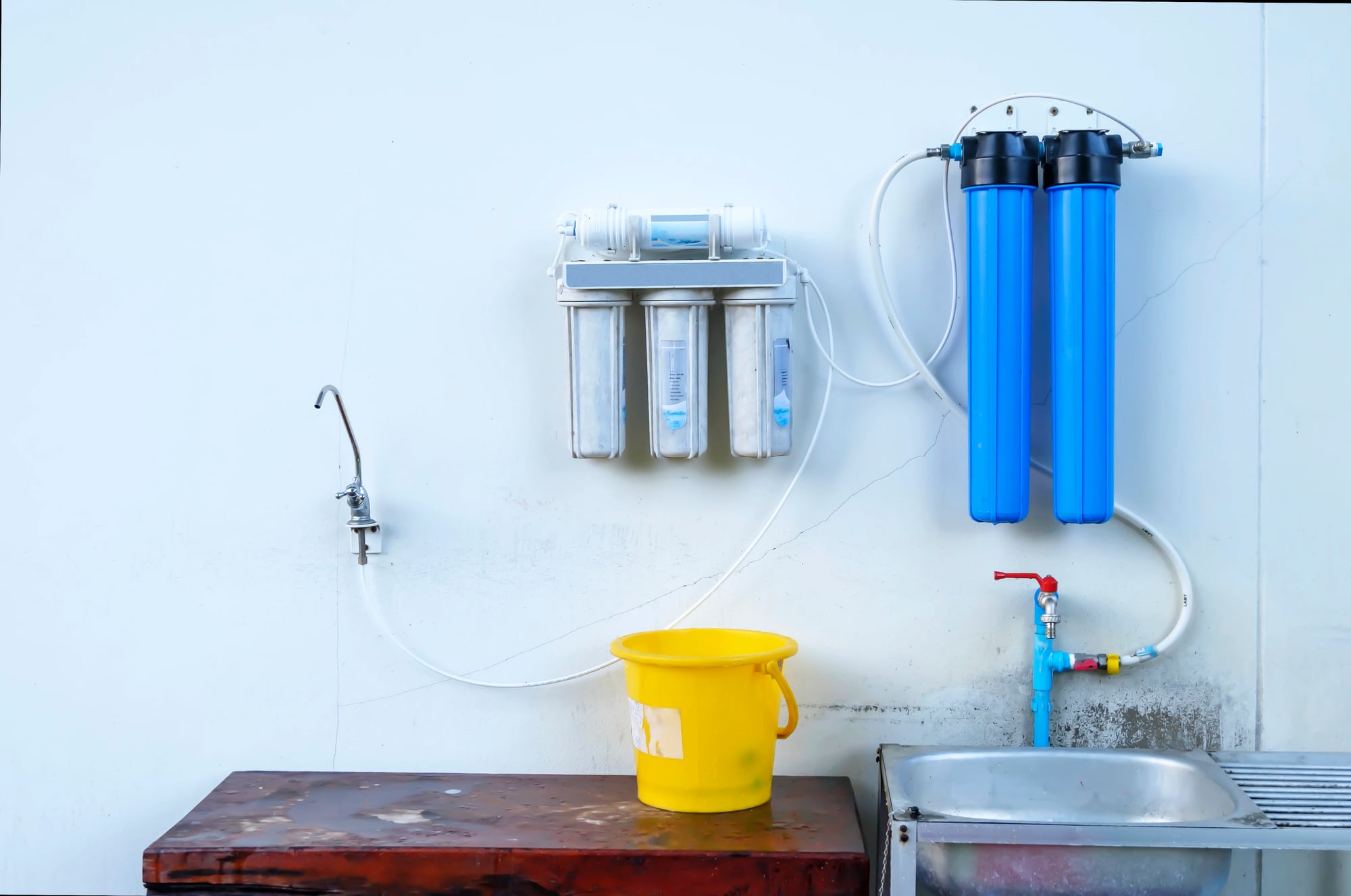
NASA needed ways to purify and recycle water for long-duration space missions where resupply wasn’t possible. Engineers developed advanced filtration technology using activated carbon and silver ions to kill bacteria without chemicals.
This same technology now appears in pitcher filters, refrigerator water systems, and municipal treatment plants. The space station recycles about 93% of its water using systems that inspired countless Earth-based versions.
People drinking filtered tap water are benefiting from NASA innovation whether they know it or not.
Infrared ear thermometers
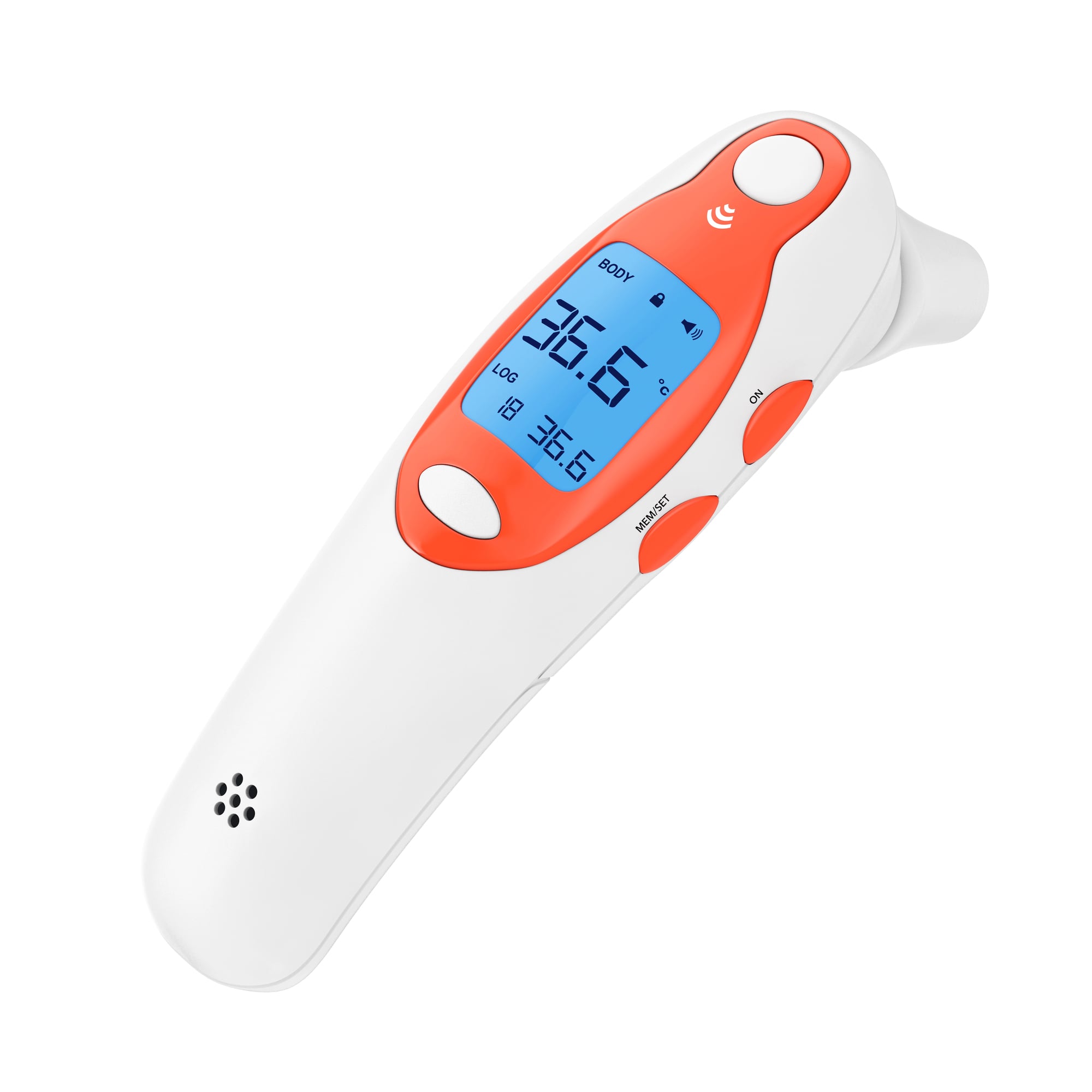
Taking someone’s temperature in space presented unique challenges since traditional thermometers required too much time and contact. NASA’s Jet Propulsion Laboratory developed infrared sensor technology to measure the temperature of stars and planets from great distances.
A company called Diatek adapted this technology to create the first infrared ear thermometer for medical use. The device measures heat from the eardrum in just seconds without touching it.
Parents everywhere appreciate this NASA spinoff during late-night fever checks with cranky kids.
Improved smoke detectors

Early smoke detectors were unreliable and prone to false alarms that made people remove their batteries. NASA developed adjustable sensitivity detectors for Skylab in the 1970s that could distinguish between different types of smoke and contamination.
This advancement made smoke detectors far more reliable and practical for home use. The technology saved countless lives by giving people working alarms they could trust.
Modern detectors still use principles developed for keeping astronauts safe from fire in space.
Camera phones
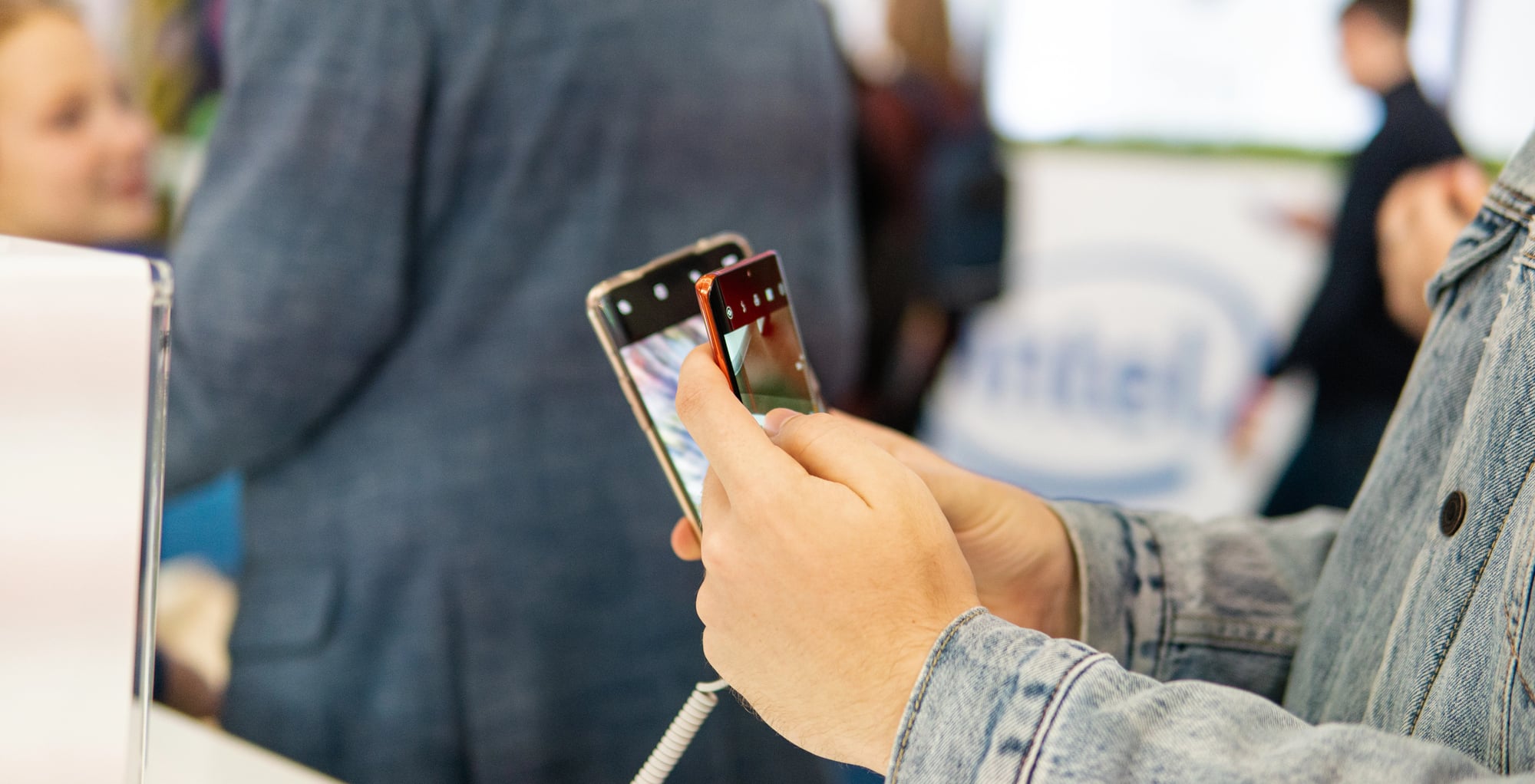
Miniaturized camera technology traces back to NASA’s need for tiny, lightweight imaging systems on spacecraft. JPL engineer Eric Fossum invented the CMOS active-pixel sensor in the 1990s to reduce camera size and power consumption.
This breakthrough made it possible to fit quality cameras into phones and other small devices. Before this development, digital cameras were bulky and expensive.
Now billions of people carry NASA-inspired cameras in their pockets every single day.
Freeze-dried food

NASA didn’t invent freeze-drying, but the agency perfected it to create lightweight, long-lasting food for astronauts. The space program invested heavily in improving taste, texture, and nutritional retention during the freeze-drying process.
These improvements made freeze-dried food palatable enough for commercial markets. Backpackers, campers, and emergency preparedness kits all rely on food preservation technology refined for space missions.
Even some everyday snacks use freeze-drying methods developed for astronaut meals.
Wireless headsets

NASA needed hands-free communication systems for astronauts wearing bulky spacesuits during missions. The agency worked with multiple contractors to develop lightweight headsets with noise-canceling microphones.
These innovations eventually made their way into aviation, then into business and consumer markets. The Bluetooth headsets people use for phone calls and gaming evolved from technology designed for lunar surface communication.
Space-to-ground conversations paved the way for hands-free talking on Earth.
LED medical devices
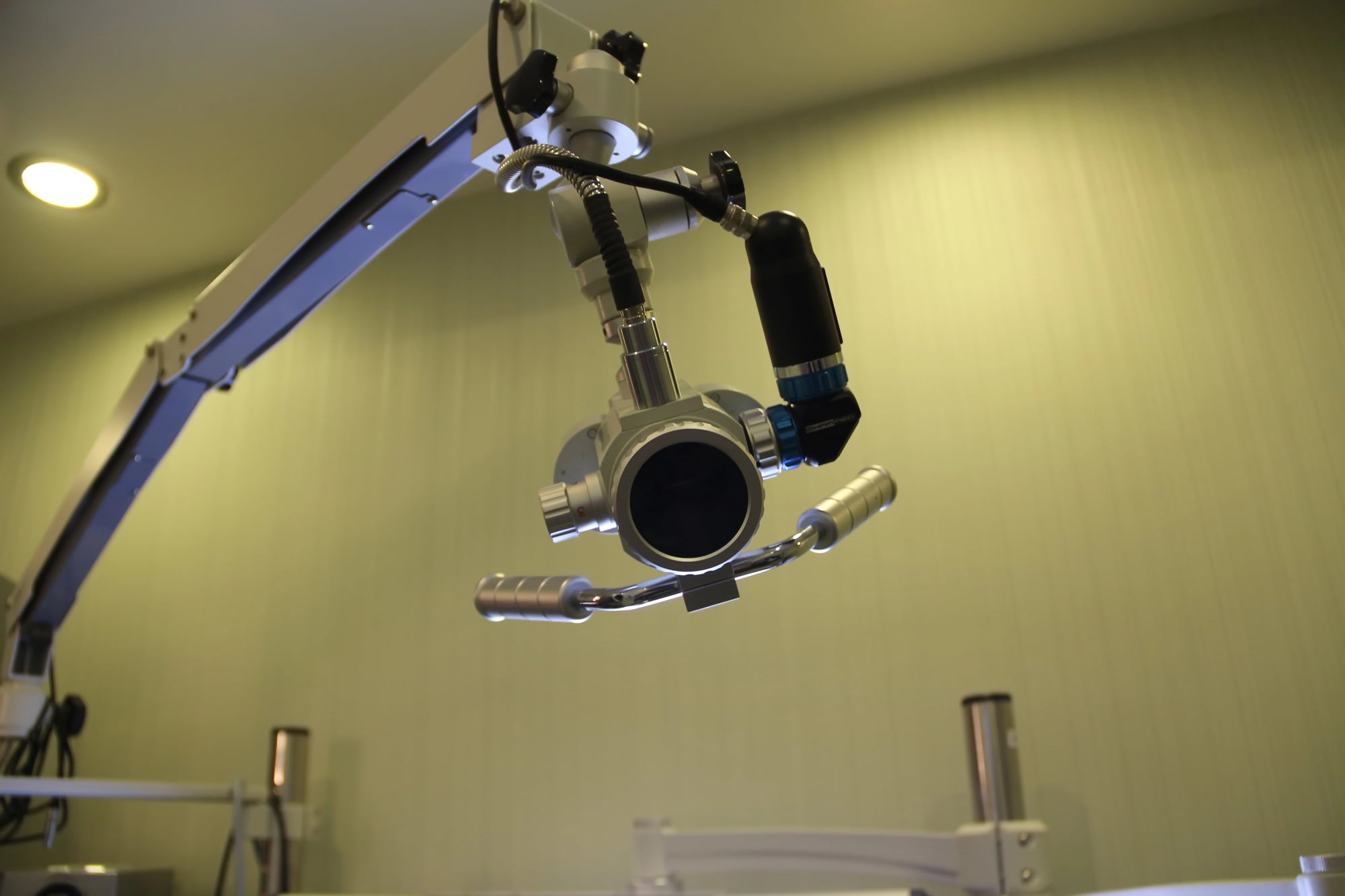
NASA researched LED technology for plant growth experiments on the space station and discovered unexpected medical applications. Scientists found that certain light wavelengths could speed up healing and reduce pain and inflammation.
The technology became FDA-approved for treating muscle and joint pain, arthritis, and even promoting wound healing. Physical therapists and medical professionals now use LED light therapy devices descended from space agriculture experiments.
Plants growing in orbit led to pain relief treatments in doctors’ offices.
Improved athletic shoes

NASA’s development of shock-absorbing materials for astronaut helmets caught the attention of sneaker companies. Engineers had created materials that could compress and expand repeatedly without losing their protective qualities.
Nike incorporated this technology into their Air sole design, revolutionizing athletic footwear. Other shoe companies soon followed with their own versions of impact-absorbing technology.
Runners and athletes worldwide benefit from cushioning systems inspired by protecting astronauts’ heads.
Long-distance telecommunications
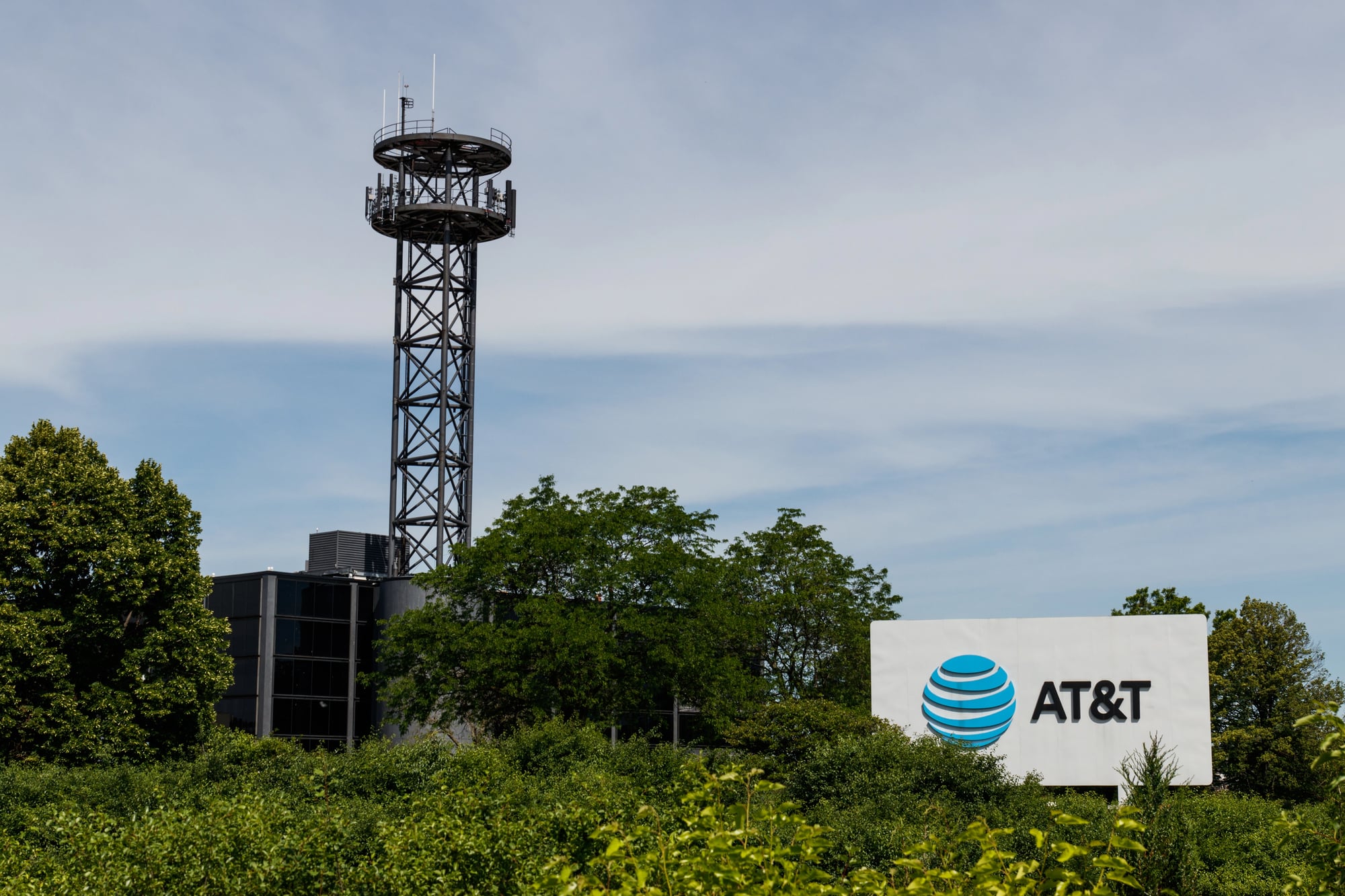
NASA’s need to communicate across vast distances in space drove innovations in satellite technology and signal processing. The agency developed methods for transmitting clear signals over millions of miles with minimal power.
These advances made modern satellite television, GPS, and global internet possible. Video calls that people take for granted today rely on signal compression and transmission techniques refined for talking to spacecraft.
Space communication needs pushed technology that now connects the entire planet.
Invisible braces

NASA developed translucent polycrystalline alumina to protect infrared antenna equipment on heat-seeking missiles. An orthodontics company recognized that this strong, clear ceramic material would work perfectly for dental braces.
The partnership created braces that were far less visible than traditional metal ones. Millions of teenagers and adults got straighter teeth with less embarrassment thanks to missile technology.
The material’s durability and appearance made it ideal for both protecting equipment and improving smiles.
Portable computers

NASA’s Apollo Guidance Computer, while primitive by modern standards, pioneered miniaturized computing for spacecraft navigation. The agency pushed for smaller, more efficient computer components when most computers still filled entire rooms.
These demands accelerated the development of integrated circuits and compact computing systems. The laptop sitting on someone’s desk today connects directly to NASA’s insistence on cramming computing power into tight spacecraft spaces.
Space program requirements helped make personal computing possible decades earlier than it might have otherwise happened.
Baby formula improvements

Floating green stuff in water caught NASA’s attention for feeding astronauts on faraway trips. That work opened doors to finding hidden health gems inside tiny plants.
Vital fats crucial for young minds and sight were spotted during those tests. Today, makers of newborn drinks include these substances across global products.
Known commonly as DHA, it traces back to algae meals tested beyond Earth. Because someone once eyed slime in lakes for survival in orbit, little ones everywhere eat more complete meals.
Artificial limbs
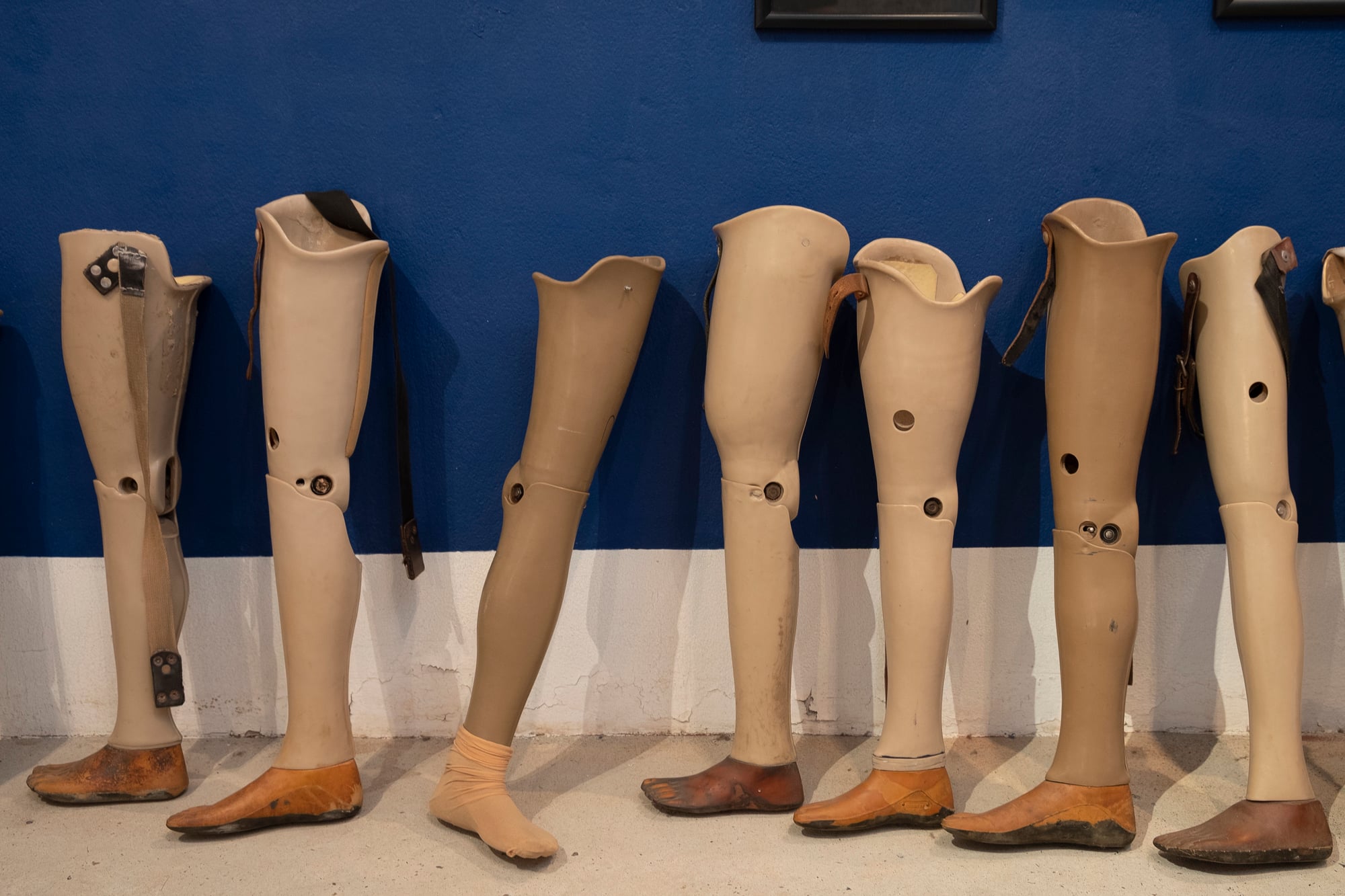
Out of NASA’s toolkit came fresh ideas for prosthetics – foam meant to shield planes and rockets found a new job cushioning artificial limbs. Movement once dreamed of became real when space-grade robotics shaped responsive, motor-driven legs and arms.
Bouncing landings on distant planets led to steady steps on Earth. Comfort got better thanks to layers built tough yet soft enough for daily wear.
What rolls across Mars now moves through city streets too. People missing limbs gained smoother motion, less pain, longer strides.
Little changes brought huge results inside the house
Looking up has led NASA down many paths. Its true mark may lie not among stars but in everyday items shaped by its work.
Solving one problem for those floating above often fixed another down here, though nobody noticed at first. When survival depends on every detail, progress finds a way forward others would miss.
What began as guesses about air supply
on the moon’ ended up making life better for everyone on this planet. The next time someone uses any of these everyday items, they’re literally touching technology that went to space and came home to help.
More from Go2Tutors!

- The Romanov Crown Jewels and Their Tragic Fate
- 13 Historical Mysteries That Science Still Can’t Solve
- Famous Hoaxes That Fooled the World for Years
- 15 Child Stars with Tragic Adult Lives
- 16 Famous Jewelry Pieces in History
Like Go2Tutors’s content? Follow us on MSN.



