25 Photos Of Woodstock You Haven’t Seen
When people talk about Woodstock, they usually show the same handful of images. The muddy fields, the massive crowds, maybe that iconic couple wrapped in a blanket.
But the festival that defined a generation had so many more moments worth seeing, captured by photographers who wandered through the chaos with their cameras. Let’s dig into some rarely seen snapshots that tell different stories from those three days in August 1969.
The Parking Lot On Thursday Afternoon

Before the music started, before the rain turned everything into a swamp, there was an ordinary parking lot filled up with Volkswagen vans and beat-up station wagons. This photo shows families unloading camping gear while kids ran around between cars, completely unaware they were about to witness history.
The grass was still green, the sky was clear, and everyone looked remarkably clean. It’s strange to see Woodstock looking so normal, like any other summer gathering before everything spiraled into beautiful chaos.
A Vendor Setting Up A Jewelry Stand
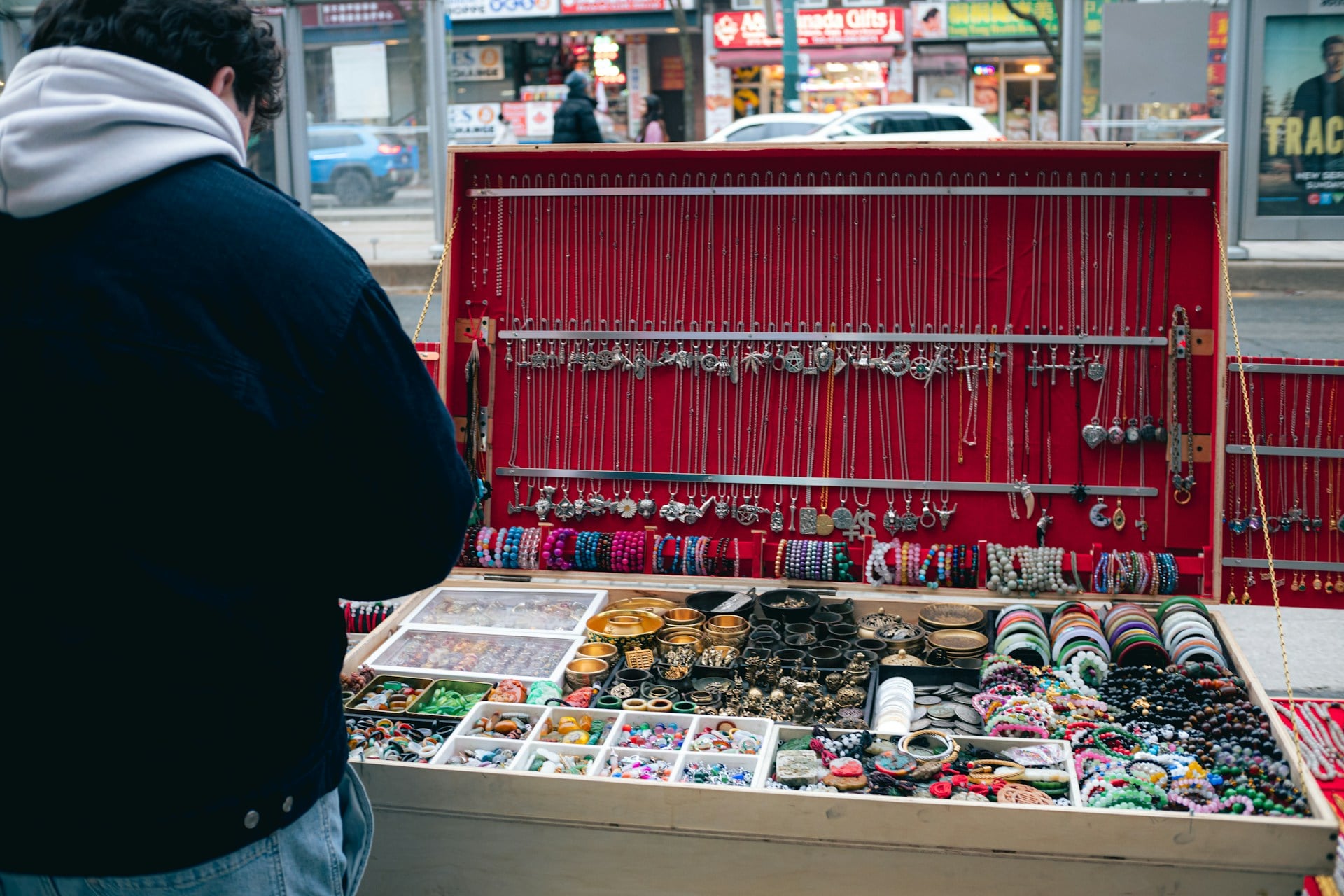
Somewhere near the edge of the festival grounds, a young woman arranged handmade necklaces on a folding table covered with batik fabric. Her expression shows concentration mixed with hope as she positioned each piece just right.
These small entrepreneurs were everywhere at Woodstock, trying to make a few dollars while being part of something bigger. The stand looks fragile, held together with rope and optimism, just like so many aspects of the festival itself.
Two Nuns Walking Through The Crowd
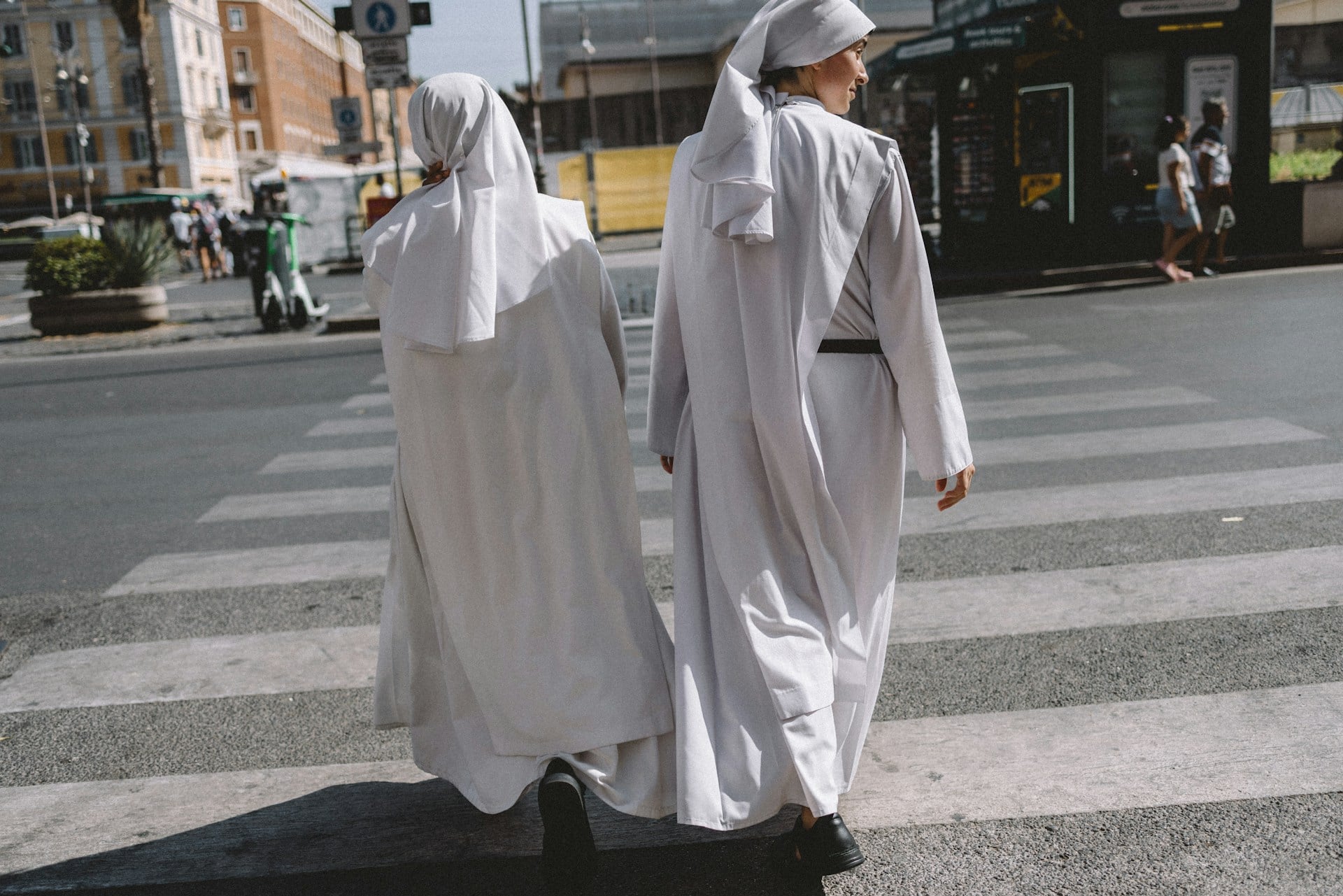
Yes, nuns actually attended Woodstock. This photograph captures two sisters in full habits navigating through a sea of tie-dye and bare feet on Friday morning.
Their faces show curiosity rather than judgment, and a few festival-goers near them are smiling, clearly amused by the contrast. It’s a powerful reminder that Woodstock drew all kinds of people, not just the stereotypical hippies that history books focus on.
The collision of different worlds made the event more interesting than any single culture could have managed alone.
A Makeshift Shower Rigged To A Tree

Someone got creative with garden hoses and wooden pallets to build a shower station that actually worked. In this image, water streams down while a line of people waits their turn, some wrapped in towels, others just standing in their muddy clothes.
The engineering was basic but effective, showing how the festival community solved problems together. This wasn’t an official amenity provided by organizers, just resourceful attendees taking care of each other when the infrastructure collapsed under the weight of half a million people.
Kids Playing Cards On A Blanket
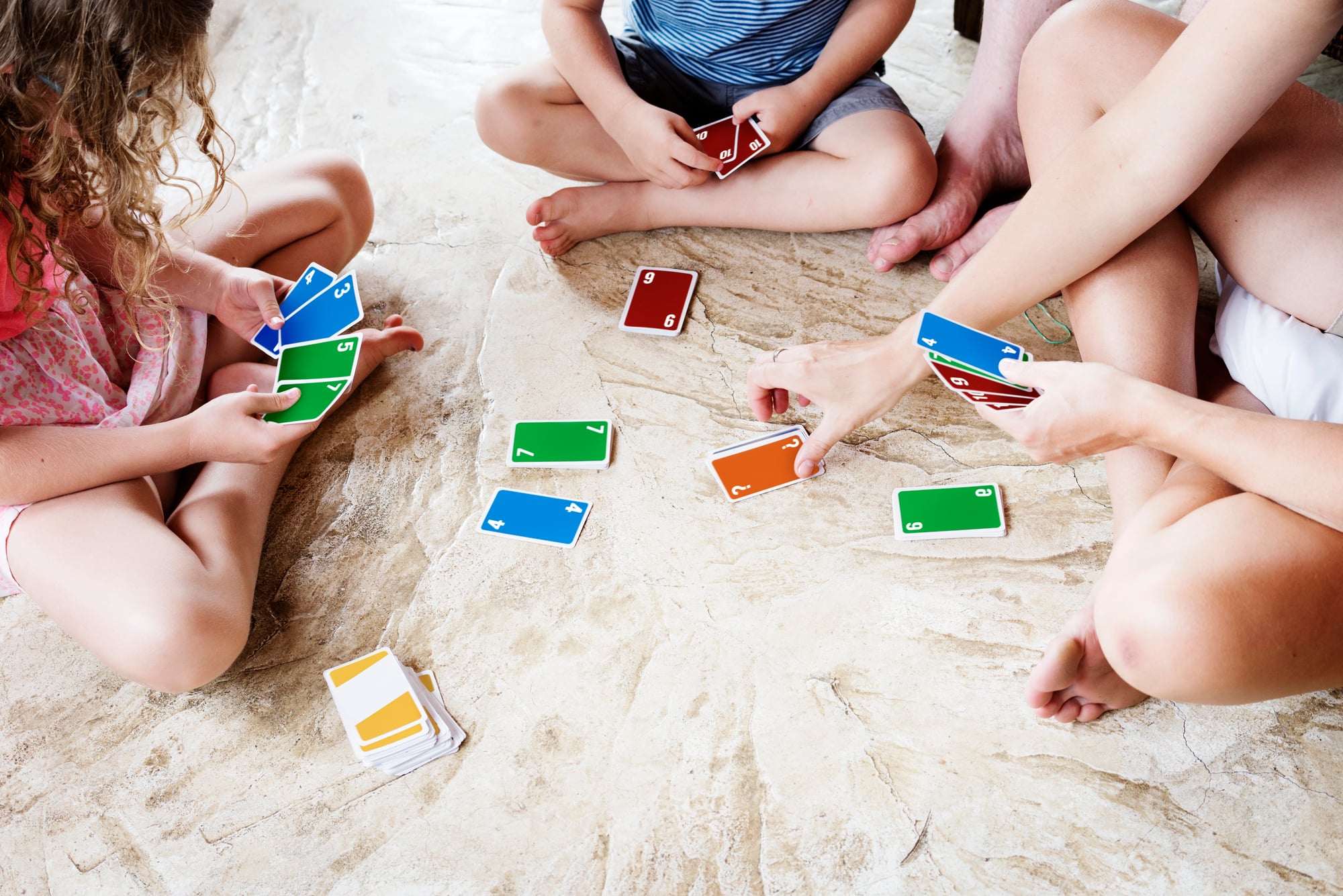
While Jimi Hendrix prepared for his legendary set somewhere in the distance, three teenagers sat cross-legged on a checkered blanket playing poker. Their concentration on the game is total, as if the biggest music festival in history was just background noise.
Cards, loose change, and a half-eaten sandwich sit between them. The photo reminds us that Woodstock lasted three full days, and people needed to fill the hours between performances somehow.
Not every moment was transcendent or life-changing.
The Medical Tent At 2 AM
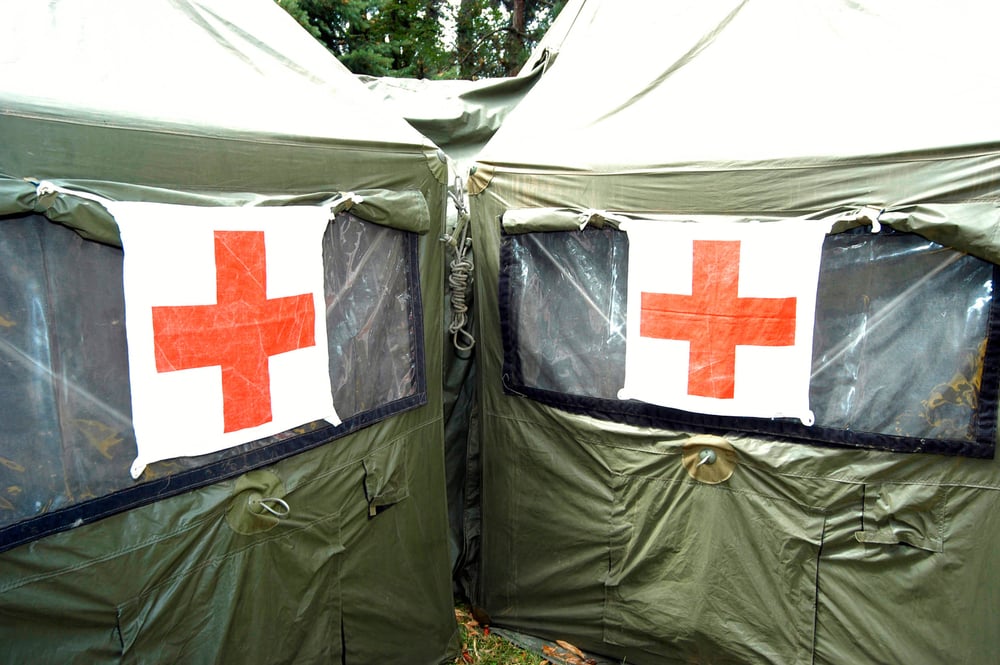
Under harsh fluorescent lights that someone powered with a generator, volunteer doctors and nurses treated a young man’s cut foot. The tent looks organized despite being overwhelmed, with supplies stacked on folding tables and cots lined up against canvas walls.
Medical staff worked around the clock dealing with everything from bad reactions to simple dehydration, rarely getting recognition for keeping people alive. This behind-the-scenes view shows the serious side of an event that could have turned deadly without dedicated help.
A Farmer Watching From His Porch
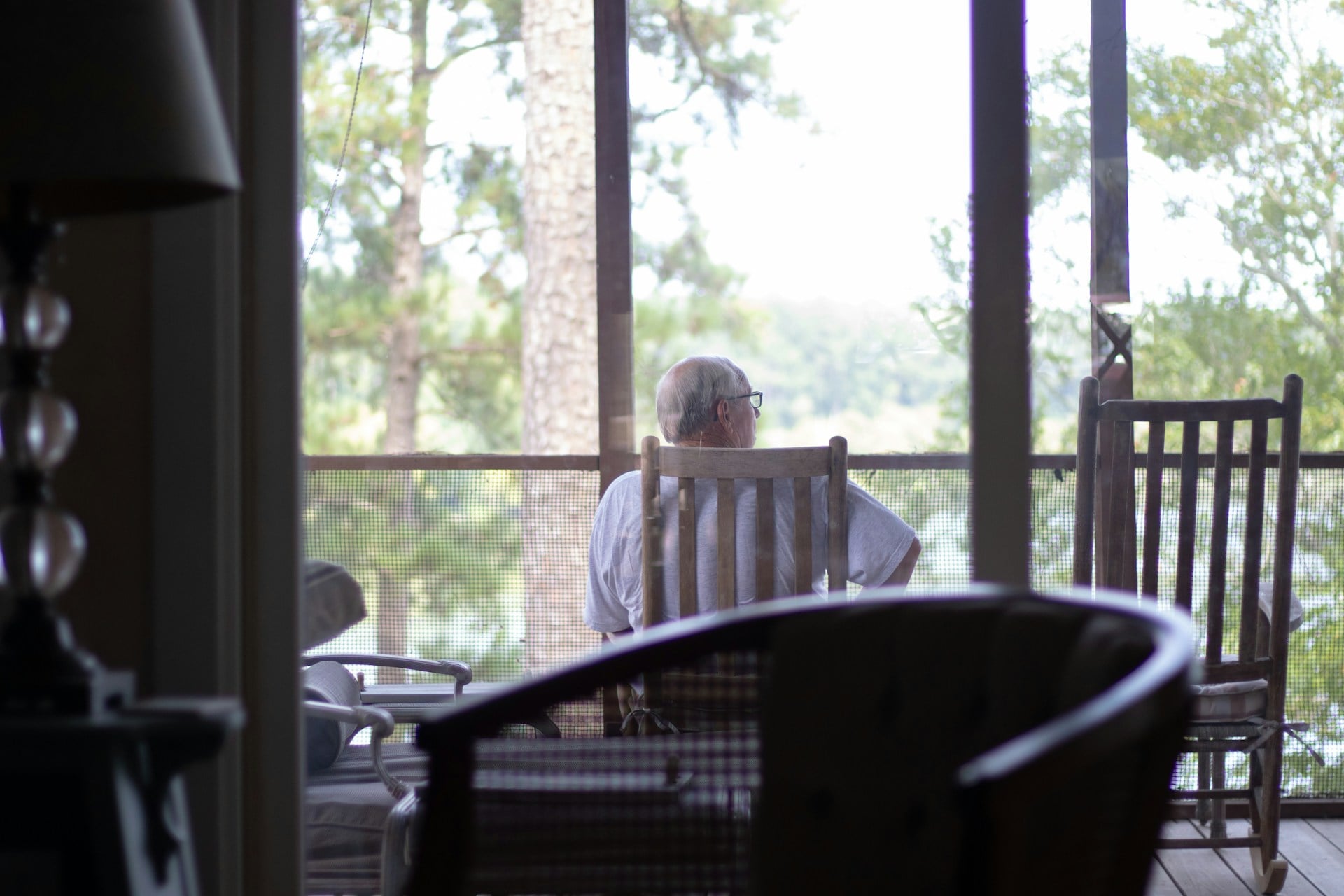
Max Yasgur wasn’t the only local resident affected by Woodstock. This photo shows an elderly farmer sitting on his porch about half a mile from the main stage, staring at the distant crowd with an unreadable expression.
His property couldn’t be accessed for days, his normal life completely disrupted by young people who represented everything his generation questioned. The image captures the tension between old and new America better than any crowd shot ever could.
Someone Reading A Newspaper On Sunday Morning

Crouched against a fence, a woman in a purple shirt reads the New York Times while chaos unfolds behind her. The headline visible in the shot mentions something about the moon landing from a few weeks earlier.
She looks completely absorbed in the paper, tuning out the noise and the people. It’s oddly relatable, this need to maintain small routines even when surrounded by history.
Sometimes you just want to catch up on the news, even at Woodstock.
The Crew Building The Stage
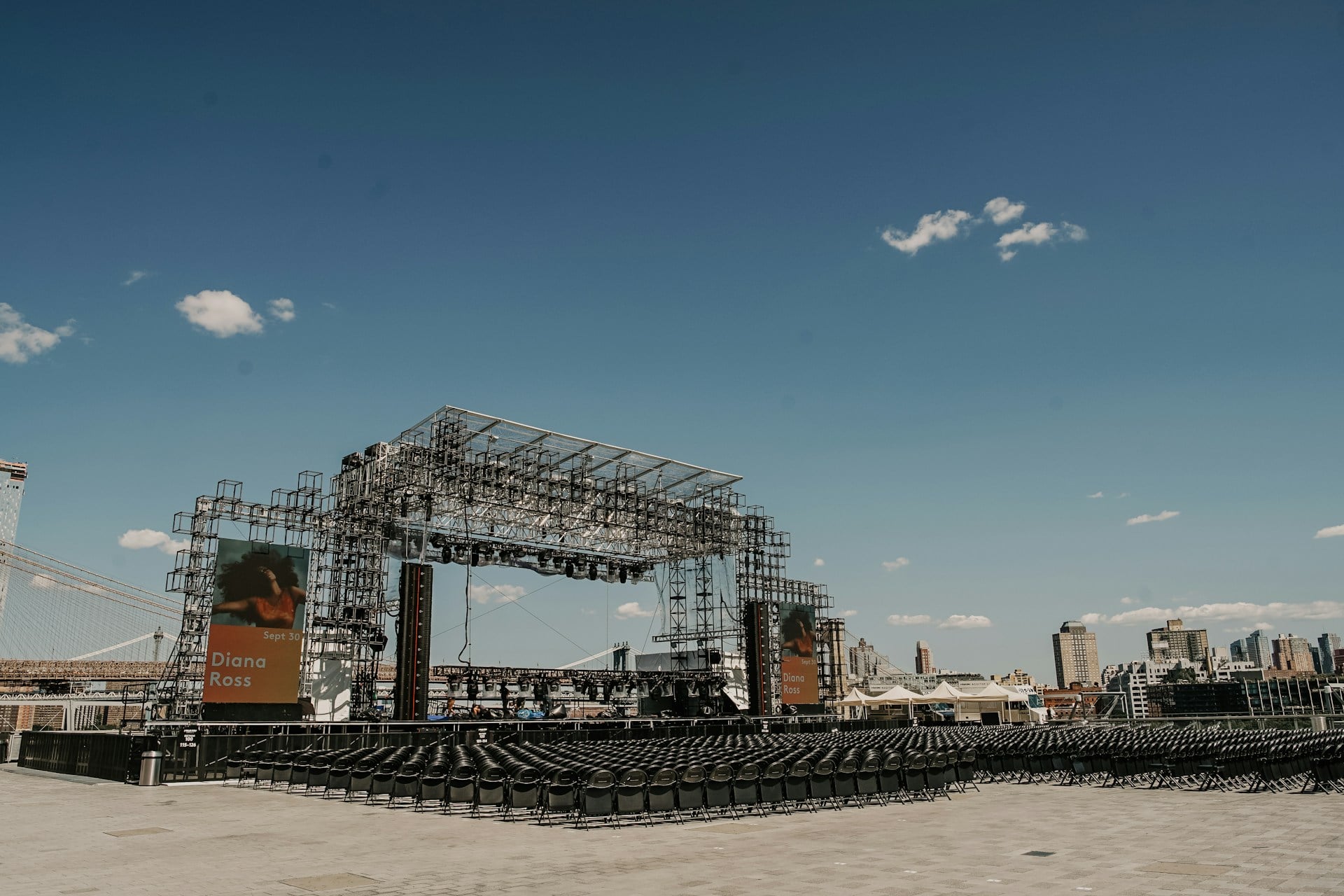
Days before anyone arrived, construction workers assembled the massive stage that would hold some of the greatest performances in rock history. This photo shows sweaty men in work boots hammering plywood and hauling lumber under a hot sun.
They look tired and annoyed, probably wondering why they’re building something this big in the middle of a field. Without their unglamorous labor, none of the magic would have happened.
Every legendary moment needs ordinary people doing hard work first.
A Couple Arguing Near The Porta-Potties

Not everything at Woodstock was peace and love. This candid shot catches a young couple in the middle of a heated discussion, her arms crossed, him gesturing in frustration.
Behind them, the infamous portable toilets that couldn’t handle the crowd overflow with problems. The image feels almost invasive in its honesty, showing that even at a festival celebrating harmony, people still had regular relationship drama.
Three days in the mud with no privacy will test any couple’s patience.
Volunteers Distributing Free Food
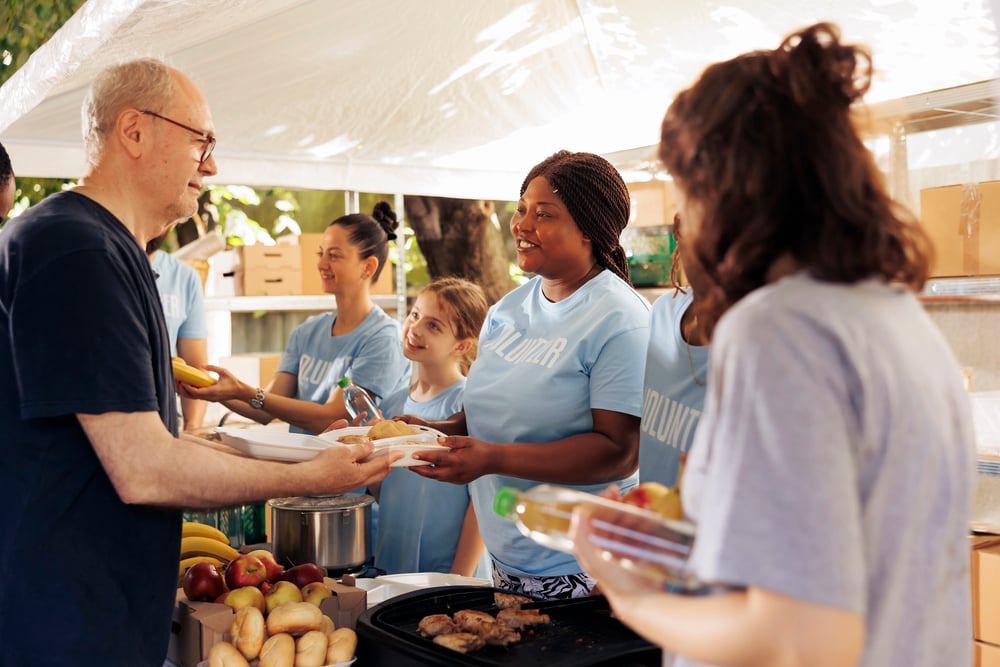
A line of people in matching white t-shirts handed out sandwiches from the back of a truck that a local church donated. The volunteers look exhausted but determined, working since dawn to feed strangers.
By Saturday, food vendors had run out or couldn’t reach the site, so community groups stepped in to prevent a crisis. This photo shows genuine kindness in action, the kind that doesn’t make headlines but keeps communities functioning.
Thousands of people ate that day because a few dozen decided to help.
A Dog Sleeping On A Backpack
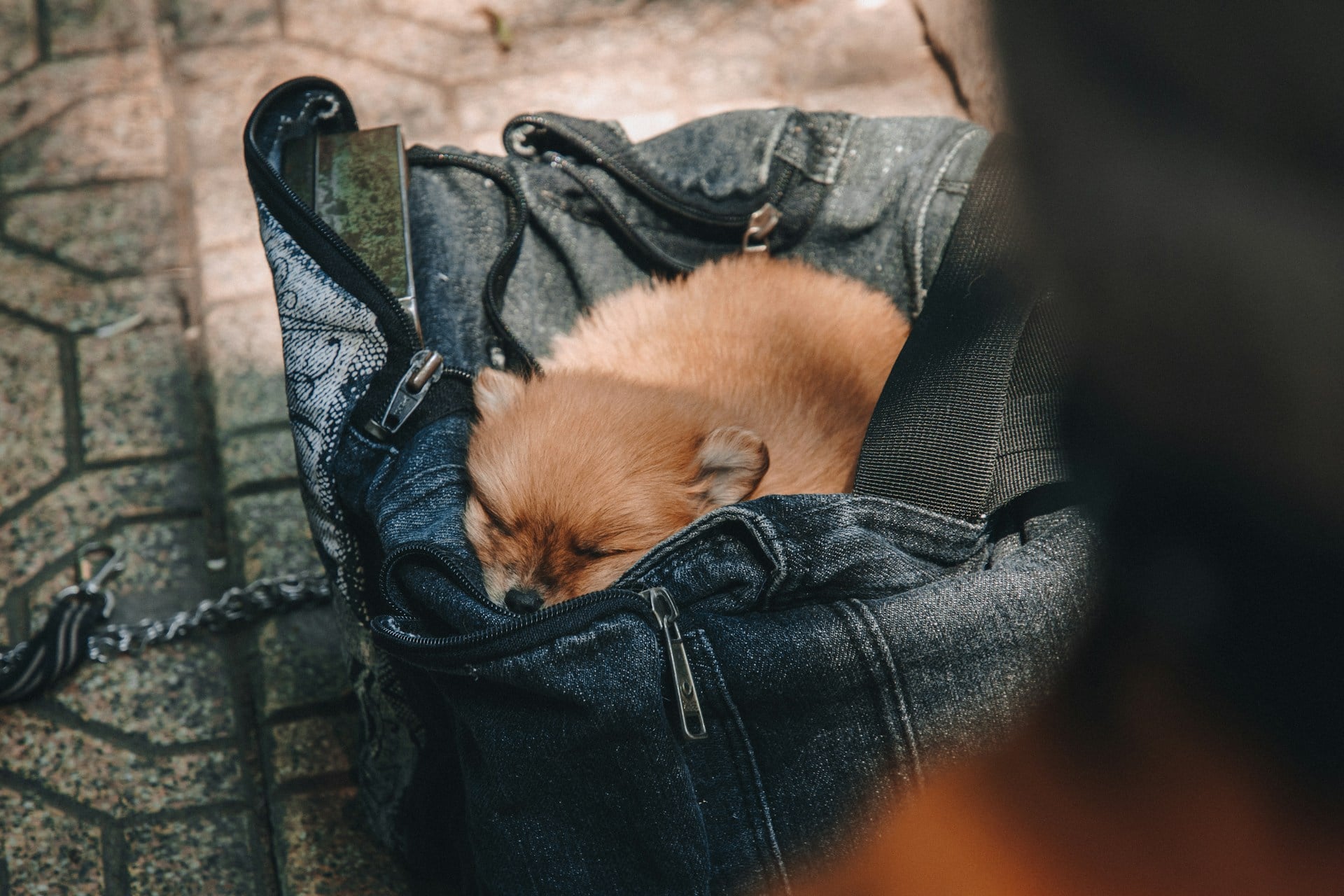
In the middle of everything, a golden retriever puppy was completely passed out on top of someone’s canvas backpack. Its owner sat nearby talking to friends, occasionally glancing over to make sure the dog was okay.
Plenty of people brought their pets to Woodstock, and most of them handled the noise and crowds better than expected. This particular puppy clearly felt safe enough to nap deeply despite the drums and guitars echoing across the field.
Animals have always been good judges of genuine peace versus fake calm.
The Sound Crew During A Rainstorm

When the skies opened up on Saturday, most people focused on staying dry or dancing in the mud. But this photo shows the real heroes, the sound engineers frantically covering equipment with tarps and plastic sheets.
Water and electricity don’t mix well, and these guys risked getting shocked to protect the gear that made the music possible. Their faces show stress and determination as rain poured down.
Technical crews never get enough credit for making live events actually work.
A Mother Breastfeeding Her Baby

Sitting on a hillside away from the main crowd, a young mother nursed her infant while watching the stage in the distance. Her expression is peaceful, multitasking in a way that only parents understand.
Bringing a baby to Woodstock seems wild by modern standards, but several families made that choice in 1969. This image challenges the idea that the festival was only about young, single people looking for adventure.
Real life, including parenthood, showed up too.
People Sleeping In Trees
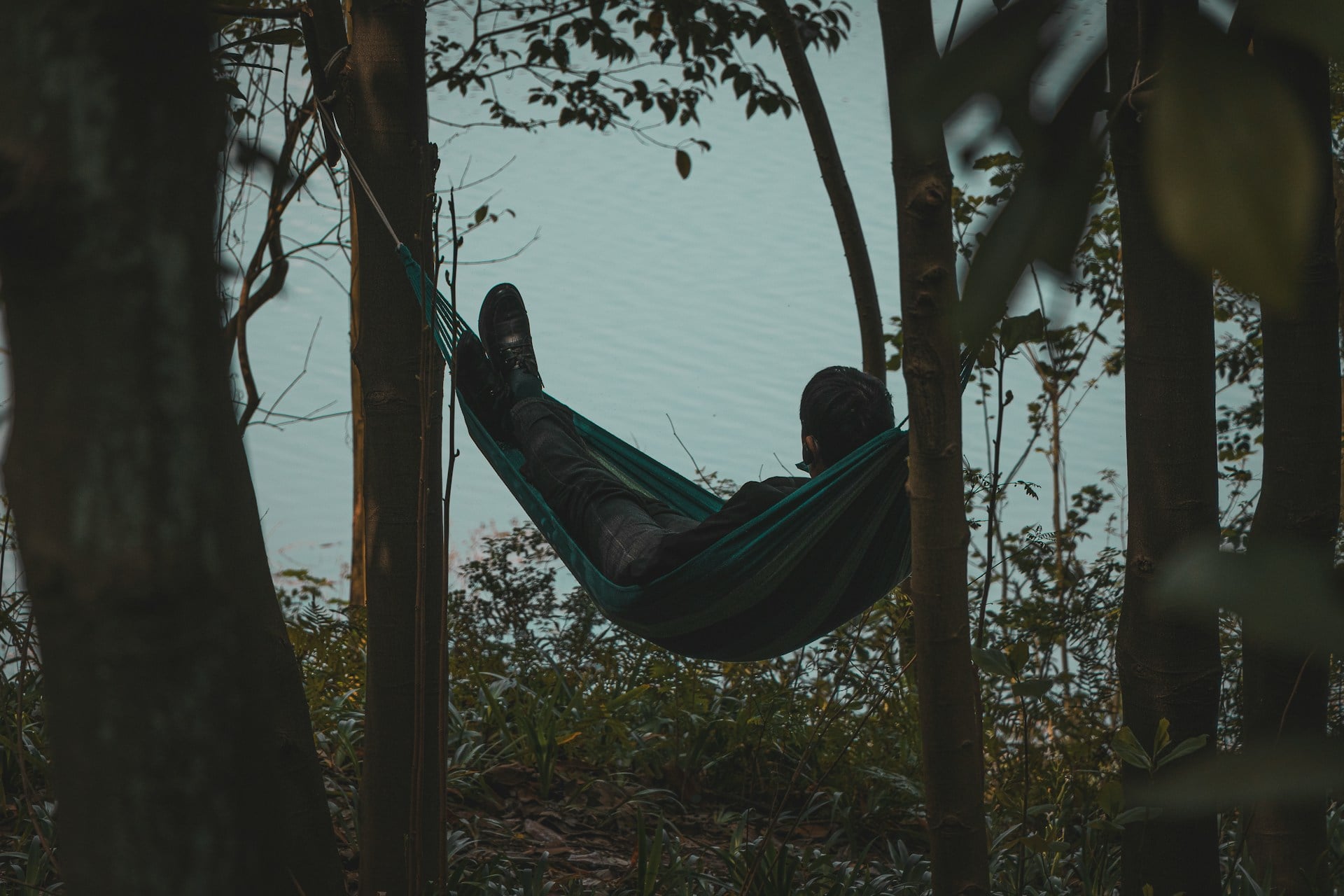
When the ground got too muddy and crowded, some creative attendees climbed into the surrounding trees and built sleeping platforms from branches and rope. This photo shows at least five people curled up in various trees like human birds, their sleeping bags wedged into forks between limbs.
It looks uncomfortable and probably was, but it beat sleeping in the mud. The adaptability of the Woodstock crowd was impressive, even if their solutions were sometimes ridiculous.
Necessity really does breed invention.
The Traffic Jam From Above
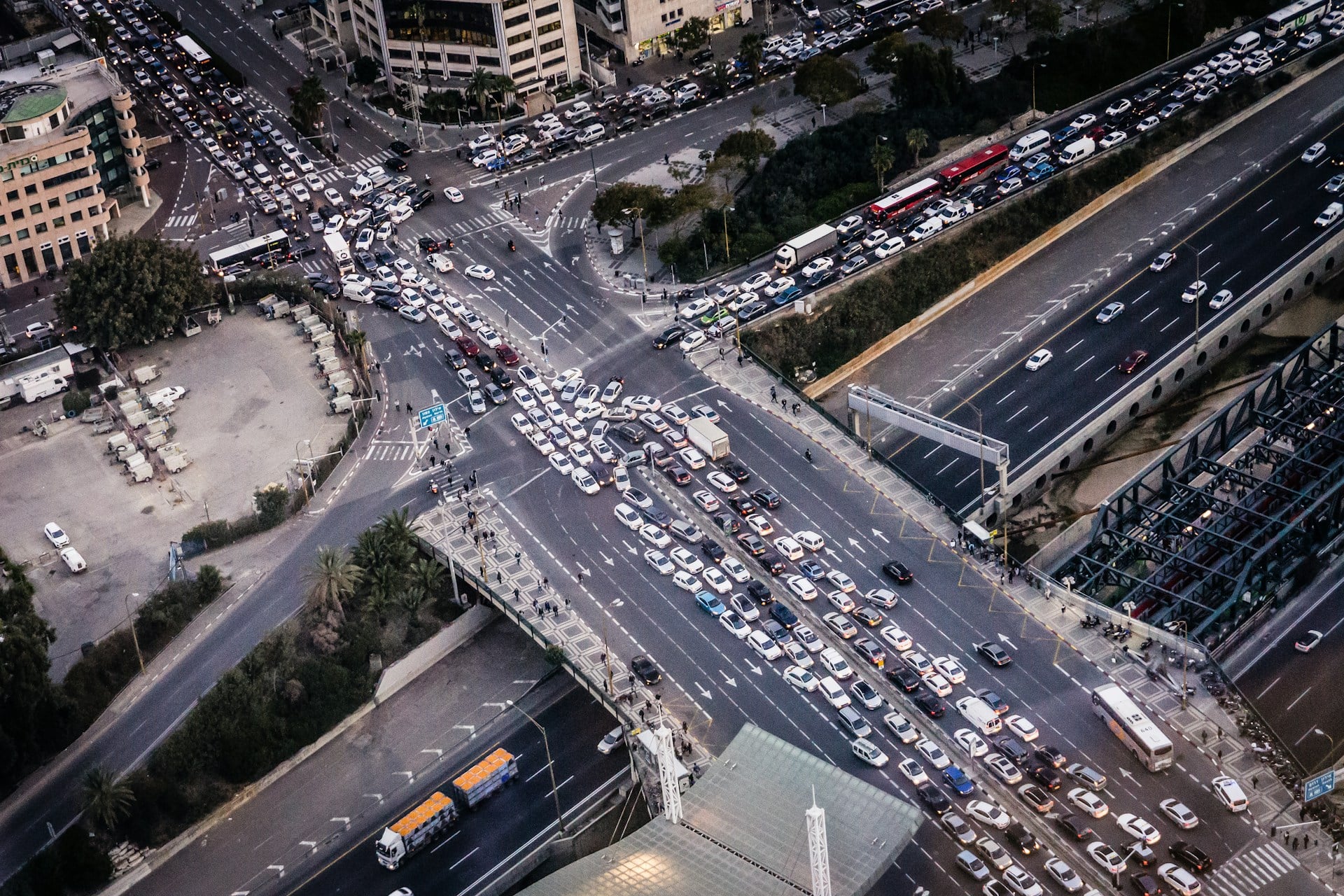
A helicopter shot reveals the true scale of the traffic disaster that trapped people for miles. Cars sit bumper to bumper on a two-lane highway, stretching so far the end isn’t visible.
Many people abandoned their vehicles and walked the rest of the way, carrying everything they could manage. This aerial view explains why Woodstock became a free festival by accident.
Organizers couldn’t staff the entrance gates because their workers couldn’t get through the gridlock. Chaos created the conditions for one of the most famous free concerts ever held.
A Couple Getting Married
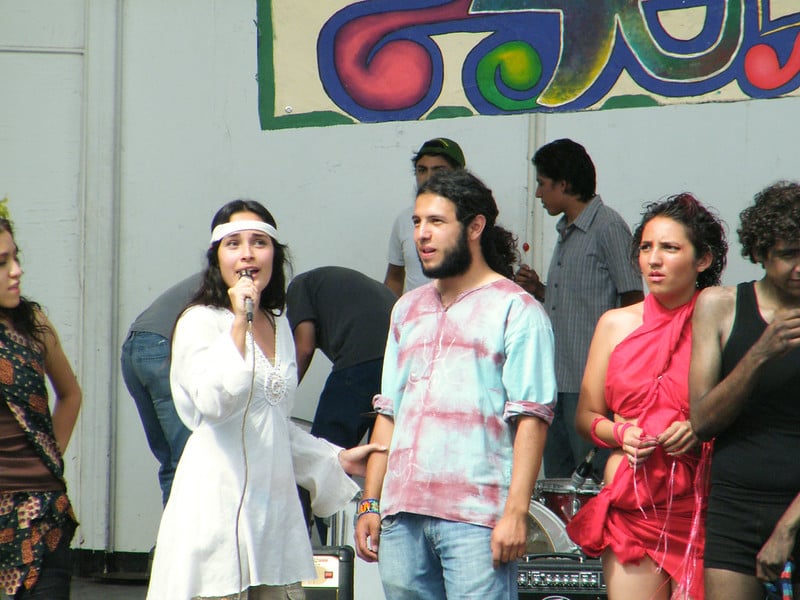
Yes, someone actually got married at Woodstock. This photo captures a simple ceremony with a small group of friends forming a circle while a man in jeans reads from a folded piece of paper.
The bride wore a white dress that would never be white again after sitting in that field. Their decision to marry at Woodstock says something about viewing the festival as a genuine community, not just entertainment.
Whether the marriage lasted is unknown, but the moment was real enough.
Someone Doing Yoga At Sunrise
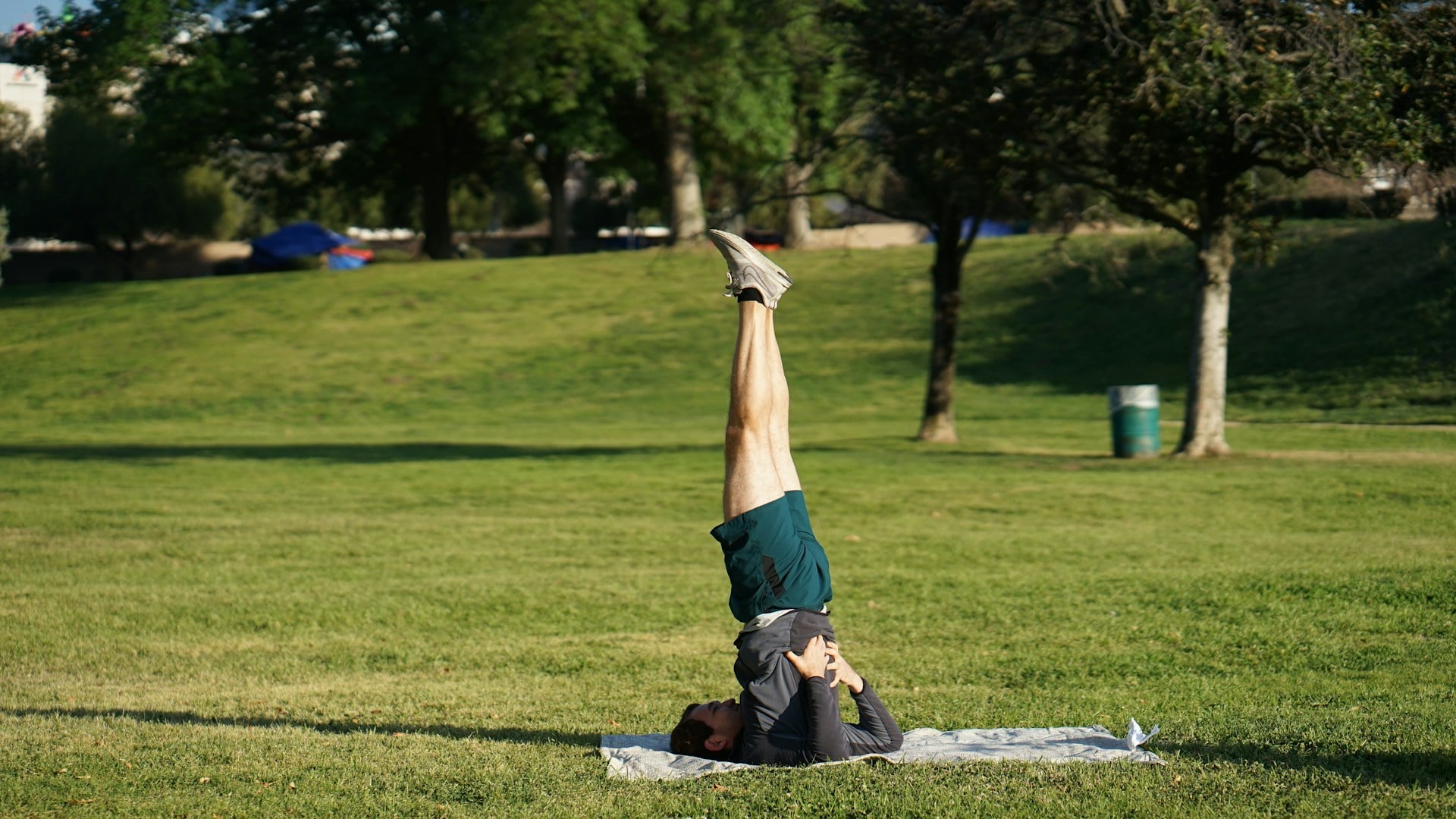
Before most people woke up, a lone figure stretched through yoga poses on a small patch of grass that somehow stayed clean. The morning light catches the fog rolling across the field, creating an almost ethereal scene.
This was probably one of the only quiet moments at Woodstock, that brief window before noise and movement took over. The person’s silhouette shows complete focus, finding meditation in the middle of chaos.
Sometimes peace requires ignoring everything around you.
The Cleanup Crew On Monday
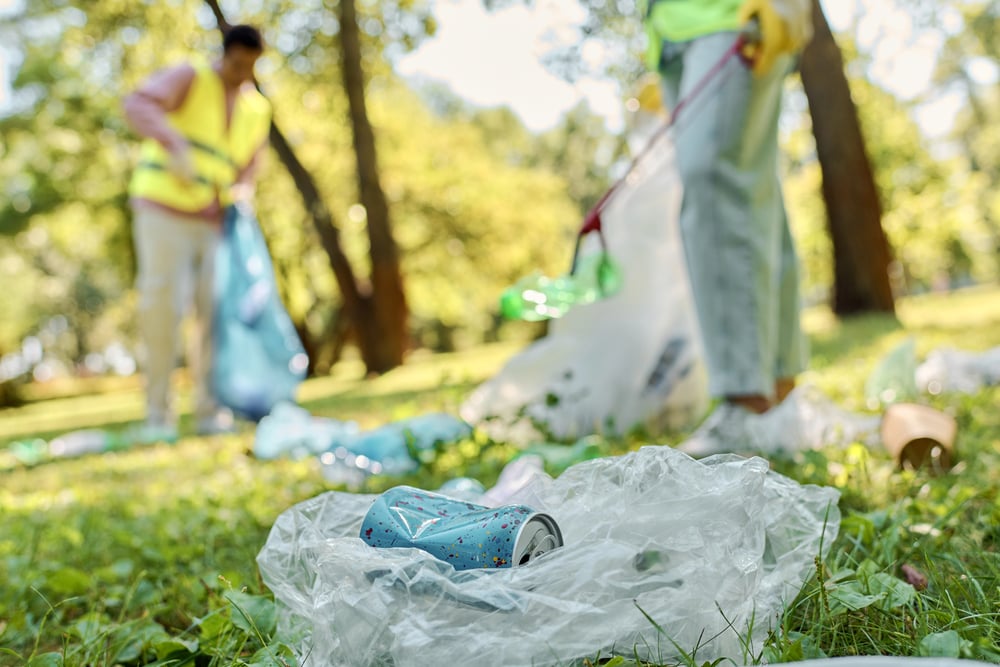
After everyone left, after the last guitar was unpacked and the final bus pulled away, workers in coveralls faced an ocean of trash. This photo shows them loading garbage into trucks, their faces showing the exhaustion of a job that would take weeks.
Beer cans, sleeping bags, clothing, food wrappers, and countless other items covered acres of what used to be farmland. Max Yasgur’s field bore scars for years afterward.
The cleanup cost far exceeded what the festival earned, another reminder that Woodstock worked as a cultural moment but failed as a business.
A Group Making A Human Pyramid
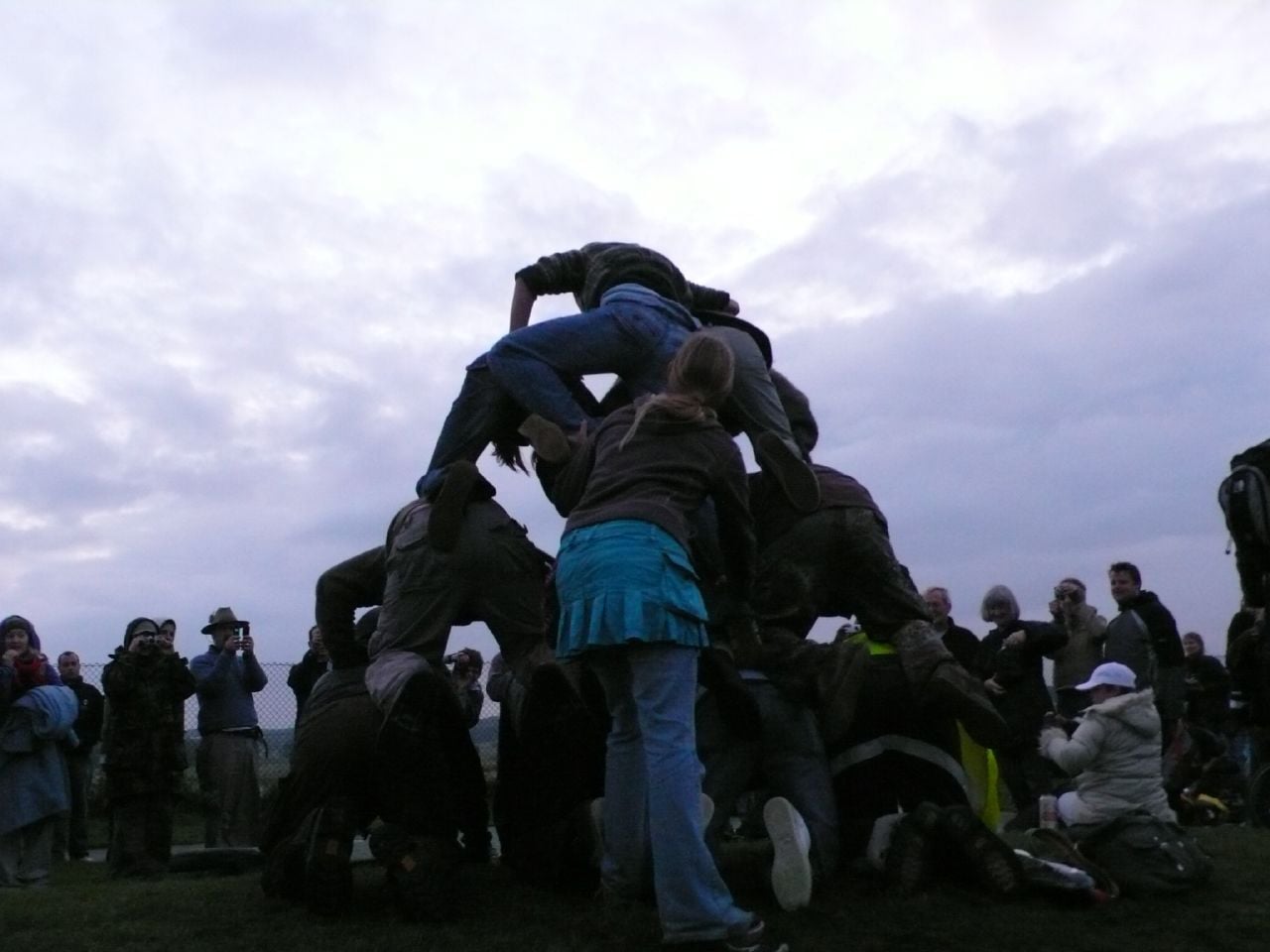
Ten or twelve people attempted to build a human pyramid while others cheered them on. The bottom layer looks stable but nervous, the middle row already wobbles, and the person trying to climb to the top has clearly realized this won’t work.
It’s a goofy moment of play in the middle of serious times, young people being exactly as silly as young people have always been. Not everything needs deep meaning.
Sometimes humans just stack themselves for fun.
The Crew Taking Down The Stage
Just like building it, taking apart the stage required hard work from people who didn’t care about the music. This photo shows tired workers with crowbars and hammers, slowly dismantling what took days to construct.
Splinters and exhaustion show on their faces. The contrast with the performance photos couldn’t be sharper.
Magic requires setup and teardown, and someone has to do both. These workers went home with money and stories, probably telling people for decades that they helped build Woodstock, even if they never saw a single band.
A Kid Selling Water For A Quarter

Entrepreneurship found a way even at Woodstock. A teenager with a wagon full of water bottles charged twenty-five cents per bottle, undercutting official vendors who wanted fifty cents.
His handwritten sign says ‘Cold Water – Cheap’ and he’s surrounded by customers. That kid probably made decent money over three days by recognizing a need and filling it efficiently.
Woodstock may have represented idealism and counterculture, but basic economics still applied. Supply and demand don’t take days off for festivals.
Two Strangers Sharing An Umbrella
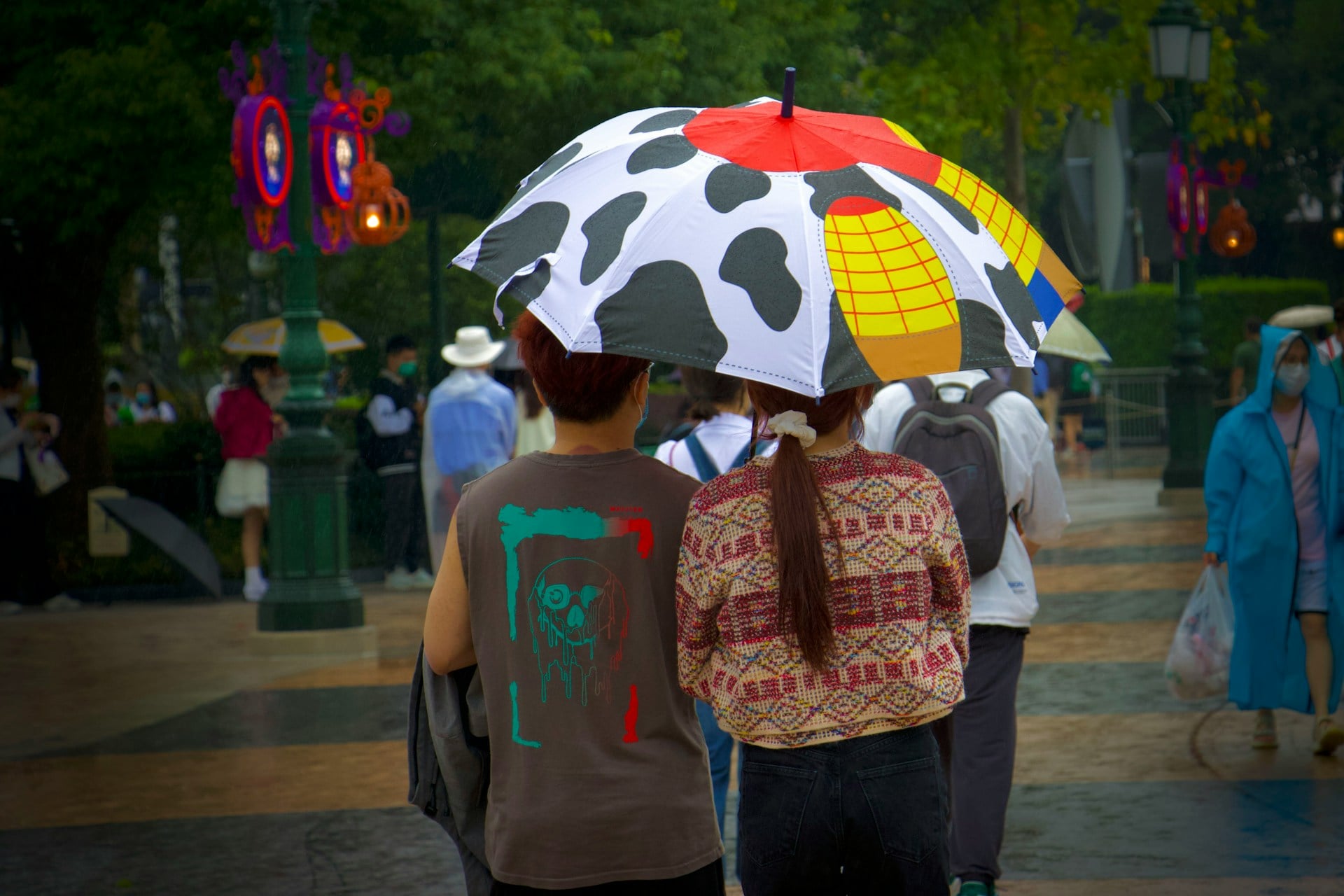
When the rain came down hard, a man offered to share his umbrella with a woman he’d apparently just met. This photo catches them from behind, standing close under the small shelter while water pours off the edges.
Her hand rests on his shoulder for balance as they navigate the mud. It’s a small gesture of kindness that happened thousands of times that weekend.
Woodstock worked because strangers helped each other without expecting anything back. That spirit matters more than any performance on stage.
Last One Pulled Out Late Monday. Car Rolled Off Into The Night Air. Evening Took It Whole. Nothing Followed After
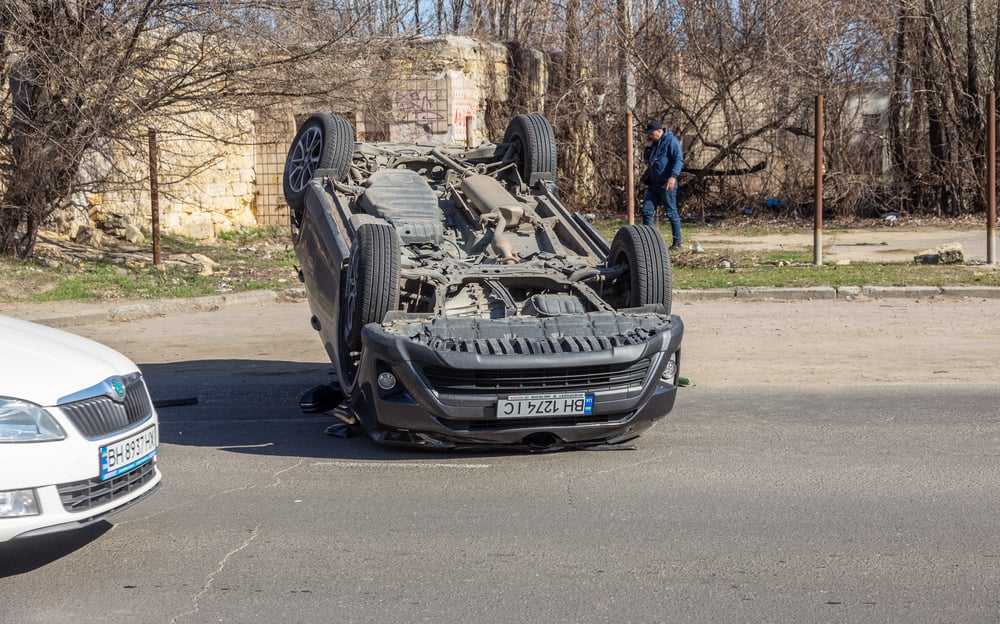
A lone station wagon rolls along a wet trail, moving farther from where the music once played. Behind it, ruts cut into soft ground show where weight has passed.
In the small glass on the dashboard, scraps of fabric, crushed cans, and forgotten tents appear faintly. What looked endless now reveals its quiet close through this frame.
Home pulls each person back, no matter how loud the songs were at Woodstock. Waiting, reality just sits while hope burns itself down.
Back to work it went, hauling folks into duty – yet holding tight to those three lawless days. The engine knew both weights.
A Photographer Changing Film
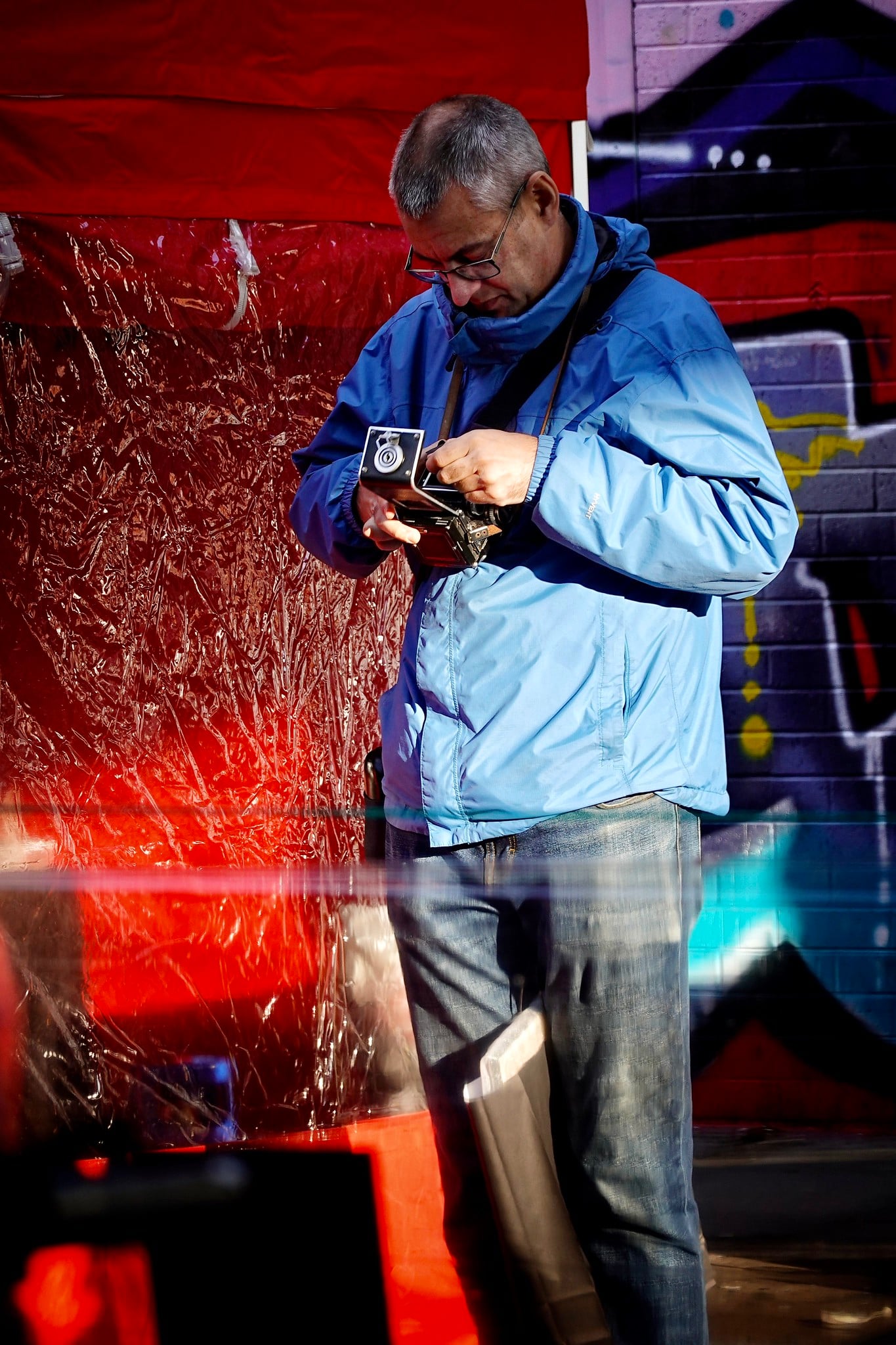
Down in the mud, a lens cap rests beside him – this frame doesn’t highlight music or crowds, only one man hunched low under plastic. Rain beads on his shoulder while he slots fresh film into the canister, fingers steady from years of doing exactly this.
History survives because someone looked up long enough to press a button, then went back to work. He won’t hear the next song clearly, maybe misses Grace Slick entirely, yet gives others decades of memory.
Every photo hides more than it shows; here, you see both layers at once: moment and mechanic fused.
Finding New Angles On History
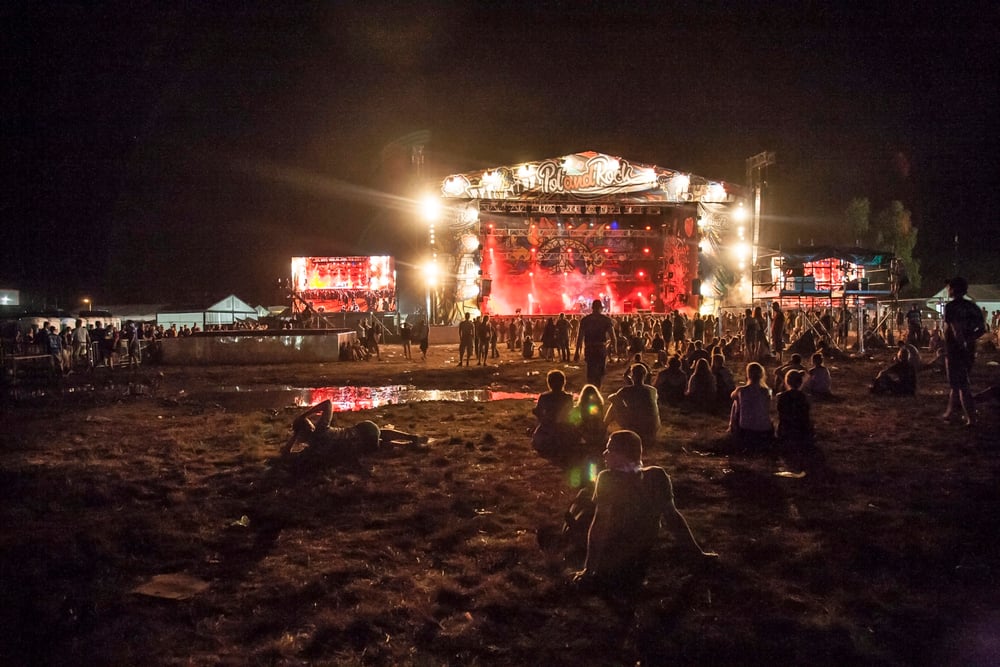
Something odd glows in these overlooked snapshots – proof that Woodstock stretched beyond what the iconic pictures show. Not just musicians filled those fields, but farmers too, plus nudes sunbathing beside nuns.
Behind every chord stood unseen hands: electricians wrestling cables, cooks stirring giant pots, strangers hauling trash till dawn. Every frame holds a quiet moment, one thread in a messy, breathing tapestry.
Half a century on, faces stare back not as symbols, but real people caught in dust and rain. It stumbled, it soared – maybe truth lives best in that balance.
More from Go2Tutors!

- The Romanov Crown Jewels and Their Tragic Fate
- 13 Historical Mysteries That Science Still Can’t Solve
- Famous Hoaxes That Fooled the World for Years
- 15 Child Stars with Tragic Adult Lives
- 16 Famous Jewelry Pieces in History
Like Go2Tutors’s content? Follow us on MSN.