15 Blockbusters That Flopped Overseas (And No One Knows Why)
Hollywood studios dream of global success, but sometimes even the biggest domestic hits crash and burn when they cross international borders. While American audiences might line up around the block, foreign moviegoers occasionally respond with confusion, disinterest, or outright rejection.
The reasons behind these box office disconnects remain one of the film industry’s most puzzling phenomena. Here is a list of 15 blockbusters that somehow failed to impress international audiences, often leaving studio executives scratching their heads.
Anchorman: The Legend of Ron Burgundy
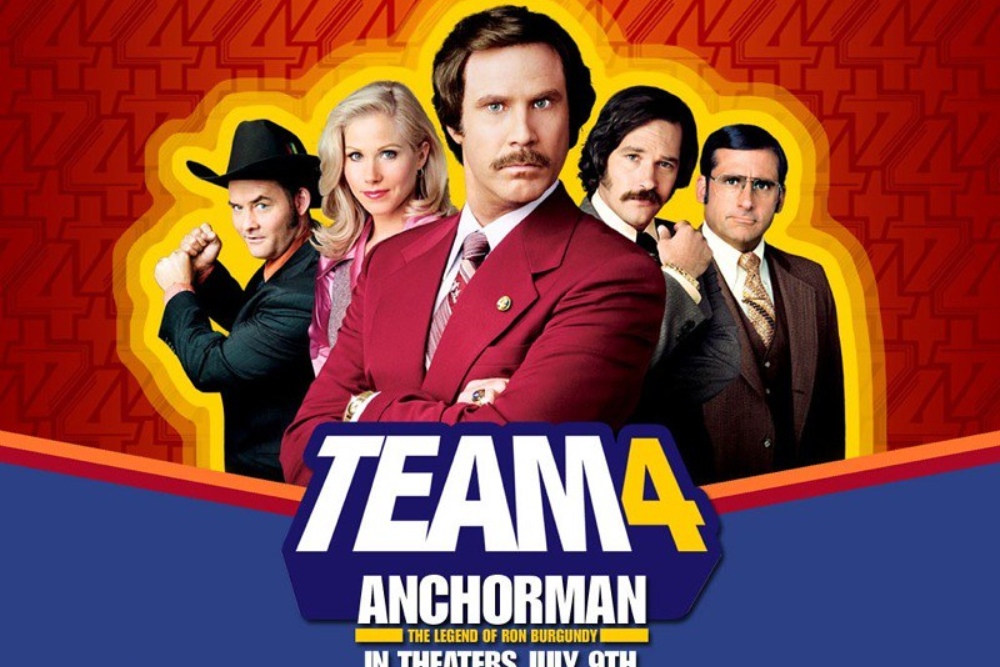
Will Ferrell’s iconic news anchor comedy became a quote machine in America, spawning countless memes and references that permeated pop culture. Overseas, however, the film barely registered at the box office.
The humor, deeply rooted in 1970s American television culture and relying heavily on language-based jokes and cultural references, simply didn’t translate. Foreign distributors actually limited its release after early screenings indicated audiences weren’t connecting with Ron Burgundy’s particular brand of absurdity.
The Blind Side

Sandra Bullock won an Oscar for this endearing sports drama, which also brought in nearly $255 million at home. However, it only made $53 million abroad, which is a small portion of its earnings in the United States.
An early hurdle was formed by the movie’s emphasis on American football, a sport with little appeal outside. Furthermore, audiences who were not familiar with the subtleties of American socioeconomic concerns found the film’s depiction of racial dynamics and Southern American cultural backdrop to be unrelatable.
Like Go2Tutors’s content? Follow us on MSN.
Talladega Nights: The Ballad of Ricky Bobby

Another Will Ferrell film that Americans loved but international audiences mostly avoided. The film’s NASCAR culture satire didn’t play in nations where auto racing is Formula 1, not stock cars making repetitive left turns.
The film’s strangely American humor regarding southern culture, corporate sponsorship, and sports hyper-masculinity didn’t play with audiences, who don’t have the context for these strangely American cultural references.
Home Alone

While the original film did reasonably well worldwide, it vastly underperformed in Japan compared to expectations. This holiday classic about a child defending his home from burglars through elaborate booby traps struck many Japanese viewers as disturbing rather than comedic.
Cultural differences regarding family structure, child supervision, and what constitutes appropriate humor for children contributed to its lackluster performance in a market that’s typically receptive to American family films.
8 Mile

Eminem’s semi-autobiographical film dominated the US box office and soundtrack charts alike. Internationally, however, the movie’s deep dive into Detroit’s underground rap scene and economically depressed urban landscape didn’t resonate as strongly.
Countries with less exposure to hip-hop culture or different urban social dynamics often missed the cultural significance that American audiences immediately grasped, resulting in mediocre ticket sales across multiple territories.
Like Go2Tutors’s content? Follow us on MSN.
Lincoln
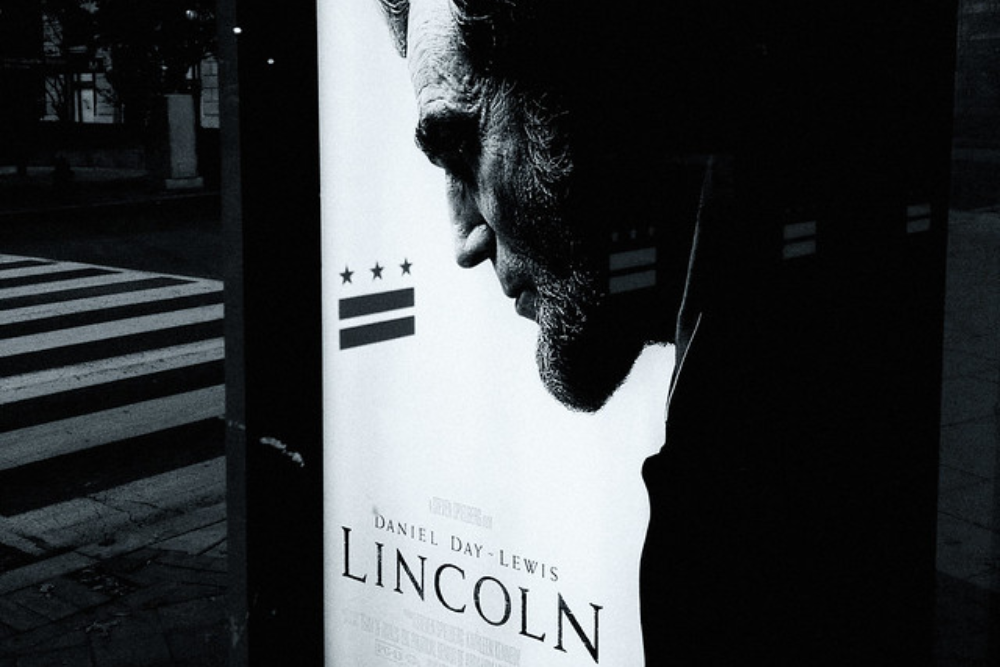
Steven Spielberg’s historical drama earned critical acclaim and commercial success in America but struggled to engage international audiences. The film’s detailed focus on the 13th Amendment and American legislative processes proved too specific for foreign markets without the same emotional connection to this chapter of history.
Even with Spielberg’s name and Daniel Day-Lewis’s Oscar-winning performance, the film’s international box office reached only $93 million compared to its $182 million domestic haul.
Divergent

This young adult dystopian film performed respectably in the US but failed to capture the global audience that similar franchises like ‘The Hunger Games’ achieved. International viewers seemed less interested in its premise of a society divided by personality types—a concept that appeared to resonate more specifically with American individualism and identity politics.
The movie’s sequels performed even worse overseas, eventually leading to the franchise’s premature conclusion.
Walk the Line

Joaquin Phoenix’s portrayal of Johnny Cash won over American audiences to the tune of $119 million domestically. Internationally, however, the film earned just $66 million.
Despite Cash’s status as a music legend in America, his cultural significance diminishes considerably across international borders. The film’s exploration of distinctly American musical traditions and rural Southern identity simply didn’t connect with audiences who lacked familiarity with country music’s place in American culture.
Like Go2Tutors’s content? Follow us on MSN.
Friday Night Lights

This gritty drama about Texas high school football failed to gain traction internationally despite its critical acclaim in the States. The film’s unflinching look at a small town’s unhealthy obsession with high school sports seemed downright bizarre to international viewers.
In most countries, school sports don’t carry the same community weight or pressure as they do in parts of America, making the entire premise feel like an alien concept to foreign audiences.
American Sniper

Clint Eastwood’s controversial war film became a domestic phenomenon, grossing over $350 million in the US. While it did earn $197 million internationally, that figure significantly underperformed relative to its American success.
The film’s portrayal of military heroism through a distinctly American patriotic lens didn’t translate well to countries with different perspectives on the Iraq War. Cultural attitudes toward military service and national identity vary widely across the globe, affecting how audiences interpreted the central character’s actions.
Magic Mike
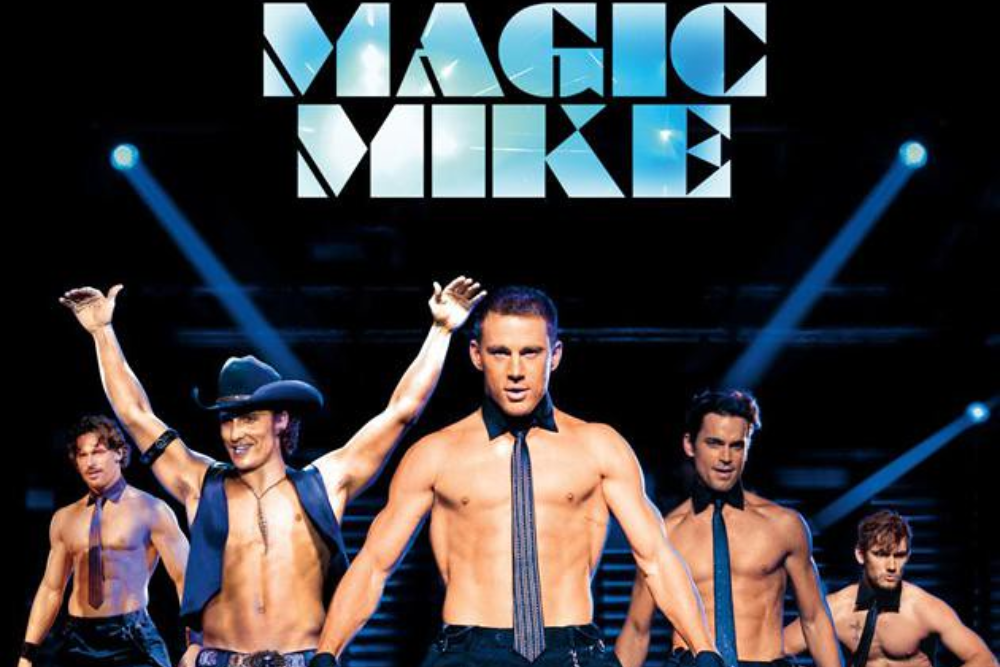
This male stripper drama performed well below expectations in Asian markets despite its strong domestic showing. Cultural attitudes toward adult entertainment and different standards of masculinity created a disconnect with audiences in more conservative countries.
What American viewers saw as empowering or entertaining was often translated as uncomfortable or inappropriate in cultures with different perspectives on public displays of sexuality and gender roles.
Like Go2Tutors’s content? Follow us on MSN.
Selma

This powerful civil rights drama received universal critical acclaim but struggled at the international box office, earning just $16 million overseas compared to $52 million domestically. The film’s detailed portrayal of a specific moment in the American civil rights movement didn’t provide enough context for international viewers unfamiliar with the history.
Without the emotional and historical connection that American audiences brought to the theater, foreign viewers often missed the profound significance of events depicted.
Straight Outta Compton

The N.W.A. biopic dominated American theaters but underperformed in key international markets. While the film’s themes of racial tension and police brutality have universal elements, the specific context of late 1980s South Central Los Angeles and American hip-hop culture created barriers for international viewers.
Countries without similar racial histories or familiarity with the pioneering rap group found less connection to the story, despite its powerful execution.
Transformers: The Last Knight

In a surprising reversal of typical blockbuster performance patterns, the fifth Transformers film bombed in North America while still performing respectably overseas. However, it represented a significant drop compared to its predecessors’ international numbers.
The franchise fatigue hit different markets at different rates, with American audiences reaching their breaking point before international viewers. Cultural differences in tolerance for narrative confusion and spectacle over substance partially explain the uneven global reception.
Like Go2Tutors’s content? Follow us on MSN.
Gran Torino
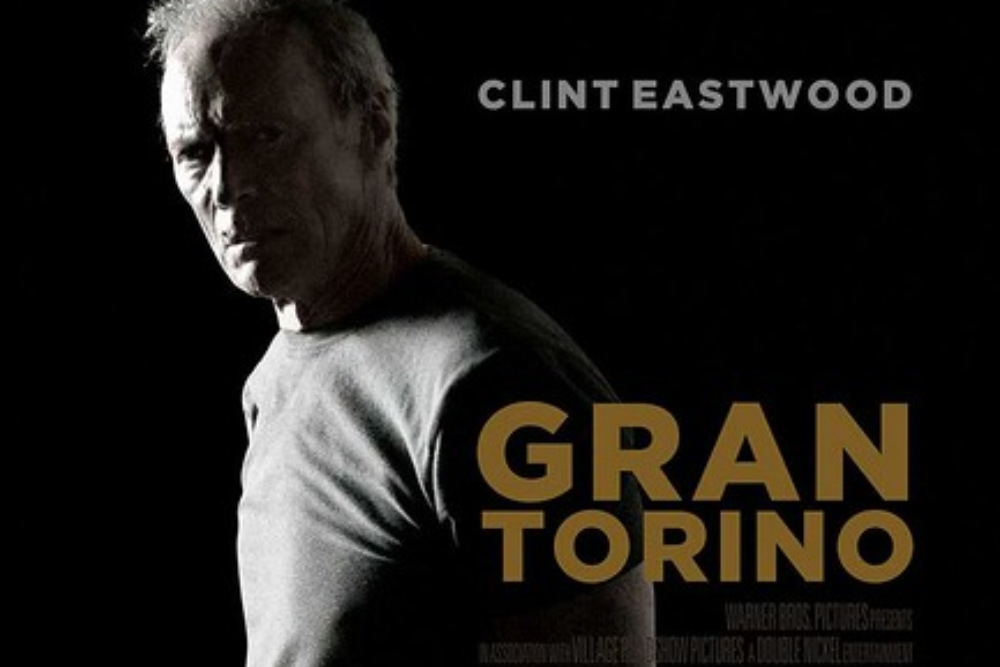
Clint Eastwood’s drama about an aging veteran connecting with his Hmong neighbors performed admirably in America but failed to gain similar traction worldwide. The film’s exploration of American racial dynamics, post-war identity, and changing neighborhood demographics relied heavily on understanding specific American cultural contexts.
International audiences often miss the nuances of these themes, resulting in a significant gap between domestic and foreign receipts.
The Cultural Translation Challenge

The unpredictable nature of international box office performance reminds us that cinema, despite being a visual medium, remains deeply rooted in cultural context. What seems universally appealing to studio executives often contains invisible barriers to international viewers—whether through humor that doesn’t translate, cultural references that puzzle foreign audiences, or themes that hold different significance across borders.
As Hollywood increasingly depends on global box office returns, these mysterious failures continue to challenge conventional wisdom about what makes a truly universal film.
More from Go2Tutors!

- 18 Unexpectedly Valuable Collectibles You Might Have Lying Around
- 20 Little-Known Historical Battles That Had Huge Consequences
- 20 Historical Artifacts That Scientists Can’t Explain
- 15 Inventions That Were Immediately Banned After Being Created
- 20 Actors Who Were Almost Cast in Iconic Roles
Like Go2Tutors’s content? Follow us on MSN.


