17 Math Concepts That Actually Help in Real Life
Math class often feels like a collection of abstract problems that have nothing to do with daily life. Students regularly ask when they’ll ever use calculus or algebra in the ‘real world,’ and teachers struggle to provide convincing answers. Yet many mathematical concepts do show up in practical situations, just not always in the obvious ways we learned them in school.
From managing personal finances to making better decisions, math quietly influences countless aspects of adult life. Here is a list of 17 math concepts that actually prove useful beyond the classroom.
Compound Interest

This concept can make or break your financial future. Most people don’t truly understand its power, though. Compound interest means earning interest on both your original money and the interest you’ve already earned. It’s like getting paid to get paid.
Starting to save even small amounts in your twenties can result in significantly more money at retirement than saving larger amounts later — thanks to the magic of time and compounding.
Percentages and Proportions
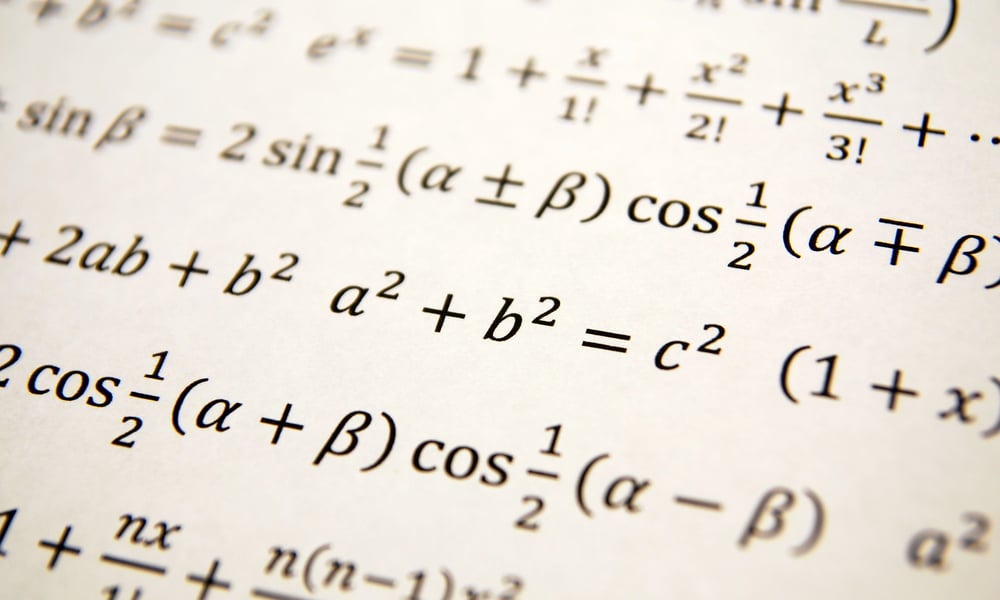
Understanding percentages helps you navigate everything from restaurant tips to mortgage rates. When a store offers 30% off an item, you can quickly calculate the savings and final price without pulling out your phone.
Proportions help you scale recipes. They also help you understand medication dosages and figure out if that ‘family size’ package actually offers better value per unit.
Like Go2Tutors’s content? Follow us on MSN.
Basic Statistics and Averages
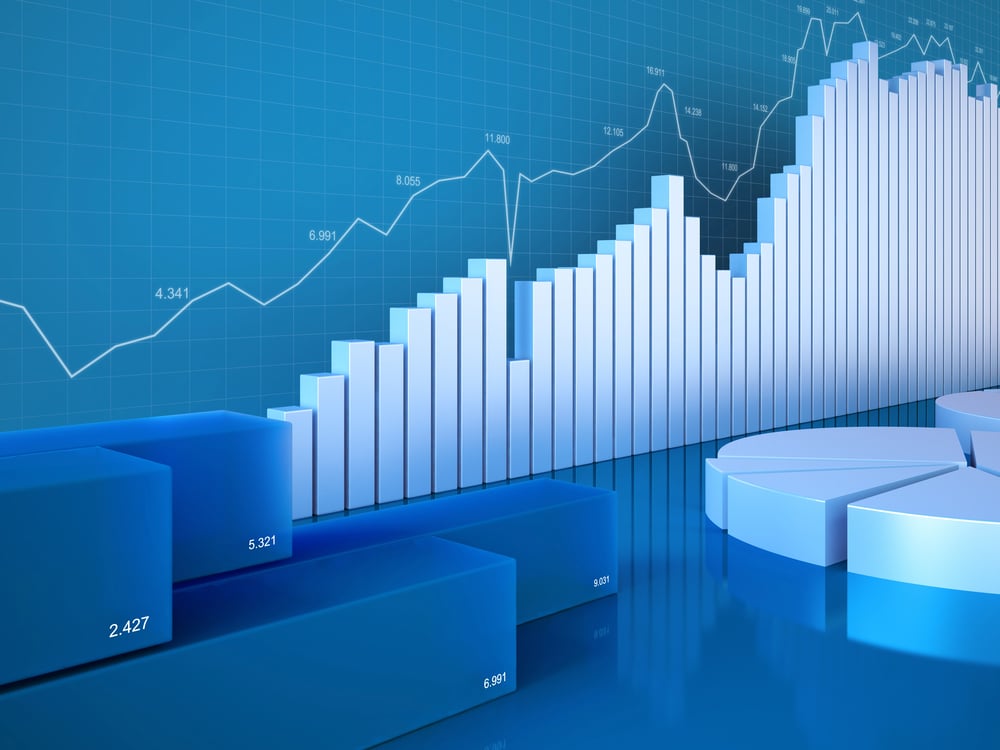
Media outlets love throwing around statistics — but knowing how averages work helps you spot misleading claims. If a company says their employees earn an average of $80,000 while most workers make $35,000 and executives make $500,000, that average doesn’t tell the whole story.
Understanding median versus mean can help you make better decisions about everything from neighborhoods to job offers.
Probability and Risk Assessment

Life’s full of calculated risks. Probability helps you make smarter choices, though.
Understanding that a 70% chance of rain means 7 out of 10 similar weather patterns produce rain helps you decide whether to carry an umbrella. This same thinking applies to insurance decisions — investment choices, even dating apps use probability algorithms to match people.
Unit Conversions

Traveling internationally becomes much easier when you can quickly convert between metric and imperial measurements. Knowing that a kilometer is roughly 0.6 miles helps you estimate driving distances in foreign countries.
Converting between cups and milliliters, Fahrenheit and Celsius, or pounds and kilograms saves time. It also prevents cooking disasters.
Like Go2Tutors’s content? Follow us on MSN.
Geometry and Spatial Reasoning

Home improvement projects rely heavily on geometric principles — though you might not realize it. Calculating square footage for flooring, determining how much paint you need for walls, or figuring out if furniture will fit through doorways all require basic geometry.
Understanding area, perimeter, and volume helps you budget for materials. It also helps you avoid costly mistakes.
Exponential Growth and Decay

This concept explains everything from population growth to radioactive decay, though it’s most relevant in understanding how quickly things can spiral out of control. Credit card debt grows exponentially if you only make minimum payments — while the value of cars decreases exponentially after purchase.
Recognizing exponential patterns helps you make better long-term decisions.
Algebra and Problem Solving

Algebra isn’t just about solving for X; it’s about logical problem-solving. When you’re trying to figure out how much to spend on groceries to stay within budget, or calculating how long it’ll take to pay off a loan — you’re using algebraic thinking.
The skill of isolating variables and working backward from desired outcomes applies to countless real-world situations.
Like Go2Tutors’s content? Follow us on MSN.
Ratios and Scaling
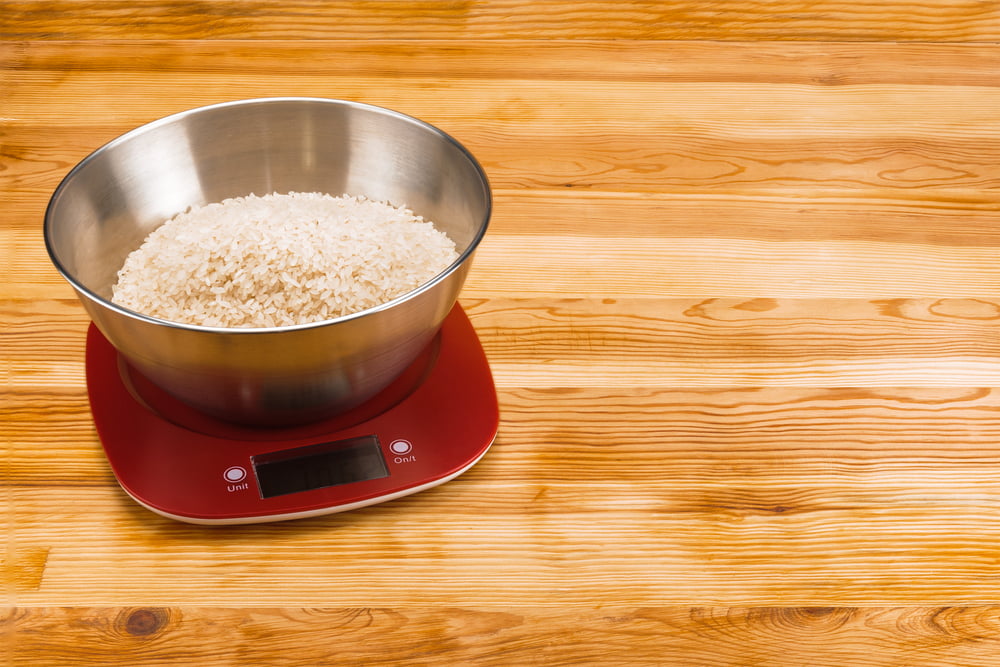
Cooking for different group sizes requires understanding ratios — double the people, double the ingredients. If a recipe serves four people but you’re cooking for eight, you need to double every ingredient proportionally.
This same concept applies to mixing paint colors. It also applies to adjusting medication doses based on body weight, or scaling up business operations.
Time and Distance Calculations

Planning trips requires understanding the relationship between speed, distance, and time. If you’re driving 300 miles at an average speed of 60 mph — you know the trip will take about 5 hours.
This helps you plan departure times, estimate fuel costs, and make realistic travel schedules.
Optimization and Efficiency

Calculus might seem abstract, but its core concept appears everywhere. Finding the best solution among many options happens daily.
Taking the fastest route to work, arranging your schedule to minimize wasted time, or finding the most cost-effective way to complete a project all involve optimization thinking. You won’t be drawing graphs, but you’ll be thinking like a mathematician.
Like Go2Tutors’s content? Follow us on MSN.
Fractions and Division

Understanding fractions helps you navigate everything from cooking measurements to understanding sales discounts. When a recipe calls for 3/4 cup of flour but you only have a 1/2 cup measuring cup, you need to know that equals 1 and 1/2 fills of your measuring cup.
Fractions also help you understand partial payments, shared expenses, and dosage instructions.
Graphing and Data Interpretation

Charts and graphs appear in news articles, business reports, and medical results. Understanding how to read trend lines, interpret correlation versus causation, and spot misleading visual representations helps you make informed decisions.
Whether you’re tracking your fitness progress or analyzing stock performance, graph literacy is essential in our data-driven world.
Budgeting and Financial Planning
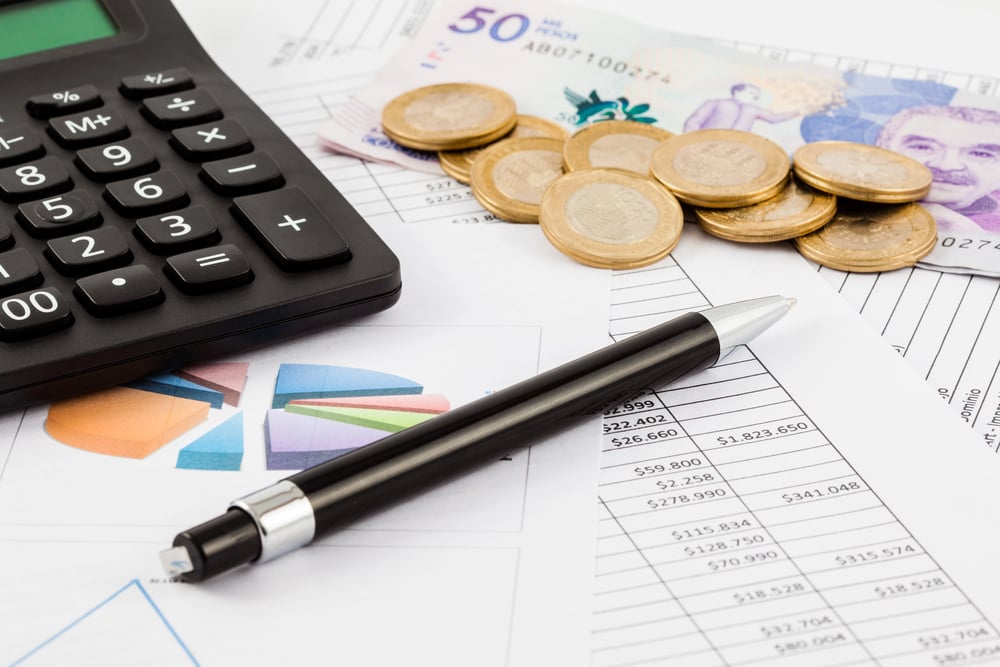
Creating and maintaining a budget requires several math concepts working together. You need to calculate percentages of income for different expense categories.
You also need to project future costs based on current trends and understand how small changes compound over time. Mathematical thinking helps you prioritize spending while identifying areas for improvement.
Like Go2Tutors’s content? Follow us on MSN.
Measurement and Precision

Knowing when precision matters can save you money and frustration. Measuring ingredients for baking requires more precision than measuring them for soup.
Understanding tolerances helps you know when ‘close enough’ is acceptable and when exact measurements are crucial, whether you’re building a deck or mixing concrete.
Logic and Reasoning

Mathematical logic extends far beyond numbers into everyday decision-making. Understanding ‘if-then’ relationships, recognizing logical fallacies, and thinking through cause-and-effect chains help you make better choices.
This type of structured thinking proves valuable in everything from troubleshooting computer problems to resolving workplace conflicts.
Estimation and Mental Math

Quick estimation skills help you catch errors and make rapid decisions. Knowing that 8% tax on a $25 purchase should be about $2 helps you spot when a cashier makes a mistake.
Mental math shortcuts save time at the grocery store, help you calculate tips, and make you more confident in financial discussions.
Like Go2Tutors’s content? Follow us on MSN.
Numbers That Actually Shape Lives

These mathematical concepts prove that math education isn’t just about preparing students for STEM careers. It’s about creating informed citizens who can navigate an increasingly complex world.
The next time someone asks when they’ll use math in real life, you’ll have plenty of concrete examples to share. Understanding these concepts doesn’t require becoming a mathematician, but it does require recognizing that mathematical thinking is already woven into the fabric of daily life.
More from Go2Tutors!

- 16 Historical Figures Who Were Nothing Like You Think
- 12 Things Sold in the 80s That Are Now Illegal
- 15 VHS Tapes That Could Be Worth Thousands
- 17 Historical “What Ifs” That Would Have Changed Everything
- 18 TV Shows That Vanished Without a Finale
Like Go2Tutors’s content? Follow us on MSN.