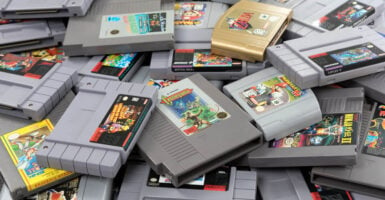
15 Things That Were “Ahead of Their Time” and Still Flopped
Innovation doesn’t always guarantee success. Throughout history, brilliant ideas, products, and creative works have appeared before audiences were ready to embrace them.
These groundbreaking concepts often fail to find commercial success despite their forward-thinking nature, only to be appreciated years later when the world finally catches up. Being first isn’t always best in the marketplace of ideas.
Here is a list of 15 innovations that were genuinely ahead of their time but still failed to gain traction when they were introduced.
Betamax

Sony’s Betamax format delivered superior video quality compared to VHS but ultimately lost the format war. Its shorter recording time and higher cost made consumers choose convenience over quality.
WebTV

Released in the late 1990s, WebTV brought internet access to televisions before smart TVs existed. The idea was ahead of its time, but dial-up speeds and awkward navigation made the experience frustrating.
Like Go2Tutors’s content? Follow us on MSN.
Apple Newton

Apple’s Newton was a trailblazing PDA that introduced handwriting recognition and a touch interface. However, it was bulky, expensive, and error-prone, leading to its early retirement.
Concorde

This supersonic jet could cross the Atlantic in under three hours, making it a marvel of engineering. Yet, high ticket prices, fuel inefficiency, and safety concerns grounded the fleet for good.
Sega Dreamcast

The Dreamcast introduced built-in internet gameplay and cutting-edge graphics. Despite its innovations, it failed commercially due to poor marketing and fierce competition from PlayStation.
Like Go2Tutors’s content? Follow us on MSN.
Google Glass

Google’s AR glasses projected information directly into the user’s line of sight, pioneering wearable tech. But privacy concerns and an awkward design caused it to disappear from the consumer market.
Dvorak Keyboard

Designed for efficiency, the Dvorak layout reduced finger movement and improved typing speed. Its failure to replace QWERTY shows how entrenched habits resist change, even when alternatives are superior.
LaserDisc

LaserDiscs offered high-quality video, audio, and interactive features long before DVDs. Their bulky size, high cost, and inability to record made them impractical for mainstream users.
Like Go2Tutors’s content? Follow us on MSN.
Palm Pilot

Palm Pilots brought portable computing to the masses with touchscreen input and third-party apps. They were business staples until smartphones rendered them obsolete by integrating communication features.
Virtual Boy

Nintendo’s early VR console aimed to revolutionize gaming but fell short due to eye strain and a limited color palette. The idea was visionary, but the tech wasn’t ready to support it.
Segway

This self-balancing personal transporter was touted as a mobility revolution. Its steep price, unclear legal status, and geeky image limited its appeal to niche markets.
Like Go2Tutors’s content? Follow us on MSN.
MiniDisc
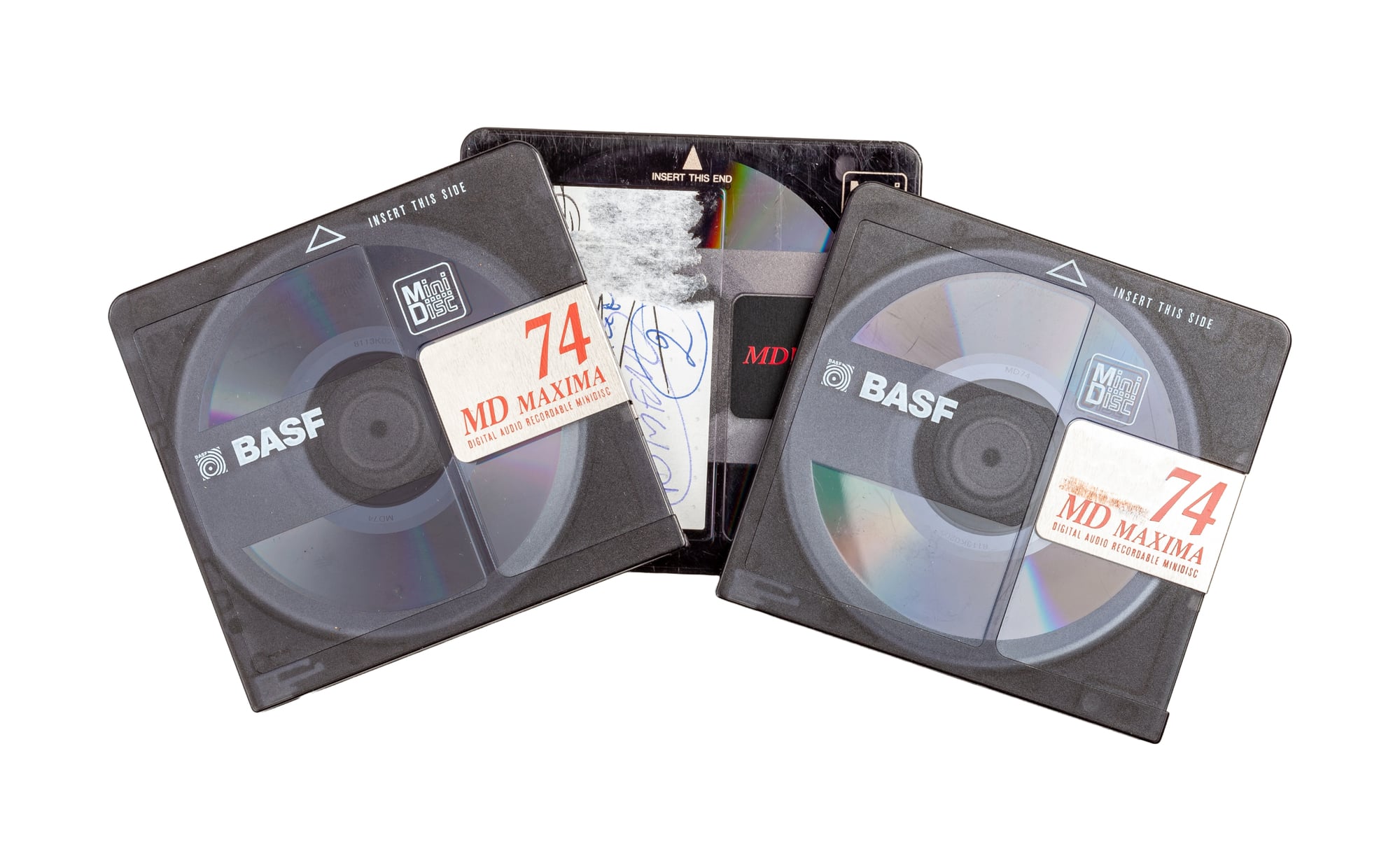
MiniDiscs offered excellent sound and reusability in a compact form. But limited music availability and competition from CDs and MP3 players doomed the format outside Japan.
Microsoft Tablet PC

Microsoft’s early tablets supported stylus input and ran full Windows, but were bulky and poorly optimized for touch. The concept only gained traction once hardware and user interfaces matured.
The Wii U

Nintendo’s Wii U introduced second-screen gaming and off-TV play, but consumers didn’t grasp the concept. Confusing marketing made it seem like a Wii add-on, stifling its potential.
Like Go2Tutors’s content? Follow us on MSN.
Philips CD-i

The CD-i was a multimedia console meant to unify gaming, movies, and music in one device. With limited software and no clear identity, it failed to gain consumer traction.
Enduring Innovation

These products were not failures of imagination but of timing and execution. While their ideas were sound, they arrived before technology and public understanding could support them.
More from Go2Tutors!

- 18 Unexpectedly Valuable Collectibles You Might Have Lying Around
- 20 Little-Known Historical Battles That Had Huge Consequences
- 20 Historical Artifacts That Scientists Can’t Explain
- 15 Inventions That Were Immediately Banned After Being Created
- 20 Actors Who Were Almost Cast in Iconic Roles
Like Go2Tutors’s content? Follow us on MSN.