Fascinating Carnivorous Plants Hiding in the Jungle
The jungle holds secrets that would challenge everything most people think they know about plants. While most vegetation quietly absorbs sunlight and pulls nutrients from soil, some species have taken a dramatically different evolutionary path.
Deep in tropical rainforests around the world, plants have developed the ability to hunt, trap, and digest living prey. These botanical predators represent one of nature’s most remarkable adaptations — turning the traditional food chain on its head by making animals the meal rather than the diner.
These carnivorous plants didn’t develop their hunting abilities by accident. In nutrient-poor jungle soils where nitrogen and phosphorus are scarce, some plants found a way to supplement their diet by capturing insects, spiders, and even small vertebrates.
The result is a collection of species that blur the line between plant and predator, each with hunting strategies as sophisticated as any animal’s.
Venus Flytrap’s Tropical Cousins
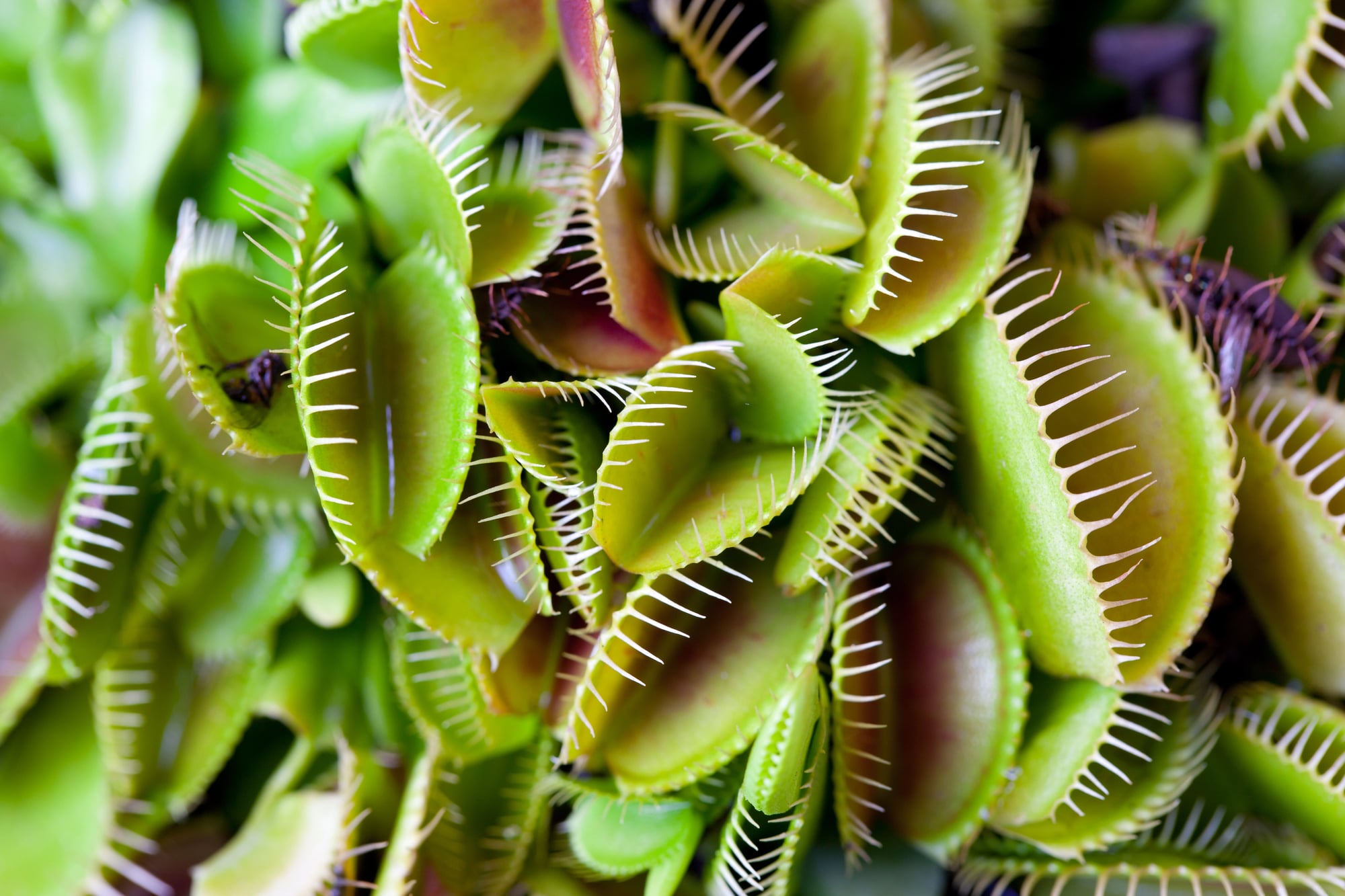
Venus flytraps get all the attention. The real action happens in tropical jungles where snap traps evolved into something far more sophisticated.
Dionaea muscipula looks primitive compared to its jungle relatives.
These tropical snap traps don’t mess around with the Venus flytrap’s slow-motion theatrics. They snap shut in milliseconds, not seconds.
Pitcher Plants That Drown Their Prey
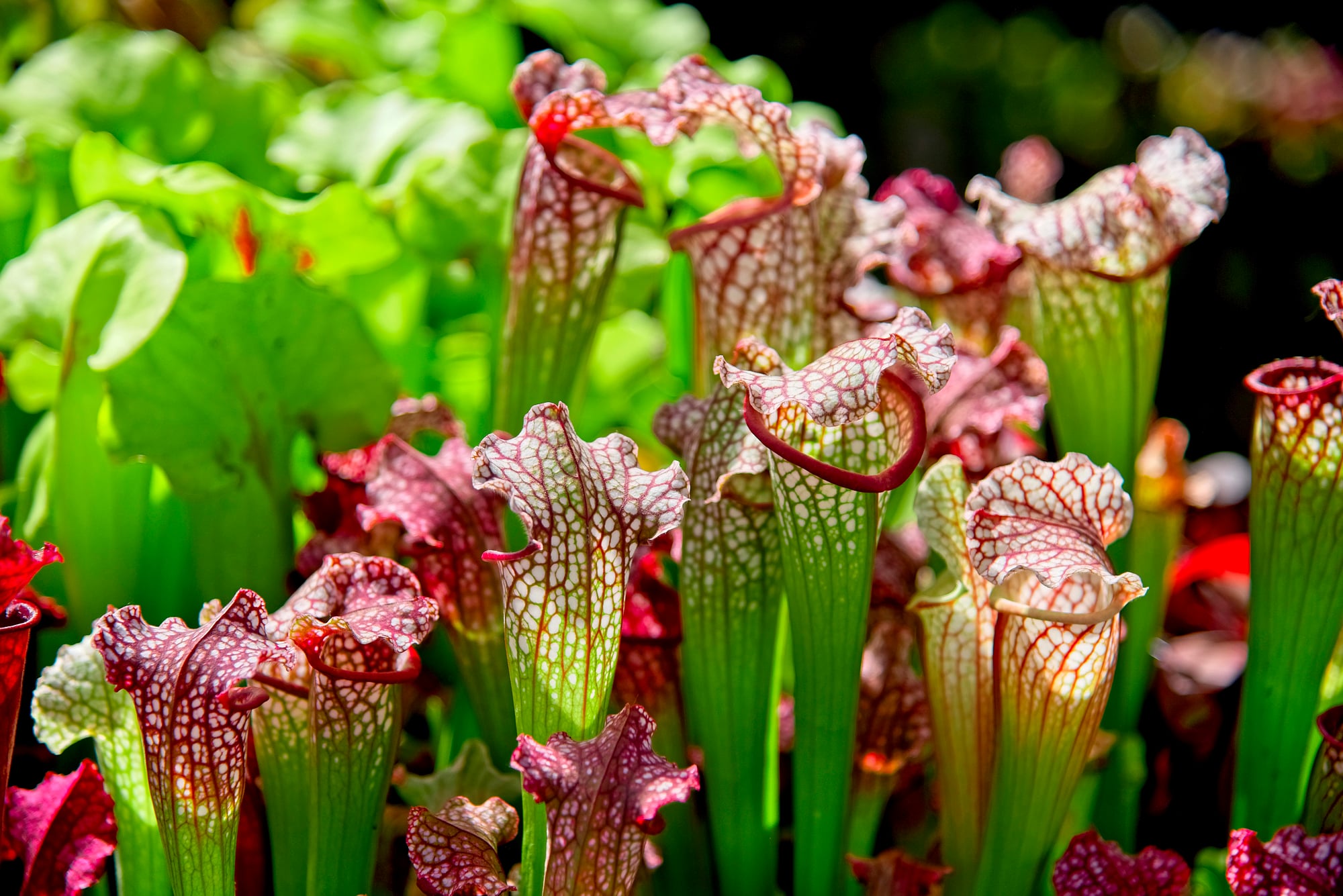
There’s something unsettling about a plant that builds its own death chamber, and pitcher plants (which belong to several different families, including Nepenthes, Sarracenia, and Cephalotus) have perfected this approach over millions of years of evolution.
The pitcher itself — a modified leaf that forms a deep, fluid-filled cavity — operates on principles that would make a medieval dungeon designer proud: once something falls in, the slippery walls and downward-pointing hairs make escape nearly impossible.
And the digestive enzymes waiting at the bottom don’t offer much hope for anything that does manage to avoid immediate drowning.
But here’s where it gets genuinely fascinating (and slightly disturbing): some of these pitchers are large enough to capture and digest small frogs, lizards, and even birds.
The largest Nepenthes species produce pitchers that can hold more than a liter of digestive fluid — essentially functioning as plant-operated death pools suspended in the forest canopy.
So when people talk about “going back to nature” for a peaceful experience, they might want to check what’s hanging overhead first.
The most remarkable thing about these plants isn’t their size, though — it’s their patience.
A pitcher plant will spend months growing the perfect trap, complete with attractive coloration and enticing nectar rewards around the rim, all to catch a few insects or the occasional small vertebrate that provides enough nutrition to make the entire investment worthwhile.
Butterworts And Their Sticky Surfaces
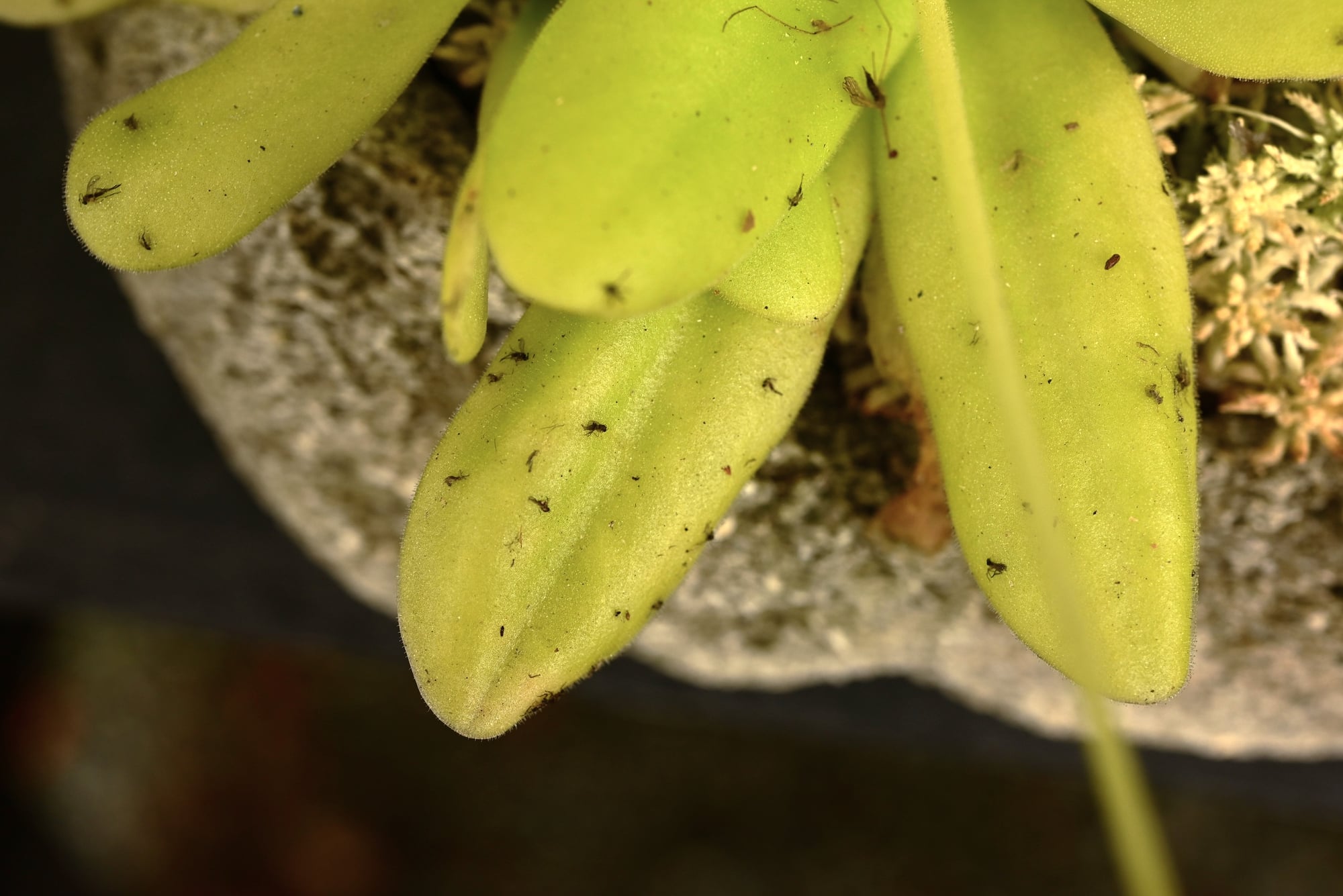
Picture flypaper, but alive and hungry. That’s essentially what butterworts have become.
The leaf surface produces tiny droplets of mucilage that glisten in filtered jungle light.
Insects mistake these droplets for water or nectar. Poor choice.
Sundews That Sparkle Like Jewels
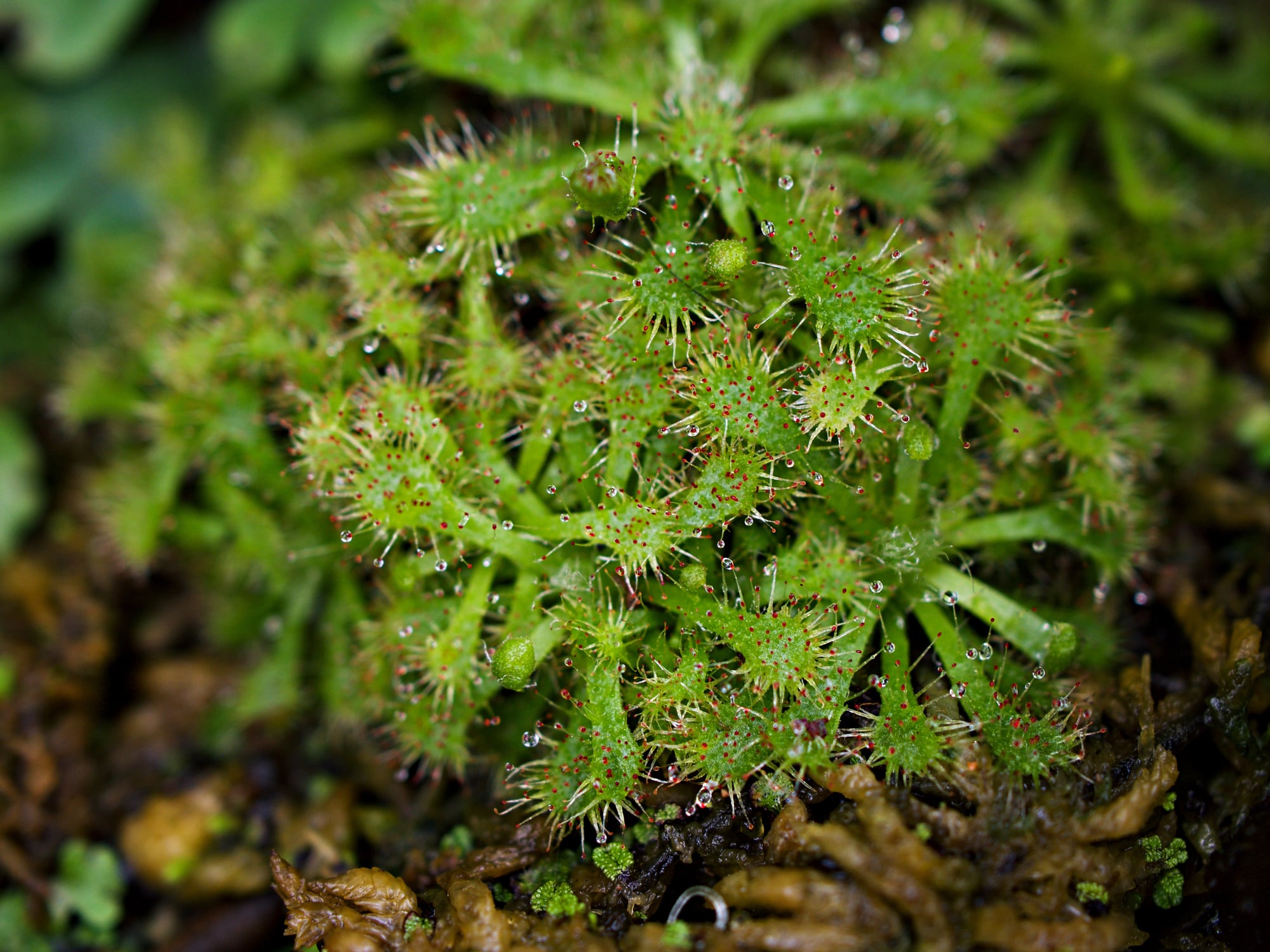
Sundews have turned deception into an art form, and anyone who has seen them in their natural habitat understands immediately why insects fall for their trap so consistently.
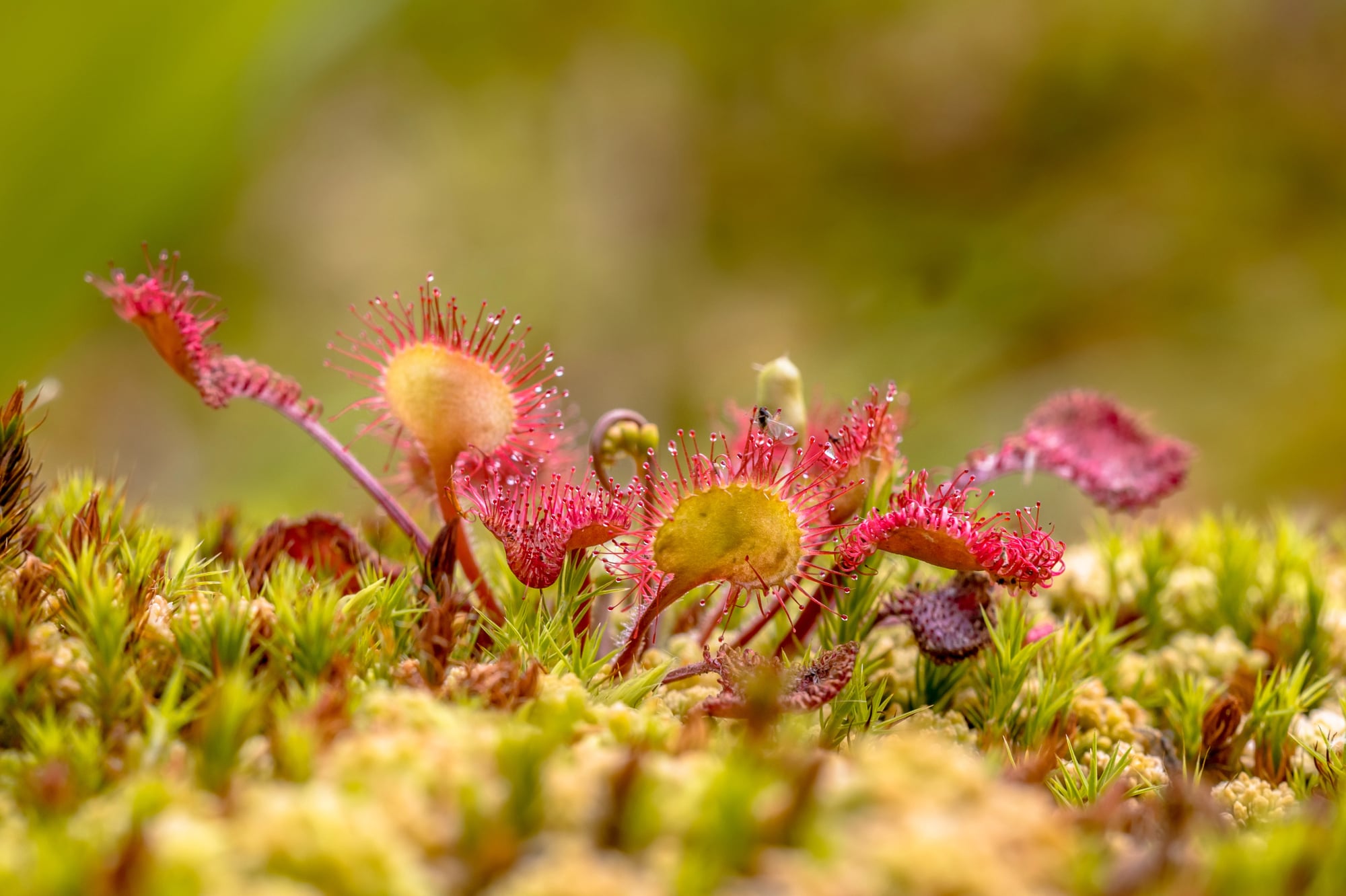
Each leaf bristles with hundreds of tentacles tipped with what appears to be morning dew — droplets that catch and refract light in a way that makes the entire plant shimmer like it’s been dusted with tiny diamonds.
It’s beautiful enough that humans stop to admire it, which should tell you something about how effective this visual lure must be for insects that are actually looking for water or nectar.
The “dew” isn’t dew at all, of course — it’s a sticky mucilage that functions like biological superglue, strong enough to hold struggling insects while the plant slowly curls its tentacles around them and begins the digestion process.
The more an insect struggles, the more tentacles bend inward to make contact, ensuring that escape becomes progressively more impossible.
There’s something almost deliberate about the way these plants operate, as if they’re consciously aware of what they’re doing rather than simply following genetic programming.
What makes jungle sundews particularly fascinating is their diversity — some species produce leaves no larger than a fingernail, specializing in gnats and other tiny prey, while others grow broad, plate-sized traps capable of holding much larger insects.
And the colors: deep reds, vibrant greens, and combinations that would look artificial if you didn’t know better.
Bladderworts And Underwater Ambushes
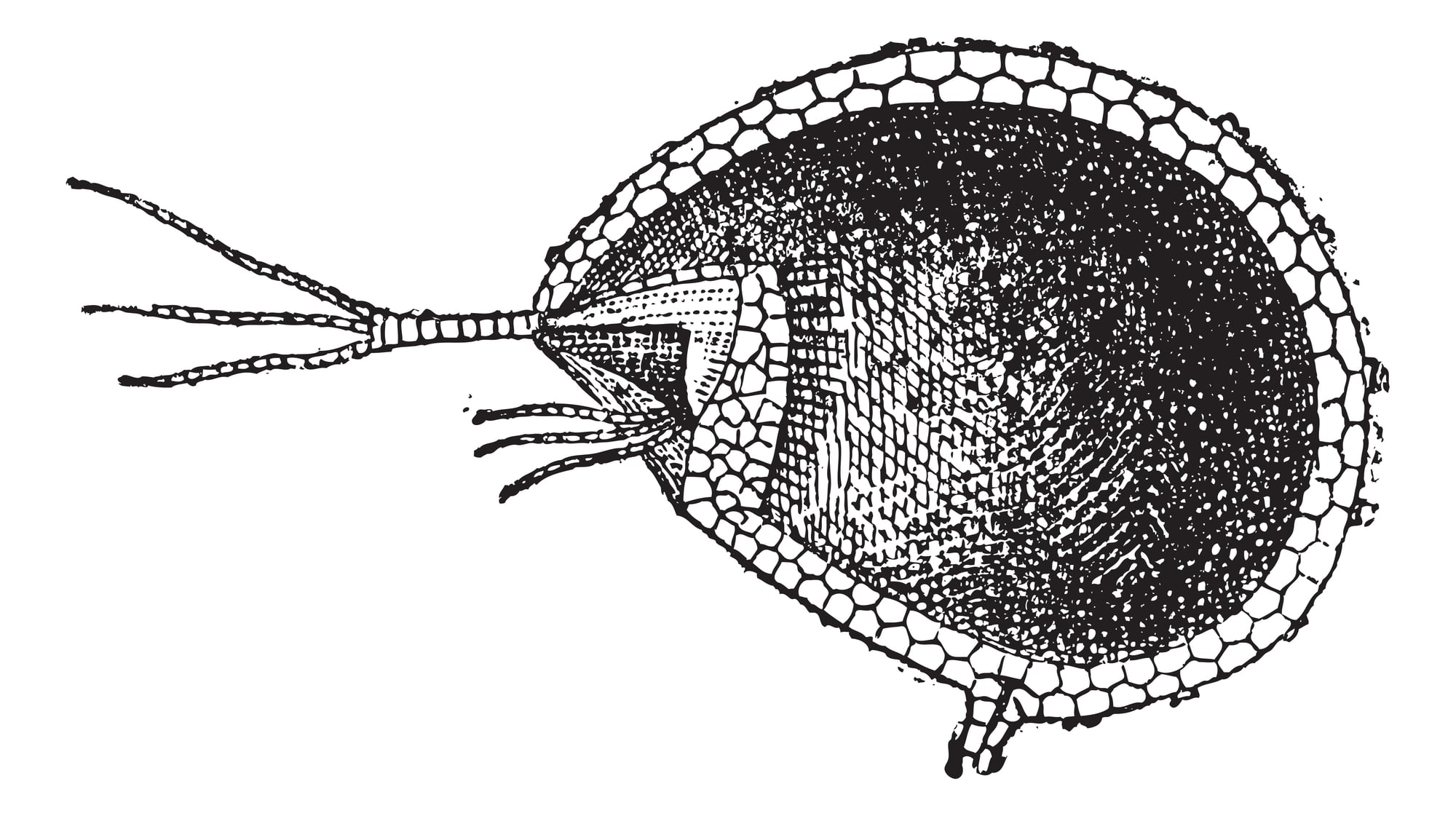
Bladderworts operate the fastest traps in the plant kingdom. The entire capture sequence takes less than a millisecond.
Blink and the prey is already being dissolved.
These aquatic hunters create vacuum chambers that absorb anything small enough to trigger their trap doors.
No escape, no second chances.
Cobra Plants That Strike From Above
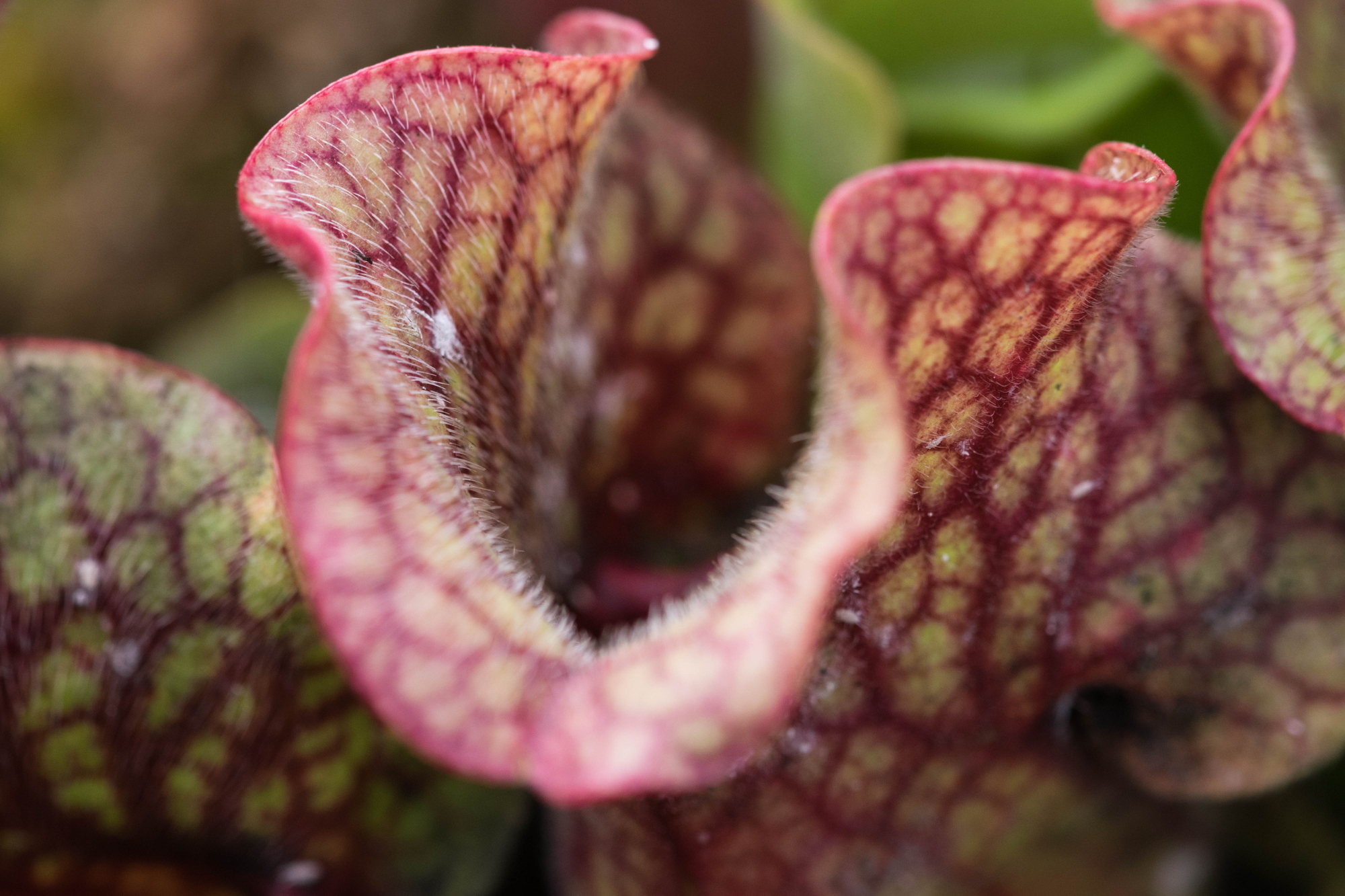
The cobra plant earned its name honestly — there’s something genuinely serpentine about the way its hooded trap rises from boggy jungle floors, complete with what looks like a forked tongue and patterns that mimic snake scales.
Darlingtonia californica represents one of evolution’s more theatrical moments, a plant that decided subtlety was overrated and opted instead for pure intimidation factor (though, to be fair, the intimidation is probably lost on the insects it’s designed to catch, since they can’t appreciate the resemblance to a deadly reptile).
But the cobra plant’s hunting strategy is more sophisticated than its dramatic appearance suggests.
The hood creates a complex internal maze lined with downward-pointing hairs that make retreat impossible once an insect has entered.
Unlike pitcher plants that rely on drowning, cobra plants trap their prey in what amounts to a botanical labyrinth where every path leads deeper into the digestive chamber, and no path leads out.
The transparent windows in the hood add another layer of psychological warfare — insects exhaust themselves trying to fly toward what appears to be an exit, never realizing they’re being led further into the trap.
The plant takes its time with digestion, sometimes requiring weeks to fully break down larger prey.
And since cobra plants are relatively rare and grow only in specific bog conditions, encountering one in its natural habitat feels less like finding a plant and more like discovering some kind of botanical cryptid that shouldn’t exist but somehow does.
Tropical Bladderworts That Hunt On Land
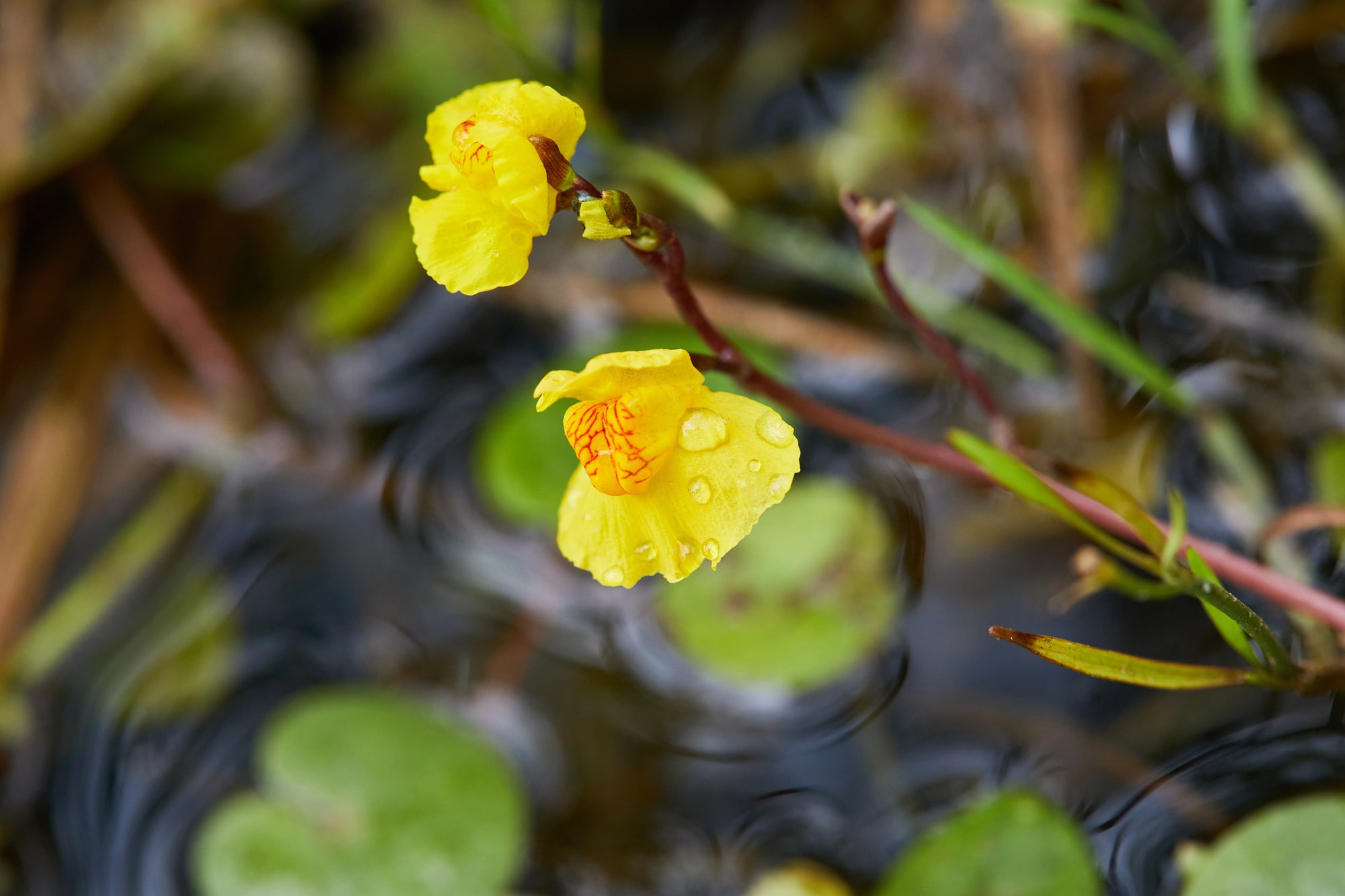
Most people think bladderworts only hunt in water. Wrong assumption.
Terrestrial bladderworts have adapted their vacuum traps to work in humid jungle conditions, catching soil-dwelling prey that most plants never encounter.
These land-based hunters prove that good ideas in evolution don’t stay confined to their original environment.
Butterwort Relatives That Mimic Flowers
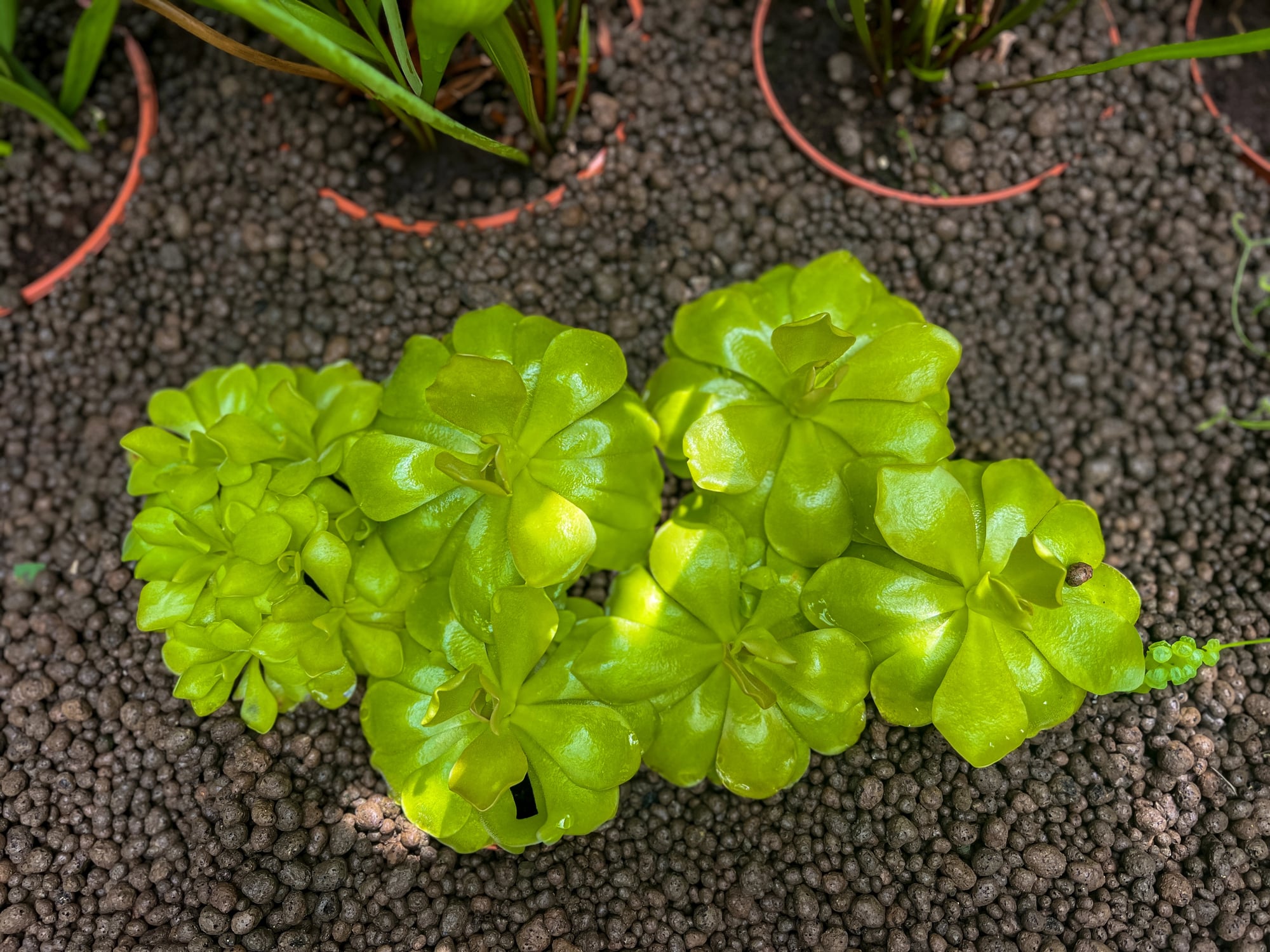
Some carnivorous plants have taken mimicry to an almost artistic level, and certain butterwort species represent the apex of this evolutionary deception — they’ve learned to disguise their sticky, deadly leaves as harmless flower petals, complete with bright colors and patterns that insects associate with nectar rewards rather than certain death.
It’s the botanical equivalent of a predator wearing prey clothing, except the costume is so convincing that even experienced botanists sometimes do double-takes when they first encounter these plants in the wild.
The leaves arrange themselves in rosettes that mirror the symmetry of flowers, while specialized cells on the leaf surface produce not just the sticky mucilage that traps insects, but also volatile compounds that mimic floral scents.
So insects approach expecting to find pollen or nectar, and instead find themselves glued to a surface that immediately begins the digestion process.
The plant doesn’t even wait for its prey to die — digestive enzymes start breaking down proteins the moment contact is made.
But perhaps the most unsettling aspect of these flower mimics is their patience and precision: they’ll maintain their floral disguise for months, investing significant energy in producing the right colors, scents, and shapes, all for the handful of insects that will provide the nitrogen and phosphorus the plant needs to survive in nutrient-poor jungle soils.
Utricularia That Hunt In Tree Pits
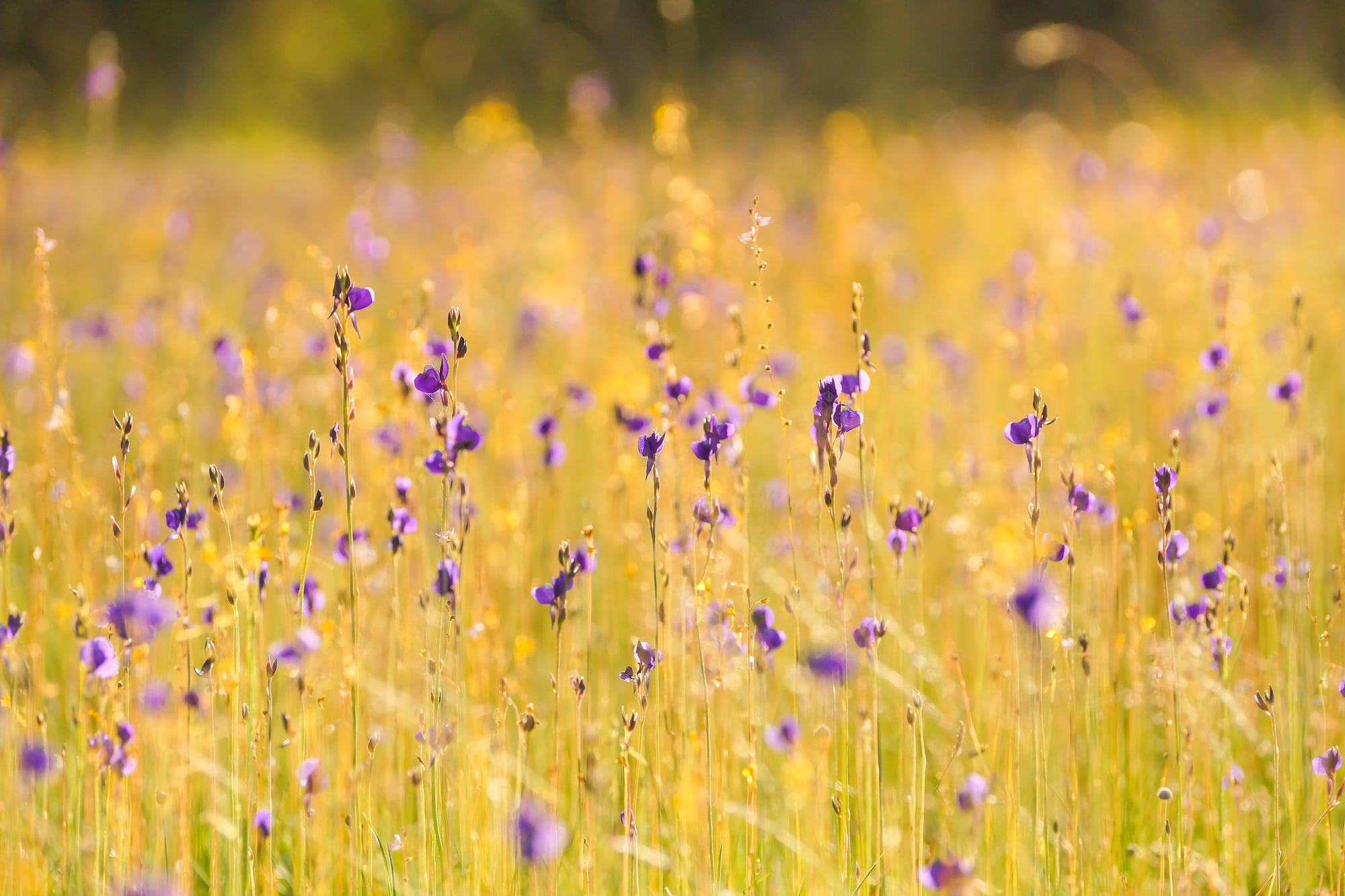
Water-filled tree pits in jungle canopies host their own miniature ecosystems. Bladderworts have colonized these aerial ponds, creating floating networks of traps that capture mosquito larvae and other aquatic prey.
These plants live their entire lives suspended in forest canopies, never touching soil.
Carnivorous Plants That Eat Each Other
Competition in nutrient-poor environments gets vicious. Some carnivorous plants will trap and digest other carnivorous plants when the opportunity arises, turning botanical predation into a feeding frenzy.
Fair play doesn’t exist in the plant kingdom. Resources are limited, and everything edible is potential prey.
Nepenthes That Partner With Animals
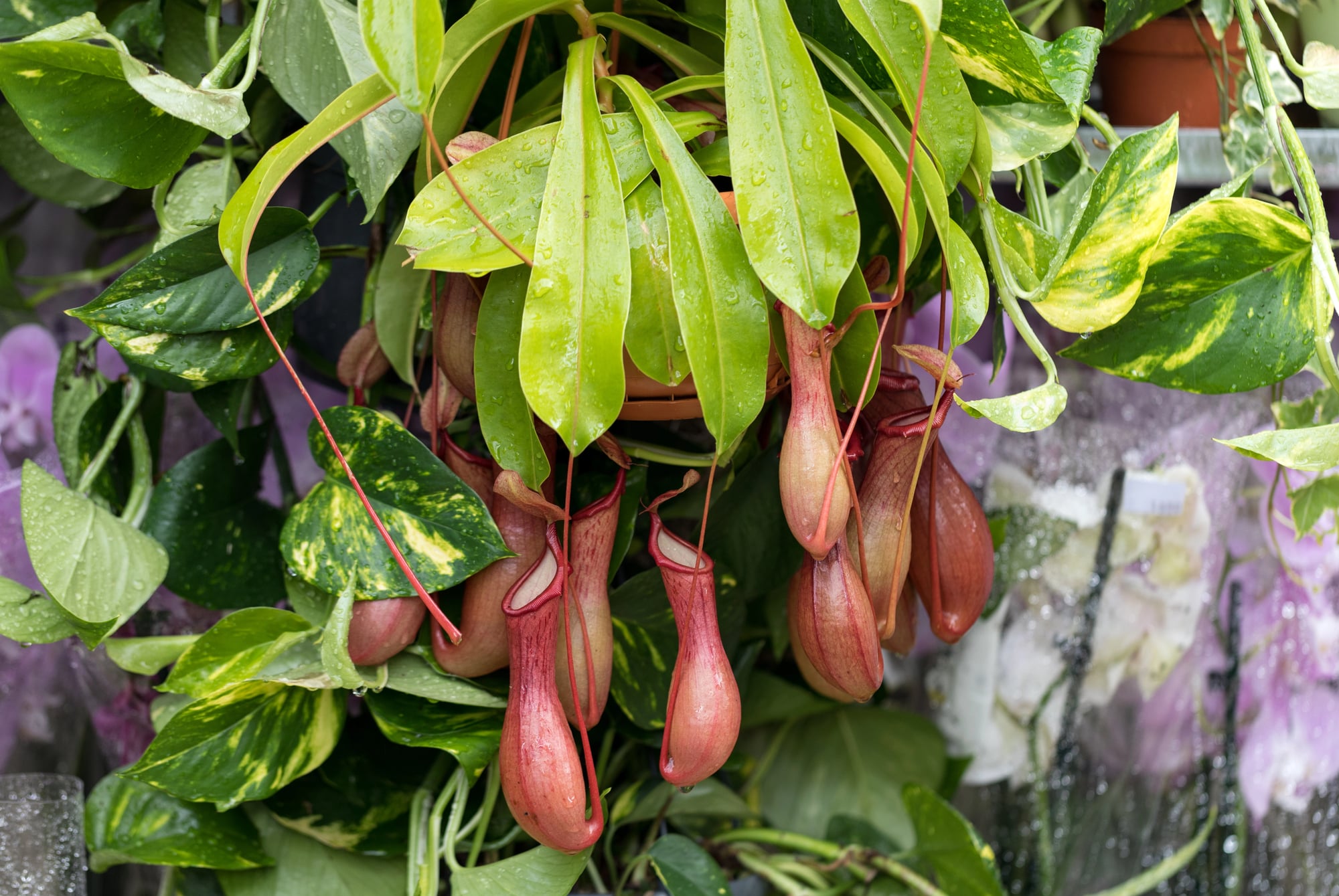
The relationship between certain Nepenthes species and small mammals represents one of evolution’s more unexpected collaborations, and it challenges pretty much every assumption about how carnivorous plants are supposed to operate.
Instead of digesting every animal that encounters their pitchers, some tropical pitcher plants have developed specialized relationships with tree shrews, bats, and other small mammals that use the pitcher rims as toilets in exchange for nectar rewards.
The plants get a steady supply of nitrogen-rich waste, while the animals get reliable food sources and, in some cases, sleeping quarters.
Nepenthes rajah produces pitchers large enough to accommodate small mammals, with modified rims that function as feeding platforms rather than slippery trap edges.
The plant essentially operates as a jungle restroom with benefits — animals perch on the rim to feed on nectar secretions and deposit waste directly into the pitcher, where specialized bacteria break down the organic matter and make nutrients available to the plant.
It’s a remarkably civilized arrangement compared to the usual carnivorous plant approach of trap, kill, and digest.
But these partnerships aren’t accidents — they represent millions of years of coevolution, with plants gradually modifying their traps to accommodate animal partners while animals learned to recognize and seek out these mutually beneficial relationships.
And the plants haven’t abandoned their carnivorous tendencies entirely: insects and other small prey still get the traditional treatment of capture and digestion.
Carnivorous Bromeliads Hidden In Canopies
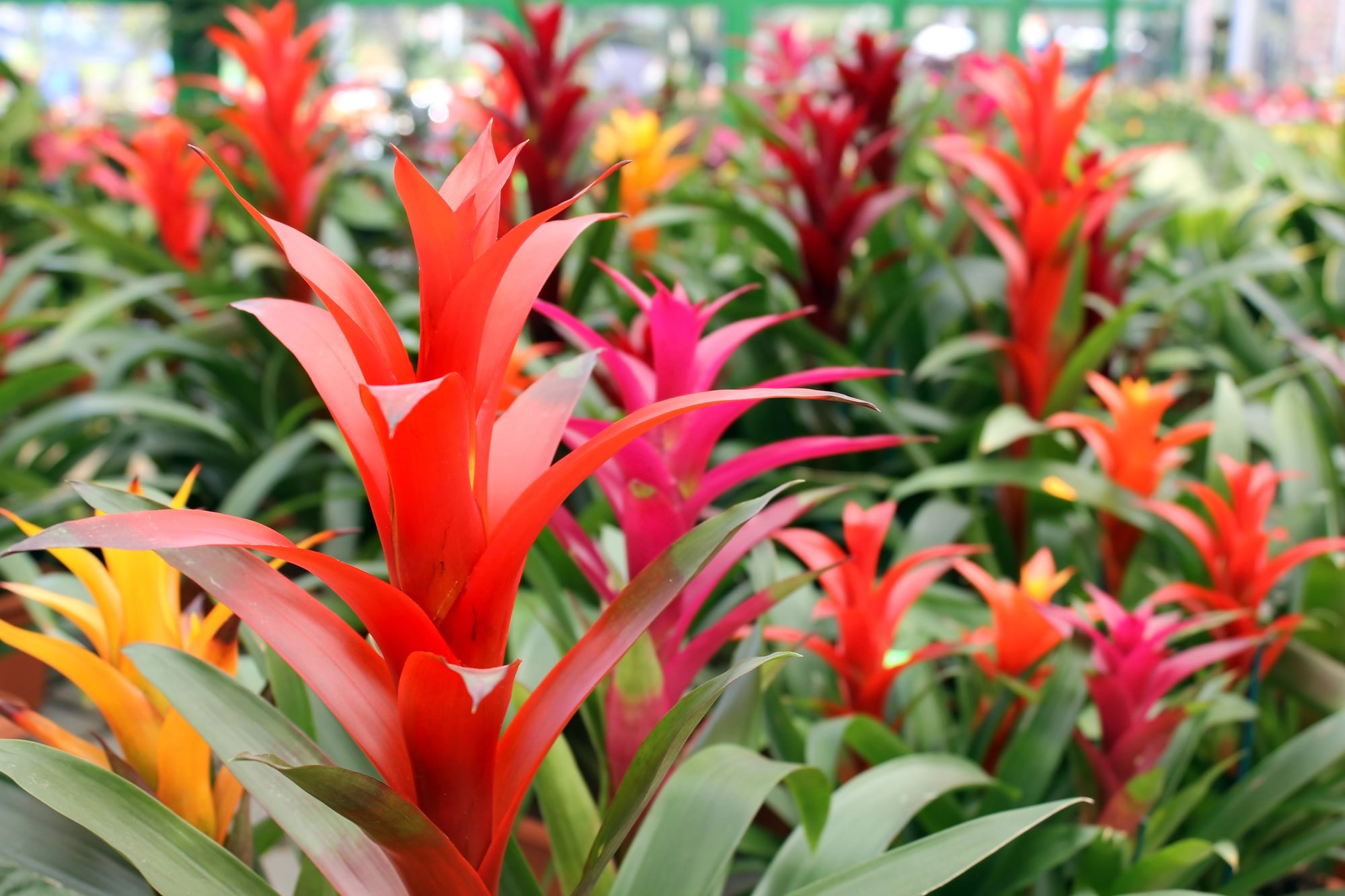
Bromeliads turned carnivorous without anyone noticing for decades. These epiphytic plants collect water in their leaf bases, then add digestive enzymes to break down insects that fall into their miniature pools.
They look like ordinary ornamental plants. They’re actually efficient predators disguised as decorations.
Drosophyllum That Thrives In Dry Conditions
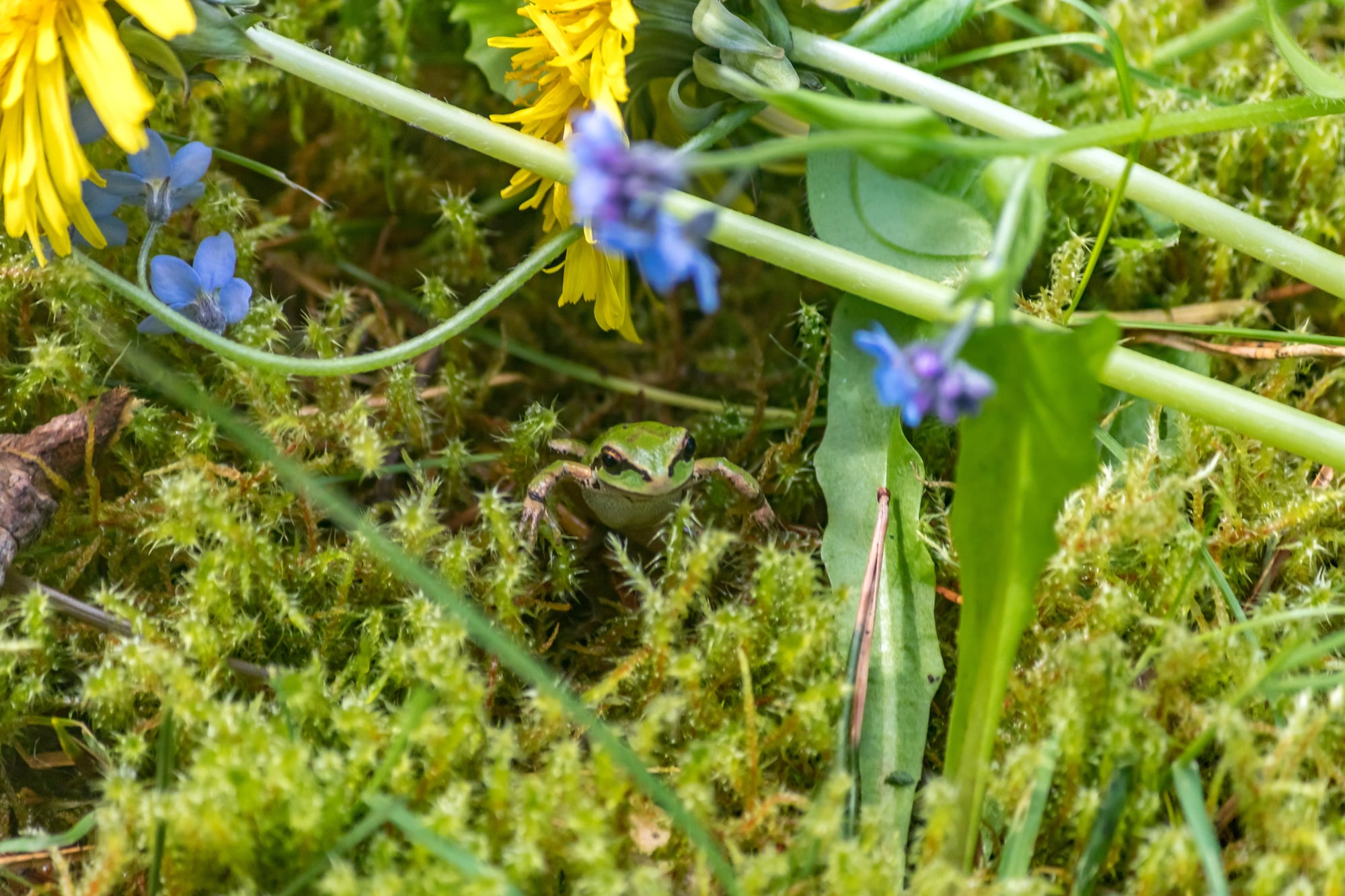
Most carnivorous plants demand constantly moist conditions, which makes Drosophyllum lusitanicum an evolutionary rebel — this species has adapted to survive in Mediterranean and subtropical climates where other carnivorous plants would simply desiccate and die, proving that the urge to hunt prey can overcome almost any environmental constraint.
The plant looks like a sundew that’s been stretched and dried, with long, narrow leaves covered in sticky droplets that glisten even in intense sunlight.
What’s remarkable about Drosophyllum isn’t just its drought tolerance, but its hunting efficiency: the plant produces a sweet, honey-like scent that’s detectable from considerable distances, essentially broadcasting its location to flying insects across the landscape.
And once insects land on the sticky leaves, the plant doesn’t mess around with slow-motion tentacle movements like its sundew relatives — the mucilage is strong enough to hold struggling prey immediately, while digestive enzymes get to work breaking down proteins and extracting nutrients.
The plant’s ability to thrive in dry conditions means it can colonize habitats where other carnivorous plants can’t compete, essentially expanding the ecological niche for botanical predation into environments that seem completely unsuitable for plants that digest animal protein.
So even in sun-baked hillsides where most vegetation struggles just to survive, evolution managed to produce a plant that supplements its diet by hunting insects.
Underground Carnivorous Networks
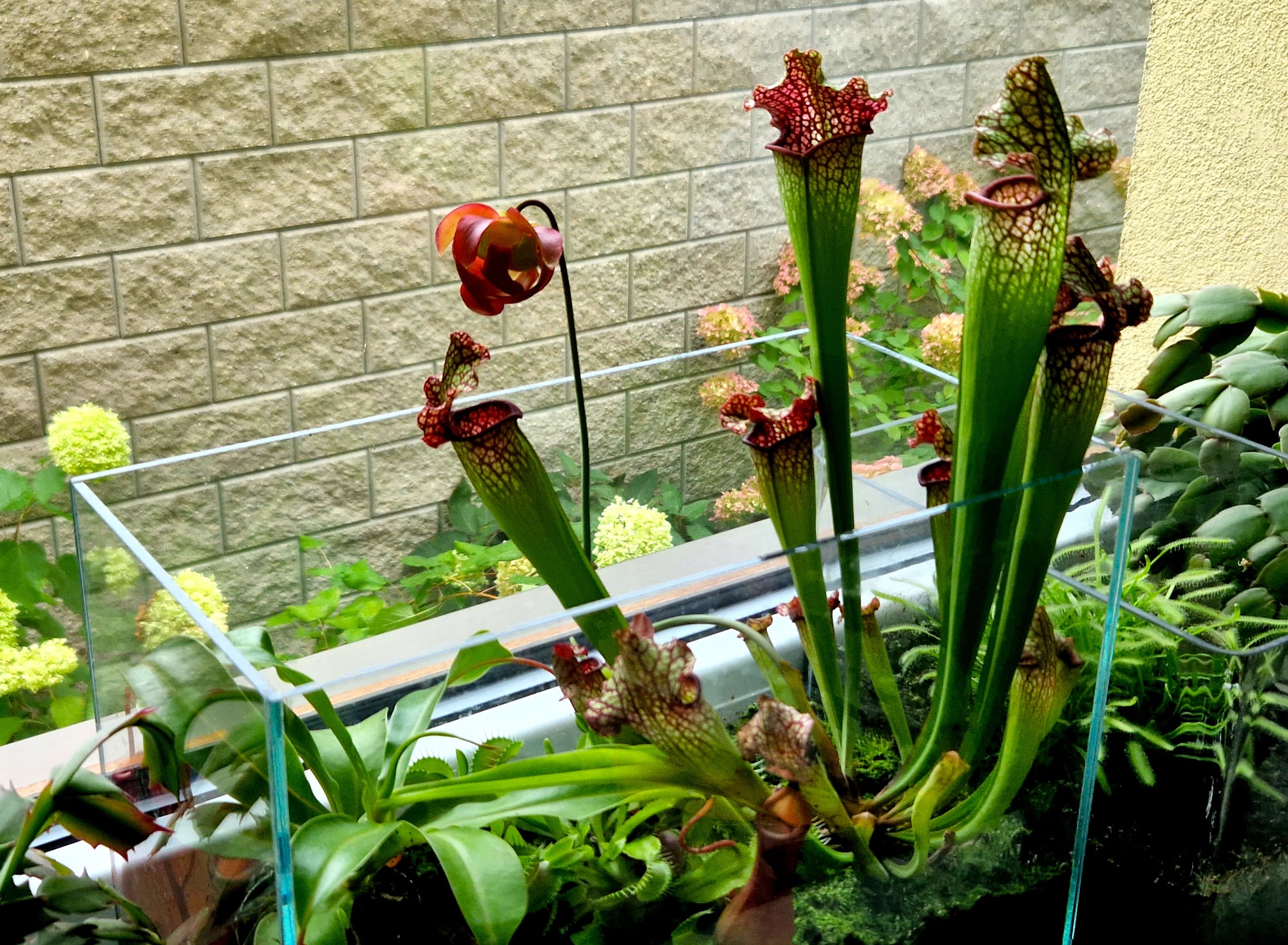
The most secretive carnivorous plants operate entirely below ground. Utricularia species have developed subterranean trap networks that capture soil-dwelling prey invisible to surface observers.
These plants hunt in complete darkness, relying on chemical signals and physical contact to locate and capture prey that most people never realize exists.
Plants That Digest Large Prey
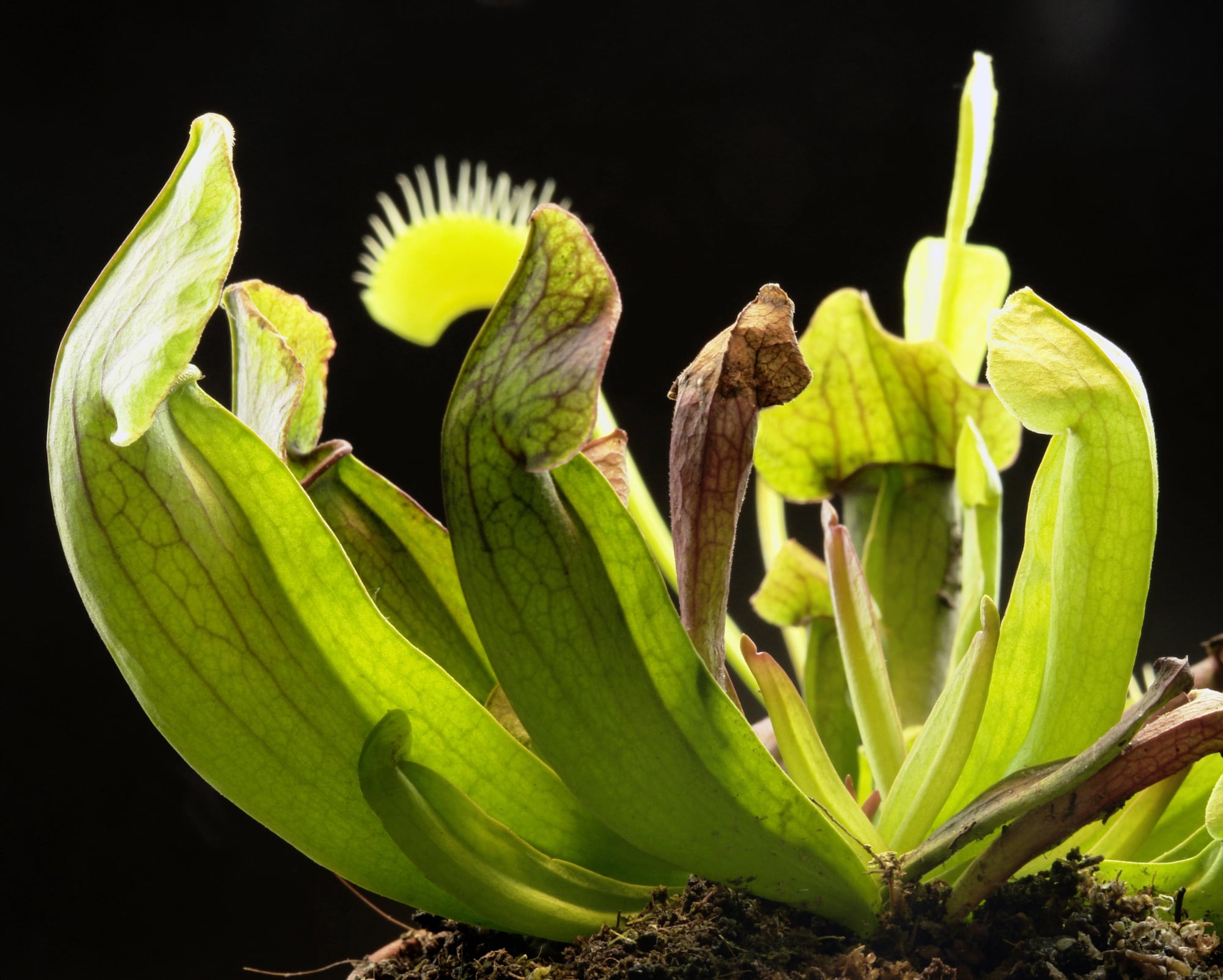
Size matters in carnivorous plant evolution, and the largest tropical pitcher plants have pushed the boundaries of what seems possible for botanical predation to genuinely unsettling extremes.
Nepenthes attenboroughii and its relatives produce traps large enough to capture and digest small mammals, amphibians, and reptiles — essentially functioning as plant-operated death chambers that can process prey items most people wouldn’t expect a plant to handle.
But here’s what makes these giants particularly remarkable: they don’t just accidentally capture large prey that happens to fall into oversized traps.
The plants actively produce chemical attractants and visual lures specifically designed to draw vertebrate prey, complete with specialized internal structures that can efficiently break down bone, muscle, and other tissues that smaller carnivorous plants couldn’t process.
The digestive process can take months, during which the plant essentially operates as a slow-motion organic disposal unit.
And the plants are selective about their prey — they’ve evolved mechanisms to avoid capturing animals that are too large to digest or that might damage the trap during escape attempts.
It’s a level of behavioral sophistication that blurs the line between plant and predator in ways that make most people deeply uncomfortable.
These aren’t passive organisms that happen to capture the occasional insect — they’re active hunters with prey preferences, hunting strategies, and digestive capabilities that rival many animal predators.
Where The Hunt Never Ends
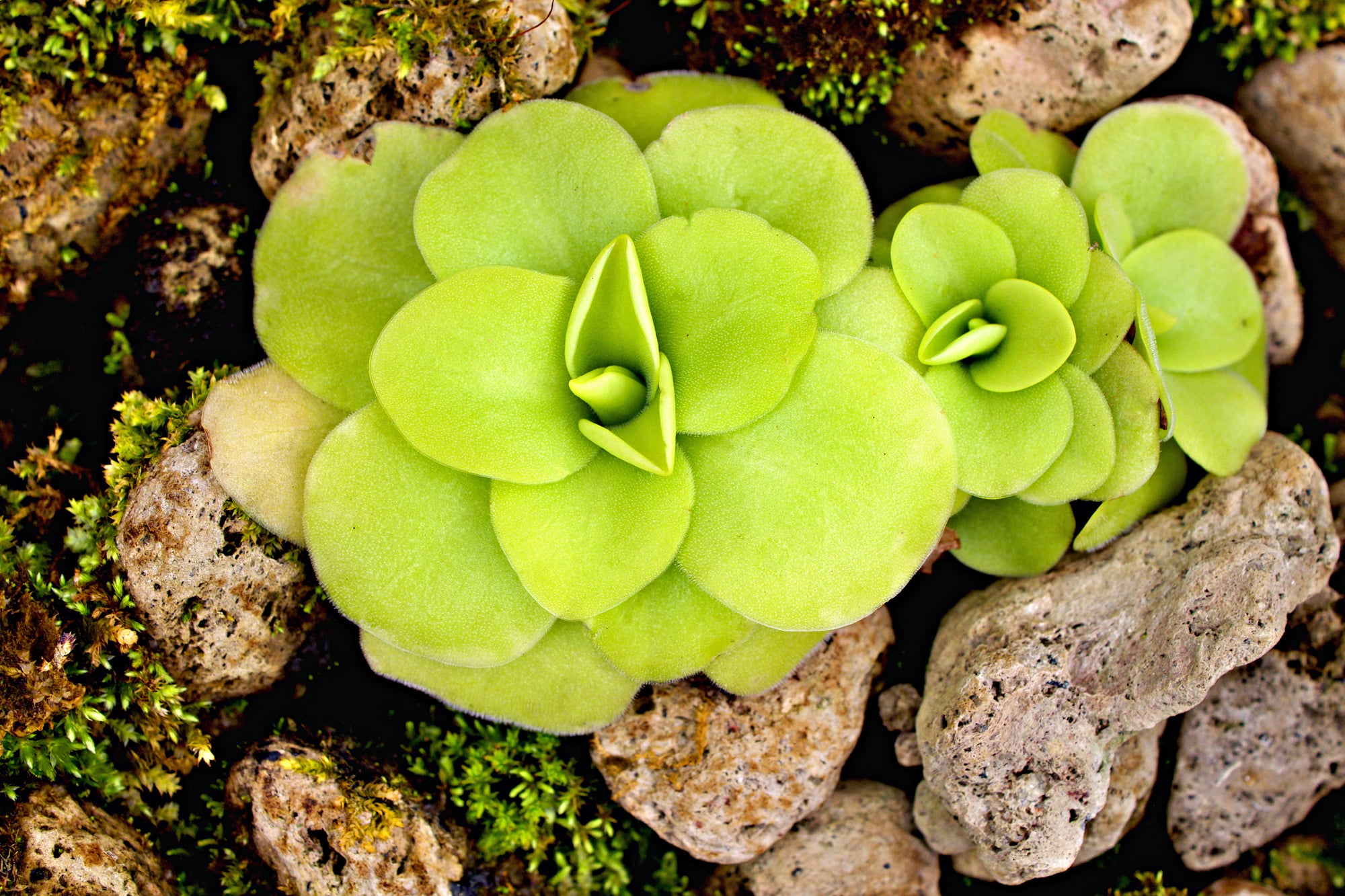
The jungle’s carnivorous plants represent something that challenges comfortable assumptions about how nature works.
Plants aren’t supposed to be predators. They’re supposed to be peaceful, passive organisms that quietly convert sunlight into energy while providing food and shelter for animals.
But evolution doesn’t care about human expectations, and millions of years of competition in nutrient-poor environments has produced botanical predators that hunt with strategies as sophisticated as any animal’s.
These plants prove that the line between predator and prey isn’t as clear as most people think.
In the jungle’s hidden corners, the food chain operates by different rules, and some of the most effective hunters have roots instead of legs.
They’ve been perfecting their craft for millions of years, and they’re not stopping anytime soon.
More from Go2Tutors!

- The Romanov Crown Jewels and Their Tragic Fate
- 13 Historical Mysteries That Science Still Can’t Solve
- Famous Hoaxes That Fooled the World for Years
- 15 Child Stars with Tragic Adult Lives
- 16 Famous Jewelry Pieces in History
Like Go2Tutors’s content? Follow us on MSN.