15 Jobs That Disappeared When One Invention Took Over
Throughout history, technological advancements have dramatically transformed our workforce, often eliminating entire professions while creating new ones. These transitions, while driving progress, have left fascinating stories of obsolete occupations that once employed thousands.
The human capacity to innovate has continuously reshaped labor markets in ways previous generations could hardly imagine. Here is a list of 15 jobs that vanished when groundbreaking inventions revolutionized their industries, showcasing how quickly progress can transform our working landscape.
Lamplighters

Before electric streetlights illuminated our cities, lamplighters walked the streets each evening with ladders and torches to light oil or gas lamps. These workers would return each morning to extinguish the flames, creating a rhythmic pattern to urban life.
The spread of electric streetlights in the late 19th century rendered this profession obsolete almost overnight in major metropolitan areas.
Switchboard Operators
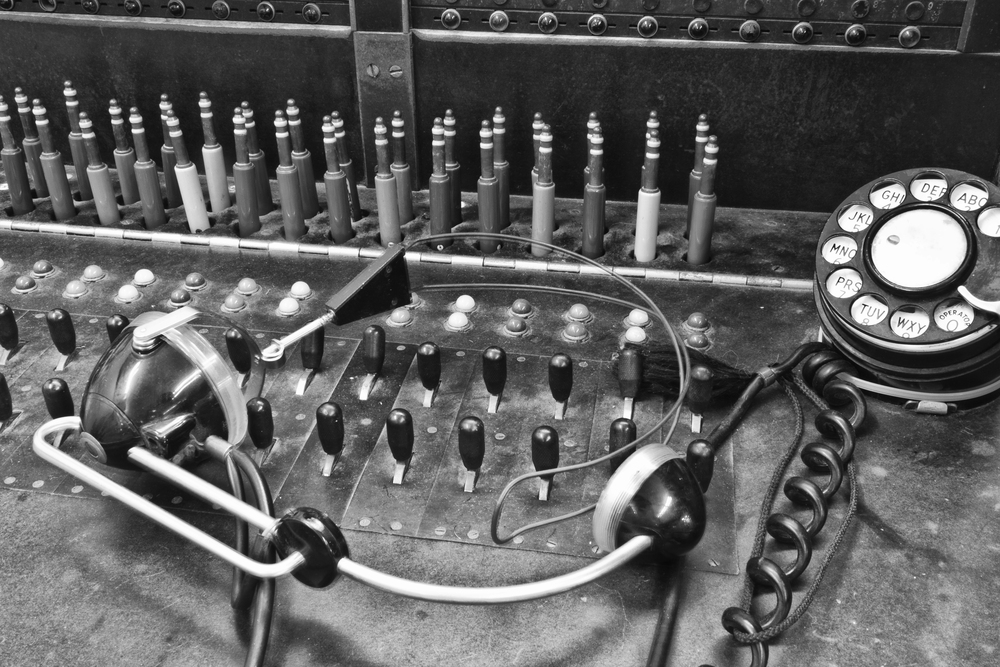
These primarily female workers manually connected telephone calls by physically plugging wires into the appropriate jacks. Operators memorized thousands of numbers and provided a human touch to early telecommunications.
Automated switching systems gradually eliminated this profession, with digital technology eventually removing the need for human intervention in connecting calls.
Ice Cutters

Before refrigeration, workers harvested natural ice from frozen lakes during winter using hand saws and horses. These ice blocks were stored in insulated ice houses and delivered to homes and businesses throughout the year.
Mechanical refrigeration technology eliminated this seasonal but substantial industry, transforming how people preserved food and changing household routines forever.
Human Computers

Long before electronic computing machines, the term ‘computer’ referred to people—often women—who performed complex mathematical calculations by hand. These skilled mathematicians worked in scientific fields, particularly astronomy and later in military applications.
The development of electronic computers during and after World War II gradually replaced these human calculators despite their remarkable precision.
Telegraph Operators

Proficient in Morse code, telegraph operators sent messages over vast distances by tapping out coded sequences of electrical impulses. These operators created a lifeline of communications across oceans and continents.
The mass use of the telephone followed by wireless communication technologies ultimately made Morse code experts who once linked the world redundant.
Pinsetters

Before automated machinery, bowling alleys employed young people as pinsetters to manually reset pins and return bowling balls to players. This physically demanding job required quick movements to avoid flying pins while keeping games moving at a reasonable pace.
The introduction of the automatic pinsetting machine in the 1950s virtually eliminated this position, transforming bowling from a labor-intensive operation to an automated leisure activity.
Elevator Operators

These uniformed workers controlled elevator movements by operating levers and ensuring passengers reached their correct floors safely. Beyond their technical role, operators provided security, information, and added a touch of hospitality to buildings.
The automatic elevator with push-button controls eliminated this profession in most buildings, though some luxury establishments maintained operators for tradition and service.
Typesetters

As workers organized individual metal letters and symbols to make printing plates for books, newspapers, and other publications, typesetting demanded a great deal of skill. To create an intelligible type, these artisans perfected elaborate layouts and strict typographic conventions.
This painstaking manual craft became mostly obsolete because of computer typesetting and digital publishing technology, which drastically altered the workforce in the printing business.
Film Developers

Processing photographic film required specialized knowledge of chemistry and precise timing in darkroom environments. These technicians transformed exposed film into negatives and prints through multiple chemical baths under strictly controlled conditions.
Digital photography eliminated the need for film processing, closing countless photo labs and shifting image production from chemical processes to electronic sensors and computer software.
Factory Lectors

In cigar factories and other manufacturing facilities, lectors would read newspapers, literature, and political texts aloud to workers during their shifts. This unique profession provided entertainment and education to factory workers performing repetitive tasks.
Radio broadcasting eventually replaced this role, allowing for mass communication without the need for dedicated readers in each workplace.
Knocker-Uppers

Before affordable alarm clocks, knocker-uppers roamed working-class neighborhoods tapping on windows with long sticks or shooting dried peas at bedroom windows to wake clients for work. This service was essential for industrial workers who couldn’t afford timepieces.
Mass production of reliable, affordable alarm clocks eliminated this unusual but vital profession that helped keep the industrial revolution running on schedule.
Ice Delivery Men

These workers delivered ice blocks to homes for use in iceboxes—the predecessors to refrigerators. They would use specialized tools to chip blocks to the correct size and carry them into kitchens throughout neighborhoods.
Home refrigeration units made this frequent delivery service unnecessary, changing food preservation practices and eliminating a common neighborhood fixture.
Milkmen

Making daily rounds in neighborhoods, milkmen delivered fresh milk directly to doorsteps in glass bottles, collecting empties for reuse. This delivery system created personal relationships between providers and customers.
Home refrigeration combined with supermarket shopping gradually reduced the need for daily milk delivery, though nostalgic revivals have appeared in some communities.
Rat Catchers

Urban rat catchers used trained ferrets, dogs, and specialized traps to control rodent populations in cities and towns. These professionals developed extensive knowledge of rodent behavior and urban environments.
Modern pest control methods using chemical treatments and preventative measures largely replaced traditional rat catchers who once protected public health through their specialized skills.
Loggers with Crosscut Saws

Teams of loggers using manual crosscut saws felled massive trees through precisely coordinated human power. These workers developed specialized techniques and tremendous physical endurance to harvest timber.
The chainsaw revolutionized logging, allowing a single operator to do the work that previously required multiple workers, dramatically changing forest harvesting practices.
The Mechanical Revolution Continues

These vanished professions remind us how technological shifts can transform entire industries within a generation. Today’s workforce faces similar transitions as automation and artificial intelligence reshape job markets at an unprecedented pace.
Understanding these historical patterns helps us appreciate both the challenges and opportunities that come with innovation, while preserving memories of work that once structured daily life for millions.
More from Go2Tutors!

- The Romanov Crown Jewels and Their Tragic Fate
- 13 Historical Mysteries That Science Still Can’t Solve
- Famous Hoaxes That Fooled the World for Years
- 15 Child Stars with Tragic Adult Lives
- 16 Famous Jewelry Pieces in History
Like Go2Tutors’s content? Follow us on MSN.