Unusual Survival Strategies in the Wild
Out here, life follows its own playbook. Creatures – big and small – pull off odd tricks just to make it through another day.
Picture one playing corpse when danger comes close. Watch another team up with total strangers from different branches of the tree of life.
Strength matters far less than cleverness when hunger lurks nearby. What looks like madness on screen often means dinner gets avoided.
Out here, rules bend a little. Some tactics seem odd at first – yet others look like someone planned them that way on purpose.
Playing Dead
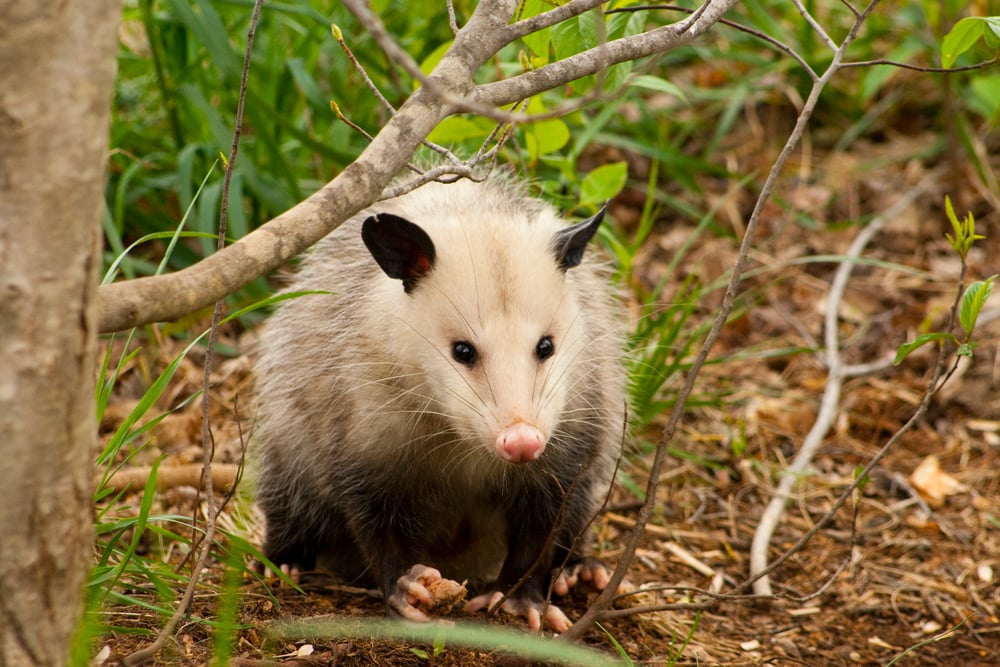
Out there among creatures playing possum stands alone. Hit with fear, muscles shut down without warning.
A nasty liquid leaks out, boosting the illusion. Four hours might pass before movement returns.
Predators often walk away from something they think won’t fight back. That silence? It keeps the animal alive.
Exploding as a Last Resort
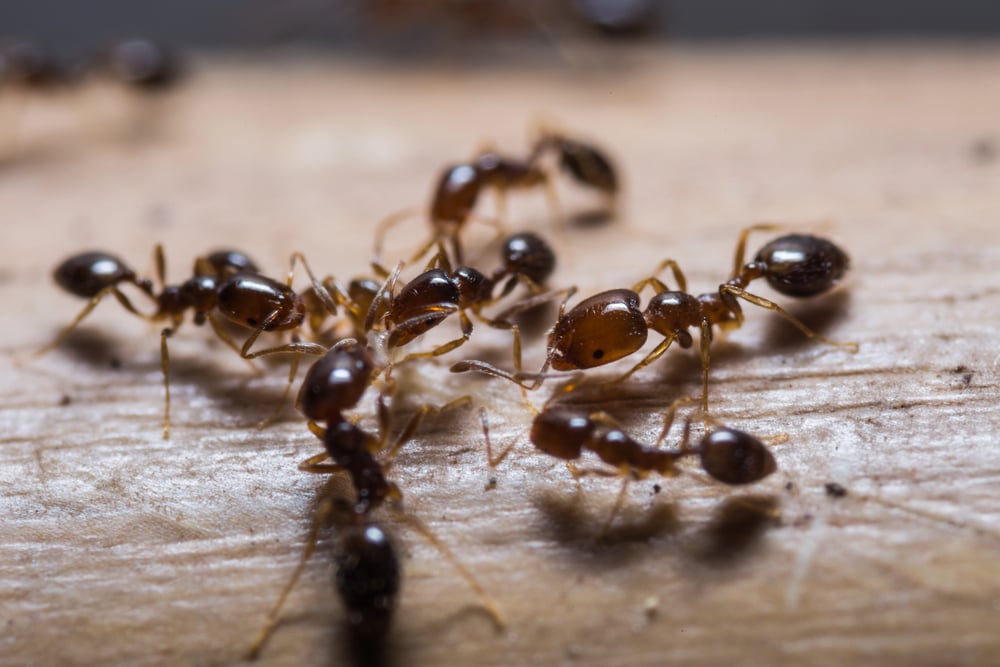
When trapped, some ants – like Camponotus saundersi – break open their bodies on purpose. Out pours a thick poison from their insides, gluing onto attackers close by.
Death follows fast for the insect, yet others in its group survive because of it. Loyalty doesn’t get more final than this.
Drinking Through the Skin
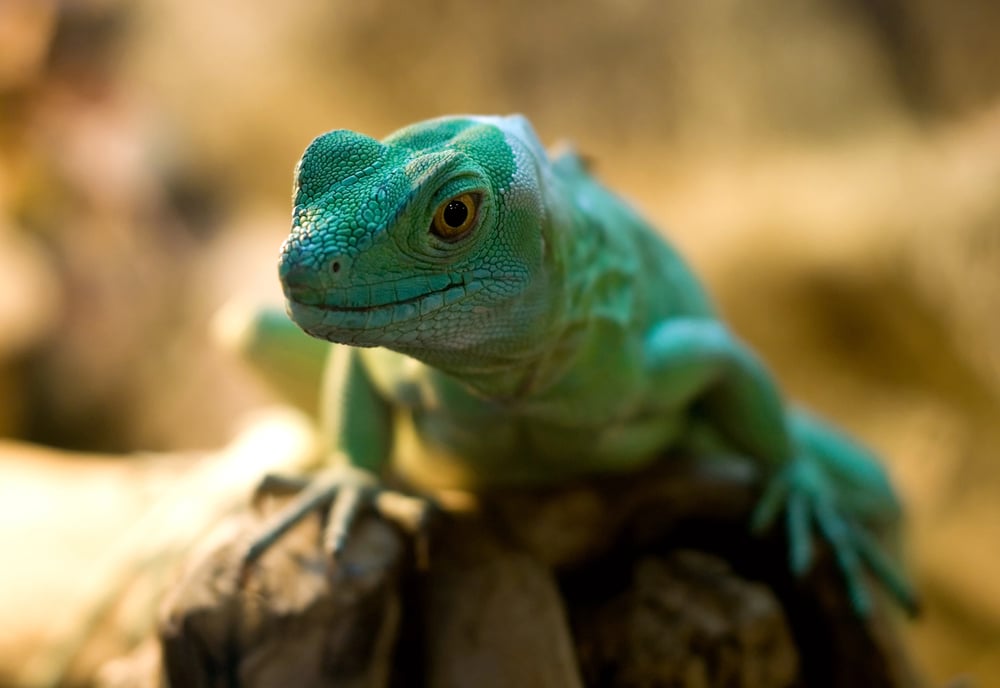
Out in the Australian wild, a spiky little lizard skips drinking altogether. Through microscopic channels in its skin, water creeps closer to its jawline.
Moisture moves on its own when the creature steps across wet ground. Just lingering on moist soil fills its needs quietly.
Hydration happens whether it wants it or not.
Shrinking to Survive
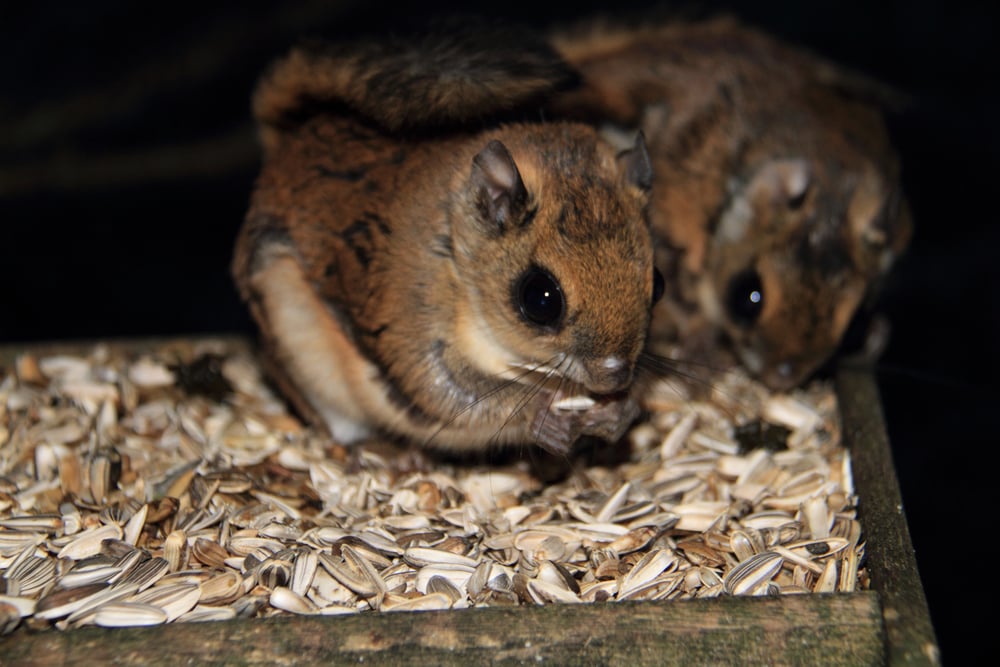
Winter brings strange changes for certain shrews and the Japanese dwarf flying squirrel – their bodies get smaller, even parts of the skull and brain. When meals grow thin, shrinking helps cut down on fuel demands.
As colder months fade, everything returns, piece by piece. Springtime acts like a quiet restart deep inside their bones.
Turning the Gut Inside Out

One strange trick keeps some ocean floor dwellers alive – when grabbed, they shoot out their insides through an opening. A surprised predator ends up chewing on what just flew free.
Those lost parts grow back later, slowly. While the hunter deals with a slimy surprise, the creature slips away.
Survival often comes down to timing plus a little mess.
Blood from the Eyes
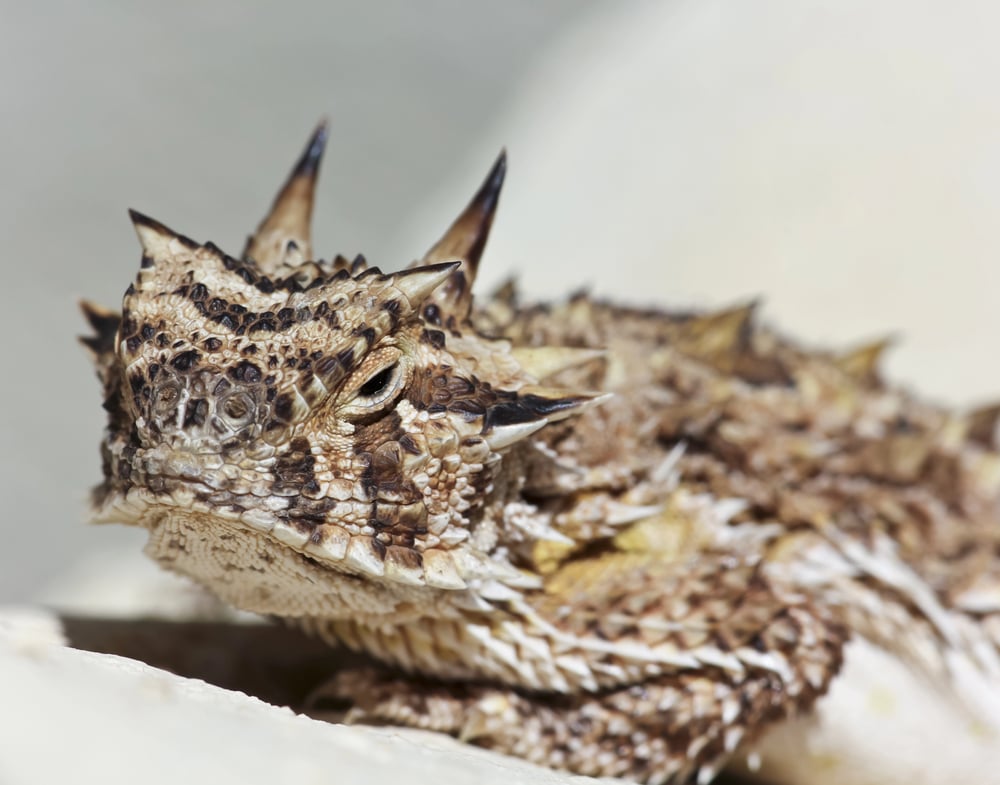
From its eyes, a squirt of blood comes when danger nears – that is how the North American horned lizard reacts. Pressure rises because blood cannot leave the skull easily.
When too much builds up, tiny veins by the eye give way. What spills out seems to repel hunters such as coyotes, likely due to flavor.
Few escapes are quite so startling when things turn grim.
Inside a Living Thing, Making Home Where Another Lives
A small sea creature called Cymothoa exigua slips into a fish through tiny openings near the head. Once inside, it latches onto the animal’s tongue without warning.
Slowly, day by day, the organ fades while the intruder takes over completely. From that point forward, what was once flesh becomes something else – still working much the same way.
Food still goes down, meals keep happening, life moves ahead for the host. What keeps the invader alive is slime and leftover bits floating around.
Strange? Yes. But survival happens anyway, even like this.
Using Tools for Protection
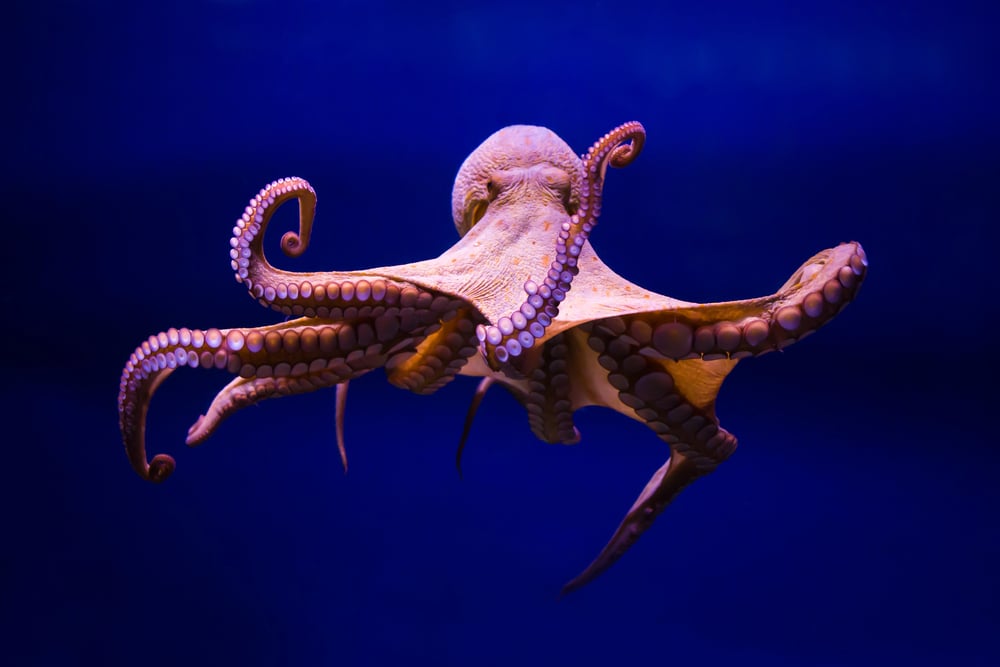
Underwater, a small octopus digs up coconut halves, dragging them across the seafloor. Should danger appear, it slips between the pieces like a hinged box closing.
Moving with an object meant for later hints at thinking ahead – an act rarely seen in spineless creatures. Experts point to this behavior as among the strongest signs of tool handling in non-primate animals.
Producing Antifreeze
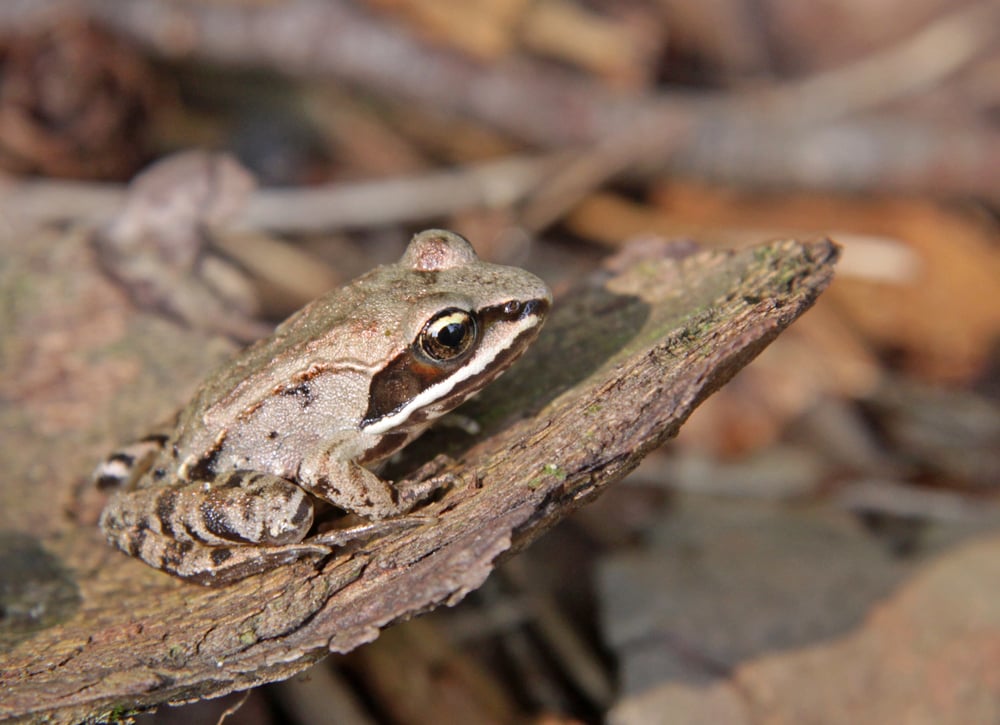
Winter hits, the wood frog shuts down. Ice fills its body, heartbeat gone, blood frozen stiff.
Proteins jump in – glucose spikes – cells stay safe. Warmth returns, ice melts, legs twitch back to life.
A hop. Then another. Like nothing happened.
Mimicking the Enemy
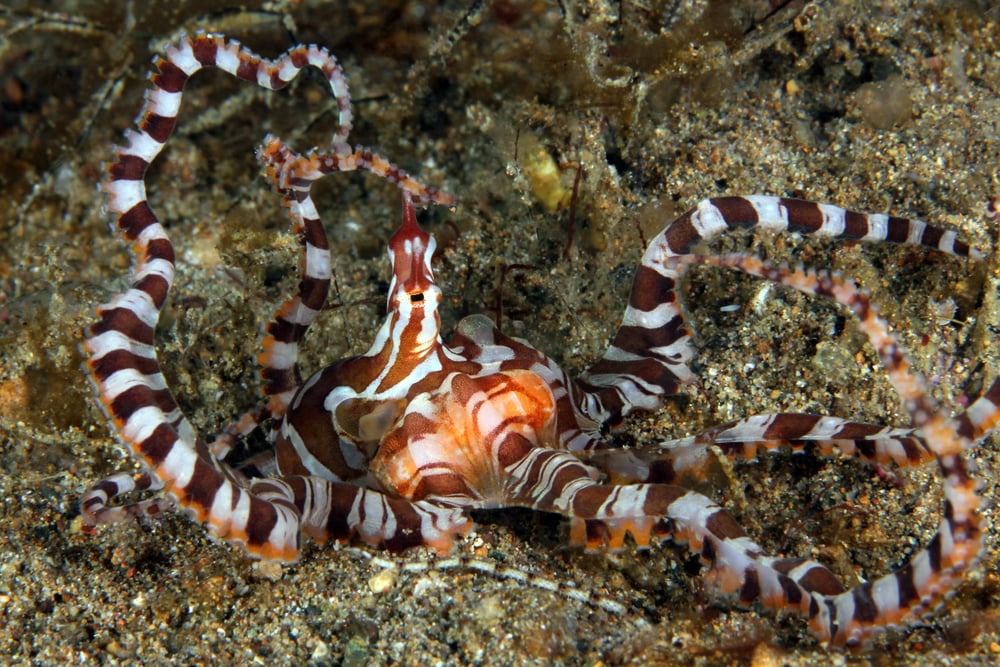
The mimic octopus takes a completely different approach to danger. It can reshape and color its body to impersonate dangerous animals like lionfish, flatfish, and sea snakes.
The imitation is detailed enough to fool real predators. When the actual threat does not exist nearby, the act works perfectly.
Releasing a Body Part on Purpose

Several lizards can shed their tails when caught by a predator, a process called autotomy. The detached tail keeps moving for a while, distracting the predator long enough for the lizard to escape.
A new tail grows back, though it is often made of cartilage instead of bone. Losing a tail is a much better outcome than losing a life.
Smelling Like Death
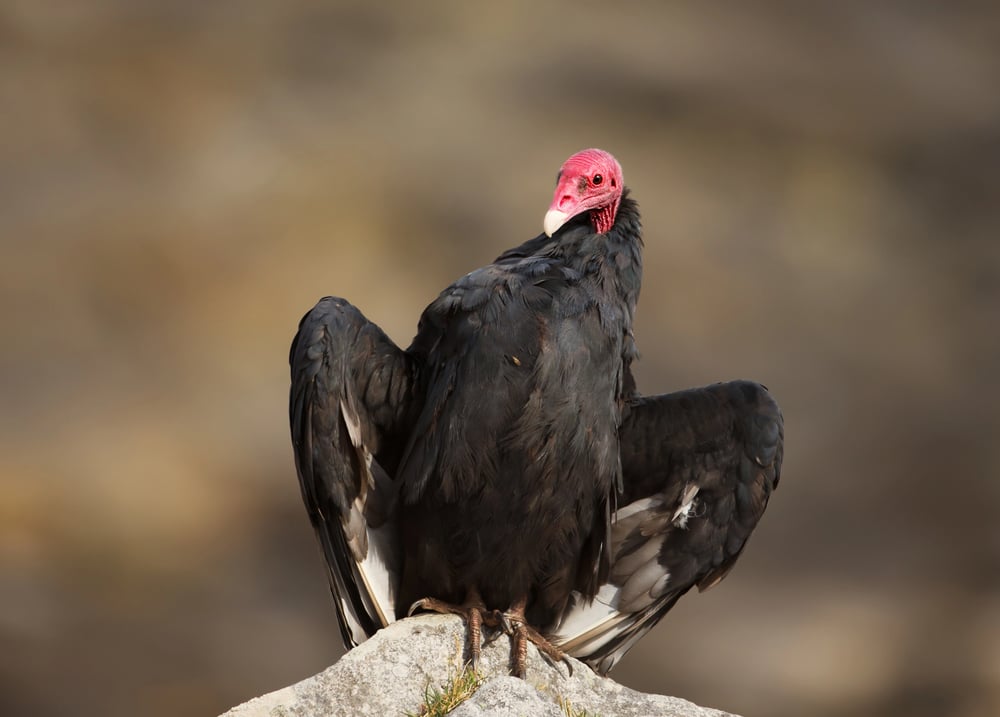
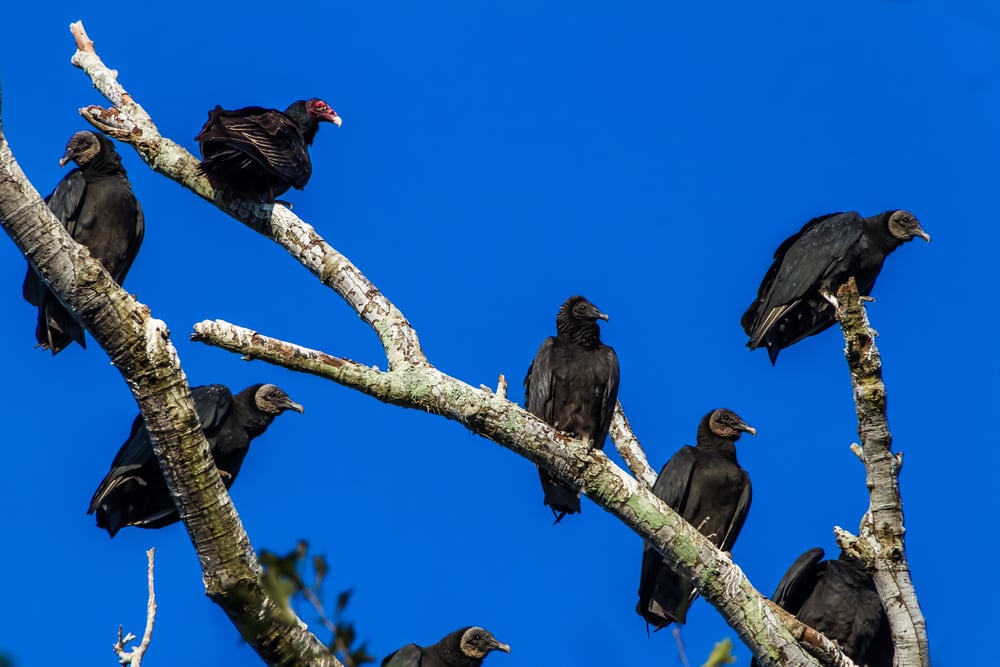
The turkey vulture has built its entire defense strategy around being disgusting. It vomits a foul-smelling stomach acid on threats that come too close, making itself an extremely unappealing target.
Since it feeds on carrion, its stomach is already full of bacteria-killing acids. Being gross is genuinely useful here.
Sleeping Through Danger
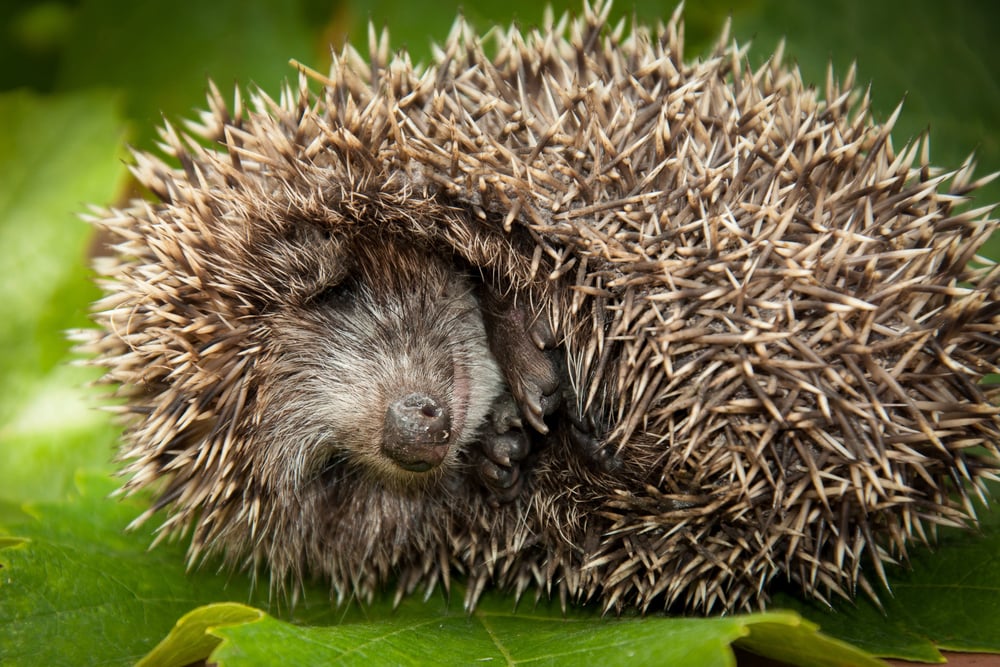
Some animals do not fight, flee, or hide. They simply sleep for months.
Hibernation reduces metabolism so drastically that a bear’s heart rate can drop from 55 beats per minute to just 8 during winter. The body lives off stored fat instead of food.
It is the quietest survival strategy on this list, and one of the most effective.
Forming Armies Without a Commander
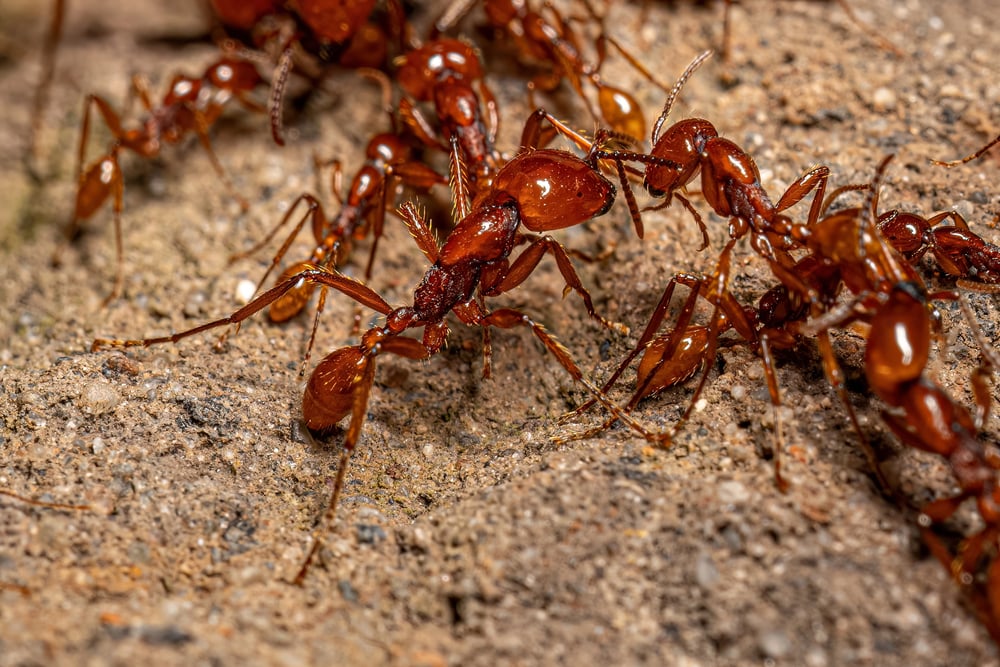
Army ants operate with no central leader directing traffic. Each ant follows simple chemical signals laid down by others, and together they form living bridges, walls, and attack formations.
The colony moves and hunts as a single unit. The strategy works because no one ant matters more than the whole, and the system functions even when individual ants fall.
Producing Light to Hunt
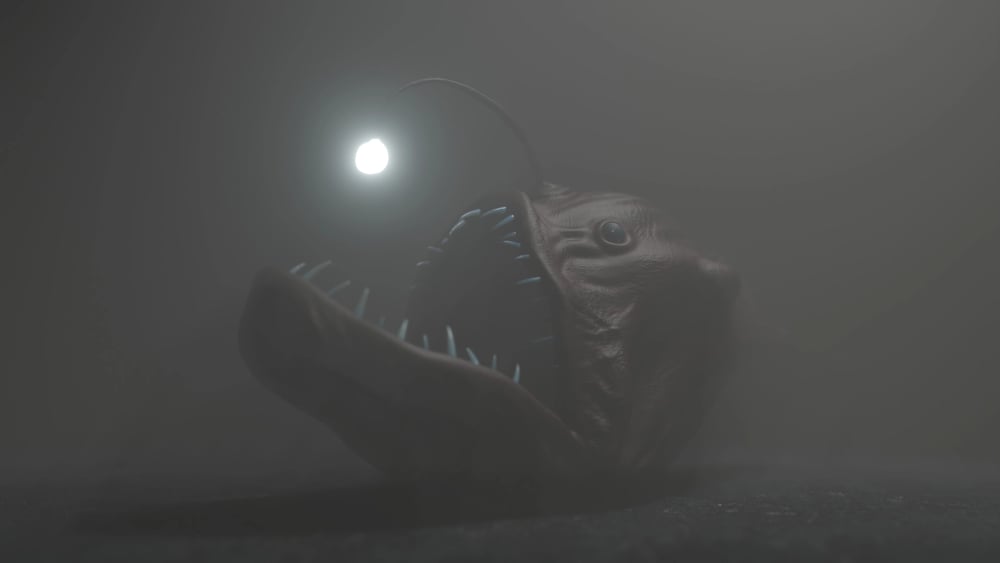
The deep-sea anglerfish dangles a bioluminescent lure in front of its mouth to attract prey in complete darkness. Small creatures swim toward the light, and the fish snaps them up.
The light is produced by bacteria living inside the lure in a mutually beneficial relationship. Attracting dinner instead of chasing it is a genuinely efficient strategy.
Survival is Stranger Than Fiction
These strategies prove that staying alive in the wild is rarely straightforward. An animal does not need to be the biggest or the fastest; it just needs a better idea than its predator.
From freezing solid to growing a replacement organ, nature keeps finding ways to stretch what seems possible. The wild is full of problem-solvers, and their solutions have been tested over millions of years.
More from Go2Tutors!

- The Romanov Crown Jewels and Their Tragic Fate
- 13 Historical Mysteries That Science Still Can’t Solve
- Famous Hoaxes That Fooled the World for Years
- 15 Child Stars with Tragic Adult Lives
- 16 Famous Jewelry Pieces in History
Like Go2Tutors’s content? Follow us on MSN.