Facts About Actors Who Played Movie Monsters
The people behind famous movie monsters often had fascinating lives that were just as interesting as the creatures they portrayed. These actors spent hours in uncomfortable makeup, couldn’t see properly through their costumes, and sometimes got treated badly by Hollywood despite creating characters that audiences loved.
Their stories reveal the human side of cinema’s most frightening figures. Many of them struggled with the fame that came from being unrecognizable on screen, while others embraced their monstrous roles and built entire careers around them.
Let’s look at some surprising facts about the actors who brought our favorite movie monsters to life.
Boris Karloff’s real name was William Henry Pratt
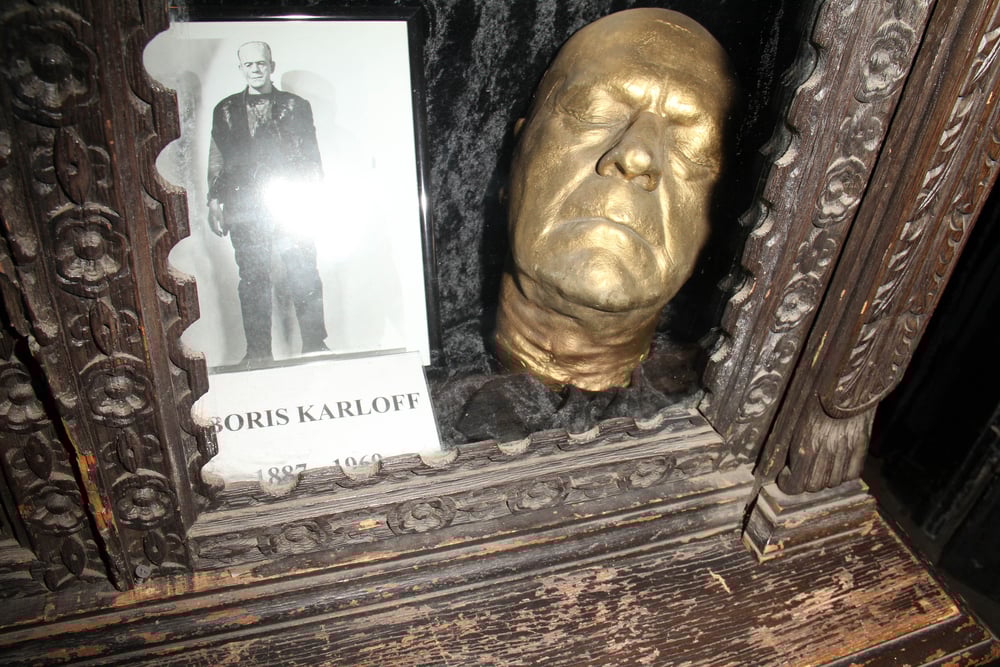
The man who became famous as Frankenstein’s monster was born in England with a very ordinary name. William Henry Pratt changed his name to Boris Karloff because he thought it sounded more mysterious and exotic for an actor.
He picked ‘Boris’ because it had a foreign sound that would make him stand out in Hollywood. The name change worked better than he could have imagined, and most people never knew his real identity until much later in his career.
Lon Chaney created his own makeup effects
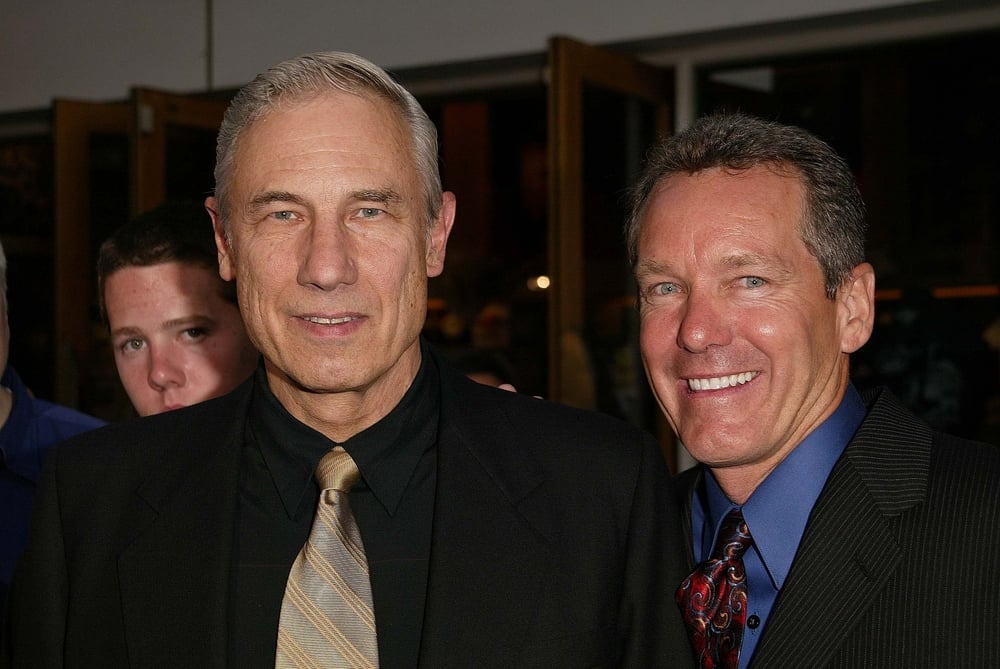
Known as ‘The Man of a Thousand Faces,’ Chaney designed and applied his own makeup for movies like The Phantom of the Opera and The Hunchback of Notre Dame. He used painful methods to transform himself, including devices that pulled his nose up with wires and materials that damaged his skin over time.
Chaney kept his techniques secret from other actors and studios, treating his makeup skills like a magician guards his tricks. His dedication to the craft was so intense that he sometimes injured himself permanently just to look convincing on screen.
Glenn Strange was a real cowboy before playing Frankenstein
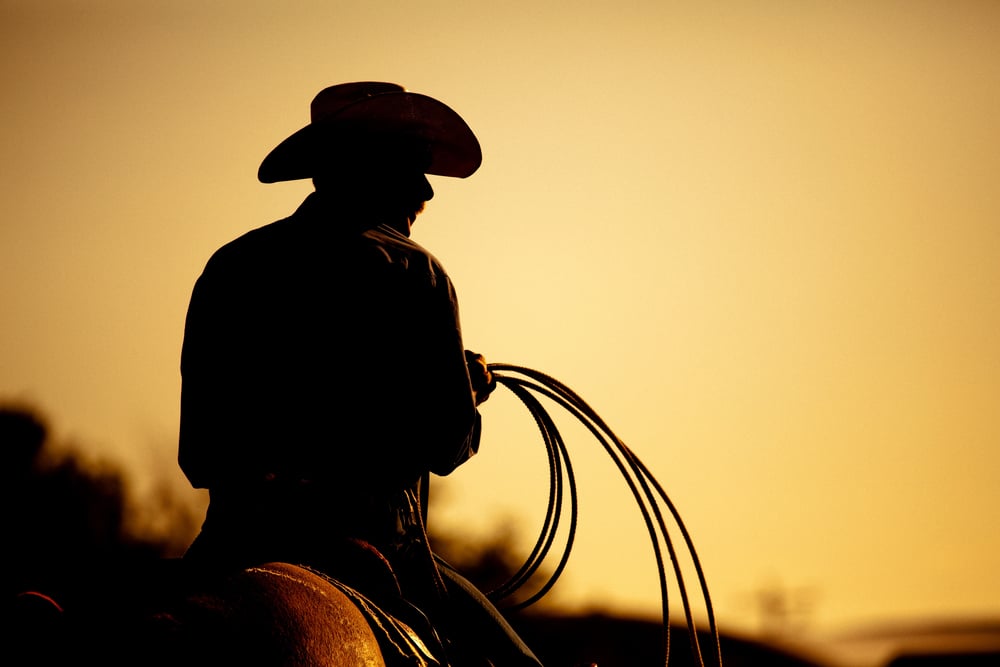
Before taking over the role of Frankenstein’s monster in the 1940s, Strange worked as an actual ranch hand and rodeo performer. He stood 6’5″ tall and had the perfect build for playing the monster, but his gentle personality was the complete opposite of the character.
Strange later became famous for playing Sam the bartender on the TV show Gunsmoke for over a decade. His friends joked that pouring drinks was a lot easier on his body than wearing all that monster makeup.
Bela Lugosi got buried in his Dracula cape

When Lugosi died in 1956, his family honored his most famous role by burying him wearing his Dracula costume. He’d played the vampire so many times that the role completely defined his career and life.
Lugosi actually slept in a coffin at home sometimes to stay in character and promote his movies. The cape burial seemed fitting for an actor who could never escape the shadow of the count, even though he desperately wanted to play other types of roles.
Kevin Peter Hall played two famous monsters
Hall wore the Predator costume in both Predator movies and also played the friendly alien in Harry and the Hendersons. Standing at 7’2″ tall, he was one of the few actors who could bring physical presence to these larger-than-life creatures.
Despite his height, Hall was known for being incredibly kind and patient on set, even when the heavy costumes made filming miserable. Tragically, he died in 1991 at just 35 years old from complications after a car accident.
Doug Jones performs in monster suits without CGI enhancement

Jones has played more practical-effect monsters than almost any modern actor, including the Amphibian Man in The Shape of Water and Abe Sapien in Hellboy. He’s incredibly thin and flexible, which allows him to move in ways that look otherworldly and strange on camera.
Jones studied mime and physical theater, which helps him create unique personalities for creatures that often can’t speak. He’s spent so much time in prosthetics and makeup that he jokes about knowing every makeup artist in Hollywood by their coffee order.
The original King Kong was an 18-inch model

While not technically an actor, the person who animated Kong deserves credit for bringing the monster to life through painstaking stop-motion work. Animator Willis O’Brien moved the model tiny amounts between each frame, spending weeks to create minutes of footage.
The work was so tedious and time-consuming that O’Brien’s eyesight suffered from the strain of focusing on such detailed movements. His pioneering techniques influenced every monster movie that came after, even though most audiences assumed they were watching a real giant ape.
Ricou Browning held his breath for underwater Creature scenes

In Creature from the Black Lagoon, two different actors played the monster depending on whether scenes took place on land or underwater. Browning performed all the underwater sequences without scuba gear because air bubbles would have ruined the shots.
He could hold his breath for up to four minutes while swimming in the heavy rubber suit. The costume was so tight and restrictive that Browning lost weight during filming and had to be careful not to pass out underwater.
Ron Perlman spent four hours daily getting Hellboy makeup
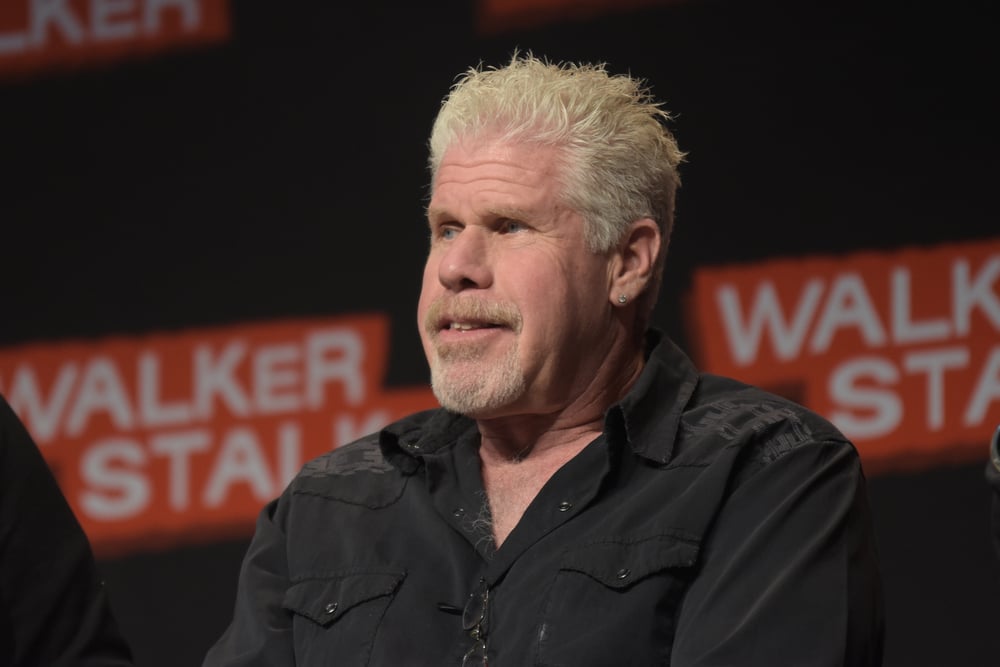
Every single day of filming Hellboy required Perlman to sit in a makeup chair starting at 3 or 4 in the morning. The process involved applying prosthetics to his entire face and body, along with the character’s distinctive horns and red skin.
After long days of shooting, removing everything took another hour or more. Perlman did this for two complete movies plus promotional appearances, showing dedication that went way beyond just memorizing lines and hitting marks.
Andy Serkis revolutionized motion-capture monster acting

Serkis brought Gollum to life in The Lord of the Rings movies using motion-capture technology that recorded his movements and expressions. He performed every scene on set with the other actors, crawling around and doing the voice, even though he knew he’d be replaced by a digital character later.
His work proved that motion-capture performance was real acting, not just special effects. Serkis went on to play King Kong, Caesar in the Planet of the Apes movies, and Supreme Leader Snoke in Star Wars using the same techniques.
Christopher Lee actually met real-life inspiration for Dracula
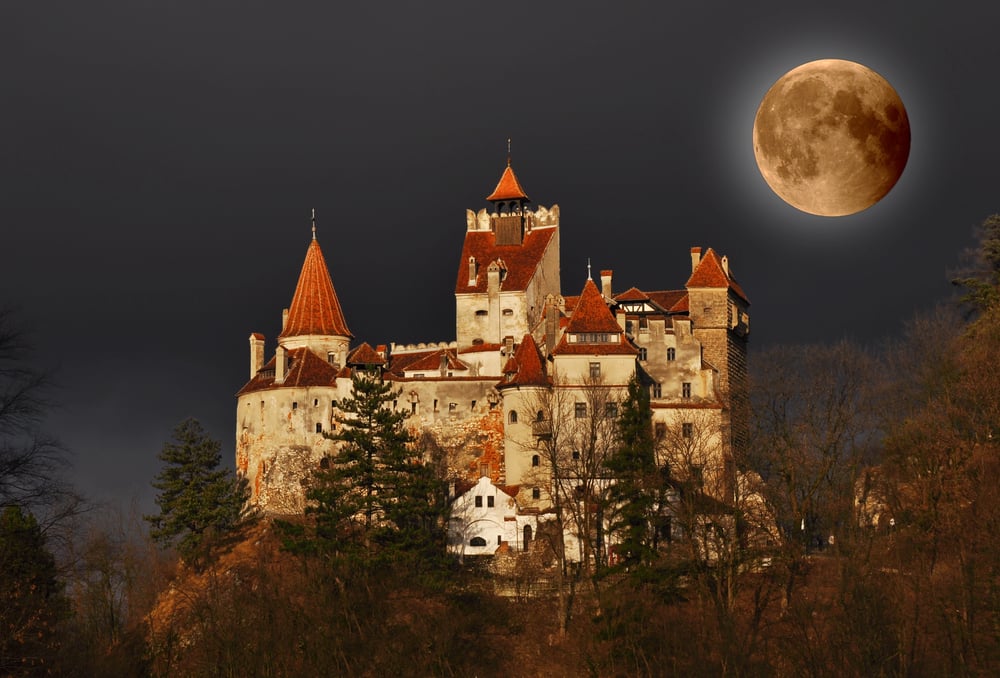
Lee played Dracula more times than any other actor, appearing as the vampire in at least ten different films. He claimed to have met a man who knew Bram Stoker, the author who created Dracula, creating a direct link between the fictional character and Lee’s portrayal.
Lee spoke multiple languages and did extensive research into vampire folklore from different cultures. He once corrected director Tim Burton about the sound a person makes when stabbed, based on Lee’s own experiences during World War II.
Mitico Torres taught Michael Myers how to move
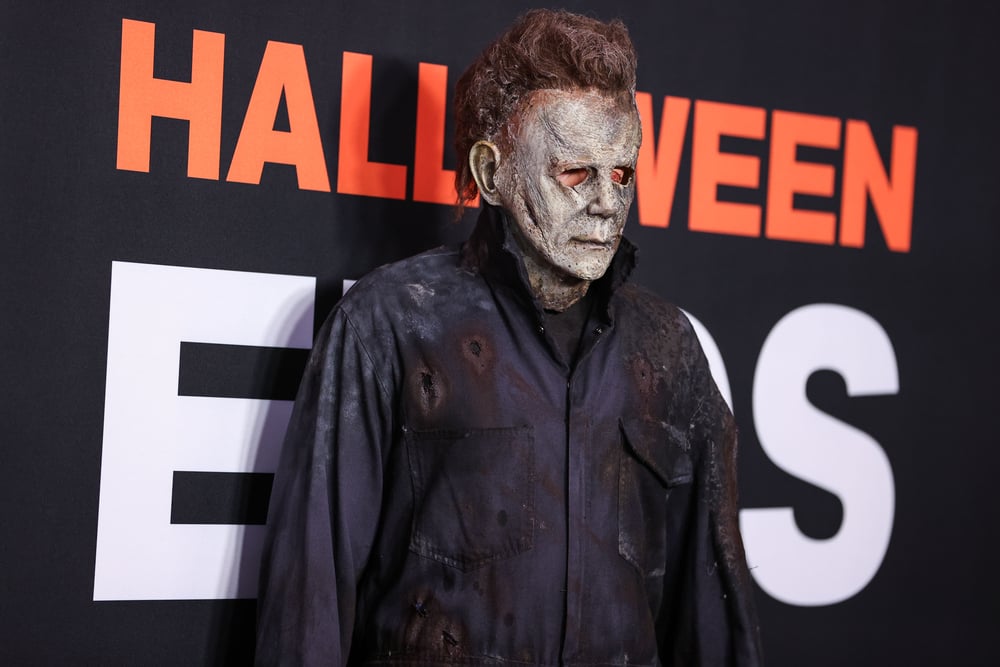
The actor inside the Michael Myers mask in the original Halloween was Nick Castle, but he studied under mime artist Torres to develop the character’s distinctive slow, mechanical walk. Castle wanted Myers to move like something inhuman stalking its prey rather than a regular person.
The blank, emotionless movements made the character more frightening than any special effects could have achieved. Castle only did one day of actual filming, but his performance defined how movie killers would move for decades afterward.
Warwick Davis was just 11 years old in his first monster role

Davis made his film debut playing an Ewok in Return of the Jedi while still in elementary school. His grandmother saw an ad looking for little people to play the fuzzy creatures and encouraged him to audition.
Davis went on to play the title character in the Leprechaun horror series and appeared in numerous other fantasy and sci-fi films. Despite spending much of his career in costumes and makeup that hide his face, Davis became one of the most recognizable little people in Hollywood.
Tom Woodruff Jr. performed inside the Alien costume while designing it
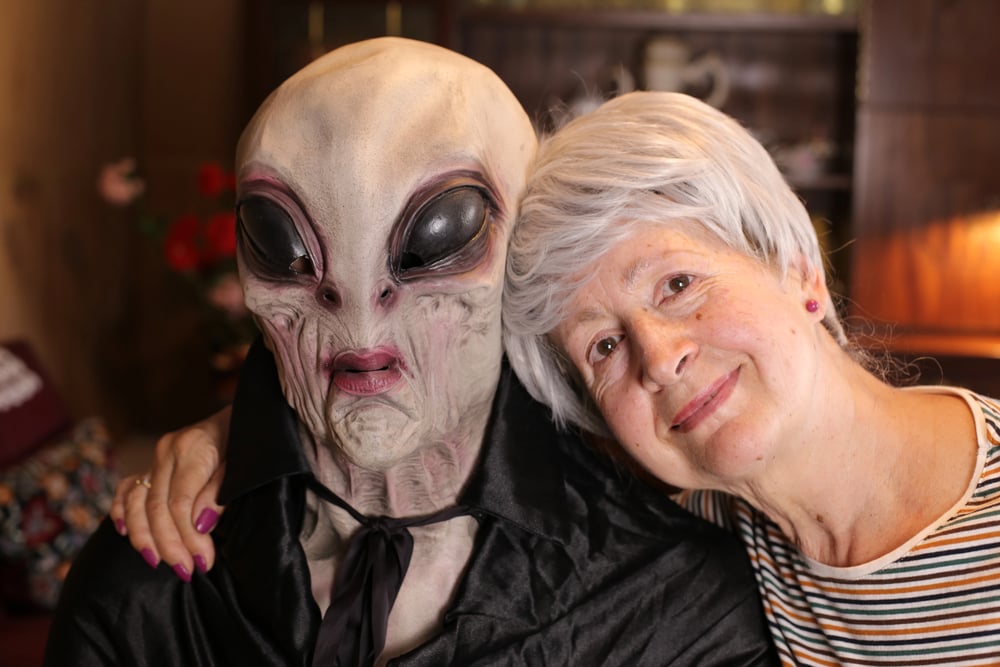
Woodruff took over creature design and performance for the Alien franchise starting with Alien 3, creating the monsters while also wearing the suits. He had to balance making designs that looked scary with ensuring he could actually breathe and move inside them during filming.
The Alien costume reached temperatures over 100 degrees inside, and Woodruff regularly lost several pounds during a single day of shooting. His company has created creatures for over 300 films, but he still gets inside the suits himself when possible.
Bill Skarsgård practiced his Pennywise smile for months
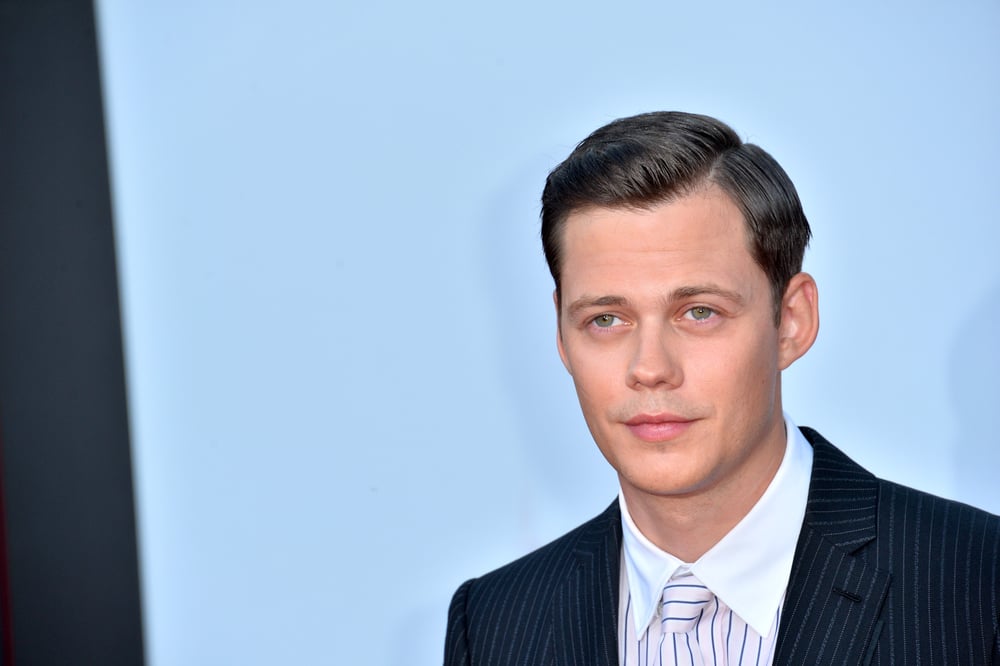
To play the terrifying clown in the recent It movies, Skarsgård taught himself to move his eyes in different directions and contort his face in disturbing ways. He spent months practicing in front of mirrors at home, freaking out his family and friends.
The character’s unnatural movements came from Skarsgård’s own physical training rather than special effects or CGI enhancement. He said getting into Pennywise’s headspace was so dark and unsettling that he needed time to decompress after filming each day.
Gunnar Hansen kept his Leatherface costume after filming
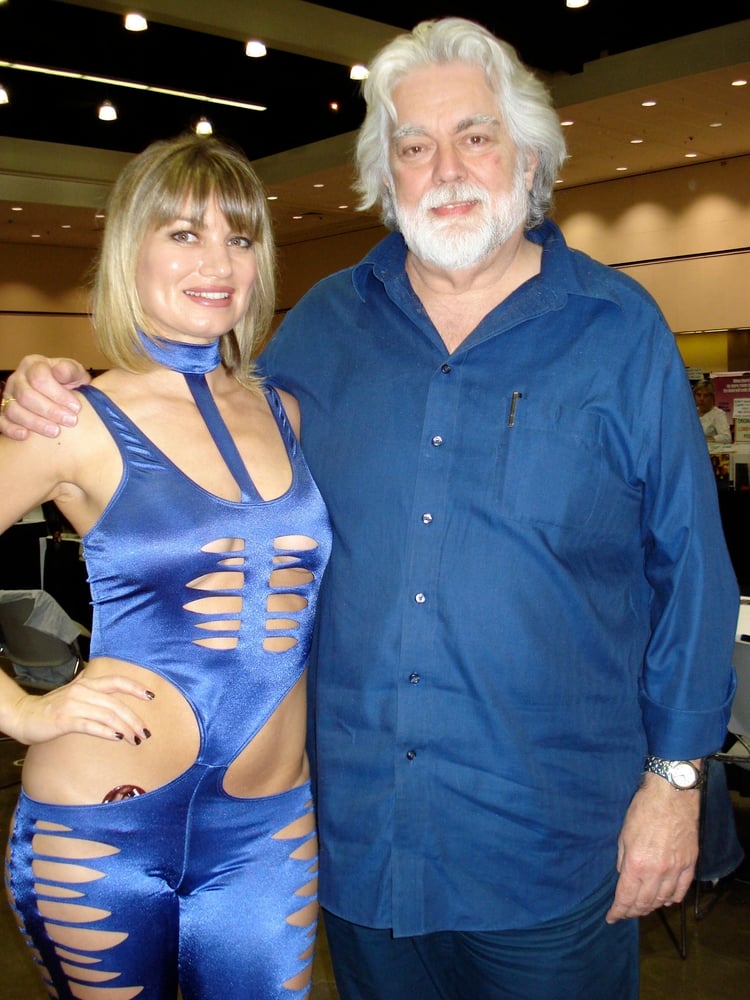
Hansen played the chainsaw-wielding killer in the original Texas Chain Saw Massacre and kept the mask as a memento. The production was so low-budget and chaotic that nobody seemed to care about tracking props and costumes.
Hansen wore the same filthy clothes throughout the entire shoot in brutal Texas heat, and the costume started to smell so bad that other actors complained. Years later, Hansen said he wished he’d burned the outfit because of the horrible memories attached to it.
The actors barely got paid for iconic monster roles

Many of the actors who created cinema’s most famous monsters earned very little money, especially for their first appearances in these roles. Karloff made about $125 per week playing Frankenstein’s monster, which wasn’t much even in 1931.
The studios owned the characters and made millions while the actors struggled financially. Lugosi nearly broke despite Dracula being one of the most recognized characters in movie history.
This pattern continued for decades, with character actors in heavy makeup and costumes getting far less recognition and payment than stars whose faces appeared on screen.
Behind the mask and makeup

The actors who played movie monsters often sacrificed comfort, health, and recognition to create characters that would outlive them. Their faces stayed hidden behind latex and rubber while the creatures they brought to life became famous around the world.
Many struggled with being typecast or forgotten while the monsters they played became cultural icons. But without their dedication to the craft, willingness to endure physical discomfort, and ability to create compelling performances through layers of makeup and costumes, cinema would have lost some of its most memorable characters.
These unsung performers deserve to be remembered as the talented artists they were, not just the scary faces they showed on screen.
More from Go2Tutors!

- The Romanov Crown Jewels and Their Tragic Fate
- 17 Halloween Costumes Once Considered Taboo
- Famous Hoaxes That Fooled the World for Years
- 15 Child Stars with Tragic Adult Lives
- 16 Famous Jewelry Pieces in History
Like Go2Tutors’s content? Follow us on MSN.