13 Sports So Dangerous They Were Outlawed Worldwide
Throughout history, humans have pushed physical limits in the pursuit of competition, entertainment, and glory. Yet some athletic contests crossed boundaries of safety so dramatically that societies worldwide deemed them too hazardous to continue.
These banned sports reveal fascinating aspects of cultural values, evolving safety standards, and our complex relationship with risk and entertainment across different eras. The line between extreme sport and reckless endangerment isn’t always clear.
Here’s a list of 13 sports that proved so dangerous they ultimately faced global prohibition.
Mesoamerican Ballgame

Ancient Mesoamericans competed in a ritual sport where players struck a solid rubber ball using only their hips and thighs — sometimes with fatal consequences. The eight-pound ball traveled at speeds capable of causing severe internal injuries, concussions, and occasionally death on impact.
Modern governments prohibited revival attempts of the original dangerous version while allowing modified recreational forms with substantially reduced risks and protective equipment.
Roman Naumachia

Perhaps history’s most extravagant spectator sport — Romans flooded massive arenas to stage full-scale naval battles using condemned prisoners forced to fight to the death. Emperors commanded these elaborate water combats — involving thousands of participants — purely for entertainment value rather than military training.
The sheer resource requirements and horrific human cost eventually led to their abandonment — though not before claiming countless lives across the empire.
Like Go2Tutors’s content? Follow us on MSN.
Car Jumping

This short-lived 1970s phenomenon involved daredevils leaping over moving vehicles — a dangerous craze popularized by stuntman Henri LaMothe. Participants suffered countless broken bones, concussions, and worse when landings went wrong — which happened with alarming frequency.
Insurance companies refused coverage for organized competitions — effectively shutting down the nascent sport before international safety organizations could issue formal bans.
Zulu Stick Fighting to Death
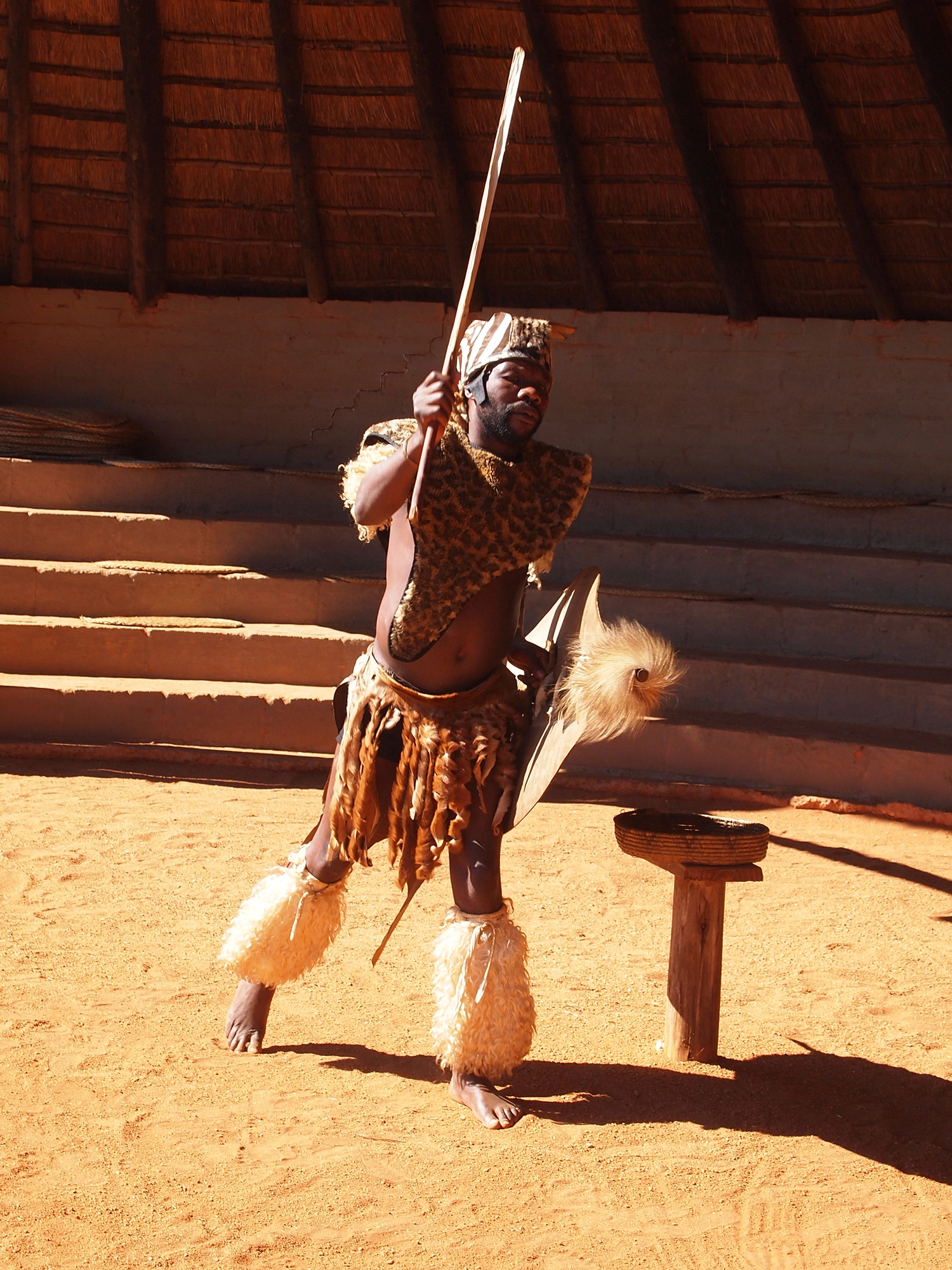
Traditional combat sport involving hardwood fighting sticks originally served as warrior training — though matches occasionally continued until fatality. Colonial authorities first restricted the practice, while modern South African law maintains prohibitions against lethal versions.
Ceremonial demonstrations with strict safety protocols continue under cultural heritage protections, yet the unrestricted combat form remains outlawed across former Zulu territories.
Motor-Skijoring
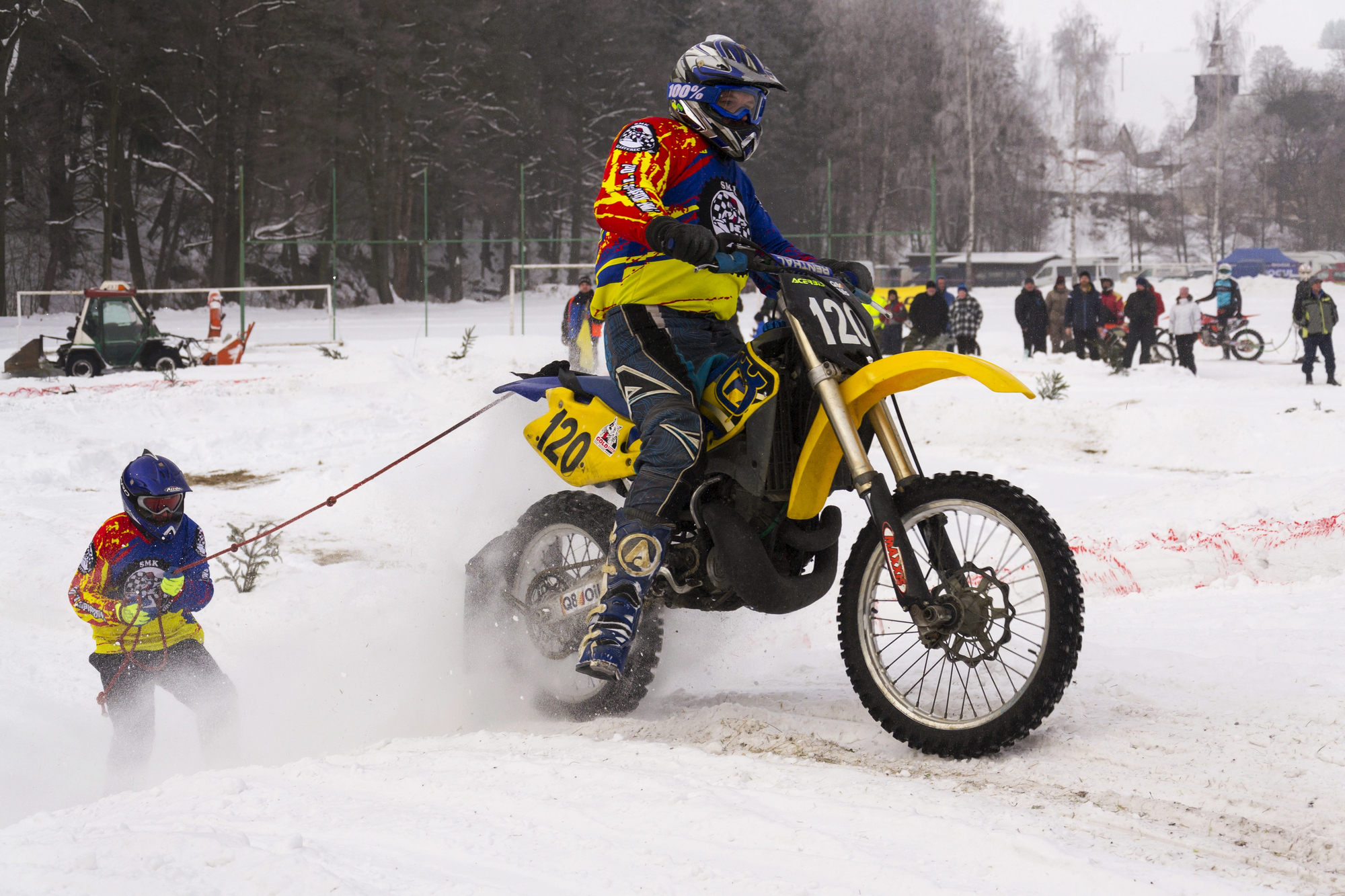
Early 20th-century thrill-seekers created this deadly combination of skiing while being pulled by motorcycles speeding up to 80 mph without standardized safety equipment. The unforgiving physics of sudden stops, combined with primitive equipment and unpredictable road conditions, resulted in numerous fatalities.
International sporting authorities banned professional competition after several high-profile deaths — though recreational variants behind snowmobiles continue with significant safety modifications.
Like Go2Tutors’s content? Follow us on MSN.
Human Cockfighting

This controversial fighting format emerged briefly in the 1990s — combining bare-knuckle striking with virtually no rules inside circular pits modeled after animal fighting arenas. The deliberate lack of medical oversight, time limits, or reasonable safety measures led to severe injuries among participants.
Athletic commissions worldwide rapidly banned these unregulated contests — forcing combat sports to adopt standardized protections before gaining legal recognition.
Firefighting Competitions
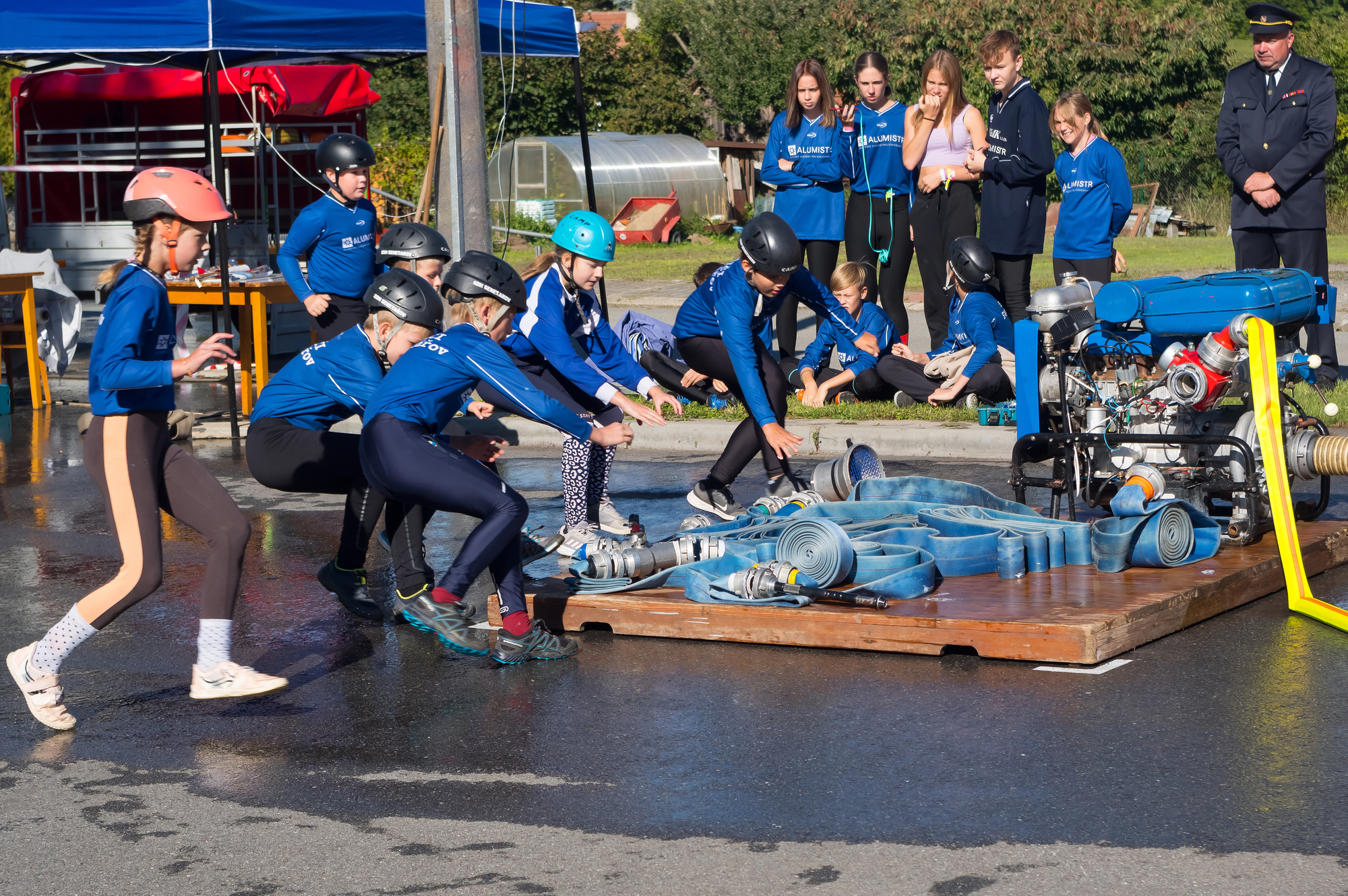
Victorian-era firefighters competed in bizarre races where teams deliberately set buildings ablaze, then attempted to extinguish the flames and rescue ‘victims’ faster than their opponents. These contests regularly resulted in severe burns, structural collapses, and fatalities among both competitors and spectators.
Modern fire safety regulations universally prohibit these dangerous exhibitions — replacing them with controlled technical challenges that test skills without the catastrophic risks.
Cave Diving Without Equipment

A brief but deadly underwater exploration trend involved pushing limits by navigating flooded cave systems with minimal or no specialized equipment. The combination of absolute darkness, complex navigation challenges, and limited air supplies created situations with zero margin for error.
International diving organizations now require certification, redundant air supplies, and specialized training — effectively prohibiting the minimal-equipment approach that claimed numerous lives.
Like Go2Tutors’s content? Follow us on MSN.
Sulfur Mining Games
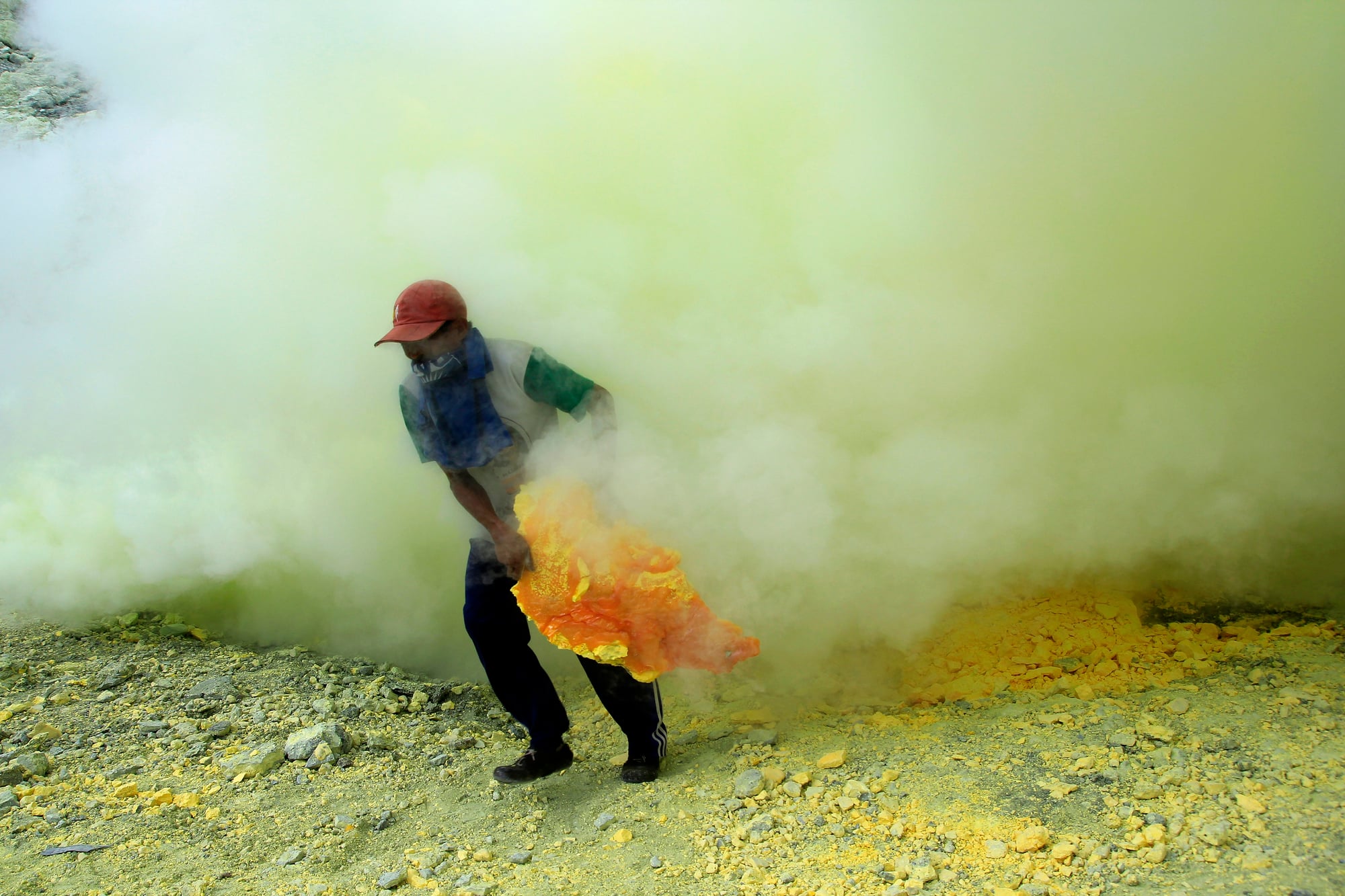
Workers in Indonesia’s dangerous volcanic mines once competed in speed-based challenges carrying massive sulfur loads without protective equipment through toxic gas clouds. These informal competitions resulted in chronic respiratory damage, chemical burns, and occasional deaths from poisonous fume exposure.
Health regulations now prohibit unprotected mining activities globally — though enforcement remains challenging in remote areas where informal competitions occasionally still occur.
Fox Tossing

Aristocratic Europeans once participated in this bizarre 17th-century contest where pairs of participants wielded sling-like devices to launch foxes and other animals high into the air. The cruel spectacle frequently injured participants when panicked animals fought back with claws and teeth.
Animal welfare laws eventually prohibited this blood sport throughout Europe — though not before countless animals and some human participants suffered serious injuries.
Train Surfing

Thrill-seekers created an informal extreme sport involving riding atop moving trains — a practice that spread across multiple countries despite horrific fatality rates. Beyond obvious risks of falls, participants frequently suffered electrocution from overhead power lines or decapitation from tunnels and bridges.
Transportation authorities worldwide implemented physical barriers, surveillance systems, and severe penalties after educational campaigns failed to deter participants.
Like Go2Tutors’s content? Follow us on MSN.
War Elephant Battles
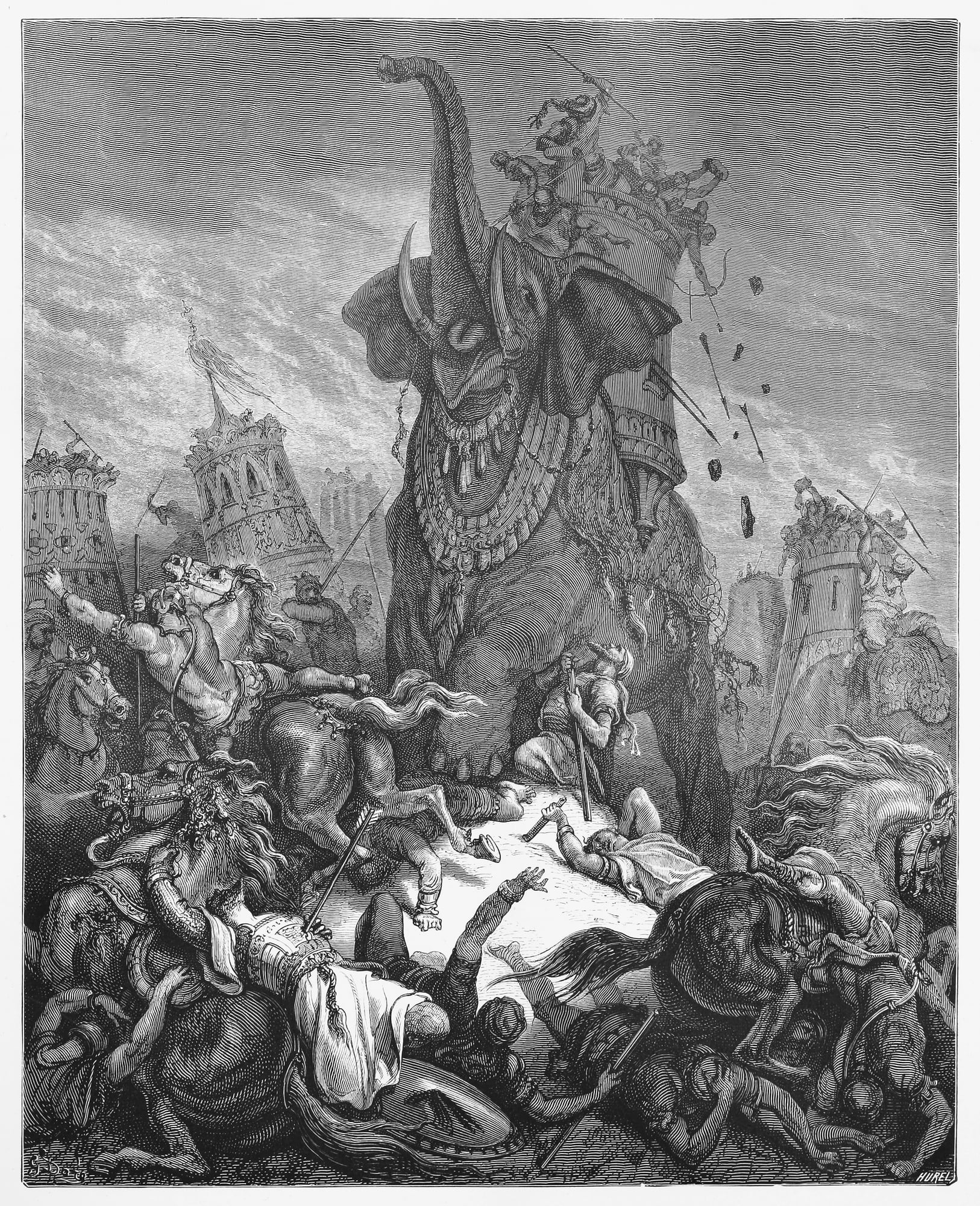
Ancient Asian kingdoms staged spectacular competitions between war elephants trained to fight with armored tusks and carrying warrior handlers. These events resulted in numerous human casualties when panicked elephants charged into spectator areas or trampled their handlers.
The combined humanitarian concerns and military obsolescence eventually ended these displays — though historical reenactments occasionally occur using carefully choreographed demonstrations without actual combat.
Radical Heights

This extreme sport emerged briefly in the 1990s, combining freestyle motocross jumps over increasingly deadly gaps with minimal landing zones. The mathematical impossibility of safely landing certain featured jumps led to multiple fatalities during its short existence.
International sporting bodies refused to sanction events after medical experts demonstrated that even perfect execution of some jumps produced impact forces beyond human survival thresholds.
Evolving Standards of Risk

These prohibited activities highlight society’s evolving relationship with danger and entertainment. Modern safety standards have pushed dangerous competitive impulses into channels with reasonable risk management protocols.
Looking at these outlawed sports reveals that society hasn’t eliminated risk-taking from athletics — we’ve simply drawn clearer boundaries between acceptable challenge and reckless endangerment. The human appetite for pushing limits continues, yet with greater awareness of where thrilling competition crosses into unjustifiable hazard.
Like Go2Tutors’s content? Follow us on MSN.
More from Go2Tutors!

- 18 Unexpectedly Valuable Collectibles You Might Have Lying Around
- 15 Things Every Teenager in the ’70s Did That Teens Today Wouldn’t Understand
- 15 Strange Things People Have Tried to Ban (And Failed)
- 15 Inventions That Were Immediately Banned After Being Created
- 20 Actors Who Were Almost Cast in Iconic Roles
Like Go2Tutors’s content? Follow us on MSN.