16 Times History Nearly Took a Very Different Turn
History often hangs by a thread—decisive moments where events could have veered dramatically in another direction. Behind the timeline we know lie countless alternate paths, forgotten close calls, and near misses that would have transformed our world entirely.
These crucial junctures remind us how fragile the course of human events truly is. Here is a list of 16 moments when history nearly took a completely different direction, altering the world as we know it today.
The Cuban Missile Crisis
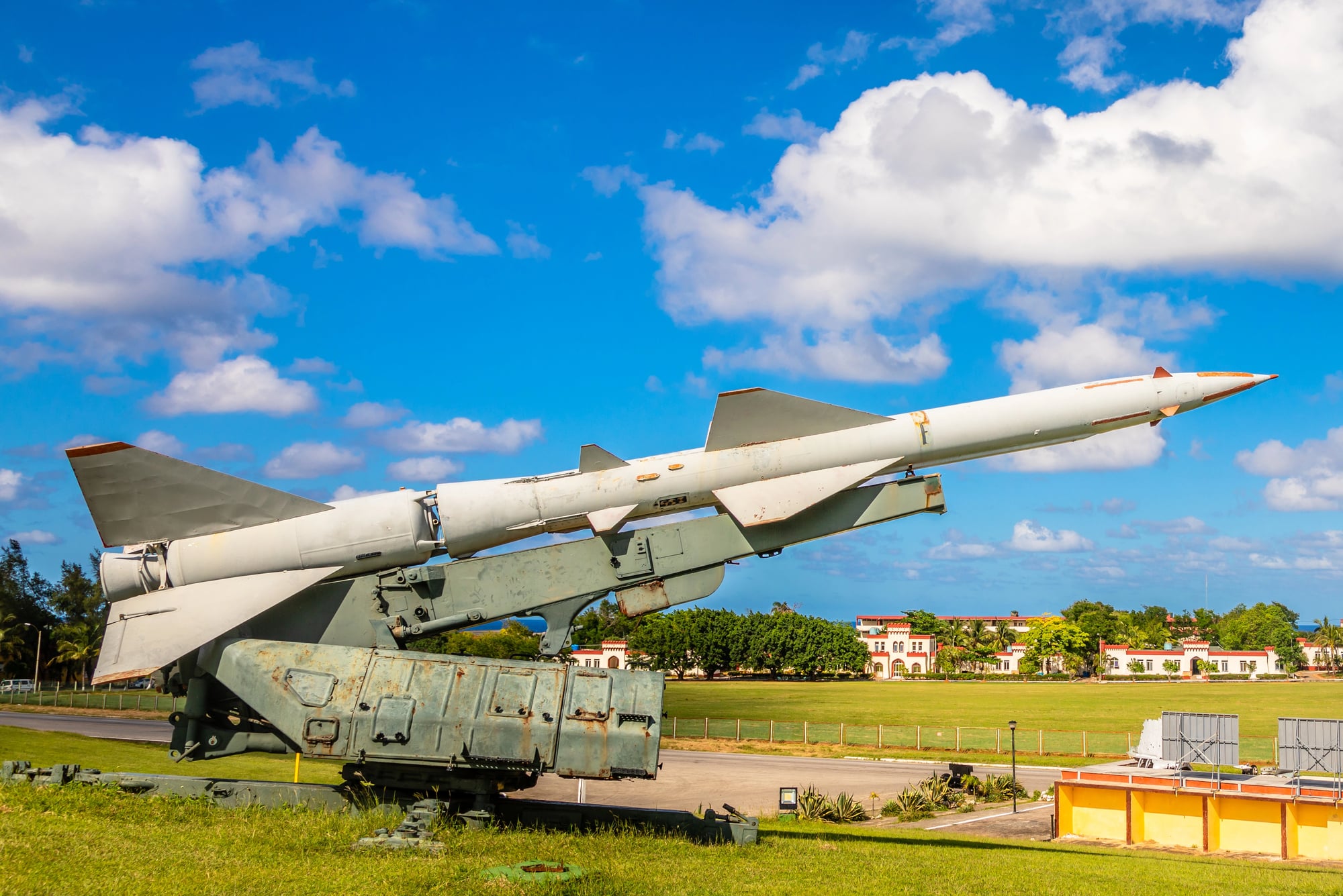
In October, the world stood at the brink of nuclear war. Soviet submarine B-, armed with nuclear torpedoes, was depth-charged by American forces unaware of its nuclear capability.
Unable to communicate with Moscow, the submarine commanders debated launching their weapon. Only the dissent of one officer, Vasili Arkhipov, prevented a nuclear launch that would have triggered a global catastrophe.
The Assassination of Archduke Franz Ferdinand
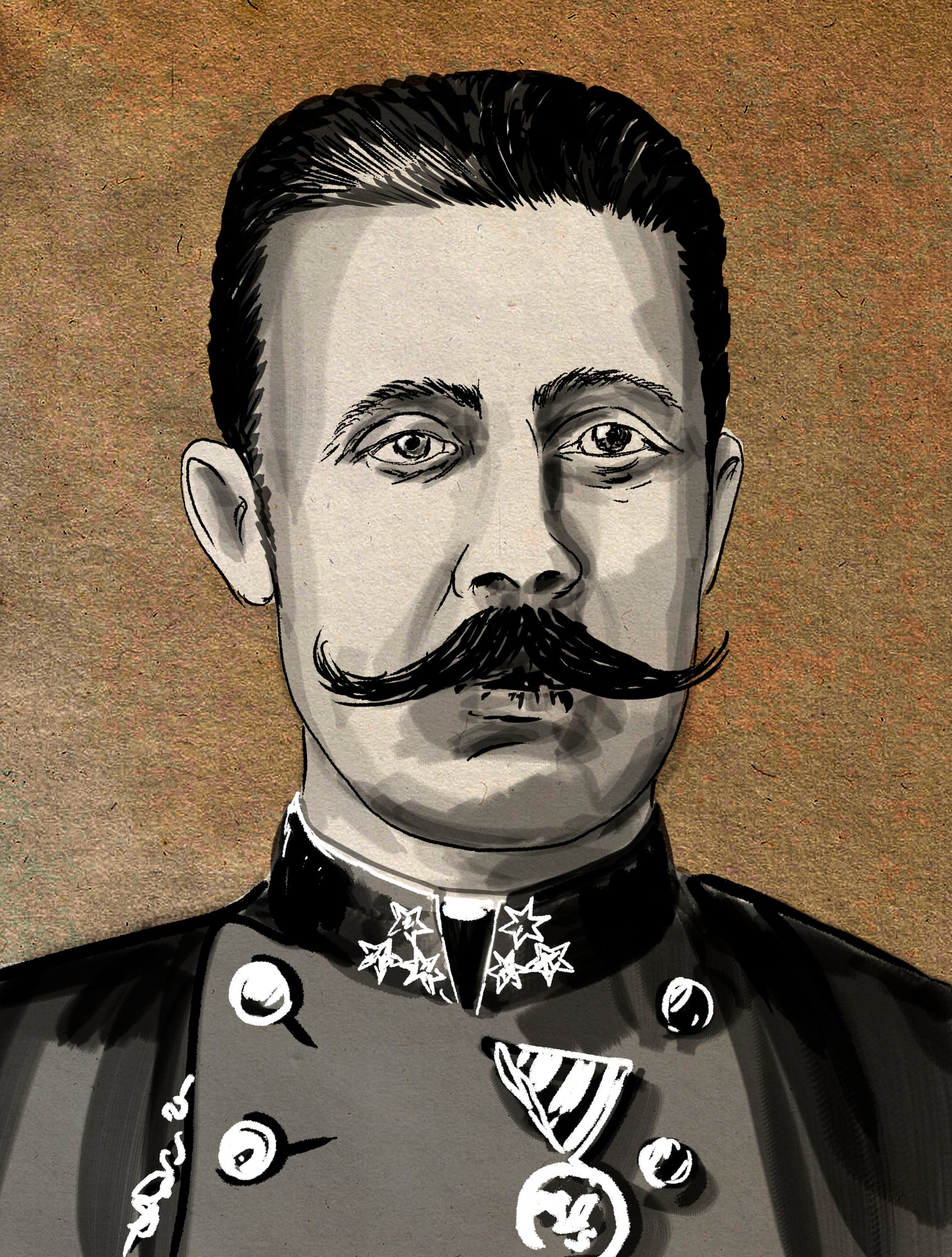
The spark that ignited World War I almost never happened. The initial bomb thrown at Ferdinand’s car bounced off and exploded beneath the following vehicle.
After this failed attempt, the archduke’s driver took a wrong turn, accidentally stopping directly in front of assassin Gavrilo Princip who had given up and was eating a sandwich at a café. This improbable coincidence provided the perfect opportunity for Princip to fire the shots that would reshape the century.
Lincoln’s Theater Guard
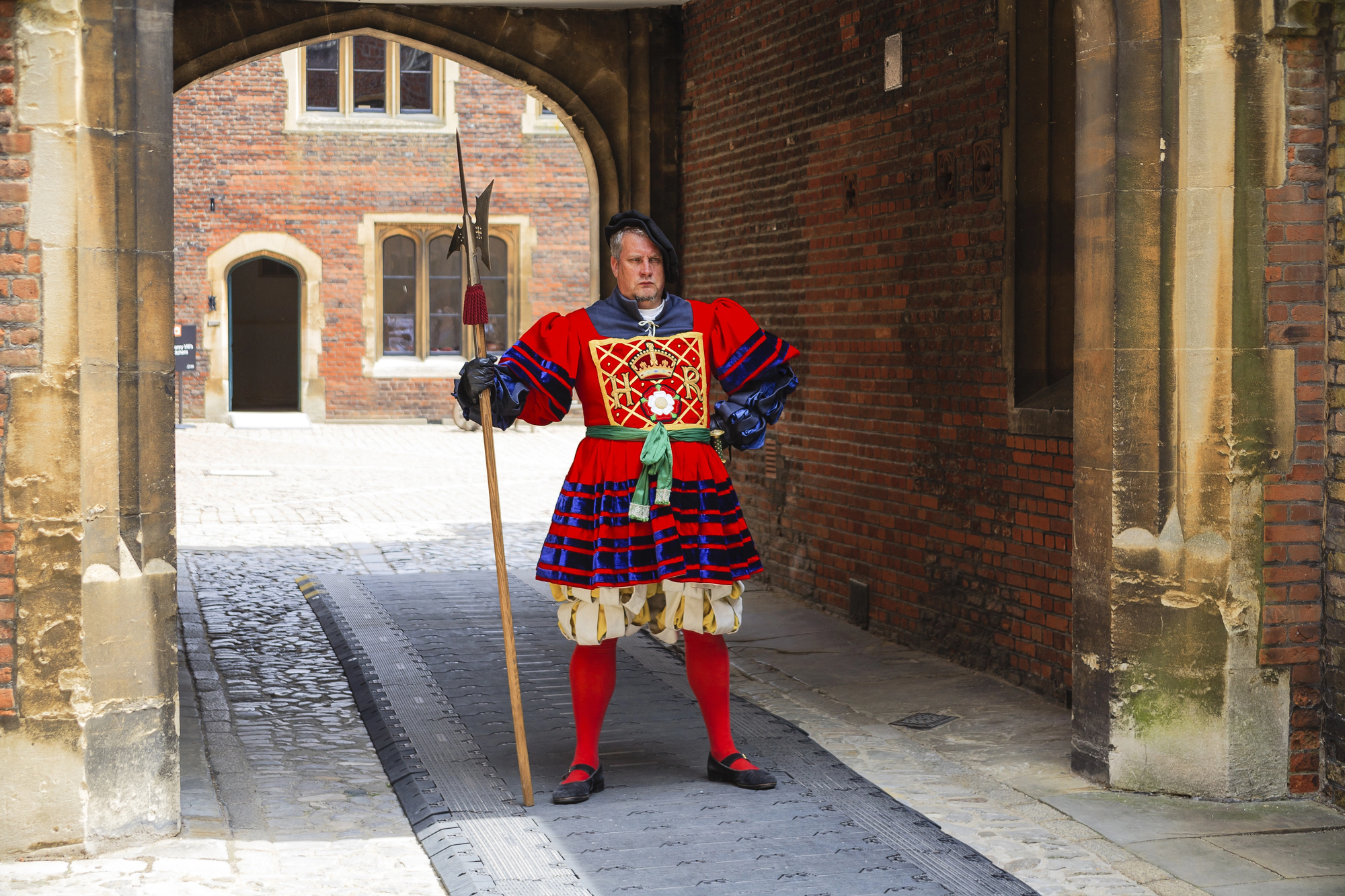
John Frederick Parker was assigned to guard President Abraham Lincoln at Ford’s Theatre on April, . During the performance, Parker abandoned his post outside the presidential box to watch the play and later ventured to a nearby tavern for drinks.
This dereliction of duty left Lincoln completely unprotected when John Wilkes Booth entered the box. Had Parker remained at his post, American Reconstruction might have followed a dramatically different path under Lincoln’s leadership.
The Battle of Britain
The Nazi air campaign against Britain in nearly succeeded. After devastating initial attacks on RAF airfields and infrastructure, Hitler suddenly changed strategy, focusing on bombing London instead of military targets.
This decision gave British air defenses crucial time to recover and regroup. Had Hitler continued targeting airfields for just two more weeks, military historians believe Britain’s air defenses would have collapsed, potentially opening the door to invasion.
The Beijing Hotel Bookstore
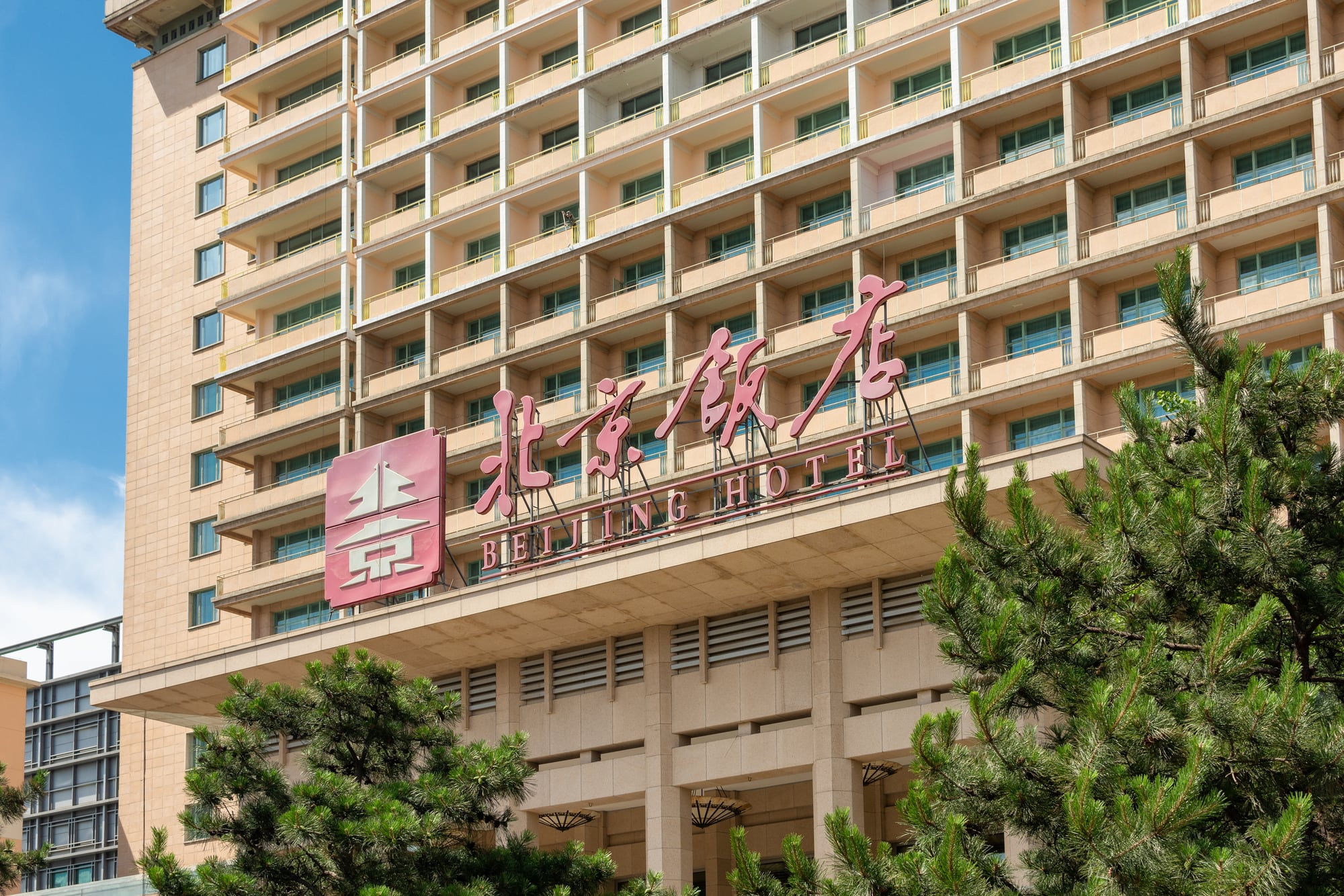
A young Mao Zedong worked as a library assistant at Beijing University in . He had applied for permission to study in France as part of a work-study program but was rejected.
Had Mao been accepted, he would have joined other Chinese intellectuals in Paris, potentially altering his political development and the entire future of China. Instead, he remained in China, where his revolutionary ideas took root and eventually transformed the nation.
Hitler’s Art School Application
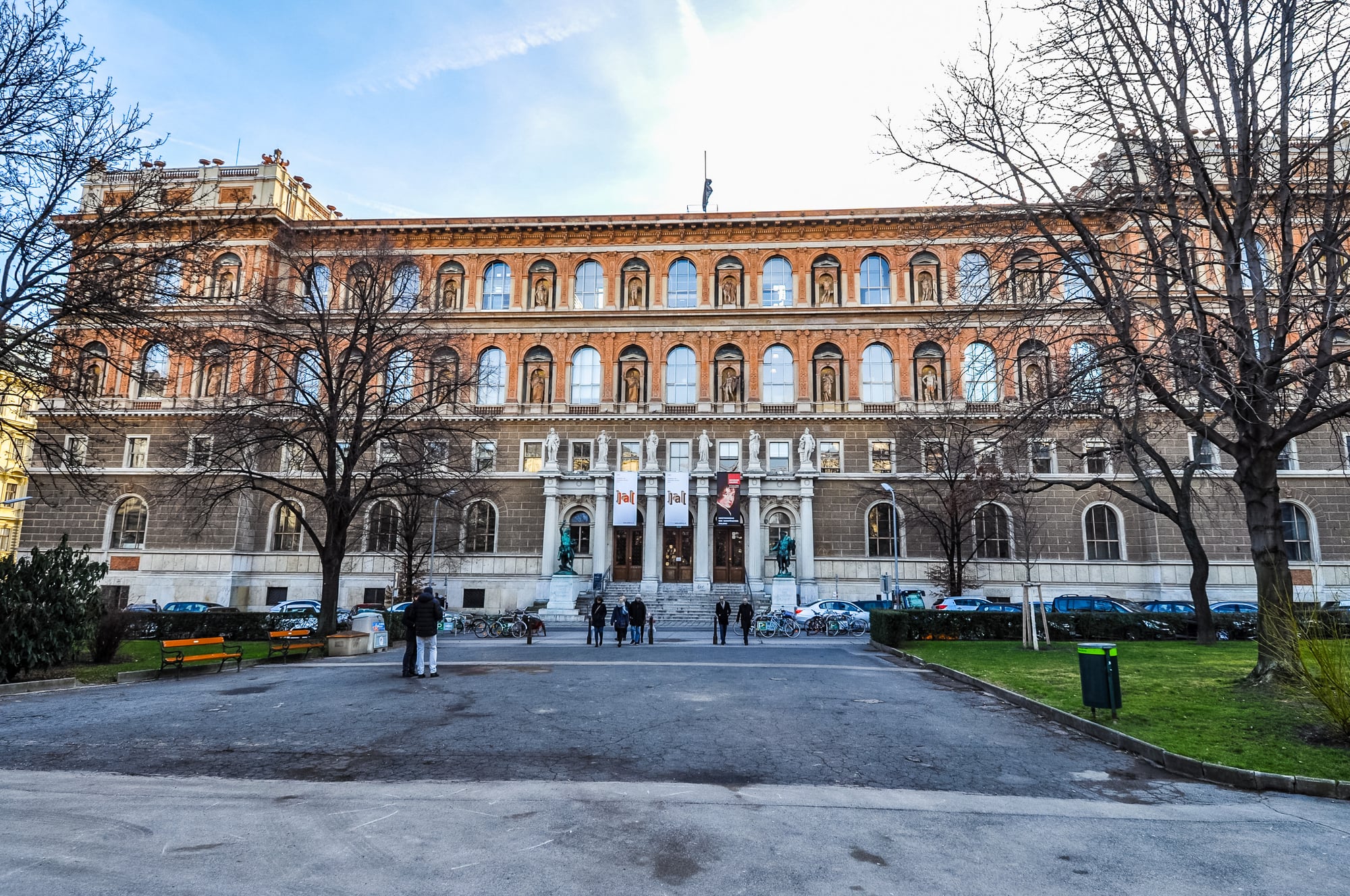
In an attempt to study painting, Adolf Hitler submitted two applications to the Academy of Fine Arts Vienna. His route to politics was significantly impacted by his rejections in and .
Since his drawings demonstrated a greater skill for building design than portraiture, the academy’s admissions committee recommended that he attend architecture school instead. Hitler’s creative aspirations might have been realized and the history of Europe might have been altered had he been accepted.
The Mongol Invasion of Japan
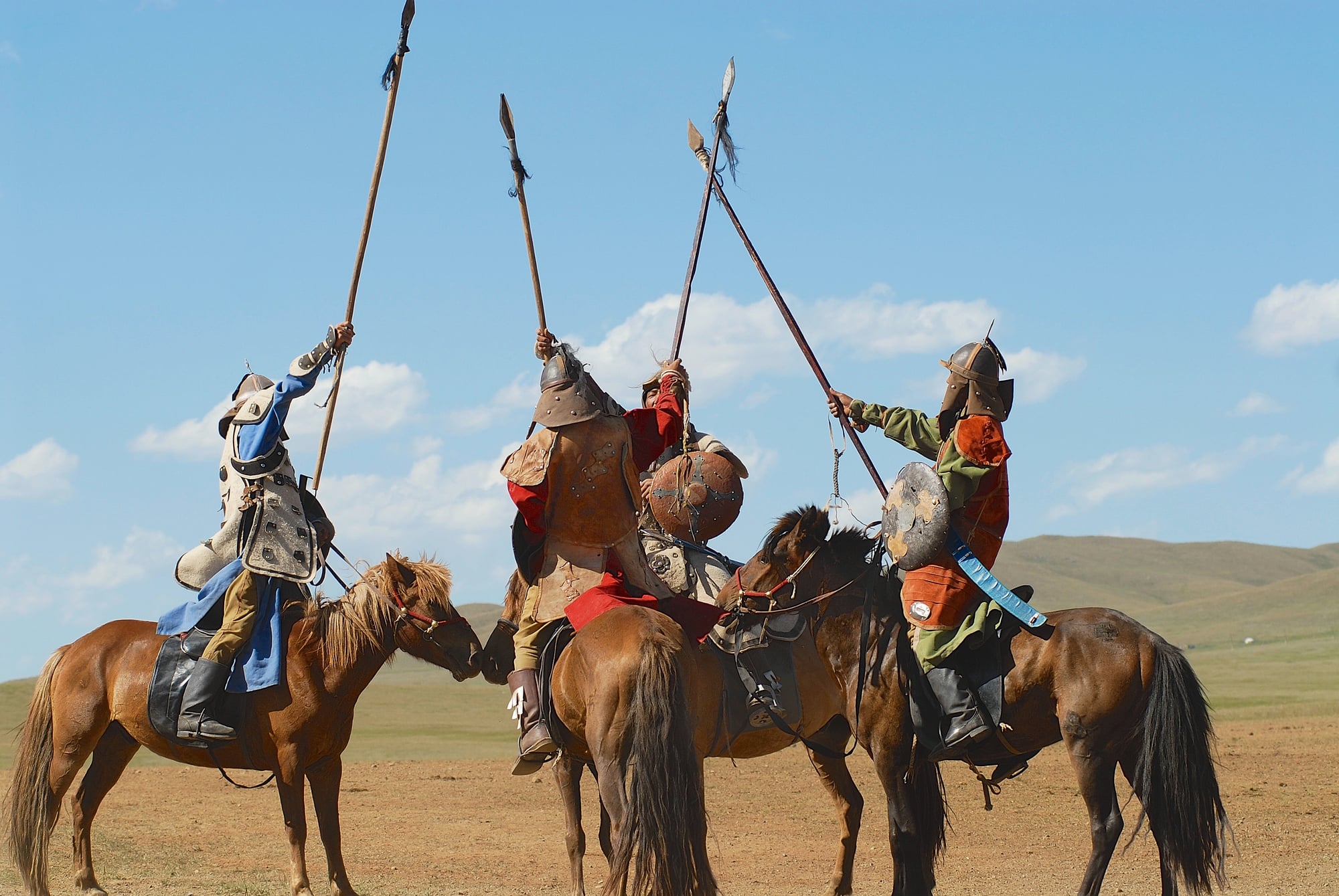
Kublai Khan’s enormous invasion armada of more than , vessels and , troops set sail for Japan in . When the fleet reached Japan, a gigantic typhoon—later referred to as the ‘divine wind’ or kamikaze—obliterated a large majority of the fleet.
This remarkable coincidence delivered Japan from likely domination by the world’s finest empire, keeping Japanese independence and cultural evolution for centuries to come.
The Byzantine Plague
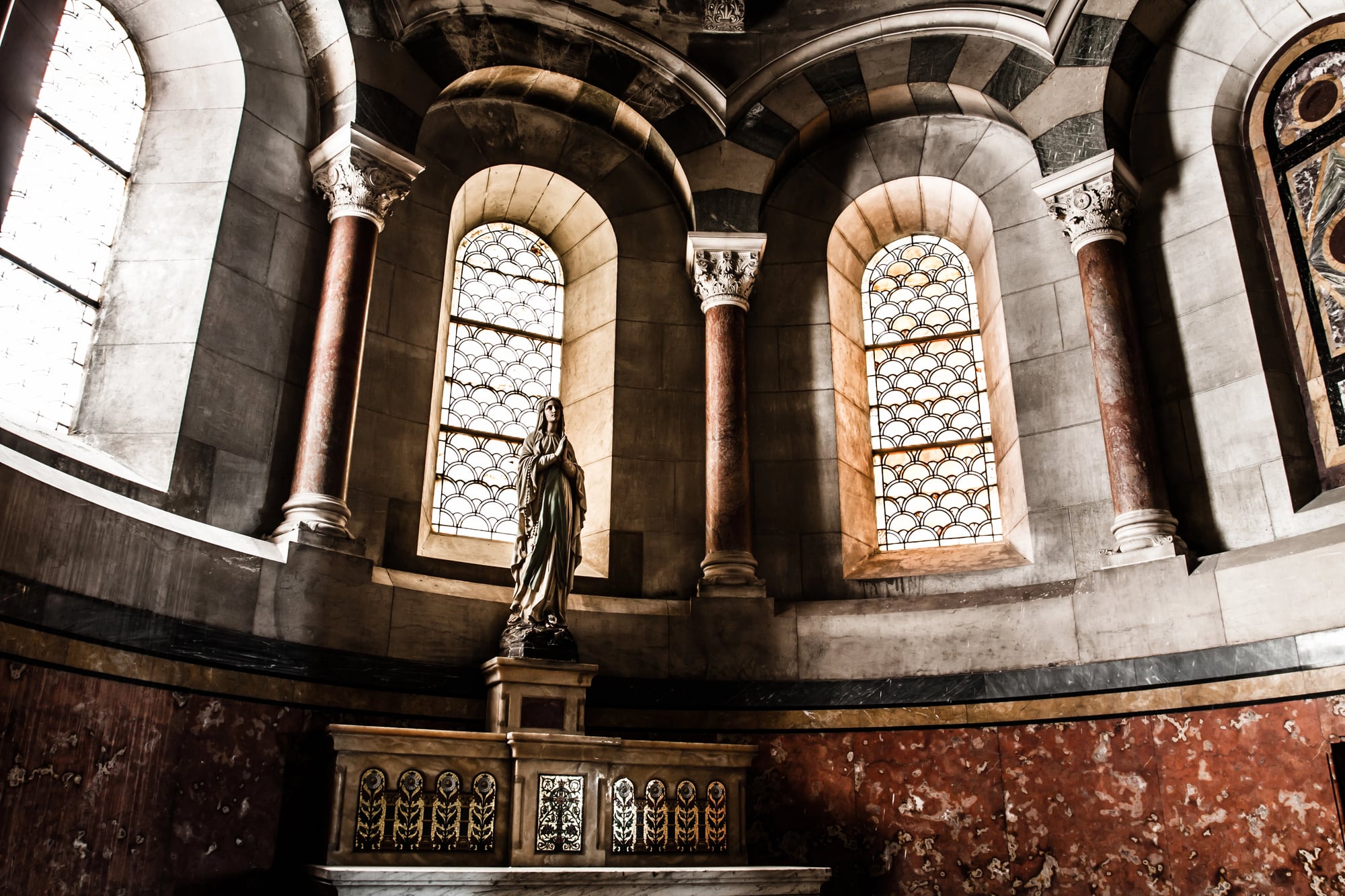
After regaining North Africa, Italy, and portions of Spain, Emperor Justinian I came very close to retaking the fallen Western Roman Empire in the sixth century. When the Plague of Justinian broke out in CE, killing between and million people over the Mediterranean, his dream of a reunited Rome came to an abrupt end.
Byzantine military and economic might were severely damaged by the destruction, which prevented further growth. A restored Roman Empire might have completely avoided the medieval era if not for this pandemic.
The Protestant Reformation
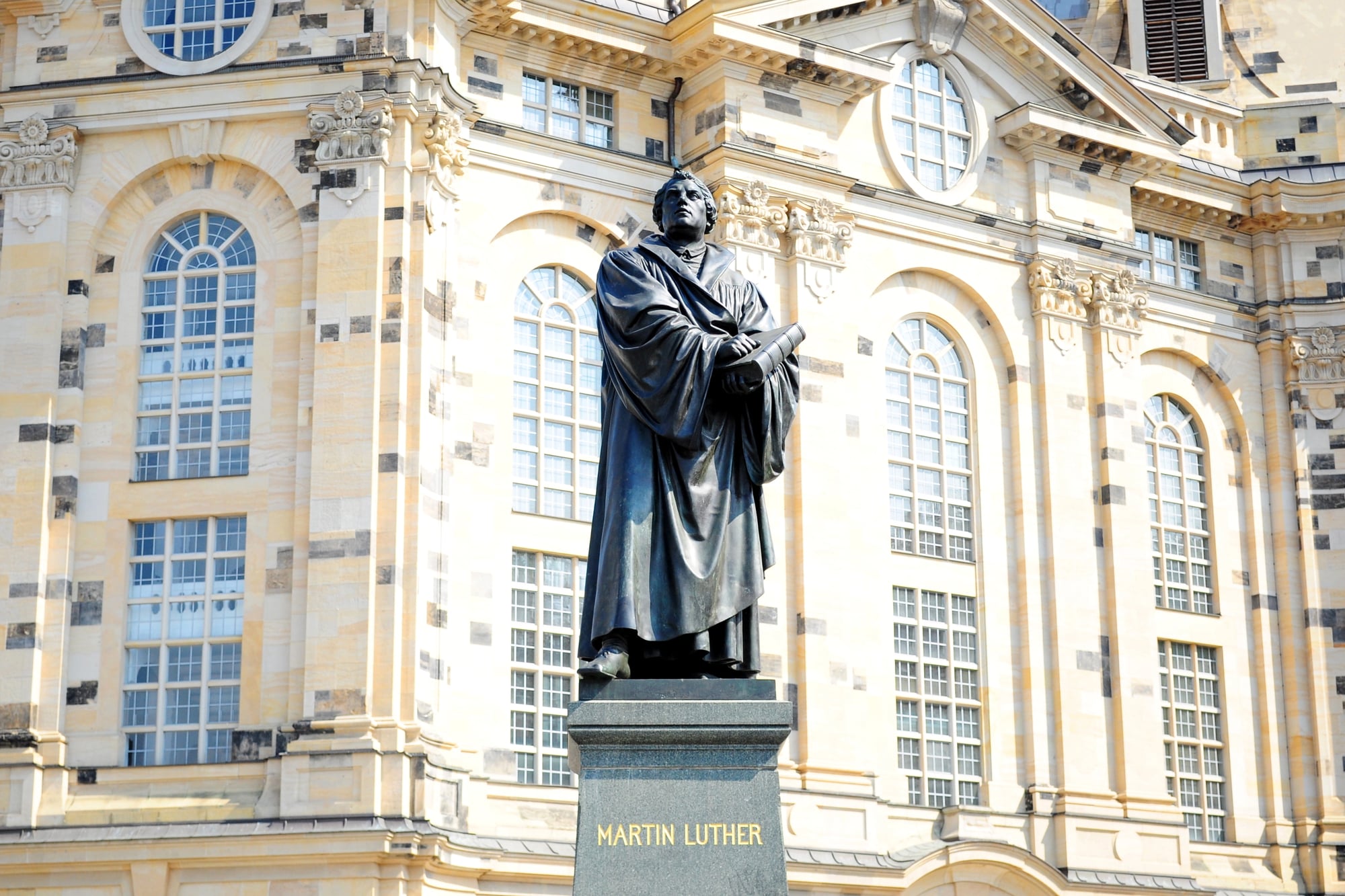
Martin Luther’s famous Theses might never have gained traction without the recent invention of the printing press. When Luther nailed his arguments to the church door in , previous similar critiques had faded into obscurity.
The ability to rapidly produce and distribute copies of his writings transformed a local theological dispute into a European-wide movement. Without Gutenberg’s press, Luther might have remained an obscure monk rather than triggering a religious revolution.
Napoleon’s Stomach Pain
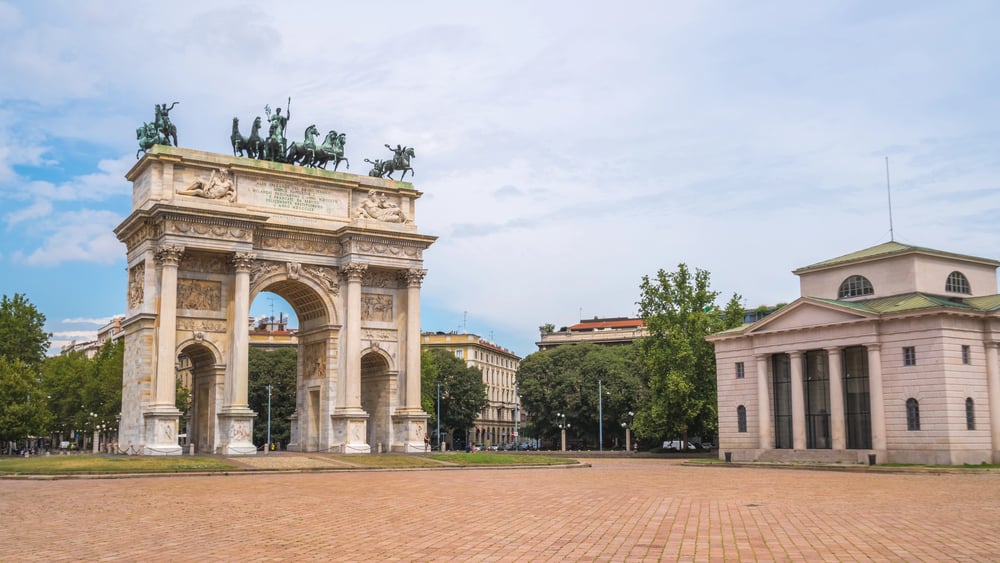
The Battle of Waterloo might easily have turned out differently if Napoleon’s health issues had not gotten in the way. On the critical day of battle, the French emperor was suffering from a sore abdominal complaint, possibly hemorrhoids or stomach ulcers.
This prevented him from riding the battlefield himself as was his habit. The resultant delay in the French attacks gave Prussian reinforcements time to enter the fray, shifting the momentum towards Allied triumph and ending Napoleon’s last campaign.
The Discovery of Penicillin

Alexander Fleming’s world-changing discovery happened because he was a notoriously messy scientist. Returning from vacation in September, he noticed a mold contaminating one of his bacterial cultures.
Instead of discarding the ruined experiment, he observed that bacteria wouldn’t grow near the mold. This accidental observation led to the development of antibiotics, which have since saved hundreds of millions of lives.
Had Fleming been more fastidious about laboratory cleanliness, this pivotal medical breakthrough might have been delayed for decades.
The Cuban Revolutionary Strategy
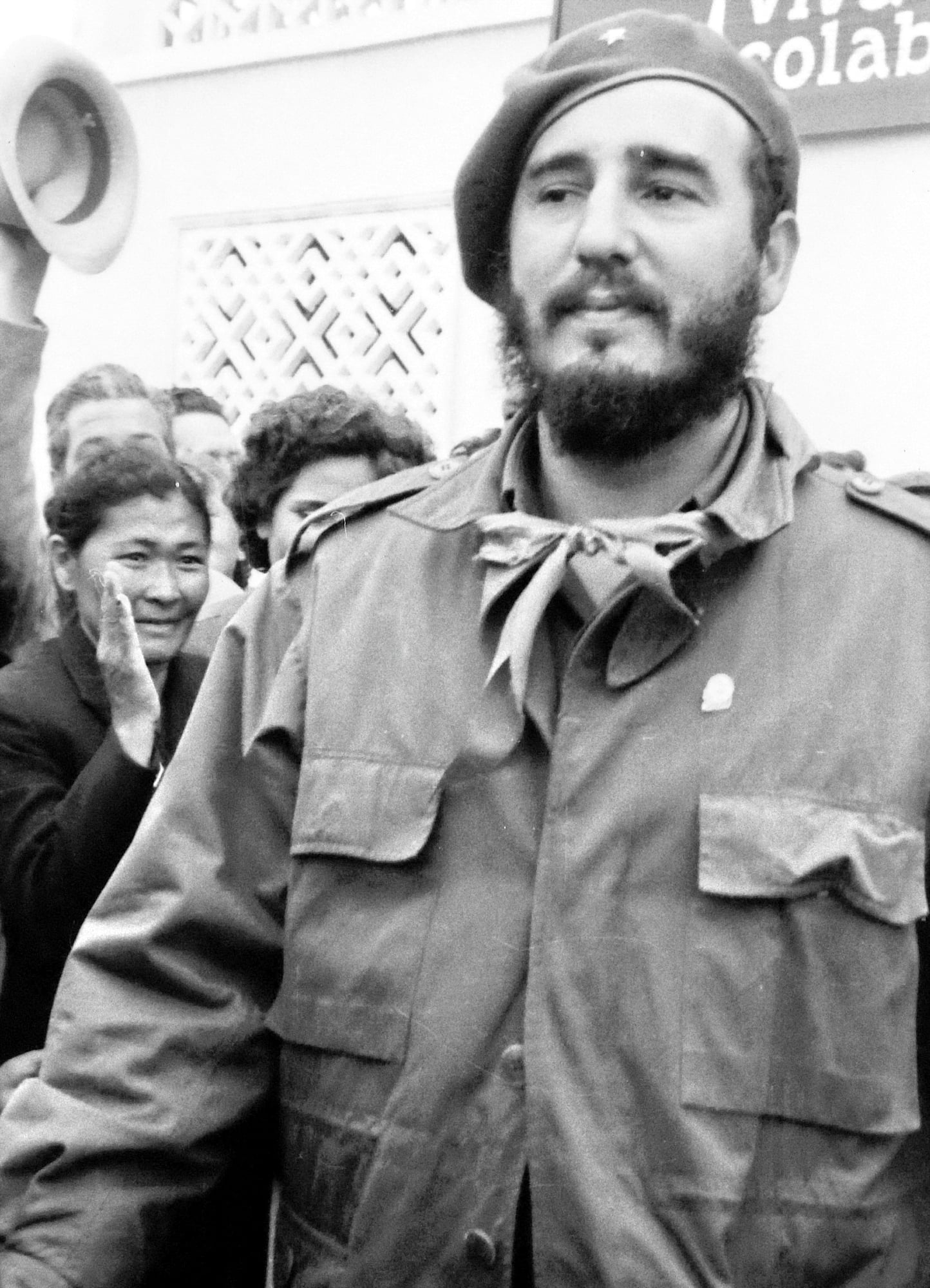
When their yacht, the Granma, arrived in Cuba in , Fidel Castro’s revolutionary force was all but destroyed. Only revolutionaries out of the who landed made it through the first government ambush.
Castro fled into the Sierra Maestra mountains with his few surviving fighters, where they progressively reorganized their movement. The Cuban Revolution might have been averted before it started, drastically changing Caribbean politics for decades to come, had a few more troops been stationed at the landing spot.
The Near Assassination of Roosevelt
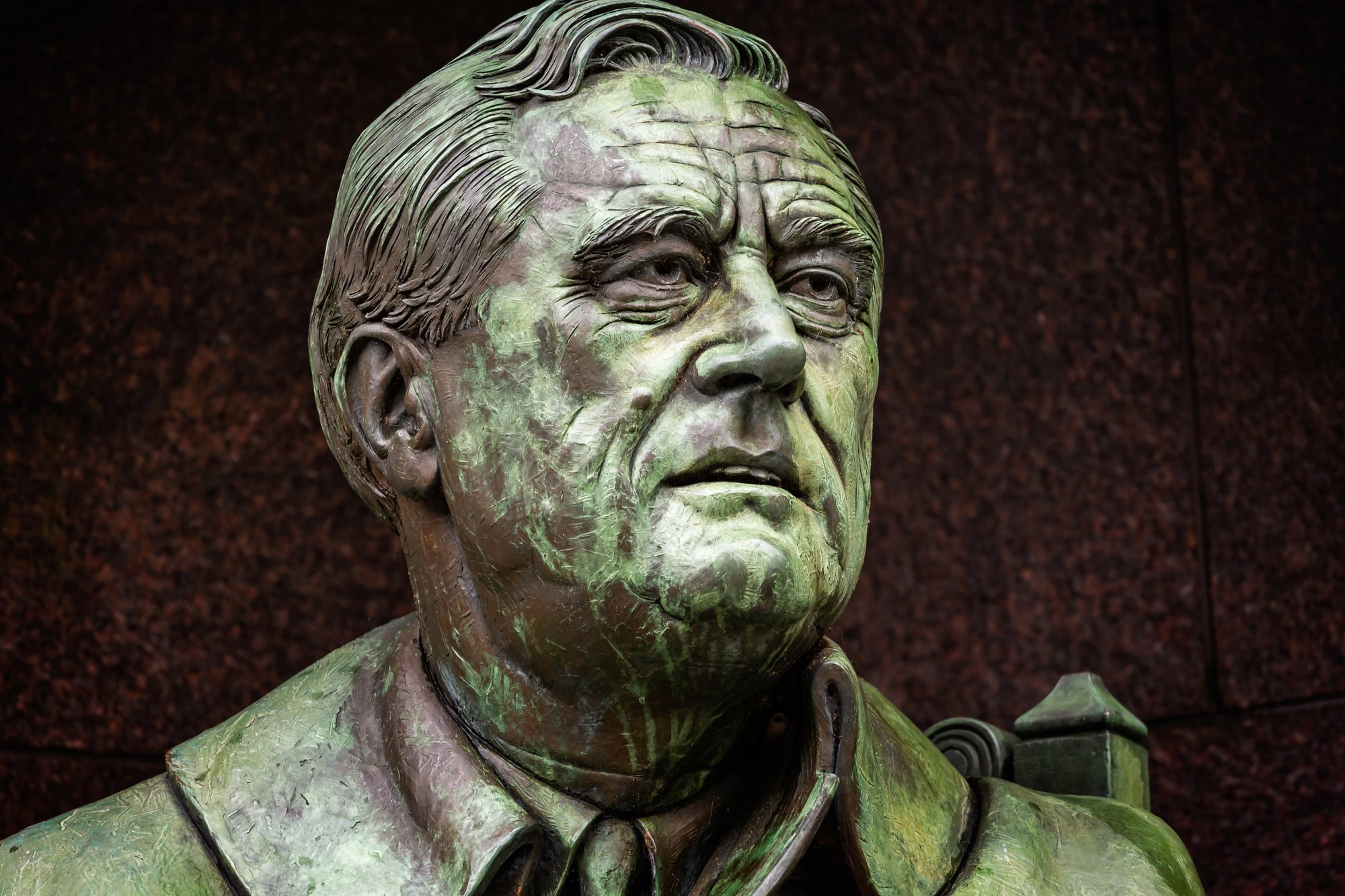
Giuseppe Zangara attempted to assassinate President-elect Franklin D. Roosevelt in Miami on February, . His shot missed Roosevelt when Lillian Cross, a spectator, struck Zangara’s arm.
Had Roosevelt been killed, Vice President-elect John Nance Garner would have assumed the presidency during the depths of the Great Depression. Garner, a conservative Democrat who opposed many New Deal policies, would likely have taken a drastically different approach to the economic crisis, potentially changing the fundamental relationship between Americans and their government.
The Mongol Succession Crisis
When Ögedei Khan, son of Genghis Khan, died in , Mongol forces were poised to conquer Europe. They had already devastated Eastern European armies and faced no significant military opposition.
Mongol tradition required all princes to return to elect a new leader, forcing their armies to withdraw from Europe at the moment of likely victory. Had Ögedei lived just a few more years, the Mongols might have conquered much of Western Europe, dramatically altering global civilization.
The Christmas Truce of 1914
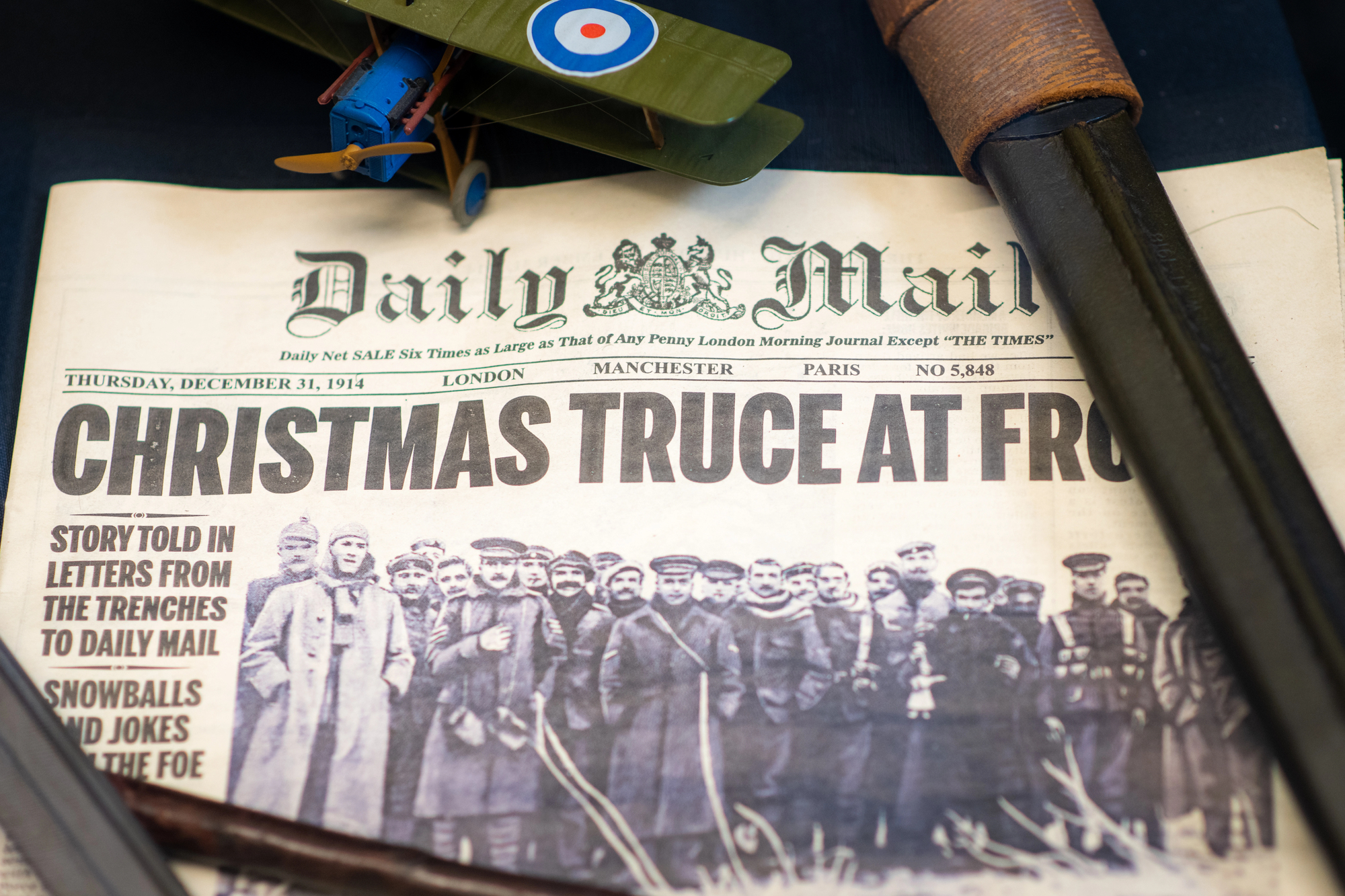
During the first Christmas of World War I, spontaneous ceasefires broke out along the Western Front. German and Allied soldiers exchanged gifts, sang carols, and even played soccer in no-man’s land.
This remarkable moment of humanity amidst brutal warfare might have changed the course of the conflict—had it spread. Military leaders on both sides, fearing the undermining effect on morale, quickly suppressed the truces and ensured such fraternization wouldn’t happen again, allowing the war to continue for four devastating years.
The 1983 Soviet Nuclear False Alarm
On September, , Soviet early warning systems detected five incoming American nuclear missiles. The protocol demanded an immediate retaliatory strike.
Lieutenant Colonel Stanislav Petrov, the officer on duty, suspected a system malfunction rather than an actual attack and chose not to alert his superiors. His correct intuition—it was indeed a false alarm caused by sunlight reflecting off clouds—potentially prevented a nuclear exchange that would have devastated civilization.
History’s Delicate Balance
The timeline we inhabit feels inevitable only in retrospect. Throughout human existence, monumental changes have hung on split-second decisions, fortunate coincidences, and narrow escapes.
These historical inflection points reveal that our collective story is far more fragile than we imagine. What seems preordained was often determined by weather, illness, or pure chance—a humbling reminder that history’s grand narrative balances on countless small, decisive moments that could easily have gone another way.
More from Go2Tutors!

- The Romanov Crown Jewels and Their Tragic Fate
- 13 Historical Mysteries That Science Still Can’t Solve
- Famous Hoaxes That Fooled the World for Years
- 15 Child Stars with Tragic Adult Lives
- 16 Famous Jewelry Pieces in History
Like Go2Tutors’s content? Follow us on MSN.


