Historical Food Origins That Are Entirely Fabricated
Food stories have a way of becoming gospel truth. Someone tells a tale about how nachos were invented, and suddenly it’s repeated in cookbooks, documentaries, and dinner party conversations for decades. The problem? Half of these origin stories are complete nonsense.
They sound plausible enough, often featuring a desperate chef, a demanding customer, and a moment of brilliant improvisation. But when you dig deeper, the timelines don’t match, the people never existed, or the whole scenario falls apart under scrutiny.
Caesar Salad
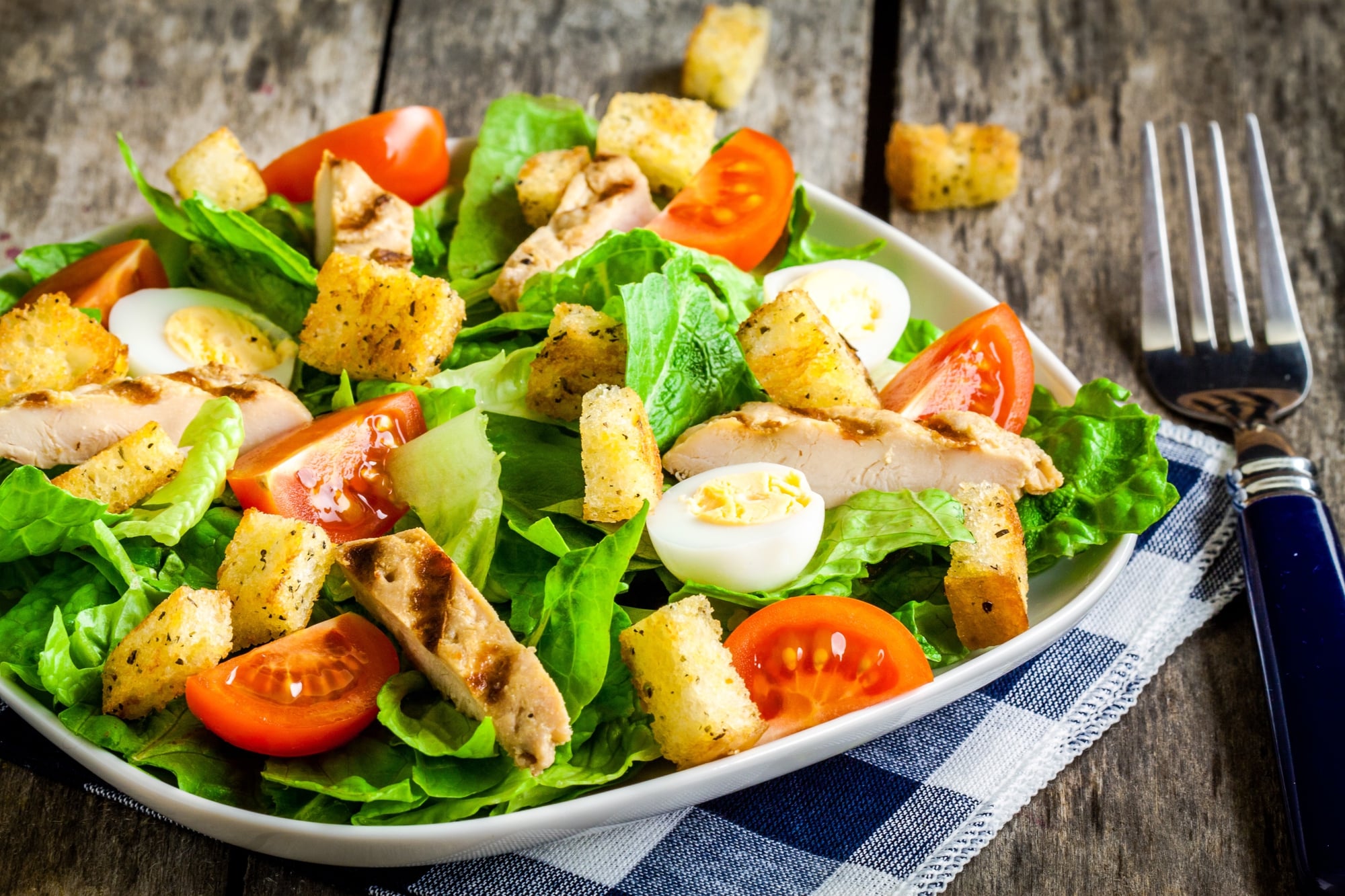
The Caesar salad wasn’t invented by Julius Caesar (obviously) or even named after him. The widely repeated story claims that Caesar Cardini, an Italian immigrant and restaurateur in Tijuana, created the dish in 1924 when he was running low on kitchen ingredients and had to improvise for demanding customers. Cardini supposedly tossed together romaine lettuce, croutons, parmesan cheese, lemon juice, olive oil, Worcestershire sauce, and raw egg right at the table in a dramatic flourish.
Turns out this entire narrative was fabricated by Cardini’s daughter decades later. No contemporary accounts from the 1920s mention this dramatic tableside creation, and several similar salads were already being served throughout California and Mexico. The “desperate chef creates masterpiece” template should have been the first red flag.
Fortune Cookies

Fortune cookies aren’t Chinese. Everyone knows this by now, but the fabricated origin story persists: that Chinese immigrants created them in American restaurants as a way to share wisdom with customers. Some versions claim they originated in San Francisco’s Chinatown, others point to Los Angeles.
The real story is that fortune cookies are Japanese, specifically based on a traditional cracker called tsujiura senbei. Japanese immigrants brought them to California, and Chinese restaurants adopted them much later. But the fabricated Chinese origin story stuck because it fit a more appealing narrative about cultural exchange and immigrant ingenuity.
Chicken Tikka Masala
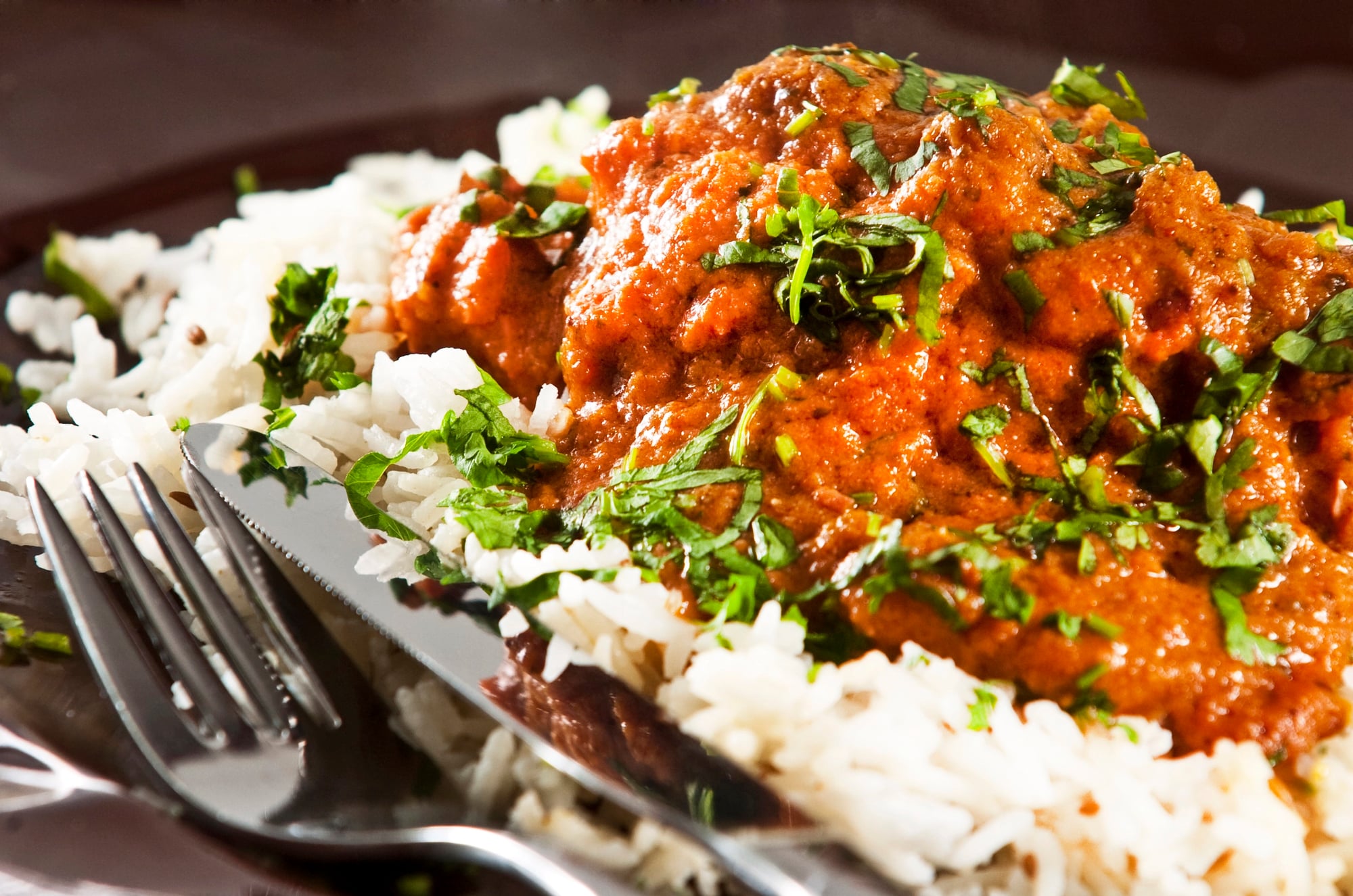
The story goes like this: a Bangladeshi chef in Glasgow created chicken tikka masala in the 1960s when a customer complained that his chicken tikka was too dry, so the resourceful chef quickly whipped up a creamy tomato sauce to please the difficult diner.
And yet—this is complete fiction. So is the chef’s name, Ali Ahmed Aslam, who claimed to have invented the dish at his Glasgow restaurant. But chicken tikka masala appears in Indian cookbooks from the 1960s, predating Aslam’s supposed invention, and similar dishes exist throughout the Indian subcontinent. The Glasgow story persists because it’s tidier than acknowledging the dish’s complex evolution across multiple regions and communities.
Nachos
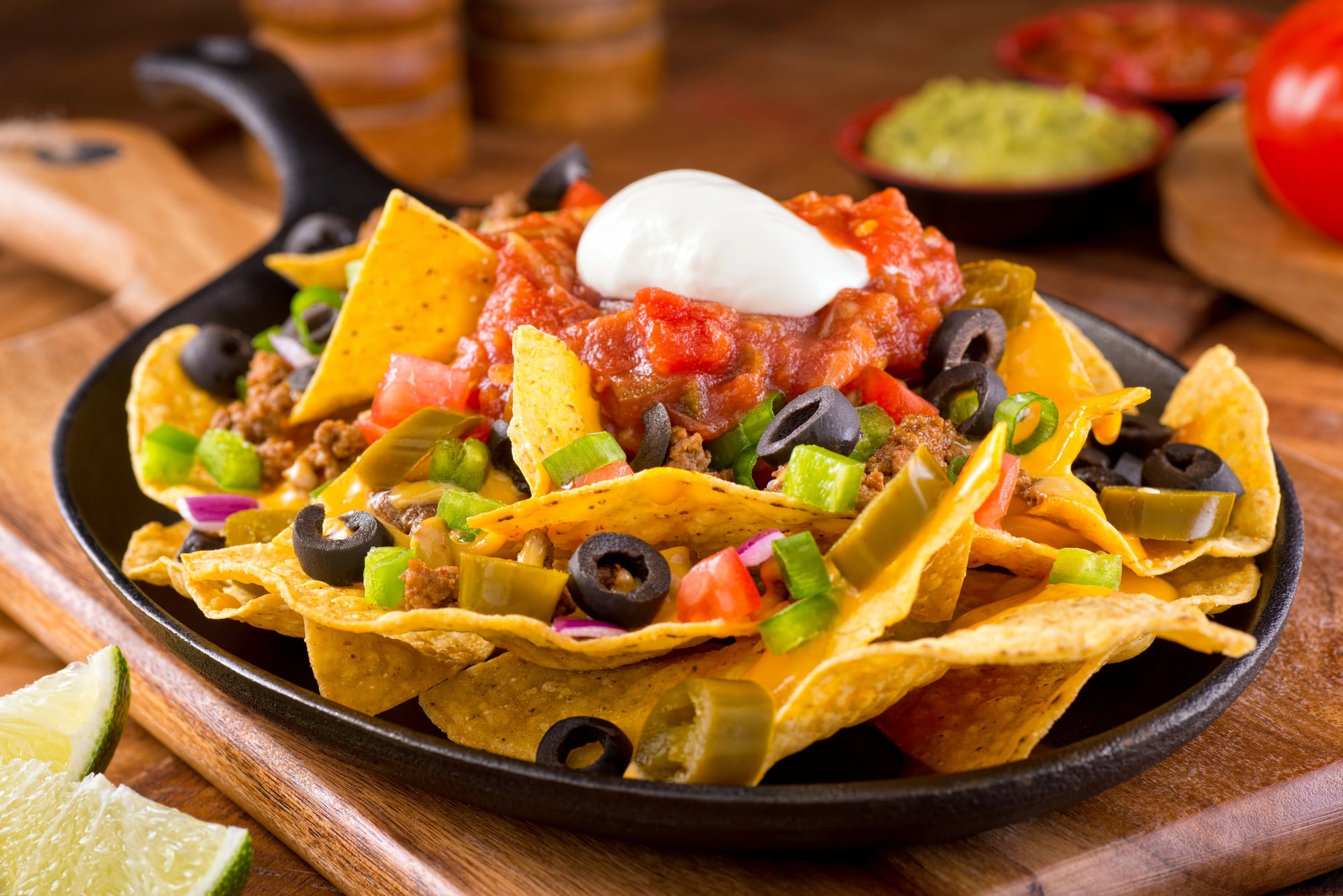
Picture this: It’s 1943, and a group of military wives from a nearby U.S. base crosses the border into Piedras Negras, Mexico, looking for a snack after hours. The restaurant is officially closed, but Ignacio “Nacho” Anaya, being the gracious host, doesn’t want to turn them away. So he heads to the kitchen and throws together what he can find: tortilla chips, Wisconsin cheese, and jalapeño peppers.
The story reads like a mad lib designed to hit every appealing note: cross-cultural friendship, wartime camaraderie, a chef with a memorable nickname, and ingredients that just happened to be lying around. But wartime rationing makes Wisconsin cheese in a Mexican border town highly unlikely, and no contemporary records support any of this. The dish probably evolved gradually in Tex-Mex communities.
Eggs Benedict
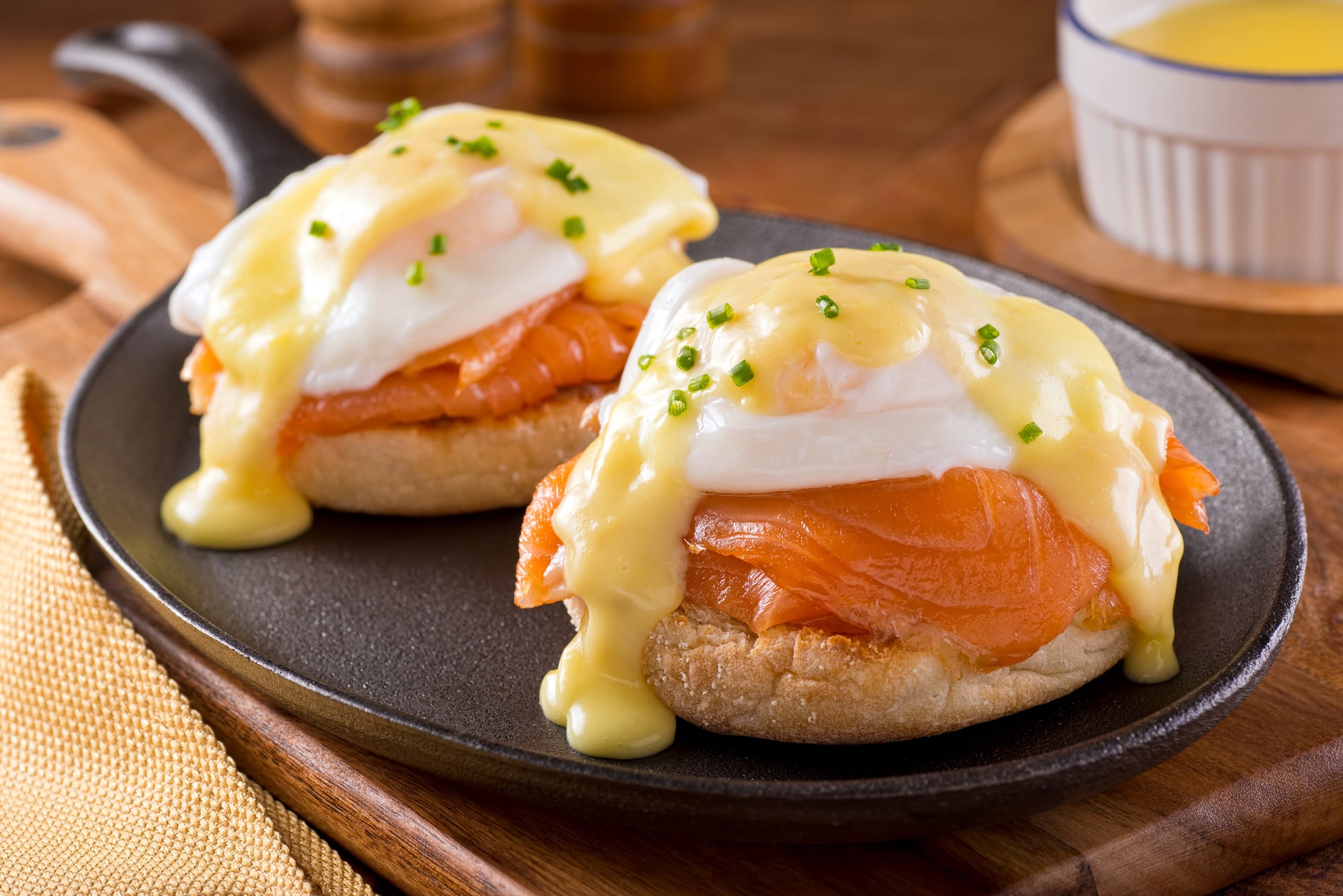
There are multiple competing fake stories for eggs Benedict, and people argue passionately about which fake story is the “real” one. Version one: In 1894, Wall Street broker Lemuel Benedict stumbled into the Waldorf Hotel nursing a hangover and asked for a very specific combination of foods.
Version two involves Mrs. LeGrand Benedict ordering the dish at Delmonico’s restaurant and inspiring its creation. Both stories follow the same template: demanding customer makes unusual request, chef obliges, dish becomes famous. Both are fabricated. Eggs Benedict appears in cookbooks before either supposed “invention,” and similar dishes existed throughout Europe.
General Tso’s Chicken
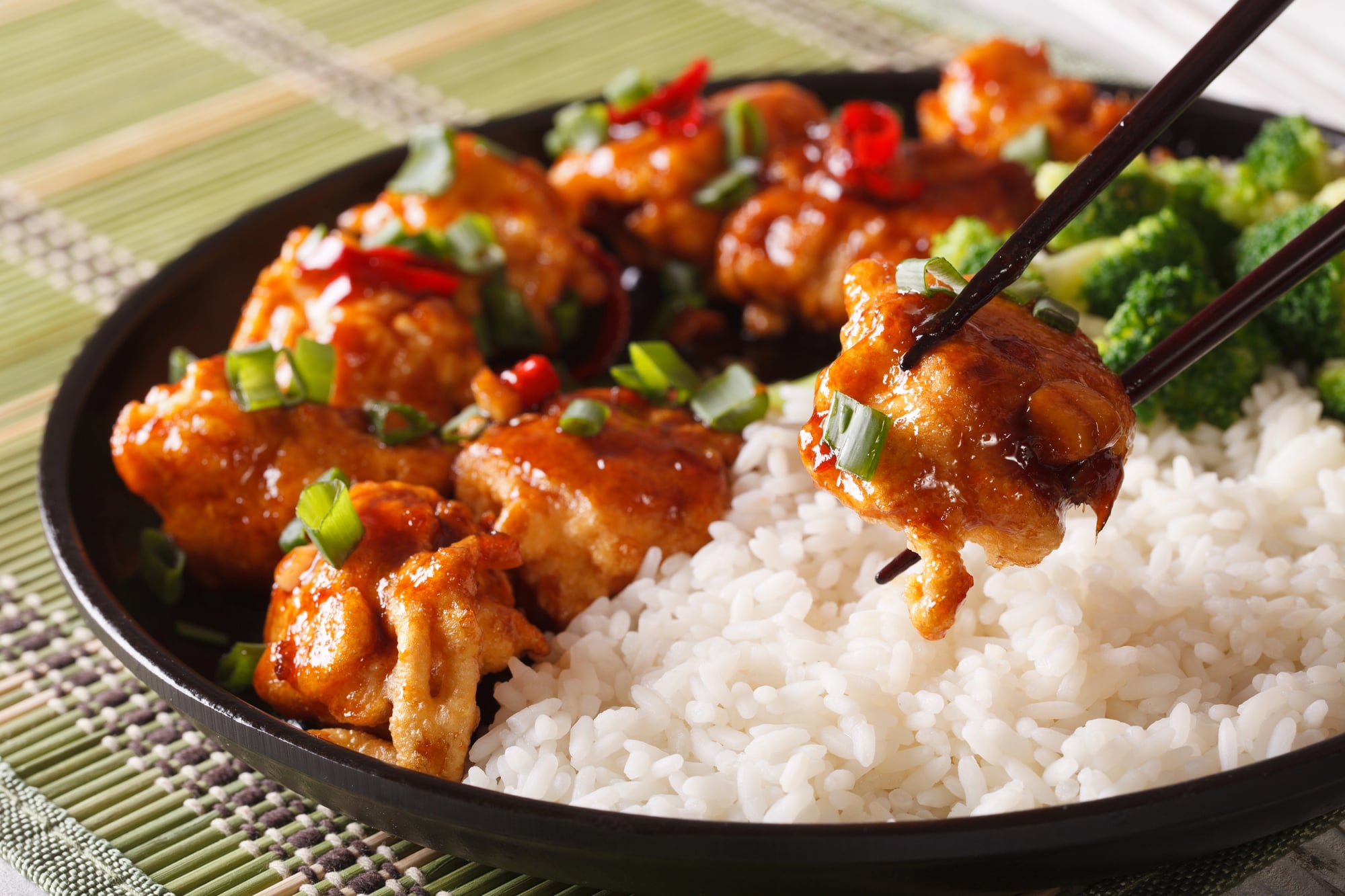
The mythology around General Tso’s chicken leans heavily on historical legitimacy that doesn’t exist. The dish is supposedly named after Zuo Zongtang, a 19th-century Chinese general, and was created to honor his memory.
General Zuo was a real person, but he died in 1885, decades before this dish existed. General Tso’s chicken was actually created in the 1970s by Taiwanese chef Peng Chang-kuei in New York City. The historical connection is pure marketing, attached to a sweet, heavily battered dish that would have been foreign to 19th-century Chinese cooking.
Buffalo Wings
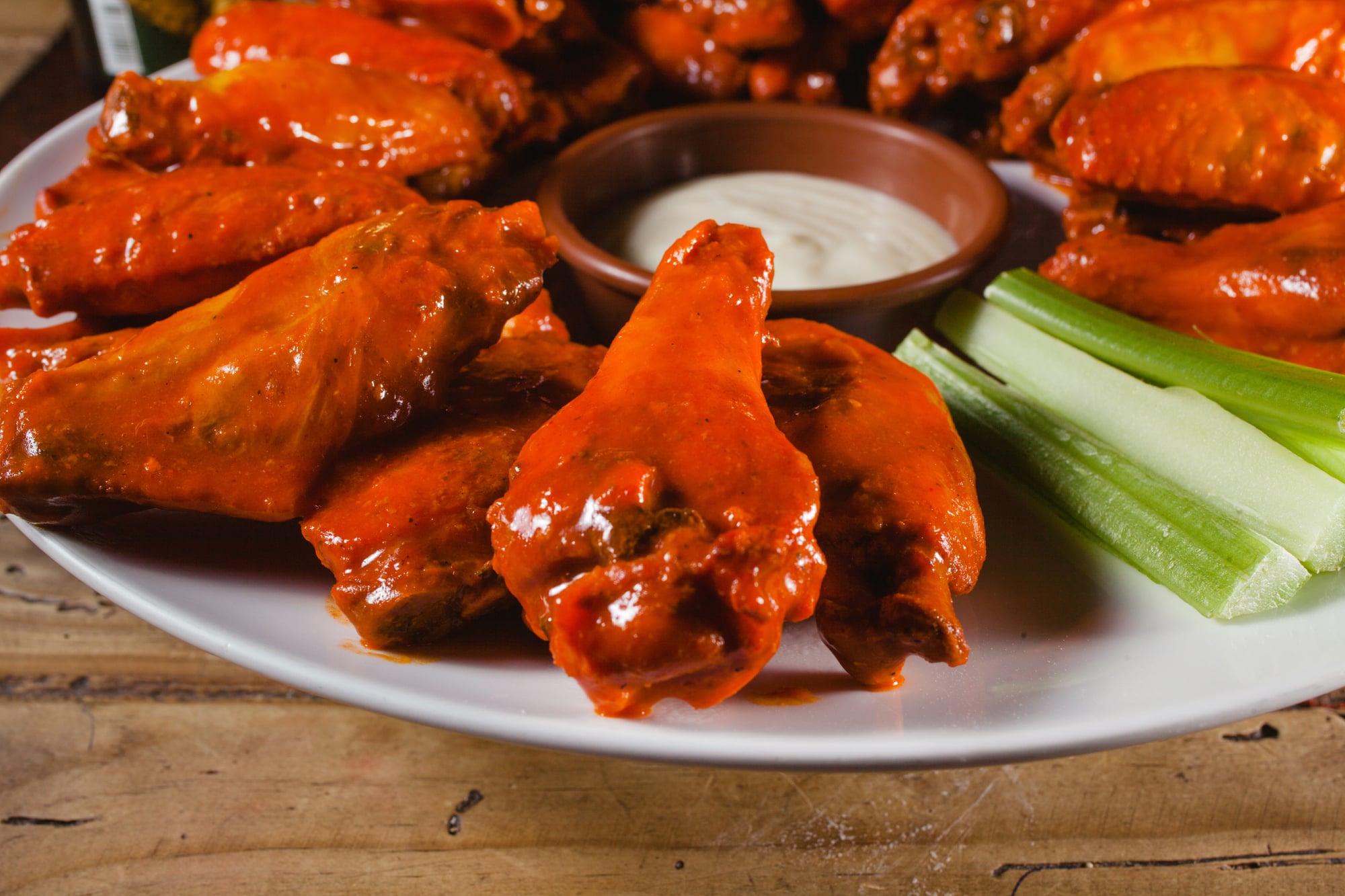
Buffalo wings supposedly originated at the Anchor Bar in Buffalo, New York, in 1964, when Teressa Bellissimo needed to make a quick snack for her son and his friends who showed up unexpectedly late one night. She had chicken wings, hot sauce, and butter, so she combined them and served them with celery sticks and blue cheese dressing.
But chicken wings in hot sauce were being served throughout upstate New York well before 1964, and the Anchor Bar’s story only appeared decades later. Multiple restaurants in the Buffalo area have competing claims, suggesting the dish developed organically rather than being invented in a single moment.
Key Lime Pie
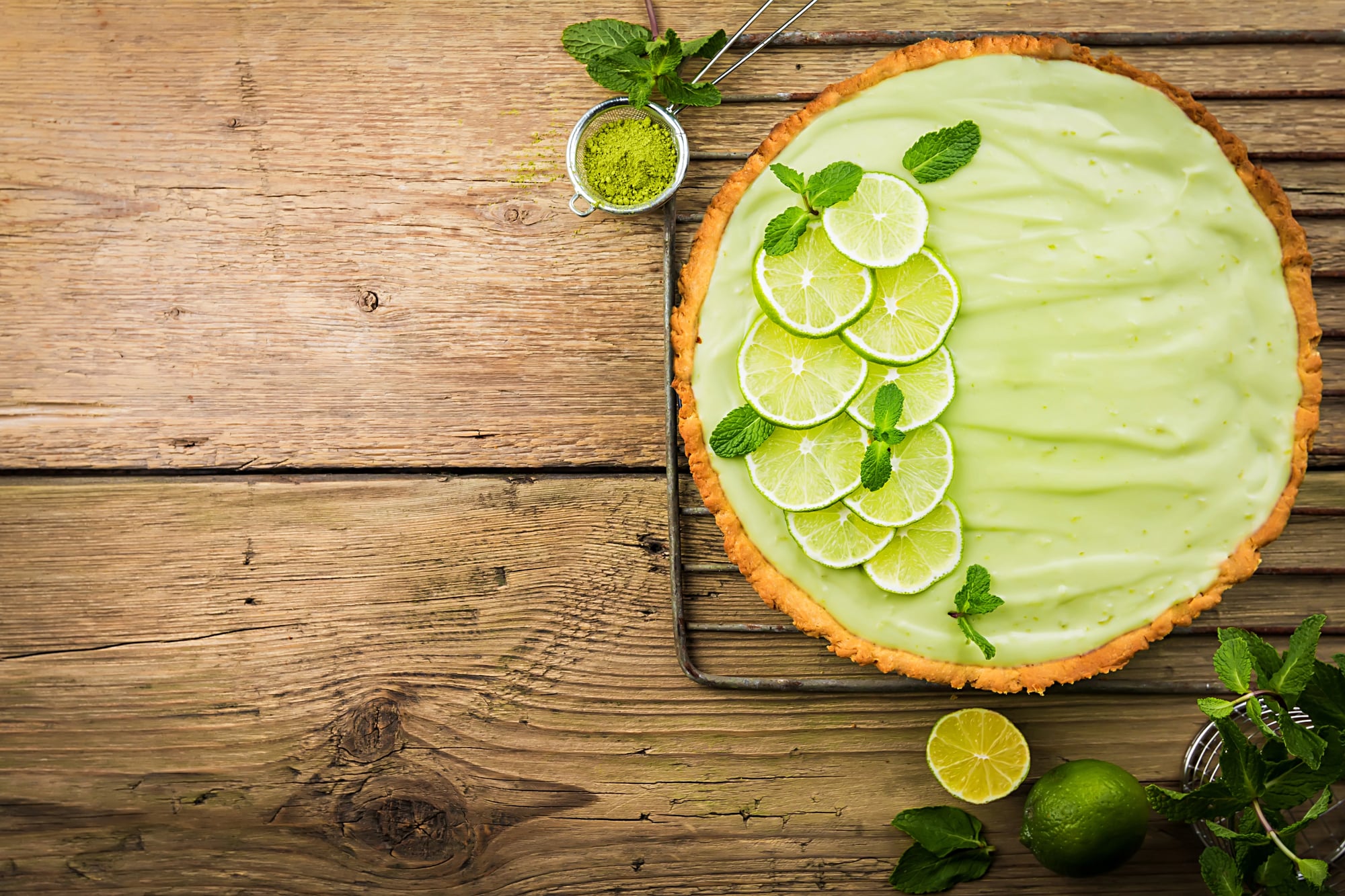
According to legend, fishermen and sponge divers in the Florida Keys created key lime pie because they had no access to fresh dairy, so they used sweetened condensed milk with Key limes and eggs.
The timeline makes no sense. Sweetened condensed milk wasn’t widely available in the Keys until well into the 20th century, but the pie’s “invention” is usually dated earlier. Key lime pie was almost certainly created by professional bakers on the mainland and later associated with the Keys through tourism mythology.
Fettuccine Alfredo
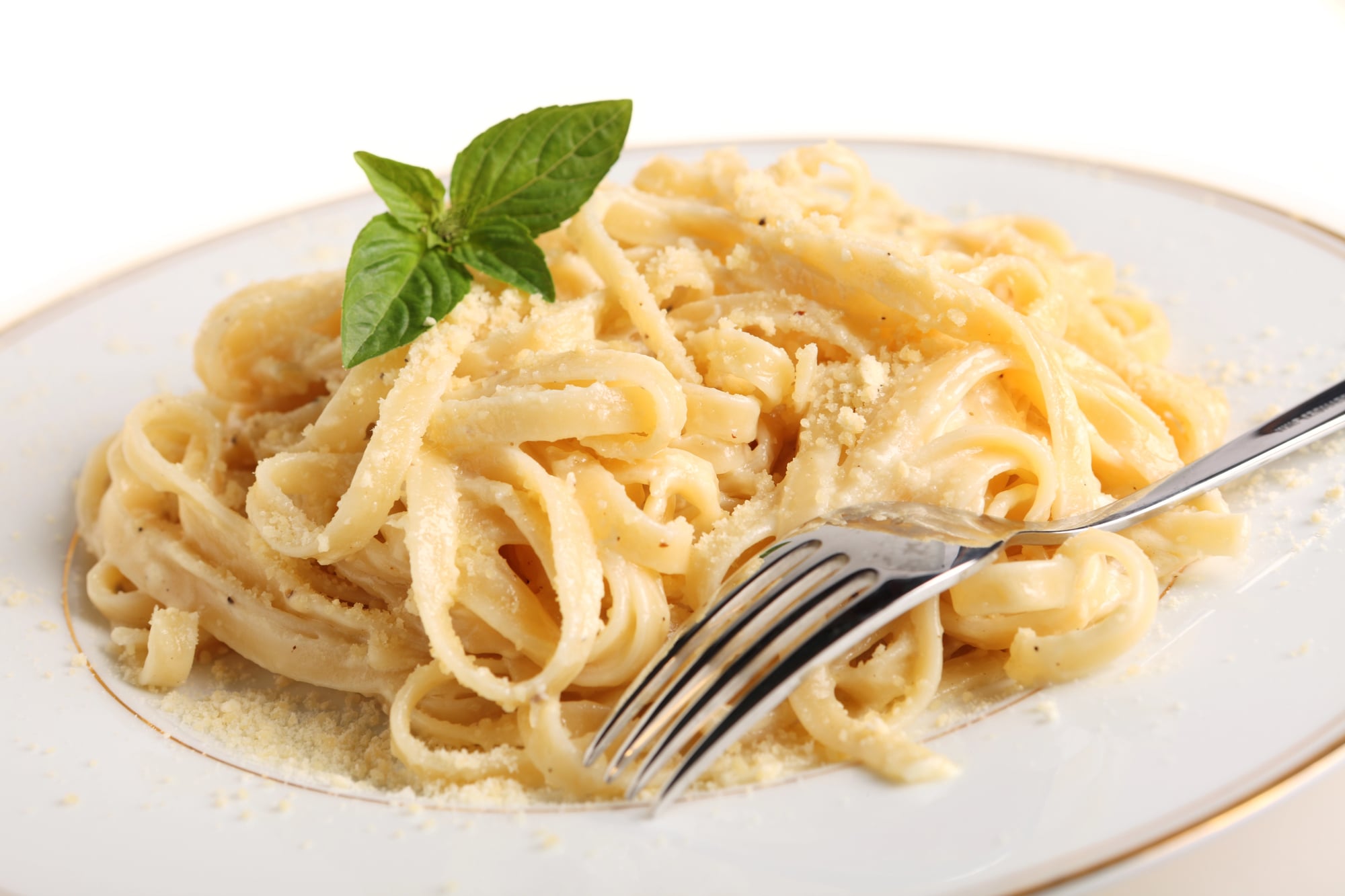
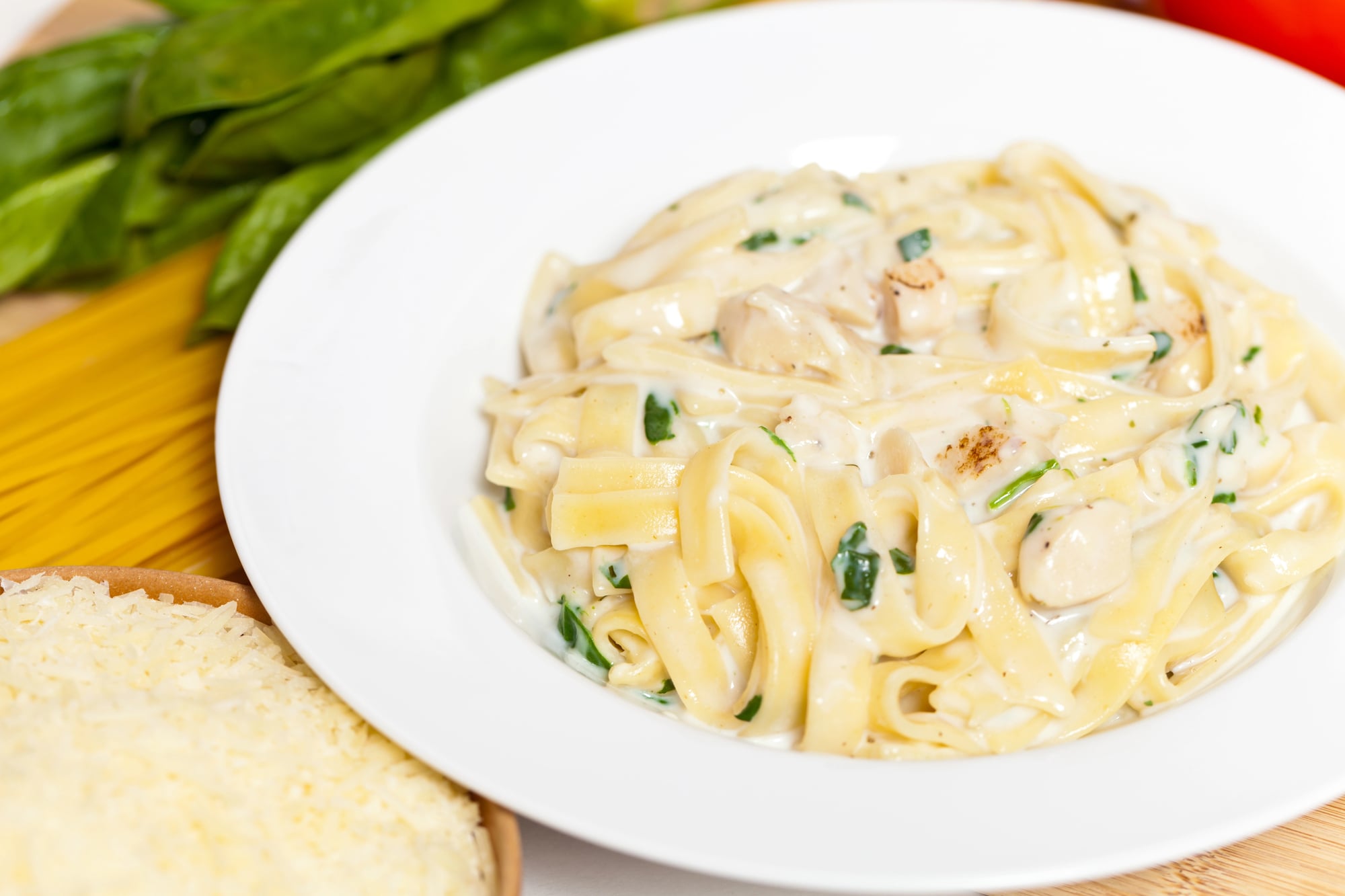
Roman restaurant owner Alfredo di Lelio supposedly created fettuccine Alfredo in 1914 to help his pregnant wife regain her appetite, combining pasta with butter and Parmigiano-Reggiano cheese. The dish later gained fame after American tourists and Hollywood stars discovered it.
But “fettuccine al burro” existed in Roman cooking long before Alfredo’s restaurant. The idea that butter and cheese pasta was a groundbreaking invention is the giveaway — it was a simple, traditional dish rebranded with a personal story that made it easier to market.
Clams Casino
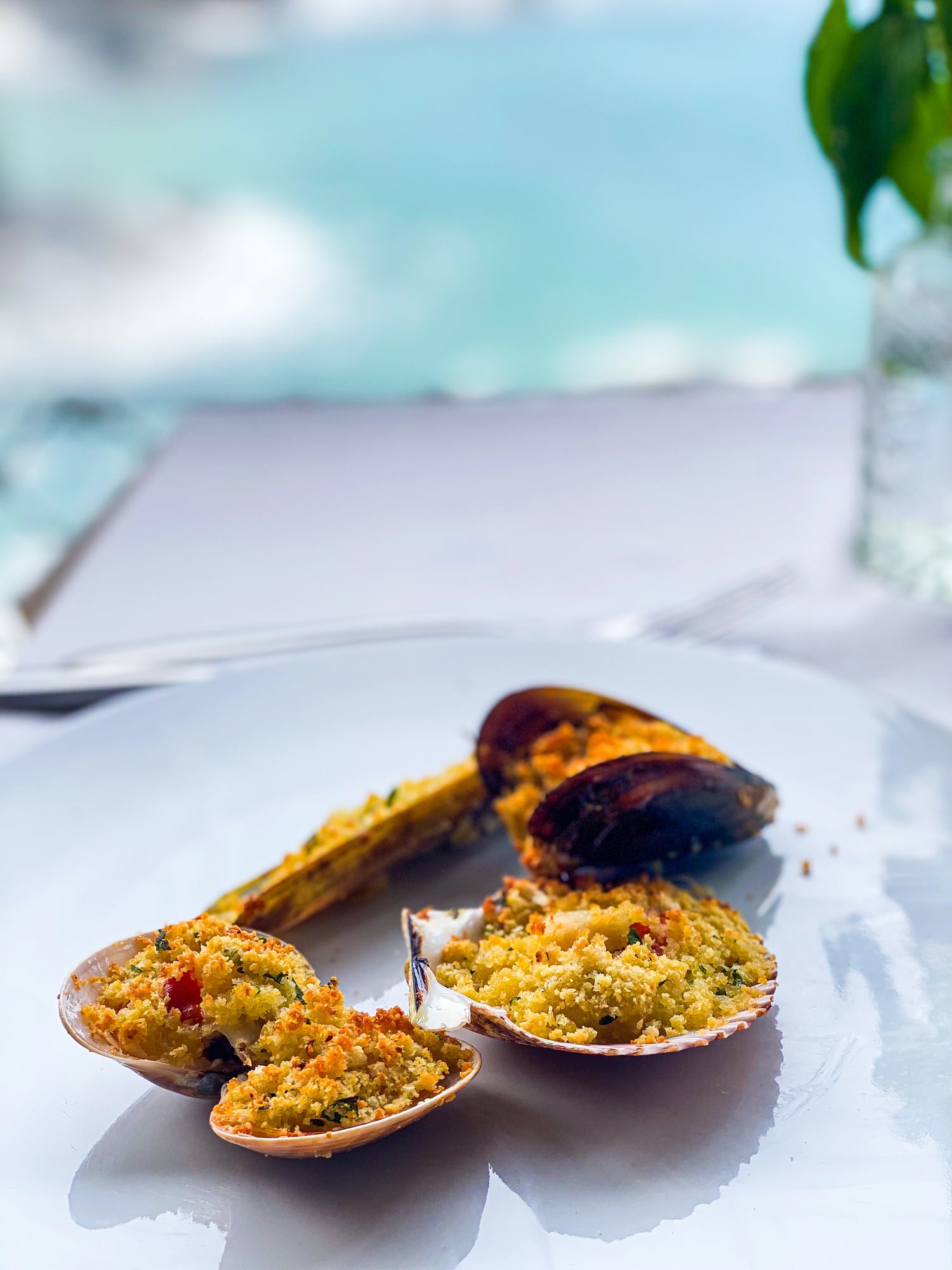
Rhode Island claims clams casino was invented at the Casino restaurant in Narragansett around 1917 when a chef created a special dish for a private party using clams, bacon, peppers, and herbs.
But similar dishes appeared in New York menus around the same time, and coastal New England communities had been baking stuffed shellfish for years. The Rhode Island origin story likely emerged later as part of regional culinary branding.
German Chocolate Cake
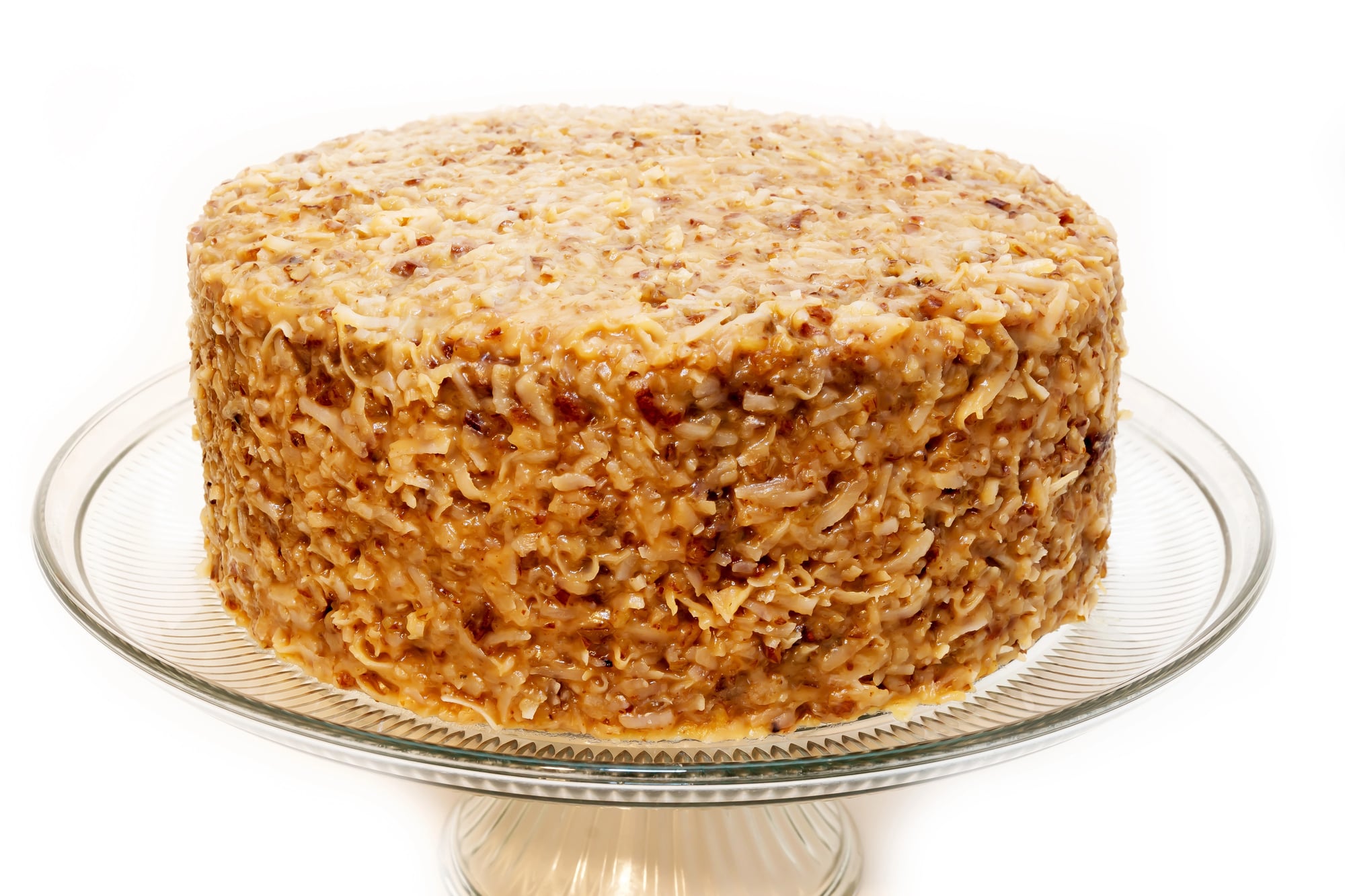
German chocolate cake has nothing to do with Germany. It is named after Sam German, who developed a type of baking chocolate for Baker’s Chocolate Company in 1852.
The cake recipe itself came much later, when a Texas homemaker used German’s chocolate in a published recipe in 1957. The “German immigrant dessert” myth likely persisted because it sounded more culturally rich than an American chocolate company naming coincidence.
Tarte Tatin
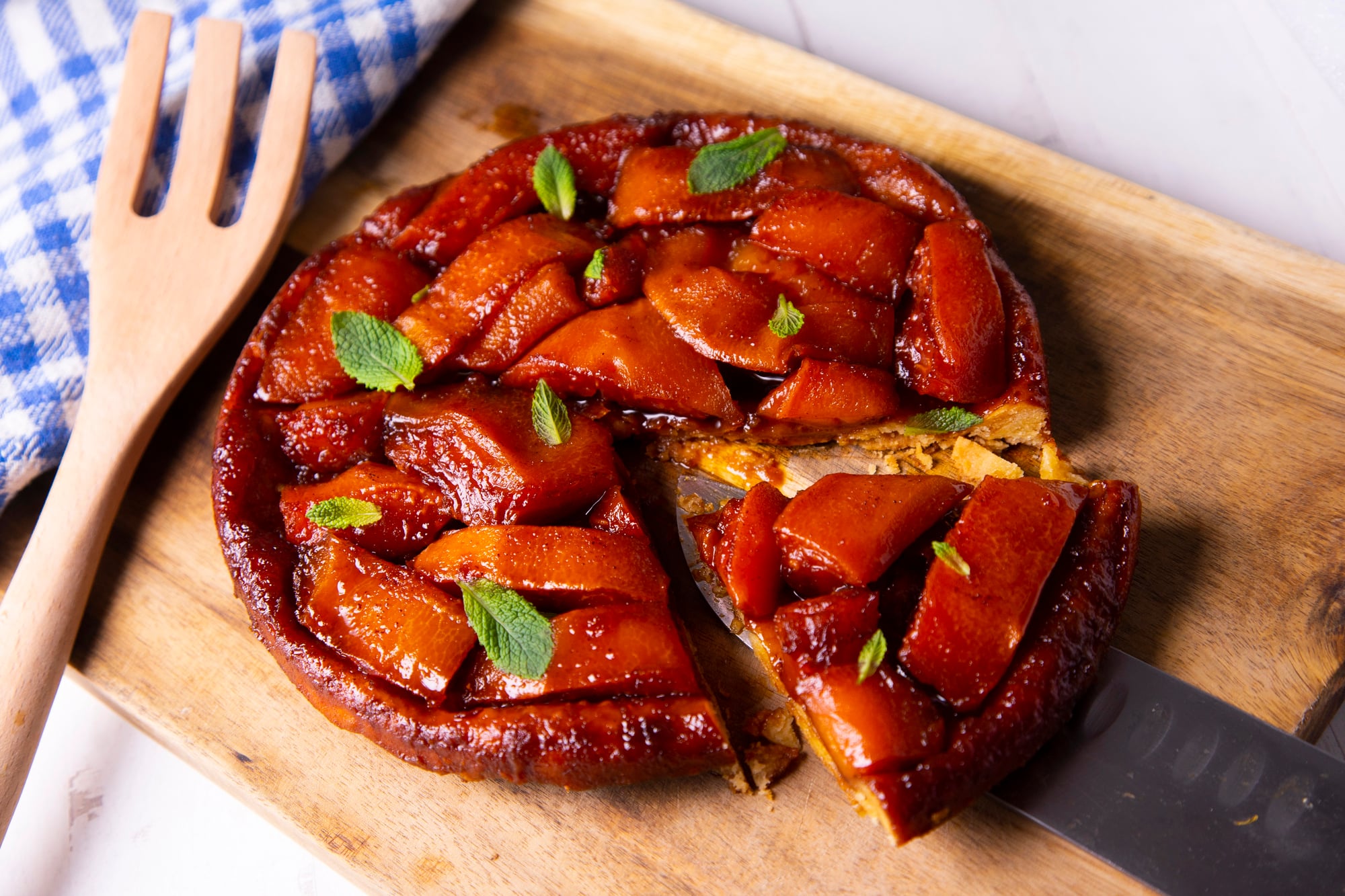
The tarte tatin story claims two sisters accidentally inverted an apple tart in the 1880s and served it upside down, accidentally inventing a classic French dessert.
But upside-down fruit tarts existed long before the Tatin sisters. The accident narrative appeared later as part of culinary folklore. The technique itself requires precision, making the idea of a lucky mistake highly unlikely.
Bananas Foster
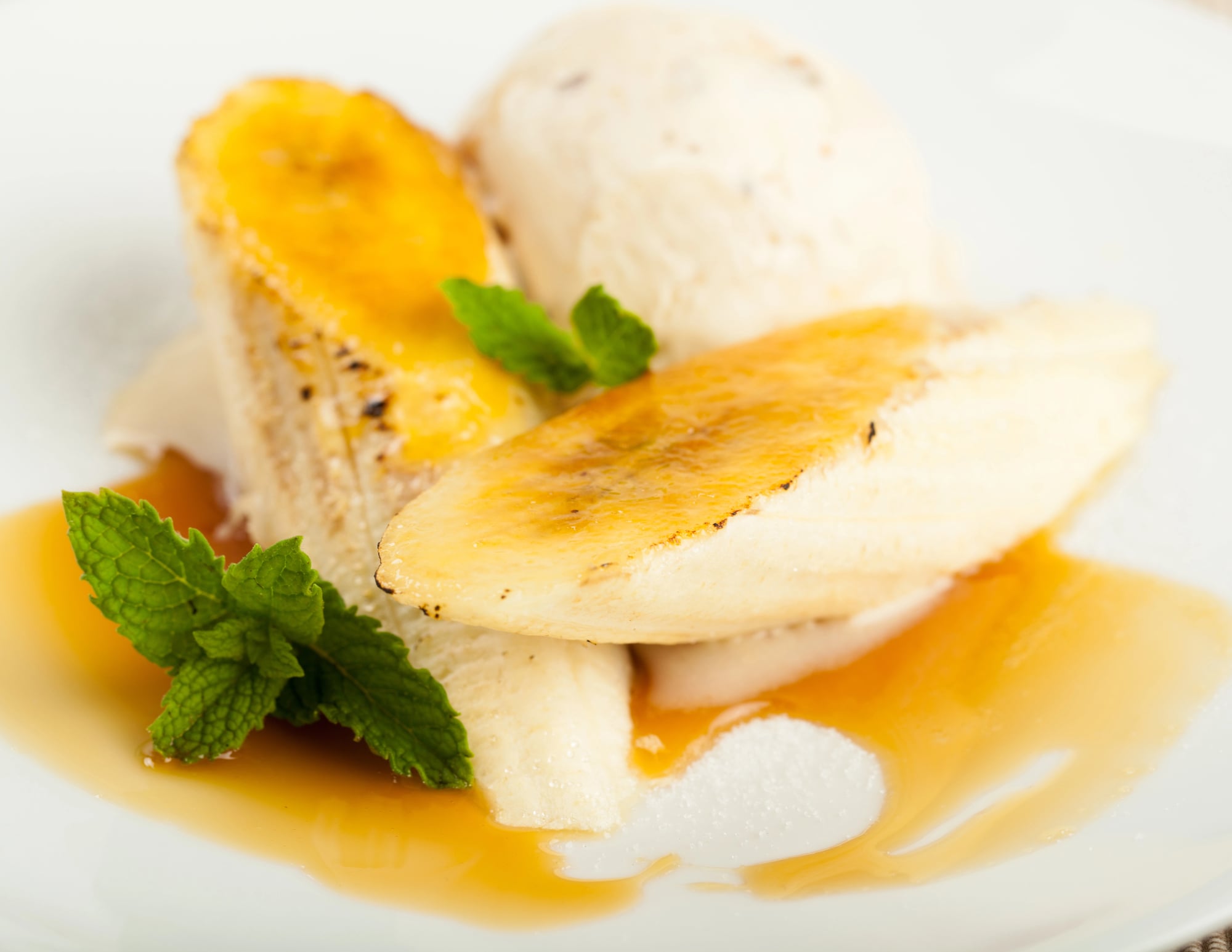
Bananas Foster is said to have been created at Brennan’s restaurant in 1951 to honor Richard Foster, a local civic figure, combining bananas, rum, sugar, and flambé theatrics.
But similar rum-and-banana preparations existed across the Caribbean long before this. The New Orleans version was likely a branding effort, giving the dish a local identity and a memorable origin story tied to theatrical presentation.
When Stories Become Truth
The fabricated food origin stories reveal more about what people want to believe than what actually happened. Every culture loves the myth of the innovative chef who created something wonderful under pressure, the happy accident that became a classic, or the dish named after a famous person who probably never ate it.
These stories stick because they’re more satisfying than the messy reality of how recipes actually develop — through gradual evolution, multiple influences, and countless unnamed cooks making small improvements over time.
More from Go2Tutors!

- The Romanov Crown Jewels and Their Tragic Fate
- 13 Historical Mysteries That Science Still Can’t Solve
- Famous Hoaxes That Fooled the World for Years
- 15 Child Stars with Tragic Adult Lives
- 16 Famous Jewelry Pieces in History
Like Go2Tutors’s content? Follow us on MSN.