15 Brands That Embraced Misspelling and Made It Their Thing
Let’s face it – sometimes mistakes turn into marketing gold. Spelling errors that might send an English teacher into a fit have become iconic brand identities worth billions.
These companies didn’t just accept their misspellings; they doubled down and transformed them into recognizable, memorable parts of their business identity. Here is a list of 15 brands that not only embraced their spelling quirks but turned those “mistakes” into valuable trademarks that customers worldwide now instantly recognize.

The tech giant’s name was actually a misspelling of “googol,” the mathematical term for the number 1 followed by 100 zeros. When founders Larry Page and Sergey Brin were brainstorming names for their search engine, they wanted something that represented the vast amount of information they planned to organize.
The misspelling happened during a domain name registration, but they kept it and built one of the most valuable brands in the world around this happy accident.
Flickr

This photo-sharing platform originally started as a feature within an online game called “Game Neverending.” The developers wanted to name their photo service “Flicker,” but the exact domain name wasn’t available.
Rather than choosing a different name altogether, they simply dropped the “e” and created the distinctive “Flickr.” This shorter, quirkier spelling became instantly recognizable and helped the brand stand out in the early days of social media.
Tumblr

When David Karp created his microblogging platform in 2007, he deliberately spelled “Tumblr” without the “e” that would normally appear in “tumbler.” The dropped vowel followed the trend of tech companies adopting shorter, catchier names – especially useful for domain registration.
The unique spelling became integral to the brand’s identity and helped establish its slightly offbeat, alternative image that appealed to its creative user base.
Lyft

The ridesharing company deliberately chose the misspelled version of “lift” to differentiate itself in the market. The “y” replacement created a more distinct, memorable name that was easier to trademark and search for online.
The playful spelling perfectly matched the company’s early brand identity with those giant pink mustaches on car grilles, signaling to customers that this wasn’t your traditional taxi service but something more casual and friendly.

The popular discussion website’s name came from the phrase “read it,” as in “I read it on Reddit.” By removing the “a” and doubling the “d,” the founders created a unique, memorable name that cleverly referenced the site’s function while being easier to trademark.
The intentional misspelling gave the platform a distinctive identity that matched its somewhat irreverent community culture.
Fiverr

This freelance services marketplace centered its entire business model around $5 gigs, hence the name “Fiverr.” The extra “r” was a deliberate choice to distinguish the brand and secure an available domain name.
The misspelling helped create a playful, distinctive identity that stood out in the crowded gig economy space and has become part of the company’s brand equity as it expanded beyond just $5 services.
Chick-fil-A

The fast-food chain’s name is a play on “chicken fillet,” with the unusual spelling intended to emphasize quality and suggest something special about their chicken sandwiches. Founder Truett Cathy chose this creative spelling to stand out in the competitive fast-food landscape.
The unique name, combined with their cow mascots urging people to “Eat Mor Chikin,” created a distinctive brand identity that customers find charming and memorable.
Krispy Kreme

This doughnut company replaced the “c” in “crispy” with a “k” to create a more distinctive brand name when it was founded in 1937. The alliteration of the two “k” sounds makes the name more memorable and fun to say.
The playful spelling reflects the company’s identity as a treat provider and adds to its nostalgic, slightly old-fashioned appeal that has helped it maintain brand loyalty for decades.
Dunkin’

Originally “Dunkin’ Donuts,” this coffee and doughnut chain embraced the informal spelling of “dunking” by dropping the “g” and adding an apostrophe. In 2019, they shortened their name to just “Dunkin'” while keeping the deliberately casual spelling.
This friendly, approachable spelling aligns perfectly with their brand message of being fast, unpretentious, and accessible to everyday Americans looking for their morning coffee fix.
Häagen-Dazs

Perhaps the most fascinating case of embraced misspelling, Häagen-Dazs isn’t a misspelling of a real word – it’s a completely made-up name designed to sound Scandinavian and suggest European craftsmanship. Created by Polish immigrants Reuben and Rose Mattus in the Bronx, New York, the nonsensical but exotic-sounding name helped position the ice cream as premium and foreign, despite being thoroughly American.
The umlaut and unusual spelling have become central to the brand’s luxury image.
Netflix

The streaming giant’s name combines “net” (short for internet) and “flicks” (slang for movies), with “flicks” intentionally misspelled as “flix.” This deliberate shortening created a snappier, more modern-sounding brand name that was easier to secure as a domain.
The slight misspelling has become an integral part of one of the world’s most recognized entertainment brands, showing how strategic letter-dropping can create valuable brand assets.
Toys “R” Us
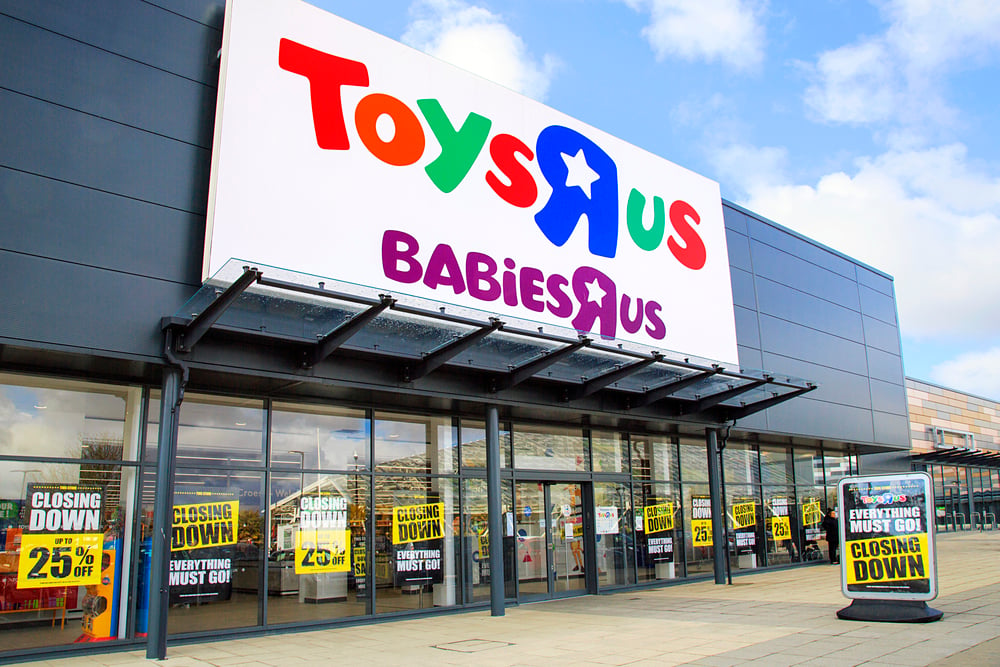
The toy retailer famously flipped the “R” in its name, creating a childlike spelling that suggested the store was run from a kid’s perspective. The backwards letter became an essential part of their logo and overall brand identity.
This playful approach to spelling perfectly aligned with their product offering and target audience, creating an immediate connection with children and parents alike.
Atletico Madrid

The famous Spanish football club’s name is actually a misspelling of “Atlético” (missing the accent mark) in its original formation. Founded as Athletic Club de Madrid, the team eventually adopted the slightly altered spelling as part of its distinct identity.
The misspelling has become so integral to the club’s identity that fans worldwide recognize and embrace it as part of the team’s rich heritage and tradition.
Waze

The navigation app’s name is a deliberate misspelling of “ways,” representing the different routes you can take to reach your destination. The “z” replacement makes the name more distinctive and easier to trademark.
This clever spelling alteration also gave the brand a modern, tech-savvy feel that helped it stand out in the crowded app marketplace before Google acquired it for nearly $1 billion.
Froot Loops

Kellogg’s beloved cereal intentionally misspells “fruit” as “froot” in its name. This playful alteration helps the brand avoid making any claims about containing real fruit while creating a fun, kid-friendly identity.
The double “o” visually mimics the shape of the cereal pieces themselves, creating a memorable connection between the name and the product that has helped this cereal remain popular for generations.
Building Brand Identity Through Creative Spelling

These 15 examples demonstrate how unconventional spelling can become a powerful branding tool. What might be considered mistakes in academic contexts have become valuable assets worth millions or even billions in the business world.
The next time you spot a deliberately misspelled brand name, remember there’s often strategic thinking behind those missing letters, substituted characters, and creative spellings that make companies instantly recognizable in a crowded marketplace.
More from Go2Tutors!

- The Romanov Crown Jewels and Their Tragic Fate
- 13 Historical Mysteries That Science Still Can’t Solve
- Famous Hoaxes That Fooled the World for Years
- 15 Child Stars with Tragic Adult Lives
- 16 Famous Jewelry Pieces in History
Like Go2Tutors’s content? Follow us on MSN.