Final Jeopardy Questions That Sealed Wins
There’s a particular kind of silence that falls over a Jeopardy! studio during Final Jeopardy. The music plays, the contestants write, and nobody knows yet who’s about to walk away richer or devastated.
Most of the time, Final Jeopardy is a formality — the leader wagers safely, protects the lead, and the credits roll. But every so often, the final clue becomes the whole story.
These are the moments that define careers, end streaks, and turn regular contestants into legends. The question isn’t always the hardest one ever written.
Sometimes it’s the timing, the wager, the category that nobody wanted to see. Here’s a look at some of the most consequential Final Jeopardy clues in the show’s history.
The Clue That Finally Stopped Ken Jennings

Ken Jennings won 74 games in a row. His run from 2004 is still the longest in the show’s history, and for most of it, Final Jeopardy barely mattered — he was so far ahead that the outcome was settled before the music started.
But on November 30, 2004, the streak ended. The category was “Business and Industry,” and the clue described a company whose thousands of seasonal white-collar employees worked just four months a year.
Jennings wrote down the wrong answer. His challenger, Nancy Zerg, got it right. The correct response: H&R Block.
It wasn’t a clue anyone would call unfair. Jennings just missed it, and 74 straight wins came to an end in a single 30-second music loop.
The Night Emma Boettcher Ended James Holzhauer

James Holzhauer came into Jeopardy! playing a game nobody had seen before. He hunted Daily Doubles, wagered massive amounts, and ran up scores that made previous champions look modest.
By the time librarian Emma Boettcher sat across from him, he was closing in on Jennings’ all-time winnings record. The Final Jeopardy category was Children’s Books Authors.
The clue described a tiny character living in a tiny house — a description that pointed to a specific author who drew from her own daughter for inspiration. Holzhauer missed it.
Boettcher got it right and wagered enough to pass him. The correct response was Beatrix Potter.
What made this moment hit differently was the wager. Holzhauer had built his whole game around wagering aggressively, but on this night, a librarian out-thought him at his own game.
Amy Schneider’s Run and the Clue That Ended It

Amy Schneider won 40 consecutive games in late 2021 and early 2022. She became one of the most dominant champions in the show’s modern era and earned over a million dollars before her streak ended.
Her final game came down to a clue about a Chekhov character summing up a life of missed ambitions in three words. The exact phrasing tripped her up, and challenger Rhone Talsma got it right.
What stood out about Schneider’s run wasn’t any single clue — it was how rarely Final Jeopardy decided her fate. She was so consistent through the Double Jeopardy round that most of her Final Jeopardys were won before they started.
That made her loss feel all the more sudden.
Matt Amodio and the Art of “What is…”
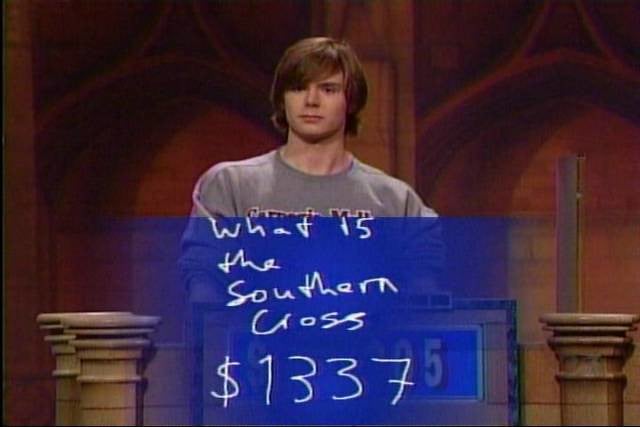
Matt Amodio became famous for an unusual habit — he answered every clue with “What is,” even for people. What’s “What is Obama?” technically improper in Jeopardy! phrasing, but the judges allowed it, and it became part of his identity on the show.
He won 38 games in a row. His Final Jeopardy moments were rarely the story — his aggressive Daily Double hunting and near-perfect recall during the main rounds usually decided things long before the final clue.
When his streak did end, it came in a game where the totals were close going into the final round. His run highlighted how Final Jeopardy functions differently for dominant players.
For most contestants, it’s the climax. For players like Amodio, it was almost an afterthought — until it wasn’t.
Watson’s Famous Stumble
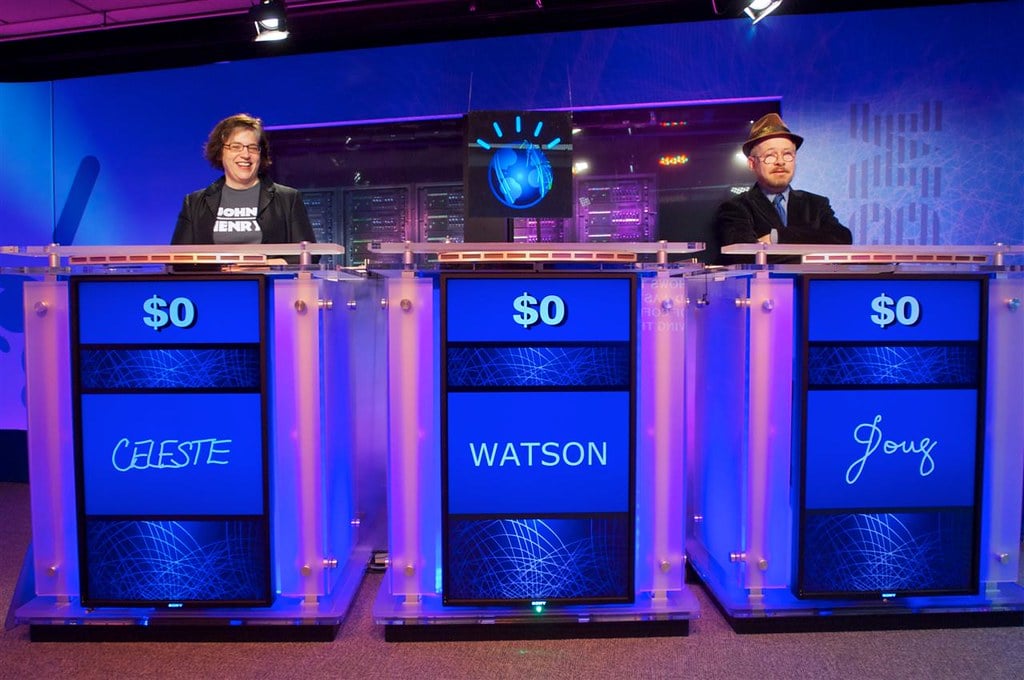
In 2011, IBM’s Watson competed against Ken Jennings and Brad Rutter in a two-game special. The match was set up to test whether a computer could compete with the greatest human champions, and for most of it, Watson dominated.
But in one Final Jeopardy round, Watson gave an answer that confused everyone watching. The category was U.S. Cities, and Watson — despite presumably having access to every geography database ever compiled — answered Toronto.
Watson still won the match overall, but that single clue showed that raw processing power doesn’t automatically translate into good judgment. The machine had the facts. It just didn’t weigh them the way a human would.
Brad Rutter’s Unbeaten Record Against Humans

Brad Rutter has never lost to a human opponent on Jeopardy! He won the original Teen Tournament, then the Tournament of Champions, then the Ultimate Tournament of Champions, and kept going.
His total winnings from the show surpass everyone else in history. His Final Jeopardy record is part of a larger pattern — he doesn’t just get the answers right, he wagers correctly.
The combination of knowledge and math has kept him undefeated across decades of competing.
The Category Nobody Wanted

There’s a specific kind of dread that comes from turning over the Final Jeopardy category and seeing something completely outside your knowledge. Opera. Obscure geography. 19th-century literature.
Contestants have described this moment as almost physical — a sinking feeling when the category appears and you realize the whole game might come down to something you know nothing about. Several famous losses have come from exactly this scenario.
A player with a comfortable lead walks into a Final Jeopardy category that genuinely stumped them. What makes Jeopardy! different from most game shows is that the category appears before wagering.
You see the subject, you assess your confidence, and then you commit a dollar amount. Getting that assessment wrong — wagering too much on a category you don’t know, or too little on one you do — has decided more outcomes than the clues themselves.
Roger Craig and the Strategic Wager
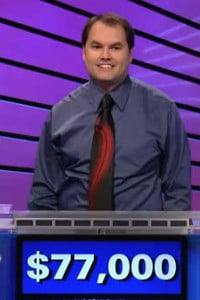
Roger Craig set a single-day record of $77,000 in 2010. What made his performance remarkable wasn’t just how much he knew — it was how he engineered his own results.
Craig had studied Jeopardy! statistics obsessively before appearing. He knew which categories came up most often, where Daily Doubles were statistically likely to appear, and how to build a lead big enough that Final Jeopardy became a safe exercise rather than a gamble.
His record-setting day involved not just answering correctly, but constructing a game where the final clue was almost irrelevant. He had already won by the time the Final Jeopardy music played.
When the Trailing Player Gets It Right

The most dramatic Final Jeopardy moments almost always involve a player in second place getting the answer right while the leader gets it wrong. This is rarer than it sounds — usually leaders wager correctly and protect their lead — but when it happens, it’s the kind of television that gets replayed for years.
Nancy Zerg beating Jennings. Emma Boettcher beating Holzhauer. These moments share a structure: the leader is ahead, the challenger is a long shot, and one clue reverses everything.
What’s interesting is that in both cases, the losing player wasn’t outplayed across the board. They simply missed one specific answer on one specific night.
That’s the nature of the format — a 30-game winning streak and a 30-second music loop carry equal weight at the moment of scoring.
The Wager That Wins Without the Right Answer

Wrong answers sometimes aren’t enough to lose. One contestant misses Final Jeopardy, the other does too – yet the first keeps the lead by betting smarter.
Victory slips through math, not knowledge. Strange how quiet success can seem louder than fireworks.
Still, what looks like caution is often sharp thinking dressed plainly. Some win not by knowing answers but by measuring chances carefully instead.
A move that appears small might carry the whole game beneath it. Here’s how it works. When trailing before Final Jeopardy without knowing the clue, bet all your points.
Winning means others must also get it wrong. So go big. Victory depends on that mistake happening. Nothing else helps.
Julia Collins Quiet Strength

Twenty times in 2014, Julia Collins found her way to victory, setting a mark no female contestant has passed during regular episodes. Right at the end of each episode, when stakes climbed, her moves stayed steady – calm choices, correct responses, nothing loud or bold.
Most days she didn’t dazzle; instead, she answered well, bet carefully, kept going. The streak grew not through spectacle but quiet precision.
She played smart, stayed sharp, let results speak. Few have matched that run since. Steadiness shaped her game – something far tougher than flashy turnarounds might suggest.
Spectacular plays never entered the picture, simply because she avoided spots where those would matter. By the time Final Jeopardy arrived, it merely echoed the truth set long before.
What unfolded then wasn’t changed. It was recognition.
The Questions With One Word Answers

A lone word can make or break your Final Jeopardy run. Know the term? Then it’s yours. Forget the title? Now you’re just hoping.
One slip and the answer slips too. Wrong answers vanish fast when guesses miss the mark completely.
Only exact matches let players hold on to their winnings. A single letter off means losing it all just the same.
Right names stay safe, everything else slips away instantly. Out of nowhere, a few legendary Final Jeopardy moments turned on just one narrow fact – no room for close guesses.
Some shut down big runs fast when a contestant missed what seemed obvious only after the reveal. It wasn’t about broad knowledge so much as hitting the single answer waiting behind the clue. Right or wrong rested entirely on whether that exact detail clicked in time.
Common Traits Among Top Performers
Winning Final Jeopardy often comes down to quiet confidence, not just facts stored in memory. Some stay calm even when the topic feels unfamiliar.
Their bets match what they truly know – no guessing on hope. Instead of chasing perfect answers, they play for profit. Ending up ahead matters more than being right every time.
Half of what matters sits hidden in plain sight. Before a single hint shows up, there it is – the digit already marked on the betting slip.
That number shapes everything just as much as the answer does.
The Thirty Seconds That Change Everything

A streak on Jeopardy! always meets its match when Final Jeopardy arrives. That is just how the game works.
It does not matter your skill level, new questions keep coming. Sooner or later, a clue appears that slips past your knowledge.
What sticks isn’t how hard the questions seemed or whether luck played a part. Not really. What matters is how the game keeps stretching knowledge until it snaps at its limit – then stretches more.
Those who stayed furthest didn’t avoid hitting that wall. They just arrived there after most others had already stopped. Moments like those stay with you.
More from Go2Tutors!

- The Romanov Crown Jewels and Their Tragic Fate
- 13 Historical Mysteries That Science Still Can’t Solve
- Famous Hoaxes That Fooled the World for Years
- 15 Child Stars with Tragic Adult Lives
- 16 Famous Jewelry Pieces in History
Like Go2Tutors’s content? Follow us on MSN.