14 Government Programs That Were Funded Because of a Numbering Error
Government bureaucracy is notorious for its complexity, and sometimes, that complexity leads to fascinating mistakes. Behind the scenes of policy-making and budget allocation, simple clerical errors have occasionally resulted in the accidental funding of programs that might otherwise never have existed.
These mistakes range from decimal point errors to typos in budget documents that went unnoticed until it was too late to reverse course. Let’s explore the surprising world of government programs that owe their existence to someone’s numerical blunder.
Here is a list of 14 government programs that were funded because of numbering errors, each with its own unique story of bureaucratic mishap turned unexpected benefit—or burden—for taxpayers.
The Rural Electrification Extension
In 1967, a decimal point placed one digit too far to the right in a budget document allocated $47 million instead of $4.7 million to extend the Rural Electrification Administration’s work. The error went unnoticed for months, by which time projects were already underway in three additional states.
The expanded program ended up bringing electricity to over 200,000 rural homes that weren’t originally slated for coverage until the following decade.
The Duplicate Highway Fund

A clerical error in 1982 congressional appropriations accidentally listed the same highway infrastructure project twice in different sections of the bill. Rather than correct the error, lawmakers created a secondary road development program that focused on county roads adjacent to the initially planned highways.
This ‘accidental’ program improved access to rural communities across five states and continues to receive funding to this day.
NASA’s Climate Monitoring Division

When a NASA budget request in 1994 included an extra zero, transforming a $40 million request into $400 million, the agency suddenly found itself with funds for an entirely new climate research division. Rather than return the money, NASA quickly developed proposals for expanded satellite monitoring of climate patterns.
The division has since become crucial in tracking global climate changes and providing essential data for environmental policy decisions.
The Double-Funded Art Program

In 2003, a spreadsheet error duplicated a line item for a modest arts education initiative, effectively doubling its budget. The Department of Education, upon discovering the error, decided to expand the program’s scope rather than rescind the funds.
The expanded program introduced arts education to thousands of underfunded schools across America and later studies showed significant improvements in student engagement and academic performance at participating schools.
The Miscounted River Restoration Project
A typing error in 2008 changed a $5.3 million allocation to $53 million for a river restoration project in Michigan. By the time the error was caught, plans had already been expanded to include the entire watershed rather than just one section of the river.
Environmental scientists later concluded that the larger-scale approach was actually more effective and economically efficient in the long run than the originally planned piecemeal restoration.
The Army’s Extra Tank Battalion
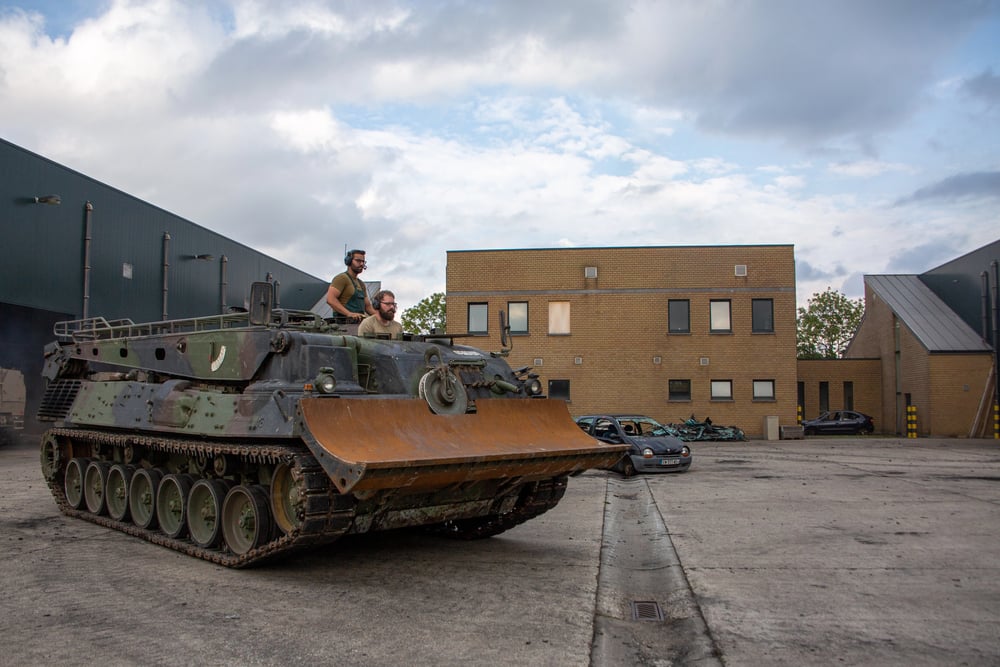
In 1991, during Operation Desert Storm preparations, a Pentagon clerk accidentally added an extra digit to a tank maintenance and upgrade request. Instead of funding maintenance for 170 tanks, the paperwork authorized 1,700.
The error resulted in the creation of an additional tank battalion that played a significant role in the conflict, something military planners later claimed they would have requested anyway had they anticipated the scope of operations.
The National Parks Documentation Project

In 2012, a budget committee member misread a $1.8 million allocation as $18 million for national park historical documentation. Rather than correct the error, the National Park Service seized the opportunity to launch an unprecedented comprehensive digital documentation project of historical structures and natural features across the entire park system.
The project has since become a valuable resource for conservation efforts and educational programs.
The Transportation Safety Overallocation

A numerical transposition in 1998 turned a $25.7 million transportation safety research program into a $52.7 million initiative. The additional funds allowed for expanded research into vehicle safety technologies that would not have been pursued otherwise.
Several of these ‘accidental’ research projects led to safety features that became standard in automobiles manufactured after 2005, potentially saving thousands of lives.
The Healthcare Database Upgrade

In 2010, a misplaced comma in a budget document changed a $7.5 million healthcare database modernization project to $75 million. The error enabled the creation of a much more comprehensive system than originally planned, one that later proved invaluable during pandemic response planning by enabling faster tracking of medical supply needs and hospital capacity across multiple regions.
The Environmental Monitoring Stations
A spreadsheet formula error in 2005 multiplied the intended budget for environmental monitoring stations by six. Instead of 50 new water quality monitoring stations, the Environmental Protection Agency received funding for 300.
The expanded network of stations later proved crucial in identifying several major contamination events that might have gone undetected with the more limited network originally planned.
The Extra Veterans’ Center

In 2014, a numbering error in a Department of Veterans Affairs document accidentally funded one additional rehabilitation center beyond what was requested. The center, built in a previously underserved area in the Midwest, has since become a model facility with some of the best outcomes for veteran rehabilitation in the country.
Veterans’ advocacy groups later pointed to this ‘accidental’ facility as evidence for the need for more such centers nationwide.
The Miscalculated Food Security Program

A clerical error in 2001 added an extra zero to a modest $2 million food security research initiative, turning it into a $20 million program. The expanded funding allowed for the development of drought-resistant crop varieties that have since been implemented across multiple continents, helping millions of farmers in arid regions maintain consistent food production despite increasingly unpredictable rainfall patterns.
The Library Digital Archive Project

In 1999, an error in budget transcription transformed a $3.8 million Library of Congress digitization project into a $38 million comprehensive digital archive initiative. The expanded program accelerated the digitization of historical documents by nearly a decade, preserving countless fragile materials that might have been lost to deterioration and making them accessible to researchers worldwide.
The Tripled Weather Tracking System
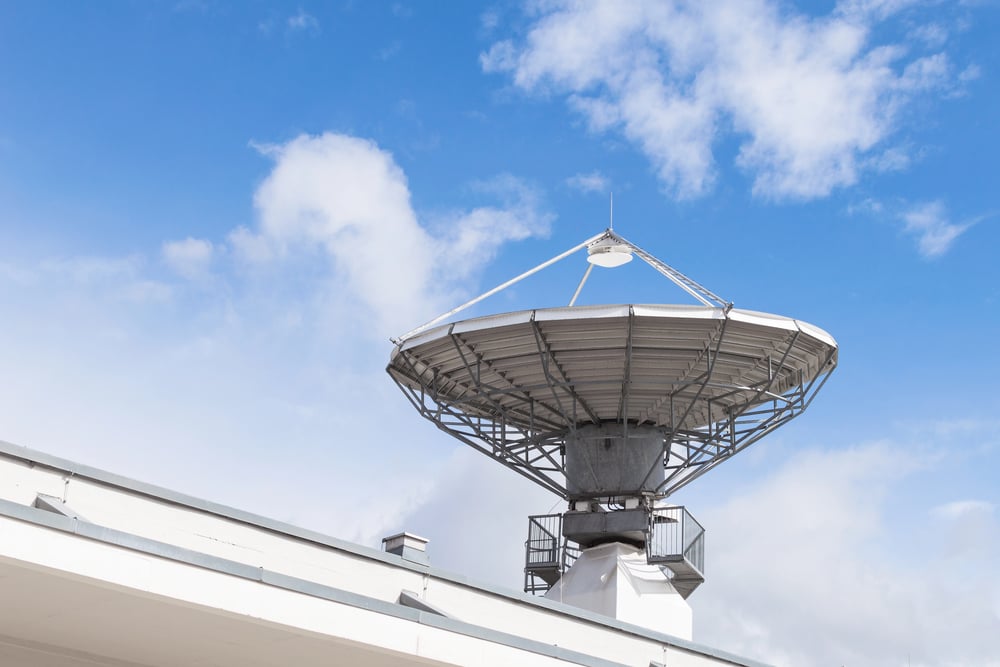
In 2016, a formatting error in a budget spreadsheet tripled the allocation for a weather tracking system upgrade from $14 million to $42 million. The National Weather Service used the unexpected windfall to implement their long-term modernization plan all at once rather than in phases.
The improved system has since significantly increased the accuracy of severe weather predictions, providing communities with crucial additional warning time for evacuations during extreme weather events.
Legacy of Administrative Accidents
These numbering errors, while initially mistakes, have in many cases led to unexpectedly beneficial outcomes that might never have occurred through normal budgetary channels. They highlight the peculiar reality that sometimes bureaucratic blunders can result in important programs that serve public needs that might otherwise have gone unaddressed.
Government agencies typically operate under tight budget constraints, making it difficult to fund innovative or expanded programs. In these rare cases, numerical errors created opportunities for expansion and innovation that circumvented the usual budgetary limitations. While not an efficient or reliable way to allocate resources, these administrative accidents have occasionally proven that sometimes more funding in the right place—even if unintentional—can yield surprising public benefits.
More from Go2Tutors!

- The Romanov Crown Jewels and Their Tragic Fate
- 13 Historical Mysteries That Science Still Can’t Solve
- Famous Hoaxes That Fooled the World for Years
- 15 Child Stars with Tragic Adult Lives
- 16 Famous Jewelry Pieces in History
Like Go2Tutors’s content? Follow us on MSN.



