15 Facts About Surviving the Great Depression
The Great Depression wasn’t just numbers on a page or grainy photographs in history books. It was families sitting around kitchen tables trying to stretch a dollar into a week’s worth of meals. It was neighbors helping neighbors because there wasn’t anyone else. It was ordinary people learning to do extraordinary things with almost nothing at all. The stories of survival from that decade aren’t just historical curiosities — they’re blueprints for resilience that still matter today.
Growing Victory Gardens
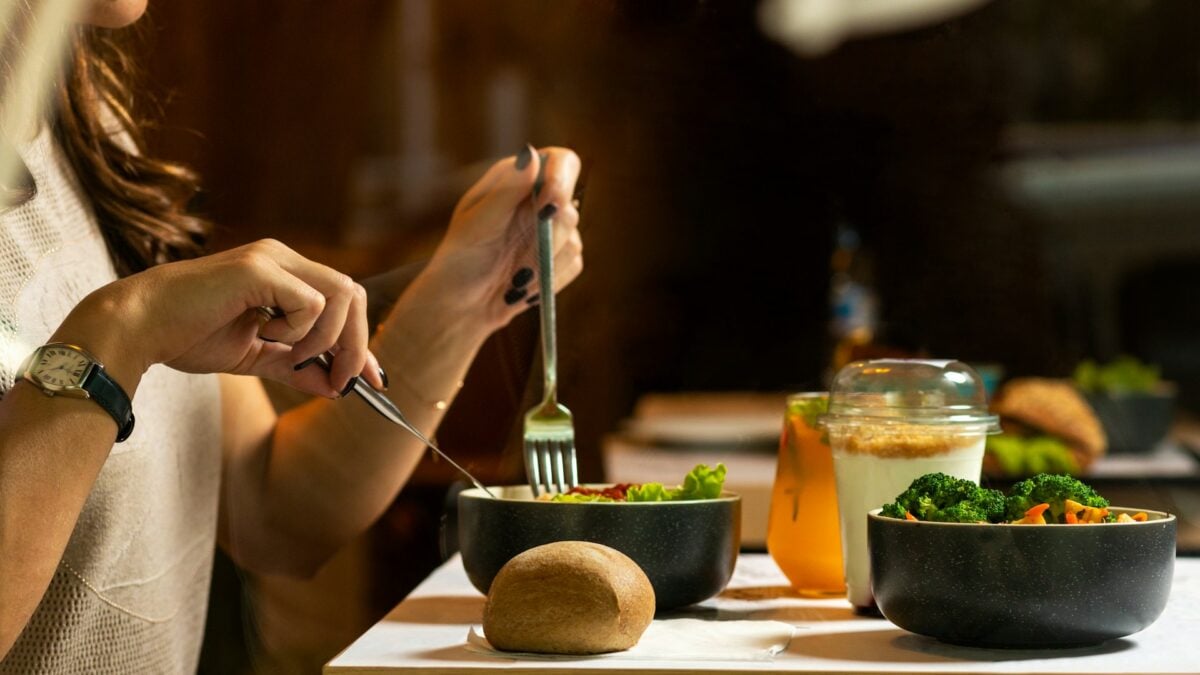
Home gardens weren’t just supplementary—they were lifelines. Families turned every available patch of dirt into food production, from backyards to vacant lots.
A small garden could feed a family for months if managed properly.
Making Do and Mending
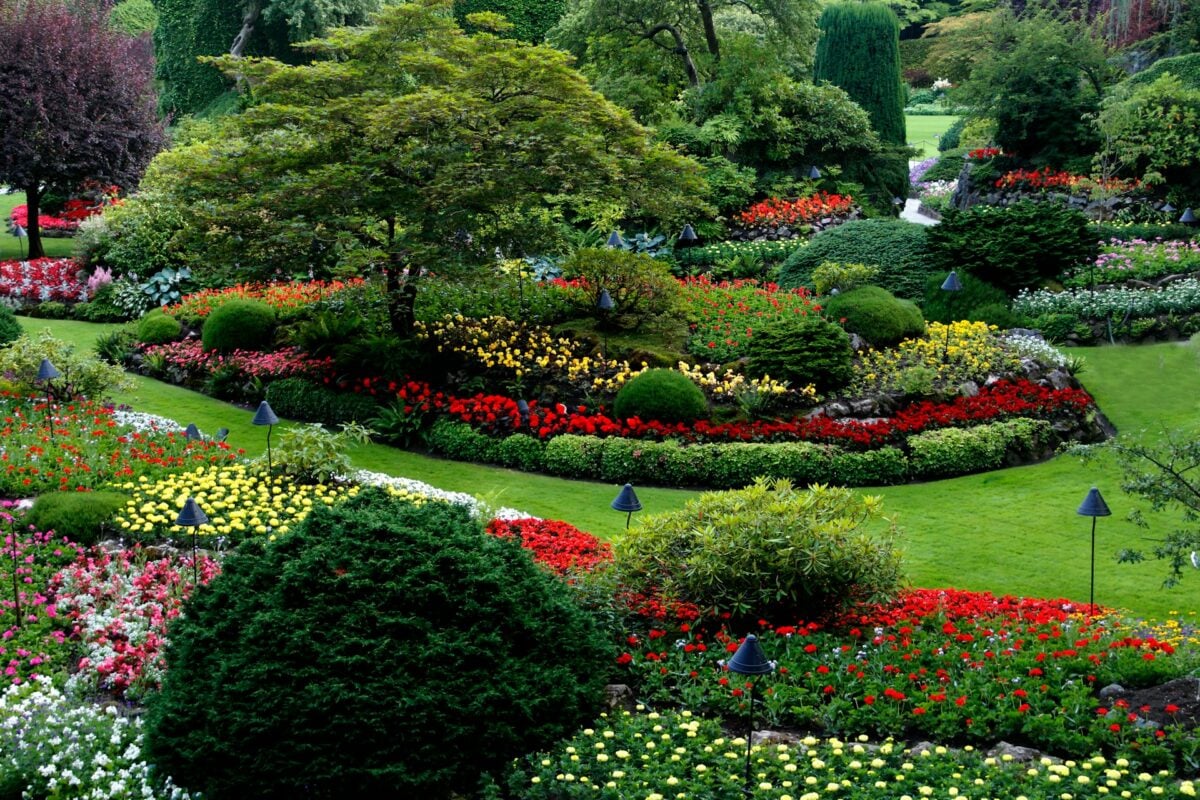
Throwing things away became unthinkable. Clothing got patched until it was more patch than original fabric.
Shoes were resoled by hand. Furniture was repaired, refinished, and repaired again.
The phrase “use it up, wear it out, make it do, or do without” became a survival mantra that guided every purchase decision.
Trading Skills for Goods
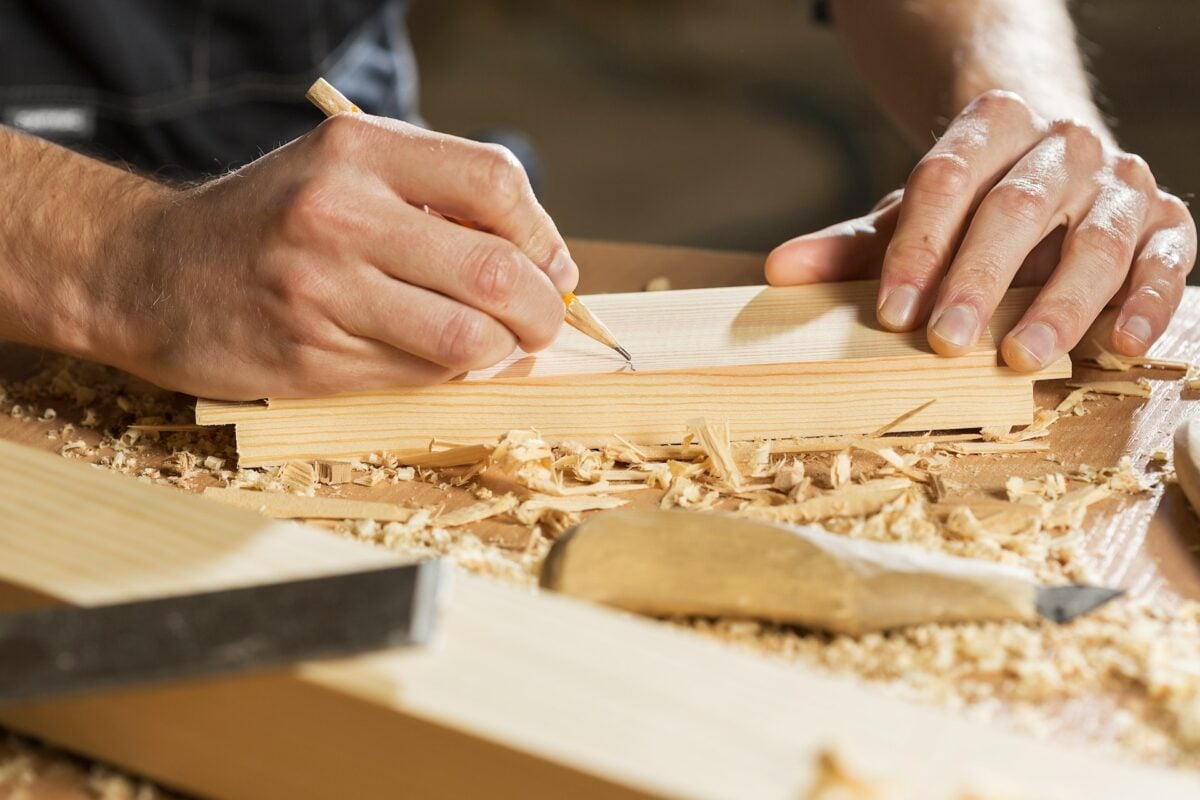
Money might have been scarce, but skills weren’t worthless. A carpenter could trade repairs for fresh eggs.
A seamstress could mend clothes in exchange for vegetables. Communities developed informal bartering systems where everyone contributed what they could and received what they needed — and this network of mutual dependence often meant the difference between making it through the month or going hungry.
The art of negotiation became essential survival knowledge, though it rarely felt like art at the time (more like desperation dressed up in polite conversation). People learned to ask for what they needed without shame, to offer what they had without expecting immediate return.
And here’s what’s worth noting: these weren’t business transactions so much as they were acts of community preservation, where helping your neighbor was really just helping yourself in the long run.
Preserving Food Without Refrigeration
Root cellars became treasure vaults. Families dug into hillsides or basements to create cool, dark spaces where vegetables could last through winter.
Canning wasn’t a hobby — it was survival insurance. Every jar filled in summer represented meals guaranteed for the lean months ahead.
Finding Work Where Others Couldn’t

The key was flexibility without pride getting in the way. Former office workers took manual labor jobs.
College graduates sold apples on street corners. People traveled hundreds of miles chasing rumors of employment opportunities that might not even exist when they arrived.
Sharing Living Spaces

Multiple families crowded into single homes, dividing rent and pooling resources. Extended relatives who hadn’t spoken in years suddenly became essential roommates.
Privacy became a luxury nobody could afford, but shared expenses meant everyone had a roof over their heads.
Making Entertainment at Home

Radio programs became family events — everyone gathered around to listen like it was theater. Card games stretched through entire evenings.
People rediscovered instruments that had been collecting dust and turned living rooms into concert halls (though calling them concert halls might be generous, considering most performances were more enthusiasm than skill). Neighbors organized talent shows where the real talent was making everyone forget their troubles for a few hours.
Storytelling became an art form again, with older relatives sharing tales that could fill entire evenings. Children learned to entertain themselves with games that required nothing more than imagination.
And somehow these simple pleasures carried more weight than expensive entertainment ever had.
Buying in Bulk When Possible

When families found a good price on staples like flour or beans, they bought as much as they could store. Splitting bulk purchases between neighbors made economic sense.
A fifty-pound sack of potatoes was useless if it rotted, but shared among five families, it fed everyone affordably.
Repurposing Everything
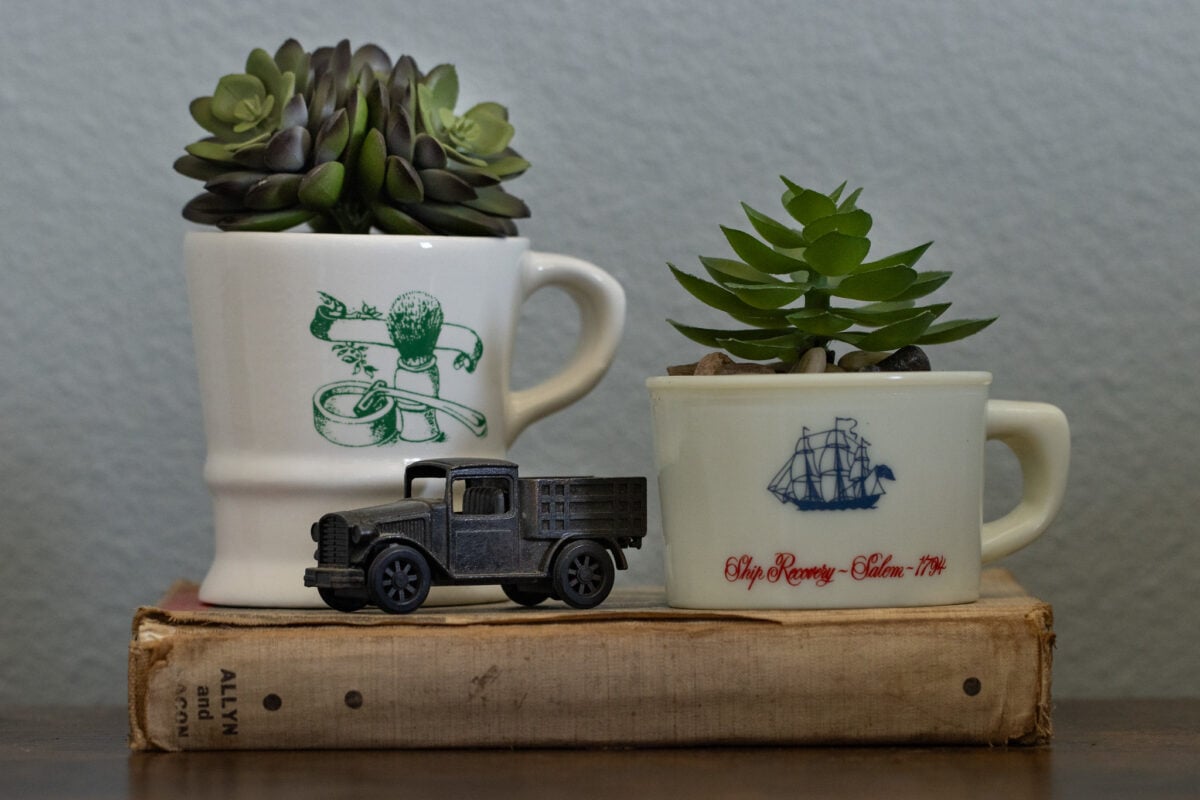
Nothing went to waste because waste was a luxury people couldn’t afford. Tin cans became planters, storage containers, and kitchen tools.
Old newspapers provided insulation, wrapping paper, and reading material until they literally fell apart. Worn-out clothing was cut into rags, quilting squares, or braided into rugs.
Learning Multiple Skills
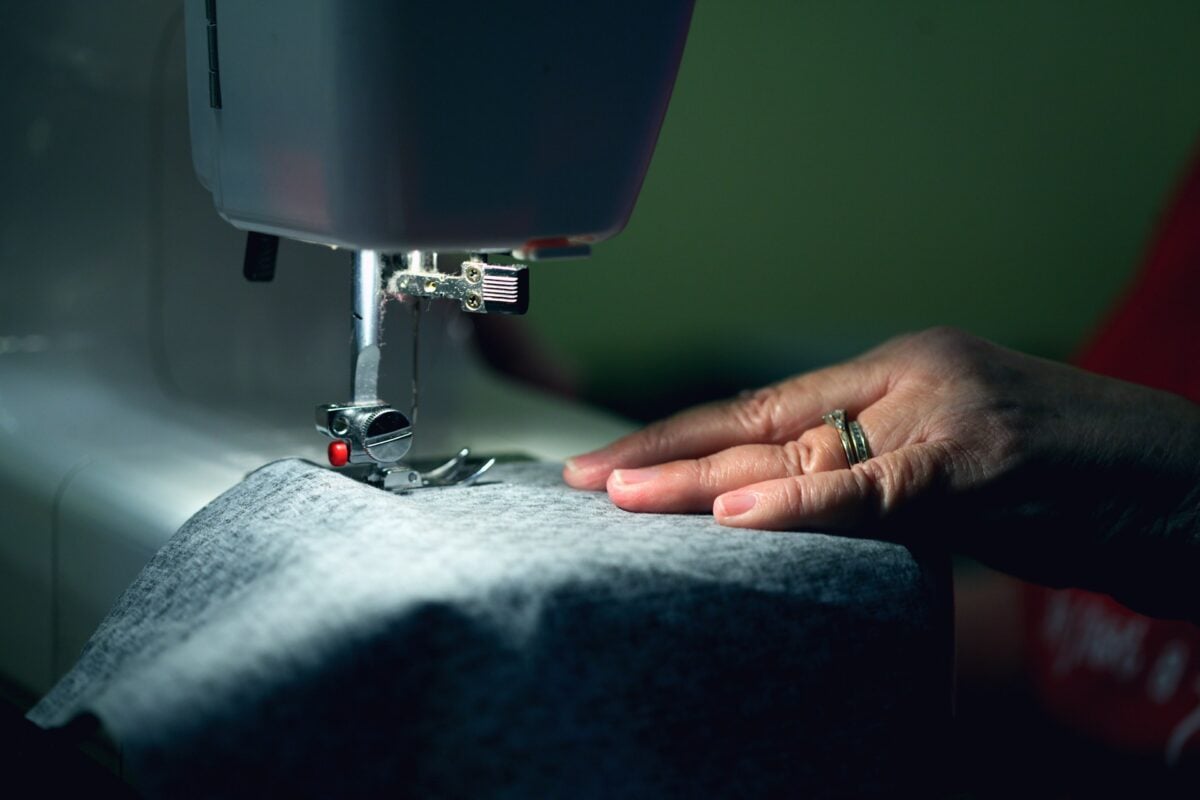
Specialization was a peacetime luxury. People learned to do whatever needed doing — basic carpentry, simple electrical work, cooking, sewing, gardening, and mechanical repairs.
The more self-sufficient a person became, the less dependent they were on services they couldn’t afford.
Building Community Networks
Isolated families struggled more than connected ones. Church groups, neighborhood associations, and informal social clubs became support systems.
Information about job opportunities, available resources, and community assistance programs traveled through these networks faster than any official communication could manage.
Stretching Meals Creatively

Soup bones produced multiple meals — first as broth, then the marrow was spread on bread, finally the bones were boiled again for weaker but still nourishing liquid. A single chicken could feed a family for days through careful planning and creative preparation techniques.
Maintaining Health Without Doctors
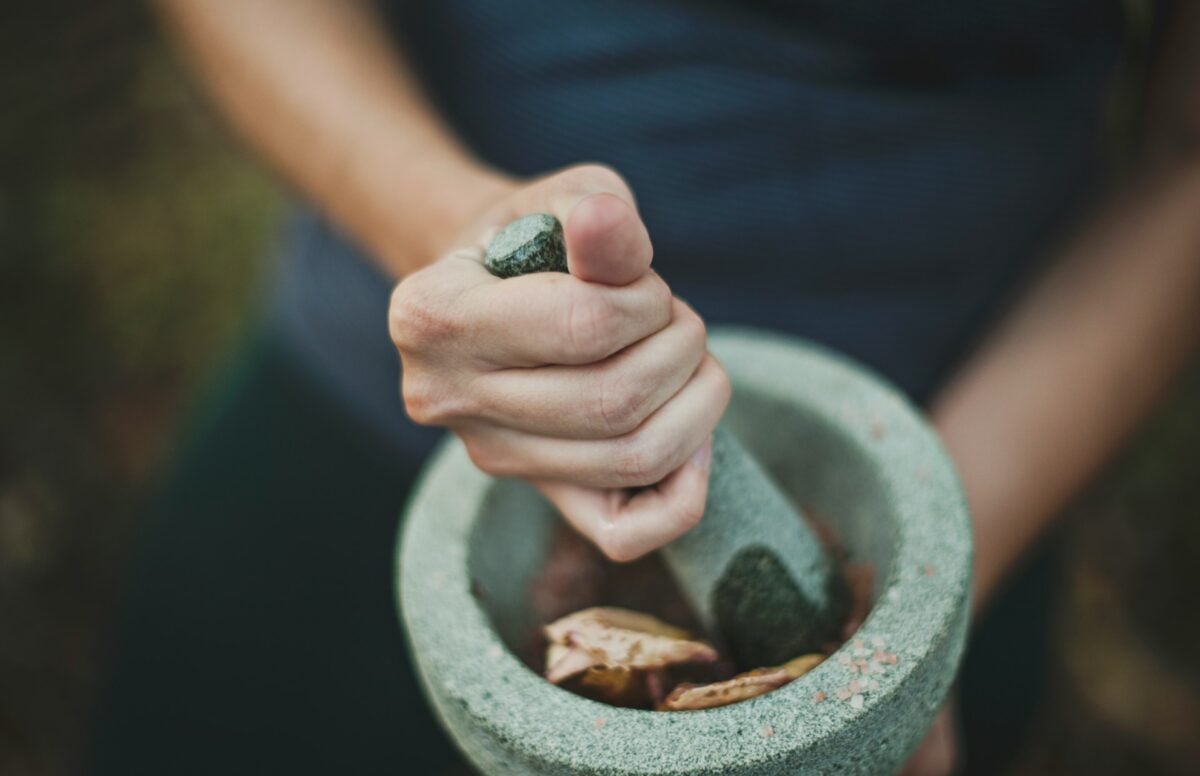
Home remedies weren’t quaint traditions — they were medical necessities when doctor visits cost money families didn’t have. Knowledge of basic first aid, herbal treatments, and preventive care became essential household skills that parents passed down to children like precious inheritances.
Walking Instead of Driving

Transportation costs were among the first expenses cut from family budgets. People walked miles to work, to shop, to visit family.
Communities were smaller and more self-contained by necessity. Shoe repair shops did steady business because walking everywhere meant shoes wore out quickly.
Keeping Hope Despite Everything

Mental resilience wasn’t optional — it was as essential as food and shelter. Families created small celebrations out of nothing, marked holidays with handmade gifts, and found reasons to believe that circumstances would eventually improve.
The ability to maintain hope in the face of relentless hardship often determined who made it through and who didn’t.
Lessons That Never Go Out of Style
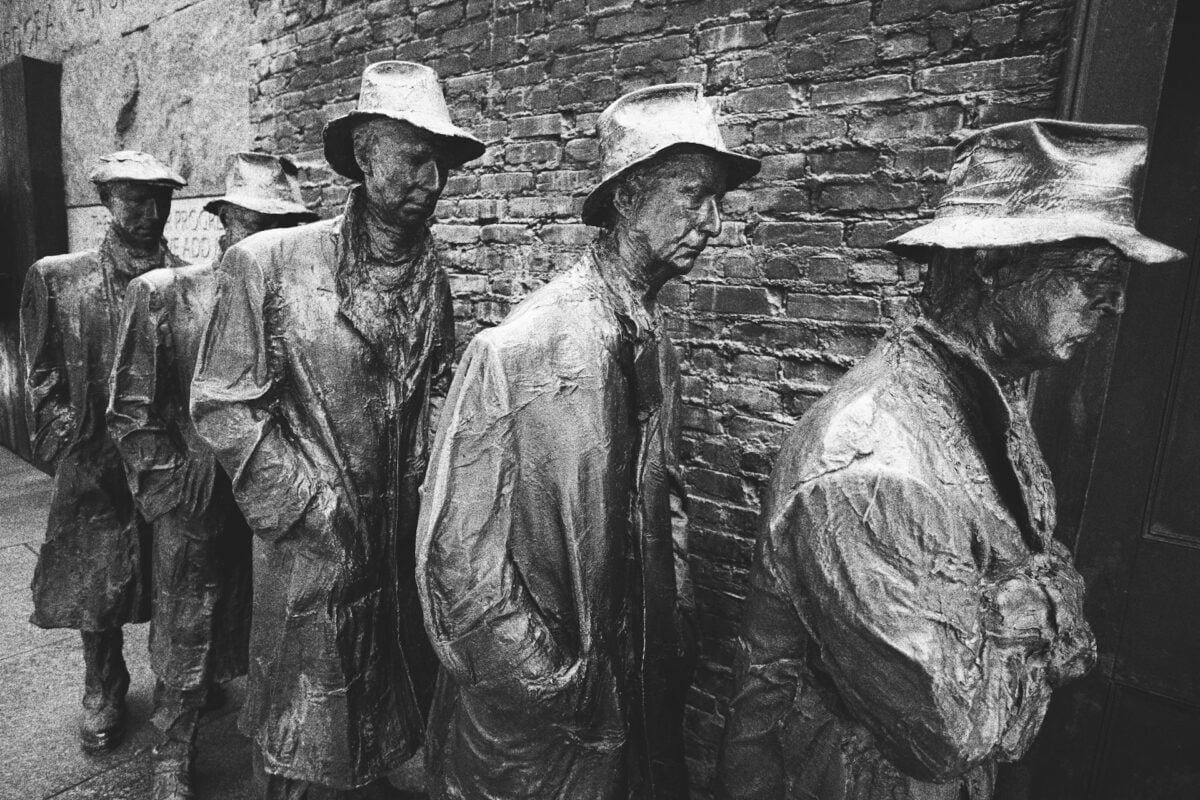
These survival strategies weren’t just responses to economic collapse — they were rediscoveries of how humans had lived for most of history. The Great Depression forced people to remember skills their grandparents had taken for granted.
And while nobody wants to repeat those desperate years, the resourcefulness, community connection, and resilience that people developed during that time remain valuable regardless of economic conditions. Sometimes the hardest lessons teach us what we’re actually capable of when everything else gets stripped away.
More from Go2Tutors!

- The Romanov Crown Jewels and Their Tragic Fate
- 13 Historical Mysteries That Science Still Can’t Solve
- Famous Hoaxes That Fooled the World for Years
- 15 Child Stars with Tragic Adult Lives
- 16 Famous Jewelry Pieces in History
Like Go2Tutors’s content? Follow us on MSN.