15 TV Shows That Quietly Switched Genres Halfway Through
Television shows typically establish their genre identity early, setting viewer expectations from the pilot episode. But some of the most fascinating series in television history have pulled off dramatic genre transformations, evolving from their original premise into something entirely different.
These creative pivots sometimes rescue failing shows, while other times they alienate loyal audiences who signed up for something else entirely. Here is a list of 15 television shows that underwent surprising genre transformations during their runs, completely changing the kind of stories they told.
Breaking Bad
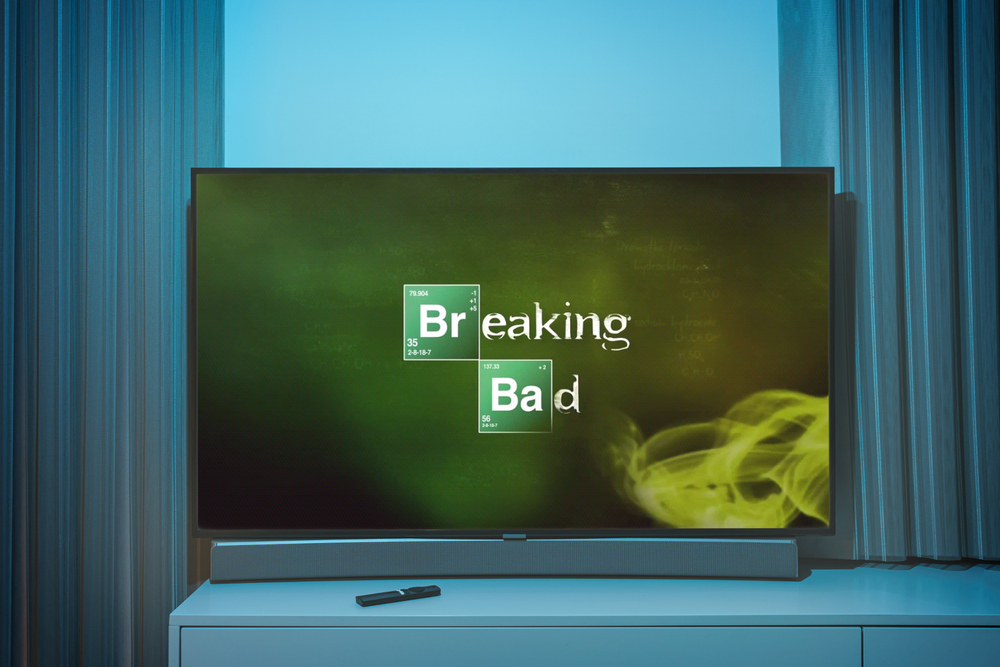
What began as a dark comedy about a desperate chemistry teacher cooking methamphetamine gradually transformed into a tense crime thriller. The early episodes featured absurdist scenarios and fish-out-of-water humor as Walter White stumbled through his new criminal endeavors.
By the final seasons, the show had fully embraced its crime saga identity, with elaborate cartel conflicts and psychological warfare that bore little resemblance to its more lighthearted beginnings.
The Good Place
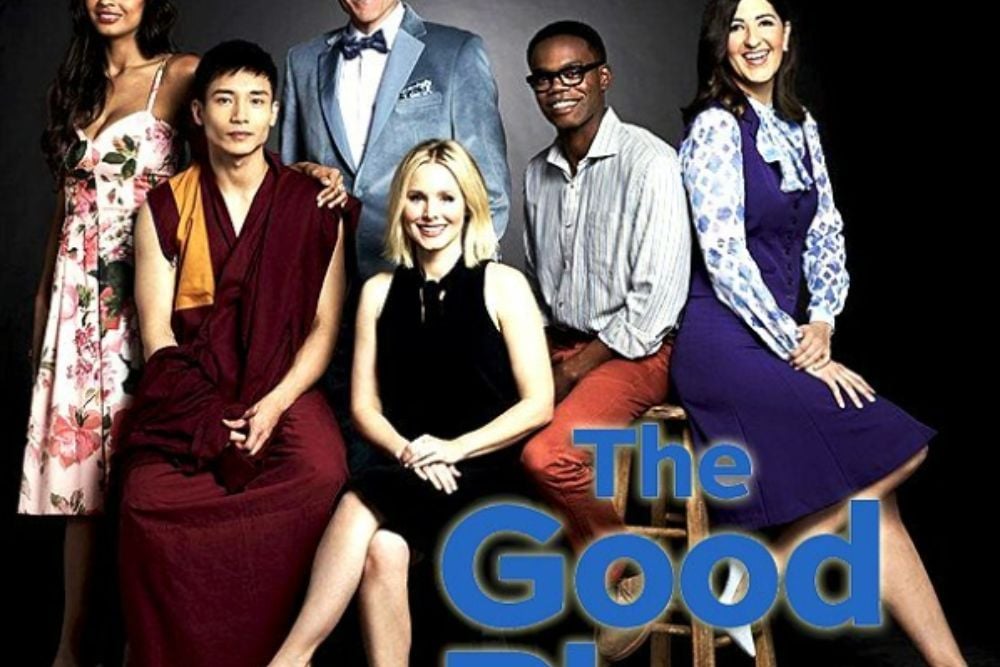
Few shows have executed a genre shift as dramatically as ‘The Good Place.’ Beginning as a quirky sitcom about the afterlife, the first season finale delivered a jaw-dropping twist that effectively transformed the show into a philosophical thought experiment.
What followed was a series that maintained its comedic sensibilities while delving into complex ethical theories and existential questions about human morality, redefining what a network comedy could accomplish.
Like Go2Tutors’s content? Follow us on MSN.
Westworld
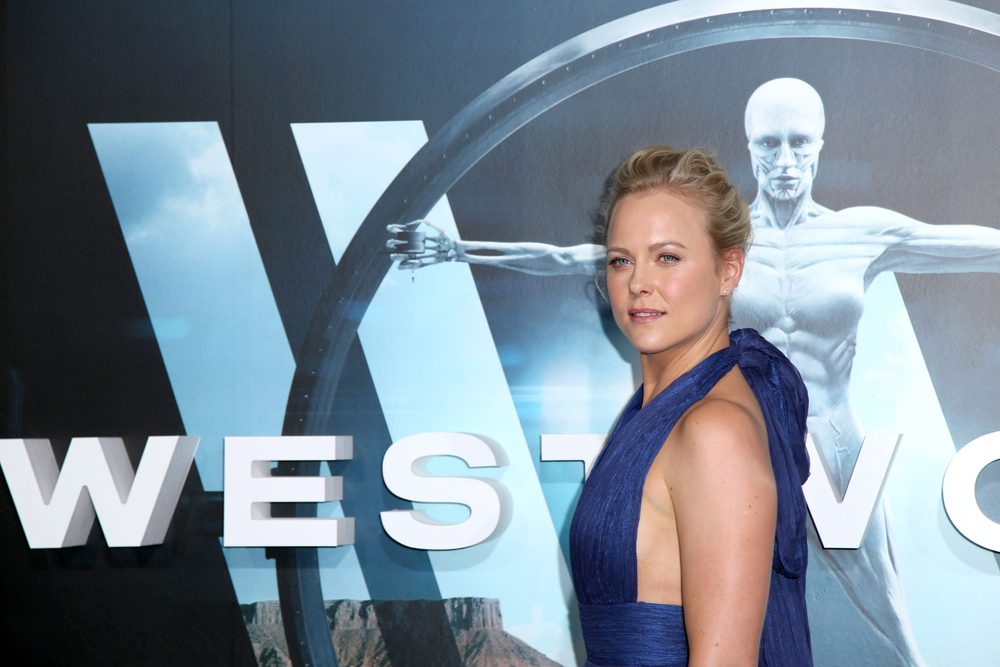
HBO’s sci-fi western initially presented itself as a straightforward tale about a futuristic theme park where the rich could live out their frontier fantasies with lifelike robots. The show’s first season remained largely contained within the park’s boundaries and storytelling conventions.
Later seasons expanded into a global cyberpunk thriller about artificial intelligence and human evolution, abandoning much of its Western aesthetic for sleek, futuristic cityscapes and complex timeline manipulations.
Lost
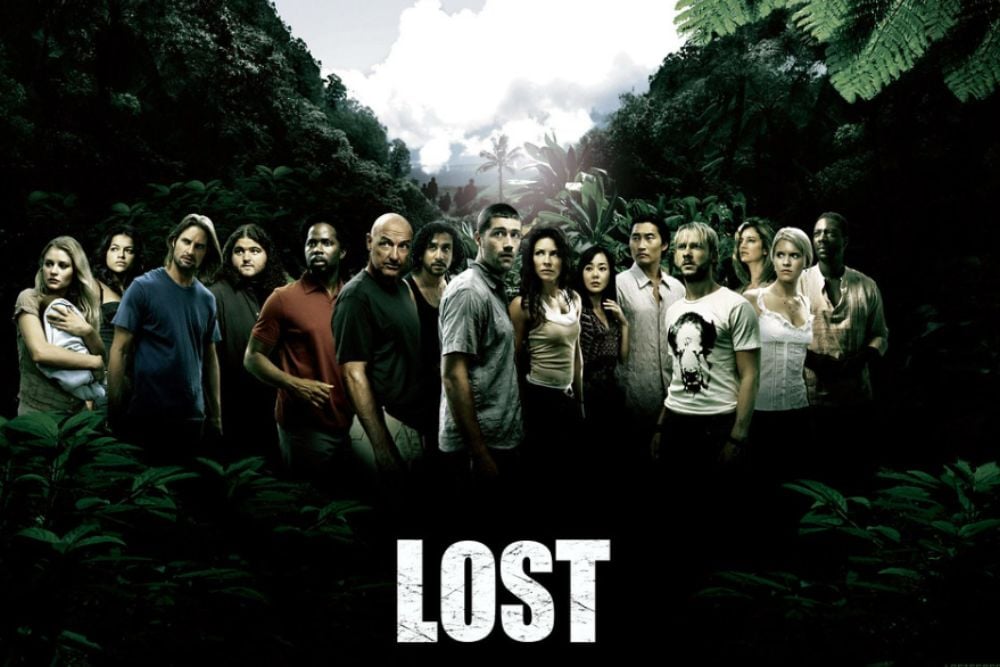
ABC’s island mystery began as a survival drama about plane crash survivors facing immediate dangers like food shortages and wild animals. The first season leaned heavily into character-driven conflicts and basic survival scenarios.
As the series progressed, it morphed into a science fiction epic involving time travel, parallel realities, and metaphysical concepts that were worlds away from its initial ‘Survivor’-esque premise.
Agents of S.H.I.E.L.D.
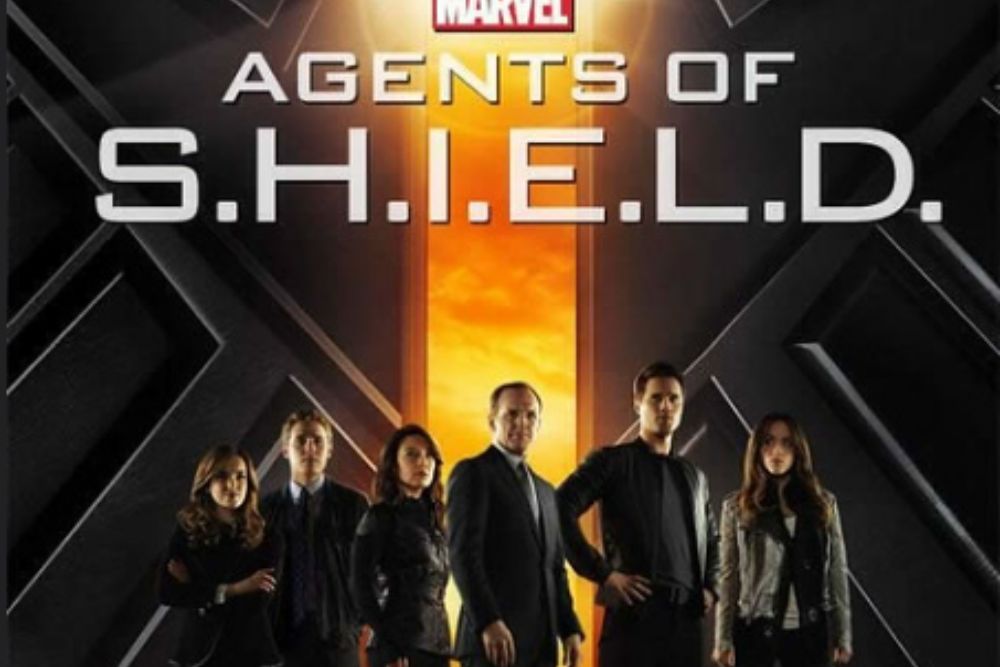
This Marvel series debuted as a procedural spy show with occasional superhero elements, featuring a team investigating strange phenomena each week. After the events of ‘Captain America: Winter Soldier’ upended the show’s premise, it evolved into a full-blown science fiction series complete with interplanetary travel, time loops, and alternate dimensions.
The transformation was so complete that later seasons barely resembled the grounded spy thriller that premiered in 2013.
Like Go2Tutors’s content? Follow us on MSN.
Supernatural
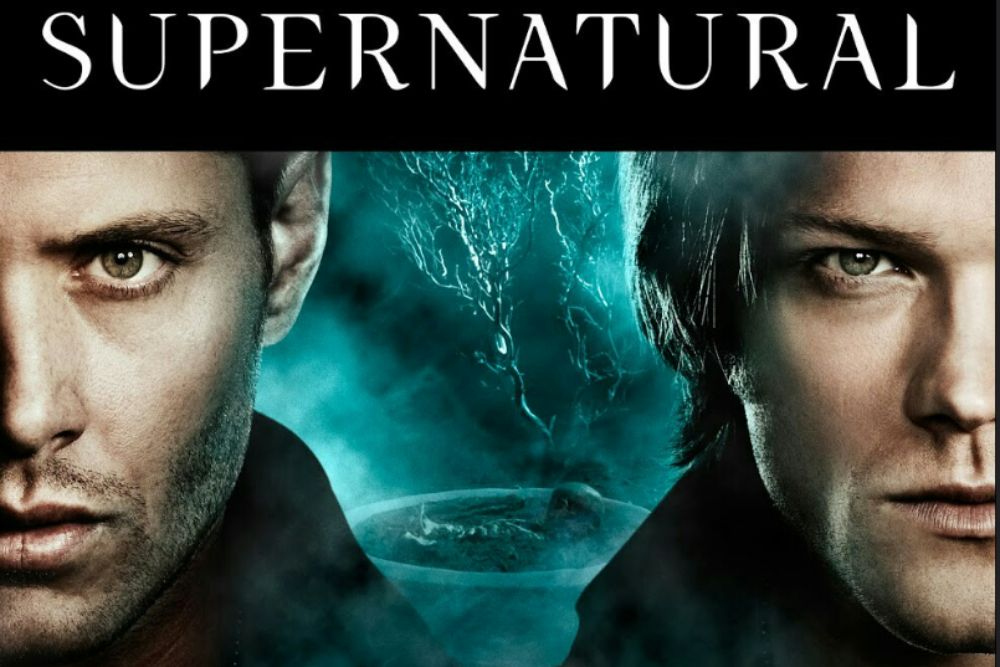
The Winchester brothers started their journey in a horror anthology format, hunting different monsters each week in self-contained episodes. The early seasons followed a clear ‘monster of the week’ formula with minimal overarching narrative.
By season four, the show had reinvented itself as an apocalyptic biblical epic featuring angels, demons, and cosmic consequences, relegating its monster-hunting roots to occasional nostalgic callbacks.
Roseanne

This groundbreaking sitcom began as a realistic portrayal of working-class American family life, with authentic depictions of financial struggles and domestic challenges. During its infamous final season, the show bizarrely shifted into fantasy territory, revealing that much of what viewers had seen was actually a novel written by Roseanne’s character, who had reimagined her family’s circumstances after her husband’s death.
This genre shift from kitchen-sink realism to meta-fiction remains one of television’s most controversial creative decisions.
Shameless
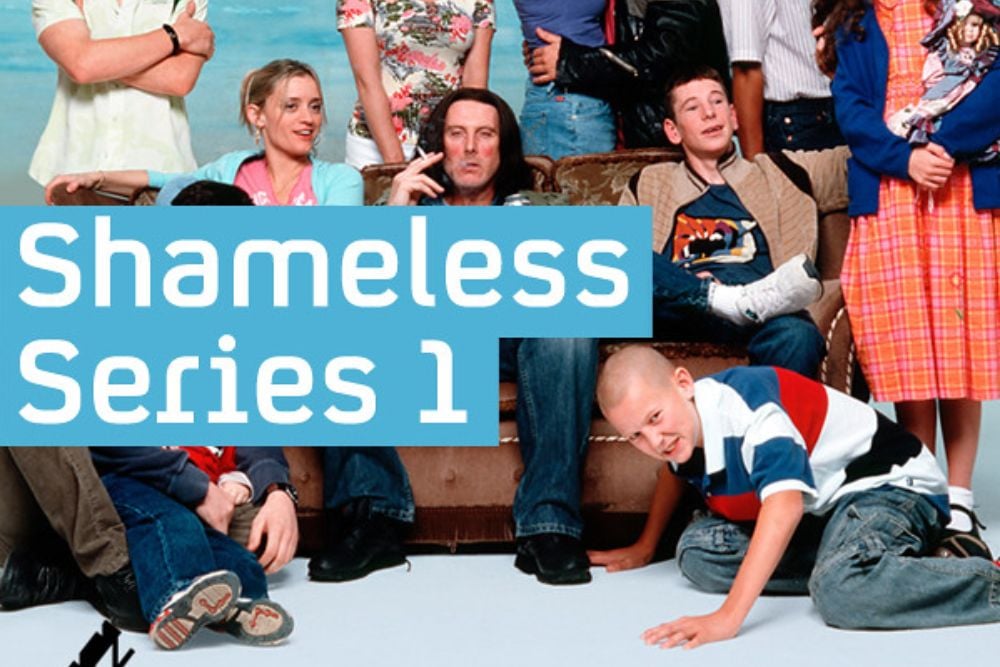
The US adaptation of this British series initially positioned itself as a gritty comedy-drama about a dysfunctional family led by an alcoholic father. The early seasons balanced outrageous humor with stark social commentary about poverty.
As the series progressed, it leaned increasingly into soap opera territory, with melodramatic storylines involving prison breaks, unexpected wealth, and improbable romantic entanglements that distanced the show from its realistic origins.
Like Go2Tutors’s content? Follow us on MSN.
Battlestar Galactica
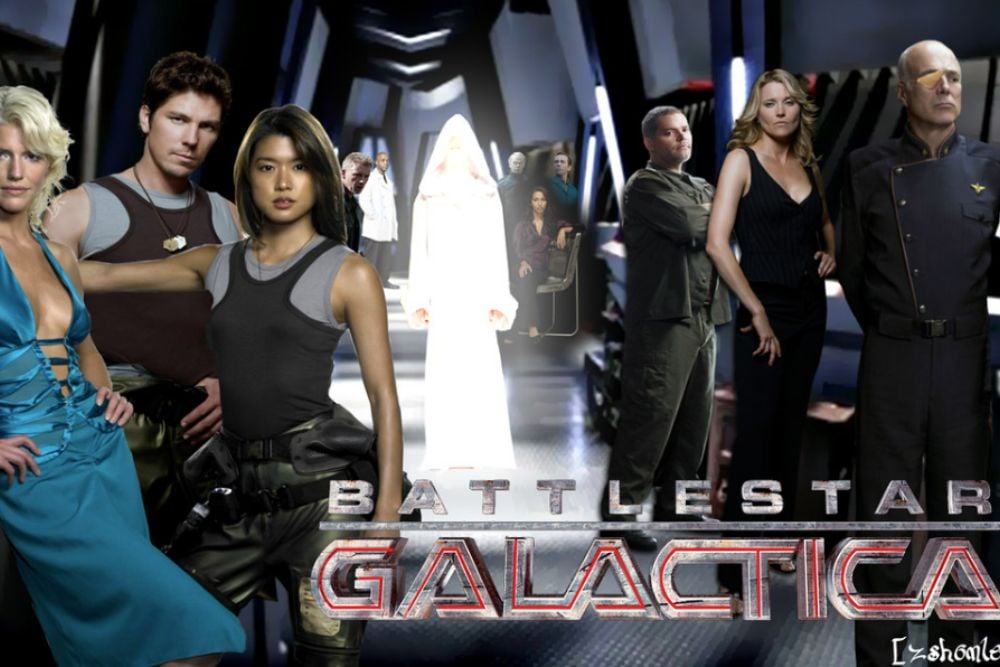
Humanity’s survival against artificial adversaries was the main theme of the 2004 remake, which started out as military science fiction. Early episodes focused on military protocol, interplanetary warfare, and pressing survival issues.
In the middle of the series, space combat took a backseat to philosophical inquiries about consciousness and divinity as the show transformed into a philosophical religious drama that examined prophecy, destiny, and the cyclical structure of time.
Weeds
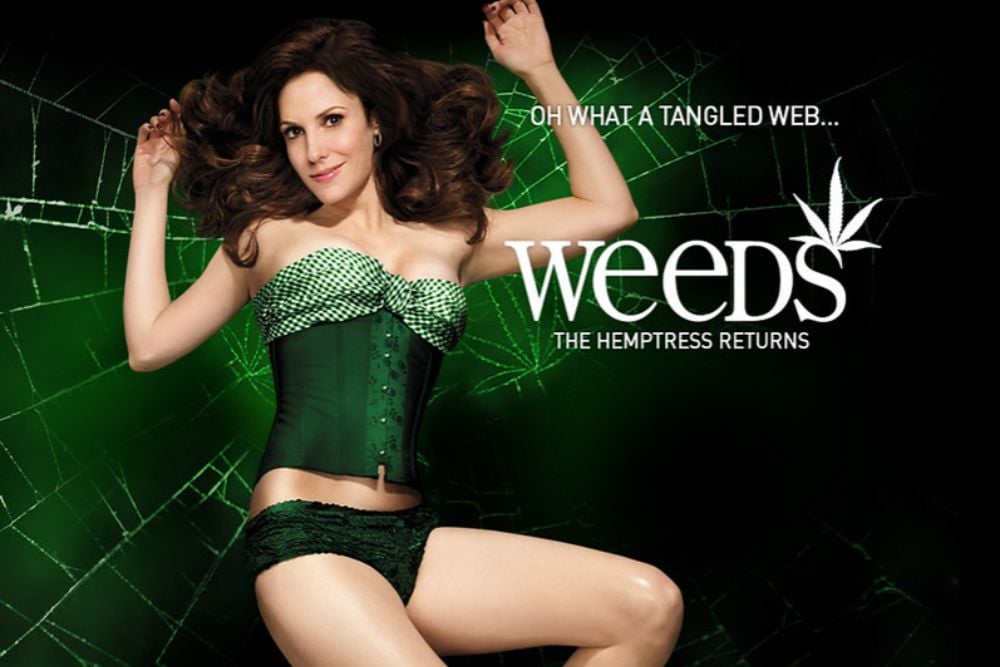
Nancy Botwin’s journey began as a suburban satire about a widowed mother selling marijuana to maintain her family’s middle-class lifestyle. The first three seasons remained firmly in the realm of dark comedy within a suburban setting.
After the Agrestic neighborhood burned down, the show morphed into a crime drama spanning international drug cartels, political corruption, and prison life, abandoning its satirical suburban roots entirely.
Desperate Housewives
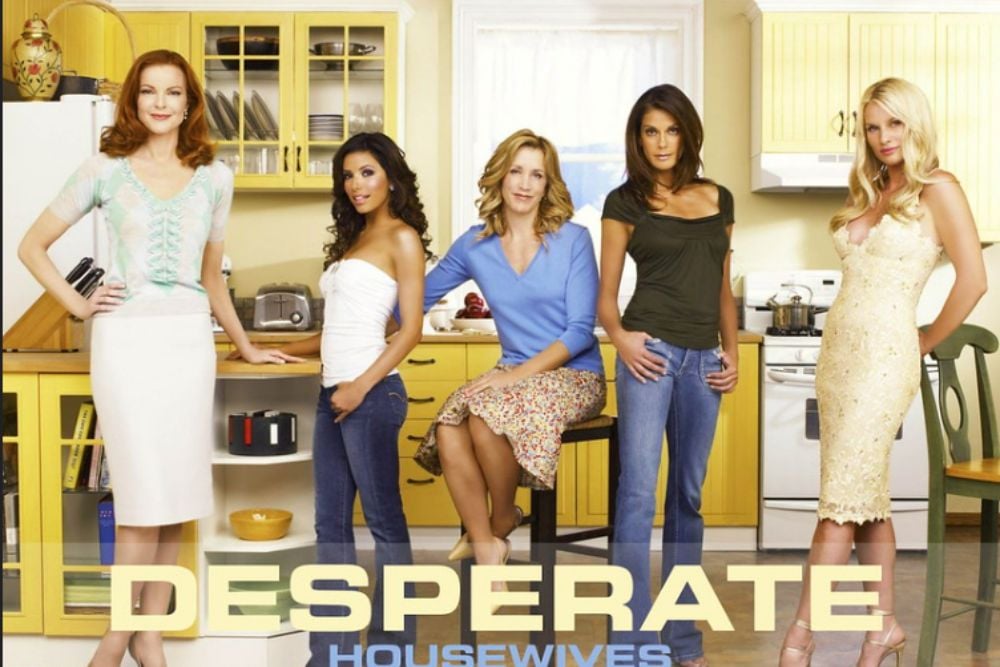
The series premiered as a mystery-driven dark comedy centered around the suicide of a Wisteria Lane resident. This initial mystery framework gave the show a distinct identity and narrative focus.
Once that central mystery concluded, the show gradually shifted into a more traditional soap opera format, cycling through increasingly outlandish scandals and romantic entanglements without the unifying mystery element that defined its beginnings.
Like Go2Tutors’s content? Follow us on MSN.
Fringe
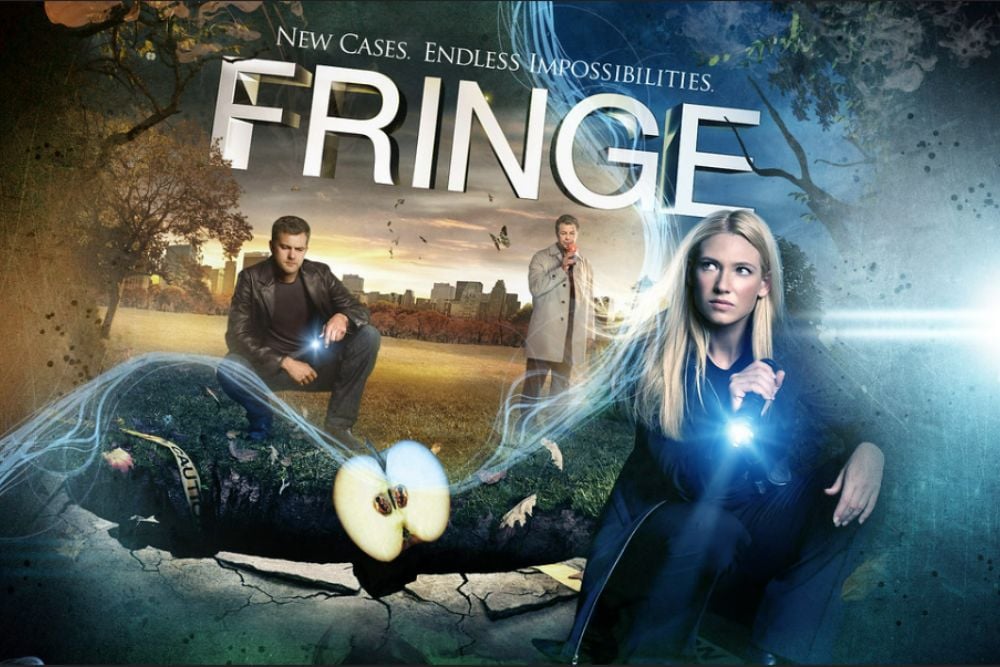
J.J. Abrams’ FOX series initially presented itself as a procedural investigation show about fringe science phenomena, with self-contained ‘monster of the week’ episodes. The early seasons focused on bizarre scientific cases that could largely be resolved within an episode.
By its third season, ‘Fringe’ had fully committed to a complex serialized narrative about parallel universes at war, with alternate versions of characters and timeline alterations that required deep audience investment beyond its procedural beginnings.
Twin Peaks
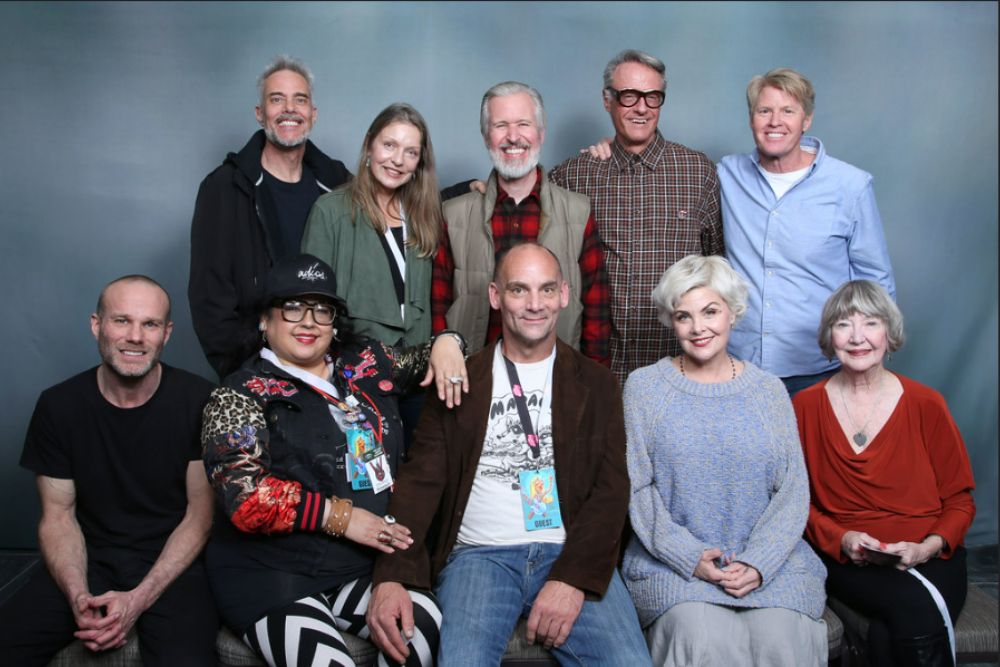
Set in a quirky tiny town and centered on FBI agent Dale Cooper’s inquiry into Laura Palmer’s death, David Lynch’s cult masterpiece started out as an unconventional murder mystery. The show veered into supernatural horror area with interdimensional beings, possession, and complex metaphysical notions after unveiling the killer halfway through the second season.
The 2017 revival, which completely forsook traditional narrative in favor of surrealist experimentation, further highlighted this genre shift.
Archer
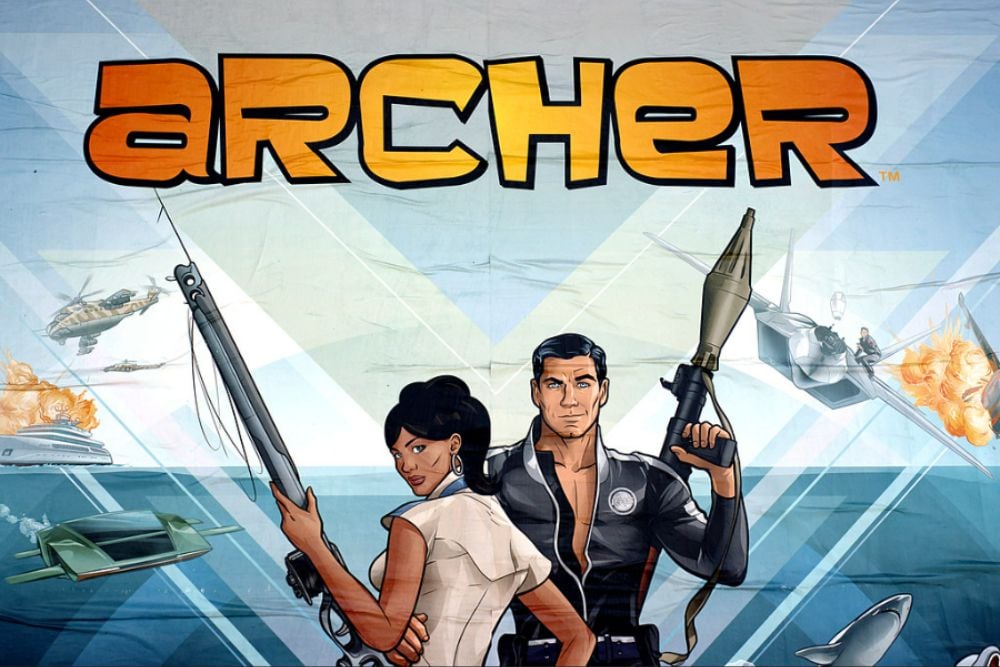
This animated series started as a straightforward spy parody, lampooning James Bond tropes through the exploits of Sterling Archer and the dysfunctional ISIS spy agency. After several seasons in this format, the show began experimenting with complete genre overhauls each season, reinventing itself as a Miami Vice-style crime drama, a film noir detective story, and even a space opera, while maintaining its core characters in new contextual settings.
Like Go2Tutors’s content? Follow us on MSN.
The Walking Dead
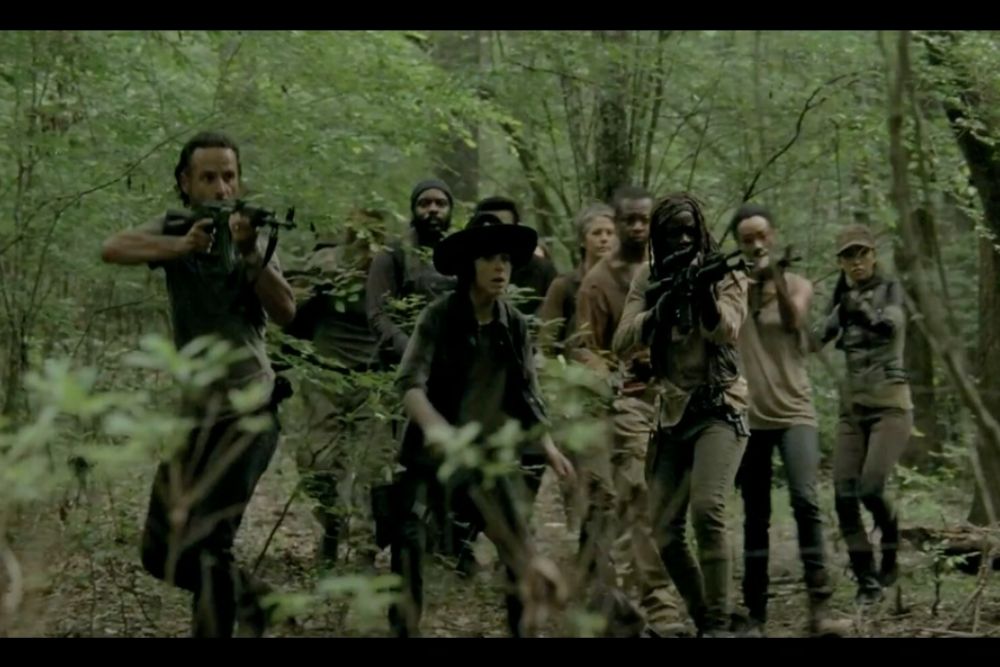
AMC’s zombie apocalypse drama initially centered on survival horror and the immediate threats posed by the undead. Early seasons emphasized the shock and horror of a world overrun by zombies, with tense sequences of characters evading or fighting the walking dead.
As the series progressed, it transformed into a political drama about rebuilding civilization, with human factions vying for power and resources. At the same time, zombies became a manageable background threat rather than the primary antagonistic force.
Evolution By Necessity

Television’s unique format allows shows to reinvent themselves in ways that movies simply cannot. These genre transformations often reflect creative teams responding to changing audience tastes, network pressures, or the natural evolution of characters who have grown beyond their original premises.
While some viewers lament when a beloved show strays from its roots, these bold pivots have produced some of television’s most memorable and innovative storytelling moments.
The shows that successfully navigate these transitions maintain their core identity while exploring new narrative territory, proving that sometimes the most interesting stories come from creators willing to break their own established rules.
When done thoughtfully, genre evolution can breathe new life into aging series and challenge audience expectations about what television storytelling can accomplish.
More from Go2Tutors!

- 18 Unexpectedly Valuable Collectibles You Might Have Lying Around
- 20 Little-Known Historical Battles That Had Huge Consequences
- 20 Historical Artifacts That Scientists Can’t Explain
- 15 Inventions That Were Immediately Banned After Being Created
- 20 Actors Who Were Almost Cast in Iconic Roles
Like Go2Tutors’s content? Follow us on MSN.