The Most Isolated Post Offices On The Planet
There’s something oddly moving about a post office at the edge of the world. In an age where messages travel in seconds, these places still insist on envelopes, rubber stamps, and the slow, deliberate act of sending something physical across vast distances.
They exist in places that most maps barely acknowledge — on windswept islands, inside polar research stations, at the bottom of a canyon only mules can reach. And yet, they function. Letters go in. Letters come out. Eventually.
Here Are Some Of The Most Remote Post Offices Still Operating On Earth.
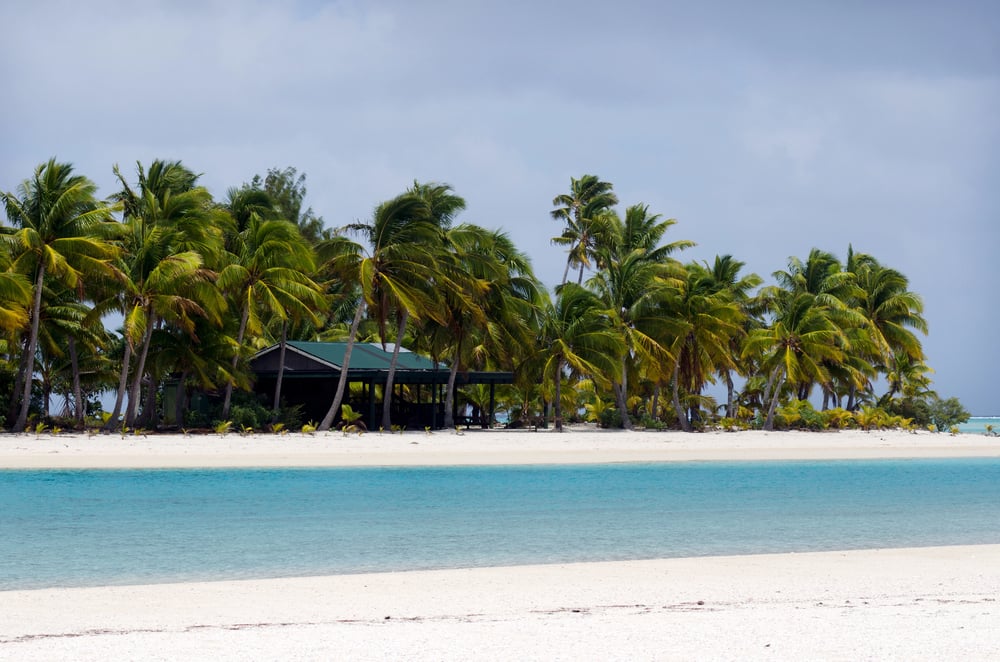
Tristan da Cunha, South Atlantic Ocean
This one is hard to beat. Tristan da Cunha sits roughly 2,400 kilometres from the nearest inhabited land — Saint Helena — making it the most remote permanently inhabited island on Earth.
The island has about 250 residents, and they have their own post office, complete with their own postage stamps. Mail arrives by ship, which calls in only a handful of times a year.
If you send a letter to Tristan da Cunha, it will get there. It just won’t be soon.
Supai, Arizona, USA

The Havasupai Tribe’s village of Supai sits deep inside the Grand Canyon. There are no roads into it.
No airstrip. The only way in is by foot, horseback, or helicopter, and the same goes for the mail.
The Supai post office holds the distinction of being the only place in the United States where mail is still delivered by mule. Each day, a pack train descends eight miles into the canyon carrying parcels, letters, and supplies.
It’s the last holdout of a delivery method that the rest of the country retired long ago.
Port Lockroy, Antarctica

Port Lockroy is a former British research station on a small island off the Antarctic Peninsula. It was decommissioned as a science base and later restored as a historic site and museum.
Part of that restoration included reopening its post office. During the Antarctic summer, a small team of volunteers runs the station and processes mail for visitors arriving on cruise ships.
The postmarks are collector’s items, and letters sent from here can take months to reach their destinations — travelling first by ship, then through the international postal system.
Pitcairn Island, South Pacific

Pitcairn’s entire population fits comfortably inside a large restaurant. Around 45 to 50 people live there, descended from the mutineers of the HMS Bounty and their Tahitian companions who settled the island in 1790.
The island’s post office produces some of the most sought-after stamps in the philately world. Supply ships stop only every few weeks.
Any letter you send from Pitcairn will travel by boat to Mangareva in French Polynesia first, and then make its way through the wider postal network from there.
Longyearbyen, Svalbard, Norway

Svalbard sits in the Arctic Ocean, roughly halfway between mainland Norway and the North Pole. Longyearbyen is its largest settlement, home to around 2,400 people — researchers, miners, and those who’ve simply chosen to live as far north as a permanent address will allow.
The post office there operates normally by most standards, but the environment around it is anything but normal. Polar bears outnumber people on the archipelago.
In winter, the sun doesn’t rise for months.
Alert, Nunavut, Canada

Alert is the northernmost permanently inhabited settlement on the planet. It’s a Canadian Forces Station and weather monitoring post, sitting just 817 kilometres from the North Pole.
The handful of personnel stationed there at any time receive mail, though the service is tied entirely to scheduled military flights.
A letter addressed to Alert, Nunavut, NU X0A 0E0 will get there. But asking when is a different conversation entirely.
Kerguelen Islands, French Southern Territories
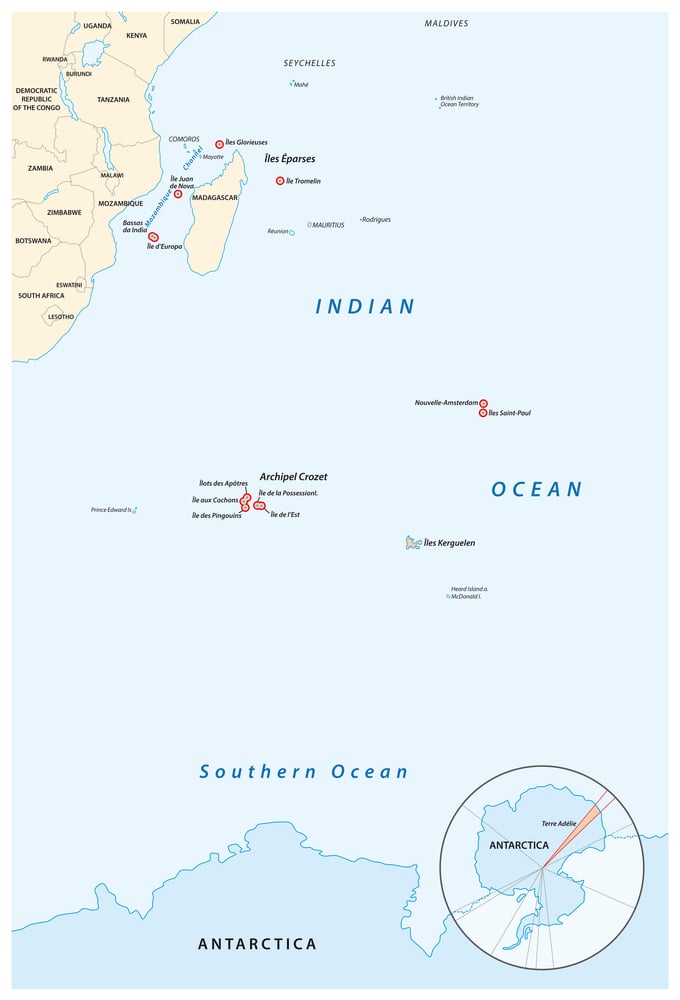
The Kerguelen Islands are sometimes called the Desolation Islands, and the name earns itself. Located in the southern Indian Ocean, thousands of kilometres from any continent, they host a permanent French research station with a rotating population of scientists.
The post office there operates officially as French territory, and letters mailed from Kerguelen carry French stamps with a distinct southern territories designation. Mail arrives and departs only a few times a year, aboard the supply vessel that makes the journey from Réunion.
St. Helena, South Atlantic
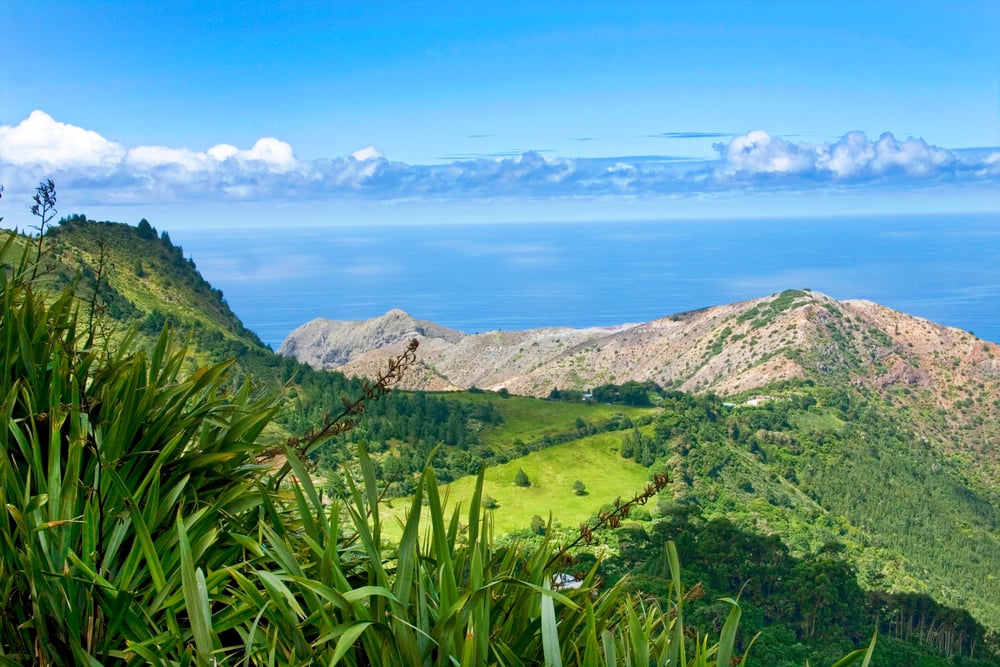
Before it got an airport in 2016, St. Helena was one of the most difficult places to reach on Earth. The island — best known as Napoleon’s final exile — relied entirely on a single supply ship for connection to the outside world.
The post office predates the airport by centuries. St. Helena’s stamps have been issued since the mid-1800s, and the island’s postal history runs deeper than most places far larger than it.
Now that flights connect the island to Johannesburg, the post office sees a little more traffic, but the sense of distance hasn’t fully left.
Adak, Alaska, USA

Adak sits near the western end of the Aleutian Islands, a chain stretching into the North Pacific. At its peak it was a US Navy base with thousands of personnel.
Today, fewer than 200 people live there. The post office still operates.
Flights come in a few times a week weather permitting, which in the Aleutians is never guaranteed. The island is one of the windiest inhabited places in the United States, and the weather has a habit of grounding planes for days at a stretch.
South Georgia, British Overseas Territory

South Georgia is a jagged, glacier-covered island in the South Atlantic, most famous as the place where Ernest Shackleton died and was buried. It has no permanent civilian population, but it does have a post office of sorts — operated during the summer months by the South Georgia Heritage Trust and the Government of South Georgia and the South Sandwich Islands.
Visitors arriving on expedition cruises can get their letters stamped and posted from here. The stamps, like those from Port Lockroy, are genuine collector’s pieces.
Floating Post Office, Dal Lake, India
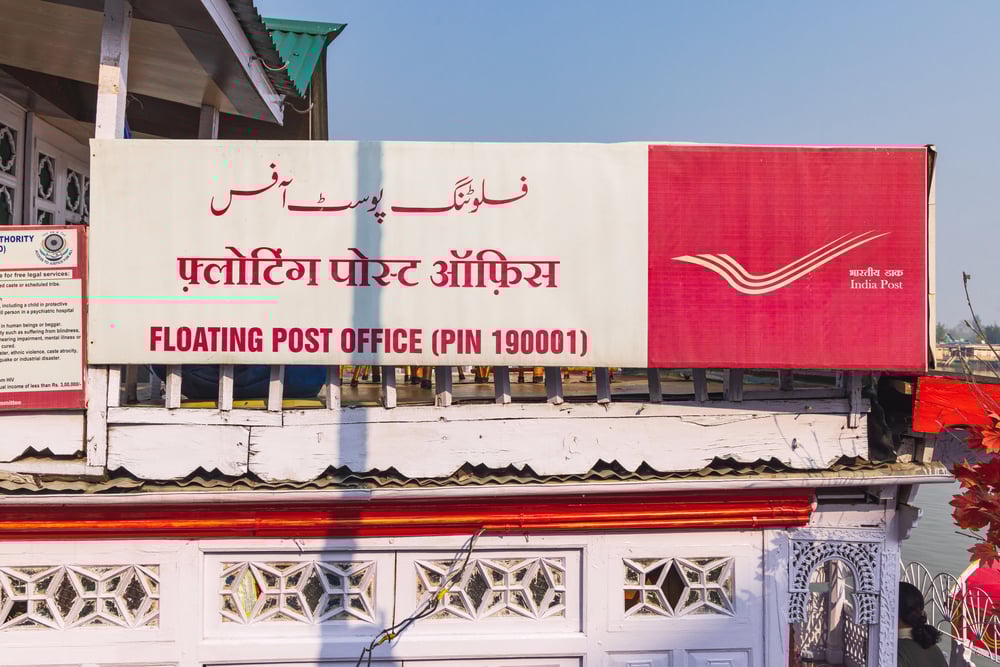
This one works differently from the others. Dal Lake in Srinagar, Kashmir, is famous for its houseboats, and for decades a post office has operated from one of them.
The houseboat sits on the water, moving with the lake’s rhythms, and serves the floating community of residents and vendors who live and work on the water.
It’s not remote in the traditional geographic sense — Srinagar is a city — but getting your mail from a boat on a lake is a particular kind of isolation all its own.
McMurdo Station, Antarctica
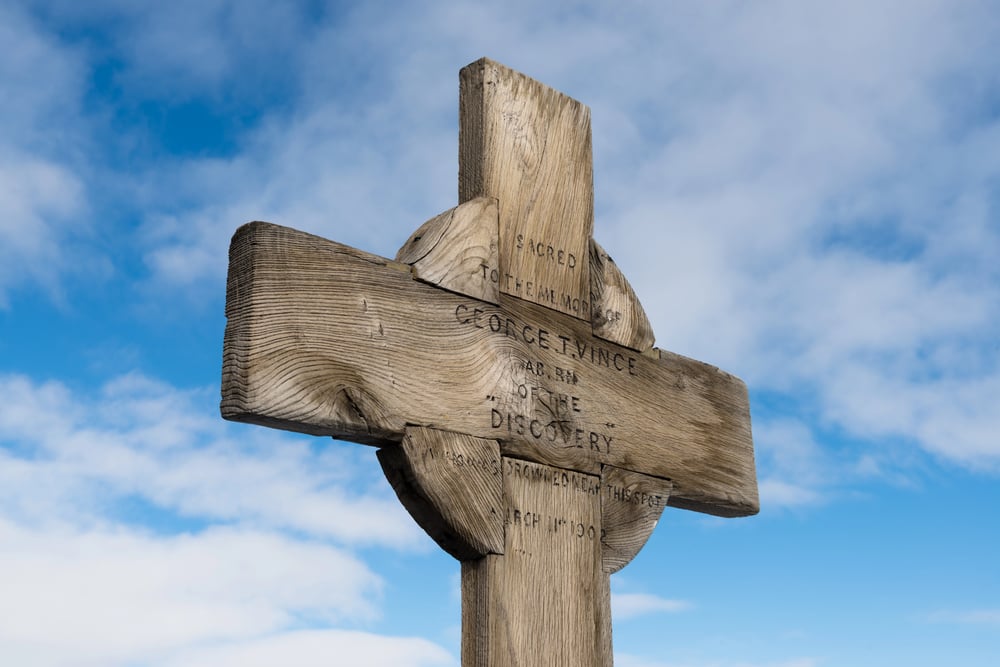
McMurdo is the largest research station in Antarctica, operated by the United States, with a winter population that can drop to around 150 people and a summer population that climbs past a thousand.
It has its own ZIP code: 96599. Mail to and from McMurdo travels on military cargo flights.
During the winter-over period, those flights stop, and the station is on its own for months. Any letters sent during that time sit waiting for the next window to open.
Ny-Ålesund, Svalbard, Norway

Ny-Ålesund is a research settlement even further into the Arctic than Longyearbyen, sitting at 78 degrees north. It’s the northernmost permanently inhabited settlement with a civilian character, housing researchers from a dozen countries.
The Norwegian postal service covers Ny-Ålesund, and it gets mail. But the settlement isn’t open to general tourism, and the only way in is by boat or small aircraft.
Whatever arrives there has made a journey most pieces of mail never will.
Diego Garcia, British Indian Ocean Territory

Diego Garcia is a coral atoll in the middle of the Indian Ocean, home to a joint US-UK military base. Access is strictly controlled — you need military authorization to set foot there.
The civilian population, the Chagossians, was displaced decades ago, and the island now functions as a strategic military installation.
A post office operates there for military personnel. Letters sent from Diego Garcia carry a unique postmark that collectors seek out, partly for its rarity and partly because so few people ever have a reason to send one.
Where The Stamp Still Means Something

What these places share isn’t just distance. It’s the weight that a letter carries when getting it somewhere required real effort — a mule train, a supply ship, a military flight through a polar night.
Most of the world treats the post office as background infrastructure, something you visit twice a year at most. In these places, mail is an event.
The arrival of a ship, the descent of a mule train, the cargo flight breaking through cloud cover — these things matter. And somewhere in that, the simple act of sending a letter gets its meaning back.
More from Go2Tutors!

- The Romanov Crown Jewels and Their Tragic Fate
- 13 Historical Mysteries That Science Still Can’t Solve
- Famous Hoaxes That Fooled the World for Years
- 15 Child Stars with Tragic Adult Lives
- 16 Famous Jewelry Pieces in History
Like Go2Tutors’s content? Follow us on MSN.